
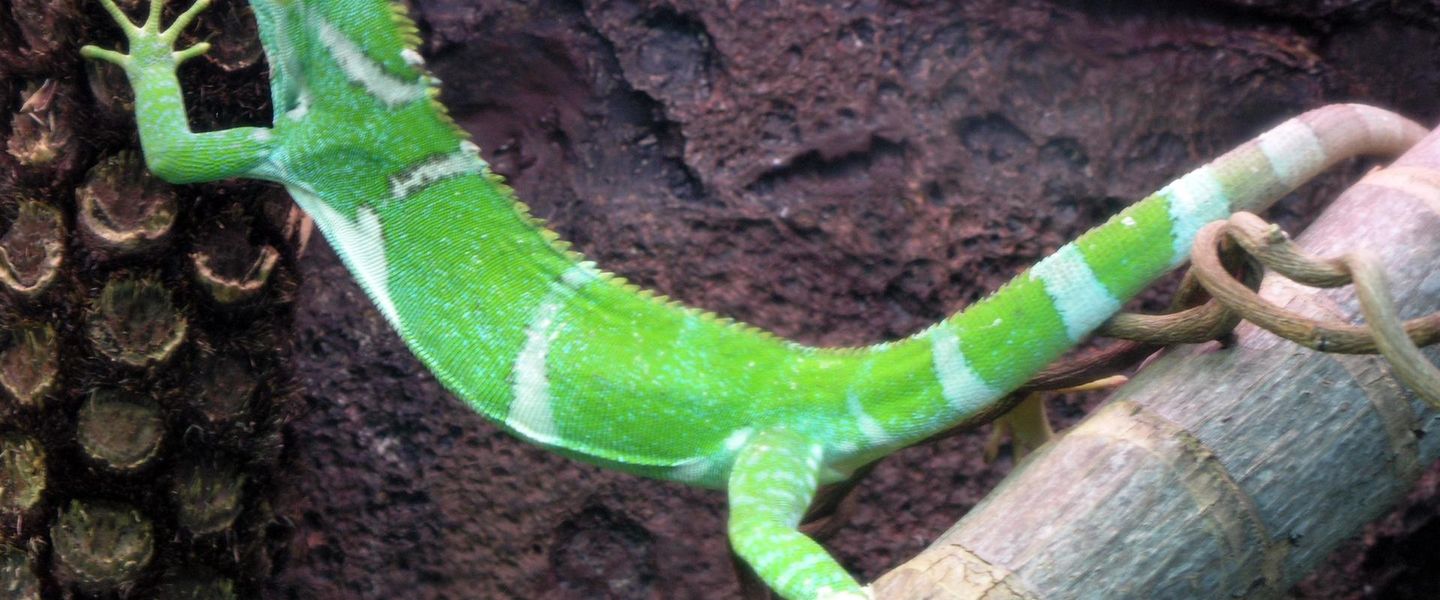
Mamanuca Islands, Fiji Travel Guide
Discover the Mamanuca Islands: Fiji's paradise with crystal-clear waters, white sandy beaches, and vibrant coral reefs perfect for snorkeling, diving, and pure relaxation.
The Mamanuca Islands are a stunning group of islands located off the west coast of Fiji's main island, Viti Levu. Known for their crystal-clear waters, white sandy beaches, and vibrant coral reefs, these islands offer an idyllic escape for travelers seeking both relaxation and adventure. The Mamanucas are a favorite destination for snorkeling and diving enthusiasts, thanks to the abundant marine life and pristine underwater landscapes. Each island in the Mamanuca group has its own unique charm. From the bustling activities on Malolo Island to the serene beauty of Monuriki, where the movie 'Cast Away' was filmed, there is something for every type of traveler. Whether you want to indulge in luxury at a five-star resort or experience the local culture at a village stay, the Mamanucas provide a variety of options to suit all preferences. Beyond the beaches, visitors can explore lush palm forests, partake in traditional Fijian ceremonies, or take a boat trip to nearby islands. The friendly locals and their warm hospitality add to the enchanting experience, making the Mamanuca Islands a must-visit destination in Fiji.

Know before you go
Hi, I'm Eve. Here are a few practical things to know before exploring Mamanuca Islands.
- Best Time to Visit: May to October offers the best weather with clear skies and calm seas.
- Local Transport: Use the local ferries or water taxis for island hopping to get the most out of your visit.
- Snorkeling Gear: Bring your own snorkeling gear to avoid rental fees and ensure you have the best quality equipment.
- Sun Protection: The sun can be very strong, so make sure to bring high SPF sunscreen, hats, and sunglasses.
- Cash: Carry some Fijian dollars as not all places accept credit cards, especially on the smaller islands.
Explore Mamanuca Islands: Things to Do, Places to Eat, Hotels & More
Handpicked recommendations for top attractions, local dining, accommodations, and more

Top Attractions & Sightseeing in Mamanuca Islands
Top-rated picks
Best Attractions

Malamala Beach Club
Experience the world's first island beach club, just a short boat ride from Denarau. Indulge in luxury, Pacific flavors, and stunning Mamanuca views.

Sri Siva Subramaniya Swami Temple
Explore the largest Hindu temple in the Southern Hemisphere, a vibrant display of Dravidian architecture and Fijian-Indian culture in Nadi, Fiji.

Fiji Hideaway Resort and Spa
Experience Fijian warmth on the Coral Coast at Fiji Hideaway Resort & Spa: beachfront bliss, cultural activities, and family fun await!
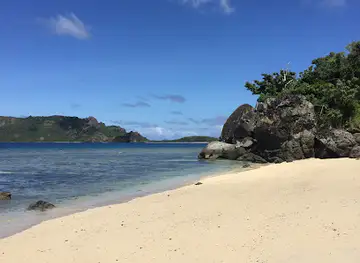
Koroyanitu National Park
Discover Fiji's hidden gem: Hike lush trails, experience vibrant culture, and witness breathtaking views at Koroyanitu National Heritage Park.

Best landmarks in Mamanuca Islands
Top-rated picks
Best Landmarks

Shangri-La Yanuca Island, Fiji
Discover Shangri-La Yanuca Island, Fiji - a luxurious resort with stunning beaches, vibrant gardens, and world-class amenities for an unforgettable tropical getaway.
OUTRIGGER Fiji Beach Resort
Discover the ultimate tropical escape at Outrigger Fiji Beach Resort, where luxury meets the stunning beauty of Fiji's coastline.

The Naviti Resort
Experience the beauty of Fiji at The Naviti Resort, where luxury meets adventure in a tropical paradise.

Viti Levu
Explore Viti Levu, Fiji's largest island, known for its stunning beaches, vibrant culture, and breathtaking landscapes that offer unforgettable adventures.

Best restaurants in Mamanuca Islands
Top-rated picks
Best Restaurants

Bulaccino Café (Namaka, Nadi)
Experience culinary bliss at Bulaccino Café in Nadi – where local ingredients meet international flavors in a welcoming atmosphere.

Sentai Seafood Restaurant
Experience the best seafood dishes at Sentai Seafood Restaurant in Nadi, Fiji - where fresh meets flavor in every bite!

Corner Cafe Fiji
Experience the flavors of Fiji at Corner Cafe - your go-to spot for breakfast, lunch, and delightful desserts in Nadi.
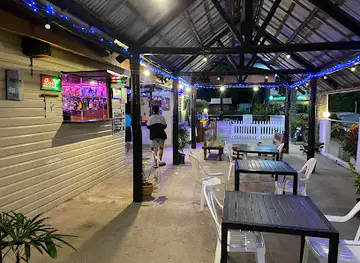
Beach Escape Resort Restaurant
Experience authentic Fijian flavors at Beach Escape Resort Restaurant in Nadi—where culinary delights meet local culture.

Best bars in Mamanuca Islands
Top-rated picks
Best Bars

Nadi Sports & Social Club
Experience the vibrant atmosphere at Nadi Sports & Social Club, the perfect blend of sports, leisure, and social gatherings in Fiji.

Vasaqa Fiji
Experience the taste of Fiji at Vasaqa Fiji, where delicious cuisine meets vibrant island ambiance in Nadi.

Ice Bar
Discover Nadi's coolest nightlife destination at Ice Bar, where refreshing drinks and vibrant atmosphere await you.

Sundowner Bar & Grill
Experience the vibrant flavors of Fiji at Sundowner Bar & Grill, where stunning ocean views meet exquisite culinary delights.

Best nightclubs in Mamanuca Islands
Top-rated picks
Best Nightclubs

DownUnder Pub
Discover the lively nightlife at DownUnder Pub in Suva, Fiji, where great music and refreshing drinks create an unforgettable atmosphere.

The Hive
Experience the vibrant nightlife of Nadi at The Hive, a lively bar offering refreshing drinks, great music, and a welcoming atmosphere.

Eds Bar
Discover vibrant nightlife at Eds Bar in Nadi, Fiji, where affordable drinks and lively music create unforgettable evenings.

The Lab Fiji
Discover the electrifying nightlife at The Lab Fiji, where vibrant music and dance create unforgettable experiences in Nadi.

Best shops in Mamanuca Islands
Top-rated picks
Best Shops

TappooCity Suva
Experience the essence of Fiji at TappooCity Suva, a lively shopping mall showcasing local culture and diverse culinary delights.

TappooCity Lautoka
Explore TappooCity Lautoka, the ultimate shopping destination in Fiji, featuring local crafts, international brands, and immersive cultural experiences.

Extra Supermarket Fiji
Explore Extra Supermarket in Lautoka for the best local produce and Fijian specialties, a vibrant grocery store experience in Fiji.

My Fiji Store
Experience the essence of Fiji with unique souvenirs, delicious chocolates, and thoughtful gifts at My Fiji Store in Nadi.

Explore Mamanuca Islands on the Map
A handpicked selection of must-see spots in Mamanuca Islands, mapped for you.
Mamanuca Islands Essentials
-
The Mamanuca Islands are accessible primarily via Nadi International Airport (NAN), which is the main international gateway to Fiji. From Nadi, you can take a ferry, speedboat, or even a seaplane to the islands. Popular ferry services include South Sea Cruises and Awesome Adventures Fiji, which offer regular trips to various islands in the Mamanuca group. Seaplane flights operated by companies like Turtle Airways provide a quicker and scenic route to your destination.
-
Once on the islands, transportation options include walking, bicycles, and golf carts, which are commonly used within resorts. For inter-island travel, water taxis and ferries are the most practical options. Some resorts offer complimentary shuttle services for their guests. Renting a boat or arranging private charters can also provide flexibility for exploring the islands at your own pace.
-
The official currency of Fiji is the Fijian Dollar (FJD). Major credit cards (Visa, MasterCard, and American Express) are widely accepted at resorts, restaurants, and larger businesses, but it's advisable to carry some cash for smaller establishments and local markets. ATMs are available on larger islands, but not all smaller islands have banking facilities, so withdraw sufficient cash before traveling to remote areas.
-
The Mamanuca Islands are generally safe for tourists, with low crime rates. However, standard travel precautions should be taken, such as safeguarding valuables, avoiding isolated areas at night, and being cautious with personal belongings in crowded places. There are no specific high-crime areas targeting tourists, but it's always wise to stay vigilant and aware of your surroundings.
-
In case of an emergency, dial 911 for immediate assistance. Many resorts have their own medical facilities or can arrange for medical assistance. For serious medical emergencies, arrangements can be made to transport patients to Nadi or Suva hospitals. Ensure you have comprehensive travel insurance that covers medical emergencies and evacuation. Familiarize yourself with the locations of the nearest medical facilities and have emergency contacts readily available.
-
Fashion: Do dress casually and comfortably, but respect local customs by avoiding overly revealing clothing, especially outside of beach areas and resorts. Religion: Do respect Fijian customs and traditions. When visiting villages, cover your shoulders and knees. Public Transport: Do use water taxis and ferries responsibly, and confirm schedules in advance. Don't litter or disrespect the marine environment. Greetings: Do greet locals with a friendly 'Bula!' which means hello. A handshake is also common. Eating & Drinking: Do try local foods like kokoda (Fijian ceviche) and lovo (a traditional Fijian feast). Don't refuse food or drink offered by locals as it may be considered impolite.
-
To experience the Mamanuca Islands like a local, try participating in a traditional kava ceremony, which is an important cultural experience. Visit local markets for fresh produce and handcrafted souvenirs. Engage with the local Fijian people, who are known for their warm hospitality and willingness to share their culture. Snorkeling and diving are must-do activities to explore the vibrant marine life. Consider staying in a homestay or local guesthouse for a more authentic experience.
When is the best time to visit Mamanuca Islands?
Useful Local Phrases for Mamanuca Islands
You don't need to speak the language perfectly. Even learning a few simple words can make conversations warmer—and locals usually appreciate the effort.
— Eve

Here are the phrases I use most often in Mamanuca Islands. Try a few—you'll be surprised how far they go! 😊
❤️
-
- HelloBula
[boo-lah] - GoodbyeMoce
[moh-theh] - YesIo
[ee-oh] - NoSega
[seh-ngah] - Please/You're welcomeVinaka
[vee-nah-kah] - Thank youVinaka
[vee-nah-kah] - Excuse me/SorryTukuna
[too-koo-nah] - How are you?Galu vinaka?
[gah-loo vee-nah-kah] - Fine. And you?Vinaka. O iko?
[vee-nah-kah. oh ee-koh?] - Do you speak English?Eda sa vosa vakavalagi?
[eh-dah sah vo-sah vah-kah-vah-lah-ngi] - I don't understandAu sega ni vosota
[ow seh-ngah nee vo-so-tah]
- HelloBula
-
- I'd like to see the menu, pleaseAu via raica na menu, plis
[ow vee-ah rai-kah nah meh-noo, plees] - I don't eat meatAu sega ni kana na bobo
[ow seh-ngah nee kah-nah nah boh-boh] - Cheers!Serevi!
[seh-reh-vee] - I would like to pay, pleaseAu via saumi, plis
[ow vee-ah sow-mee, plees]
- I'd like to see the menu, pleaseAu via raica na menu, plis
-
- Help!Vakaraitaka!
[vah-kah-rai-tah-kah] - Go away!Kua ni lako!
[koo-ah nee lah-koh] - Call the Police!Tukuna na poli!
[too-koo-nah nah poh-lee] - Call a doctor!Tukuna e dua na dokita!
[too-koo-nah eh doo-ah nah doh-kee-tah] - I'm lostAu sa leqa
[ow sah leh-ngah] - I'm illAu sa mate
[ow sah mah-teh]
- Help!Vakaraitaka!
-
- I'd like to buy...Au via volia...
[ow vee-ah vo-lee-ah] - I'm just lookingAu sa raica ga
[ow sah rai-kah gah] - How much is it?E rawa ni vakacava?
[eh rah-vah nee vah-kah-thah-vah] - That's too expensiveOya e levu duadua
[oh-yah eh leh-voo doo-ah-doo-ah] - Can you lower the price?E rawa ni vakalailai na isau?
[eh rah-vah nee vah-kah-lai-lie nah ee-sow]
- I'd like to buy...Au via volia...
-
- What time is it?Na gauna cava?
[nah gow-nah sah-vah] - It's one o'clockE dua na clock
[eh doo-ah nah clock] - Half past (10)Taba ni (10)
[tah-bah nee (10)] - MorningVeiqaravi
[veh-ee-kah-rah-vee] - AfternoonVokai
[vo-kai] - EveningVakarau
[vah-kah-rah-oo] - YesterdayEna siga sa oti
[eh-nah see-ngah sah oh-tee] - TodayEna siga
[eh-nah see-ngah] - TomorrowEna siga mai
[eh-nah see-ngah my] - 1Dua
[doo-ah] - 2Rua
[roo-ah] - 3Tolu
[toh-loo] - 4Vula
[ voo-lah] - 5Vitu
[vee-too] - 6Tolu
[toh-loo] - 7Vitu
[vee-too] - 8Togalevu
[toh-gah-leh-voo] - 9Ika
[ee-kah] - 10Taka
[tah-kah]
- What time is it?Na gauna cava?
-
- Where's a/the...?E na vanua sa...?
[eh nah vah-noo-ah sah...?] - What's the address?Na i tukutuku cava?
[nah ee too-koo-too-koo sah-vah?] - Can you show me (on the map)?E rawa ni vakaraitaka vei au (ena map)?
[eh rah-vah nee vah-kah-rai-tah-kah veh-ee ow (eh-nah map)?] - When's the next (bus)?Nai yaco ni (bisi)?
[nah-ee yah-ngoh nee (bee-see)?] - A ticket (to ....)E dua na tiketia (ki ....)
[eh doo-ah nah tee-keh-tee-ah (kee ....)]
- Where's a/the...?E na vanua sa...?
History of Mamanuca Islands
-
The Mamanuca Islands have a rich history dating back to early Polynesian settlers. Archaeological discoveries indicate that these islands were inhabited for over a thousand years, with evidence of early fishing communities and traditional Fijian villages. The settlers developed a lifestyle deeply connected to the sea, relying on fishing and navigation skills passed down through generations.
-
The first known European to sight the Mamanuca Islands was the Dutch explorer Abel Tasman in 1643. However, it was British explorer Captain William Bligh who passed through the islands in 1789 during his famous voyage after the Mutiny on the Bounty. Bligh's meticulous navigation maps provided crucial information about the archipelago and its surrounding waters.
-
During the 19th century, the Mamanuca Islands, like the rest of Fiji, came under British colonial rule. The islands were used primarily for copra (dried coconut) production, and several plantations were established. This period also saw the introduction of Christianity by missionaries, which led to significant cultural changes among the indigenous Fijian population.
-
The Mamanuca Islands played a strategic role during World War II. The United States and Allied forces used the islands as a base for operations in the Pacific theater. Several temporary military installations were set up, and the presence of Allied forces had a lasting impact on the local economy and infrastructure development.
-
The latter half of the 20th century saw the Mamanuca Islands transform into a popular tourist destination. The natural beauty of the islands, with their stunning beaches and coral reefs, attracted travelers from around the world. The establishment of luxury resorts and the promotion of water sports and marine activities contributed significantly to the local economy, making tourism the primary industry in the region.
-
Despite the influences of colonization and modern tourism, the Mamanuca Islands have retained much of their traditional Fijian culture. Local communities continue to practice age-old customs, ceremonies, and dances. The preservation of traditional crafts, such as mat weaving and wood carving, remains an important aspect of the islands' cultural identity.
Neighbouring Regions of Mamanuca Islands
The closest regions to Mamanuca Islands, if you have time for more than one.


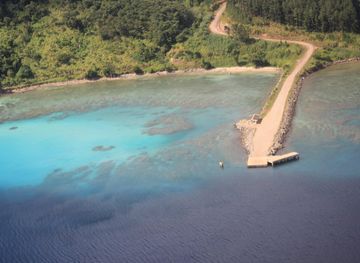

Your all‑in‑one travel companion app
Explore expert travel guides, compare and book tours, experiences, hotels, and more—all from the palm of your hand. Download now for seamless trip planning wherever your wanderlust takes you.


Explore More of Fiji

Looking beyond Mamanuca Islands? Discover Fiji for broader travel guides, local hot-spots, and regional highlights.
Explore FijiMamanuca Islands in Photos
Browse through our photo collection highlighting the charm and character of the destination.


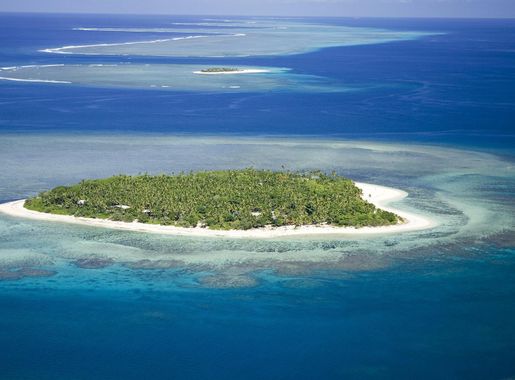


The Paradise of the Mamanuca Islands: Fiji's Jewel
The Mamanuca Islands are a stunning group of islands located off the west coast of Fiji's main island, Viti Levu. Known for their crystal-clear waters, white sandy beaches, and vibrant coral reefs, these islands offer an idyllic escape for travelers seeking both relaxation and adventure. The Mamanucas are a favorite destination for snorkeling and diving enthusiasts, thanks to the abundant marine life and pristine underwater landscapes. Each island in the Mamanuca group has its own unique charm. From the bustling activities on Malolo Island to the serene beauty of Monuriki, where the movie 'Cast Away' was filmed, there is something for every type of traveler. Whether you want to indulge in luxury at a five-star resort or experience the local culture at a village stay, the Mamanucas provide a variety of options to suit all preferences. Beyond the beaches, visitors can explore lush palm forests, partake in traditional Fijian ceremonies, or take a boat trip to nearby islands. The friendly locals and their warm hospitality add to the enchanting experience, making the Mamanuca Islands a must-visit destination in Fiji.