

Free Yasawa Islands Travel Guide & Mobile App
Explore Yasawa Islands with free travel guides. Discover regional history, expert tips, proposed trips, and audio guides on web or mobile app.


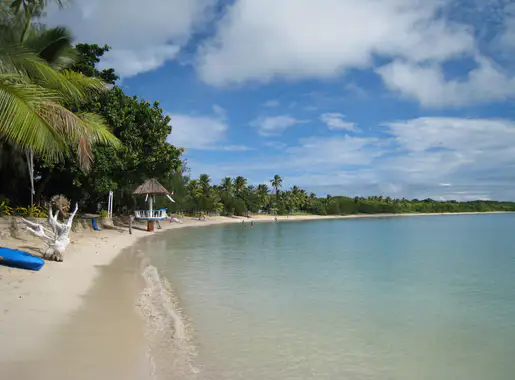
Discover the Yasawa Islands in Fiji – an enchanting archipelago of pristine beaches, vibrant coral reefs, and rich Fijian culture, perfect for adventure and relaxation.
Read more about Yasawa Islands
When is the best time to visit Yasawa Islands?
Best: June–August · 27–28°C| Month | High (°C) | Rainfall (mm) |
|---|---|---|
| January | 31 | 160 |
| February | 31 | 140 |
| March | 31 | 140 |
| April | 30 | 100 |
| May | 29 | 80 |
| June (best) | 28 | 60 |
| July (best) | 27 | 60 |
| August (best) | 27 | 60 |
| September | 28 | 60 |
| October | 29 | 80 |
| November | 30 | 100 |
| December | 31 | 140 |
Getting to and around Yasawa Islands
How to get there
Transportation
Best attractions in Yasawa Islands
The Yasawa Islands, a stunning archipelago off the coast of Fiji, offer an unparalleled tropical paradise brimming with activities and natural beauty. From the crystal-clear waters perfect for snorkeling and diving among vibrant coral reefs teeming with marine life, to the pristine, white-sand beaches ideal for relaxation and sunbathing, visitors are spoiled for choice. The islands are also home to traditional Fijian villages where you can immerse yourself in local culture, partake in kava ceremonies, and witness traditional dances. Adventurers can hike through lush, verdant landscapes to discover hidden waterfalls, while film enthusiasts might recognize the iconic settings from movies like 'The Blue Lagoon.' The Yasawa Islands promise an unforgettable experience, blending natural splendor with rich cultural heritage.
-
Tourist attraction
Sabeto Hot Spring Mud Pool and Tours
Experience Fiji's natural spa: therapeutic mud baths and hot springs in a lush, tropical setting. A rejuvenating cultural escape.
-
Tourist attraction
Sleeping Giant Zipline, Orchid Falls & Jungle Safari
Soar through the Fijian rainforest! Ziplines, waterfalls, jungle safaris, and unforgettable eco-adventures await near Nadi.
-
Stadium
Govind Park Ba
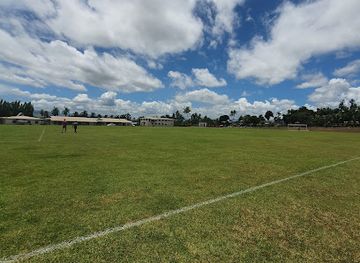
Experience the heart of Fijian sports and community at Govind Park in Ba, a vibrant hub for football and local events.
-
 Resort hotel
Leleuvia Island Resort
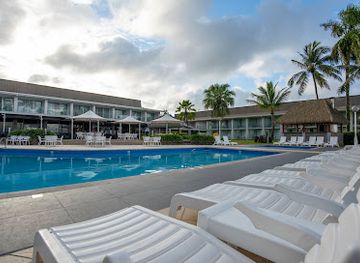
Discover a Fijian paradise at Leleuvia Island Resort: pristine beaches, vibrant culture, and commitment to sustainability.

Best landmarks in Yasawa Islands
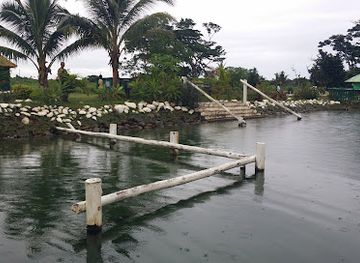
Nestled in the azure embrace of the South Pacific, the Yasawa Islands in Fiji offer an unparalleled tapestry of natural beauty and cultural richness that beckons explorers. Dive into the crystalline waters of the Blue Lagoon, a snorkeling and diving haven teeming with vibrant marine life and coral gardens. Hike the verdant trails of Waya Island to witness panoramic vistas that stretch across the archipelago, or visit the mystical Sawa-i-Lau Caves, where ancient limestone formations and hidden underwater passages tell tales of Fijian mythology. Immerse yourself in the authentic Fijian village life on Naviti Island, where traditional ceremonies and dances welcome you into the heart of their culture. From the sun-kissed beaches of Nanuya Lailai to the dramatic volcanic landscapes of Yasawa-i-Rara, every corner of the Yasawa Islands promises a unique adventure, blending serene relaxation with exhilarating discovery.
-
Hotel
Holiday Inn Suva, an IHG Hotel
Experience the charm of Fiji at Holiday Inn Suva, where modern comfort meets cultural exploration in the heart of Suva's vibrant capital.
-
Hotel
Fiji Gateway
Discover comfort and convenience at Fiji Gateway, your ideal hotel in Nadi, Fiji, perfectly situated for exploring the beautiful islands and vibrant culture.
-
Hotel
Tokatoka Resort
Discover the charm of Tokatoka Resort, where tropical tranquility meets Fijian hospitality in the heart of Nadi.
-
Island
Viti Levu
Discover Viti Levu, Fiji's largest island, where stunning beaches, rich culture, and adventure await every traveler seeking paradise.
Explore Yasawa Islands on the map
Plan your trip on one map. See where the top cities, national parks and sights are, and book hotels and experiences in a few clicks.
Best hotels in Yasawa Islands
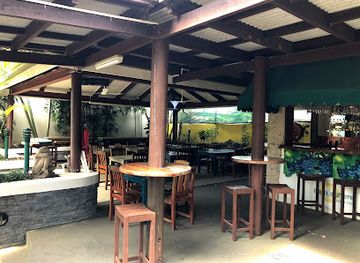
Best restaurants in Yasawa Islands
The dining scene in the Yasawa Islands is a vibrant mosaic of flavors and experiences, where visitors can savor everything from fresh seafood caught daily by local fishermen to traditional Fijian lovo feasts cooked in underground ovens. Many resorts offer exquisite beachfront dining, allowing guests to enjoy their meals with stunning ocean views and the soothing sound of waves. Adventurous foodies can explore local villages and discover hidden gems serving authentic Fijian dishes, such as kokoda (a Fijian ceviche) and rourou (taro leaves in coconut milk). For a touch of luxury, some high-end resorts feature gourmet restaurants with international cuisine, expertly crafted by world-class chefs. Whether you're dining under the stars at a romantic candlelit dinner or enjoying a communal feast with newfound friends, the Yasawa Islands promise a culinary journey that is as unforgettable as its breathtaking landscapes.
-
Restaurant
Bulaccino Café (Namaka, Nadi)
Discover culinary bliss at Bulaccino Café in Namaka – where local flavors meet cozy ambiance.
-
Restaurant
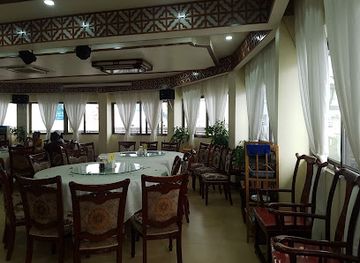
Bohai Seafood Restaurant
Experience the best seafood dining in Nadi at Bohai Seafood Restaurant - where fresh flavors meet Fijian hospitality.
-
Pizza
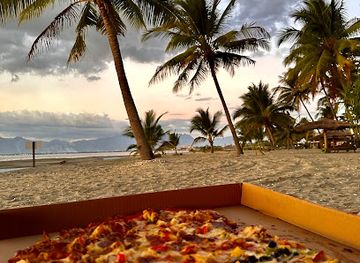
Mama's Pizza (Namaka)
Experience authentic Fijian flavors at Mama's Pizza – where every slice feels like home.
-
Restaurant
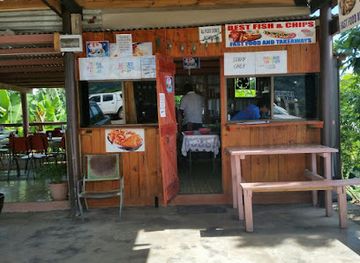
Best Fish & Chips-Waimalika
Discover Nadi's best-kept secret with mouthwatering fish and chips at Best Fish & Chips-Waimalika - where taste meets affordability.
Best bars in Yasawa Islands
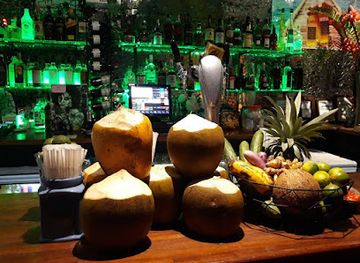
The nightlife in the Yasawa Islands offers a unique blend of laid-back beachside bars, traditional Fijian entertainment, and star-lit bonfire gatherings. Visitors can expect to start their evening with cocktails at rustic, oceanfront bars where the sound of waves sets a serene backdrop, and as night falls, enjoy traditional Meke performances featuring vibrant dances and songs that narrate the islands' rich cultural heritage. For those looking to socialize, many resorts host communal kava ceremonies, providing a chance to mingle with locals and fellow travelers while sampling Fiji's iconic drink. The night often culminates in lively beach parties with fire dancing, music, and the opportunity to dance barefoot in the sand under a canopy of stars, making for an unforgettable tropical night.
-
Bar
Ice Bar
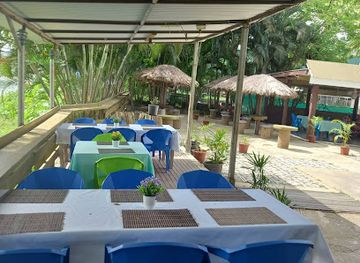
Discover the vibrant nightlife of Nadi at Ice Bar, where signature cocktails and a lively atmosphere await every traveler.
-
Grill
The Beach Club Wailoaloa
Experience the taste of Fiji at The Beach Club Wailoaloa, where fresh grilled delights meet stunning ocean views.
-
Bar
The Hive
Experience the vibrant nightlife at The Hive in Nadi, where refreshing drinks and local culture come together in a welcoming atmosphere.
-
Bar
Legends Sports Bar and Restaurant
Discover the vibrant Legends Sports Bar and Restaurant in Nadi, Fiji - where delicious food and lively nightlife create unforgettable experiences.
Best nightclubs in Yasawa Islands
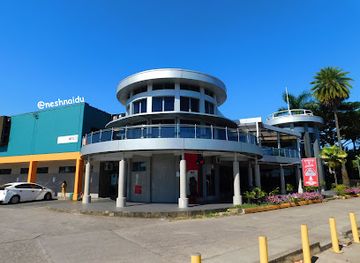
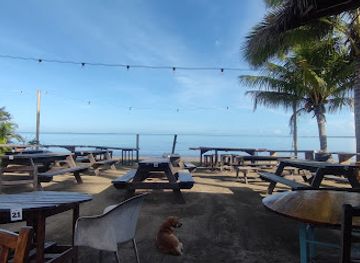
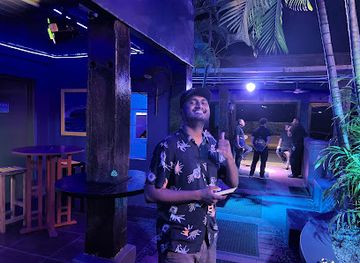
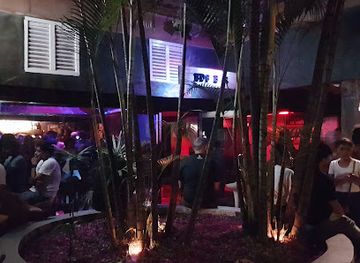
The nightlife in the Yasawa Islands offers a unique blend of laid-back beachside bars, traditional Fijian entertainment, and star-lit bonfire gatherings. Visitors can expect to start their evening with cocktails at rustic, oceanfront bars where the sound of waves sets a serene backdrop, and as night falls, enjoy traditional Meke performances featuring vibrant dances and songs that narrate the islands' rich cultural heritage. For those looking to socialize, many resorts host communal kava ceremonies, providing a chance to mingle with locals and fellow travelers while sampling Fiji's iconic drink. The night often culminates in lively beach parties with fire dancing, music, and the opportunity to dance barefoot in the sand under a canopy of stars, making for an unforgettable tropical night.
-
Night club
DownUnder Pub
Discover the lively nightlife of Suva at DownUnder Pub, where great music and drinks create unforgettable memories.
-
Bar
The Hive
Discover The Hive in Nadi, a vibrant bar offering a lively atmosphere, delightful drinks, and a taste of local culture.
-
Night club
Traps Bar
Dive into the excitement of Suva's nightlife at Traps Bar, where great drinks and vibrant music create unforgettable moments.
-
Night club
Eds Bar
Eds Bar offers an unforgettable nightlife experience in Nadi with great drinks, lively music, and a welcoming atmosphere.

Best shops in Yasawa Islands
The shopping scene in the Yasawa Islands offers a unique and immersive experience, blending traditional Fijian culture with the allure of island life. Visitors can explore vibrant local markets brimming with handcrafted souvenirs, from intricate wood carvings and colorful woven baskets to exquisite shell jewelry and traditional tapa cloth. Strolling through these markets, tourists will encounter friendly locals eager to share the stories and significance behind their crafts. Additionally, boutique shops in some of the resorts offer high-quality, locally-made products, perfect for those looking to take a piece of Fiji's rich heritage back home. The Yasawa Islands' shopping experience is not just about buying items, but about engaging with the local culture and supporting the artisans who keep these traditions alive.
-
Shopping mall
TappooCity Lautoka
Discover the vibrant shopping and dining experience at TappooCity Lautoka, a premier destination that showcases the best of Fiji's retail culture.
-
Supermarket
Shop N Save Supermarket
Explore local flavors and fresh products at Shop N Save Supermarket in Tavua, a gateway to Fijian culinary delights.
-
E-commerce service
My Fiji Store
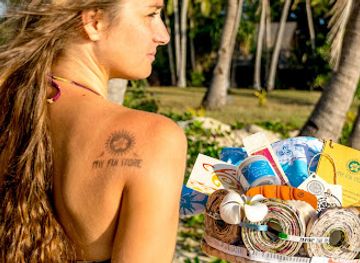
Explore the enchanting My Fiji Store for unique gifts, delightful chocolates, and authentic souvenirs that capture the essence of Fiji.
-
Grocery store
Shop'n Save
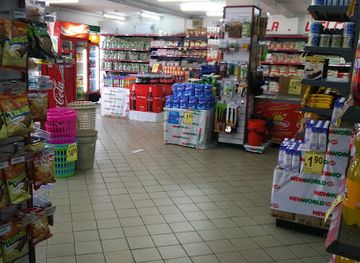
Explore the vibrant Shop'n Save grocery store in Ba, Fiji, offering local produce, international snacks, and all your essential needs.


Get your free copy of our complete guide to Yasawa Islands, delivered straight to you.
Everything on this page, from attractions and restaurants to essentials and local phrases, in one PDF you can read offline, print or share.
Already have an account? Sign in
Your Yasawa Islands guide is ready.
We'll send it to · Not you? Sign out

Getting your guide ready…
We are putting together a fresh copy of the Yasawa Islands guide. This can take up to a minute.
This can take a few moments. If your browser asks, choose Allow so the download can start. You'll find the guide in your Downloads folder.
Nothing happened? Download it again
Sorry, the guide is taking longer than usual. Please try again in a minute, or get it by email instead.
Yasawa Islands essentials
Currency and Payment
Safety
Emergency Situations
Do's and Don'ts
Local Tips
From Eve
Local phrases worth knowing
You don't need to get them perfect. A few words go a long way, and locals appreciate the effort.
Basics
| English | Local | Say it |
|---|---|---|
| Hello | Bula | [boo-lah] |
| Goodbye | Moce | [moh-theh] |
| Yes | Io | [ee-oh] |
| No | Sega | [seh-ngah] |
| Please/You're welcome | Kerekere | [keh-reh-keh-reh] |
| Thank you | Vinaka | [vee-nah-kah] |
| Excuse me/Sorry | Tama na | [tah-mah nah] |
| How are you? | O cei o iko? | [oh thei oh ee-koh] |
| Fine. And you? | Vinaka. O iko? | [vee-nah-kah. oh ee-koh?] |
| Do you speak English? | O dau vosa na vosa Vakavalagi? | [oh dow voh-sah nah voh-sah vah-kah-vah-lah-ngi] |
| I don't understand | Au sega ni kila | [ow seh-ngah nee kee-lah] |
Eating & Drinking
| English | Local | Say it |
|---|---|---|
| I'd like to see the menu, please | Au via raica na menu, kerekere | [ow vee-ah ra-ee-cah nah meh-noo, keh-reh-keh-reh] |
| I don't eat meat | Au sega ni kana na meat | [ow seh-ngah nee kah-nah nah meet] |
| Cheers! | Bula! | [boo-lah] |
| I would like to pay, please | Au via me saumi, kerekere | [ow vee-ah meh sow-mee, keh-reh-keh-reh] |
Emergencies
| English | Local | Say it |
|---|---|---|
| Help! | Vakaraitaka! | [vah-kah-rah-ee-tah-kah] |
| Go away! | Tukuna! | [too-koo-nah] |
| Call the Police! | Kerei na Polisi! | [keh-reh-ee nah poh-lee-see] |
| Call a doctor! | Kerei e dua na dokita! | [keh-reh-ee eh doo-ah nah doh-kee-tah] |
| I'm lost | Au sa leqa | [ow sah leh-ngah] |
| I'm ill | Au sa mate | [ow sah mah-teh] |
Shopping
| English | Local | Say it |
|---|---|---|
| I'd like to buy... | Au via volia... | [ow vee-ah voh-lee-ah] |
| I'm just looking | Au sa raica ga | [ow sah ra-ee-cah gah] |
| How much is it? | E levu cava? | [eh leh-voo thah-vah] |
| That's too expensive | E levu sara | [eh leh-voo sah-rah] |
| Can you lower the price? | O rawa ni vakalailai na iotioti? | [oh rah-wah nee vah-kah-lah-ee-lie nah ee-oh-tee-oh-tee] |
Time & Numbers
| English | Local | Say it |
|---|---|---|
| What time is it? | Na cava na gauna? | [nah thah-vah nah gah-oo-nah] |
| It's one o'clock | E dua na hora | [eh doo-ah nah ho-rah] |
| Half past (10) | Vata na (10) | [vah-tah nah (10)] |
| Morning | Matanivale | [mah-tah-nee-vah-leh] |
| Afternoon | Talevuni | [tah-leh-voo-nee] |
| Evening | Siga | [see-ngah] |
| Yesterday | Vakarau | [vah-kah-rau] |
| Today | Nai | [nah-ee] |
| Tomorrow | Sega ni sa | [seh-ngah nee sah] |
| 1 | Dua | [doo-ah] |
| 2 | Rua | [roo-ah] |
| 3 | Tolu | [toh-loo] |
| 4 | Va | [vah] |
| 5 | Lima | [lee-mah] |
| 6 | Oni | [oh-nee] |
| 7 | Vitu | [vee-too] |
| 8 | Walu | [wah-loo] |
| 9 | Ciwa | [thee-wah] |
| 10 | Talu | [tah-loo] |
Transport & Directions
| English | Local | Say it |
|---|---|---|
| Where's a/the...? | E vei na...? | [eh veh-ee nah...?] |
| What's the address? | Na cava na adiresi? | [nah thah-vah nah ah-deh-ree-see?] |
| Can you show me (on the map)? | O rawa ni vakaraitaka vei au (ena map)? | [oh rah-wah nee vah-kah-rah-ee-tah-kah veh-ee ow (eh-nah map)?] |
| When's the next (bus)? | Nai na bus e muri? | [nah-ee nah boos eh moo-ree?] |
| A ticket (to ....) | E dua na tiket (ki ....) | [eh doo-ah nah tee-ket (kee ....)] |
History of Yasawa Islands
Early Settlers and Lapita Culture
The Yasawa Islands were first settled by the Lapita people around 1000 BCE. These early settlers are known for their distinctive pottery decorated with intricate geometric designs, which have been found in archaeological sites across the islands. The Lapita people were skilled navigators and fishermen, and they established villages along the coastlines of the Yasawa Islands.
European Discovery
The Yasawa Islands were first encountered by Europeans in 1789 when Captain William Bligh sailed through the area after the infamous mutiny on the HMS Bounty. Bligh's journey provided the first recorded European descriptions of the Yasawa Islands, although the islands remained largely unexplored by outsiders for several more decades.
The Blackbirding Era
In the 19th century, the Yasawa Islands were affected by the practice of 'blackbirding' – the coercion or kidnapping of indigenous people to work as laborers on plantations in other parts of the Pacific and Australia. This dark period had a significant impact on the local population and culture, leading to a decline in traditional practices and population.
World War II Significance
During World War II, the Yasawa Islands played a strategic role. The United States military used the islands as a base for operations in the Pacific Theater. Several remnants of this period, including bunkers and plane wrecks, can still be found on the islands, providing a tangible connection to this pivotal time in history.
Modern Tourism Development
In the latter half of the 20th century, the Yasawa Islands began to develop as a major tourist destination. The natural beauty of the islands, combined with their rich cultural heritage, attracted visitors from around the world. The establishment of resorts and the promotion of eco-tourism have helped to preserve the natural environment while providing economic opportunities for local communities.
Cultural Festivals and Traditions
Today, the Yasawa Islands are known for their vibrant cultural festivals and traditions. Events such as the annual Bula Festival celebrate Fijian music, dance, and crafts. Traditional ceremonies, including the kava ceremony, remain an integral part of life in the Yasawa Islands, offering visitors a glimpse into the enduring cultural practices of the Fijian people.
Yasawa Islands in Photos
Browse through our photo collection highlighting the charm and character of the destination.
Neighbouring regions of Yasawa Islands
The closest regions to Yasawa Islands, if you have time for more than one.
-
 Mamanuca Islands
Discover the Mamanuca Islands: Fiji's paradise with crystal-clear waters, white sandy beaches, and vibrant coral reefs perfect for snorkeling, diving, and pure relaxation.
Mamanuca Islands
Discover the Mamanuca Islands: Fiji's paradise with crystal-clear waters, white sandy beaches, and vibrant coral reefs perfect for snorkeling, diving, and pure relaxation.
-
 Viti Levu
Experience the diverse beauty and rich culture of Viti Levu, Fiji's largest island, where pristine beaches, lush forests, and vibrant cities await.
Viti Levu
Experience the diverse beauty and rich culture of Viti Levu, Fiji's largest island, where pristine beaches, lush forests, and vibrant cities await.
-
 Western Division
Discover the Western Division of Fiji: Beaches, islands, and vibrant culture await in this tropical paradise, perfect for relaxation and adventure.
Western Division
Discover the Western Division of Fiji: Beaches, islands, and vibrant culture await in this tropical paradise, perfect for relaxation and adventure.
-
 Central Division
Discover Central Division, Fiji: A Tropical Haven Blending Cultural Heritage with Stunning Natural Landscapes, from Bustling Suva to Pristine Beaches and Rainforests.
Central Division
Discover Central Division, Fiji: A Tropical Haven Blending Cultural Heritage with Stunning Natural Landscapes, from Bustling Suva to Pristine Beaches and Rainforests.
-
 Vanua Levu
Discover Vanua Levu, Fiji's second-largest island, where lush landscapes, vibrant coral reefs, and authentic Fijian culture await you.
Vanua Levu
Discover Vanua Levu, Fiji's second-largest island, where lush landscapes, vibrant coral reefs, and authentic Fijian culture await you.
Swipe for more regions

