

Rotuma, Fiji Travel Guide
Discover Rotuma, a secluded island paradise in Fiji, offering pristine beaches, vibrant culture, and unparalleled natural beauty for an authentic and tranquil escape.
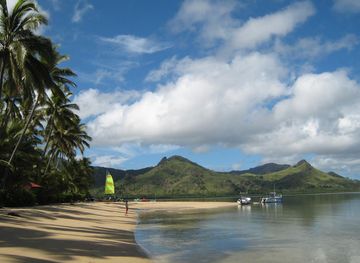
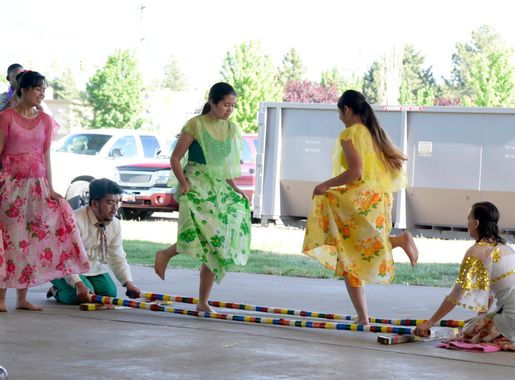
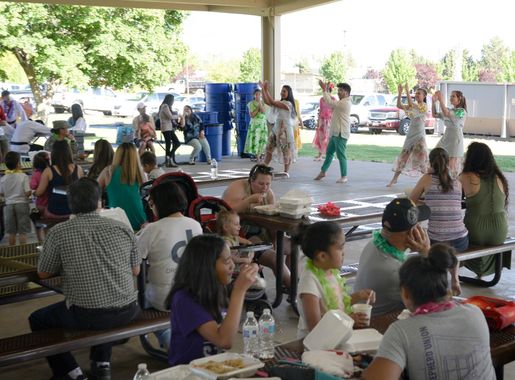
Rotuma is a remote island paradise located in Fiji, far away from the hustle and bustle of the main islands. This secluded destination boasts pristine beaches, lush landscapes, and a unique cultural heritage that is distinct from the rest of Fiji. The island's isolation has helped preserve its natural beauty and vibrant traditions, making it a perfect spot for travelers seeking an authentic and tranquil experience. Visitors to Rotuma can explore its stunning coral reefs, which are perfect for snorkeling and diving. The clear waters offer an unparalleled view of marine life, including colorful fish, turtles, and other sea creatures. The island is also home to several beautiful hiking trails that lead through tropical forests and up to scenic viewpoints, offering breathtaking panoramas of the surrounding ocean. Rotuma's rich culture is evident in its traditional ceremonies, crafts, and cuisine. The locals are known for their warm hospitality and are eager to share their customs with visitors. You can attend a traditional dance performance, learn about the island's history, or savor local dishes made from fresh, island-grown ingredients. Each experience on Rotuma provides a deeper understanding of the island's unique way of life.

Know before you go
Hi, I'm Eve. Here are a few practical things to know before exploring Rotuma.
- Bring cash, as there are no ATMs on the island.
- Respect local customs and ask for permission before taking photos of people.
- Pack reef-safe sunscreen to protect the coral reefs while snorkeling.
- Try to learn a few phrases in Rotuman to connect better with the locals.
- Visit during the dry season, from May to October, for the best weather.
Destinations in Rotuma
Resorts, valleys and scenic spots worth a trip of their own.

Explore Rotuma: Things to Do, Places to Eat, Hotels & More
Handpicked recommendations for top attractions, local dining, accommodations, and more

Top Attractions & Sightseeing in Rotuma
Top-rated picks
Best Attractions

Smugglers Cove Beach Resort
Experience beachfront fun at Smugglers Cove Beach Resort in Nadi, Fiji – the perfect spot for budget travelers, island hopping, and lively entertainment.

Fiji Museum
Explore Fiji's rich history and culture at the Fiji Museum in Suva, home to artifacts dating back 3,700 years. A must-see for history enthusiasts!

Nawaidamudamu
Explore Nawaidamudamu in Suva, Fiji: Discover ancient tribal warfare history at this preserved ring ditch fortification, a unique cultural landmark.

Best landmarks in Rotuma
Top-rated picks
Best Landmarks

Colo-I-Suva Forest Park
Explore the hidden treasures of Colo-I-Suva Forest Park, a natural paradise in Fiji, featuring lush trails, stunning waterfalls, and vibrant wildlife.

Albert Park
Explore the lush landscapes and cultural heritage at Albert Park, Suva's premier destination for relaxation and local events.

Tavuni Hill Fort
Discover the historical wonders of Tavuni Hill Fort in Fiji, where ancient architecture meets breathtaking natural beauty.

Naihehe Cave
Discover the breathtaking beauty and rich cultural history of Naihehe Cave, a hidden gem in Fiji that offers an unforgettable adventure.

Best restaurants in Rotuma
Top-rated picks
Best Restaurants

Shangri-La Yanuca Island, Fiji
Discover luxury and adventure at Shangri-La Yanuca Island, Fiji's premier resort offering stunning beaches, exquisite dining, and world-class amenities.

Holiday Inn Suva, an IHG Hotel
Discover modern comfort at Holiday Inn Suva – your gateway to Fiji's vibrant culture and stunning landscapes.

Grand Pacific Hotel
Discover luxury and tradition at Grand Pacific Hotel in Suva – your gateway to exploring Fiji's vibrant culture.
Tanoa Waterfront Hotel
Discover tranquility at Tanoa Waterfront Hotel in Lautoka, where modern comfort meets traditional Fijian hospitality by the ocean.

Best bars in Rotuma
Top-rated picks
Best Bars
OUTRIGGER Fiji Beach Resort
Explore the beauty of Fiji at Outrigger Fiji Beach Resort, where luxury meets island life amidst stunning landscapes and cultural experiences.

Holiday Inn Suva, an IHG Hotel
Discover the heart of Suva at Holiday Inn, where modern luxury meets Fijian hospitality for an unforgettable stay.

Novotel Suva Lami Bay
Experience the beauty of Fiji at Novotel Suva Lami Bay, a serene hotel embracing modern comforts and breathtaking coastal views.
Mercure Nadi
Experience the perfect blend of comfort and convenience at Mercure Nadi, your gateway to Fiji's breathtaking beauty.

Best nightclubs in Rotuma
Top-rated picks
Best Nightclubs

DownUnder Pub
Discover the vibrant nightlife at DownUnder Pub, where music, dance, and local culture come together in Suva's premier night club.

Opium Bar Fiji
Experience the vibrant nightlife of Suva at Opium Bar, where quality drinks and lively music create unforgettable memories.

O'Reilly's Bar Suva
Discover the pulsating nightlife of Suva at O'Reilly's Bar, where unforgettable music, vibrant atmosphere, and delightful drinks await you.

Traps Bar
Discover the vibrant nightlife of Suva at Traps Bar, a lively night club featuring refreshing cocktails, local music, and a welcoming atmosphere.

Best shops in Rotuma
Top-rated picks
Best Shops

Damodar City
Experience the lively shopping and dining scene at Damodar City, the go-to mall in Suva, Fiji, where modern retail meets local culture.

MHCC
Explore the vibrant shopping and dining scene at MHCC, Suva's premier shopping mall, where local culture meets international brands.

TappooCity Suva
Discover TappooCity Suva, Fiji's premier shopping mall with a blend of local culture, international brands, and delicious cuisine in a vibrant setting.

TappooCity Lautoka
Explore TappooCity Lautoka for a vibrant shopping experience with diverse shops, delicious food, and entertainment in the heart of Fiji.

Explore Rotuma on the Map
A handpicked selection of must-see spots in Rotuma, mapped for you.
Rotuma Essentials
-
Rotuma is a remote Fijian island located approximately 465 kilometers north of the main island of Viti Levu. The most common way to reach Rotuma is by taking a flight from Nadi or Suva to Rotuma Airport. Flights are infrequent and often subject to weather conditions, so it's advisable to book well in advance and be flexible with your travel dates. Alternatively, you can take a cargo ship from Suva, which provides a more adventurous route but takes approximately 2-3 days.
-
Rotuma is a small island, and most places can be accessed by walking or cycling. For longer distances, local taxis and minivans are available but can be limited. Renting a scooter or bicycle is a convenient option for exploring the island at your own pace. There is no formal public transportation system, and the road infrastructure is basic but sufficient for getting around.
-
The official currency in Rotuma, as in the rest of Fiji, is the Fijian Dollar (FJD). Currency exchange facilities are not available on the island, so it's crucial to bring enough cash with you. Credit cards are rarely accepted, and there are no ATMs on Rotuma. Ensure you have enough cash for your entire stay, including any unforeseen expenses.
-
Rotuma is generally a safe destination for tourists, with very low crime rates. However, standard precautions should still be taken. Avoid leaving your belongings unattended on the beach or in public places. The islanders are friendly and welcoming, but it's always best to stay vigilant. There are no specific high-crime areas targeting tourists, making Rotuma a relatively secure destination.
-
In case of emergency, the main point of contact is the Rotuma Hospital, which provides basic medical services. For more severe medical issues, evacuation to Fiji's main islands may be necessary. It is highly recommended to have comprehensive travel insurance that includes medical evacuation. For police assistance, you can contact the local police station in Ahau. There is no dedicated emergency number, so familiarize yourself with local contacts upon arrival.
-
Fashion: Do dress modestly, especially when visiting villages or local homes. Avoid wearing revealing clothing. Religion: Do respect local customs and traditions, including Sunday church services. Avoid loud activities on Sundays. Public Transport: Do be patient and polite when using taxis or minivans, as services can be limited. Greetings: Do greet people with a warm 'Noa'ia' (hello) and a smile. Eating & Drinking: Do try local delicacies and accept food offerings graciously. Don't refuse hospitality, as it is considered impolite.
-
To experience Rotuma like a local, participate in community events and traditional ceremonies. Visit the local markets to buy fresh produce and handmade crafts. Engage with islanders; they are often eager to share their culture and history. Don't miss the traditional Rotuman feasts, known as 'magiti', which are a highlight of the local cuisine. Exploring the island's natural beauty, including its pristine beaches and lush landscapes, will give you a deeper appreciation of this unique destination.
When is the best time to visit Rotuma?
Useful Local Phrases for Rotuma
You don't need to speak the language perfectly. Even learning a few simple words can make conversations warmer—and locals usually appreciate the effort.
— Eve

Here are the phrases I use most often in Rotuma. Try a few—you'll be surprised how far they go! 😊
❤️
-
- HelloFakaalofa
[fah-kah-ah-loh-fah] - GoodbyeFakakua
[fah-kah-koo-ah] - YesIo
[ee-oh] - NoE se
[eh seh] - Please/You're welcomeFakafesaga
[fah-kah-feh-sah-ngah] - Thank youFakafetai
[fah-kah-feh-tah-ee] - Excuse me/SorryFakafofonga
[fah-kah-foh-foh-ngah] - How are you?Oka fakamolemole?
[oh-kah fah-kah-moh-leh-moh-leh] - Fine. And you?Fakamolemole. Oka?
[fah-kah-moh-leh-moh-leh. oh-kah?] - Do you speak English?Oka e tautau fa'avai?
[oh-kah eh tah-oo-tah-oo fah-vah-ee?] - I don't understandE se ohu
[eh seh oh-hoo]
- HelloFakaalofa
-
- I'd like to see the menu, pleaseE oku fanongo ki te menua, fakafesaga
[eh oh-koo fah-nong-oh kee teh meh-noo-ah, fah-kah-feh-sah-ngah] - I don't eat meatE se au kai i te mea
[eh seh ow kai ee teh meh-ah] - Cheers!Faka'apa'apa!
[fah-kah-ah-pah-pah] - I would like to pay, pleaseE oku fanongo ki te 'aiga, fakafesaga
[eh oh-koo fah-nong-oh kee teh ah-ee-gah, fah-kah-feh-sah-ngah]
- I'd like to see the menu, pleaseE oku fanongo ki te menua, fakafesaga
-
- Help!Faka'apa!
[fah-kah-ah-pah] - Go away!Faka'apa e se!
[fah-kah-ah-pah eh seh!] - Call the Police!Faka'apa ki te Polisi!
[fah-kah-ah-pah kee teh poh-lee-see!] - Call a doctor!Faka'apa ki te dokita!
[fah-kah-ah-pah kee teh doh-kee-tah!] - I'm lostE se au i te fanga
[eh seh ow ee teh fah-ngah] - I'm illE se au e ma'i
[eh seh ow eh mah-ee]
- Help!Faka'apa!
-
- I'd like to buy...E oku fanongo ki te hoko...
[eh oh-koo fah-nong-oh kee teh hoh-koh...] - I'm just lookingE te fakamolemole
[eh teh fah-kah-moh-leh-moh-leh] - How much is it?E faito ia?
[eh fah-ee-toh ee-ah?] - That's too expensiveE masi fakamole?
[eh mah-see fah-kah-moh-leh?] - Can you lower the price?Oka e mafai e fakamole i te tau?
[oh-kah eh mah-fah-ee eh fah-kah-moh-leh ee teh tah-oo?]
- I'd like to buy...E oku fanongo ki te hoko...
-
- What time is it?E na'u e?
[eh nah-oo eh?] - It's one o'clockE te tahi o te hora
[eh teh tah-hee oh teh hoh-rah] - Half past (10)E to'afa i te (10)
[eh toh-ah-fah ee teh (10)] - MorningMalu
[mah-loo] - AfternoonMalo
[mah-loh] - EveningFakamolemole
[fah-kah-moh-leh-moh-leh] - YesterdayI te 'au
[ee teh ow] - TodayI te 'au nei
[ee teh ow nay] - TomorrowI te 'au ki
[ee teh ow kee] - 1Tahi
[tah-hee] - 2Lua
[loo-ah] - 3Tolu
[toh-loo] - 4Fā
[fah] - 5Lima
[lee-mah] - 6Ono
[oh-noh] - 7Fitu
[fee-too] - 8Valu
[vah-loo] - 9Nau
[nah-oo] - 10Talu
[tah-loo]
- What time is it?E na'u e?
-
- Where's a/the...?Oka e na'i te...?
[oh-kah eh nah-ee teh...?] - What's the address?E na'u te tonga?
[eh nah-oo teh ton-gah?] - Can you show me (on the map)?Oka e mafai e fakamoe mai (ki te mapa)?
[oh-kah eh mah-fah-ee eh fah-kah-moh-eh my (kee teh mah-pah)?] - When's the next (bus)?E na'u te (bus) i te 'aiga?
[eh nah-oo teh (bus) ee teh ah-ee-gah?] - A ticket (to ....)E na'i te tikete (ki ....)
[eh nah-ee teh tee-keh-teh (kee ....)]
- Where's a/the...?Oka e na'i te...?
History of Rotuma
-
Rotuma, an island located in Fiji, has a rich history dating back thousands of years. The original settlers of Rotuma are believed to be of Polynesian descent, arriving around 300 BC. These early settlers brought with them their language, customs, and seafaring skills, which profoundly influenced the island's culture and lifestyle. Archaeological evidence, such as ancient tools and pottery, provides a glimpse into the lives of these early inhabitants.
-
The first recorded European contact with Rotuma occurred in 1791 when the British naval ship Pandora, commanded by Captain Edward Edwards, made landfall. This encounter marked the beginning of increased interaction between Rotuma and European traders, missionaries, and explorers. The arrival of Europeans introduced new goods, diseases, and religious ideas, significantly impacting the island's traditional way of life.
-
In the mid-19th century, Christian missionaries arrived on Rotuma, leading to significant cultural and religious changes. The London Missionary Society was particularly influential, establishing schools and churches throughout the island. By the late 1800s, most of the Rotuman population had converted to Christianity, and traditional religious practices began to wane. This period also saw the introduction of Western education and new economic activities.
-
Rotuma was formally ceded to Great Britain on May 13, 1881. The cession was partly driven by the desire of Rotuman leaders to protect their island from external threats and internal conflicts. Under British colonial rule, Rotuma was administered as part of the Colony of Fiji. This period saw the introduction of British legal and administrative systems, which further transformed Rotuman society.
-
During World War II, Rotuma played a strategic role due to its location in the South Pacific. The island was used as a refueling station for Allied aircraft and ships. The presence of military personnel brought further cultural exchange and economic activity. After the war, Rotuma experienced social and economic changes as returning soldiers and increased connectivity with the outside world influenced local life.
-
Fiji gained independence from Great Britain on October 10, 1970. Rotuma remained part of the new nation of Fiji but retained a degree of autonomy. The Rotuma Act of 1927, which was retained after independence, recognizes Rotuma's unique cultural and administrative status within Fiji. This legal framework allows Rotumans to maintain their distinct identity while being part of the larger Fijian nation.
-
In recent years, efforts have been made to preserve Rotuma's unique culture and traditions in the face of modernization and globalization. Initiatives include cultural festivals, language revitalization programs, and the documentation of oral histories. Despite these efforts, Rotuma faces challenges such as migration, economic development, and environmental issues. The island continues to navigate these changes while striving to maintain its rich cultural heritage.
Neighbouring Regions of Rotuma
The closest regions to Rotuma, if you have time for more than one.




Your all‑in‑one travel companion app
Explore expert travel guides, compare and book tours, experiences, hotels, and more—all from the palm of your hand. Download now for seamless trip planning wherever your wanderlust takes you.


Explore More of Fiji

Looking beyond Rotuma? Discover Fiji for broader travel guides, local hot-spots, and regional highlights.
Explore FijiRotuma in Photos
Browse through our photo collection highlighting the charm and character of the destination.



Rotuma: Fiji's Hidden Gem
Rotuma is a remote island paradise located in Fiji, far away from the hustle and bustle of the main islands. This secluded destination boasts pristine beaches, lush landscapes, and a unique cultural heritage that is distinct from the rest of Fiji. The island's isolation has helped preserve its natural beauty and vibrant traditions, making it a perfect spot for travelers seeking an authentic and tranquil experience. Visitors to Rotuma can explore its stunning coral reefs, which are perfect for snorkeling and diving. The clear waters offer an unparalleled view of marine life, including colorful fish, turtles, and other sea creatures. The island is also home to several beautiful hiking trails that lead through tropical forests and up to scenic viewpoints, offering breathtaking panoramas of the surrounding ocean. Rotuma's rich culture is evident in its traditional ceremonies, crafts, and cuisine. The locals are known for their warm hospitality and are eager to share their customs with visitors. You can attend a traditional dance performance, learn about the island's history, or savor local dishes made from fresh, island-grown ingredients. Each experience on Rotuma provides a deeper understanding of the island's unique way of life.