

Oulanka National Park, Finland Travel Guide
Discover the natural beauty and diverse wildlife of Oulanka National Park, Finland's premier destination for hiking, canoeing, and winter sports in a pristine wilderness setting.
Oulanka National Park, located in the northern region of Finland, is a haven for nature enthusiasts. This expansive park stretches over 270 square kilometers and is renowned for its breathtaking landscapes, including rugged cliffs, dense forests, and serene rivers. The park is home to the famous Karhunkierros Trail, which offers hikers an unforgettable journey through some of Finland's most stunning scenery. Visitors can expect to encounter diverse wildlife such as reindeer, elks, and a variety of bird species. The park's rivers and streams are perfect for canoeing and fishing, with the Oulankajoki River being a popular spot. In winter, the park transforms into a snowy paradise, ideal for cross-country skiing and snowshoeing. Oulanka National Park is not just about outdoor activities; it also offers a glimpse into Finland's natural history. The geological formations, such as the Oulanka Canyon, and the park's rich biodiversity make it a significant site for both education and conservation. Whether you're an adventure seeker or someone looking to relax in nature's embrace, Oulanka National Park promises an experience that will leave you in awe.

Know before you go
Hi, I'm Eve. Here are a few practical things to know before exploring Oulanka National Park.
- Best time to visit is during late spring to early autumn for hiking and canoeing, and winter for snow activities.
- Wear appropriate clothing and footwear; weather can change rapidly in the park.
- Carry a map and compass, as mobile signals can be weak in some areas.
- Respect the wildlife and maintain a safe distance from animals.
- Make use of the park's designated camping sites to preserve the natural habitat.
Explore Oulanka National Park: Things to Do, Places to Eat, Hotels & More
Handpicked recommendations for top attractions, local dining, accommodations, and more

Best attractions in Oulanka National Park
Top-rated picks
Best Attractions

Pieni Karhunkierros Trail
Explore the stunning Pieni Karhunkierros Trail in Kuusamo, Finland – a breathtaking hiking experience through enchanting forests and picturesque landscapes.

Rukatunturi
Experience year-round adventure in Ruka, Finland: skiing, hiking, and breathtaking nature await in the heart of Kuusamo.

Lilla Björnrundan
Explore Finland's natural beauty on this 12km trail in Oulanka National Park, featuring diverse landscapes and stunning views.

Ruka Pedestrian Village
Explore Ruka Pedestrian Village: A year-round destination in Finnish Lapland offering skiing, hiking, and cultural experiences amidst stunning scenery.

Best landmarks in Oulanka National Park
Top-rated picks
Best Landmarks

Pieni Karhunkierros Circle Trail
Discover the stunning Pieni Karhunkierros Circle Trail in Kuusamo, Finland, an unforgettable hiking experience through breathtaking landscapes and rich wildlife.

Oulanka Visitor Center
Explore Oulanka Visitor Center, your gateway to breathtaking nature, hiking trails, and unique wildlife in Finland's stunning Oulanka National Park.

Kiutaköngäs
Experience the breathtaking beauty of Kiutaköngäs, a nature preserve in Finland, perfect for hiking, wildlife viewing, and outdoor adventures amidst stunning landscapes.

Ristikallio Cliffs
Discover the stunning Ristikallio Cliffs in Kuusamo, a paradise for nature lovers with breathtaking views and endless outdoor adventures.

Best restaurants in Oulanka National Park
Top-rated picks
Best Restaurants

Wild Food Restaurant Rukan Kuksa
Discover authentic Finnish cuisine at Wild Food Restaurant Rukan Kuksa - where local flavors meet breathtaking natural beauty.

Basecamp Oulanka
Discover the enchanting wilderness at Basecamp Oulanka: your gateway to outdoor adventures and Finnish relaxation in Kuusamo.

Ravintola Talonpöytä Oulanka (Kiutaköngäs)
Discover authentic Finnish cuisine at Ravintola Talonpöytä Oulanka amidst breathtaking natural beauty in Kuusamo.

Best bars in Oulanka National Park
Top-rated picks
Best Bars

Zone
Discover the vibrant flavors of Finland at Zone in Kuusamo, where grilled delights meet live music in a cozy atmosphere.

RUOK
Discover the essence of Finnish cuisine at RUOK in Kuusamo, where every dish tells a story of local flavors and culinary passion.

Wanha Mestari
Experience the fusion of traditional Finnish flavors and modern cuisine at Wanha Mestari, a top gastropub in Kuusamo.

O'Learys Holiday Club Kuusamon Tropiikki
Experience culinary delights and a vibrant atmosphere at O'Learys Holiday Club Kuusamon Tropiikki, the ultimate dining destination in Kuusamo.

Best nightclubs in Oulanka National Park
Top-rated picks
Best Nightclubs

Holiday Club Kuusamo
Experience the perfect blend of relaxation and adventure at Holiday Club Kuusamo, nestled in Finland's stunning natural beauty.

Pieni Karhunkierros Circle Trail
Explore the Pieni Karhunkierros Circle Trail, a stunning hiking area in Oulanka National Park, and immerse yourself in Finland's breathtaking wilderness.

Zone
Experience the flavors of Finland at Zone, where grilled specialties, vibrant live music, and a cozy atmosphere await in Kuusamo.

Wanha Mestari
Experience the flavors of Finland at Wanha Mestari, a charming gastropub in Kuusamo offering a delightful menu and local brews.

Best shops in Oulanka National Park
Top-rated picks
Best Shops

Oulanka National Park
Explore the breathtaking landscapes and rich biodiversity of Oulanka National Park, a must-visit destination for nature lovers and adventure seekers in Finland.

Sale Ruka
Discover the best of local Finnish cuisine and essentials at Sale Ruka, your go-to grocery store in Kuusamo.

Riipisen Wild Game and Souvenir Shop Kuusamo
Explore the best of Finnish culture at Riipisen Wild Game and Souvenir Shop in Kuusamo, featuring gourmet treats and unique local crafts.

Oulanka Visitor Center
Explore the Oulanka Visitor Center for insights into Oulanka National Park's rich biodiversity and embark on unforgettable outdoor adventures.

Explore Oulanka National Park on the Map
A handpicked selection of must-see spots in Oulanka National Park, mapped for you.
Oulanka National Park Essentials
-
Oulanka National Park is located in the northeastern part of Finland, near the Russian border. The nearest airport is Kuusamo Airport, approximately 60 kilometers away from the park. From Kuusamo, you can take a bus or rent a car to reach the park. Another option is to fly into Rovaniemi Airport, which is about 200 kilometers from Oulanka, and then drive or take public transport to the park. Trains are also available to Rovaniemi, and from there, you can take a bus or rent a car.
-
Once in Oulanka National Park, the best way to get around is on foot or by bicycle, as the park has extensive trails that are well-marked. For those who prefer not to hike, there are guided tours available that include transportation within the park. Car rentals are available in Kuusamo and Rovaniemi for those who prefer to drive. Public buses also connect Kuusamo to the park, but services can be infrequent, so it's best to check the schedule in advance.
-
The official currency in Finland is the Euro (EUR). Credit and debit cards are widely accepted in most establishments, including hotels, restaurants, and shops. However, it's a good idea to carry some cash, especially for smaller purchases or in more remote areas of the park where card payment might not be an option. ATMs are available in Kuusamo, so consider withdrawing cash before heading into the park.
-
Oulanka National Park is generally a very safe destination for tourists. There are no specific high-crime areas targeting tourists. However, it's always advisable to take standard precautions such as keeping your belongings secure and being aware of your surroundings. Wildlife encounters can occur, so it's crucial to follow park guidelines regarding animals. Also, weather conditions can change rapidly, so be prepared with appropriate clothing and gear.
-
In case of emergency, dial 112 for immediate assistance. This number connects you to police, fire, and medical services. It's recommended to have travel insurance that covers medical emergencies. The nearest medical facilities are in Kuusamo, so for minor issues, there are first aid stations in the park. Make sure to carry a basic first aid kit and inform someone of your intended route and expected return time if you are hiking alone.
-
Fashion: Do wear layers and waterproof clothing to adapt to changing weather conditions. Don't wear impractical footwear; hiking boots are recommended. Religion: Do respect local customs and traditions, although the park does not have specific religious sites. Public Transport: Do be punctual as public transport schedules are strict. Don't talk loudly or disturb other passengers. Greetings: Do greet people with a friendly 'Hei' or 'Moi'. A handshake is also common. Eating & Drinking: Do try local delicacies if offered. Don't leave litter; always use designated bins or carry your trash out of the park.
-
To experience Oulanka National Park like a local, start your visit early in the morning to enjoy the tranquility and avoid crowds. Join a guided tour to learn about the flora, fauna, and history of the park from local experts. Participate in traditional activities such as berry picking or fishing, depending on the season. Don't miss the Karhunkierros Trail, a renowned long-distance hiking route that offers breathtaking scenery. Lastly, take time to visit the Oulanka Visitor Centre for detailed maps, tips, and information about the park.
When is the best time to visit Oulanka National Park?
Useful Local Phrases for Oulanka National Park
You don't need to speak the language perfectly. Even learning a few simple words can make conversations warmer—and locals usually appreciate the effort.
— Eve

Here are the phrases I use most often in Oulanka National Park. Try a few—you'll be surprised how far they go! 😊
❤️
-
- HelloHei
[hay] - GoodbyeNäkemiin
[nah-keh-meen] - YesKyllä
[kuu-laa] - NoEi
[ay] - Please/You're welcomeOle hyvä
[oh-le huu-vaa] - Thank youKiitos
[kee-toas] - Excuse me/SorryAnteeksi
[an-tee-ek-see] - How are you?Kuinka voit?
[kween-ka voyt] - Fine. And you?Hyvin. Entä sinä?
[hoo-vin. en-taa see-naa] - Do you speak English?Puhutko englantia?
[poo-hoot-koh eng-lan-tee-ah] - I don't understandEn ymmärrä
[en um-maa-raa]
- HelloHei
-
- I'd like to see the menu, pleaseSaisinko nähdä ruokalistan, kiitos
[sai-sin-koh nay-da roo-oh-ka-lis-tan, kee-toas] - I don't eat meatEn syö lihaa
[en syo lee-haa] - Cheers!Kippis!
[kip-pis] - I would like to pay, pleaseHaluaisin maksaa, kiitos
[ha-lu-ai-sin mak-saa, kee-toas]
- I'd like to see the menu, pleaseSaisinko nähdä ruokalistan, kiitos
-
- Help!Apua!
[ah-pua] - Go away!Mene pois!
[me-ne po-is] - Call the Police!Soita poliisille!
[soi-ta po-lee-sil-le] - Call a doctor!Soita lääkärille!
[soi-ta laa-ka-ril-le] - I'm lostOlen eksyksissä
[o-len eks-uk-sis-sa] - I'm illOlen sairas
[o-len sai-ras]
- Help!Apua!
-
- I'd like to buy...Haluan ostaa...
[ha-lu-an os-taa] - I'm just lookingKatselen vain
[ka-tse-len vain] - How much is it?Paljonko se maksaa?
[pal-yon-ko se mak-saa] - That's too expensiveSe on liian kallis
[se on lee-yan kal-lis] - Can you lower the price?Voitko laskea hintaa?
[voit-ko las-kea hin-taa]
- I'd like to buy...Haluan ostaa...
-
- What time is it?Mitä kello on?
[mi-ta kel-lo on] - It's one o'clockKello on yksi
[kel-lo on yk-see] - Half past (10)Puoli (kymmenen)
[pwo-li (kum-mee-nen)] - MorningAamu
[aa-mu] - AfternoonIltapäivä
[il-ta-pai-va] - EveningIlta
[il-ta] - YesterdayEilen
[ei-len] - TodayTänään
[ta-naan] - TomorrowHuomenna
[hwo-men-na] - 1Yksi
[yk-see] - 2Kaksi
[kak-see] - 3Kolme
[kol-me] - 4Neljä
[nel-ya] - 5Viisi
[vee-si] - 6Kuusi
[koo-si] - 7Seitsemän
[sait-se-man] - 8Kahdeksan
[kah-dek-san] - 9Yhdeksän
[uh-dek-san] - 10Kymmenen
[kum-mee-nen]
- What time is it?Mitä kello on?
-
- Where's a/the...?Missä on...
[mis-sa on] - What's the address?Mikä on osoite?
[mik-a on os-oi-te] - Can you show me (on the map)?Voitko näyttää minulle (kartalla)?
[voit-ko nayt-taa mi-nul-le (kar-tal-la)] - When's the next (bus)?Milloin on seuraava (bussi)?
[mil-loin on se-ur-aa-va (bus-si)] - A ticket (to ....)Lippu (jonnekin)
[lip-pu (yon-ne-kin)]
- Where's a/the...?Missä on...
History of Oulanka National Park
-
The region that is now Oulanka National Park has been inhabited since prehistoric times. Archaeological findings, including stone tools and remnants of ancient dwellings, suggest that early humans utilized the area's abundant natural resources for hunting, fishing, and gathering.
-
The indigenous Sami people have a long history in the Oulanka region. Their traditional lifestyle, which revolves around reindeer herding, fishing, and handicrafts, has left a lasting impact on the cultural landscape of the park. Visitors can still observe traces of old Sami settlements and sacred sites scattered throughout the park.
-
The 18th and 19th centuries saw increased interest in exploring and mapping the remote areas of Finland, including Oulanka. Notable explorers like Pehr Kalm and other naturalists documented the area's diverse flora and fauna, laying the groundwork for future conservation efforts.
-
Oulanka National Park was officially established in 1956, aimed at preserving the unique natural habitats and geological formations of the area. The park covers over 270 square kilometers and is known for its stunning landscapes, including the Oulankajoki River and its famous rapids.
-
During World War II, the Oulanka region saw military activity, including the construction of defensive positions and supply routes. The remnants of bunkers and other wartime structures can still be found, serving as a somber reminder of the conflict's impact on this pristine wilderness.
-
In 1989, Oulanka National Park, along with the adjacent Paanajärvi National Park in Russia, was designated as a UNESCO Biosphere Reserve. This recognition highlights the park's significance in biodiversity conservation and sustainable development. Ongoing conservation efforts focus on preserving the park's ecosystems and promoting research and education.
-
Today, Oulanka National Park is a popular destination for tourists seeking cultural and outdoor experiences. The park offers a wide range of activities, including hiking, canoeing, and birdwatching. The Karhunkierros Trail, one of Finland's most famous hiking routes, attracts thousands of visitors each year, providing a unique opportunity to explore the park's natural beauty and cultural heritage.
Neighbouring destination travel guides
Browse our curated selection of top destinations, scenic points, and must-visit spots in the area.


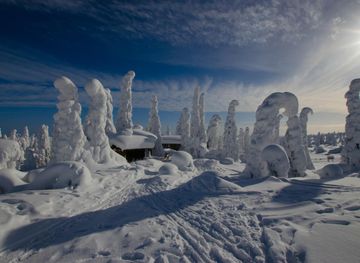


Your all‑in‑one travel companion app
Explore expert travel guides, compare and book tours, experiences, hotels, and more—all from the palm of your hand. Download now for seamless trip planning wherever your wanderlust takes you.


Explore More of Lapland
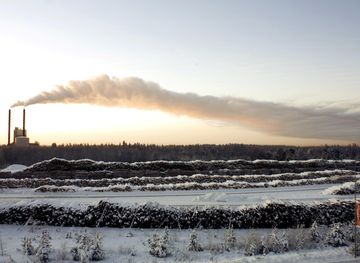
Looking beyond Oulanka National Park? Discover Lapland for broader travel guides, local hot-spots, and regional highlights.
Explore LaplandExplore More of Finland

Looking beyond Oulanka National Park? Discover Finland for broader travel guides, local hot-spots, and regional highlights.
Explore FinlandOulanka National Park in Photos
Browse through our photo collection highlighting the charm and character of the destination.


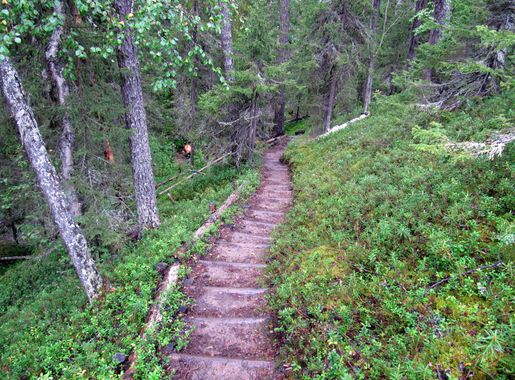


Oulanka National Park: A Wilderness Wonderland
Oulanka National Park, located in the northern region of Finland, is a haven for nature enthusiasts. This expansive park stretches over 270 square kilometers and is renowned for its breathtaking landscapes, including rugged cliffs, dense forests, and serene rivers. The park is home to the famous Karhunkierros Trail, which offers hikers an unforgettable journey through some of Finland's most stunning scenery. Visitors can expect to encounter diverse wildlife such as reindeer, elks, and a variety of bird species. The park's rivers and streams are perfect for canoeing and fishing, with the Oulankajoki River being a popular spot. In winter, the park transforms into a snowy paradise, ideal for cross-country skiing and snowshoeing. Oulanka National Park is not just about outdoor activities; it also offers a glimpse into Finland's natural history. The geological formations, such as the Oulanka Canyon, and the park's rich biodiversity make it a significant site for both education and conservation. Whether you're an adventure seeker or someone looking to relax in nature's embrace, Oulanka National Park promises an experience that will leave you in awe.