

Karhunkierros Trail Travel Guide - Free Web & App
Your ultimate guide to Karhunkierros Trail. Discover top landmarks, proposed trips, and local tips. Free on the web or via the Evendo companion app.


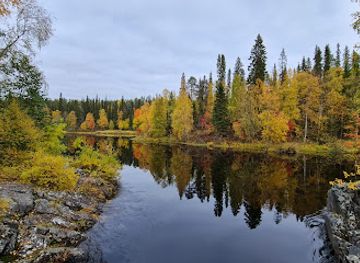
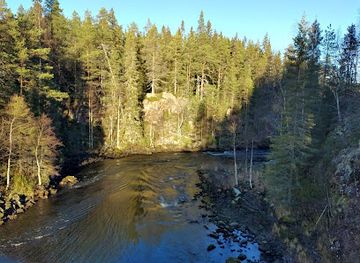
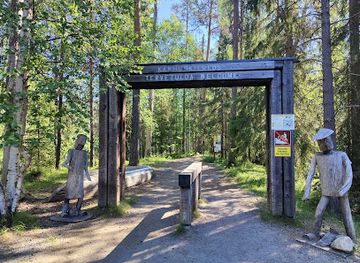
Discover the Karhunkierros Trail in Finland: an 82-kilometer journey through Oulanka National Park's majestic forests, cliffs, and rivers, perfect for hikers and nature enthusiasts.
Read more about Karhunkierros Trail
When is the best time to visit Karhunkierros Trail?
Best: June–August · 20–24°C| Month | High (°C) | Rainfall (mm) |
|---|---|---|
| January | -5 | 26 |
| February | -3 | 22 |
| March | 1 | 19 |
| April | 7 | 13 |
| May | 15 | 11 |
| June (best) | 20 | 13 |
| July (best) | 24 | 15 |
| August (best) | 20 | 18 |
| September | 14 | 20 |
| October | 7 | 22 |
| November | 1 | 25 |
| December | -2 | 26 |
Getting to and around Karhunkierros Trail
How to get there
Transportation
Best attractions in Karhunkierros Trail
Karhunkierros Trail in Finland offers visitors a mesmerizing blend of pristine nature and rich history. From rugged landscapes and tranquil rivers to ancient forests and breathtaking waterfalls, this trail provides a unique opportunity to immerse yourself in the beauty of Finnish wilderness. Along the way, hikers can explore traditional Finnish log cabins, old logging sites, and learn about the indigenous Sami culture. With its diverse flora and fauna, stunning scenery, and cultural heritage, Karhunkierros Trail is a must-visit destination for nature lovers and adventurers alike.
-
Tourist attraction
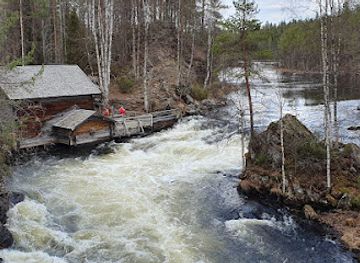
Myllykoski Rapids
Explore the breathtaking Myllykoski Rapids in Kuusamo, Finland, where nature's beauty and outdoor adventure unite in a stunning landscape.
-
Visitor center
Oulanka Visitor Center
Discover Oulanka National Park: Explore trails, exhibits, and natural wonders at the gateway to Finland's wilderness adventure in Kuusamo.
-
Tourist attraction
Kiutaköngäs
Experience the raw power and scenic beauty of Kiutaköngäs, a captivating rapids in Finland's Oulanka National Park.
-
Tourist attraction
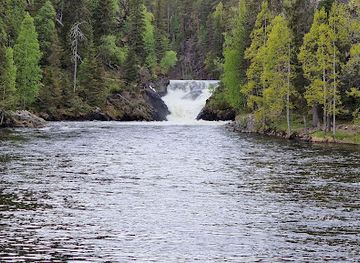
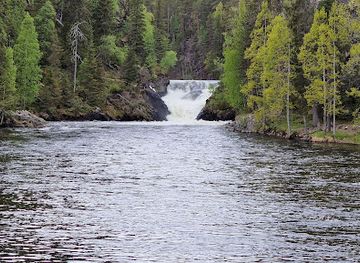
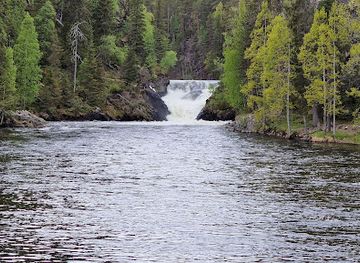
Jyrävä Rapids
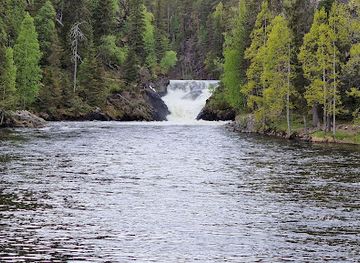
Experience the raw power of nature at Jyrävä Rapids in Oulanka National Park, a breathtaking waterfall surrounded by stunning Finnish wilderness.
Best landmarks in Karhunkierros Trail
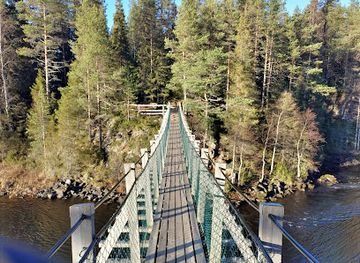
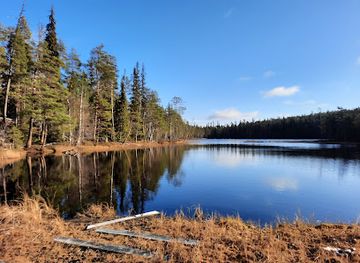
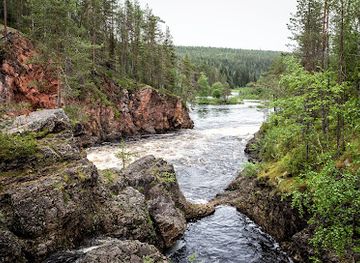
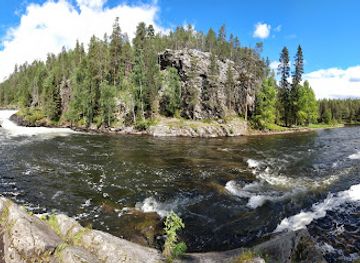
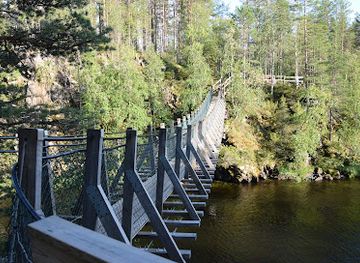
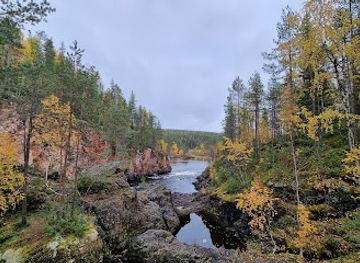
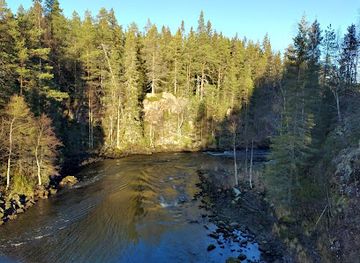
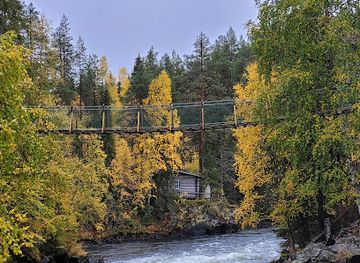
Karhunkierros Trail in Finland offers visitors a breathtaking journey through pristine wilderness, with stunning views of rugged landscapes, crystal-clear rivers, and majestic waterfalls. Hikers can explore ancient forests, cross suspension bridges, and encounter diverse wildlife along the way. The trail also features historical sites, such as old logging cabins and traditional Sami reindeer herding grounds, providing a glimpse into the region's rich cultural heritage. Whether seeking adventure or tranquility, Karhunkierros Trail promises an unforgettable experience for nature enthusiasts and history buffs alike.
-
National park
Oulanka National Park
Discover Finland's Oulanka National Park: A breathtaking natural wonderland perfect for outdoor adventures, wildlife spotting, and serene escapes in the wilderness.
-
Hiking area
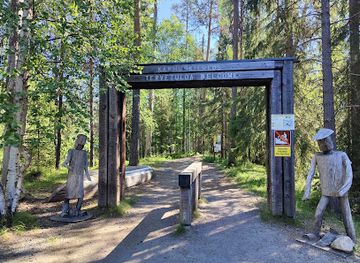
Pieni Karhunkierros Circle Trail
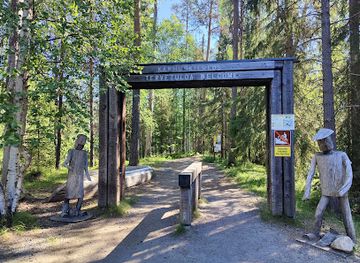
Discover the breathtaking Pieni Karhunkierros Circle Trail in Kuusamo, Finland, a must-visit for nature lovers and outdoor enthusiasts seeking scenic beauty.
-
Tourist attraction
Myllykoski Rapids
Experience the breathtaking beauty of Myllykoski Rapids in Oulanka National Park, a must-visit for nature lovers and adventure seekers alike.
-
Visitor center
Oulanka Visitor Center
Explore the breathtaking landscapes of Oulanka National Park at the Oulanka Visitor Center, your gateway to Finland's wilderness adventure.
Explore Karhunkierros Trail on the map
Plan your trip on one map. See where the top attractions, landmarks, restaurants and hotels are, and book hotels and experiences in a few clicks.
Best hotels in Karhunkierros Trail
Best restaurants in Karhunkierros Trail
The dining scene along the Karhunkierros Trail offers a unique experience for visitors, with a variety of options to satisfy every palate. From traditional Finnish dishes like smoked salmon and reindeer stew to modern fusion cuisine, there is something for everyone. Local restaurants and cafes provide a cozy atmosphere to relax and enjoy a meal after a day of hiking, with many establishments using ingredients sourced from the surrounding forests and lakes. Whether you're looking for a hearty meal or a light snack, the dining scene along the trail is sure to leave a lasting impression on your taste buds.
-
National park
Oulanka National Park
Explore Oulanka National Park: A pristine natural wonderland in Finland filled with breathtaking landscapes and diverse wildlife.
-
Hiking area
Pieni Karhunkierros Circle Trail
Discover Finland's natural beauty at Pieni Karhunkierros Circle Trail - a must-visit hiking destination with breathtaking views and rich wildlife.
-
Tourist attraction
Myllykoski Rapids
Discover the breathtaking beauty of Myllykoski Rapids in Kuusamo – a must-visit destination for nature lovers and adventure seekers.
-
Nature preserve
Kiutaköngäs
Explore Kiutaköngäs: A breathtaking nature preserve with stunning rapids and scenic trails in Kuusamo's Oulanka National Park.
Best bars in Karhunkierros Trail
The nightlife scene of Karhunkierros Trail offers a unique experience for visitors, with cozy wilderness pubs and traditional Finnish log cabins serving local craft beers and signature cocktails. Visitors can unwind after a day of hiking by enjoying live music performances, bonfires under the starlit sky, and mingling with fellow travelers from around the world. The laid-back atmosphere and warm hospitality of the local establishments make for a memorable evening of relaxation and camaraderie in the heart of the Finnish wilderness.
-
National park
Oulanka National Park
Discover the untouched beauty of Oulanka National Park, a natural wonder in Finland, where adventure meets tranquility amidst stunning landscapes.
-
Hiking area
Pieni Karhunkierros Circle Trail
Discover the beauty of Finland on the Pieni Karhunkierros Circle Trail, a stunning hiking adventure through Oulanka National Park's pristine landscapes.
-
Tourist attraction
Myllykoski Rapids
Explore Myllykoski Rapids: A Natural Wonder in Kuusamo, Finland with Stunning Views and Thrilling Outdoor Activities.
-
Visitor center
Oulanka Visitor Center
Explore Oulanka National Park's beauty at the Oulanka Visitor Center - your gateway to outdoor adventures in Finland's wilderness.
Best nightclubs in Karhunkierros Trail
The nightlife scene of Karhunkierros Trail offers a unique experience for visitors, with cozy wilderness pubs and traditional Finnish log cabins serving local craft beers and signature cocktails. Visitors can unwind after a day of hiking by enjoying live music performances, bonfires under the starlit sky, and mingling with fellow travelers from around the world. The laid-back atmosphere and warm hospitality of the local establishments make for a memorable evening of relaxation and camaraderie in the heart of the Finnish wilderness.
-
Hiking area
Pieni Karhunkierros Circle Trail
Discover the breathtaking beauty of the Pieni Karhunkierros Circle Trail in Oulanka National Park, a top hiking destination in Finland.
Best shops in Karhunkierros Trail
The shopping scene along Karhunkierros Trail offers a unique blend of traditional Finnish handicrafts, outdoor gear, and local delicacies. From cozy boutiques selling handmade woolen products to outdoor shops with top-of-the-line hiking gear, visitors can find everything they need for their outdoor adventures. Don't miss the opportunity to sample local treats like smoked salmon, reindeer jerky, and cloudberry jam, perfect for a picnic along the trail. Whether you're looking for souvenirs to bring home or essentials for your hike, the shopping options along Karhunkierros Trail are sure to delight visitors.
-
National park
Oulanka National Park
Discover the breathtaking beauty of Oulanka National Park, a Finnish gem of nature with stunning landscapes, diverse wildlife, and endless outdoor adventures.
-
Hiking area
Pieni Karhunkierros Circle Trail
Discover breathtaking landscapes and diverse wildlife on the Pieni Karhunkierros Circle Trail, a must-visit hiking destination in Kuusamo, Finland.
-
Tourist attraction
Myllykoski Rapids
Discover the breathtaking Myllykoski Rapids in Oulanka National Park, a perfect blend of adventure and serene natural beauty in Finland.
-
Visitor center
Oulanka Visitor Center
Explore the natural beauty of Oulanka National Park at the Oulanka Visitor Center - your gateway to Finnish wilderness adventures.

Get your free copy of our complete guide to Karhunkierros Trail, delivered straight to you.
Everything on this page, from attractions and restaurants to essentials and local phrases, in one PDF you can read offline, print or share.
Already have an account? Sign in
Your Karhunkierros Trail guide is ready.
We'll send it to · Not you? Sign out

Getting your guide ready…
We are putting together a fresh copy of the Karhunkierros Trail guide. This can take up to a minute.
This can take a few moments. If your browser asks, choose Allow so the download can start. You'll find the guide in your Downloads folder.
Nothing happened? Download it again
Sorry, the guide is taking longer than usual. Please try again in a minute, or get it by email instead.
Karhunkierros Trail essentials
Currency and Payment
Safety
Emergency Situations
Do's and Don'ts
Local Tips
From Eve
Local phrases worth knowing
You don't need to get them perfect. A few words go a long way, and locals appreciate the effort.
Basics
| English | Local | Say it |
|---|---|---|
| Hello | Moi | [moy] |
| Goodbye | Näkemiin | [nah-keh-meen] |
| Yes | Kyllä | [kuh-lah] |
| No | Ei | [ay] |
| Please/You're welcome | Ole hyvä | [oh-leh hoo-vah] |
| Thank you | Kiitos | [kee-tohs] |
| Excuse me/Sorry | Anteeksi | [ahn-tehk-see] |
| How are you? | Miten menee? | [mee-ten meh-neh] |
| Fine. And you? | Hyvin. Entä sinä? | [huh-veen. ehn-tah see-nah] |
| Do you speak English? | Puhutko englantia? | [poo-hoot-koh eng-lahn-tee-ah] |
| I don't understand | En ymmärrä | [en um-mah-rah] |
Eating & Drinking
| English | Local | Say it |
|---|---|---|
| I'd like to see the menu, please | Saisinko ruokalistan, kiitos | [sigh-sin-koh roo-oh-kah-lee-stahn, kee-tohs] |
| I don't eat meat | En syö lihaa | [en syh lee-hah] |
| Cheers! | Kippis! | [kip-pis] |
| I would like to pay, please | Haluan maksaa, kiitos | [hah-lu-ahn mahk-sah, kee-tohs] |
Emergencies
| English | Local | Say it |
|---|---|---|
| Help! | Apua! | [ah-poo-ah] |
| Go away! | Mene pois! | [meh-neh poh-is] |
| Call the Police! | Soita poliisille! | [soy-tah poh-lee-see-leh] |
| Call a doctor! | Soita lääkärille! | [soy-tah lah-kah-ree-leh] |
| I'm lost | Olen eksyksissä | [oh-len eks-uhk-sis-sah] |
| I'm ill | Olen sairas | [oh-len sigh-rahs] |
Shopping
| English | Local | Say it |
|---|---|---|
| I'd like to buy... | Haluan ostaa... | [hah-lu-ahn oh-stah] |
| I'm just looking | Katson vain | [kaht-sohn vain] |
| How much is it? | Paljonko se maksaa? | [pahl-yon-koh seh mahk-sah] |
| That's too expensive | Se on liian kallis | [seh ohn lee-ahn kahl-lees] |
| Can you lower the price? | Voitko laskea hintaa? | [voyt-koh lah-skeh-ah hin-tah] |
Time & Numbers
| English | Local | Say it |
|---|---|---|
| What time is it? | Paljonko kello on? | [pahl-yon-koh keh-loh ohn] |
| It's one o'clock | Kello on yksi | [keh-loh ohn oohk-see] |
| Half past (10) | Puoli (kymmenen) | [pwoh-lee (kuhm-meh-nehn)] |
| Morning | Aamu | [ah-moo] |
| Afternoon | Iltapäivä | [eel-tah-pah-ee-vah] |
| Evening | Ilta | [eel-tah] |
| Yesterday | Eilen | [ay-lehn] |
| Today | Tänään | [tah-nahn] |
| Tomorrow | Huomenna | [hwoh-mehn-nah] |
| 1 | Yksi | [oohk-see] |
| 2 | Kaksi | [kahk-see] |
| 3 | Kolme | [kohl-meh] |
| 4 | Neljä | [neh-lyah] |
| 5 | Viisi | [vee-see] |
| 6 | Kuusi | [koo-see] |
| 7 | Seitsemän | [sight-seh-mahn] |
| 8 | Kahdeksan | [kah-dehk-sahn] |
| 9 | Yhdeksän | [ooh-dehk-sahn] |
| 10 | Kymmenen | [kuhm-meh-nehn] |
Transport & Directions
| English | Local | Say it |
|---|---|---|
| Where's a/the...? | Missä on...? | [mee-ssah ohn] |
| What's the address? | Mikä on osoite? | [mee-kah ohn oh-soi-teh] |
| Can you show me (on the map)? | Voitko näyttää minulle (kartalla)? | [voyt-koh nayt-tah min-uh-leh (kar-tahl-lah)] |
| When's the next (bus)? | Milloin on seuraava (bussi)? | [meel-loin ohn seh-oo-rah-vah (boo-see)] |
| A ticket (to ....) | Lippu (....) | [leep-poo] |
History of Karhunkierros Trail
Ancient Sami Inhabitants
The Karhunkierros Trail is steeped in the ancient history of the Sami people, the indigenous inhabitants of Northern Europe. The Sami have lived in the region for thousands of years, and their culture and traditions are deeply intertwined with the natural landscape of the trail. Petroglyphs and ancient artifacts found along the trail provide a glimpse into their way of life, including hunting, fishing, and reindeer herding.
Medieval Trade Routes
During the medieval period, the Karhunkierros Trail served as an important trade route. Merchants and traders traveled through this rugged terrain to exchange goods such as furs, fish, and other natural resources. The trail connected remote villages and facilitated cultural exchanges between different communities. Remnants of ancient trading posts and waystations can still be found along the trail.
The Era of Logging
In the 19th and early 20th centuries, the forests surrounding the Karhunkierros Trail became a focal point for the logging industry. Timber was a highly sought-after resource, and logging camps were established throughout the area. The trail was used to transport logs to nearby rivers, which then carried them to mills and markets. The impact of logging on the landscape is still visible today, with old logging roads and abandoned cabins dotting the trail.
Formation of Oulanka National Park
The creation of Oulanka National Park in 1956 marked a significant milestone in the conservation of the Karhunkierros Trail. The park was established to protect the unique natural environment and biodiversity of the region. Today, the trail is a key feature of the park, attracting thousands of hikers and nature enthusiasts each year. The park's establishment also led to increased efforts to preserve the cultural heritage of the area, including traditional Sami sites and historic landmarks.
Modern-Day Hiking Trail
The Karhunkierros Trail as we know it today was officially marked and opened to the public in the 1980s. Since then, it has grown in popularity and is now one of Finland's most famous hiking trails. The trail spans approximately 82 kilometers, offering hikers a challenging yet rewarding journey through diverse landscapes, including dense forests, river valleys, and rugged cliffs. Modern amenities, such as well-maintained paths, shelters, and information boards, enhance the hiking experience while preserving the natural beauty and historical significance of the trail.
Karhunkierros Trail in Photos
Browse through our photo collection highlighting the charm and character of the destination.
Neighbouring destination travel guides
The closest destinations to Karhunkierros Trail, if you have time for more than one.
-

-

-

-

-


Swipe for more destinations
Explore more
Explore more of Lapland
Discover the magic of Lapland, Finland - a land of endless winter adventures, mesmerizing Northern Lights, and rich Sámi culture, perfect for family fun and serene escapes.
Explore Lapland
Explore more of Finland
Explore Finland, where the Midnight Sun meets the Northern Lights, offering a unique blend of natural beauty, rich culture, and unforgettable experiences.
Explore Finland