

Riisitunturi National Park Travel Guide - Free Web & App
Your ultimate guide to Riisitunturi National Park. Discover top landmarks, proposed trips, and local tips. Free on the web or via the Evendo companion app.


Riisitunturi National Park in Finland offers snow-covered spruce forests, fell viewpoints, hanging bogs and peaceful hiking near Posio year-round.
Fells, Forests and Hanging Bogs
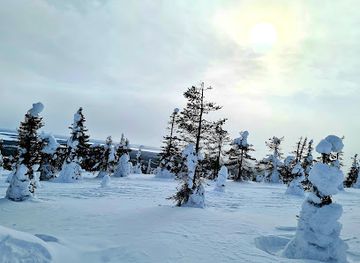
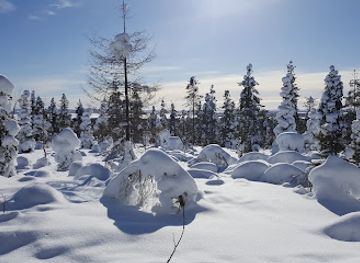
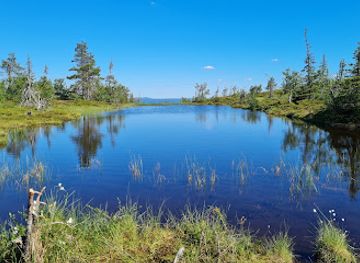
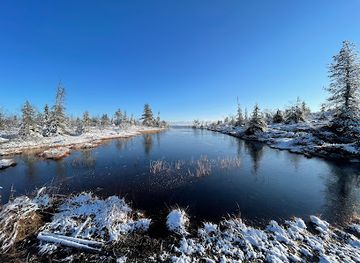
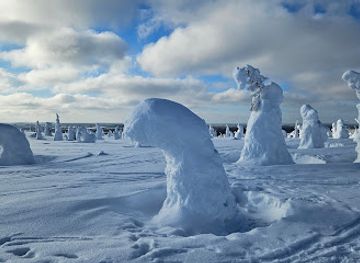
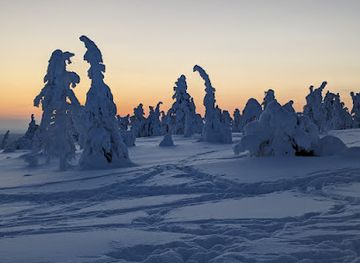
Riisitunturi National Park lies in Finnish Lapland, in the municipality of Posio, east of the broad forested uplands around Kuusamo. Covering a compact but varied expanse of fells, spruce forests, wetlands and small lakes, it is best known for the snow-laden trees that curve into sculptural forms during winter. The park's highest summit, Riisitunturi Fell, rises to 465 metres and provides wide views across the wooded landscape of southern Lapland. Its slope bogs, where wetlands cling to the sides of the uplands, are among the area's defining natural features.Read more about Riisitunturi National Park
A Landscape for Every Season
Posio and the Wider Region
When is the best time to visit Riisitunturi National Park?
Best: June–August · 19–23°C| Month | High (°C) | Rainfall (mm) |
|---|---|---|
| January | -5 | 25 |
| February | -2 | 20 |
| March | 2 | 20 |
| April | 7 | 15 |
| May | 13 | 15 |
| June (best) | 19 | 10 |
| July (best) | 23 | 10 |
| August (best) | 21 | 10 |
| September | 14 | 15 |
| October | 7 | 20 |
| November | 4 | 25 |
| December | -1 | 25 |
Getting to and around Riisitunturi National Park
How to get there
Transportation
Best attractions in Riisitunturi National Park
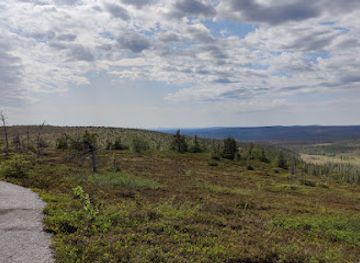
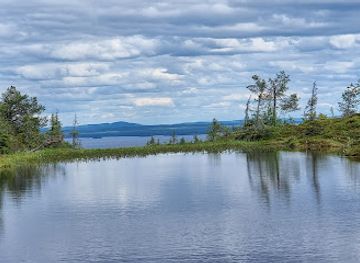
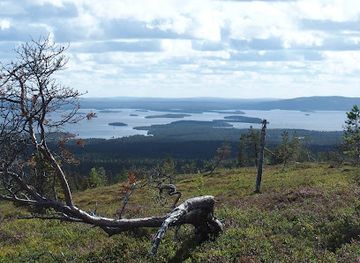
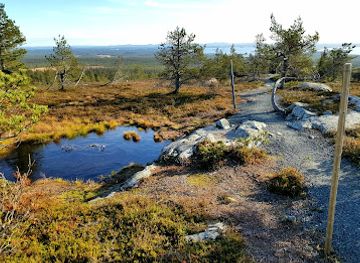
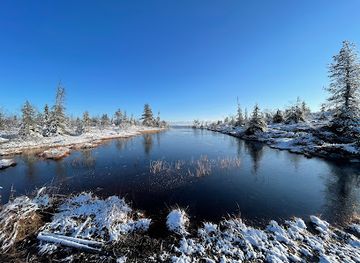
The principal attraction is Riisitunturi Fell, whose open summit and slopes provide broad views over the forested uplands of Posio. Shorter marked walks from the main trailhead make it possible to reach the best-known viewpoints, while longer routes pass through spruce forest, slope bogs and quieter parts of the national park. In winter, snow-covered trees are the defining sight, their branches shaped by persistent snow and cold; in summer, the emphasis shifts to wetland vegetation, bilberry heaths, small lakes and long northern light. The park's compact scale makes it easier to experience several habitats in one outing, although the terrain and weather still demand proper preparation. Outside the park, Posio provides a useful cultural and practical counterpart, with local services and connections to the wider lake district, while the nearby Livojärvi and Kitka lake landscapes extend the region's opportunities for nature viewing and outdoor recreation.
-
Park
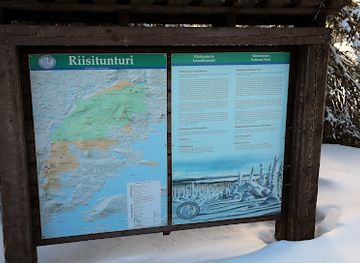
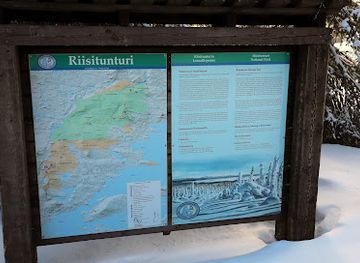
The Information Board of Riisitunturi National Park
Discover the breathtaking beauty of Riisitunturi National Park, a natural gem in Finland, perfect for hiking, wildlife watching, and year-round adventures.
Best landmarks in Riisitunturi National Park
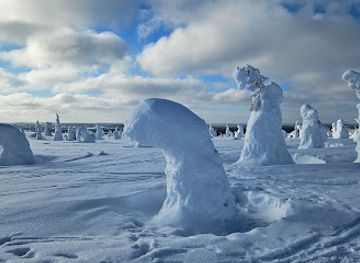
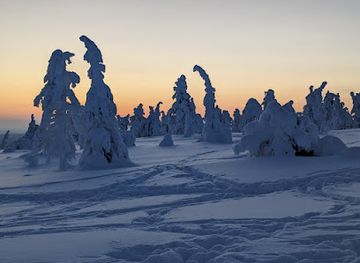
Riisitunturi Fell is the park's defining natural landmark, rising to 465 metres and forming an open high point above the surrounding conifer forests. Its summit and upper slopes are valued for expansive views across eastern Finnish Lapland, while the adjacent slope bogs are a significant ecological feature created by wet conditions on undulating ground. The snow-bent spruce forests have become an emblematic seasonal landmark, especially in winter when thick snow transforms their branches into rounded white forms. Rather than historic buildings or monumental architecture, Riisitunturi's identity is carried by these relationships between fell, forest, wetland and weather. The marked routes and rest structures support access, but they remain secondary to the protected landscape itself and should not be treated as a developed mountain resort.
-
National reserve
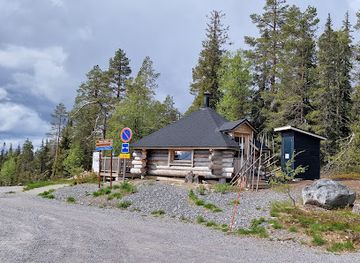
Riisitunturi Starting Point
Explore the breathtaking landscapes and diverse wildlife of Riisitunturi National Reserve in Finland, a must-visit destination for nature lovers.
-
Travel
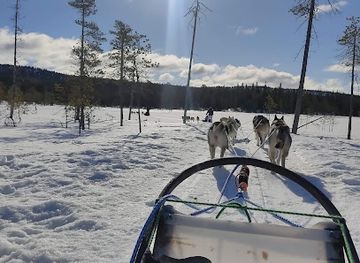
Kota-Husky
Discover the enchanting world of Kota-Husky in Karjalaisenniemi, Finland, where thrilling husky sledding meets breathtaking Arctic landscapes.
-
Parking lot
Riisitunturi
Experience the breathtaking landscapes and rich biodiversity of Riisitunturi, Finland's premier destination for outdoor adventure and tranquility.
-
Park
The Information Board of Riisitunturi National Park
Explore the breathtaking landscapes and unique wildlife of Riisitunturi National Park, a serene escape into Finland's stunning natural beauty.
Explore Riisitunturi National Park on the map
Plan your trip on one map. See where the top attractions, landmarks, restaurants and hotels are, and book hotels and experiences in a few clicks.
Best hotels in Riisitunturi National Park
Best restaurants in Riisitunturi National Park
There is no substantial dining scene inside Riisitunturi National Park, so visitors normally eat before or after a walk in Posio or arrange food for themselves. Posio's cafés, restaurants, accommodation dining rooms and shops provide access to ordinary Finnish regional fare, with menus and opening patterns varying by season. The wider area reflects eastern Lapland's forest and lake environment through ingredients such as freshwater fish, berries, mushrooms and locally produced meats, while reindeer dishes may appear in regional restaurants. Packed lunches are particularly practical for longer trails, but food should be carried responsibly and waste taken away unless a designated disposal point is available. The nearby Pentik cultural and design tradition also forms part of Posio's visitor identity, although it is associated with craft and ceramics rather than a specific national park cuisine.
-
National park
Riisitunturi National Park
Discover breathtaking landscapes and diverse wildlife at Riisitunturi National Park - a true gem in Finland's natural wonders.
-
National reserve
Riisitunturi Starting Point
Explore Riisitunturi Starting Point: A gateway to stunning landscapes and outdoor adventures in Finland's national reserve.
-
Mountain peak
Riisitunturi
Explore Riisitunturi: A breathtaking mountain peak in Posio, Finland offering stunning views, diverse wildlife, and unforgettable hiking experiences.
-
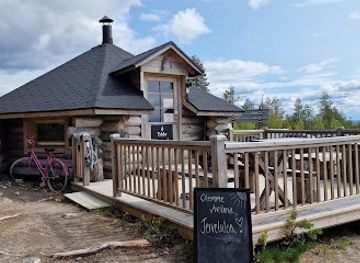
Cafe
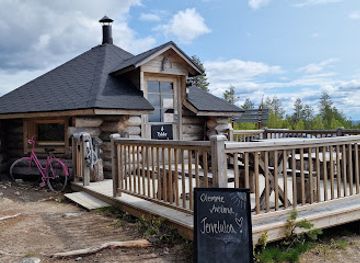
Wilderness Cafe Tykky
Discover Wilderness Cafe Tykky: A charming retreat offering delicious Finnish cuisine amidst stunning natural beauty in Tolva.
Best bars in Riisitunturi National Park
Riisitunturi has no nightlife infrastructure, and evenings in the national park are defined by quiet forest, dark skies and the need to return safely from the trails. Posio offers the most relevant evening options, generally through the bars, lounges or dining areas attached to local accommodation and other established businesses rather than a concentrated club district. In the wider Kuusamo region, visitors may find a broader selection of pubs and seasonal entertainment, but this lies outside the national park and requires separate transport. Evening plans are therefore usually centred on a meal, sauna, photography, a winter northern-sky outing or relaxation at a rural base, with current opening arrangements needing confirmation directly from individual establishments.
-
National park
Riisitunturi National Park
Explore the stunning landscapes and diverse ecosystems of Riisitunturi National Park, a true Finnish natural wonder.
-
National reserve
Riisitunturi Starting Point
Explore the breathtaking landscapes and unique wildlife at Riisitunturi Starting Point, a national reserve in the heart of Finnish Lapland.
-
Mountain peak
Riisitunturi
Discover the natural beauty of Riisitunturi, Finland's majestic mountain peak, where breathtaking views and serene trails await every nature lover.
-
Cafe
Wilderness Cafe Tykky
Discover the serene charm of Wilderness Cafe Tykky in Tolva, Finland, where nature meets delightful homemade treats in a cozy atmosphere.
Best nightclubs in Riisitunturi National Park
Riisitunturi has no nightlife infrastructure, and evenings in the national park are defined by quiet forest, dark skies and the need to return safely from the trails. Posio offers the most relevant evening options, generally through the bars, lounges or dining areas attached to local accommodation and other established businesses rather than a concentrated club district. In the wider Kuusamo region, visitors may find a broader selection of pubs and seasonal entertainment, but this lies outside the national park and requires separate transport. Evening plans are therefore usually centred on a meal, sauna, photography, a winter northern-sky outing or relaxation at a rural base, with current opening arrangements needing confirmation directly from individual establishments.
-
National park
Riisitunturi National Park
Explore the breathtaking landscapes and abundant wildlife of Riisitunturi National Park, a true gem in Finland's wilderness.
-
Mountain peak
Riisitunturi
Discover the breathtaking beauty of Riisitunturi in Posio, Finland, where stunning landscapes and outdoor adventures await every traveler.
Best shops in Riisitunturi National Park
Shopping within Riisitunturi National Park is limited to the natural experience itself, with no retail centre on the fells. Posio is the nearest practical place for groceries, outdoor provisions and locally made products, while the wider municipality is strongly associated with Pentik, the Finnish ceramics and design company founded there. Ceramics, Finnish design goods, local food products, berry preserves and craft items may be available through established businesses in Posio and the surrounding region, although stock and opening arrangements vary. Visitors heading into the park should buy food, fuel and any specialist outdoor supplies before leaving the settlement. The area's craft and design identity offers a cultural counterpoint to the national park's forests and bogs, but it is best experienced through genuine local outlets rather than an assumed souvenir district.
-
National park
Riisitunturi National Park
Explore the enchanting landscapes of Riisitunturi National Park, a Finnish paradise for nature lovers and adventure seekers.
-
National reserve
Riisitunturi Starting Point
Explore the natural wonders of Riisitunturi National Reserve, a breathtaking destination for outdoor adventures and serene landscapes in Finland.
-
Mountain peak
Riisitunturi
Explore the breathtaking mountain peak of Riisitunturi, where stunning landscapes and outdoor adventures await in the heart of Finland.
-
Park
The Information Board of Riisitunturi National Park
Explore the breathtaking landscapes and diverse wildlife of Riisitunturi National Park in Finland, a nature lover's paradise.
Get your free copy of our complete guide to Riisitunturi National Park, delivered straight to you.
Everything on this page, from attractions and restaurants to essentials and local phrases, in one PDF you can read offline, print or share.
Already have an account? Sign in
Your Riisitunturi National Park guide is ready.
We'll send it to · Not you? Sign out

Getting your guide ready…
We are putting together a fresh copy of the Riisitunturi National Park guide. This can take up to a minute.
This can take a few moments. If your browser asks, choose Allow so the download can start. You'll find the guide in your Downloads folder.
Nothing happened? Download it again
Sorry, the guide is taking longer than usual. Please try again in a minute, or get it by email instead.
Riisitunturi National Park essentials
Currency and Payment
Safety
Emergency Situations
Do's and Don'ts
Local Tips
From Eve
Local phrases worth knowing
You don't need to get them perfect. A few words go a long way, and locals appreciate the effort.
Basics
| English | Local | Say it |
|---|---|---|
| Hello | Hei | [hay] |
| Goodbye | Näkemiin | [nah-keh-meen] |
| Yes | Kyllä | [kuu-laa] |
| No | Ei | [ay] |
| Please/You're welcome | Ole hyvä | [oh-le huu-vaa] |
| Thank you | Kiitos | [kee-tohs] |
| Excuse me/Sorry | Anteeksi | [ahn-tehk-see] |
| How are you? | Kuinka voit? | [kween-kah voyt] |
| Fine. And you? | Hyvin. Entä sinä? | [hoo-veen. en-taa si-naa] |
| Do you speak English? | Puhutko englantia? | [poo-hoot-koh eng-lan-tee-ah] |
| I don't understand | En ymmärrä | [ayn uhm-mahr-rah] |
Eating & Drinking
| English | Local | Say it |
|---|---|---|
| I'd like to see the menu, please | Haluan nähdä ruokalistan, kiitos | [hah-lu-ahn nah-dah roo-oh-kah-lis-tahn, kee-tohs] |
| I don't eat meat | En syö lihaa | [ayn suu lee-haa] |
| Cheers! | Kippis! | [kip-pis] |
| I would like to pay, please | Haluaisin maksaa, kiitos | [hah-lu-ai-sin mahk-saa, kee-tohs] |
Emergencies
| English | Local | Say it |
|---|---|---|
| Help! | Apua! | [ah-poo-ah] |
| Go away! | Mene pois! | [meh-neh poys] |
| Call the Police! | Soita poliisille! | [soy-tah poh-lee-sil-leh] |
| Call a doctor! | Soita lääkärille! | [soy-tah laah-kah-rihl-leh] |
| I'm lost | Olen eksyksissä | [oh-len ek-syk-sis-sah] |
| I'm ill | Olen sairas | [oh-len sair-ahs] |
Shopping
| English | Local | Say it |
|---|---|---|
| I'd like to buy... | Haluan ostaa... | [hah-lu-ahn ohs-taa] |
| I'm just looking | Katson vain | [kaat-sohn vain] |
| How much is it? | Paljonko se maksaa? | [pahl-yon-koh seh mahk-saa] |
| That's too expensive | Se on liian kallis | [seh ohn lee-ahn kahl-lis] |
| Can you lower the price? | Voitteko laskea hintaa? | [voyt-teh-koh lahs-eh-ka heen-taa] |
Time & Numbers
| English | Local | Say it |
|---|---|---|
| What time is it? | Mitä kello on? | [mee-tah kel-lo ohn] |
| It's one o'clock | Kello on yksi | [kel-lo ohn yk-see] |
| Half past (10) | Puoli (10) | [pwoh-lee (kym-men-tä)] |
| Morning | Aamu | [ah-moo] |
| Afternoon | Iltapäivä | [eel-tah-pah-ee-vah] |
| Evening | Ilta | [eel-tah] |
| Yesterday | Eilen | [ay-len] |
| Today | Tänään | [tah-nahn] |
| Tomorrow | Huomenna | [hwoh-men-nah] |
| 1 | Yksi | [yk-see] |
| 2 | Kaksi | [kahk-see] |
| 3 | Kolme | [kohl-meh] |
| 4 | Neljä | [nel-yah] |
| 5 | Viisi | [vee-see] |
| 6 | Kuusi | [koo-see] |
| 7 | Seitsemän | [sate-seh-man] |
| 8 | Kahdeksan | [kah-dek-sahn] |
| 9 | Yhdeksän | [uh-dek-sahn] |
| 10 | Kymmenen | [kum-men-en] |
Transport & Directions
| English | Local | Say it |
|---|---|---|
| Where's a/the...? | Missä on... | [mee-sa ohn] |
| What's the address? | Mikä on osoite? | [mee-kah ohn oh-soy-teh] |
| Can you show me (on the map)? | Voitko näyttää minulle (kartalla)? | [voyt-koh nayt-taa mee-nul-leh (kar-tal-la)] |
| When's the next (bus)? | Milloin seuraava (bussi)? | [meel-loin seu-raa-vah (boo-see)] |
| A ticket (to ....) | Lippu (....) | [lee-poo] |
History of Riisitunturi National Park
Glacial Foundations
Riisitunturi's landforms belong to the ancient uplands of eastern Finnish Lapland, shaped over long geological timescales and later remodelled by the Ice Age. Glacial action helped create the rounded fells, depressions and waterlogged slopes that characterise the park today. The area's wetlands are especially notable because some occupy sloping ground rather than only flat basins. This combination of upland relief, bogs and coniferous forest gives Riisitunturi a different character from Finland's flatter central peatlands and provides the physical basis for its distinctive habitats.
Forest Livelihoods and Local Use
Before the area became a national park, the wider Posio landscape was used through a mixture of forestry, reindeer husbandry, hunting, fishing and gathering. The forests and wetlands formed part of a seasonal rural economy rather than an isolated wilderness without human connections. Reindeer remain an important presence in the region, while lakes and rivers have long supported fishing and transport at a local scale. The park's remoteness limited dense settlement on the fells, helping preserve a largely forested landscape even as surrounding communities developed.
The National Park Era
Riisitunturi National Park was established in 1982 to protect its representative fell, forest and wetland environments. Conservation gave formal recognition to a landscape whose ecological value lies in the relationship between humid slopes, old-growth characteristics, bog vegetation and northern spruce forest. The designation also created a framework for marked routes and low-impact recreation. Unlike a historic town or monument complex, Riisitunturi's heritage is chiefly environmental: the protected landscape records both natural processes and the restrained way in which people have traditionally used the surrounding uplands.
Tourism and Conservation Today
Riisitunturi became increasingly known beyond Finland for its winter scenery, particularly photographs of spruce trees heavily laden with snow. Seasonal tourism now complements older local livelihoods, with visitors arriving for hiking, snowshoeing, photography and fell views. The park remains managed as a protected natural area rather than a developed resort, so facilities are deliberately limited and visitors are expected to travel responsibly. Changing winters, heavy visitor pressure at popular viewpoints and the vulnerability of bog and forest habitats make careful route use and respect for conservation guidance important parts of the modern park experience.
Riisitunturi National Park in Photos
Browse through our photo collection highlighting the charm and character of the destination.
Neighbouring destination travel guides
The closest destinations to Riisitunturi National Park, if you have time for more than one.
-

-

-

-

-


Swipe for more destinations
Explore more
Explore more of Lapland
Discover the magic of Lapland, Finland - a land of endless winter adventures, mesmerizing Northern Lights, and rich Sámi culture, perfect for family fun and serene escapes.
Explore Lapland
Explore more of Finland
Explore Finland, where the Midnight Sun meets the Northern Lights, offering a unique blend of natural beauty, rich culture, and unforgettable experiences.
Explore Finland