

Free Lapland Travel Guide & Mobile App
Explore Lapland with free travel guides. Discover regional history, expert tips, proposed trips, and audio guides on web or mobile app.


Explore Finnish Lapland for Arctic wilderness, Sámi culture, northern lights, fell hiking, ski resorts and distinctive seasonal food.
Read more about Lapland
When is the best time to visit Lapland?
Best: June–August · 17–20°C| Month | High (°C) | Rainfall (mm) |
|---|---|---|
| January | -8 | 40 |
| February | -6 | 35 |
| March | 1 | 30 |
| April | 7 | 35 |
| May | 14 | 40 |
| June (best) | 18 | 50 |
| July (best) | 20 | 60 |
| August (best) | 17 | 60 |
| September | 13 | 50 |
| October | 5 | 40 |
| November | 0 | 45 |
| December | -5 | 50 |
Getting to and around Lapland
How to get there
Transportation
Top city travel guides in Lapland
The cities of Lapland, and the easiest places to base yourself.
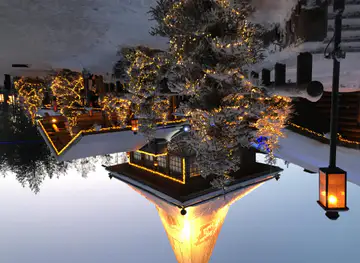
-
-


Swipe for more cities
Destinations in Lapland
Resorts, valleys and scenic spots worth a trip of their own.
-

-

-

-

-

-


Swipe for more destinations
Best attractions in Lapland
Lapland's attractions range from major cultural institutions to wide areas of protected nature. Rovaniemi offers the Arktikum museum and science centre, the Pilke Science Centre and the reconstructed church and civic architecture of a post-war city, while the Arctic Circle area concentrates family-oriented attractions and seasonal activities. The Sámi Museum and Nature Centre Siida in Inari provides important context on Sámi culture and northern environments. National parks form the region's main outdoor draw: Pallas-Yllästunturi is known for long fell landscapes and marked hiking routes, Pyhä-Luosto combines ancient forest and distinctive quartzite fells, Urho Kekkonen protects extensive eastern wilderness, and Lemmenjoki offers river valleys and remote northern scenery. Ski resorts at Levi, Ylläs, Saariselkä and Pyhä provide downhill and cross-country facilities, with summer hiking and cycling extending their appeal beyond winter. Around Kemi and the Tornio River, maritime, industrial and river-border heritage offer a contrasting experience. Wildlife watching, canoeing, snowshoeing, sauna visits and guided reindeer or husky activities are available in different parts of the region, but responsible operators and respect for animal welfare and fragile habitats are essential.
-
Tourist attraction
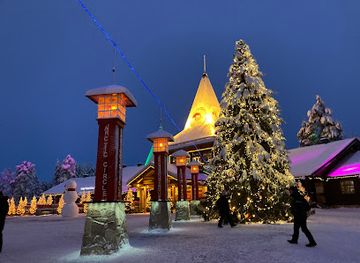
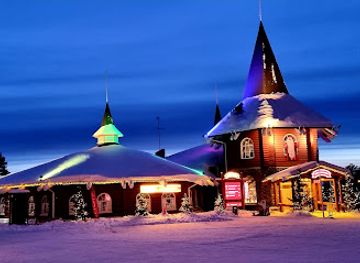
Santa Claus Village
Meet Santa Claus, cross the Arctic Circle, and experience Christmas magic year-round in Rovaniemi's enchanting Santa Claus Village.
-
Tourist attraction
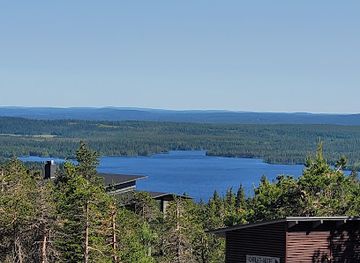
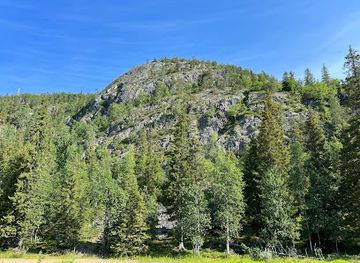
Rukatunturi
Experience year-round adventure at Rukatunturi, Finland: skiing, hiking, and breathtaking Lapland scenery await!
-
National park
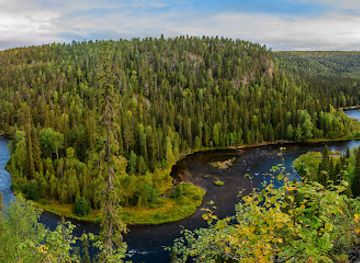
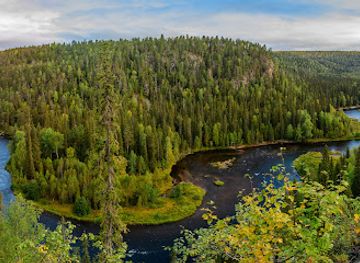
Oulanka National Park
Discover Finland's wild beauty: Hike through stunning landscapes, explore pristine rivers, and experience the magic of Oulanka National Park.
-
Theme park
SantaPark - the Home Cavern of Santa Claus
Experience the magic of Christmas year-round at this unique underground theme park, located on the Arctic Circle in Rovaniemi, Finland.

Best landmarks in Lapland
Rovaniemi's rebuilt centre is one of Lapland's most distinctive urban landmarks. Its post-war plan, associated with Alvar Aalto, traces the form of a reindeer antler through broad streets and green spaces, while Rovaniemi Church and the Lappia Hall cultural complex provide notable architectural points. In the north, the old church at Utsjoki and the associated riverside church huts reflect the long history of Christian settlement and seasonal movement in the far north. The Tornio Church, a medieval stone church in the southern part of the region, is an important reminder of the area's early parish and border history. Outside the towns, the rounded silhouettes of the Pallastunturi and Pyhätunturi fells are geographical landmarks as well as foundations for national park landscapes. The Ounasjoki and Torniojoki rivers define major valleys and routes, while Lake Inari is one of Finland's most recognisable northern waterscapes. These places are significant not simply for their appearance but for the connections between landscape, transport, settlement, spiritual life and contemporary outdoor recreation.
-
Theme park
Santa Claus Village
Experience the magic of Santa Claus Village in Rovaniemi, Finland - a winter wonderland filled with festive attractions and enchanting moments.
-
Ski resort
Rukatunturi
Experience the thrill of winter sports and the beauty of nature at Rukatunturi, Finland's premier ski resort and tourist attraction.
-
Wildlife park
Ranua Zoo
Discover the Arctic wonders at Ranua Zoo, a premier wildlife park showcasing Finland's unique fauna in a breathtaking natural setting.
-
National park
Oulanka National Park
Explore Oulanka National Park: A haven of wilderness with stunning landscapes, diverse wildlife, and unforgettable outdoor adventures.
Explore Lapland on the map
Plan your trip on one map. See where the top cities, national parks and sights are, and book hotels and experiences in a few clicks.
Best hotels in Lapland
Best restaurants in Lapland
Lapland's food culture is based on ingredients suited to northern conditions and a strong relationship with forests, rivers and seasonal work. Reindeer appears in dishes such as sautéed reindeer, while freshwater fish, especially salmon and whitefish, are common in river and lake districts. Cloudberries, bilberries, lingonberries, wild mushrooms, potatoes, rye and locally produced dairy feature in home cooking and contemporary restaurant menus. Inari and other northern communities offer opportunities to encounter Sámi food traditions, although visitors should distinguish genuine cultural interpretation from generic Arctic branding. Rovaniemi, the ski resorts and larger towns provide the widest choice of restaurants, from cafés and casual Finnish cooking to modern Nordic menus. Rural inns and resort restaurants often focus on hearty soups, grilled fish, pastries and dishes designed for cold-weather activity. Local markets and specialist food shops are useful places to find berry products, preserves, smoked fish and regional gifts, while beer and other Finnish drinks are widely available alongside coffee, a central part of everyday café culture.
-
Finnish
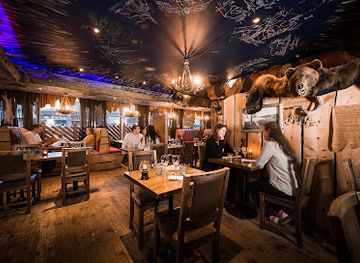
Nili Restaurant
Experience authentic Finnish flavors at Nili Restaurant in Rovaniemi – where tradition meets modern culinary excellence.
-
Pizza
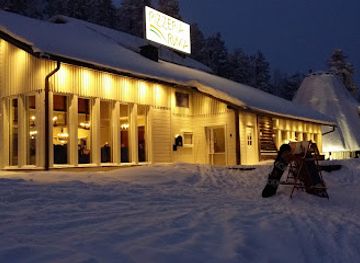
Pizzeria Ruka
Experience authentic Italian cuisine at Pizzeria Ruka in Kuusamo - where every slice tells a story!
-
Restaurant
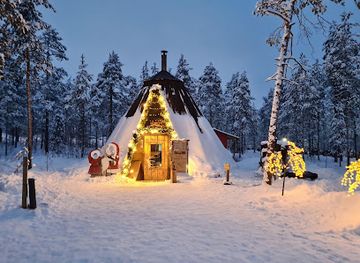
Santa's Salmon Place
Experience authentic Finnish cuisine at Santa's Salmon Place in Rovaniemi - where tradition meets flavor in a magical setting.
-
Hamburger
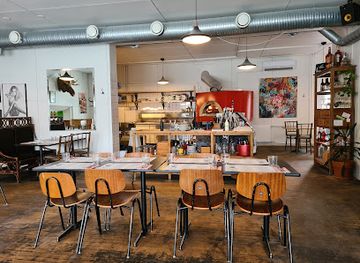
Kauppayhtiö
Discover the taste of Finland at Kauppayhtiö in Rovaniemi – where gourmet hamburgers meet local flavors in a cozy atmosphere.
Best bars in Lapland
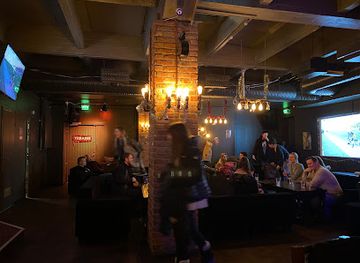
Nightlife in Lapland is concentrated in Rovaniemi and the larger ski resorts rather than spread evenly across the region. Rovaniemi has the broadest selection of pubs, bars, live music, late-opening venues and student-oriented evenings, while Levi, Ylläs, Saariselkä and Pyhä develop a seasonal après-ski culture around resort restaurants, pubs and occasional music venues. The emphasis is often on socialising after outdoor activities rather than on a large metropolitan club scene. Smaller towns and remote villages generally rely on local pubs, hotel bars, community events and restaurants, with quieter evenings outside peak seasons. Visitors should check current arrangements locally because opening patterns and entertainment change considerably between winter, summer and shoulder seasons. A traditional sauna, a restaurant with a regional menu or an evening walk beneath clear northern skies can be as characteristic of Lapland's after-dark experience as a bar.
-
Ski resort
Rukatunturi
Discover Rukatunturi, Finland's enchanting ski resort, where thrilling slopes meet breathtaking landscapes in a winter paradise.
-
National park
Oulanka National Park
Explore Oulanka National Park, a stunning nature preserve in Finland known for its breathtaking landscapes, diverse wildlife, and extensive hiking trails.
-
Coffee shop
Cafe & Bar 21
Discover the vibrant flavors of Cafe & Bar 21 in Rovaniemi, where coffee, cocktails, and tapas come together in a cozy and inviting atmosphere.
-
 Restaurant
Scandic Rovaniemi City
Discover the perfect blend of comfort and culinary experiences at Scandic Rovaniemi City, a premier hotel and restaurant in the heart of Rovaniemi.
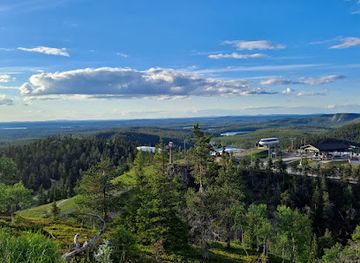
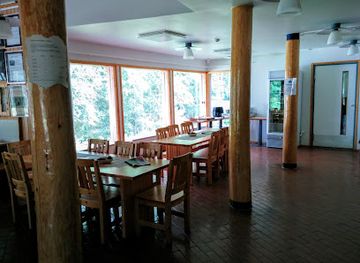
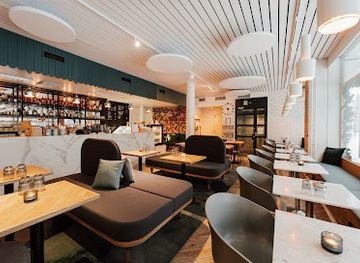
Best nightclubs in Lapland
Nightlife in Lapland is concentrated in Rovaniemi and the larger ski resorts rather than spread evenly across the region. Rovaniemi has the broadest selection of pubs, bars, live music, late-opening venues and student-oriented evenings, while Levi, Ylläs, Saariselkä and Pyhä develop a seasonal après-ski culture around resort restaurants, pubs and occasional music venues. The emphasis is often on socialising after outdoor activities rather than on a large metropolitan club scene. Smaller towns and remote villages generally rely on local pubs, hotel bars, community events and restaurants, with quieter evenings outside peak seasons. Visitors should check current arrangements locally because opening patterns and entertainment change considerably between winter, summer and shoulder seasons. A traditional sauna, a restaurant with a regional menu or an evening walk beneath clear northern skies can be as characteristic of Lapland's after-dark experience as a bar.
-
Irish pub
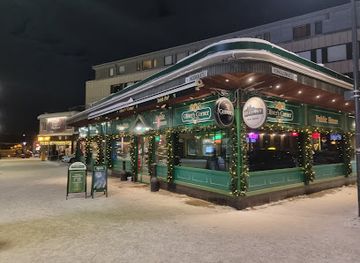
Oliver's Corner
Experience the warmth of Irish hospitality at Oliver's Corner, Rovaniemi's beloved Irish pub, offering great food, drinks, and entertainment.
-
Grill
Zone
Discover Zone in Kuusamo—where delicious grill cuisine meets vibrant live music in a cozy atmosphere.
-
Night club
The People's Pub
Discover Rovaniemi's vibrant nightlife at The People's Pub, a lively bar and night club with a welcoming atmosphere and great drinks.
-
Amusement park
Snowman World
Discover the magical winter wonderland of Snowman World in Rovaniemi, where thrilling adventures and enchanting experiences await in the heart of Lapland.

Best shops in Lapland
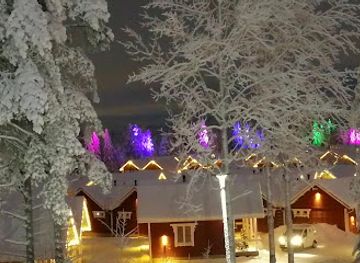
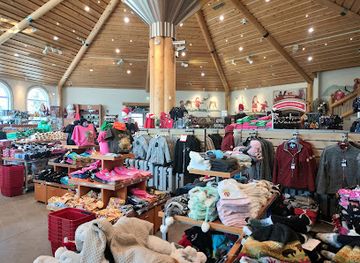
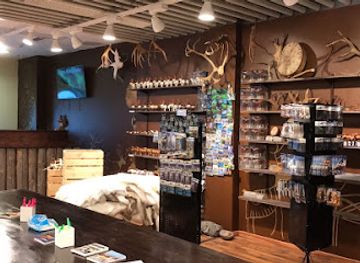
Shopping in Lapland is concentrated in Rovaniemi, regional towns and the main ski resorts, with the character shifting from ordinary Finnish high-street retail to specialist outdoor goods, crafts and food products. Rovaniemi has the widest selection of design shops, galleries, cafés, books and Arctic-themed souvenirs, while Inari is an important place to encounter Sámi handicrafts and products, including traditional forms of clothing, jewellery and leatherwork. Visitors should look for authentic maker information and avoid mass-produced items that misuse Sámi symbols. Resort villages such as Levi, Ylläs, Saariselkä and Pyhä focus on outdoor equipment, clothing, local crafts and practical goods for visitors. Market halls, seasonal stalls and small food shops may offer cloudberry products, berry preserves, smoked fish, rye goods and locally made drinks. Finnish design, woollen products, knives, ceramics and nature-related books make more durable souvenirs than generic polar imagery, and opening arrangements can be limited in smaller settlements outside the main travel seasons.
-
Theme park
Santa Claus Village
Discover the enchanting Santa Claus Village in Rovaniemi, a magical theme park where Christmas spirit shines bright all year round!
-
Ski resort
Rukatunturi
Experience the thrill of skiing and the beauty of Finnish Lapland at Rukatunturi, a top-rated ski resort offering endless winter adventures.
-
Tour agency
Nordic Unique Travels
Experience the breathtaking beauty and rich Nordic culture with tailored tours from Nordic Unique Travels in Rovaniemi.
-
Tourist attraction
Santa Claus Office
Experience the joy and magic of Christmas year-round at the Santa Claus Office in Rovaniemi, where holiday dreams come true.

Get your free copy of our complete guide to Lapland, delivered straight to you.
Everything on this page, from attractions and restaurants to essentials and local phrases, in one PDF you can read offline, print or share.
Already have an account? Sign in
Your Lapland guide is ready.
We'll send it to · Not you? Sign out

Getting your guide ready…
We are putting together a fresh copy of the Lapland guide. This can take up to a minute.
This can take a few moments. If your browser asks, choose Allow so the download can start. You'll find the guide in your Downloads folder.
Nothing happened? Download it again
Sorry, the guide is taking longer than usual. Please try again in a minute, or get it by email instead.
Lapland essentials
Currency and Payment
Safety
Emergency Situations
Do's and Don'ts
Local Tips
From Eve
Local phrases worth knowing
You don't need to get them perfect. A few words go a long way, and locals appreciate the effort.
Basics
| English | Local | Say it |
|---|---|---|
| Hello | Terve | [TEHR-veh] |
| Goodbye | Näkemiin | [NAH-keh-meen] |
| Yes | Kyllä | [KYU-lah] |
| No | Ei | [AY] |
| Please/You're welcome | Ole hyvä | [OH-leh HOO-vah] |
| Thank you | Kiitos | [KEE-tos] |
| Excuse me/Sorry | Anteeksi | [AHN-tehk-see] |
| How are you? | Miten voit? | [MEE-ten VOYT] |
| Fine. And you? | Hyvin. Entä sinä? | [HY-vin. EN-tah SEE-nah] |
| Do you speak English? | Puhutko englantia? | [POO-hoot-koh ENG-lahn-tee-ah] |
| I don't understand | En ymmärrä | [EN UHM-mah-rah] |
Eating & Drinking
| English | Local | Say it |
|---|---|---|
| I'd like to see the menu, please | Haluaisin nähdä ruokalistan, kiitos | [HAH-loo-ah-sin NAH-dah ROO-kah-lees-tahn, KEE-tos] |
| I don't eat meat | En syö lihaa | [EN SYU-oh LEE-hah] |
| Cheers! | Kippis! | [KEE-pees] |
| I would like to pay, please | Haluaisin maksaa, kiitos | [HAH-loo-ah-sin MAHK-sah, KEE-tos] |
Emergencies
| English | Local | Say it |
|---|---|---|
| Help! | Apu! | [AH-poo] |
| Go away! | Mene pois! | [MEH-neh POY-s] |
| Call the Police! | Soita poliisi! | [SOY-tah POH-lee-see] |
| Call a doctor! | Soita lääkäri! | [SOY-tah LAA-kah-ree] |
| I'm lost | Olen eksynyt | [OH-len EK-sy-nyt] |
| I'm ill | Olen sairas | [OH-len SAI-ras] |
Shopping
| English | Local | Say it |
|---|---|---|
| I'd like to buy... | Haluaisin ostaa... | [HAH-loo-ah-sin OHS-tah] |
| I'm just looking | Olen vain katsomassa | [OH-len VAIN KAHT-so-mah-sah] |
| How much is it? | Paljonko se maksaa? | [PAHL-yon-koh SEH MAHK-sah] |
| That's too expensive | Se on liian kallis | [SEH ON LEE-ahn KAL-lis] |
| Can you lower the price? | Voisitko laskea hintaa? | [VOY-sit-koh LAH-skeh-ahn HIN-tah] |
Time & Numbers
| English | Local | Say it |
|---|---|---|
| What time is it? | Mitä kello on? | [MIT-ah KEL-lo ON] |
| It's one o'clock | Kello on yksi | [KEL-lo ON YOOK-see] |
| Half past (10) | Puoli yli kymmenen | [POO-li YU-lee KYMME-nen] |
| Morning | Aamu | [AA-moo] |
| Afternoon | Iltapäivä | [IL-tah-PAI-vah] |
| Evening | Ilta | [IL-tah] |
| Yesterday | Eilen | [AY-len] |
| Today | Tänään | [TAN-ahn] |
| Tomorrow | Huomenna | [HOO-men-nah] |
| 1 | Yksi | [YOO-ksee] |
| 2 | Kaksi | [KAH-ksee] |
| 3 | Kolme | [KOL-meh] |
| 4 | Neljä | [NEL-yah] |
| 5 | Viisi | [VEE-see] |
| 6 | Kuusi | [KOO-see] |
| 7 | Seitsemän | [SAYT-seh-mahn] |
| 8 | Kahdeksan | [KAH-dehk-sahn] |
| 9 | Yhdeksän | [YOO-dehk-sahn] |
| 10 | Kymmenen | [KYMME-nen] |
Transport & Directions
| English | Local | Say it |
|---|---|---|
| Where's a/the...? | Missä on...? | [MIS-sah ON] |
| What's the address? | Mikä on osoite? | [MEE-kah ON OH-soi-teh] |
| Can you show me (on the map)? | Voitko näyttää (kartalta)? | [VOY-tkoh NAHT-tah (KAR-tahl-tah)] |
| When's the next (bus)? | Milloin seuraava (bussi)? | [MIL-loin SEU-rah-vah (BOOS-ee)] |
| A ticket (to ....) | Lippu (....) | [LIP-poo (....)] |
History of Lapland
Post-glacial settlement and ancient livelihoods
People have lived in the lands of present-day Finnish Lapland since the retreat of the continental ice sheet, adapting to forests, rivers, lakes and seasonal wildlife. Archaeological evidence records changing combinations of fishing, hunting, gathering and later reindeer-related practices. These northern communities were connected to wider exchange networks long before modern national borders. The region's sparse settlement pattern reflects both the demanding climate and the mobility required by earlier livelihoods, while ancient routes and archaeological sites continue to inform understanding of life in the Arctic north.
Sámi cultural continuity
The Sámi are the Indigenous people of northern Fennoscandia, and Finnish Lapland contains the principal part of Finland's Sámi Homeland in the municipalities of Enontekiö, Inari and Utsjoki, as well as northern parts of Sodankylä. Sámi languages, handicrafts, music, land-based knowledge and reindeer husbandry have developed through long interaction with the environment. Missionary activity, state administration and assimilation policies placed pressure on Sámi communities over several centuries, but cultural and linguistic revitalisation has become increasingly important in modern Finland. Inari is home to the Sámi Museum and Nature Centre Siida and the Finnish Sámi Parliament.
Swedish and Russian borderlands
For centuries, Lapland occupied a shifting borderland between the Swedish realm and, later, the Russian Empire. Churches, trading relationships and administrative control gradually extended northwards, while river valleys such as those of the Tornio and Muonio connected communities across what later became an international boundary. The 1809 separation of Finland from Sweden placed the western border firmly within the Russian Grand Duchy of Finland. This history remains visible in bilingual and cross-border cultural traditions around Tornio and the neighbouring Swedish town of Haparanda, outside Finland.
Fur trade, forestry and northern settlement
From the early modern period, fur, fish and other northern resources linked Lapland to southern markets. Later, forestry and river transport became increasingly important, particularly in southern and central Lapland. New roads, administrative centres and commercial settlements expanded during the nineteenth and early twentieth centuries, although development remained uneven. Rovaniemi grew as a transport and service centre, while river towns and coastal ports connected inland resources with wider Finnish trade. These economic changes reshaped settlement without eliminating older seasonal practices and local forms of land use.
The Second World War and the Lapland War
The Second World War brought military construction, evacuation and severe disruption to the region. After Finland's armistice with the Soviet Union in 1944, Finnish forces were required to remove German troops from northern Finland, leading to the Lapland War. Retreating German forces destroyed or damaged much of the built environment, especially in Rovaniemi and other transport centres. Rovaniemi was largely rebuilt after the war according to a plan associated with Alvar Aalto, whose distinctive town plan is often described as a reindeer antler. The rebuilding era defined much of modern Lapland's urban appearance.
Post-war infrastructure and Arctic tourism
After reconstruction, roads, railways, airports and improved public services integrated Lapland more closely with the rest of Finland. Forestry, energy, public administration and mining have remained significant, while tourism expanded from domestic travel into an international industry. The development of ski resorts such as Levi, Ylläs, Saariselkä and Pyhä created new employment and visitor infrastructure, alongside growing interest in national parks and northern lights. Contemporary Lapland therefore combines historic rural economies, Sámi cultural life, modern towns, large-scale resource use and carefully managed nature tourism.
Lapland in Photos
Browse through our photo collection highlighting the charm and character of the destination.
Neighbouring regions of Lapland
The closest regions to Lapland, if you have time for more than one.
-

-

-

-

-


Swipe for more regions
Explore more

Explore more of Finland
Explore Finland, where the Midnight Sun meets the Northern Lights, offering a unique blend of natural beauty, rich culture, and unforgettable experiences.
Explore Finland