

Free Porvoo Travel Guide & Mobile App
Plan your Porvoo trip with Evendo. Get free guides to top attractions, restaurants, hotels, and bars. Web access or download the mobile app.


Porvoo, Finland, pairs red riverside warehouses and a medieval Old Town with museums, cafés, local food, design shops and cultural walks beside the Porvoo River.
Old Town and River
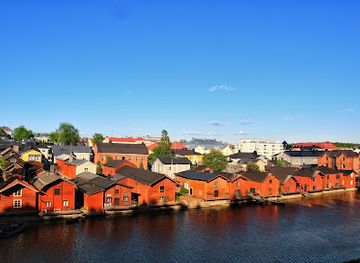
Porvoo is one of Finland’s oldest towns, set on the Porvoonjoki River about 50 kilometres east of Helsinki. Its historic centre is best explored on foot, where cobbled lanes climb between ochre, pale-blue and red-painted wooden buildings, small courtyards and independent shops. Along the river, the familiar red warehouses reflect in the water, recalling the period when Porvoo was an important trading port and storage town. The Old Town is compact, but its uneven streets and changing views reward unhurried exploration.Read more about Porvoo
History in Living Streets
Local Culture and Surroundings
When is the best time to visit Porvoo?
Best: June–August · 20–23°C| Month | High (°C) | Rainfall (mm) |
|---|---|---|
| January | -3 | 26 |
| February | -3 | 21 |
| March | 1 | 19 |
| April | 7 | 16 |
| May | 15 | 15 |
| June (best) | 20 | 12 |
| July (best) | 23 | 13 |
| August (best) | 20 | 14 |
| September | 14 | 17 |
| October | 8 | 21 |
| November | 3 | 27 |
| December | -1 | 29 |
Getting to and around Porvoo
How to get there
Transportation
Best attractions in Porvoo
Porvoo’s principal attraction is its Old Town, where cobbled lanes, painted wooden houses and small courtyards lead from the cathedral hill towards the river. Porvoo Cathedral provides both a historic setting and a fine vantage over the compact centre, while the Porvoo Museum in the Old Town’s former town hall and Holm House reveal how local merchants and residents lived. The riverside red warehouses are among Finland’s most recognisable urban views, especially when seen from the opposite bank. Literature enthusiasts can visit the Runeberg Home, the preserved nineteenth-century residence of poet Johan Ludvig Runeberg, while art and culture take a more contemporary form at Taidetehdas, a former industrial complex used for exhibitions and events. Independent galleries, craft studios, cafés and seasonal markets add interest between the principal sights, and the river paths offer a gentler way to experience the town beyond its busiest lanes.
-
Amusement park
Linnanmäki
Experience the magic of Linnanmäki Amusement Park in Helsinki, where thrilling rides and unforgettable memories await for the whole family.
58 min drive · 38 km from city centre
-
Market
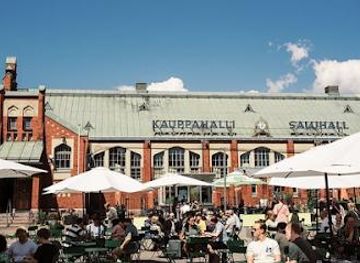
Kauppatori
Discover Kauppatori, Helsinki’s vibrant market square, where fresh local produce meets traditional Finnish cuisine and cultural experiences.
59 min drive · 39 km from city centre
-
Plaza
Senate Square
Experience the architectural splendor and vibrant culture of Helsinki at the iconic Senate Square, surrounded by history and beauty.
58 min drive · 38 km from city centre
-
Lutheran church
Temppeliaukio Church
Explore the architectural wonder of Temppeliaukio Church, a captivating blend of nature and spirituality in the heart of Helsinki.
59 min drive · 39 km from city centre


Best landmarks in Porvoo
Porvoo Cathedral is the town’s defining landmark, occupying the historic hill above the old streets and embodying centuries of religious and civic history. Nearby, the Chapter House is associated with the Diet of Porvoo in 1809, when Emperor Alexander I met Finland’s representatives during the country’s transition to Russian rule. The Old Town Hall, now part of the Porvoo Museum, represents the town’s former civic and mercantile life, while Holm House preserves the setting of an eighteenth-century merchant family. Along the river, the red warehouses are practical commercial structures rather than grand monuments, yet their repeated façades have become a powerful symbol of Porvoo. The Runeberg Home adds literary significance, and Haikko Manor outside the centre is linked to the 1809 events through Alexander I’s stay there, making it a nearby historical site rather than an Old Town landmark.
-
Monument
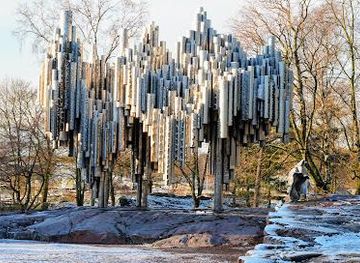
Sibelius Monument
Explore the Sibelius Monument in Helsinki: A stunning sculpture celebrating Finnish composer Jean Sibelius amid tranquil park surroundings.
1 h drive · 40 km from city centre
-
 Resort hotel
Hotel Haikko Manor & Spa
Discover the luxury and tranquility of Hotel Haikko Manor & Spa in Porvoo, Finland, where historical elegance meets modern comfort for an unforgettable getaway.
15 min drive · 5.1 km from city centre
-
Cathedral
Porvoo Cathedral
Discover the stunning Porvoo Cathedral, a historical Evangelical church that showcases Finnish architectural beauty and rich cultural heritage in the heart of Porvoo.
24 min drive · 8.0 km from city centre
-
Historical landmark
Porvoo Old Town
Explore the enchanting Porvoo Old Town, a historical treasure of Finland with charming wooden houses, vibrant culture, and stunning riverside views.
24 min drive · 7.9 km from city centre

Explore Porvoo on the map
Plan your Porvoo trip on one map. See where the top attractions, landmarks, restaurants, bars and hotels are, find what's near where you're staying, and book hotels and experiences in a few clicks.
Best hotels in Porvoo
Best restaurants in Porvoo
Porvoo’s food culture combines southern Finnish ingredients with the town’s long trading history and a strong café tradition. Local menus may feature fish from the Baltic and Finnish lakes, seasonal berries, mushrooms, root vegetables, rye, game and carefully prepared meat dishes, while bakeries and cafés are central to the town’s visitor culture. The Old Town has restaurants and small eateries in historic wooden buildings, with riverfront dining available in season, and the streets around the centre contain independent cafés suited to a Finnish coffee break. Traditional pastries, breads and chocolate are common local treats, alongside contemporary Nordic cooking that makes use of nearby farms and forests. The market area and food-related events provide a more informal sense of regional produce, while Porvoo’s bilingual heritage is reflected in a mixture of Finnish and Swedish culinary influences rather than a single narrowly defined cuisine.
-
Restaurant
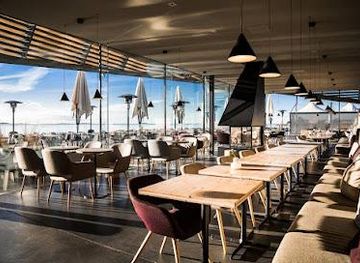
Löyly Helsinki
Löyly Helsinki: Iconic seaside sauna and restaurant where Finnish smoke rituals meet Baltic dips and innovative Nordic cuisine in a Time-listed architectural gem.
1 h 1 min drive · 41 km from city centre
-
Cafe
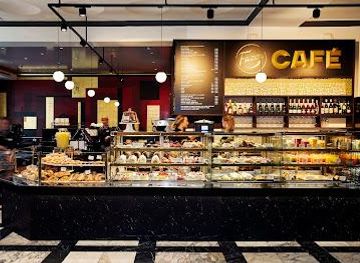
Fazer Café Kluuvikatu
Helsinki's iconic 1891 café blending historic elegance with handmade chocolates and Finnish pastry tradition.
59 min drive · 39 km from city centre
-
Restaurant
Hietalahden kauppahalli
Hietalahden Kauppahalli: Historiallinen jugend-halli Helsingissä, jossa maailman maut kohtaavat tunnelmallisessa 1903-rakennuksessa – pizzaa, nuudeleita ja terassitunnelmaa torin reunalla.
1 h drive · 40 km from city centre
-
Steak
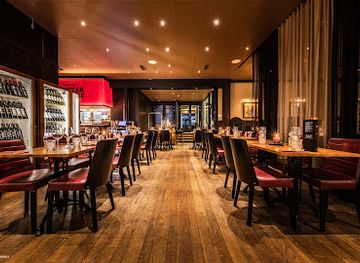
Rafael’s Steakhouse & Bistro
Discover the best steak experience in Porvoo at Rafael’s Steakhouse & Bistro - where quality meets comfort in every bite.
24 min drive · 8.0 km from city centre
Best bars in Porvoo
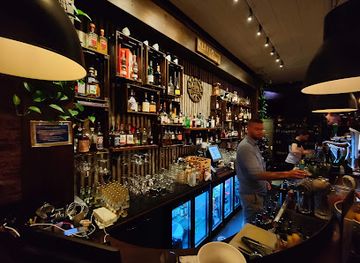
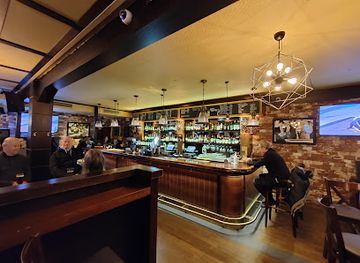
Porvoo’s evenings are relatively intimate rather than centred on large nightclubs. The Old Town and central streets offer pubs, wine bars, hotel bars and relaxed cafés where visitors can linger in historic interiors, while restaurants often provide the main evening social setting. The town’s cultural programme adds another dimension through concerts, exhibitions, theatre and events at Taidetehdas and other local venues, with activity varying by season. Summer brings longer daylight and more outdoor riverfront life, whereas winter evenings are quieter and more focused on indoor hospitality. Traditional Finnish drinking customs favour an unhurried pace, and visitors should check current arrangements for performances or special events rather than assuming every venue operates late. For a more energetic club scene, Helsinki has a far broader choice and remains the nearest major nightlife centre.
-
Bar
Porvoon Paahtimo Bar & Café
Discover the perfect blend of coffee culture and vibrant nightlife at Porvoon Paahtimo Bar & Café in the heart of Porvoo, Finland.
23 min drive · 7.8 km from city centre
-
Bar
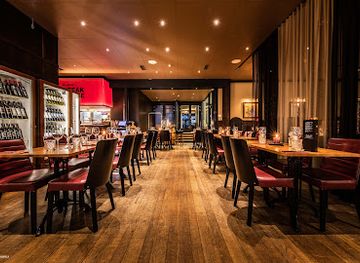
Rafael’s Steakhouse & Bistro
Discover the delicious offerings at Rafael's Steakhouse & Bistro, where every meal is a celebration of flavor and hospitality in the heart of Porvoo.
24 min drive · 8.0 km from city centre
-
Bar
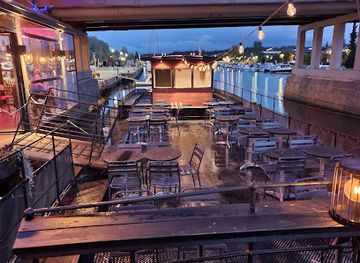
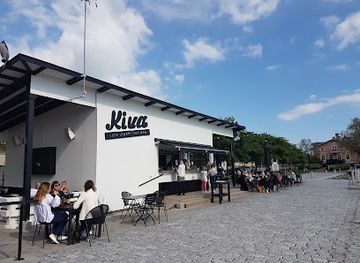
Kiva Cafe - Street Food - Bar
Experience the vibrant flavors of street food and local drinks at Kiva Cafe in Porvoo, a picturesque spot by the waterfront.
23 min drive · 7.8 km from city centre
-
Bar
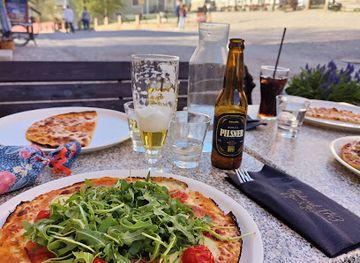
Gabriel 1763
Experience the exquisite flavors of Porvoo at Gabriel 1763, where delightful pizzas, seafood, and desserts await in a cozy setting.
24 min drive · 7.8 km from city centre
Best nightclubs in Porvoo
Porvoo’s evenings are relatively intimate rather than centred on large nightclubs. The Old Town and central streets offer pubs, wine bars, hotel bars and relaxed cafés where visitors can linger in historic interiors, while restaurants often provide the main evening social setting. The town’s cultural programme adds another dimension through concerts, exhibitions, theatre and events at Taidetehdas and other local venues, with activity varying by season. Summer brings longer daylight and more outdoor riverfront life, whereas winter evenings are quieter and more focused on indoor hospitality. Traditional Finnish drinking customs favour an unhurried pace, and visitors should check current arrangements for performances or special events rather than assuming every venue operates late. For a more energetic club scene, Helsinki has a far broader choice and remains the nearest major nightlife centre.
-
Bar
Porvoon Paahtimo Bar & Café
Discover the cozy atmosphere and exceptional coffee at Porvoon Paahtimo Bar & Café, a must-visit spot in beautiful Porvoo, Finland.
23 min drive · 7.8 km from city centre
-
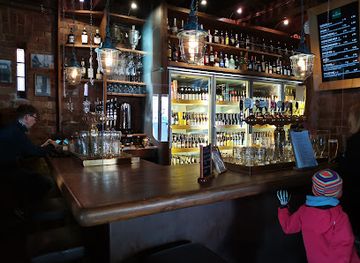
Irish pub
Old Town Public House
Experience the lively atmosphere of Old Town Public House in Porvoo, where Irish culture, live music, and delicious food come together.
24 min drive · 7.9 km from city centre
-
Cocktail bar
Cocktail Bar Kliffa & Klubi
Discover the lively atmosphere and exquisite cocktails at Cocktail Bar Kliffa & Klubi in Porvoo, a must-visit for nightlife enthusiasts.
23 min drive · 7.8 km from city centre
-
Bar
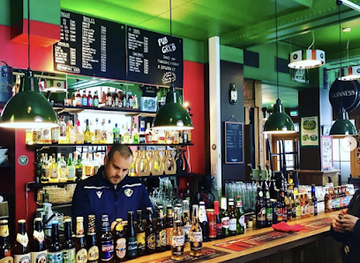
Glory Days
Discover Glory Days, Porvoo's vibrant bar with a lively atmosphere, extensive drink menu, and unforgettable nightlife experiences.
24 min drive · 8.1 km from city centre
Best shops in Porvoo
Shopping in Porvoo is concentrated in the Old Town’s small-scale streets, where independent boutiques, galleries, craft shops and design-led retailers occupy historic wooden buildings. Visitors will find Finnish homeware, jewellery, textiles, ceramics, artwork, paper goods and locally made gifts alongside antiques and carefully selected vintage items. The riverside and central market areas provide opportunities to encounter seasonal produce and regional food products, while bakeries and confectionery shops make rye bread, pastries, chocolate and other edible purchases practical souvenirs. The town’s craft tradition is expressed through workshops and galleries rather than a single large bazaar, and each shop tends to have a distinct character. For mainstream retail, newer commercial areas outside the Old Town offer everyday shops, but the historic centre is where Porvoo’s relationship between architecture, independent enterprise and locally rooted design is most apparent.
-
Shopping mall
Kamppi Helsinki
Discover Kamppi Helsinki, a vibrant shopping and dining hub in the heart of Finland's capital, blending local culture with modern lifestyle.
59 min drive · 39 km from city centre
-
Department store
Stockmann - Helsinki
Explore Stockmann, Helsinki's iconic department store, a shopper's paradise with a rich blend of Finnish culture, gourmet delights, and fashion.
59 min drive · 39 km from city centre
-
Shopping mall
Forum
Explore Helsinki's Forum Shopping Mall: a vibrant hub for shopping, dining, and entertainment in the heart of the city.
59 min drive · 39 km from city centre
-
Shopping mall
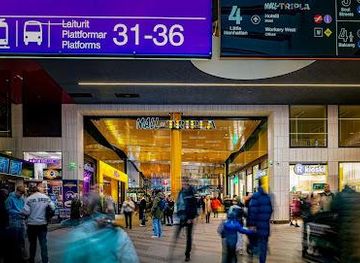
Mall of Tripla
Experience the ultimate shopping and entertainment destination at the Mall of Tripla in Helsinki, featuring shops, restaurants, and a cinema.
58 min drive · 38 km from city centre

Get your free copy of our complete guide to Porvoo, delivered straight to you.
Everything on this page, from attractions and restaurants to essentials and local phrases, in one PDF you can read offline, print or share.
Already have an account? Sign in
Your Porvoo guide is ready.
We'll send it to · Not you? Sign out

Getting your guide ready…
We are putting together a fresh copy of the Porvoo guide. This can take up to a minute.
This can take a few moments. If your browser asks, choose Allow so the download can start. You'll find the guide in your Downloads folder.
Nothing happened? Download it again
Sorry, the guide is taking longer than usual. Please try again in a minute, or get it by email instead.
Porvoo essentials
Currency and Payment
Safety
Emergency Situations
Do's and Don'ts
Local Tips
From Eve
Local phrases worth knowing
You don't need to get them perfect. A few words go a long way, and locals appreciate the effort.
Basics
| English | Local | Say it |
|---|---|---|
| Hello | Hei | [hay] |
| Goodbye | Näkemiin | [nah-keh-meen] |
| Yes | Kyllä | [kuu-laa] |
| No | Ei | [ay] |
| Please/You're welcome | Ole hyvä | [oh-le huu-vaa] |
| Thank you | Kiitos | [kee-tohs] |
| Excuse me/Sorry | Anteeksi | [ahn-tehk-see] |
| How are you? | Kuinka voit? | [kween-kah voyt] |
| Fine. And you? | Hyvin. Entä sinä? | [huh-veen. en-tah see-nah] |
| Do you speak English? | Puhutko englantia? | [poo-hoot-koh eng-lahn-tee-ah] |
| I don't understand | En ymmärrä | [ayn um-mahr-rah] |
Eating & Drinking
| English | Local | Say it |
|---|---|---|
| I'd like to see the menu, please | Haluan nähdä ruokalistan, kiitos | [hah-lu-ahn nah-dah roo-kah-lis-tahn, kee-tohs] |
| I don't eat meat | En syö lihaa | [ayn syu lee-haa] |
| Cheers! | Kippis! | [kip-pis] |
| I would like to pay, please | Haluan maksaa, kiitos | [hah-lu-ahn mahk-saa, kee-tohs] |
Emergencies
| English | Local | Say it |
|---|---|---|
| Help! | Apua! | [ah-poo-ah] |
| Go away! | Mene pois! | [meh-neh poys] |
| Call the Police! | Soita poliisille! | [soi-tah poh-lee-seel-leh] |
| Call a doctor! | Soita lääkärille! | [soi-tah lah-kah-rii-leh] |
| I'm lost | Olen eksyksissä | [oh-lehn ek-syks-is-sah] |
| I'm ill | Olen sairas | [oh-lehn sai-rahs] |
Shopping
| English | Local | Say it |
|---|---|---|
| I'd like to buy... | Haluan ostaa... | [hah-lu-ahn oh-staa] |
| I'm just looking | Katson vain | [kaht-sohn vain] |
| How much is it? | Paljonko se maksaa? | [pahl-yon-koh seh mahk-saa] |
| That's too expensive | Se on liian kallis | [se ohn lee-ahn kahl-lis] |
| Can you lower the price? | Voitko laskea hintaa? | [voyt-koh lah-say-ah hin-tah] |
Time & Numbers
| English | Local | Say it |
|---|---|---|
| What time is it? | Mitä kello on? | [mee-tah keh-lo ohn] |
| It's one o'clock | Kello on yksi | [keh-lo ohn uuk-see] |
| Half past (10) | Puoli (10) | [poo-oh-lee (10)] |
| Morning | Aamu | [ah-moo] |
| Afternoon | Iltapäivä | [eeltah-pai-vah] |
| Evening | Ilta | [eel-tah] |
| Yesterday | Eilen | [ei-lehn] |
| Today | Tänään | [tah-nahn] |
| Tomorrow | Huomenna | [hoo-mehn-nah] |
| 1 | Yksi | [uuk-see] |
| 2 | Kaksi | [kahk-see] |
| 3 | Kolme | [kohl-meh] |
| 4 | Neljä | [nel-yah] |
| 5 | Viisi | [vee-see] |
| 6 | Kuusi | [koo-see] |
| 7 | Seitsemän | [sayt-seh-mahn] |
| 8 | Kahdeksan | [kah-dehk-sahn] |
| 9 | Yhdeksän | [uud-ehk-sahn] |
| 10 | Kymmenen | [kuum-meh-nen] |
Transport & Directions
| English | Local | Say it |
|---|---|---|
| Where's a/the...? | Missä on... | [miss-sah ohn] |
| What's the address? | Mikä on osoite? | [mee-kah ohn oh-soy-teh] |
| Can you show me (on the map)? | Voitko näyttää minulle (kartalla)? | [voyt-koh nayt-taa min-ool-leh (kar-tahl-lah)] |
| When's the next (bus)? | Milloin seuraava (bussi)? | [meel-loin seh-oo-rah-vaa (boos-see)] |
| A ticket (to ....) | Lippu (....) | [lip-poo] |
History of Porvoo
Medieval Settlement by the Porvoonjoki
Porvoo developed beside the Porvoonjoki River, whose waterway connected the settlement with the Gulf of Finland and inland trade routes. The town is generally regarded as having taken shape in the Middle Ages, and it was granted town privileges in 1346 by King Magnus IV of Sweden, making it one of Finland’s oldest towns. Swedish-speaking settlement and administration were significant in the area, while commerce, fishing and regional agriculture supported urban growth. The elevated site of the cathedral and the river below established the basic pattern still visible today: a historic centre on the slopes and a commercial waterfront along the water. Medieval Porvoo was smaller and more modest than the modern town, but its position made it an important centre of trade and ecclesiastical life in eastern Uusimaa.
Church, Trade and Urban Growth
During the late medieval and early modern periods, Porvoo grew around its church, market functions and river port. A bishopric was established in Porvoo in the 1720s after the loss of Vyborg to Russia, strengthening the town’s ecclesiastical importance, although the bishopric was later transferred to Borgå, now Porvoo, in the nineteenth century as part of wider administrative changes. Porvoo Cathedral, whose medieval origins lie at the centre of the Old Town, became the town’s defining religious building. Merchants used the river and waterfront warehouses to handle goods, while wooden houses and narrow lanes gradually formed the urban landscape. Fires repeatedly reshaped the town, as was common in wooden settlements, but the surviving layout preserves the relationship between cathedral hill, streets and river.
Russian Rule and the 1809 Diet
In 1809, during the Finnish War between Sweden and Russia, Porvoo hosted the Diet of Porvoo at the summons of Emperor Alexander I. Representatives of Finland’s four estates gathered in the town, and the emperor confirmed the country’s laws and privileges within the autonomous Grand Duchy of Finland under Russian rule. The event did not create Finnish independence, which came only in 1917, but it became a major symbol in the development of Finnish political identity. The Diet met in the Chapter House near Porvoo Cathedral, while the emperor stayed at the estate of Haikko outside the town. Porvoo’s role in 1809 gave its medieval centre a significance that extended far beyond local commerce and religious history.
Fire, Reconstruction and the Wooden Town
Porvoo suffered several destructive fires, including the major fire of 1760, which damaged much of the town. Reconstruction followed the established street pattern rather than replacing the settlement with a wholly new plan, helping preserve the compact historic character now associated with Porvoo. Wooden houses were rebuilt or altered over successive generations, and the waterfront warehouses continued to serve trade. The Old Town visible today is therefore not an untouched medieval survival: it is a layered urban environment shaped by fire, rebuilding, commerce and changing domestic life. Its coloured façades, courtyards and outbuildings reflect both practical construction traditions and later restoration. The riverfront’s red warehouses became especially prominent symbols of Porvoo’s mercantile past.
Language, Literature and Cultural Life
Porvoo’s cultural history has been shaped by both Finnish- and Swedish-speaking communities. The town became associated with writers, artists and craftsmen, among them the poet Johan Ludvig Runeberg, who lived in Porvoo with his family from 1837 until his death in 1877. His former home, now a museum, offers insight into nineteenth-century intellectual and domestic life. The town also attracted artists drawn to its old streets, river views and distinctive light. Institutions such as the Porvoo Museum preserve local social history, while later galleries, workshops and cultural venues continue the tradition of making the historic environment part of creative life. This combination of bilingual heritage and cultural memory remains central to Porvoo’s identity.
Modern Porvoo and Heritage Conservation
Porvoo expanded beyond its historic core as Finland industrialised and modern municipal life developed. New residential areas, roads and services grew around the Old Town, while the river continued to connect the centre with the wider landscape. In the twentieth and twenty-first centuries, conservation became increasingly important, protecting the historic street plan, wooden buildings and waterfront character while allowing the area to remain a living district rather than a museum set. The Taidetehdas arts centre, housed in a former industrial setting, reflects the town’s contemporary cultural direction. Today Porvoo combines a nationally important historic environment with everyday homes, businesses, events and creative institutions, preserving continuity without freezing the town in one period.
Porvoo in Photos
Browse through our photo collection highlighting the charm and character of the destination.
Cities near Porvoo
The closest cities to Porvoo, if you have time for more than one stop.
-

-

-

-

-


Swipe for more cities
Explore more

Explore more of Finland
Explore Finland, where the Midnight Sun meets the Northern Lights, offering a unique blend of natural beauty, rich culture, and unforgettable experiences.
Explore Finland