

Free Lahti Travel Guide & Mobile App
Plan your Lahti trip with Evendo. Get free guides to top attractions, restaurants, hotels, and bars. Web access or download the mobile app.


Lahti, Finland, pairs lake landscapes and Salpausselkä ridges with ski heritage, Sibelius Hall, museums, harbour life and sustainable urban culture.
A Lakeside Gateway
Lahti lies on the southern shore of Lake Vesijärvi, where the forested Salpausselkä ridges shape both the skyline and the city’s identity. About an hour north of Helsinki by train, it is compact enough to explore on foot while offering the open landscapes, clean air and outdoor culture associated with Finland’s lake district. The harbour, lakefront promenades and nearby parks give the city a distinctly Nordic sense of space, while the central market area provides a more everyday glimpse of local life.Read more about Lahti
Sport, Music and Architecture
Green City Life
When is the best time to visit Lahti?
Best: June–August · 20–23°C| Month | High (°C) | Rainfall (mm) |
|---|---|---|
| January | -1 | 23 |
| February | -1 | 22 |
| March | 3 | 19 |
| April | 9 | 21 |
| May | 16 | 25 |
| June (best) | 20 | 28 |
| July (best) | 23 | 30 |
| August (best) | 20 | 27 |
| September | 14 | 25 |
| October | 8 | 24 |
| November | 2 | 22 |
| December | 0 | 25 |
Getting to and around Lahti
How to get there
Transportation
Best attractions in Lahti
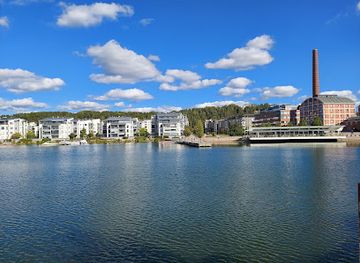
Lahti’s attractions combine lake scenery, sport and Finnish cultural institutions. The harbour on Lake Vesijärvi is a natural starting point, with promenades, boats and views across the water, while nearby Pikku-Vesijärvi Park provides a quieter setting for walking. At the Salpausselkä Sports Centre, the ski jumps and surrounding trails reveal the scale of the city’s Nordic sporting tradition, explained in detail at the Ski Museum. Sibelius Hall presents concerts and exhibitions within a striking lakeside complex that incorporates former industrial buildings. The Lahti Historical Museum introduces local social and urban development, while Mastola, the Radio and TV Museum, explores Finland’s broadcasting history through displays and technology. The Lahti Art Museum adds Finnish and international visual culture to the central itinerary, and the Church of the Cross offers an important encounter with modern architecture by Alvar Aalto.
-
Tourist attraction
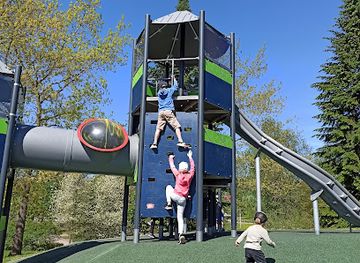
Laune Family Park
A family-friendly oasis in Lahti offering playgrounds, green spaces, and seasonal activities for a memorable day of fun and relaxation.
15 min walk · 1.2 km from city centre
-
Tourist attraction
Finnish Motorcycle Museum
Explore Finland's motorcycling heritage with vintage bikes and stories at the Finnish Motorcycle Museum in Lahti.
9 min drive · 3.1 km from city centre
-
Art museum
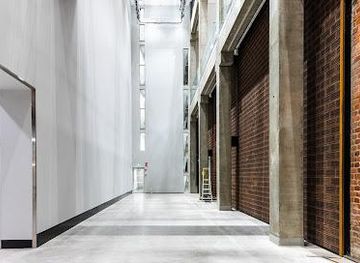
Lahti Museum of Visual Arts Malva
Explore art, design, and culture at Lahti's premier visual arts museum, Malva, in a revitalized brewery setting.
8 min walk · 0.7 km from city centre
-
Tourist attraction
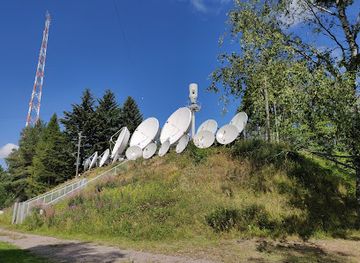
Radio and TV Museum Mastola
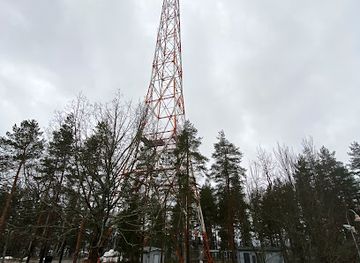
Explore Finland's broadcasting history at the Radio and TV Museum Mastola in Lahti, featuring vintage equipment and interactive exhibits under historic radio towers.
4 min walk · 0.4 km from city centre
Best landmarks in Lahti
Lahti’s landmarks express its connections with sport, modern architecture, industry and water. The Salpausselkä ski-jump towers are the most recognisable symbols of the city’s sporting identity, rising above the terrain where major Nordic competitions have taken place. Sibelius Hall, designed by Kimmo Lintula and Hannu Tikka with later architectural development around the former industrial harbour, is notable for its timber interiors and relationship with the lakeside setting. In the centre, the Church of the Cross is a major work by Alvar Aalto, whose use of brick, timber and controlled natural light gives the building a contemplative character. The historic railway station reflects Lahti’s growth through transport, while the harbour and old industrial buildings recall the role of Lake Vesijärvi and rail freight in the city’s economic development.
-
Event venue
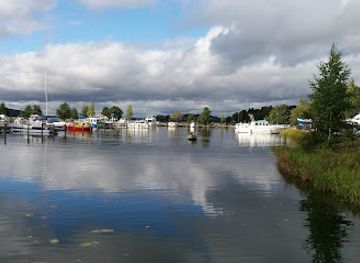
Lahti Harbour
Experience the beauty of Lahti Harbour, where stunning lakeside views meet vibrant cultural events and delicious local cuisine.
5 min drive · 1.6 km from city centre
-
Market
Lahti Market Square
Explore Lahti Market Square: A vibrant hub of Finnish culture, fresh produce, and culinary delights in the heart of Lahti.
4 min walk · 0.4 km from city centre
-
Children hall
Laune Family Park
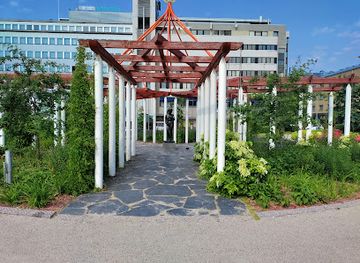
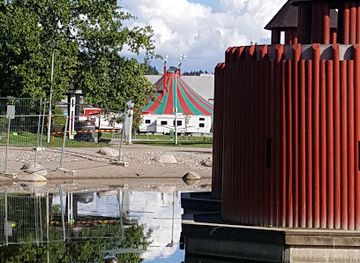
Explore Laune Family Park in Lahti, Finland, a perfect family-friendly destination with playgrounds, nature, and fun for all ages.
15 min walk · 1.2 km from city centre
-
Technology museum
Radio and TV Museum Mastola
Discover the history of broadcasting at the Radio and TV Museum Mastola in Lahti, showcasing vintage technology and interactive exhibits.
4 min walk · 0.4 km from city centre
Explore Lahti on the map
Plan your Lahti trip on one map. See where the top attractions, landmarks, restaurants, bars and hotels are, find what's near where you're staying, and book hotels and experiences in a few clicks.
Best hotels in Lahti
Best restaurants in Lahti
Lahti’s dining scene reflects southern Finnish ingredients and the city’s position beside Lake Vesijärvi, with menus often drawing on fish, rye, potatoes, berries, mushrooms and seasonal vegetables. Traditional Finnish cooking can include lake fish, creamy soups, game and oven-baked dishes, while cafés and bakeries provide pulla, cinnamon buns, savoury pastries and strong filter coffee. The market square is useful for encountering everyday produce and prepared snacks, particularly during daytime trading and seasonal events. Around the centre and harbour, restaurants range from relaxed cafés and family eateries to contemporary kitchens that reinterpret local ingredients. Vegetarian and international choices are also established in the urban dining scene. Regional food is best understood through seasonality: summer brings berries and fresh produce, while autumn highlights mushrooms and game, and winter menus often favour warming, substantial dishes.
-
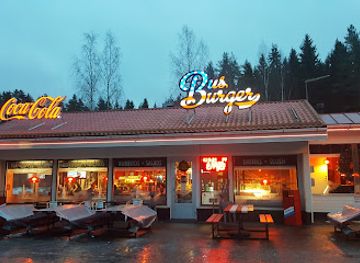
Hamburger
Bus Burger
Experience gourmet hamburgers at Bus Burger in Lahti - where quality meets creativity in every bite.
22 min drive · 7.3 km from city centre
-
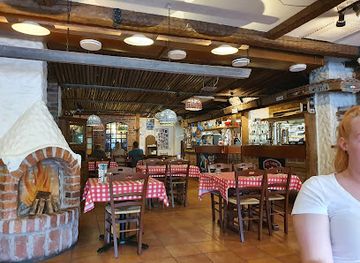
Italian
Mamma Maria
Discover authentic Italian flavors at Mamma Maria in Lahti – where every dish tells a story.
5 min walk · 0.4 km from city centre
-
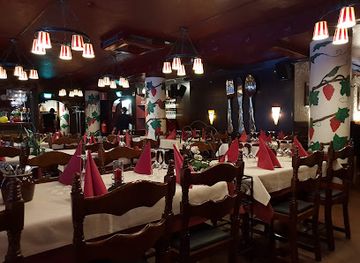
Spanish
El Toro
Experience authentic Spanish cuisine at El Toro in Lahti - where vibrant flavors meet exceptional service.
2 min walk · 0.2 km from city centre
-
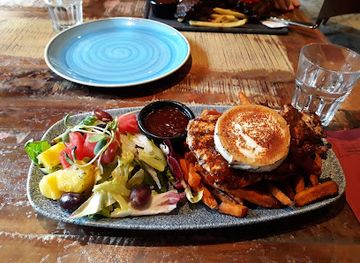
South American
Santa Fé
Experience authentic South American cuisine at Santa Fé in Lahti - where vibrant flavors meet warm hospitality.
4 min walk · 0.4 km from city centre
Best bars in Lahti
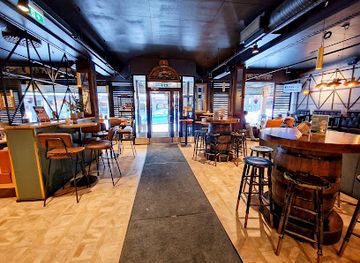
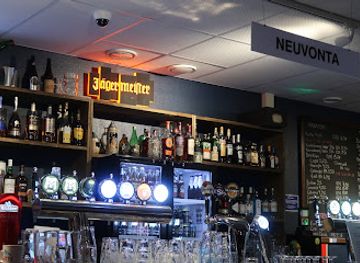
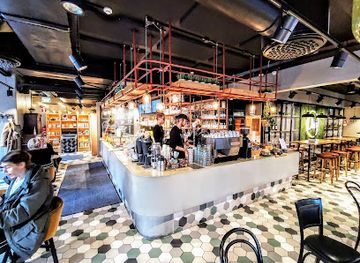
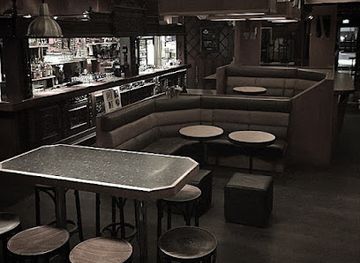
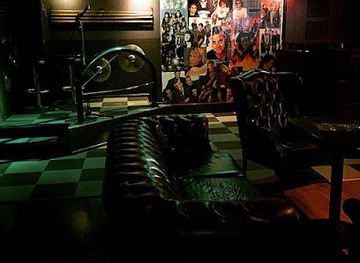
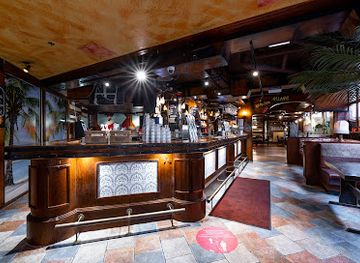
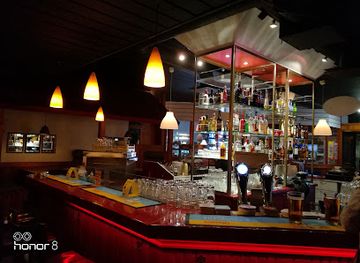
Lahti’s evening life is moderate rather than metropolitan, concentrated mainly around the central streets, market area and harbour. Visitors will find Finnish pubs, cafés that stay open into the evening and bars serving beer, cider, wine and cocktails, alongside occasional live music. Sibelius Hall is the city’s principal setting for classical concerts and other programmed performances, while theatres and cultural venues add alternatives to drinking-led nightlife. Sporting events can bring a louder crowd to the centre, especially during major Salpausselkä competitions. Summer evenings encourage lakeside socialising near the harbour, whereas winter entertainment tends to be more indoor and event-based. Nightclubs and late venues exist, but the city’s atmosphere generally favours local bars, concerts and relaxed gatherings over an extensive club circuit.
-
Bar
Ravintola Teerenpeli
Experience the best of Finnish hospitality at Ravintola Teerenpeli, a vibrant bar and restaurant in Lahti offering delicious local cuisine and craft drinks.
6 min walk · 0.5 km from city centre
-
Pub
Pub Virasto
Discover the lively ambiance of Pub Virasto in Lahti, where excellent beer, delicious food, and a welcoming atmosphere await.
7 min walk · 0.5 km from city centre
-
Cafe
Wine Cafe Olavi
Discover the charm of Wine Cafe Olavi in Lahti, where exquisite wines meet delightful cuisine in a cozy and elegant setting.
4 min walk · 0.4 km from city centre
-
Pub
Cheri
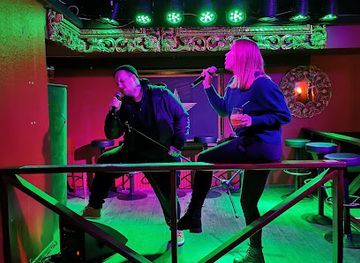
Experience the vibrant nightlife of Lahti at Cheri, where karaoke, disco, and great drinks await in a lively atmosphere.
5 min walk · 0.4 km from city centre
Best nightclubs in Lahti
Lahti’s evening life is moderate rather than metropolitan, concentrated mainly around the central streets, market area and harbour. Visitors will find Finnish pubs, cafés that stay open into the evening and bars serving beer, cider, wine and cocktails, alongside occasional live music. Sibelius Hall is the city’s principal setting for classical concerts and other programmed performances, while theatres and cultural venues add alternatives to drinking-led nightlife. Sporting events can bring a louder crowd to the centre, especially during major Salpausselkä competitions. Summer evenings encourage lakeside socialising near the harbour, whereas winter entertainment tends to be more indoor and event-based. Nightclubs and late venues exist, but the city’s atmosphere generally favours local bars, concerts and relaxed gatherings over an extensive club circuit.
-
Pub
Cheri
Experience the vibrant nightlife of Lahti at Cheri, a lively pub and disco club offering great food, drinks, and karaoke in a welcoming atmosphere.
5 min walk · 0.4 km from city centre
-
Night club
Las Palmas Lahti
Discover the energetic nightlife at Las Palmas Lahti, where pulsating music and vibrant atmosphere create unforgettable nights in Finland's lively city.
3 min walk · 0.3 km from city centre
-
Karaoke bar
Hilarious Hilma - Hilpeä Hilma
Unleash your inner star at Hilarious Hilma - Lahti's top karaoke bar and pub, where laughter and melody come together for an unforgettable night.
5 min walk · 0.4 km from city centre
-
Bar
Tripla Bar
Discover the lively ambiance and extensive drink menu at Tripla Bar in Lahti, your perfect nightlife destination in Finland.
9 min drive · 3.0 km from city centre
Best shops in Lahti
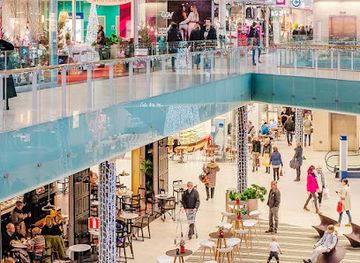
Shopping in Lahti is centred on the city centre, market square and pedestrian streets, where department stores, everyday Finnish retailers, cafés and independent businesses occupy the compact commercial core. The market offers a more traditional experience, with seasonal berries, vegetables, baked goods and other Finnish produce depending on the time of year. Visitors seeking locally characteristic purchases can look for Finnish design, woollen goods, woodwork, ceramics, food specialities and practical outdoor products, though availability varies between shops and seasons. The harbour area combines leisure with small-scale retail and event activity, while larger shopping facilities serve the city’s regional customer base. Lahti’s commercial character is functional and locally oriented rather than built around a single historic bazaar, and browsing the market alongside central shops gives a useful sense of everyday life in Päijät-Häme.
-
Shopping mall
Shopping Center Karisma
Explore the vibrant Shopping Center Karisma in Lahti, where shopping meets leisure, dining, and entertainment for an unforgettable experience.
13 min drive · 4.4 km from city centre
-
Department store
Sokos Lahti
Discover fashion and beauty at Sokos Lahti, a premier department store in the heart of Lahti, Finland, blending local charm with international brands.
4 min walk · 0.4 km from city centre
-
Shopping mall
Shopping center Syke
Explore Shopping Center Syke in Lahti – a vibrant hub for shopping, dining, and entertainment in Finland's picturesque city.
11 min walk · 0.9 km from city centre
-
Shopping mall
Shopping Center Valo
Explore Shopping Center Valo: Lahti's Premier Shopping Destination with Diverse Stores, Dining Options, and Engaging Activities.
17 min walk · 1.3 km from city centre
Get your free copy of our complete guide to Lahti, delivered straight to you.
Everything on this page, from attractions and restaurants to essentials and local phrases, in one PDF you can read offline, print or share.
Already have an account? Sign in
Your Lahti guide is ready.
We'll send it to · Not you? Sign out

Getting your guide ready…
We are putting together a fresh copy of the Lahti guide. This can take up to a minute.
This can take a few moments. If your browser asks, choose Allow so the download can start. You'll find the guide in your Downloads folder.
Nothing happened? Download it again
Sorry, the guide is taking longer than usual. Please try again in a minute, or get it by email instead.
Lahti essentials
Currency and Payment
Safety
Emergency Situations
Do's and Don'ts
Local Tips
From Eve
Local phrases worth knowing
You don't need to get them perfect. A few words go a long way, and locals appreciate the effort.
Basics
| English | Local | Say it |
|---|---|---|
| Hello | Moi | [mɔi] |
| Goodbye | Näkemiin | [nækemiːn] |
| Yes | Kyllä | [kyllæ] |
| No | Ei | [ei] |
| Please/You're welcome | Ole hyvä | [ole hyʋæ] |
| Thank you | Kiitos | [kiitos] |
| Excuse me/Sorry | Anteeksi | [ɑnteːksi] |
| How are you? | Mitä kuuluu? | [mitæ kuːluː] |
| Fine. And you? | Hyvin. Entä sinä? | [hyʋin entæ sinæ] |
| Do you speak English? | Puhutko englantia? | [puhutko eŋlɑntiɑ] |
| I don't understand | En ymmärrä | [en ymmærːæ] |
Eating & Drinking
| English | Local | Say it |
|---|---|---|
| I'd like to see the menu, please | Haluan nähdä ruokalistan, kiitos | [hɑluɑn næhdæ ruokɑlistɑn kiitos] |
| I don't eat meat | En syö lihaa | [en syø lihɑː] |
| Cheers! | Kippis! | [kipːis] |
| I would like to pay, please | Haluaisin maksaa, kiitos | [hɑluɑisin mɑksɑː kiitos] |
Emergencies
| English | Local | Say it |
|---|---|---|
| Help! | Apua! | [ɑpuɑ] |
| Go away! | Mene pois! | [mene pois] |
| Call the Police! | Soita poliisille! | [soitɑ poliːsille] |
| Call a doctor! | Soita lääkärille! | [soitɑ læːkæriːle] |
| I'm lost | Olen eksyksissä | [oleŋ eksyksiːsæ] |
| I'm ill | Olen sairas | [oleŋ sɑirɑs] |
Shopping
| English | Local | Say it |
|---|---|---|
| I'd like to buy... | Haluan ostaa... | [hɑluɑn ostɑː] |
| I'm just looking | Katson vain | [kɑtson vɑin] |
| How much is it? | Paljonko se maksaa? | [pɑljonko se mɑksɑː] |
| That's too expensive | Se on liian kallis | [se on liiɑn kɑllis] |
| Can you lower the price? | Voitko laskea hintaa? | [ʋoitko lɑskɑː hintɑː] |
Time & Numbers
| English | Local | Say it |
|---|---|---|
| What time is it? | Mitä kello on? | [mitæ kello on] |
| It's one o'clock | On yksi | [on yksi] |
| Half past (10) | Puoli (10) | [puoli (10)] |
| Morning | Aamu | [ɑːmu] |
| Afternoon | Iltapäivä | [iɭtæpæiʋæ] |
| Evening | Ilta | [iltɑ] |
| Yesterday | Eilen | [eilen] |
| Today | Tänään | [tænæːn] |
| Tomorrow | Huomenna | [huomennɑ] |
| 1 | Yksi | [yksi] |
| 2 | Kaksi | [kɑksi] |
| 3 | Kolme | [kolme] |
| 4 | Neljä | [neljæ] |
| 5 | Viisi | [ʋiisi] |
| 6 | Kuusi | [kuusi] |
| 7 | Seitsemän | [seitsemæn] |
| 8 | Kahdeksan | [kɑhdeksɑn] |
| 9 | Yhdeksän | [yhdæksæn] |
| 10 | Kymmenen | [kymːenen] |
Transport & Directions
| English | Local | Say it |
|---|---|---|
| Where's a/the...? | Missä on... | [misːæ on] |
| What's the address? | Mikä on osoite? | [mikæ on os̠oite] |
| Can you show me (on the map)? | Voitko näyttää minulle (kartalla)? | [ʋoitko næytːæː minulːe (kɑrtɑlːɑ)] |
| When's the next (bus)? | Milloin on seuraava (bussi)? | [milloin on seurɑːvɑː (busːi)] |
| A ticket (to ....) | Lippu (....) | [lipːu] |
History of Lahti
Village, Parish and Trade Route
Lahti developed from a settlement in the Hollola area, positioned near Lake Vesijärvi and routes linking the Häme interior with the southern Finnish coast. Its location made boat transport, agriculture and local trade important long before the modern city emerged. The name Lahti means “bay” in Finnish, reflecting the settlement’s relationship with the lake. For much of its early history, the area remained rural and administratively connected with Hollola parish. The surrounding Salpausselkä formations also influenced settlement and movement, providing elevated routes through a landscape of forests, wetlands and waterways.
Railway and Urban Expansion
Lahti’s transformation accelerated after the railway reached the town in 1869, connecting it with Riihimäki and, through the expanding Finnish rail network, with Helsinki and eastern Finland. Improved transport encouraged trade, industry and population growth, while the harbour on Lake Vesijärvi strengthened links between rail and waterborne freight. Lahti became a market town in 1878 and received city rights in 1905. Its grid of streets, public buildings and commercial premises expanded around these transport connections, replacing the character of a rural settlement with that of an industrialising regional centre.
Industry and a Growing Regional Centre
During the twentieth century, Lahti grew through woodworking, furniture production, metalworking, food processing and other industries that benefited from its rail, road and lake connections. Population growth brought new housing, schools and civic institutions, while the city became an important administrative and commercial centre for Päijät-Häme. The railway harbour and industrial areas shaped the city’s working identity, although many former industrial spaces have since acquired cultural and leisure uses. The Lahti Historical Museum and local urban fabric help reveal the social changes created by industrial employment, migration and expanding municipal services.
Sporting Identity on the Salpausselkä
Lahti’s international profile became closely tied to winter sport after the first Salpausselkä Games were held in 1923. The ridge landscape provided a natural setting for cross-country skiing, ski jumping and related competitions, and the city hosted the FIS Nordic World Ski Championships in 1926, 1938, 1958, 1978, 1989, 2001 and 2017. The Salpausselkä sports area remains a defining part of Lahti’s physical and cultural identity. Its competitions also connect the city with Finland’s broader sporting tradition, in which skiing has long been associated with recreation, national pride and everyday outdoor life.
Modern Culture and Environmental Ambition
Post-war Lahti continued to expand as housing, education, culture and transport reshaped the city. The Church of the Cross, completed in 1978 to Alvar Aalto’s design, became an important example of modern Finnish architecture, while Sibelius Hall, opened in 2000 beside the former industrial harbour, established a major setting for music and congresses. In the twenty-first century, Lahti has increasingly presented itself through water stewardship, circular-economy projects and environmental policy. These initiatives build on the city’s long relationship with Lake Vesijärvi and express a contemporary identity in which industry, design, culture and landscape remain closely connected.
Lahti in Photos
Browse through our photo collection highlighting the charm and character of the destination.
Cities near Lahti
The closest cities to Lahti, if you have time for more than one stop.
-

-

-

-

-


Swipe for more cities
Explore more

Explore more of Finland
Explore Finland, where the Midnight Sun meets the Northern Lights, offering a unique blend of natural beauty, rich culture, and unforgettable experiences.
Explore Finland