

Free Espoo Travel Guide & Mobile App
Plan your Espoo trip with Evendo. Get free guides to top attractions, restaurants, hotels, and bars. Web access or download the mobile app.


Explore Espoo: A blend of nature, culture, and innovation just a stone's throw from Helsinki.
Read more about Espoo
When is the best time to visit Espoo?
Best: June–August · 23–26°C| Month | High (°C) | Rainfall (mm) |
|---|---|---|
| January | -1 | 27 |
| February | -1 | 22 |
| March | 3 | 17 |
| April | 11 | 11 |
| May | 19 | 8 |
| June (best) | 23 | 7 |
| July (best) | 26 | 9 |
| August (best) | 23 | 15 |
| September | 16 | 20 |
| October | 11 | 27 |
| November | 4 | 31 |
| December | 1 | 32 |
Getting to and around Espoo
How to get there
Transportation
Best attractions in Espoo
Espoo in Finland offers a unique blend of modern city life and natural beauty, making it a perfect destination for all types of travelers. From the vibrant cultural scene at the EMMA – Espoo Museum of Modern Art to the historic Espoo Cathedral, there is something for everyone to enjoy. Nature lovers can explore the Nuuksio National Park and its pristine forests, while adventure seekers can try their hand at water sports on the Espoo archipelago. With a wide range of restaurants, cafes, and shopping options, Espoo has everything you need for a memorable and exciting trip.
-
Amusement park
Linnanmäki
Experience thrilling rides and support child welfare at Linnanmäki, Helsinki's iconic amusement park since 1950. Fun for all ages!
36 min drive · 16 km from city centre
-
Market
Kauppatori
Experience Helsinki's vibrant heart at Kauppatori: a marketplace blending Finnish culture, cuisine, and stunning Baltic Sea views.
37 min drive · 17 km from city centre
-
Plaza
Senate Square
Discover Helsinki's heart at Senate Square: a neoclassical masterpiece, cultural hub, and historical landmark offering a glimpse into Finland's rich heritage.
37 min drive · 17 km from city centre
-
Lutheran church
Temppeliaukio Church
Discover Helsinki's iconic Rock Church: a stunning architectural marvel carved into solid bedrock with incredible acoustics and natural light.
36 min drive · 16 km from city centre


Best landmarks in Espoo
Espoo in Finland offers visitors a unique blend of modern architecture and natural beauty. From the futuristic Oodi Library to the historic Espoo Cathedral, there is something for everyone to explore. Nature lovers can enjoy the Nuuksio National Park and its pristine forests, while art enthusiasts can visit the EMMA - Espoo Museum of Modern Art. Additionally, the WeeGee Exhibition Centre showcases Finnish history and culture in a fascinating way. With a mix of old and new, Espoo's landmarks provide a diverse and captivating experience for tourists.
-
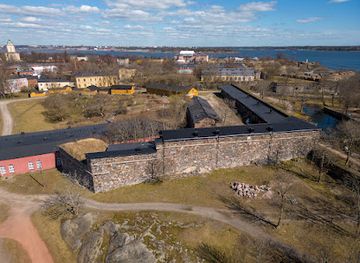
Fortress
Suomenlinna
Explore the historic Suomenlinna Fortress Island, a UNESCO World Heritage site, blending stunning nature with rich Finnish culture.
40 min drive · 20 km from city centre
-
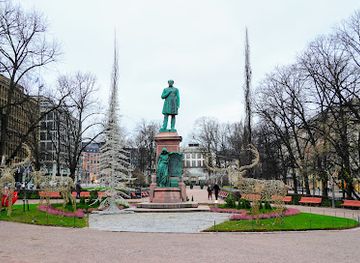
Park
Esplanadi
Explore Esplanadi, Helsinki's serene urban park blending nature, culture, and local cuisine in the heart of the city.
37 min drive · 17 km from city centre
-
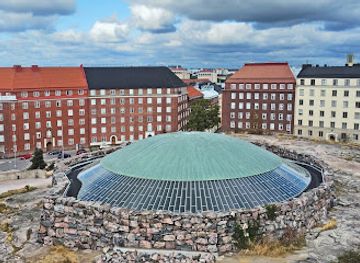
Lutheran church
Temppeliaukio Church
Explore the breathtaking Temppeliaukio Church in Helsinki, a stunning architectural marvel built into solid rock, known for its unique design and exceptional acoustics.
36 min drive · 16 km from city centre
-
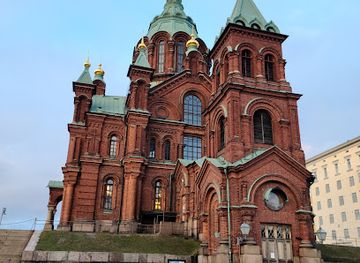
Cathedral
Uspenski Cathedral
Experience the breathtaking beauty of Uspenski Cathedral, an architectural masterpiece and a spiritual sanctuary in the heart of Helsinki.
37 min drive · 17 km from city centre
Explore Espoo on the map
Plan your Espoo trip on one map. See where the top attractions, landmarks, restaurants, bars and hotels are, find what's near where you're staying, and book hotels and experiences in a few clicks.
Neighbourhoods in Espoo
-
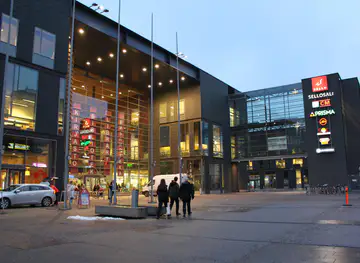 Leppävaara
Discover Leppävaara: A blend of modern amenities, lush green parks, and rich history in the heart of Espoo, Finland.
26 min drive · 8.8 km from city centre
Leppävaara
Discover Leppävaara: A blend of modern amenities, lush green parks, and rich history in the heart of Espoo, Finland.
26 min drive · 8.8 km from city centre
-
 Matinkylä
Discover Matinkylä, Espoo's coastal gem, offering stunning beaches, diverse dining, and vibrant culture, all easily accessible by metro.
22 min drive · 7.2 km from city centre
Matinkylä
Discover Matinkylä, Espoo's coastal gem, offering stunning beaches, diverse dining, and vibrant culture, all easily accessible by metro.
22 min drive · 7.2 km from city centre
-
 Tapiola
Discover Tapiola in Espoo, a garden city blending modernist architecture, lush green spaces, and cultural landmarks for an enriching and relaxing experience.
27 min drive · 9.1 km from city centre
Tapiola
Discover Tapiola in Espoo, a garden city blending modernist architecture, lush green spaces, and cultural landmarks for an enriching and relaxing experience.
27 min drive · 9.1 km from city centre
Swipe for more neighbourhoods
Best hotels in Espoo
Best restaurants in Espoo
In Espoo, visitors can expect a diverse dining scene that showcases the best of Finnish cuisine alongside international flavors. From cozy cafes serving up traditional Karelian pastries to upscale restaurants offering innovative Nordic dishes, there is something for every palate. Seafood lovers can indulge in fresh catches from the nearby waters, while meat enthusiasts can savor reindeer and game meats prepared in unique ways. Food trucks and market stalls offer quick bites for on-the-go explorers, and the vibrant food festivals throughout the year provide an opportunity to taste a wide range of local delicacies. Whether dining in a historic manor house or a trendy urban eatery, visitors to Espoo will be delighted by the culinary delights waiting to be discovered.
-
Restaurant
Löyly Helsinki
Löyly Helsinki: Wave-inspired saunas and seaside Finnish dining where Baltic dips meet wood-fired flavors in Helsinki's premier wellness retreat.
36 min drive · 16 km from city centre
-
Cafe
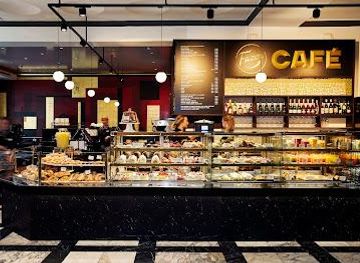
Fazer Café Kluuvikatu
Helsinki's iconic 1891 café where historic elegance meets legendary Fazer chocolates, pastries, and hearty Finnish lunches in a bustling city-center haven.
37 min drive · 17 km from city centre
-
Restaurant
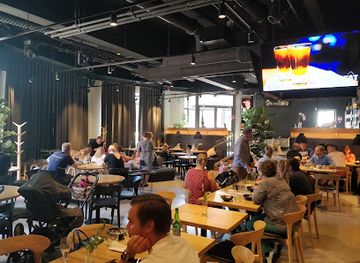
Restaurant Fat Lizard Otaniemi
Experience innovative Finnish cuisine at Restaurant Fat Lizard Otaniemi in Espoo – where local flavors meet modern culinary artistry.
29 min drive · 9.6 km from city centre
-
 Restaurant
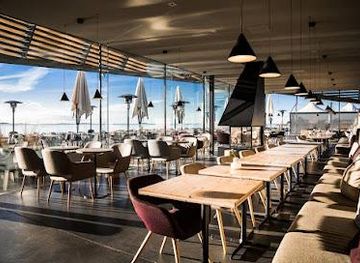
Nokkalan Majakka
Discover Nokkalan Majakka: A charming restaurant and bar in Espoo offering scenic views and delicious cuisine perfect for every occasion.
26 min drive · 8.5 km from city centre
Best bars in Espoo
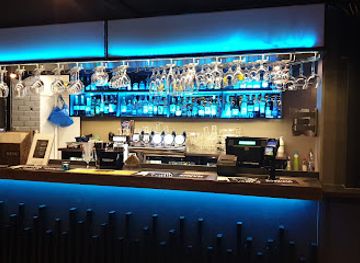
Espoo's nightlife scene offers a vibrant mix of trendy bars, cozy pubs, and lively nightclubs that cater to a variety of tastes. Whether you're looking to enjoy craft cocktails in a stylish lounge, dance the night away to the latest beats, or relax with a pint of local beer in a laid-back atmosphere, Espoo has something for everyone. From live music performances to themed parties, the city's nightlife promises an unforgettable experience for visitors seeking to immerse themselves in the local culture after dark.
-
Brewpub
Brewpub Gallows Bird - Tapiola
Discover the vibrant world of craft beer at Brewpub Gallows Bird in Tapiola, where local flavors and a warm atmosphere await.
27 min drive · 9.0 km from city centre
-
Pub
William K. Sello
Experience the vibrant atmosphere and delectable offerings at William K. Sello, Espoo's favorite pub for locals and tourists alike.
26 min drive · 8.8 km from city centre
-
Bar
Aloha & Bar Ohana
Experience the vibrant tropical charm of Aloha & Bar Ohana in Espoo, where island-inspired cocktails and a welcoming atmosphere await.
16 min drive · 5.4 km from city centre
-
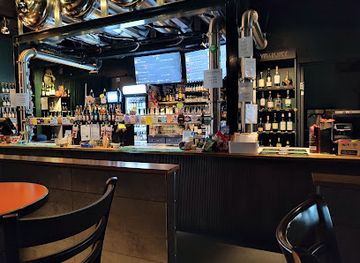
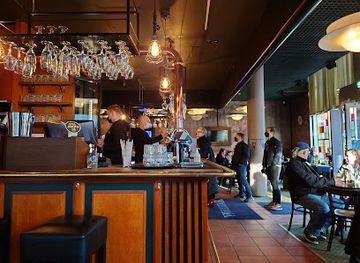
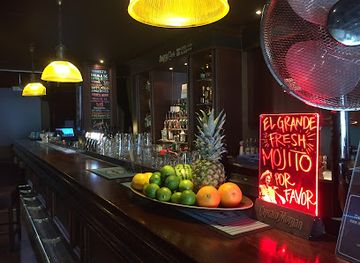
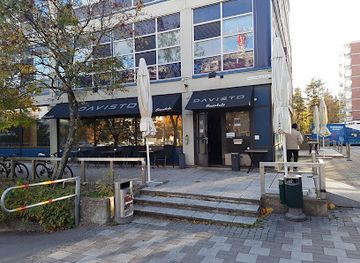
Sports bar
Davisto
Experience the ultimate sports bar in Espoo, where great food, lively atmosphere, and live games come together for an unforgettable night.
16 min drive · 5.4 km from city centre
Best nightclubs in Espoo
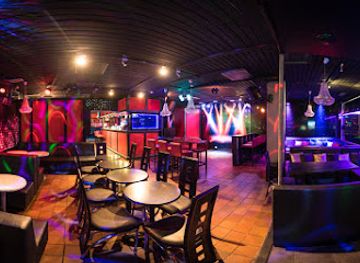
Espoo's nightlife scene offers a vibrant mix of trendy bars, cozy pubs, and lively nightclubs that cater to a variety of tastes. Whether you're looking to enjoy craft cocktails in a stylish lounge, dance the night away to the latest beats, or relax with a pint of local beer in a laid-back atmosphere, Espoo has something for everyone. From live music performances to themed parties, the city's nightlife promises an unforgettable experience for visitors seeking to immerse themselves in the local culture after dark.
-
Karaoke bar
Karaoke Nightclub Sankaritar
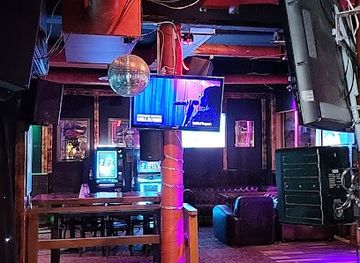
Experience the vibrant nightlife of Espoo at Karaoke Nightclub Sankaritar, where singing, laughter, and fun come together in a lively atmosphere.
27 min drive · 9.0 km from city centre
-
Indian
Blue Jay Lounge & Bistro
Savor authentic Indian cuisine and enjoy vibrant karaoke and sports entertainment at Blue Jay Lounge & Bistro in Espoo.
25 min drive · 8.4 km from city centre
-
Karaoke bar
Bestis Karaoke&Nightlife
Discover Bestis Karaoke & Nightlife for an unforgettable night filled with music, cocktails, and vibrant energy in the heart of Espoo.
21 min drive · 7.1 km from city centre
-
Pub
Watson Pub
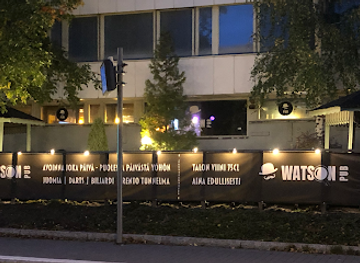
Discover Watson Pub in Espoo, a lively venue for beer lovers and karaoke enthusiasts alike, offering a memorable Finnish pub experience.
26 min drive · 8.8 km from city centre
Best shops in Espoo
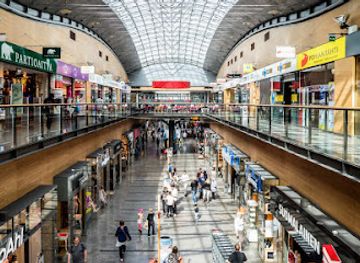
The shopping scene in Espoo offers a unique blend of modern shopping centers and traditional markets, providing visitors with a diverse shopping experience. From the luxurious boutiques in the high-end malls like Ainoa and Iso Omena to the charming local shops in Old Espoo, there is something for every taste and budget. Visitors can explore Finnish design brands, handcrafted souvenirs, and traditional Finnish foods at the markets, while also discovering international brands and trendy fashion at the malls. With a mix of old and new, Espoo's shopping scene is a must-visit for tourists looking to immerse themselves in Finnish culture and style.
-
Shopping mall
Kamppi Helsinki
Experience the vibrant shopping, dining, and cultural scene at Kamppi, the premier shopping mall in the heart of Helsinki, Finland.
36 min drive · 16 km from city centre
-
Department store
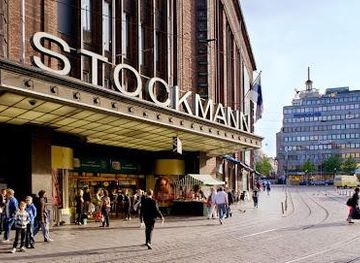
Stockmann - Helsinki
Explore Stockmann in Helsinki, Finland's premier department store, featuring a blend of local and international brands, gourmet foods, and a vibrant shopping atmosphere.
37 min drive · 17 km from city centre
-
Shopping mall
Iso Omena
Discover a shopping paradise at Iso Omena, Espoo's leading mall with diverse shops, cafes, and entertainment options for the entire family.
20 min drive · 6.8 km from city centre
-
Shopping mall
Forum
Discover the best of Finnish shopping and dining at Forum, Helsinki's premier shopping mall featuring international brands and local delights.
36 min drive · 16 km from city centre


Get your free copy of our complete guide to Espoo, delivered straight to you.
Everything on this page, from attractions and restaurants to essentials and local phrases, in one PDF you can read offline, print or share.
Already have an account? Sign in
Your Espoo guide is ready.
We'll send it to · Not you? Sign out

Getting your guide ready…
We are putting together a fresh copy of the Espoo guide. This can take up to a minute.
This can take a few moments. If your browser asks, choose Allow so the download can start. You'll find the guide in your Downloads folder.
Nothing happened? Download it again
Sorry, the guide is taking longer than usual. Please try again in a minute, or get it by email instead.
Espoo essentials
Currency and Payment
Safety
Emergency Situations
Do's and Don'ts
Local Tips
From Eve
Local phrases worth knowing
You don't need to get them perfect. A few words go a long way, and locals appreciate the effort.
Basics
| English | Local | Say it |
|---|---|---|
| Hello | Hei | [hay] |
| Goodbye | Näkemiin | [nah-keh-meen] |
| Yes | Kyllä | [kuh-lah] |
| No | Ei | [ay] |
| Please/You're welcome | Ole hyvä | [oh-leh huu-vaa] |
| Thank you | Kiitos | [kee-tohs] |
| Excuse me/Sorry | Anteeksi | [ahn-teh-ehk-see] |
| How are you? | Mitä kuuluu? | [mee-tah koo-loo] |
| Fine. And you? | Hyvää. Entä sinä? | [huh-vah. en-tah see-nah] |
| Do you speak English? | Puhutko englantia? | [poo-hoot-koh eng-lahn-tee-ah] |
| I don't understand | En ymmärrä | [ayn um-mah-ra] |
Eating & Drinking
| English | Local | Say it |
|---|---|---|
| I'd like to see the menu, please | Saisinko nähdä ruokalistan, kiitos | [sai-sin-koh neh-dah roo-oh-kah-lis-tahn, kee-tohs] |
| I don't eat meat | En syö lihaa | [ayn syuh lee-hah] |
| Cheers! | Kippis! | [kip-pis] |
| I would like to pay, please | Haluaisin maksaa, kiitos | [hah-luay-sin mahk-sah, kee-tohs] |
Emergencies
| English | Local | Say it |
|---|---|---|
| Help! | Apua! | [ah-poo-ah] |
| Go away! | Mene pois! | [meh-neh poh-is] |
| Call the Police! | Soita poliisille! | [soi-tah poh-lii-sil-leh] |
| Call a doctor! | Soita lääkärille! | [soi-tah laa-kah-riil-leh] |
| I'm lost | Olen eksyksissä | [oh-lehn ek-suhk-sis-sah] |
| I'm ill | Olen sairas | [oh-lehn sahy-rahs] |
Shopping
| English | Local | Say it |
|---|---|---|
| I'd like to buy... | Haluan ostaa... | [hah-lu-ahn ohs-tah] |
| I'm just looking | Katson vain | [kaht-sohn vain] |
| How much is it? | Paljonko se maksaa? | [pahl-yohn-koh seh mahk-sah] |
| That's too expensive | Se on liian kallis | [seh ohn lee-ahn kahl-lis] |
| Can you lower the price? | Voitko laskea hintaa? | [voyt-koh lahs-kah hint-ah] |
Time & Numbers
| English | Local | Say it |
|---|---|---|
| What time is it? | Paljonko kello on? | [pahl-yohn-koh kehl-lo ohn] |
| It's one o'clock | Kello on yksi | [keh-lo ohn yk-see] |
| Half past (10) | Puoli yksitoista | [pwoh-lee yk-see-toi-stah] |
| Morning | Aamu | [ah-moo] |
| Afternoon | Iltapäivä | [eel-tah-pie-vah] |
| Evening | Ilta | [eel-tah] |
| Yesterday | Eilen | [ay-len] |
| Today | Tänään | [tah-nahn] |
| Tomorrow | Huomenna | [hwoh-men-nah] |
| 1 | Yksi | [yk-see] |
| 2 | Kaksi | [kahk-see] |
| 3 | Kolme | [kohl-meh] |
| 4 | Neljä | [nel-yah] |
| 5 | Viisi | [vee-see] |
| 6 | Kuusi | [koo-see] |
| 7 | Seitsemän | [sate-s-mahn] |
| 8 | Kahdeksan | [kah-dek-sahn] |
| 9 | Yhdeksän | [uh-dek-sahn] |
| 10 | Kymmenen | [kuum-meh-nen] |
Transport & Directions
| English | Local | Say it |
|---|---|---|
| Where's a/the...? | Missä on...? | [mis-sah ohn] |
| What's the address? | Mikä on osoite? | [mee-kah ohn oh-soi-teh] |
| Can you show me (on the map)? | Voitko näyttää minulle (kartalla)? | [voyt-koh nayt-tah min-ool-leh (kar-tahl-lah)] |
| When's the next (bus)? | Milloin on seuraava (bussi)? | [meel-loin ohn seu-rah-vah (boos-see)] |
| A ticket (to ....) | Lippu (....) | [lip-poo] |
History of Espoo
Ancient Beginnings
The history of Espoo dates back to the Stone Age, with archaeological findings indicating that the area was inhabited as early as 8,000 years ago. Ancient communities thrived on hunting, fishing, and gathering, taking advantage of the abundant natural resources.
Medieval Developments
Espoo saw significant developments during the medieval period, particularly in the 14th century when it became part of the Kingdom of Sweden. The Espoo Cathedral, which dates back to the 1480s, stands as a testament to the area's medieval history and its integration into the Swedish realm.
Swedish Rule and Agricultural Growth
Under Swedish rule, Espoo evolved into an agricultural hub. The 16th and 17th centuries saw the establishment of numerous farms and manors, such as the Alberga and Håkansböle estates. Agriculture remained the backbone of Espoo's economy for several centuries.
Russian Influence and Urbanization
The Great Northern War in the early 18th century and subsequent Treaty of Nystad in 1721 brought Espoo under Russian control. This period saw gradual urbanization and infrastructural development, including the construction of roads and public buildings.
Independence and Modernization
Finland gained independence from Russia in 1917, marking a new era for Espoo. The 20th century witnessed rapid modernization, with significant industrial growth and the establishment of educational institutions like the Helsinki University of Technology.
Formation of the City of Espoo
Espoo was officially granted city status in 1972. This period marked a transformation from a rural community to a modern urban area, characterized by the development of residential neighborhoods, shopping centers, and business districts.
Espoo Today
Today, Espoo is known for its vibrant culture, technological innovation, and natural beauty. It is home to numerous cultural institutions, including the Espoo Museum of Modern Art (EMMA) and the annual Espoo Ciné International Film Festival. The city also boasts extensive green spaces and recreational areas, reflecting its commitment to sustainability and quality of life.
Espoo in Photos
Browse through our photo collection highlighting the charm and character of the destination.
Cities near Espoo
The closest cities to Espoo, if you have time for more than one stop.
-
 Helsinki
Discover Helsinki, Finland's vibrant capital, where modernity meets history, and urban sophistication blends seamlessly with natural beauty.
36 min drive · 16 km from city centre
Helsinki
Discover Helsinki, Finland's vibrant capital, where modernity meets history, and urban sophistication blends seamlessly with natural beauty.
36 min drive · 16 km from city centre
-
 Porvoo
Discover Porvoo: A historic gem in Finland with cobblestone streets, medieval architecture, and a vibrant culinary scene, perfect for history buffs and nature lovers alike.
1 h 20 min drive · 60 km from city centre
Porvoo
Discover Porvoo: A historic gem in Finland with cobblestone streets, medieval architecture, and a vibrant culinary scene, perfect for history buffs and nature lovers alike.
1 h 20 min drive · 60 km from city centre
-
 Lahti
Discover Lahti, Finland: A city where vibrant culture meets pristine nature, offering a blend of outdoor adventures and sustainable living just an hour from Helsinki.
2 h 3 min drive · 103 km from city centre
Lahti
Discover Lahti, Finland: A city where vibrant culture meets pristine nature, offering a blend of outdoor adventures and sustainable living just an hour from Helsinki.
2 h 3 min drive · 103 km from city centre
-
 Turku
Discover Turku, Finland's oldest city, where medieval history meets vibrant modern culture along the picturesque Aura River.
2 h 34 min drive · 134 km from city centre
Turku
Discover Turku, Finland's oldest city, where medieval history meets vibrant modern culture along the picturesque Aura River.
2 h 34 min drive · 134 km from city centre
-
 Tampere
Discover Tampere, a vibrant city nestled between two stunning lakes, with a blend of industrial heritage, cultural richness, and natural beauty in the heart of Finnish Lakeland.
2 h 52 min drive · 152 km from city centre
Tampere
Discover Tampere, a vibrant city nestled between two stunning lakes, with a blend of industrial heritage, cultural richness, and natural beauty in the heart of Finnish Lakeland.
2 h 52 min drive · 152 km from city centre
Swipe for more cities

