

Free Vaasa Travel Guide & Mobile App
Plan your Vaasa trip with Evendo. Get free guides to top attractions, restaurants, hotels, and bars. Web access or download the mobile app.


Vaasa, Finland blends Ostrobothnian history, Swedish-Finnish culture, coastal scenery, museums and easy access to the Kvarken Archipelago for sightseeing.
A Bilingual Coastal City
Vaasa stands on Finland’s western coast, where the Gulf of Bothnia gives the city a maritime outlook and Swedish-speaking Ostrobothnian traditions remain an important part of local identity. Finnish and Swedish are both visible in street signs, public life and cultural institutions, while the compact centre makes many of the principal sights easy to explore on foot. The Market Square, pedestrian streets and waterfront parks create a gentle rhythm between everyday city life and the open Baltic landscape.Read more about Vaasa
History in Two Locations
Culture, Nature and the Archipelago
When is the best time to visit Vaasa?
Best: June–August · 19–22°C| Month | High (°C) | Rainfall (mm) |
|---|---|---|
| January | -3 | 25 |
| February | 0 | 20 |
| March | 4 | 15 |
| April | 9 | 10 |
| May | 15 | 8 |
| June (best) | 19 | 5 |
| July (best) | 22 | 3 |
| August (best) | 21 | 0 |
| September | 15 | 3 |
| October | 9 | 8 |
| November | 3 | 10 |
| December | 0 | 15 |
Getting to and around Vaasa
How to get there
Transportation
Best attractions in Vaasa
Vaasa’s attractions range from regional history to contemporary art and coastal nature. The Ostrobothnian Museum introduces the people, landscape and cultural development of western Finland, while the Kuntsi Museum of Modern Art presents changing exhibitions in a former customs warehouse by the waterfront. At Old Vaasa, the ruins of the former town and the surviving stone church ruins convey the scale of the settlement destroyed by the 1852 fire. The Vaasa Maritime Museum adds insight into the city’s seafaring connections, and the open spaces around Hovioikeudenpuistikko and the waterfront provide easy walks between museums and civic buildings. Families may also find indoor and seasonal attractions around Vaskiluoto, including Tropiclandia’s waterpark facilities. Beyond the centre, organised trips and visitor routes lead towards the Kvarken coast, where islands, shallow bays and glacial landforms create a different kind of sightseeing experience.
-
Tourist attraction
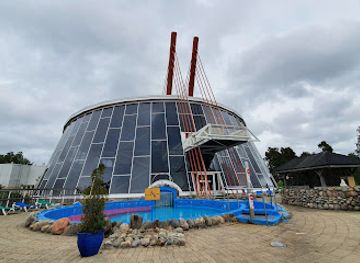
Tropiclandia
Experience the thrill and relaxation at Tropiclandia, Vaasa's tropical water park paradise, perfect for families and adventure seekers.
5 min drive · 1.7 km from city centre
-
City park
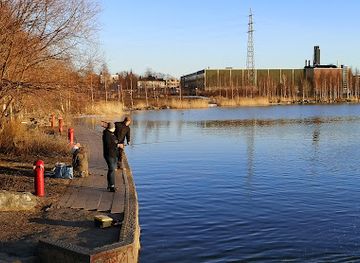
Onkilahti Park
Experience tranquility in Onkilahti Park, a lush green escape in Vaasa offering scenic views, walking paths, and serene lakeside spots for relaxation.
17 min walk · 1.3 km from city centre
-
City park
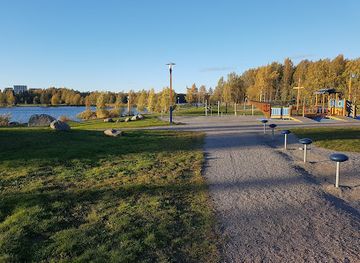
Laivapuisto
Experience the beauty of Laivapuisto Park in Vaasa, a serene urban retreat with lush greenery, playgrounds, and recreational activities for all ages.
13 min walk · 1.0 km from city centre
-
Tourist attraction
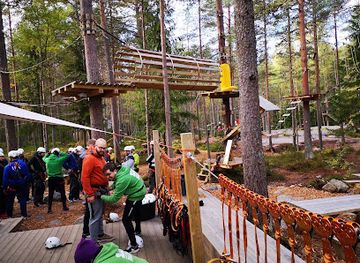
Zip Adventure Park
Experience the thrill of zip-lining and adventure courses at Zip Adventure Park, a top family-friendly attraction in Vaasa, Finland.
5 min drive · 1.7 km from city centre
Best landmarks in Vaasa
Vaasa’s landmarks record both its Swedish foundation and its nineteenth-century reconstruction. The Vaasa City Hall, designed in the late nineteenth-century rebuilding period, anchors the central civic landscape, while the Court of Appeal represents the city’s long administrative role and is one of its most recognisable historic buildings. The Holy Trinity Church is a prominent example of the ecclesiastical architecture of the new town, with its tall tower visible above the surrounding streets. At Old Vaasa, the ruins of the medieval stone church express the destruction caused by the 1852 fire and the decision to move the city. The Orthodox Church of St Nicholas adds another religious and architectural presence in the centre, while the Marketplace and surrounding planned streets reveal the spacious urban design adopted after the catastrophe. Together, these places show how Vaasa’s identity was rebuilt rather than simply preserved.
-
Hypermarket
K-Citymarket
Discover the ultimate shopping experience at K-Citymarket in Vaasa, where local flavors and everyday essentials await in a vibrant setting.
1 min walk · 0.1 km from city centre
-
Restaurant
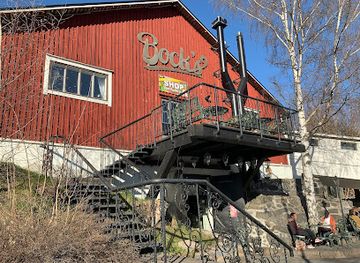
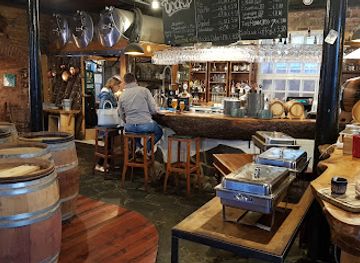
Bock's Corner Brewery
Experience the finest local craft beers and delicious food at Bock's Corner Brewery in Vaasa, the heart of Finnish brewing culture.
7 min drive · 2.3 km from city centre
-
Water park
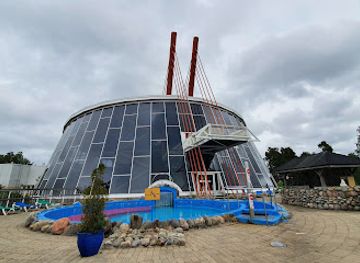
Tropiclandia
Experience the ultimate tropical adventure at Tropiclandia – Vaasa’s thrilling water park featuring slides, pools, and relaxation for all ages.
5 min drive · 1.7 km from city centre
-
Shopping mall
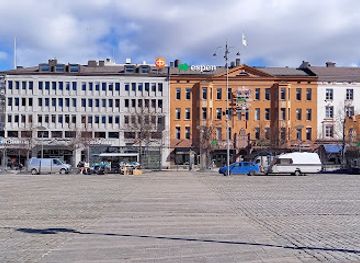
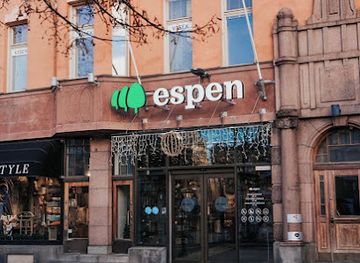
Shopping Center Espen
Discover Shopping Center Espen in Vaasa for an exceptional shopping and dining experience, featuring diverse stores, cafes, and entertainment options.
1 min walk · 0.1 km from city centre
Explore Vaasa on the map
Plan your Vaasa trip on one map. See where the top attractions, landmarks, restaurants, bars and hotels are, find what's near where you're staying, and book hotels and experiences in a few clicks.
Best hotels in Vaasa
Best restaurants in Vaasa
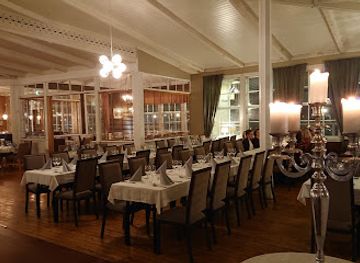
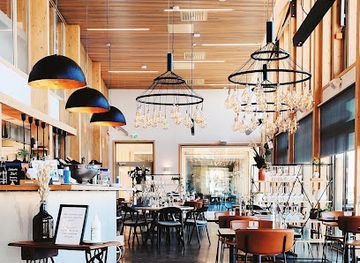
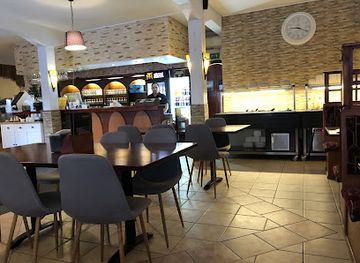
Vaasa’s dining scene reflects both Finnish and Swedish-speaking Ostrobothnian traditions, as well as the city’s student, industrial and international communities. Menus commonly draw on fish from the Gulf of Bothnia, seasonal berries, mushrooms, potatoes, rye and locally produced dairy, while northern Finnish classics such as salmon soup and different forms of rye bread sit alongside contemporary Nordic cooking. The central streets around the Market Square and the pedestrian quarter contain cafés, bakeries, casual restaurants and more ambitious kitchens, with waterfront venues adding a maritime setting in warmer months. Local markets and food events can be useful places to encounter regional produce, although their schedules vary. Swedish influence is visible in some baking traditions and restaurant language, while vegetarian, international and modern Finnish options have broadened the city’s everyday food culture.
-
Restaurant
Strampen
Discover Strampen in Vaasa: A waterfront restaurant serving exquisite Finnish cuisine with stunning views and an inviting atmosphere.
8 min walk · 0.7 km from city centre
-
Scandinavian
Restaurant Hejm
Discover the essence of Scandinavian dining at Restaurant Hejm in Vaasa—where tradition meets modern flavor.
9 min walk · 0.7 km from city centre
-
Pizza
Pizzeria Pikku Quattro
Discover delicious pizza at Pizzeria Pikku Quattro in Vaasa - where authentic Italian flavors meet local charm.
3 min walk · 0.2 km from city centre
-
Restaurant
Amarillo
Experience the vibrant flavors of Tex-Mex cuisine at Amarillo in Vaasa – where every meal is a fiesta!
2 min walk · 0.2 km from city centre

Best bars in Vaasa
Vaasa’s evening scene is concentrated in the central streets around the Market Square, the pedestrian centre and the student-oriented areas, rather than spread across a large nightlife district. Traditional pubs, wine bars and casual drinking venues sit alongside cafés that remain social meeting places into the evening, while local restaurants provide a quieter start to the night. Students contribute to seasonal events, live music and late venues, and the city’s theatres and cultural institutions add performances that do not revolve around alcohol. Programming may include concerts, Finnish- and Swedish-language theatre, comedy and exhibitions, with the strongest variety usually found when universities and cultural organisations are active. Winter evenings are often subdued, whereas summer brings outdoor terraces and longer daylight. Venue opening patterns change, so current local listings are more reliable than assuming a fixed schedule.
-
Restaurant
Strampen
Experience the best of Finnish cuisine at Strampen, Vaasa's charming restaurant offering fresh seafood and local flavors in a cozy setting.
8 min walk · 0.7 km from city centre
-
Restaurant
Bock's Corner Brewery
Experience the best of Finnish brewing and cuisine at Bock's Corner Brewery in Vaasa—a perfect blend of flavors and atmosphere.
7 min drive · 2.3 km from city centre
-
Irish pub
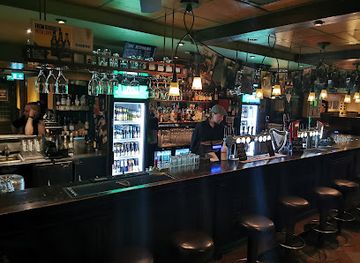
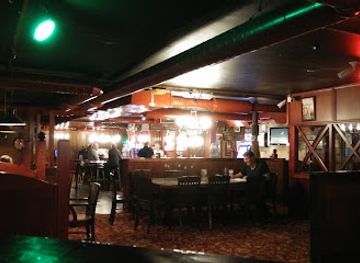
O'Malley's Pub
Discover O'Malley's Pub in Vaasa – an authentic Irish pub experience with great food, drinks, and entertainment in a vibrant atmosphere.
3 min walk · 0.2 km from city centre
-
Pub
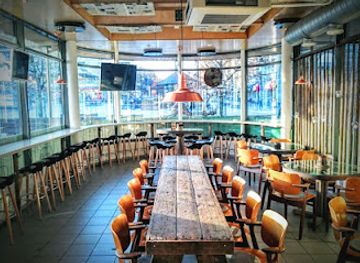
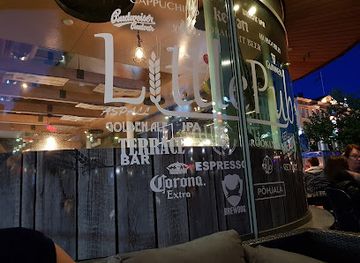
Littlepub
Discover the vibrant atmosphere of Littlepub in Vaasa, a local favorite for drinks, music, and unforgettable experiences.
1 min walk · 0.1 km from city centre
Best nightclubs in Vaasa
Vaasa’s evening scene is concentrated in the central streets around the Market Square, the pedestrian centre and the student-oriented areas, rather than spread across a large nightlife district. Traditional pubs, wine bars and casual drinking venues sit alongside cafés that remain social meeting places into the evening, while local restaurants provide a quieter start to the night. Students contribute to seasonal events, live music and late venues, and the city’s theatres and cultural institutions add performances that do not revolve around alcohol. Programming may include concerts, Finnish- and Swedish-language theatre, comedy and exhibitions, with the strongest variety usually found when universities and cultural organisations are active. Winter evenings are often subdued, whereas summer brings outdoor terraces and longer daylight. Venue opening patterns change, so current local listings are more reliable than assuming a fixed schedule.
-
Irish pub
O'Malley's Pub
Discover the authentic Irish pub experience at O'Malley's Pub in Vaasa, Finland – a perfect place for food, drinks, and good company.
3 min walk · 0.2 km from city centre
-
Pub
Littlepub
Discover the lively atmosphere and local brews at Littlepub in Vaasa, a must-visit pub for a memorable Finnish experience.
1 min walk · 0.1 km from city centre
-
Pub
Wanha Mestari
Experience the vibrant atmosphere and delicious beverages at Wanha Mestari, a top pub in Vaasa, Finland, perfect for enjoying local culture.
10 min walk · 0.8 km from city centre
-
Karaoke bar
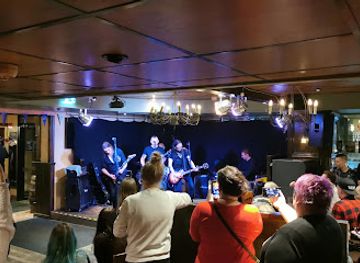
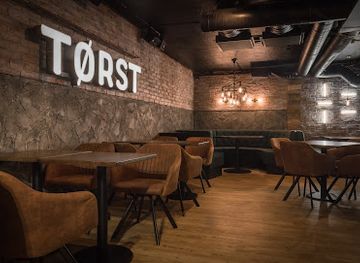
Tørst Company
Experience the vibrant karaoke scene at Tørst Company in Vaasa, where every night promises singing, laughter, and unforgettable memories.
1 min walk · 0.1 km from city centre
Best shops in Vaasa
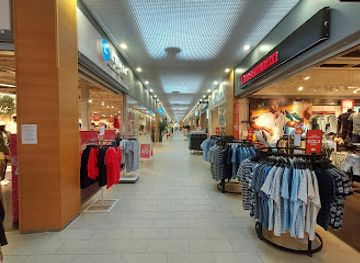
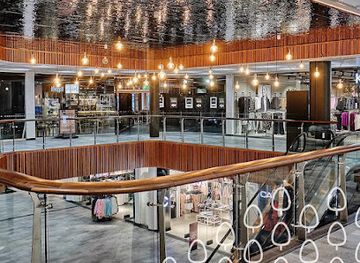
Shopping in Vaasa centres on the pedestrian streets, the Market Square and the commercial blocks around the central district. Rewell shopping centre provides an indoor retail option, while smaller independent shops, cafés and specialist businesses are found along streets such as Hovioikeudenpuistikko and in adjacent blocks. The Market Square is the most useful place to look for seasonal produce, flowers and occasional local stalls, with availability changing through the year. Visitors interested in regional products can seek out Finnish design, woollen goods, Nordic food items, rye products, berries and locally made crafts, although specific stock varies between shops and markets. Swedish-Finnish bilingual culture is reflected in some local publications and food packaging. For larger retail areas and artisan outlets outside the centre, public transport or a car may be more convenient than walking.
-
Shopping mall
Shopping Centre Rewell
Explore Shopping Centre Rewell in Vaasa for a diverse shopping experience and delightful dining options, perfect for every tourist's itinerary.
1 min walk · 0.1 km from city centre
-
Shopping mall
GW Galleria
Experience the best of shopping and dining at GW Galleria, Vaasa's premier shopping destination with a vibrant atmosphere and diverse offerings.
8 min drive · 2.7 km from city centre
-
Shopping mall
Shopping Center Espen
Explore Shopping Center Espen in Vaasa for an unforgettable shopping and dining experience, featuring a variety of stores and a state-of-the-art movie theater.
1 min walk · 0.1 km from city centre
-
Home improvement store
Clas Ohlson
Explore Clas Ohlson in Vaasa for all your home improvement needs, from tools to electronics, in a vibrant shopping environment.
2 min walk · 0.1 km from city centre
Get your free copy of our complete guide to Vaasa, delivered straight to you.
Everything on this page, from attractions and restaurants to essentials and local phrases, in one PDF you can read offline, print or share.
Already have an account? Sign in
Your Vaasa guide is ready.
We'll send it to · Not you? Sign out

Getting your guide ready…
We are putting together a fresh copy of the Vaasa guide. This can take up to a minute.
This can take a few moments. If your browser asks, choose Allow so the download can start. You'll find the guide in your Downloads folder.
Nothing happened? Download it again
Sorry, the guide is taking longer than usual. Please try again in a minute, or get it by email instead.
Vaasa essentials
Currency and Payment
Safety
Emergency Situations
Do's and Don'ts
Local Tips
From Eve
Local phrases worth knowing
You don't need to get them perfect. A few words go a long way, and locals appreciate the effort.
Basics
| English | Local | Say it |
|---|---|---|
| Hello | Hei | [hey] |
| Goodbye | Näkemiin | [nah-keh-meen] |
| Yes | Kyllä | [kuu-laa] |
| No | Ei | [ay] |
| Please/You're welcome | Ole hyvä | [oh-le huu-va] |
| Thank you | Kiitos | [kee-toas] |
| Excuse me/Sorry | Anteeksi | [ahn-tehk-see] |
| How are you? | Mitä kuuluu? | [mee-taa koo-loo] |
| Fine. And you? | Hyvää. Entä sinä? | [hoo-vaa. en-taa see-naa] |
| Do you speak English? | Puhutko englantia? | [poo-hut-koh eng-lan-tee-a] |
| I don't understand | En ymmärrä | [enn um-ma-ra] |
Eating & Drinking
| English | Local | Say it |
|---|---|---|
| I'd like to see the menu, please | Saisinko nähdä ruokalistan, kiitos | [sai-sin-koh naa-daa roo-oh-ka-lee-stahn, kee-toas] |
| I don't eat meat | En syö lihaa | [enn suu lee-haa] |
| Cheers! | Kippis! | [keep-peas] |
| I would like to pay, please | Haluaisin maksaa, kiitos | [ha-loo-ai-sin mahk-saa, kee-toas] |
Emergencies
| English | Local | Say it |
|---|---|---|
| Help! | Apua! | [ah-pua] |
| Go away! | Mene pois! | [meh-neh poys] |
| Call the Police! | Soita poliisille! | [sow-ee-tah poh-lee-see-leh] |
| Call a doctor! | Soita lääkärille! | [sow-ee-tah lah-kah-ree-leh] |
| I'm lost | Olen eksyksissä | [oh-len eks-uhk-see-sah] |
| I'm ill | Olen sairas | [oh-len sai-rahs] |
Shopping
| English | Local | Say it |
|---|---|---|
| I'd like to buy... | Haluan ostaa... | [ha-loo-ahn os-taa] |
| I'm just looking | Katson vain | [kaat-sohn vain] |
| How much is it? | Paljonko se maksaa? | [pahl-yon-koh seh mahk-saa] |
| That's too expensive | Se on liian kallista | [se ohn lee-ahn kal-lee-stah] |
| Can you lower the price? | Voitko laskea hintaa? | [voe-it-koh lah-say-ah hin-taa] |
Time & Numbers
| English | Local | Say it |
|---|---|---|
| What time is it? | Mitä kello on? | [mee-taa kel-lo ohn] |
| It's one o'clock | On yksi | [ohn uuk-see] |
| Half past (10) | Puoli (10) | [poo-oh-lee (10)] |
| Morning | Aamu | [ah-moo] |
| Afternoon | Iltapäivä | [eel-tah-pai-vah] |
| Evening | Ilta | [eel-tah] |
| Yesterday | Eilen | [ay-len] |
| Today | Tänään | [ta-naan] |
| Tomorrow | Huomenna | [hoo-men-nah] |
| 1 | Yksi | [uuk-see] |
| 2 | Kaksi | [kahk-see] |
| 3 | Kolme | [kohl-meh] |
| 4 | Neljä | [nell-yah] |
| 5 | Viisi | [vee-see] |
| 6 | Kuusi | [koo-see] |
| 7 | Seitsemän | [sate-se-mahn] |
| 8 | Kahdeksan | [kah-dehk-sahn] |
| 9 | Yhdeksän | [uh-dehk-sahn] |
| 10 | Kymmenen | [kuum-meh-nen] |
Transport & Directions
| English | Local | Say it |
|---|---|---|
| Where's a/the...? | Missä on...? | [mee-sa ohn] |
| What's the address? | Mikä on osoite? | [mee-ka ohn oh-soy-teh] |
| Can you show me (on the map)? | Voitko näyttää minulle (kartalla)? | [voe-it-koh nay-staa mee-nul-le (kar-tal-la)] |
| When's the next (bus)? | Milloin on seuraava (bussi)? | [mee-loi-n ohn seu-rah-vaa (boo-see)] |
| A ticket (to ....) | Lippu (jonnekin) | [leap-poo (yon-ne-keen)] |
History of Vaasa
Foundation under the Vasa Dynasty
Vaasa was founded in 1606 by King Charles IX of Sweden on the coast of Ostrobothnia. It was named after the Swedish royal House of Vasa and developed as a regional centre for administration, trade and seafaring. The town’s position on the Gulf of Bothnia connected it with coastal commerce, while the surrounding countryside supported agriculture and fishing. Swedish was the dominant language of administration and much everyday life, a linguistic heritage that remains visible in the city today. Early Vaasa was considerably smaller than the modern city, but its foundation established the civic and commercial role that later growth would reinforce.
A Swedish Coastal Trading Town
During the eighteenth and early nineteenth centuries, Vaasa functioned as an important town for the surrounding Ostrobothnian region. Its merchants traded agricultural produce, timber and other goods across the Gulf of Bothnia, and the town’s institutions served a broad rural hinterland. The Swedish period ended in 1809, when Finland became an autonomous Grand Duchy of the Russian Empire after the Finnish War. Vaasa consequently became part of the Grand Duchy, but its Swedish-speaking coastal culture and commercial links remained influential. The old town grew around churches, civic buildings and trading streets that would later be transformed by catastrophe.
The Fire and the New Vaasa
A major fire in 1852 destroyed much of historic Vaasa, one of the decisive events in the city’s development. Rather than rebuild on the same site, the authorities established a new town closer to the coast, laid out with broad streets and more spacious blocks. The former settlement became known as Old Vaasa, where the ruins of the medieval church and other remnants still mark the earlier urban landscape. The new city was initially called Nikolainkaupunki in official use, although Vaasa remained the established Finnish and Swedish name. Its planned centre, civic buildings and waterfront position reflect the rebuilding that followed the disaster.
Vaasa and Finnish Independence
Vaasa played a notable role during the Finnish Civil War in 1918. At the beginning of the conflict, the Senate of Finland operated from the city, which served as the administrative centre of the White side until government institutions could return to Helsinki. The period made Vaasa part of the national story of independence and civil conflict, although the events remain a complex and painful subject in Finnish history. During the late nineteenth and early twentieth centuries, rail connections, harbour activity and industrial growth also strengthened the city’s regional importance. These developments helped turn the rebuilt coastal town into a modern provincial centre.
Industry, Bilingualism and the Modern City
After the Second World War, Vaasa expanded through manufacturing, education, public administration and cultural services. Its industrial profile became particularly associated with energy technology, building on the wider Ostrobothnian tradition of engineering and international trade. The city’s bilingual character continued through Finnish- and Swedish-language schools, institutions and civic life, while migration and urban growth added further layers to its population. In the present day, Vaasa combines a historic centre and regional museums with universities, technology companies and an outward-looking maritime identity. Its relationship with the Kvarken coast also links contemporary city life to a landscape shaped by continuing post-glacial land uplift.
Vaasa in Photos
Browse through our photo collection highlighting the charm and character of the destination.
Cities near Vaasa
The closest cities to Vaasa, if you have time for more than one stop.
-

-

-

-

-


Swipe for more cities
Explore more

Explore more of Finland
Explore Finland, where the Midnight Sun meets the Northern Lights, offering a unique blend of natural beauty, rich culture, and unforgettable experiences.
Explore Finland