

Free Jacksonville Travel Guide & Mobile App
Plan your Jacksonville trip with Evendo. Get free guides to top attractions, restaurants, hotels, and bars. Web access or download the mobile app.


Jacksonville, Florida blends Atlantic beaches, riverfront landmarks, nature preserves, Southern flavours and cultural attractions across a sprawling city.
A City Shaped by Water
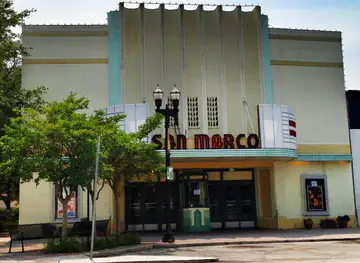
Jacksonville occupies a broad sweep of north-east Florida, where the St Johns River runs through the urban centre before reaching the Atlantic Ocean. Its geography is unusually expansive: Downtown, historic riverfront neighbourhoods, maritime districts, inland suburbs and a long chain of beaches all form part of the consolidated city. The result is a destination best understood as a collection of distinct areas rather than a compact centre. Riverside and Avondale bring tree-lined streets, early twentieth-century architecture, galleries and independent restaurants, while San Marco combines a historic shopping village with river views. Farther east, Jacksonville Beach, Atlantic Beach and Neptune Beach offer a more relaxed coastal rhythm.Read more about Jacksonville
Heritage, Culture and Nature
When is the best time to visit Jacksonville?
Best: March–April, November · 23–28°C| Month | High (°C) | Rainfall (mm) |
|---|---|---|
| January | 20 | 83 |
| February | 21 | 84 |
| March (best) | 24 | 104 |
| April (best) | 28 | 82 |
| May | 31 | 118 |
| June | 33 | 178 |
| July | 34 | 176 |
| August | 34 | 200 |
| September | 32 | 173 |
| October | 28 | 100 |
| November (best) | 23 | 71 |
| December | 20 | 84 |
Getting to and around Jacksonville
How to get there
Transportation
Best attractions in Jacksonville
Jacksonville's attractions range from riverfront museums to expansive coastal and wetland landscapes. The Cummer Museum of Art and Gardens pairs European and American works with formal gardens overlooking the St Johns River, while the Museum of Science and History presents science, regional history and a planetarium experience in the Southbank area. At Fort Caroline National Memorial, trails and exhibits introduce the short-lived French settlement and the Indigenous history of the river corridor. The Jacksonville Zoo and Gardens brings wildlife displays and botanical collections together on the city's north side. For a different atmosphere, the Timucuan Ecological and Historic Preserve includes marshes, forests and historic sites, while the Atlantic beaches offer surfing, swimming and long shoreline walks. Riverside and Avondale add distinctive houses, galleries and the Riverside Arts Market on selected occasions, creating a more neighbourhood-based form of sightseeing.
-
Tourist attraction
Jacksonville Zoo and Gardens
Explore the Jacksonville Zoo and Gardens: A unique blend of wildlife, education, and stunning botanical beauty in Jacksonville, Florida.
24 min drive · 7.9 km from city centre
-
Tourist attraction
Breakout Games - Jacksonville
Experience the thrill of solving puzzles and escaping rooms at Breakout Games - Jacksonville, where adventure awaits for all ages!
34 min drive · 14 km from city centre
-
Escape room center
The Escape Game Jacksonville
Experience thrilling adventures at The Escape Game Jacksonville, where teamwork meets fun in immersive escape room challenges.
35 min drive · 15 km from city centre
-
Stadium
EverBank Stadium
Experience the thrill of live sports at EverBank Stadium in Jacksonville, Florida, a premier venue for unforgettable games and events.
6 min drive · 2.0 km from city centre


Best landmarks in Jacksonville
Jacksonville's landmarks reflect its river commerce, rebuilding after the Great Fire and long connection with north-east Florida's older cultures. The Florida Theatre, opened in 1927, is a finely decorated example of the grand cinema architecture associated with the period and remains a prominent Downtown performance venue. The Main Street Bridge, recognisable by its blue truss structure, links the central city with Southbank across the St Johns River, while Friendship Fountain marks the riverfront opposite Downtown. In Riverside, the Cummer Museum occupies historic riverfront grounds whose gardens are landmarks in their own right. The Treaty Oak is a vast live oak associated with Jacksonville's heritage and preservation history. Across the wider municipal area, Kingsley Plantation preserves buildings and archaeological evidence connected with slavery and plantation life, adding a difficult but essential dimension to the city's historic landscape.
-
Zoo
Jacksonville Zoo and Gardens
Discover a world of wildlife and vibrant gardens at Jacksonville Zoo and Gardens, a premier attraction for families and nature lovers in Florida.
24 min drive · 7.9 km from city centre
-
Park
Kathryn Abbey Hanna Park
Discover the breathtaking landscapes and recreational adventures at Kathryn Abbey Hanna Park in Jacksonville, the ultimate urban oasis for nature lovers.
44 min drive · 24 km from city centre
-
Memorial park
Memorial Park
Discover the tranquility of Memorial Park in Jacksonville, a beautiful tribute to veterans amidst lush landscapes and scenic river views.
10 min drive · 3.3 km from city centre
-
Botanical garden
Jacksonville Arboretum & Botanical Gardens
Explore the beauty of nature at Jacksonville Arboretum & Botanical Gardens, a tranquil oasis in the heart of Florida perfect for all nature lovers.
31 min drive · 11 km from city centre


Explore Jacksonville on the map
Plan your Jacksonville trip on one map. See where the top attractions, landmarks, restaurants, bars and hotels are, find what's near where you're staying, and book hotels and experiences in a few clicks.
Neighbourhoods in Jacksonville
-

-

-

-


Swipe for more neighbourhoods
Best hotels in Jacksonville
Best restaurants in Jacksonville
Jacksonville's dining identity is shaped by the Atlantic, the St Johns River and the culinary traditions of the American South. Seafood restaurants make use of local and regional catches, with Mayport shrimp a particularly recognisable north-east Florida speciality, while oysters, fish sandwiches and crab appear widely on menus. Barbecue, fried seafood, hush puppies, grits and other Southern dishes sit alongside contemporary cooking influenced by the city's growing diversity. Riverside and Avondale, San Marco, the Beaches and the urban core contain many of the city's independent restaurants, cafés and bars. Food halls, farmers' markets and casual coastal eateries provide less formal ways to eat, while bakeries and coffee shops reflect the neighbourhood character of older districts. Menus vary considerably by season and catch, so local seafood may be served in both traditional and modern styles.
-
Asian
Hawkers Asian Street Food
Savor authentic Asian street food at Hawkers in Jacksonville - where vibrant flavors meet unforgettable experiences.
9 min drive · 3.0 km from city centre
-
Barbecue
The Bearded Pig
Experience authentic Southern barbecue at The Bearded Pig in Jacksonville - where flavor meets tradition.
8 min drive · 2.5 km from city centre
-
Restaurant
River & Post
Experience exceptional American cuisine paired with stunning riverside views at River & Post in Jacksonville.
9 min drive · 2.9 km from city centre
-
Steak
Ruth's Chris Steak House
Indulge in a premium steakhouse experience at Ruth's Chris Steak House in Jacksonville - where every meal is served with excellence.
18 min walk · 1.4 km from city centre


Best bars in Jacksonville
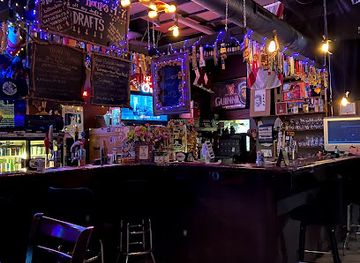
Jacksonville's evening life is distributed across several districts rather than concentrated in one entertainment quarter. Riverside and Avondale have a broad selection of neighbourhood bars, breweries, cocktail rooms and live-music settings, while San Marco offers restaurants and bars around its historic commercial centre. Downtown nightlife includes venues near the Florida Theatre, sports events and riverfront activities, although the atmosphere changes according to the calendar. The Beaches bring a casual coastal scene with bars, live music and late-evening socialising around Jacksonville Beach, Atlantic Beach and Neptune Beach. Performances at the Florida Theatre and other cultural venues provide alternatives to drinking and clubbing. Visitors should arrange transport between districts, observe local alcohol rules and remember that individual venues, especially smaller music spaces, can change schedules or operating arrangements.
-
Beer Garden
Hoptinger Bier Garden & Sausage House
Discover the lively charm of Hoptinger Bier Garden & Sausage House, where craft beer meets delicious German cuisine in Jacksonville, Florida.
9 min drive · 3.1 km from city centre
-
Bar
The District SPR
Experience the best of Jacksonville at The District SPR, a cozy bar and restaurant offering delightful bites and an extensive wine selection.
6 min drive · 2.0 km from city centre
-
Pub
The Garage
Discover a lively pub in Riverside, Jacksonville, offering great food, refreshing drinks, and a fun atmosphere for tourists and locals alike.
13 min drive · 4.3 km from city centre
-
Bar
The Volstead
Uncover the charm of The Volstead in Downtown Jacksonville, where craft cocktails meet a speakeasy atmosphere for an unforgettable night out.
7 min walk · 0.6 km from city centre


Best nightclubs in Jacksonville
Jacksonville's evening life is distributed across several districts rather than concentrated in one entertainment quarter. Riverside and Avondale have a broad selection of neighbourhood bars, breweries, cocktail rooms and live-music settings, while San Marco offers restaurants and bars around its historic commercial centre. Downtown nightlife includes venues near the Florida Theatre, sports events and riverfront activities, although the atmosphere changes according to the calendar. The Beaches bring a casual coastal scene with bars, live music and late-evening socialising around Jacksonville Beach, Atlantic Beach and Neptune Beach. Performances at the Florida Theatre and other cultural venues provide alternatives to drinking and clubbing. Visitors should arrange transport between districts, observe local alcohol rules and remember that individual venues, especially smaller music spaces, can change schedules or operating arrangements.
-
Night club
Birdies
Discover the lively nightlife at Birdies, a top-notch night club and bar in Jacksonville's vibrant Five Points area, perfect for unwinding and having fun.
9 min drive · 3.1 km from city centre
-
Bar
Rain Dogs
Experience Jacksonville's vibrant nightlife at Rain Dogs, a lively bar with craft beers, live music, and an inviting atmosphere in Five Points.
9 min drive · 3.1 km from city centre
-
Night club
Myth Nightclub | Element Bistro
Discover the vibrant nightlife of Jacksonville at Myth Nightclub | Element Bistro, where music, dance, and cuisine come together for an unforgettable experience.
10 min walk · 0.8 km from city centre
-
Night club
Eclipse Nightclub & Bar Riverside
Experience the vibrant nightlife at Eclipse Nightclub & Bar in Jacksonville, where cocktails, comedy, and dancing come together for an unforgettable evening.
22 min drive · 7.4 km from city centre



Best shops in Jacksonville
Shopping in Jacksonville follows the city's dispersed geography, with independent boutiques, cafés and galleries concentrated in neighbourhood centres rather than one dominant pedestrian district. San Marco Square has a historic commercial setting with shops and restaurants, while the Five Points area and nearby Avondale offer small retailers, vintage goods, books, design-led objects and local services. Riverside Arts Market, held beneath the Fuller Warren Bridge on scheduled occasions, brings together makers, artists, food vendors and farm produce in a riverfront setting. The Beaches provide surf shops, casual clothing stores and coastal souvenirs, while larger shopping centres and suburban retail corridors serve everyday needs. Visitors seeking regional products can look for local seafood, citrus-based goods, crafts and artwork, although the most meaningful purchases often come from independent makers rather than generic beach merchandise.
-
Shopping mall
St Johns Town Center
Explore St. Johns Town Center, Jacksonville's premier shopping mall with top brands, delicious dining, and exciting entertainment options for all ages.
35 min drive · 15 km from city centre
-
Shopping mall
South Beach Regional
Experience the vibrant shopping scene at South Beach Regional, where retail therapy meets the charm of Jacksonville Beach.
47 min drive · 27 km from city centre
-
Gift shop
904 Custom
Discover unique and personalized gifts at 904 Custom in Jacksonville, Florida, where local artistry meets unforgettable memories.
12 min drive · 4.0 km from city centre
-
Metaphysical supply store
Earth Gifts
Explore Earth Gifts in Jacksonville, a unique metaphysical supply store offering crystals, herbs, books, and more for spiritual seekers and enthusiasts.
27 min drive · 8.9 km from city centre


Get your free copy of our complete guide to Jacksonville, delivered straight to you.
Everything on this page, from attractions and restaurants to essentials and local phrases, in one PDF you can read offline, print or share.
Already have an account? Sign in
Your Jacksonville guide is ready.
We'll send it to · Not you? Sign out

Getting your guide ready…
We are putting together a fresh copy of the Jacksonville guide. This can take up to a minute.
This can take a few moments. If your browser asks, choose Allow so the download can start. You'll find the guide in your Downloads folder.
Nothing happened? Download it again
Sorry, the guide is taking longer than usual. Please try again in a minute, or get it by email instead.
Jacksonville essentials
Currency and Payment
Safety
Emergency Situations
Do's and Don'ts
Local Tips
From Eve
Local phrases worth knowing
You don't need to get them perfect. A few words go a long way, and locals appreciate the effort.
Basics
| English | Local | Say it |
|---|---|---|
| Hello | Hey y'all | [hey y'all] |
| Goodbye | See ya later | [see ya later] |
| Yes | Yeah | [yeah] |
| No | Nah | [nah] |
| Please/You're welcome | Please/You're welcome | [please/you're welcome] |
| Thank you | Thanks | [thanks] |
| Excuse me/Sorry | Excuse me/Sorry | [excuse me/sorry] |
| How are you? | How y'all doing? | [how y'all doing?] |
| Fine. And you? | I'm good. And you? | [I'm good. And you?] |
| Do you speak English? | Y'all speak English? | [y'all speak English?] |
| I don't understand | I don't get it | [I don't get it] |
Eating & Drinking
| English | Local | Say it |
|---|---|---|
| I'd like to see the menu, please | Can I see the menu, please | [can I see the menu, please] |
| I don't eat meat | I don't eat meat | [I don't eat meat] |
| Cheers! | Cheers! | [cheers!] |
| I would like to pay, please | I'll pay now, please | [I'll pay now, please] |
Emergencies
| English | Local | Say it |
|---|---|---|
| Help! | Help! | [help!] |
| Go away! | Get outta here! | [get outta here!] |
| Call the Police! | Call the cops! | [call the cops!] |
| Call a doctor! | Call a doctor! | [call a doctor!] |
| I'm lost | I'm lost | [I'm lost] |
| I'm ill | I'm sick | [I'm sick] |
Shopping
| English | Local | Say it |
|---|---|---|
| I'd like to buy... | I wanna buy... | [I wanna buy...] |
| I'm just looking | I'm just lookin' | [I'm just lookin'] |
| How much is it? | How much does it cost? | [how much does it cost?] |
| That's too expensive | That's too pricey | [that's too pricey] |
| Can you lower the price? | Can you lower the price? | [can you lower the price?] |
Time & Numbers
| English | Local | Say it |
|---|---|---|
| What time is it? | What time is it? | [what time is it?] |
| It's one o'clock | It's one o'clock | [it's one o'clock] |
| Half past (10) | Half past ten | [half past ten] |
| Morning | Morning | [morning] |
| Afternoon | Afternoon | [afternoon] |
| Evening | Evening | [evening] |
| Yesterday | Yesterday | [yesterday] |
| Today | Today | [today] |
| Tomorrow | Tomorrow | [tomorrow] |
| 1 | One | [one] |
| 2 | Two | [two] |
| 3 | Three | [three] |
| 4 | Four | [four] |
| 5 | Five | [five] |
| 6 | Six | [six] |
| 7 | Seven | [seven] |
| 8 | Eight | [eight] |
| 9 | Nine | [nine] |
| 10 | Ten | [ten] |
Transport & Directions
| English | Local | Say it |
|---|---|---|
| Where's a/the...? | Where's a/the...? | [where's a/the...?] |
| What's the address? | What's the address? | [what's the address?] |
| Can you show me (on the map)? | Can you show me (on the map)? | [can you show me (on the map)?] |
| When's the next (bus)? | When's the next (bus)? | [when's the next (bus)?] |
| A ticket (to ....) | A ticket (to ....) | [a ticket (to ....)] |
History of Jacksonville
Timucua Homelands and Early Encounters
Before European colonisation, the lower St Johns River and north-east Florida coast were home to Timucua-speaking peoples, whose communities depended on fishing, hunting, gathering and agriculture. Their societies were connected by river and coastal routes that long predated the modern city. French soldiers and Protestant settlers established Fort Caroline on the St Johns River in 1564, but the settlement was destroyed by Spanish forces from St Augustine the following year. Spanish control shaped the region for much of the colonial period, although disease, displacement and warfare severely affected Indigenous communities. The surviving landscape, including the Timucuan Ecological and Historic Preserve and Fort Caroline National Memorial, provides important context for understanding Jacksonville beyond its later American history.
From Cowford to Jacksonville
A settlement grew around a crossing of the St Johns River known as Cowford, a name associated with cattle being driven across the shallow river. The town was formally laid out in the early nineteenth century and renamed Jacksonville in 1822, honouring Andrew Jackson, who had served briefly as military governor of Florida. Jacksonville incorporated as a town in 1832 and developed around river commerce, timber, shipbuilding and agricultural trade. Its position near the river mouth made it a useful regional port, while roads and steamship connections encouraged further growth. The name and location linked the community to the expanding United States, even as Florida remained a frontier territory with competing Indigenous, Spanish and American legacies.
War, Occupation and Reconstruction
During the American Civil War, Jacksonville's port and strategic position made it important to both Confederate and Union forces. The city changed hands several times, and Union occupation brought military administration, disrupted trade and the presence of formerly enslaved people seeking freedom and protection. Much of Jacksonville was evacuated or damaged during the conflict, and recovery afterwards was uneven. Reconstruction introduced new political and social possibilities but also faced the violence and racial restrictions that shaped the post-war South. The river continued to support commerce, and the arrival of rail connections strengthened Jacksonville's role as a gateway to the interior and to Florida's developing tourist economy.
The Great Fire of 1901
On 3 May 1901, a fire that began in a mattress factory spread through Jacksonville, driven by dry conditions and strong winds. More than 2,000 buildings were destroyed, making it one of the largest urban fires in the American South. Reconstruction transformed the city centre and helped create the architectural character associated with parts of Downtown, Riverside and Avondale. Prominent architects, including Henry John Klutho, introduced new commercial and residential designs, particularly in the Prairie School tradition. The rebuilt city also gained modern infrastructure and a renewed civic identity. Although later redevelopment removed many historic buildings, the fire remains central to Jacksonville's story and explains the concentration of early twentieth-century architecture visible in several neighbourhoods.
Commerce, Film and Urban Expansion
In the early twentieth century Jacksonville became an important centre for shipping, rail transport and finance, while its mild climate briefly attracted a flourishing silent-film industry. Production later moved elsewhere as studios sought different landscapes and operating conditions, but the episode remains part of the city's cultural history. The port, naval installations and expanding industrial economy continued to shape employment and population growth. Residential districts such as Riverside, Avondale, San Marco and Springfield developed distinct street plans and architectural traditions. After the Second World War, automobile travel encouraged suburbanisation and commercial expansion, stretching the urban area far beyond the older riverfront core.
Consolidation and Contemporary Jacksonville
In 1968 Jacksonville consolidated its city and county governments, creating one of the largest municipal jurisdictions in the United States by land area. The change brought a broad range of urban, suburban, rural and coastal environments under a single local government, helping explain the city's considerable geographic scale. Late twentieth-century redevelopment reshaped Downtown, while the riverfront, port, health sector and military presence remained fundamental to the economy. Historic preservation efforts protected districts and buildings threatened by demolition, and cultural institutions such as the Cummer Museum, the Florida Theatre and the Museum of Science and History strengthened the civic centre. Today, Jacksonville balances metropolitan growth with beaches, wetlands and an extensive network of waterways.
Jacksonville in Photos
Browse through our photo collection highlighting the charm and character of the destination.
Cities near Jacksonville
The closest cities to Jacksonville, if you have time for more than one stop.
-

-
-
-

-


Swipe for more cities
Explore more

Explore more of Florida
Discover Florida: A Sunshine State full of dazzling beaches, iconic theme parks, rich history, and stunning natural parks, offering endless adventures for every traveler.
Explore Florida