

Free Daytona Beach Travel Guide & Mobile App
Plan your Daytona Beach trip with Evendo. Get free guides to top attractions, restaurants, hotels, and bars. Web access or download the mobile app.


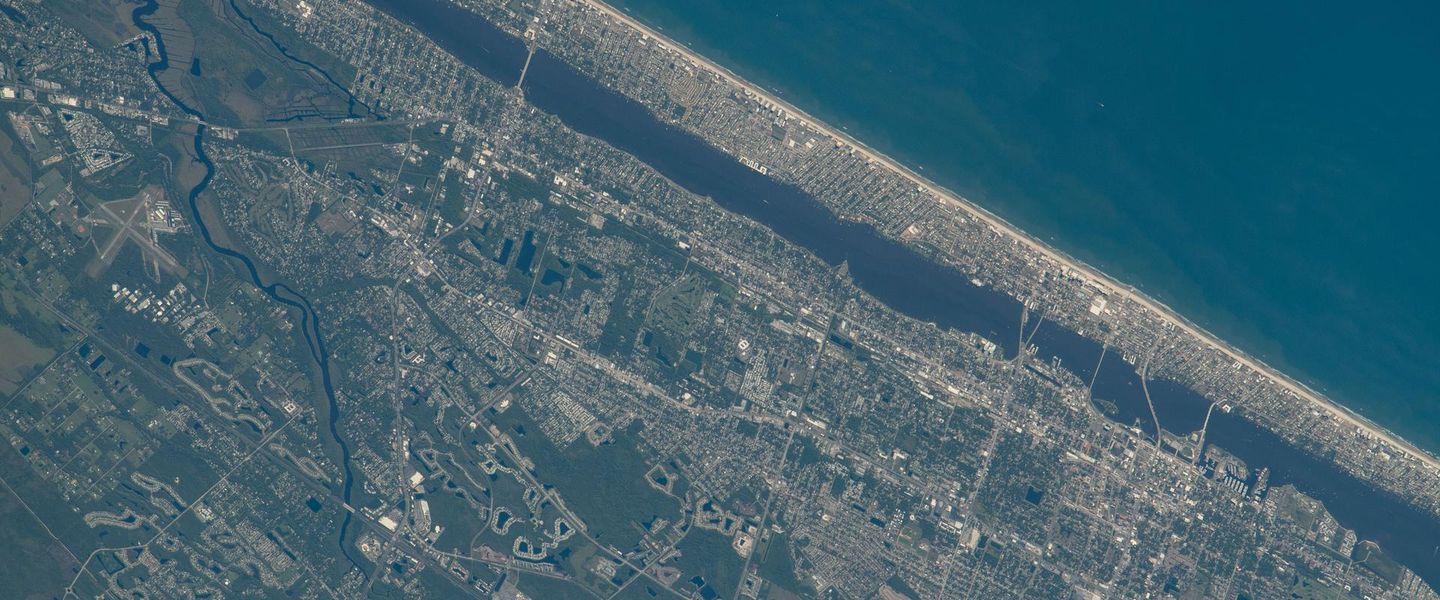


Daytona Beach, Florida blends Atlantic beaches, motorsport heritage, coastal parks, historic landmarks and relaxed seaside culture for memorable sightseeing.
Beachside Character
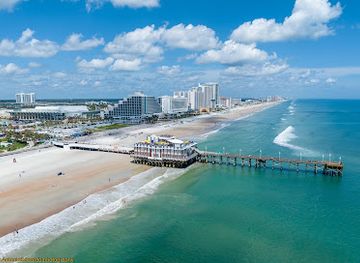
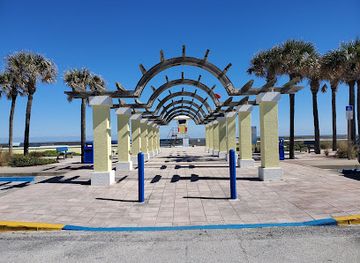
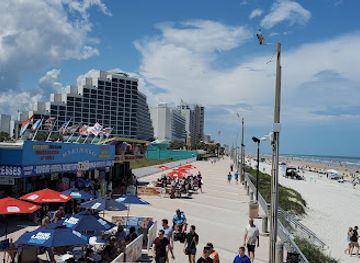
Daytona Beach occupies a broad stretch of Florida’s Atlantic coast, where a long sandy shoreline meets a city shaped by tourism, motorsport and the Halifax River. The beach remains its defining landscape: in designated areas, vehicles may drive on the hard-packed sand when conditions and local regulations permit, while the Daytona Beach Boardwalk and Main Street Pier provide a more traditional seaside setting. Ocean Walk Shoppes, arcades and the Daytona Beach Bandshell add an easygoing concentration of entertainment near the water.Read more about Daytona Beach
Motorsport and Memory
Coastal City Life
When is the best time to visit Daytona Beach?
Best: March–April, November · 23–26°C| Month | High (°C) | Rainfall (mm) |
|---|---|---|
| January | 20 | 56 |
| February | 21 | 61 |
| March (best) | 23 | 76 |
| April (best) | 26 | 74 |
| May | 29 | 104 |
| June | 31 | 142 |
| July | 32 | 168 |
| August | 32 | 166 |
| September | 31 | 157 |
| October | 28 | 112 |
| November (best) | 24 | 78 |
| December | 21 | 58 |
Getting to and around Daytona Beach
How to get there
Transportation
Best attractions in Daytona Beach
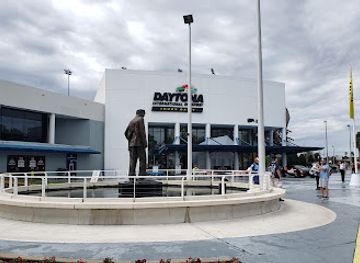
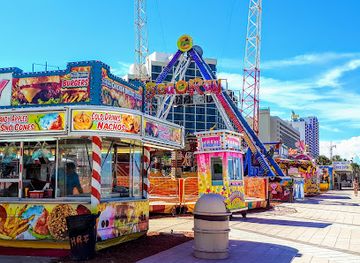
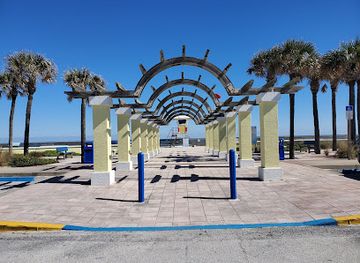
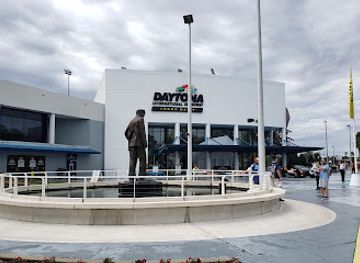
Daytona Beach’s principal attractions combine oceanfront recreation with an unusually strong motorsport identity. The broad Atlantic beach and Daytona Beach Boardwalk form the city’s most recognisable public space, with the Main Street Pier extending over the water and the Daytona Beach Bandshell providing an open-air setting for performances. Daytona International Speedway offers a substantial contrast: its immense oval, grandstands and visitor experiences reveal the engineering and spectacle behind major American races. Inland, the Museum of Arts & Sciences brings together art, science and cultural collections, while the Cici and Hyatt Brown Museum of Art focuses on Florida’s artistic heritage. Riverfront Park and Beach Street provide a slower-paced perspective beside the Halifax River, and Jackie Robinson Ballpark links local sport with national civil-rights history. Nearby Ponce Inlet and its lighthouse are worthwhile regional excursions, but they are not within Daytona Beach.
-
Car racing track
Daytona International Speedway
Discover the adrenaline of NASCAR racing at Daytona International Speedway, a premier tourist attraction in Daytona Beach, Florida.
15 min drive · 4.9 km from city centre
-
Car racing track
Daytona International Speedway
Discover the iconic Daytona International Speedway, where racing history meets thrilling experiences for tourists and motorsport fans alike.
15 min drive · 4.9 km from city centre
-
Tourist attraction
Daytona Beach Main Street Pier
Discover the excitement of Daytona Beach Main Street Pier, where thrilling rides, stunning views, and delicious dining await every visitor.
7 min drive · 2.4 km from city centre
-
Tourist attraction
Sun Splash Park
Discover the beauty and fun of Sun Splash Park in Daytona Beach, where sun, sand, and recreation come together for an unforgettable experience.
6 min drive · 2.0 km from city centre

Best landmarks in Daytona Beach
Daytona International Speedway is the city’s defining modern landmark, its sweeping oval and vast grandstands expressing the importance of motorsport to Daytona Beach’s civic identity. On the shore, the Main Street Pier has served as a prominent public structure and viewpoint, while the Daytona Beach Bandshell is recognisable for its open-air performance setting and beachfront location. The Streamline Hotel is historically associated with the 1948 meeting that helped establish NASCAR, making it an important site in American sporting history. Across the Halifax River, Jackie Robinson Ballpark commemorates Robinson’s professional career and the racial barriers he challenged in organised baseball. Beach Street’s historic commercial buildings and the nearby Halifax Historical Museum add architectural and civic context, showing how the riverfront settlement developed alongside the resort district on the ocean side.
-
Car racing track
Daytona International Speedway
Explore Daytona International Speedway, the iconic car racing venue in Daytona Beach, showcasing thrilling races, a rich history, and unique memorabilia.
16 min drive · 5.4 km from city centre
-
Tourist attraction
Daytona Beach Main Street Pier
Experience the charm of Daytona Beach Main Street Pier, where fun, relaxation, and stunning ocean views come together for an unforgettable seaside adventure.
7 min drive · 2.4 km from city centre
-
Park
Sun Splash Park
Experience the vibrant beauty of Sun Splash Park, where family fun meets the stunning shores of Daytona Beach, creating unforgettable moments for every visitor.
6 min drive · 2.0 km from city centre
-
Amusement center
Daytona Boardwalk Amusements
Discover endless fun at Daytona Boardwalk Amusements, where thrilling rides, games, and seaside dining await you in sunny Daytona Beach.
7 min drive · 2.4 km from city centre
Explore Daytona Beach on the map
Plan your Daytona Beach trip on one map. See where the top attractions, landmarks, restaurants, bars and hotels are, find what's near where you're staying, and book hotels and experiences in a few clicks.
Best hotels in Daytona Beach
Best restaurants in Daytona Beach
Daytona Beach’s dining scene is shaped by the Atlantic coast, Florida’s southern influences and a steady flow of visitors. Seafood restaurants and casual beachside eateries commonly feature fish, shrimp, oysters and crab, while waterfront settings along the Halifax River give meals a distinctly coastal atmosphere. American diner food, burgers, barbecue and fried seafood suit the city’s relaxed resort character, and Cuban, Mexican, Italian and other international cooking reflect Central Florida’s diverse population. Beach Street and the mainland’s commercial corridors provide a mixture of independent restaurants, cafés and bars, while the Boardwalk area adds fast, informal options close to the sand. Breakfast spots, bakeries and ice-cream shops are particularly suited to the rhythms of a beach town. Local menus vary by season and catch, so regional seafood may appear alongside familiar American comfort food rather than a single defining cuisine.
-
Seafood
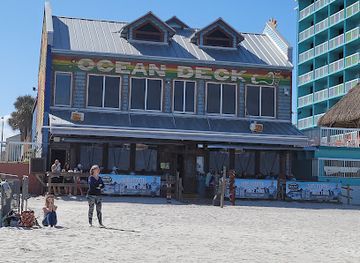
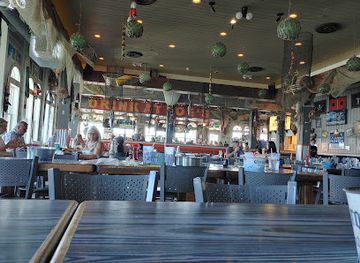
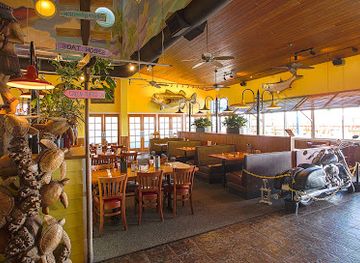
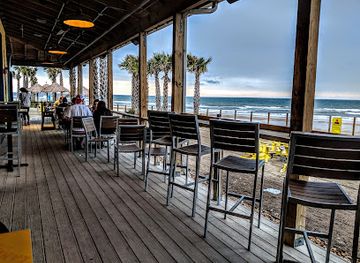
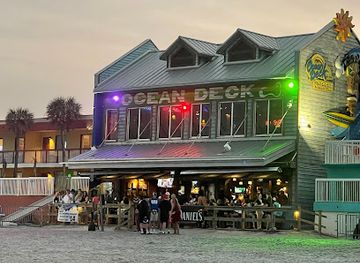
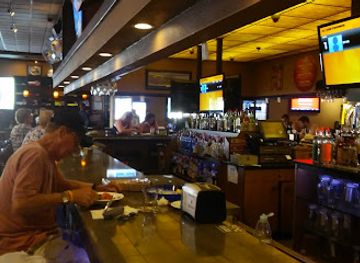
Ocean Deck Restaurant & Beach Bar
Experience the vibrant atmosphere of Ocean Deck Restaurant & Beach Bar in Daytona Beach—delicious seafood, live music, and stunning ocean views await!
7 min drive · 2.2 km from city centre
-
Seafood
Joe's Crab Shack
Experience fresh seafood delights at Joe's Crab Shack in Daytona Beach - perfect for families looking for a fun dining experience by the coast.
7 min drive · 2.5 km from city centre
-
Caribbean
Caribbean Jack's
Discover the vibrant tastes of the Caribbean at Caribbean Jack's in Daytona Beach - where every meal is a celebration by the water.
5 min drive · 1.7 km from city centre
-
Grill
LandShark Bar & Grill - Daytona Beach
Experience vibrant dining at LandShark Bar & Grill in Daytona Beach – where delicious American cuisine meets stunning ocean views.
6 min drive · 2.1 km from city centre
Best bars in Daytona Beach
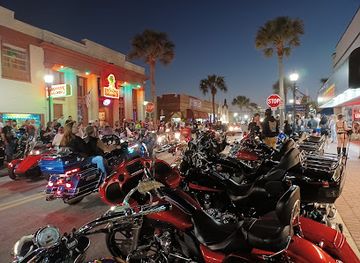
After dark, Daytona Beach’s social life is concentrated around the beachside entertainment zone, especially Main Street, the Boardwalk and Ocean Walk, with additional restaurants and bars along Beach Street and the Halifax River. The mood ranges from relaxed outdoor drinks and sports bars to live music, dancing and event-focused nightlife during race weekends or major festivals. The Daytona Beach Bandshell contributes occasional evening entertainment in a setting directly beside the ocean, while theatres, cinemas and cultural programmes offer alternatives to drinking and clubbing. Venues can become particularly busy during large motorsport events, when crowds extend well beyond the immediate speedway area. Outside peak periods, the city’s nightlife is generally casual and resort-oriented rather than comparable with a major metropolitan club scene; local age limits, identification requirements, noise rules and transport arrangements should be observed.
-
Seafood
Ocean Deck Restaurant & Beach Bar
Experience the best of Daytona Beach dining at Ocean Deck Restaurant & Beach Bar, where fresh seafood meets live music and ocean views.
7 min drive · 2.2 km from city centre
-
Pub
The Oyster Pub
Experience the best of coastal dining at The Oyster Pub in Daytona Beach, where fresh oysters and a lively atmosphere await you.
9 min drive · 2.9 km from city centre
-
Bar
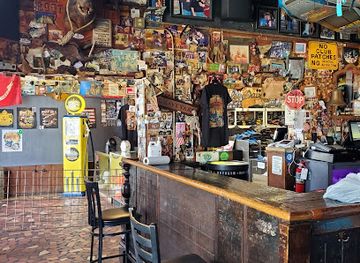
Boot Hill Saloon
Experience the vibrant energy and rich history of Boot Hill Saloon, a must-visit bar in Daytona Beach offering great drinks, live music, and local culture.
6 min drive · 1.9 km from city centre
-
Bar
Froggy's Saloon
Discover the vibrant nightlife at Froggy's Saloon, where fun meets flavor in Daytona Beach's bustling bar scene.
6 min drive · 2.2 km from city centre
Best nightclubs in Daytona Beach
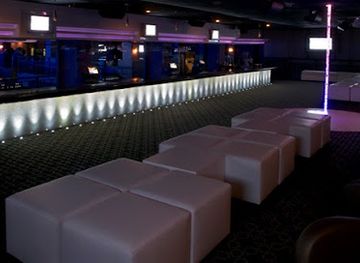
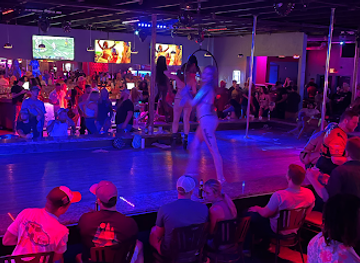
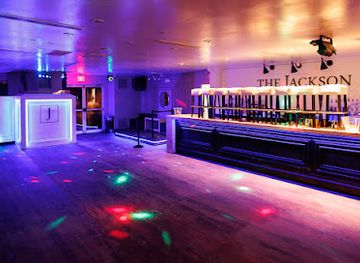
After dark, Daytona Beach’s social life is concentrated around the beachside entertainment zone, especially Main Street, the Boardwalk and Ocean Walk, with additional restaurants and bars along Beach Street and the Halifax River. The mood ranges from relaxed outdoor drinks and sports bars to live music, dancing and event-focused nightlife during race weekends or major festivals. The Daytona Beach Bandshell contributes occasional evening entertainment in a setting directly beside the ocean, while theatres, cinemas and cultural programmes offer alternatives to drinking and clubbing. Venues can become particularly busy during large motorsport events, when crowds extend well beyond the immediate speedway area. Outside peak periods, the city’s nightlife is generally casual and resort-oriented rather than comparable with a major metropolitan club scene; local age limits, identification requirements, noise rules and transport arrangements should be observed.
-
Night club
Razzle's
Discover the vibrant nightlife at Razzle's, Daytona Beach's premier night club, offering music, dancing, and affordable drinks for an unforgettable evening.
9 min drive · 2.9 km from city centre
-
Night club
Grandview Live
Dive into the electrifying nightlife at Grandview Live, Daytona Beach's premier night club offering unforgettable entertainment and a vibrant atmosphere.
9 min drive · 3.0 km from city centre
-
Night club
509 Lounge
Discover the lively nightlife of Daytona Beach at 509 Lounge, a premier venue for great music, drinks, and unforgettable experiences.
8 min drive · 2.8 km from city centre
-
Night club
The Bank & Blues Club
Discover Daytona Beach's premier nightlife spot with live music, delicious drinks, and an electric atmosphere at The Bank & Blues Club.
6 min drive · 2.1 km from city centre

Best shops in Daytona Beach
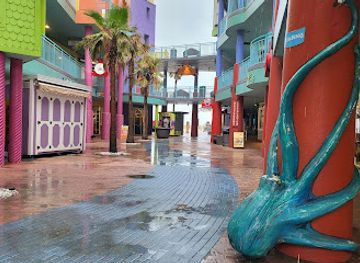
Shopping in Daytona Beach divides between beachside souvenirs, historic independent businesses and modern retail districts. The Boardwalk and Ocean Walk area offers casual clothing, seaside gifts and entertainment-oriented shops close to the sand, while Beach Street and the Riverfront Shops of Daytona Beach provide locally oriented boutiques, galleries, antiques and small speciality retailers in a more historic setting. Around International Speedway Boulevard, One Daytona combines dining, leisure and contemporary retail near the speedway, and larger outlet shopping is available at Tanger Outlets Daytona Beach. Visitors will find Florida-themed gifts, beachwear, artwork, jewellery, surf-related goods and regional food products, although the most distinctive shopping experience usually comes from browsing independent riverfront and beachside businesses rather than seeking a single traditional craft market. Race merchandise is especially prominent during major motorsport events.
-
Shopping mall
Ocean Walk Shoppes
Experience the best of shopping, dining, and beachside entertainment at Ocean Walk Shoppes in Daytona Beach.
8 min drive · 2.6 km from city centre
-
Shopping mall
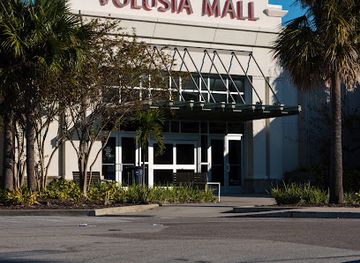
Volusia Mall
Discover shopping bliss at Volusia Mall, Daytona Beach's premier shopping destination with diverse stores, dining, and entertainment options.
13 min drive · 4.2 km from city centre
-
Shopping mall
Shoppes at ONE DAYTONA
Explore Shoppes at ONE DAYTONA, a vibrant shopping mall in Daytona Beach, featuring an eclectic mix of shops, dining, and entertainment.
14 min drive · 4.8 km from city centre
-
Shopping mall
ONE DAYTONA
Discover the ultimate shopping and dining experience at ONE DAYTONA in Daytona Beach, where entertainment meets retail therapy.
16 min drive · 5.2 km from city centre
Get your free copy of our complete guide to Daytona Beach, delivered straight to you.
Everything on this page, from attractions and restaurants to essentials and local phrases, in one PDF you can read offline, print or share.
Already have an account? Sign in
Your Daytona Beach guide is ready.
We'll send it to · Not you? Sign out

Getting your guide ready…
We are putting together a fresh copy of the Daytona Beach guide. This can take up to a minute.
This can take a few moments. If your browser asks, choose Allow so the download can start. You'll find the guide in your Downloads folder.
Nothing happened? Download it again
Sorry, the guide is taking longer than usual. Please try again in a minute, or get it by email instead.
Daytona Beach essentials
Currency and Payment
Safety
Emergency Situations
Do's and Don'ts
Local Tips
From Eve
Local phrases worth knowing
You don't need to get them perfect. A few words go a long way, and locals appreciate the effort.
Basics
| English | Local | Say it |
|---|---|---|
| Hello | Hey y'all | [Hey y'all] |
| Goodbye | See ya later | [See ya later] |
| Yes | Yep | [Yep] |
| No | Nah | [Nah] |
| Please/You're welcome | Sure thing | [Sure thing] |
| Thank you | Thanks a bunch | [Thanks a bunch] |
| Excuse me/Sorry | Pardon me | [Pardon me] |
| How are you? | How y'all doin'? | [How y'all doin'?] |
| Fine. And you? | I'm good. You? | [I'm good. You?] |
| Do you speak English? | Ya speak English? | [Ya speak English?] |
| I don't understand | I don't get it | [I don't get it] |
Eating & Drinking
| English | Local | Say it |
|---|---|---|
| I'd like to see the menu, please | Can I check out the menu? | [Can I check out the menu?] |
| I don't eat meat | I don't do meat | [I don't do meat] |
| Cheers! | Cheers! | [Cheers!] |
| I would like to pay, please | I'm ready to settle up, please | [I'm ready to settle up, please] |
Emergencies
| English | Local | Say it |
|---|---|---|
| Help! | Help! | [Help!] |
| Go away! | Get lost! | [Get lost!] |
| Call the Police! | Ring up the cops! | [Ring up the cops!] |
| Call a doctor! | Get a doc on the line! | [Get a doc on the line!] |
| I'm lost | I'm turned around | [I'm turned around] |
| I'm ill | I'm under the weather | [I'm under the weather] |
Shopping
| English | Local | Say it |
|---|---|---|
| I'd like to buy... | I wanna buy... | [I wanna buy...] |
| I'm just looking | Just browsin' | [Just browsin'] |
| How much is it? | How much does it run? | [How much does it run?] |
| That's too expensive | That's steep | [That's steep] |
| Can you lower the price? | Any wiggle room on the price? | [Any wiggle room on the price?] |
Time & Numbers
| English | Local | Say it |
|---|---|---|
| What time is it? | What's the time? | [What's the time?] |
| It's one o'clock | It's one | [It's one] |
| Half past (10) | Ten thirty | [Ten thirty] |
| Morning | Mornin' | [Mornin'] |
| Afternoon | Afternoon | [Afternoon] |
| Evening | Evenin' | [Evenin'] |
| Yesterday | Yesterday | [Yesterday] |
| Today | Today | [Today] |
| Tomorrow | Tomorrow | [Tomorrow] |
| 1 | One | [One] |
| 2 | Two | [Two] |
| 3 | Three | [Three] |
| 4 | Four | [Four] |
| 5 | Five | [Five] |
| 6 | Six | [Six] |
| 7 | Seven | [Seven] |
| 8 | Eight | [Eight] |
| 9 | Nine | [Nine] |
| 10 | Ten | [Ten] |
Transport & Directions
| English | Local | Say it |
|---|---|---|
| Where's a/the...? | Where's the...? | [Where's the...?] |
| What's the address? | What's the addy? | [What's the addy?] |
| Can you show me (on the map)? | Can ya show me (on the map)? | [Can ya show me (on the map)?] |
| When's the next (bus)? | When's the next (bus)? | [When's the next (bus)?] |
| A ticket (to ....) | A ticket (to ....) | [A ticket (to ....)] |
History of Daytona Beach
Indigenous Shores and Early Settlement
The Daytona Beach area lies within the historic homeland of Indigenous peoples associated with the Timucua, whose communities used the coastal plain, rivers and wetlands long before European settlement. Spanish exploration and colonial activity altered these societies through disease, displacement and changing political control. During the nineteenth century, much of the region remained lightly developed, with waterways, pine lands and the Atlantic shore shaping movement and settlement. Florida became a United States territory in 1821 and a state in 1845, creating the political framework for later American town development along the east coast.
Mathias Day Founds Daytona
The modern city took shape after Ohio businessman Matthias Day arrived in the area following the Civil War. In 1870, he acquired land near the Halifax River and established the Daytona settlement, developing a hotel and encouraging further investment. The community’s name referred to Day, and its position on the river made it a useful centre for commerce and transport in a still-rural coastal region. Daytona was incorporated in 1876. Early growth depended on agriculture, timber, river traffic and the gradual emergence of tourism, while the sandy beach later offered an unusually broad space for public recreation.
Tourism and Beachside Development
Rail connections and improved roads helped Daytona and neighbouring beach communities attract visitors in the late nineteenth and early twentieth centuries. Hotels, boarding houses and entertainment businesses grew around the shore, while Seabreeze developed as a separate resort town north of Daytona. The hard, level beach also became a venue for automobile testing and informal competition. In 1902, the first organised automobile races were held on the beach, beginning a relationship between Daytona and motorsport that would eventually reach far beyond Florida. Tourism, seasonal migration and commercial development increasingly defined the local economy.
From Three Towns to One City
Daytona, Daytona Beach and Seabreeze were consolidated in 1926, creating the larger municipality now known as Daytona Beach. The merger reflected the close economic relationship between the mainland settlement and the beachside resort districts, even though they retained distinct streetscapes and identities. The boom-era expansion of Florida had encouraged hotels, civic buildings and improved transport infrastructure, but the wider land speculation period was followed by financial strain and the Great Depression. The city nevertheless retained its importance as an Atlantic resort and as a gathering place for automobile enthusiasts.
Racing Becomes a Civic Identity
Beach racing continued through the first half of the twentieth century, with Daytona serving as a proving ground for drivers pursuing speed records and stock-car competition. In 1948, Bill France Sr. helped establish NASCAR at a meeting held at the Streamline Hotel, linking the city permanently with the development of organised American stock-car racing. As cars became faster and events attracted larger crowds, the beach course could no longer provide an adequate long-term venue. Daytona International Speedway opened in 1959, shifting major competition to a purpose-built circuit and strengthening the city’s international reputation.
A Modern Coastal City
Post-war growth brought expanded suburbs, educational institutions, shopping areas and a more diversified service economy, while beach tourism remained central to Daytona Beach’s character. The city also formed part of the wider struggle over racial equality in the United States; local civil-rights activism helped challenge segregation and contributed to the integration of public beaches and facilities during the 1960s. Historic sites such as Jackie Robinson Ballpark recall both sporting achievement and the breaking of racial barriers. Today, Daytona Beach combines its resort shoreline and racing institutions with museums, riverfront districts, conservation spaces and a year-round local community.
Daytona Beach in Photos
Browse through our photo collection highlighting the charm and character of the destination.
Cities near Daytona Beach
The closest cities to Daytona Beach, if you have time for more than one stop.
-

-

-

-

-


Swipe for more cities
Explore more

Explore more of Florida
Discover Florida: A Sunshine State full of dazzling beaches, iconic theme parks, rich history, and stunning natural parks, offering endless adventures for every traveler.
Explore Florida