

Free Orlando Travel Guide & Mobile App
Plan your Orlando trip with Evendo. Get free guides to top attractions, restaurants, hotels, and bars. Web access or download the mobile app.


Orlando, Florida combines world-famous theme parks with live entertainment, museums, gardens, neighbourhood dining and easy access to Central Florida's lakes.
More Than Theme Parks
Orlando is Central Florida’s best-known city, a spread-out destination shaped by entertainment, tourism, wetlands and a warm subtropical climate. Its international reputation rests on Walt Disney World Resort, Universal Orlando Resort and SeaWorld Orlando, yet the city also has an increasingly confident cultural life beyond the major parks. Downtown Orlando brings together the Dr Phillips Center for the Performing Arts, the Amway Center and the restaurants and bars of Church Street, while nearby districts such as Thornton Park, Ivanhoe Village and Mills 50 offer independent cafés, galleries, breweries and distinctive local dining.Read more about Orlando
Lakes, Gardens and Neighbourhoods
A City Built for Variety
When is the best time to visit Orlando?
Best: February, November–December · 22–24°C| Month | High (°C) | Rainfall (mm) |
|---|---|---|
| January | 21 | 59 |
| February (best) | 23 | 66 |
| March | 26 | 89 |
| April | 29 | 60 |
| May | 32 | 89 |
| June | 32 | 175 |
| July | 33 | 185 |
| August | 33 | 168 |
| September | 31 | 147 |
| October | 29 | 104 |
| November (best) | 24 | 56 |
| December (best) | 22 | 61 |
Getting to and around Orlando
How to get there
Transportation
Best attractions in Orlando
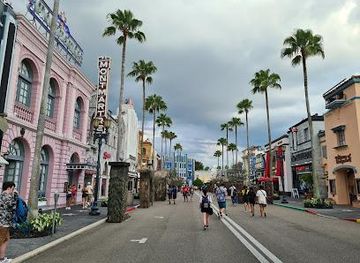
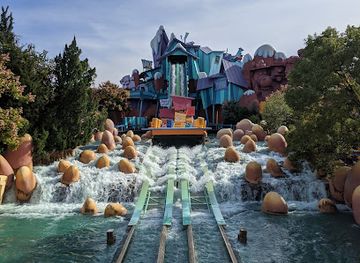
Orlando’s principal attractions range from immense purpose-built entertainment complexes to quieter cultural and natural spaces. Walt Disney World Resort and Universal Orlando Resort lie outside the city limits but dominate the wider region with themed lands, rides, shows and carefully designed environments; SeaWorld Orlando adds marine-themed attractions and large-scale performances. Within Orlando, Lake Eola Park offers a central walking loop, swan boats and skyline views, while Harry P. Leu Gardens provides a more tranquil succession of tropical and subtropical planting. The Orlando Museum of Art presents changing exhibitions alongside its permanent collections, and the Charles Hosmer Morse Museum in nearby Winter Park is notable for its Tiffany glass. ICON Park and the surrounding International Drive concentrate entertainment, dining and observation experiences, whereas the Audubon Park Garden District and Mills 50 reveal a more local side through independent shops, cafés and restaurants.
-
Theme park
Universal Orlando Resort
Experience the thrill and magic at Universal Orlando Resort, where adventure awaits around every corner with epic rides and beloved characters.
31 min drive · 11 km from city centre
-
Theme park
Universal Orlando Resort
Experience the thrill and magic of Universal Orlando Resort, where adventure meets entertainment in the heart of Florida.
31 min drive · 11 km from city centre
-
Tourist attraction
Universal Studios Florida
Experience the magic of movies at Universal Studios Florida, where thrilling rides and beloved characters await in a world of adventure.
31 min drive · 11 km from city centre
-
Tourist attraction
Universal Studios Florida
Discover the thrills and excitement at Universal Studios Florida, where movies come to life with amazing rides and attractions for all ages.
31 min drive · 11 km from city centre


Best landmarks in Orlando
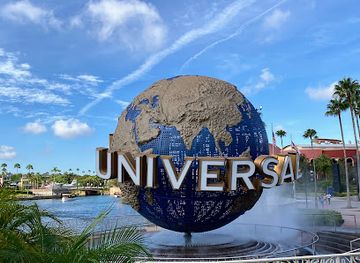
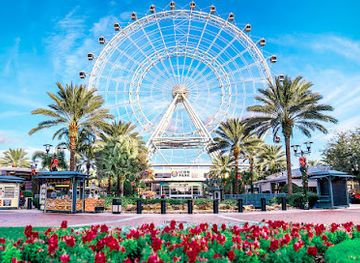
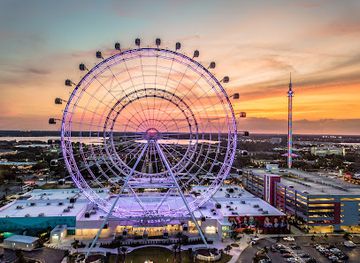
Orlando’s landmarks express a city shaped by lakes, civic growth and modern entertainment. Lake Eola’s central fountain and broad park form one of the city’s most recognisable urban settings, framed by downtown towers and the Walt Disney Amphitheater. The Orange County Regional History Center occupies the former nineteenth-century courthouse, linking the contemporary centre with the area’s civic and agricultural past. Nearby, the Cathedral Church of St Luke is an important Episcopal landmark, while the Church Street Station area recalls the role of railways in Orlando’s rise as a commercial centre. The Wells’Built Museum of African American History and Culture preserves the story of Black Orlando and the former South Street district, including the building’s historic hotel association. Outside the centre, Winter Park’s Park Avenue and Rollins College provide a contrasting architectural and cultural landscape, while the giant observation wheel at ICON Park represents the newer, entertainment-led image of the International Drive corridor.
-
Theme park
Universal Orlando Resort
Experience the thrill and magic of Universal Orlando Resort, where adventure awaits around every corner in this iconic theme park destination.
31 min drive · 11 km from city centre
-
 Theme park
Universal Studios Florida
Discover the ultimate adventure at Universal Studios Florida, where thrilling rides and magical experiences await in a world of movies and entertainment.
31 min drive · 11 km from city centre
-
Tourist attraction
ICON Park
Experience the excitement of ICON Park in Orlando, where entertainment, dining, and shopping come together for an unforgettable adventure.
34 min drive · 14 km from city centre
-
Ferris wheel
The Wheel at ICON Park
Discover the breathtaking views of Orlando from The Wheel at ICON Park, a stunning Ferris wheel experience that elevates your adventure.
34 min drive · 14 km from city centre
Explore Orlando on the map
Plan your Orlando trip on one map. See where the top attractions, landmarks, restaurants, bars and hotels are, find what's near where you're staying, and book hotels and experiences in a few clicks.
Neighbourhoods in Orlando
-

-

-


Swipe for more neighbourhoods
Best hotels in Orlando
Best restaurants in Orlando
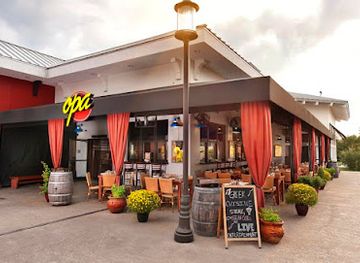
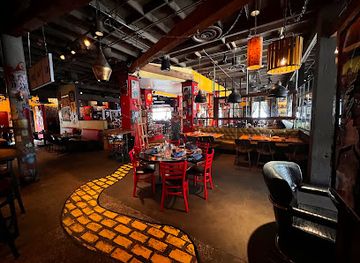
Orlando’s dining scene reflects the city’s international population, tourism economy and Central Florida setting. Puerto Rican, Cuban, Dominican, Vietnamese, Korean, Brazilian and other Latin American and Asian cuisines are especially visible, with Mills 50, the Milk District, Colonial Drive and parts of Winter Park offering strong concentrations of independent restaurants. Barbecue, seafood, burgers and Southern-influenced cooking sit alongside chef-led contemporary menus, while resort districts provide an enormous range of themed and international dining. Vietnamese restaurants and bakeries are a notable part of the Mills 50 landscape, and the city’s many cafés and food halls support a casual eating culture between larger attractions. Farmers’ markets and specialist shops offer seasonal produce, baked goods and prepared foods, while Orlando’s craft-beer scene has encouraged taprooms and brewery kitchens across several neighbourhoods. Reservations may be useful for sought-after restaurants, but the city also has substantial informal dining.
-
Fast Food
McDonald's
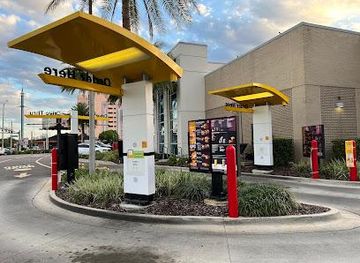
Orlando's mega McDonald's: World's largest PlayPlace, arcade thrills, unique eats like pizza & cheesesteaks—24/7 family fun near theme parks.
33 min drive · 13 km from city centre
-
Restaurant
Pointe Orlando
Discover the ultimate dining and entertainment hub at Pointe Orlando with vibrant nightlife and diverse culinary experiences.
35 min drive · 15 km from city centre
-
Tapas
Café Tu Tu Tango
Discover culinary creativity at Café Tu Tu Tango in Orlando - where art meets flavor in a vibrant tapas dining experience.
34 min drive · 14 km from city centre
-
New American
Yard House
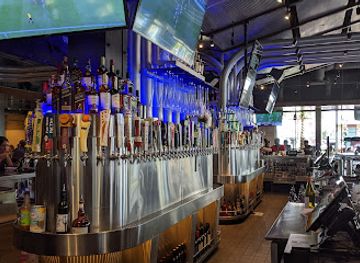
Experience vibrant New American dining at Yard House in Orlando with extensive craft beer options and a lively sports bar atmosphere.
34 min drive · 14 km from city centre
Best bars in Orlando
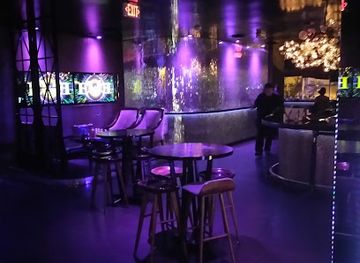
Orlando’s evening life is divided between downtown entertainment, resort-oriented nightlife and neighbourhood bars. Church Street and the blocks around Orange Avenue contain sports bars, cocktail venues, live music and late-night establishments, while Wall Street Plaza is known for concentrated bar activity. Thornton Park, Ivanhoe Village, the Milk District and Mills 50 offer a more local mixture of breweries, wine bars, lounges and independent venues. International Drive and the major resorts cater to visitors with themed entertainment, dinner shows and large-scale evening productions rather than a single continuous club district. The Dr Phillips Center for the Performing Arts presents theatre, music and dance, and the Amway Center hosts concerts and sporting events. Orlando also has a significant LGBTQ+ nightlife presence, particularly around downtown venues. Florida law and individual venues govern alcohol service and entry, so identification and current venue policies matter.
-
Live music bar
Howl at the Moon Orlando
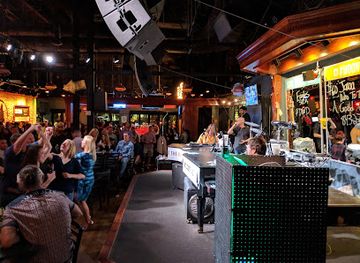
Discover the electrifying atmosphere of Howl at the Moon Orlando, where live music and vibrant nightlife come together for an unforgettable experience.
34 min drive · 14 km from city centre
-
Cocktail bar
Mathers Social Gathering
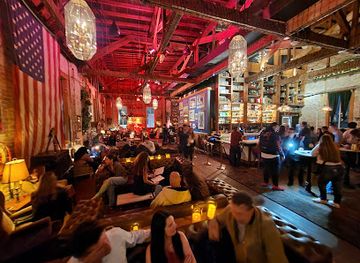
Discover Mathers Social Gathering, Orlando's cocktail bar where unique drinks meet a stylish atmosphere for memorable evenings.
5 min walk · 0.4 km from city centre
-
Bar
1-up Orlando
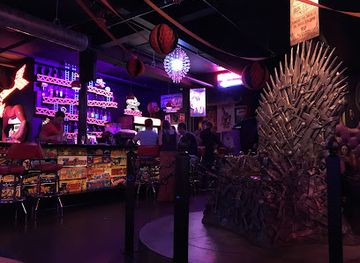
Discover the vibrant nightlife at 1-Up Orlando, a lively bar in the heart of the city, offering a unique blend of great drinks and entertainment.
3 min walk · 0.3 km from city centre
-
Bar
Cocktails & Screams
Discover Orlando's vibrant nightlife at Cocktails & Screams, a unique bar offering eclectic cocktails and a lively atmosphere for unforgettable nights.
5 min walk · 0.4 km from city centre
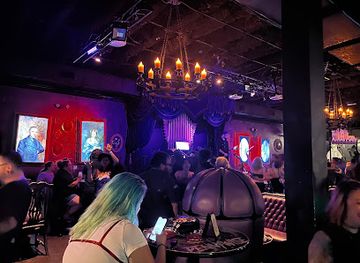
Best nightclubs in Orlando
Orlando’s evening life is divided between downtown entertainment, resort-oriented nightlife and neighbourhood bars. Church Street and the blocks around Orange Avenue contain sports bars, cocktail venues, live music and late-night establishments, while Wall Street Plaza is known for concentrated bar activity. Thornton Park, Ivanhoe Village, the Milk District and Mills 50 offer a more local mixture of breweries, wine bars, lounges and independent venues. International Drive and the major resorts cater to visitors with themed entertainment, dinner shows and large-scale evening productions rather than a single continuous club district. The Dr Phillips Center for the Performing Arts presents theatre, music and dance, and the Amway Center hosts concerts and sporting events. Orlando also has a significant LGBTQ+ nightlife presence, particularly around downtown venues. Florida law and individual venues govern alcohol service and entry, so identification and current venue policies matter.
-
Night club
Mango's Tropical Cafe Orlando
Discover the ultimate nightlife experience at Mango's Tropical Cafe Orlando, where dining meets entertainment in a colorful tropical setting.
34 min drive · 14 km from city centre
-
Lounge
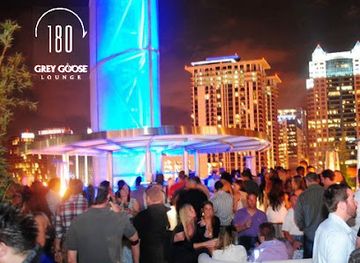
One80 Skytop Lounge
Experience Orlando's nightlife from above at One80 Skytop Lounge, where stunning views and vibrant atmosphere meet innovative cocktails.
5 min walk · 0.4 km from city centre
-
Night club
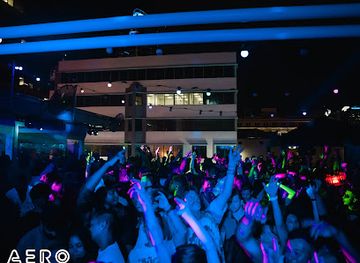
Aero Rooftop Bar & Lounge
Experience the vibrant nightlife at Aero Rooftop Bar & Lounge in Orlando, featuring stunning views and exquisite cocktails for an unforgettable evening.
7 min walk · 0.5 km from city centre
-
Night club
EVE Orlando
Experience the ultimate nightlife at EVE Orlando, where electrifying music meets vibrant atmosphere in the heart of Central Florida.
4 min walk · 0.3 km from city centre
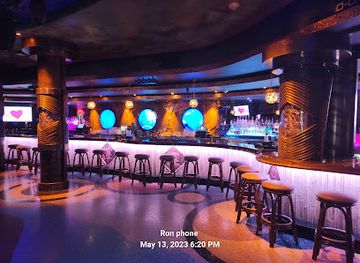
Best shops in Orlando
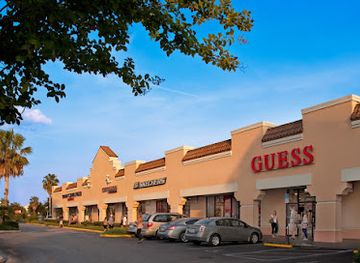
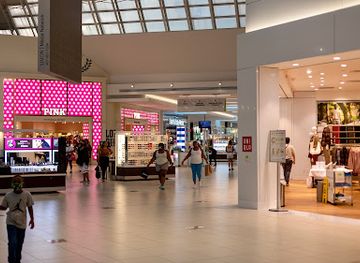
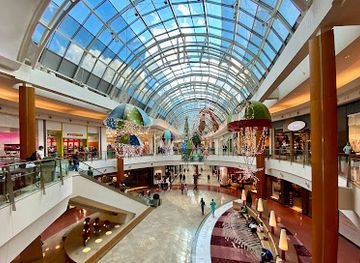
Shopping in Orlando ranges from large resort-oriented complexes to independent neighbourhood stores and speciality markets. The Mall at Millenia and nearby outlets provide a broad selection of national and international brands, while the Orlando International Premium Outlets and Orlando Vineland Premium Outlets are major destinations for outlet shopping outside the historic core. Winter Park’s Park Avenue is better suited to galleries, design shops, boutiques and carefully presented independent retailers, with Hannibal Square adding further local businesses. East End Market in the Audubon Park area brings together food producers, makers and small enterprises, reflecting Orlando’s interest in regional craft and culinary products. Visitors will find Florida-themed goods, citrus products, hot sauces, sweets, handmade items and professional sports merchandise, though the city’s shopping culture is primarily contemporary rather than based on a historic craft market. Distances between centres are substantial, making location and transport important when planning a shopping day.
-
Outlet mall
Orlando Outlet Marketplace
Explore amazing deals on top brands at the Orlando Outlet Marketplace, a premier shopping destination for tourists in Florida.
31 min drive · 11 km from city centre
-
Shopping mall
The Florida Mall
Discover a shopping haven at The Florida Mall, where over 250 stores, diverse dining, and family-friendly entertainment await in Orlando.
30 min drive · 10 km from city centre
-
Shopping mall
The Mall at Millenia
Discover luxury shopping, dining, and entertainment at The Mall at Millenia, Orlando's premier destination for high-end retail therapy.
23 min drive · 7.7 km from city centre
-
Outlet mall
Orlando International Premium Outlets
Discover unbeatable deals and a vibrant shopping experience at Orlando International Premium Outlets, a must-visit destination for every tourist.
30 min drive · 10 km from city centre

Get your free copy of our complete guide to Orlando, delivered straight to you.
Everything on this page, from attractions and restaurants to essentials and local phrases, in one PDF you can read offline, print or share.
Already have an account? Sign in
Your Orlando guide is ready.
We'll send it to · Not you? Sign out

Getting your guide ready…
We are putting together a fresh copy of the Orlando guide. This can take up to a minute.
This can take a few moments. If your browser asks, choose Allow so the download can start. You'll find the guide in your Downloads folder.
Nothing happened? Download it again
Sorry, the guide is taking longer than usual. Please try again in a minute, or get it by email instead.
Orlando essentials
Currency and Payment
Safety
Emergency Situations
Do's and Don'ts
Local Tips
From Eve
Local phrases worth knowing
You don't need to get them perfect. A few words go a long way, and locals appreciate the effort.
Basics
| English | Local | Say it |
|---|---|---|
| Hello | Howdy | [haw-dee] |
| Goodbye | See ya later | [see yuh lay-tur] |
| Yes | Yep | [yep] |
| No | Nah | [nah] |
| Please/You're welcome | Please/No problem | [pleez/no problum] |
| Thank you | Thanks | [thanks] |
| Excuse me/Sorry | Pardon me/My bad | [par-dun me/my bad] |
| How are you? | How's it going? | [hows it go-in?] |
| Fine. And you? | Good. You? | [good. yuh?] |
| Do you speak English? | Ya speak English? | [yah speak ing-glish?] |
| I don't understand | I'm lost | [im lost] |
Eating & Drinking
| English | Local | Say it |
|---|---|---|
| I'd like to see the menu, please | Can I check out the menu? | [can eye chek out the men-yoo?] |
| I don't eat meat | I don't do meat | [eye dont do meat] |
| Cheers! | Cheers! | [cheers!] |
| I would like to pay, please | Can I settle up? | [can eye set-tul up?] |
Emergencies
| English | Local | Say it |
|---|---|---|
| Help! | Help! | [help!] |
| Go away! | Get lost! | [get lost!] |
| Call the Police! | Call the cops! | [call the cops!] |
| Call a doctor! | Get a doc! | [get a doc!] |
| I'm lost | I'm lost | [im lost] |
| I'm ill | I'm sick | [im sik] |
Shopping
| English | Local | Say it |
|---|---|---|
| I'd like to buy... | I wanna get... | [i wanna get...] |
| I'm just looking | Just browsing | [just brows-ing] |
| How much is it? | What's the damage? | [whats the dam-ij?] |
| That's too expensive | That's steep | [thats steep] |
| Can you lower the price? | Can ya do any better? | [can yuh do any bet-ter?] |
Time & Numbers
| English | Local | Say it |
|---|---|---|
| What time is it? | What's the time? | [whats the time?] |
| It's one o'clock | It's one | [its one] |
| Half past (10) | Ten-thirty | [ten-thur-ty] |
| Morning | Morning | [morning] |
| Afternoon | Afternoon | [after-noon] |
| Evening | Evening | [even-ing] |
| Yesterday | Yesterday | [yes-ter-day] |
| Today | Today | [to-day] |
| Tomorrow | Tomorrow | [to-mor-row] |
| 1 | One | [wun] |
| 2 | Two | [too] |
| 3 | Three | [three] |
| 4 | Four | [four] |
| 5 | Five | [five] |
| 6 | Six | [six] |
| 7 | Seven | [seven] |
| 8 | Eight | [aight] |
| 9 | Nine | [nine] |
| 10 | Ten | [ten] |
Transport & Directions
| English | Local | Say it |
|---|---|---|
| Where's a/the...? | Where's the... | [wheres the] |
| What's the address? | What's the address? | [whats the address?] |
| Can you show me (on the map)? | Can you show me (on the map)? | [can yuh show me (on the map)?] |
| When's the next (bus)? | When's the next (bus)? | [whens the next (bus)?] |
| A ticket (to ....) | A ticket (to ....) | [a ticket (to)] |
History of Orlando
Indigenous Central Florida
The Orlando area has a long history before the arrival of American settlers. Indigenous peoples, including ancestors associated with the Timucua and later the Seminole world, lived across Central Florida’s forests, wetlands and lake country, using waterways and seasonal resources for travel and sustenance. European colonisation, disease, warfare and displacement severely disrupted these communities. By the nineteenth century, the region was part of a contested frontier shaped by the Seminole Wars and the expansion of the United States into Florida. The lakes and wetlands that now appear as recreational landscapes were therefore also important living environments, corridors and places of conflict long before Orlando became a tourism centre.
Fort Gatlin and Early Settlement
A United States military post known as Fort Gatlin was established near Lake Conway in 1838 during the Second Seminole War, south of present-day Orlando. Permanent American settlement expanded after the conflict, and the community that developed around the region’s lakes and sandy central plain was first known as Jernigan, after one of its early settlers. The settlement was renamed Orlando in 1857, although the origin of that name remains debated. Agriculture, cattle and citrus gradually became important to the local economy, while roads and later railways connected the growing community with other parts of Florida. Orange County was created in 1845, helping establish the administrative framework for the area’s subsequent development.
Railways and the Citrus Economy
Rail connections in the late nineteenth century accelerated Orlando’s growth by linking Central Florida with coastal ports and larger markets. Citrus became a defining industry, supported by the region’s climate and expanding transport network, while hotels, shops and civic institutions followed the commercial expansion. Orlando incorporated as a town in 1875 and became a city in 1885. The devastating freezes of 1894 and 1895 damaged citrus groves across Central Florida and demonstrated the vulnerability of a single-crop economy, but cultivation recovered in changed locations and remained central to the region’s identity. Downtown streets, early civic buildings and surviving residential areas reflect this period of town-building before mass tourism transformed the landscape.
Growth in the Twentieth Century
During the first half of the twentieth century, Orlando developed as an inland commercial and governmental centre, with agriculture, tourism and military activity contributing to its economy. The opening of nearby military facilities during the Second World War brought new employment and infrastructure, while post-war population growth encouraged suburban expansion. Roads became increasingly significant as private car ownership rose, and the city spread beyond its original downtown core. Civil rights struggles also shaped Orlando, as elsewhere in the United States, challenging segregation and unequal access to public life. The emergence of established African American communities and institutions remains an important part of the city’s social history, even as later redevelopment altered many older neighbourhoods.
The Arrival of Walt Disney World
The opening of Walt Disney World in 1971, in the Lake Buena Vista area southwest of Orlando, changed Central Florida’s economy and physical geography. Although the resort is not within the city of Orlando, its arrival established the wider metropolitan area as an international leisure destination and stimulated hotel, restaurant, construction and transport development. Universal Studios Florida followed in 1990, and other major attractions expanded the visitor economy along the International Drive and Interstate 4 corridors. Tourism brought substantial employment and population growth, while also increasing pressure on roads, housing, water resources and wetlands. Orlando’s modern identity consequently became closely linked to a regional resort landscape extending well beyond its municipal boundaries.
A Diverse Contemporary City
Since the late twentieth century, Orlando has continued to grow as a centre for tourism, healthcare, education, technology, conventions and the arts. Downtown redevelopment introduced new cultural and sporting venues, while districts such as Thornton Park, Mills 50 and Ivanhoe Village developed distinctive dining, entertainment and independent business scenes. The metropolitan area has attracted residents from across the United States and from Latin America, the Caribbean and many other parts of the world, giving the city a notably international social character. Orlando’s contemporary history has also been marked by profound loss, including the 2016 Pulse nightclub shooting, after which remembrance, LGBTQ+ advocacy and community solidarity became prominent parts of the city’s civic identity.
Orlando in Photos
Browse through our photo collection highlighting the charm and character of the destination.
Cities near Orlando
The closest cities to Orlando, if you have time for more than one stop.
-

-

-

-
-


Swipe for more cities
Explore more

Explore more of Florida
Discover Florida: A Sunshine State full of dazzling beaches, iconic theme parks, rich history, and stunning natural parks, offering endless adventures for every traveler.
Explore Florida