

Downtown Orlando (Orlando) Travel Guide - Free
Explore Downtown Orlando in Orlando with Evendo's free guide. Find the best shops, historic streets, restaurants, and gems on web or mobile.


Downtown Orlando blends Lake Eola's skyline, historic Church Street, museums, live arts, restaurants and nightlife in Florida's urban core year-round.
Orlando’s Civic and Cultural Centre
Downtown Orlando is the city’s most concentrated urban district, arranged around the broad waters of Lake Eola and the north–south corridor of Orange Avenue. Its skyline of offices, apartments and hotels rises above a street plan that still reflects the early commercial city, while Church Street remains a historic east–west axis linking the central business district with the neighbourhood’s entertainment venues. The area is compact by Orlando standards, making it possible to move between parks, museums, theatres, restaurants and sports venues on foot, although wide roads and intense summer heat shape the experience.Read more about Downtown Orlando
Lake Eola and Everyday City Life
Historic Streets and Evening Energy
Best attractions in Downtown Orlando
Lake Eola Park is Downtown Orlando’s defining attraction, with a paved loop, lawns, city views, the Walt Disney Amphitheater and opportunities to see the park’s well-known white swans. The Orange County Regional History Center, housed in the former courthouse, provides a substantial introduction to Central Florida’s Indigenous past, citrus economy, tourism and urban development. Church Street Station offers a glimpse of the city’s railway-era commercial centre, while the Dr Phillips Center for the Performing Arts presents theatre, dance, music and touring productions in a contemporary complex. The Orlando Public Library is another notable civic space, particularly for its architecture and public programming. On event days, the Kia Center adds a major sports and concert focus, while the surrounding streets become part of the experience through restaurants, public art and pedestrian movement.
-
Park
Lake Eola Park
Explore the beauty of Lake Eola Park, a serene urban oasis in downtown Orlando with swan boats, walking paths, and vibrant community events.
4 min walk · 0.3 km from neighbourhood centre
-
History museum
Orange County Regional History Center
Explore the Orange County Regional History Center: A captivating journey through Orlando's rich history and culture awaits you.
5 min walk · 0.4 km from neighbourhood centre
-
Tour agency
American Ghost Adventures #1 rated and longest running ghost tour in the area
Experience the thrill of the most popular ghost tour in Orlando, exploring haunted tales and historical landmarks with American Ghost Adventures.
9 min walk · 0.7 km from neighbourhood centre
-
Art gallery
CityArts
Discover the vibrant world of contemporary art at CityArts, Orlando's premier art gallery in the heart of Downtown.
4 min walk · 0.3 km from neighbourhood centre


Best landmarks in Downtown Orlando
Lake Eola is Downtown Orlando’s principal civic landmark, its broad basin and illuminated fountain providing a visual centre for the surrounding skyline. The Orange County Regional History Center occupies the former Orange County Courthouse, a substantial historic building that links the present district with the institutions of earlier Orlando. Church Street Station preserves the name and setting associated with the railway’s role in developing the city’s commercial centre, even though the surrounding area has been extensively adapted for modern use. The Rogers Building, an early twentieth-century commercial structure on West Church Street, is another reminder of the downtown business district before high-rise offices dominated the skyline. The Cathedral Church of St Luke and the nearby Dr Phillips Center represent different phases of civic and cultural development, while the Kia Center demonstrates the scale of contemporary event-led downtown investment.
-
Park
Lake Eola Park
Experience the beauty of nature and vibrant community events at Lake Eola Park, Orlando's premier urban oasis.
4 min walk · 0.3 km from neighbourhood centre
-
History museum
Orange County Regional History Center
Explore the fascinating history of Orlando at the Orange County Regional History Center, a must-visit museum for history enthusiasts and curious travelers alike.
5 min walk · 0.4 km from neighbourhood centre
-
Historical landmark
Historic Angebilt Hotel
Experience the rich history and architectural beauty of the Historic Angebilt Hotel, a must-see landmark in downtown Orlando, Florida.
6 min walk · 0.5 km from neighbourhood centre
-
Tourist attraction
Downtown Orlando
Explore the dynamic Downtown Orlando, where vibrant culture, diverse dining, and exciting nightlife converge in the heart of Florida.
10 min walk · 0.8 km from neighbourhood centre


Explore Downtown Orlando on the map
A handpicked selection of must-see spots in Downtown Orlando, mapped for you.
Best hotels in Downtown Orlando
Best restaurants in Downtown Orlando
Downtown Orlando’s dining scene is concentrated around Orange Avenue, Church Street and the blocks surrounding Lake Eola, with a mixture of independent restaurants, hotel dining rooms, cafés, bars and event-oriented venues. Church Street’s historic setting supports a range of casual meals and evening dining, while the central business district has quick breakfast and lunch options for office workers alongside more leisurely restaurants. The area is also home to established names such as Kres Chophouse, known for its steakhouse format in a historic downtown building, and The Boheme at the Grand Bohemian Hotel, where dining is connected to the hotel’s art-led interior. Menus and businesses change, so visitors should check current listings rather than rely on an old directory. Large performances and games can make advance planning useful around the Dr Phillips Center and Kia Center.
-
Steak
Kres Chophouse
Experience exceptional fine dining at Kres Chophouse in Orlando - where prime steaks meet elegant atmosphere for unforgettable meals.
6 min walk · 0.5 km from neighbourhood centre
-
American
The Stubborn Mule
Discover The Stubborn Mule: Orlando's favorite spot for American cuisine and innovative cocktails in a vibrant setting.
5 min walk · 0.4 km from neighbourhood centre
-
Hamburger
Hamburger Mary's
Experience delicious burgers and vibrant entertainment at Hamburger Mary's in Orlando's Central Business District.
8 min walk · 0.7 km from neighbourhood centre
-
Colombian
Super Rico Colombian Restaurant & Bar
Discover flavorful Colombian cuisine at Super Rico Restaurant & Bar in Orlando – an affordable culinary adventure awaits!
8 min walk · 0.6 km from neighbourhood centre


Best bars in Downtown Orlando
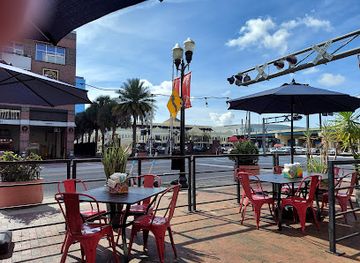
Downtown Orlando’s evening life is centred on the Church Street and Orange Avenue corridors, where cocktail bars, beer-focused venues, hotel lounges and late-night meeting places sit among restaurants and entertainment spaces. Wall Street Plaza is a recognised cluster of bars and outdoor gathering areas, while the historic Church Street setting gives nearby venues a connection to the city’s railway-era commercial core. The district’s nightlife is not limited to clubs: performances at the Dr Phillips Center, concerts at the Walt Disney Amphitheater and events at the Kia Center can shape the evening and bring substantial crowds. Thornton Park, on the eastern side of the wider downtown area, adds cafés and bars in a more neighbourhood-scaled setting. Noise, closing arrangements and venue access vary, particularly during ticketed events, so current information is essential.
-
Bar
Cocktails & Screams
Experience the thrilling ambiance and unique cocktails of Cocktails & Screams, Orlando's spookiest nightlife destination.
7 min walk · 0.6 km from neighbourhood centre
-
Bar
AC Sky Bar
Experience breathtaking views and exquisite cocktails at AC Sky Bar, Orlando's premier rooftop bar destination for unforgettable nights.
9 min walk · 0.7 km from neighbourhood centre
-
Bar
Tanqueray's Bar & Grille
Discover the vibrant nightlife at Tanqueray's Bar & Grille in Orlando, where live music and a vast drink selection await you.
6 min walk · 0.5 km from neighbourhood centre
-
Bar
Chillers
Experience the vibrant nightlife at Chillers in Orlando, a lively bar and nightclub with a rooftop terrace and diverse drink options.
7 min walk · 0.5 km from neighbourhood centre


Best nightclubs in Downtown Orlando
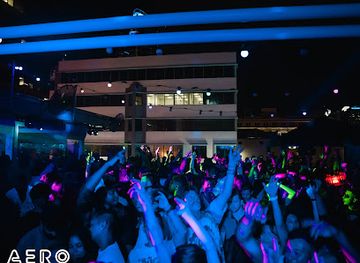
Downtown Orlando’s evening life is centred on the Church Street and Orange Avenue corridors, where cocktail bars, beer-focused venues, hotel lounges and late-night meeting places sit among restaurants and entertainment spaces. Wall Street Plaza is a recognised cluster of bars and outdoor gathering areas, while the historic Church Street setting gives nearby venues a connection to the city’s railway-era commercial core. The district’s nightlife is not limited to clubs: performances at the Dr Phillips Center, concerts at the Walt Disney Amphitheater and events at the Kia Center can shape the evening and bring substantial crowds. Thornton Park, on the eastern side of the wider downtown area, adds cafés and bars in a more neighbourhood-scaled setting. Noise, closing arrangements and venue access vary, particularly during ticketed events, so current information is essential.
-
Lounge
One80 Skytop Lounge
Experience breathtaking views and vibrant nightlife at One80 Skytop Lounge in Orlando, your ultimate rooftop retreat.
11 min walk · 0.9 km from neighbourhood centre
-
Night club
Aero Rooftop Bar & Lounge
Discover the vibrant nightlife at Aero Rooftop Bar & Lounge, offering stunning views, crafted cocktails, and a lively atmosphere in Orlando.
6 min walk · 0.5 km from neighbourhood centre
-
Night club
EVE Orlando
Experience the thrilling nightlife of Orlando at EVE, the ultimate destination for unforgettable parties and events in the heart of the city.
6 min walk · 0.5 km from neighbourhood centre
-
Night club
The Patio
Experience the vibrant nightlife of Orlando at The Patio, a lively night club and bar that promises unforgettable moments and great music.
7 min walk · 0.5 km from neighbourhood centre


Best shops in Downtown Orlando
Shopping in Downtown Orlando is more urban and occasional than destination retail, with convenience stores, cafés, independent businesses, hotel boutiques and specialist outlets distributed through the central blocks rather than concentrated in a single traditional market. Church Street and Orange Avenue are the most useful areas to browse while sightseeing, particularly when restaurants and event venues are also open. The central business district has weekday-oriented services, while the vicinity of Lake Eola offers small-scale retail and food stops rather than a large shopping complex. The Orange County Regional History Center and cultural venues provide opportunities to buy books, gifts and locally themed items connected with Central Florida, subject to current stock. Visitors seeking major fashion, outlet or luxury shopping will generally need to travel beyond Downtown Orlando to larger retail centres elsewhere in the metropolitan area.
-
Shopping mall
Downtown Orlando
Experience the energy and excitement of Downtown Orlando, a premier shopping, dining, and cultural destination in the heart of Florida.
6 min walk · 0.5 km from neighbourhood centre
-
Boutique
Lauren Nicole
Discover unique fashion and accessories at Lauren Nicole Boutique in Northeast Orlando, the perfect shopping stop for tourists seeking local style.
3 min walk · 0.3 km from neighbourhood centre
-
Gift shop
Honey House Vintage
Explore Honey House Vintage, a captivating gift shop in Northeast Orlando, blending vintage clothing with unique home goods for an unforgettable shopping experience.
8 min walk · 0.6 km from neighbourhood centre
-
Shoe store
Lovely Kickz Boutique
Explore fashion-forward footwear and trendy apparel at Lovely Kickz Boutique, a stylish gem in the heart of Orlando's Central Business District.
6 min walk · 0.5 km from neighbourhood centre


Downtown Orlando essentials
Getting There
Getting Around
Safety
Emergency Situations
Do's and Don'ts
Local Tips

From Eve
Local phrases worth knowing
You don't need to get them perfect. A few words go a long way, and locals appreciate the effort.
Basics
| English | Local | Say it |
|---|---|---|
| Hello | Hey | [hey] |
| Goodbye | Later | [lay-ter] |
| Yes | Yeah | [yeh] |
| No | Nah | [nah] |
| Please/You're welcome | Please | [pleez] |
| Thank you | Thanks | [thanks] |
| Excuse me/Sorry | Sorry | [sor-ee] |
| How are you? | How you doin'? | [how yoo doo-in] |
| Fine. And you? | Good. You? | [good. yoo?] |
| Do you speak English? | You speak English? | [yoo speak ing-glish?] |
| I don't understand | I don't get it | [I don't get it] |
Eating & Drinking
| English | Local | Say it |
|---|---|---|
| I'd like to see the menu, please | Menu, please | [men-yoo, please] |
| I don't eat meat | No meat | [no meet] |
| Cheers! | Cheers! | [cheers] |
| I would like to pay, please | Check, please | [chek, please] |
Emergencies
| English | Local | Say it |
|---|---|---|
| Help! | Help! | [help!] |
| Go away! | Leave me be! | [leave me bee!] |
| Call the Police! | Police! | [po-leece!] |
| Call a doctor! | Doctor! | [doc-tor!] |
| I'm lost | Lost | [lost] |
| I'm ill | Sick | [sick] |
Shopping
| English | Local | Say it |
|---|---|---|
| I'd like to buy... | I wanna buy... | [I wanna buy...] |
| I'm just looking | Just looking | [just look-ing] |
| How much is it? | How much? | [how much?] |
| That's too expensive | Too much | [too much] |
| Can you lower the price? | Lower price? | [low-er price?] |
Time & Numbers
| English | Local | Say it |
|---|---|---|
| What time is it? | What time? | [what time?] |
| It's one o'clock | One o'clock | [wun o'clock] |
| Half past (10) | Half past ten | [haff past ten] |
| Morning | Morning | [morn-ing] |
| Afternoon | Afternoon | [af-ter-noon] |
| Evening | Evening | [ee-ven-ing] |
| Yesterday | Yesterday | [yes-ter-day] |
| Today | Today | [to-day] |
| Tomorrow | Tomorrow | [to-mor-row] |
| 1 | One | [wun] |
| 2 | Two | [too] |
| 3 | Three | [three] |
| 4 | Four | [four] |
| 5 | Five | [five] |
| 6 | Six | [six] |
| 7 | Seven | [sev-en] |
| 8 | Eight | [ate] |
| 9 | Nine | [nine] |
| 10 | Ten | [ten] |
Transport & Directions
| English | Local | Say it |
|---|---|---|
| Where's a/the...? | Where's the...? | [wheres the...?] |
| What's the address? | Address? | [ad-dress?] |
| Can you show me (on the map)? | Show me | [show me] |
| When's the next (bus)? | Next bus? | [next bus?] |
| A ticket (to ....) | Ticket | [tick-et] |
History of Downtown Orlando
The Settlement Around Lake Eola
The area now recognised as Downtown Orlando developed around the settlement that became Orlando in the nineteenth century. Lake Eola, a natural sinkhole near the centre of the growing town, became an important geographical reference as streets and civic buildings spread around it. Orlando was incorporated in 1875, and the central district gradually took shape through a mixture of homes, shops, public offices and churches. Orange Avenue emerged as the principal north–south commercial route, while the lake’s open space helped establish a civic focus that remains central to the neighbourhood’s identity.
Railways and the Commercial Centre
Rail connections helped transform Orlando from a small inland settlement into a commercial centre for Central Florida, and the area around Church Street became closely associated with transport, trade and business. The arrival of rail service in the late nineteenth century strengthened links with citrus growers and regional markets, bringing passengers and freight into the centre. Hotels, warehouses, shops and offices followed, creating the commercial streetscape whose surviving buildings and alignments can still be read around Church Street Station and the central business district.
Civic Growth and Urban Renewal
During the twentieth century, Orlando’s central district expanded as Orange County and city institutions established offices, courts, libraries and cultural facilities around the original commercial core. The former Orange County Courthouse, now the Orange County Regional History Center, reflects this civic phase. Like many American downtowns, the area later experienced competition from suburban shopping and office development, followed by efforts to restore activity through public investment, event venues, residential construction and streetscape improvements. These changes produced today’s combination of historic blocks, high-rise development and public waterfront space.
A Contemporary Arts and Events District
Downtown Orlando’s recent identity has been shaped by cultural and entertainment investment. The Dr Phillips Center for the Performing Arts expanded the district’s theatre and concert offer, while the Kia Center and nearby venues brought large sporting and touring events to the central area. Lake Eola Park has continued to function as a civic gathering place, hosting performances and public events alongside everyday recreation. The result is a downtown that serves as an administrative centre during the week and an increasingly residential, cultural and event-oriented district beyond office hours.
Downtown Orlando in Photos
Browse through our photo collection highlighting the charm and character of the destination.
Neighbourhoods near Downtown Orlando
The closest neighbourhoods to Downtown Orlando, if you have time for more than one stop.
-

-


Swipe for more neighbourhoods
Explore more

Explore more of Orlando
Orlando, Florida combines world-famous theme parks with live entertainment, museums, gardens, neighbourhood dining and easy access to Central Florida's lakes.
Explore Orlando