Fontaine Roesselmann, Alsace Wine Route Travel Guide
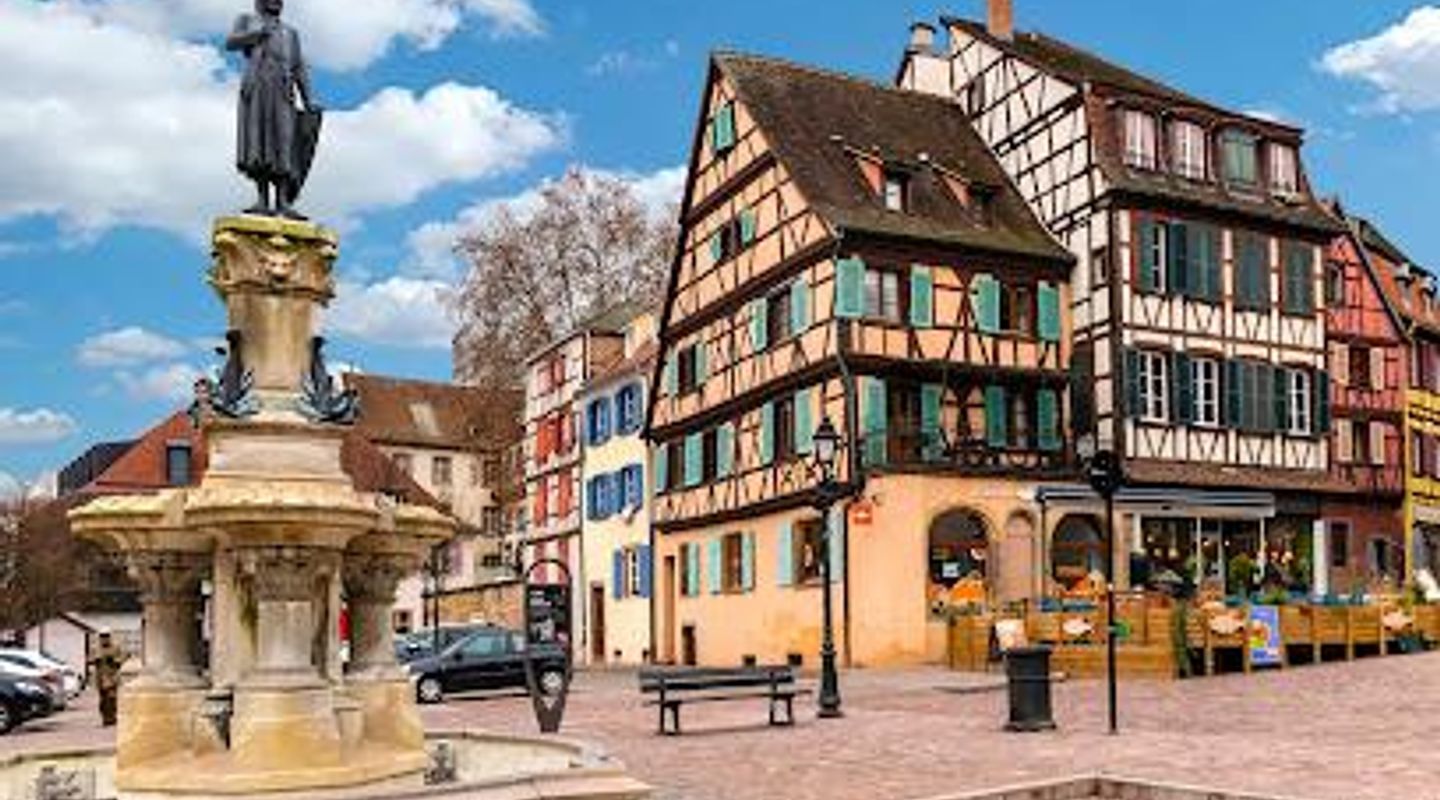
Discover the Fontaine Roesselmann in Colmar, a stunning 19th-century fountain by Auguste Bartholdi, honoring a local hero and showcasing the city's rich history and artistic heritage.
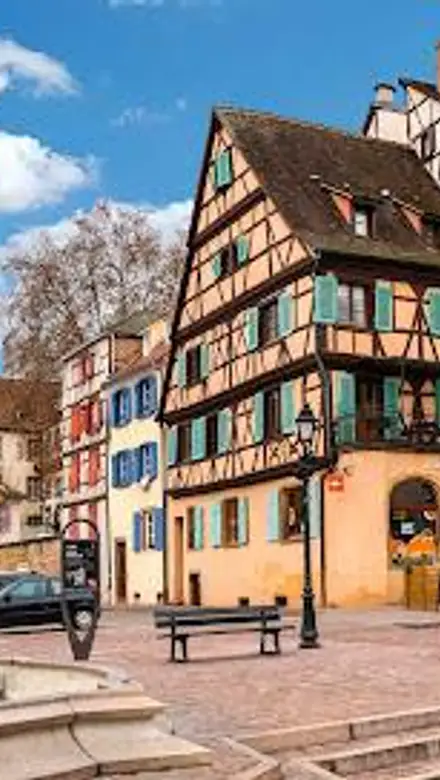
The Fontaine Roesselmann, gracing the Place des 6 Montagnes Noires in Colmar, is a captivating historical landmark. Erected in 1888, this ornate fountain commemorates Jean Roesselmann, a local hero who valiantly defended Colmar against the Bishop of Strasbourg in the 13th century. Sculpted by Auguste Bartholdi, the renowned creator of the Statue of Liberty, the fountain features a bronze statue of Roesselmann, symbolizing the city's resilience and civic pride. The intricate details, including allegorical figures representing the seasons, showcase Bartholdi's artistic mastery. A popular gathering place for locals and tourists, the Fontaine Roesselmann stands as a testament to Colmar's rich heritage and artistic legacy, offering a picturesque setting and a glimpse into the city's vibrant past. Its central location makes it easily accessible and a must-see attraction for anyone exploring Colmar's charming streets and historical sites. The fountain is illuminated at night, enhancing its beauty and making it a delightful sight at any time of day.
A brief summary to Fontaine Roesselmann
- Pl. des 6 Montagnes Noires, Colmar, 68000, FR
- Click to display
- Click to display
- Monday 9 am-6 pm
- Tuesday 9 am-6 pm
- Wednesday 9 am-6 pm
- Thursday 9 am-6 pm
- Friday 9 am-6 pm
- Saturday 9 am-6 pm
- Sunday 10 am-1 pm

Know before you go
Hi, I'm Eve. Here are a few practical things to know before exploring Fontaine Roesselmann.
- Visit during the evening to see the fountain illuminated, creating a magical and picturesque scene.
- Take a stroll around the Place des 6 Montagnes Noires to soak in the atmosphere and admire the surrounding architecture.
- Combine your visit with a trip to the nearby Unterlinden Museum or the charming Little Venice area for a complete Colmar experience.
Do you manage this location?
Take control to get all the benefits, like improved information, better appearance, and stronger visibility across AI-powered discovery. Learn more about listing your business on Evendo
Activate your presenceOther nearby places you may find interesting
The closest places of the same kind, if this one is not quite what you had in mind.


Explore Fontaine Roesselmann on the Map
A handpicked selection of must-see spots near Fontaine Roesselmann, mapped for you.
Unlock the Best of Fontaine Roesselmann
Buy tickets
-
No tickets available
Book tours with entry
-
No tours available


Getting There
-
Walking
Fontaine Roesselmann is centrally located and easily accessible on foot from most points within Colmar's city center. From the Unterlinden Museum, walk east along Rue des Unterlinden, then turn right onto Rue de la Poissonnerie, continuing onto Place des Martyrs de la Résistance. Finally, turn left onto Place des 6 Montagnes Noires. The fountain will be directly ahead. From Colmar train station, walk straight along Avenue de la République, turn right onto Rue de la Gare, then left onto Rue Kléber. Continue onto Place des 6 Montagnes Noires. The walk is approximately 15 minutes. The free 'coeur de ville' electric shuttle stops at Place des 6 Montagnes Noires.
-
Public Transport
The TRACE bus network serves the city of Colmar and its surroundings. Several bus lines stop near Fontaine Roesselmann. Check the TRACE Colmar website or app for the most up-to-date schedules and routes. A single ticket ('Billet a l'Unité') costs €1.50 and is valid for one hour from validation. A 'Billet Alsa + 24 heures Colmar Agglo' costs €3.50 and is valid for 24 hours on all Colmar transport, including trains, buses, and trams.
-
Taxi/Ride-Share
Taxis and ride-sharing services are readily available in Colmar. A short taxi ride from the Colmar train station to Fontaine Roesselmann will cost approximately €7-10, depending on traffic and time of day. Uber and other ride-sharing services also operate in Colmar.
-
Driving
If driving, be aware that parking in the immediate vicinity of Place des 6 Montagnes Noires is limited. Several parking garages are located within a short walking distance, including Parking Six Montagnes Noires. Parking fees typically range from €2-3 per hour.
Discover more about Fontaine Roesselmann













Your all‑in‑one travel companion app
Explore expert travel guides, compare and book tours, experiences, hotels, and more—all from the palm of your hand. Download now for seamless trip planning wherever your wanderlust takes you.


Explore More of Alsace Wine Route
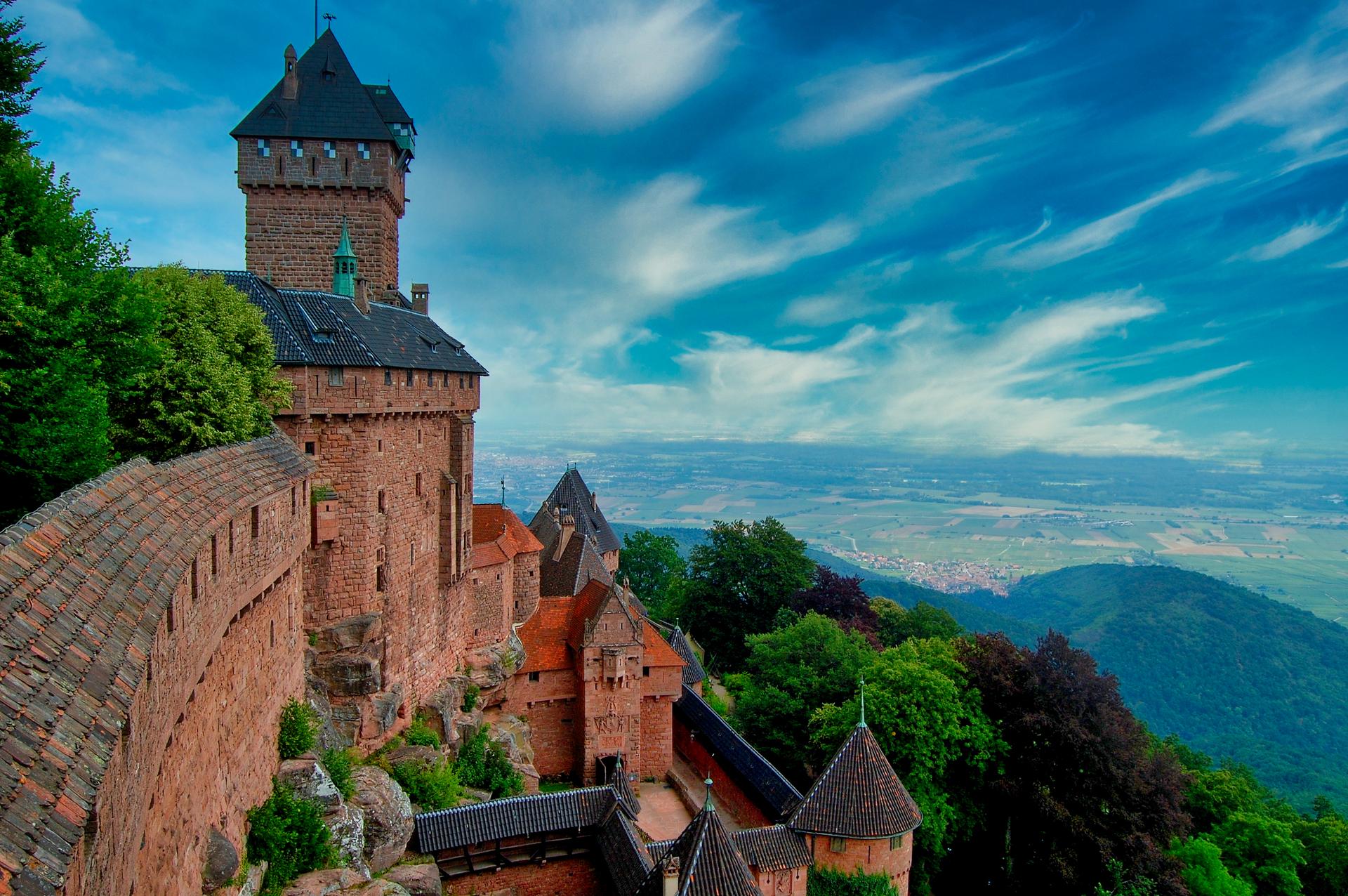
Looking beyond Fontaine Roesselmann? Discover Alsace Wine Route for broader travel guides, local hot-spots, and regional highlights.
Explore Alsace Wine Route
Discover the enchanting Rue des Marchands in Colmar, France, a picturesque street filled with vibrant shops, stunning architecture, and local cuisine.

Discover the enchanting La Petite Venise in Colmar, a picturesque district of canals and colorful half-timbered houses, offering boat tours and a charming glimpse into Alsatian history.