Cloître et Abbaye du Ronceray, Angers Travel Guide
Free Guide: Discover the Cloître et Abbaye du Ronceray in Angers: a captivating blend of Romanesque architecture, rich history, and cultural vibrancy, from its Benedictine roots to its modern-day renaissance.


A brief summary of Cloître et Abbaye du Ronceray
Discover the Cloître et Abbaye du Ronceray in Angers: a captivating blend of Romanesque architecture, rich history, and cultural vibrancy, from its Benedictine roots to its modern-day renaissance.
The Cloître et Abbaye du Ronceray in Angers is a captivating historical site with roots stretching back to the 11th century. Founded in 1028 by Foulques Nerra, Count of Anjou, and his wife Hildegarde, this former Benedictine abbey boasts stunning Romanesque architecture, including the abbey church consecrated in 1119, the first vaulted church of Angers. Over the centuries, it has undergone numerous transformations, serving as a royal school and later the École Nationale Supérieure d'Arts et Métiers (ENSAM). Today, the abbey hosts cultural events and exhibitions, offering visitors a glimpse into its rich past. Explore the serene cloister, admire the intricate carvings, and discover the stories etched within its ancient stones, making it a must-see destination for history enthusiasts and architecture lovers alike. The abbey's blend of architectural styles and its long, varied history make it a unique and enriching experience.
- Address
- Pass. de la Censerie, 49000 Angers
- Phone
Getting there
Public Transport
Walking
Taxi/Ride-Share
Driving
Discover more about Cloître et Abbaye du Ronceray
Overview
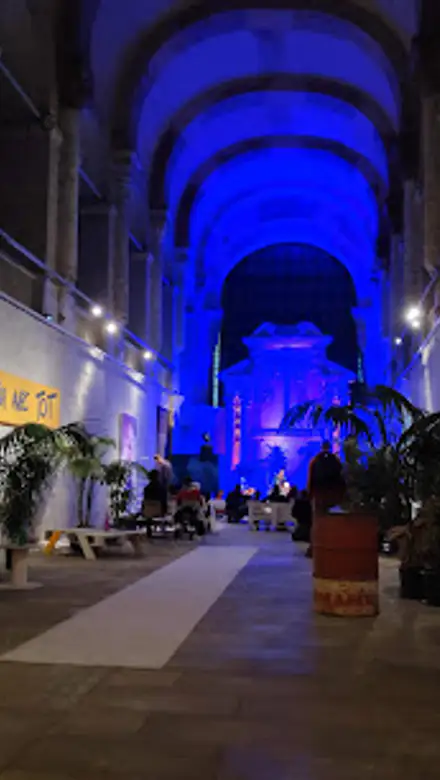
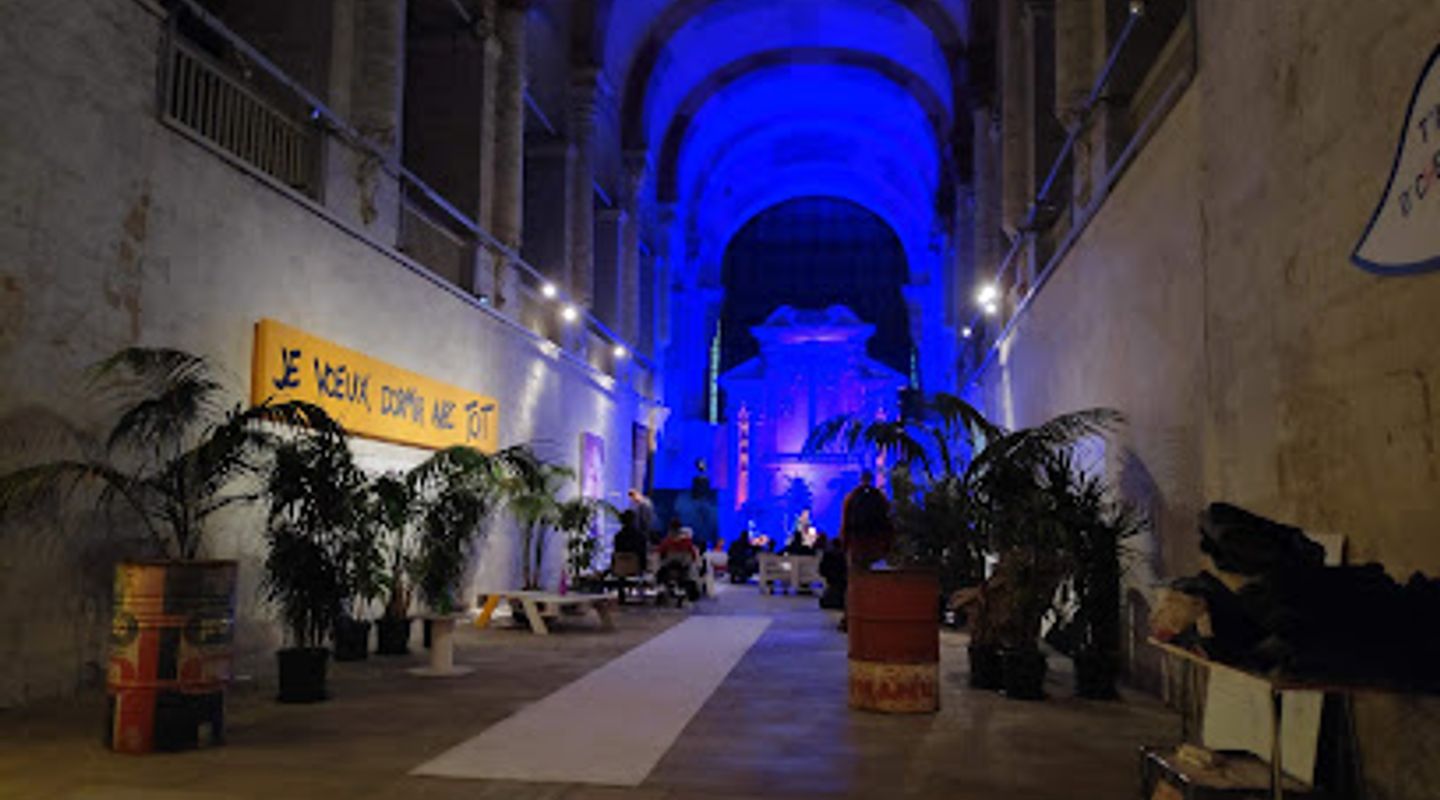
The Cloître et Abbaye du Ronceray, nestled in the heart of Angers, France, stands as a testament to centuries of history, faith, and architectural evolution. Founded in 1028 by Foulques Nerra, the Count of Anjou, and his wife Hildegarde, the Abbaye du Ronceray, originally named Abbaye Notre-Dame-de-la-Charité, began as a Benedictine abbey for women, primarily daughters of nobility. The abbey's story is interwoven with the rich tapestry of Angers, a city steeped in medieval charm and historical significance. The construction of the abbey church commenced around 1060 and was completed by 1119, marking a significant milestone in Romanesque architecture in the region. Consecrated in 1119 by Pope Callixtus III, the church is the first vaulted church in Angers. Its design reflected the architectural styles of the era, characterized by robust structures, rounded arches, and intricate carvings. The abbey quickly became an important religious and cultural center, exerting influence over numerous priories in the region. Over the centuries, the Abbaye du Ronceray underwent several transformations, adapting to the changing tides of history. During the 17th and 18th centuries, the abbey buildings were remodeled and modernized, reflecting the architectural tastes of the time. The cloister was rebuilt by architects Denis Aubry and Pierre Moreau in the mid-17th century, adding a touch of classical elegance to the Romanesque structure. These renovations aimed to enhance the abbey's functionality and aesthetic appeal, ensuring its continued relevance in a rapidly evolving world. However, the French Revolution brought about a dramatic shift in the abbey's fortunes. In the wake of the revolution, the nuns were expelled, and the abbey was repurposed as a military hospital. This marked a significant departure from its original function, signaling the end of its role as a religious institution. The abbey's sacred spaces were transformed into wards and medical facilities, reflecting the urgent needs of a nation embroiled in conflict. In 1815, the Abbaye du Ronceray was allocated to the École Nationale Supérieure d'Arts et Métiers (ENSAM), a prestigious engineering school. This marked a new chapter in the abbey's history, as it transitioned from a place of worship to a center of learning and innovation. The ENSAM adapted the abbey's existing structures to accommodate classrooms, workshops, and laboratories, blending the old with the new. Throughout the 19th and 20th centuries, the ENSAM expanded its presence within the abbey complex, constructing new buildings and modifying existing ones to meet the evolving needs of engineering education. Architects such as Barthélémy Bonjour, Charles-Edmond Isabelle, Charles Berthelot, and Ernest Bricard left their mark on the abbey, contributing to its eclectic mix of architectural styles. Today, the Cloître et Abbaye du Ronceray stands as a remarkable architectural ensemble, showcasing a blend of Romanesque, Gothic, and classical influences. The abbey church, with its soaring vaulted ceilings and intricate carvings, remains a testament to the skill and artistry of medieval craftsmen. The cloister, rebuilt in the 17th century, provides a serene space for contemplation and reflection. Visitors to the Cloître et Abbaye du Ronceray can explore its rich history through guided tours and cultural events. The abbey church hosts concerts, exhibitions, and theatrical performances, bringing life and vibrancy to its ancient spaces. The cloister serves as a venue for outdoor events, offering a unique backdrop for cultural gatherings. The abbey's crypt, linked to the legend of the brambles embracing a statue of the Virgin Mary, adds an air of mystery and intrigue to the site. According to legend, the name "Ronceray" derives from the French word for brambles ("ronces"), commemorating the miraculous discovery of the statue in the 16th century. The Cloître et Abbaye du Ronceray is more than just a historical monument; it is a living, breathing testament to the enduring power of faith, art, and human ingenuity. Its story is one of transformation and adaptation, reflecting the ever-changing currents of history. Whether you are a history buff, an architecture enthusiast, or simply a curious traveler, a visit to the Cloître et Abbaye du Ronceray is sure to leave a lasting impression. As the École Nationale Supérieure d'Arts et Métiers has now vacated the premises, the city of Angers has taken over the site, with plans to further restore and enhance its cultural offerings. This ensures that the Abbaye du Ronceray will continue to be a vibrant and engaging destination for generations to come. The ongoing restoration efforts aim to preserve the abbey's architectural heritage while creating new spaces for cultural events and community engagement. Visiting the Cloître et Abbaye du Ronceray offers a unique opportunity to step back in time and experience the grandeur of medieval France. From its Romanesque origins to its modern-day incarnation as a cultural center, the abbey's story is one of resilience, adaptation, and enduring beauty. Whether you are drawn to its architectural splendor, its historical significance, or its spiritual ambiance, the Cloître et Abbaye du Ronceray is a destination that will captivate your senses and enrich your understanding of the past.
Evendo Review Centre
 Google
Guest reviews
Explore Cloître et Abbaye du Ronceray on the map
A handpicked selection of must-see spots near Cloître et Abbaye du Ronceray, mapped for you.
Get your free copy of our complete guide to Cloître et Abbaye du Ronceray, delivered straight to you.
Everything on this page, from opening hours and how to get there to Eve’s tips and the best time to go, in one PDF you can read offline, print or share.
Already have an account? Sign in
Your Cloître et Abbaye du Ronceray guide is ready.
We'll send it to · Not you? Sign out

Getting your guide ready…
We are putting together a fresh copy of the Cloître et Abbaye du Ronceray guide. This can take up to a minute.
This can take a few moments. If your browser asks, choose Allow so the download can start. You'll find the guide in your Downloads folder.
Nothing happened? Download it again
Sorry, the guide is taking longer than usual. Please try again in a minute, or get it by email instead.
Other nearby places you may find interesting
The closest places of the same kind, if this one is not quite what you had in mind.
-
-
-
-
-


Swipe for more places
More to explore near Cloître et Abbaye du Ronceray
-
 Best experiences near Cloître et Abbaye du Ronceray
-
 Best hotels near Cloître et Abbaye du Ronceray
-
 Best landmarks near Cloître et Abbaye du Ronceray
-
 Best attractions near Cloître et Abbaye du Ronceray
-
 Best shops near Cloître et Abbaye du Ronceray
-
 Best restaurants near Cloître et Abbaye du Ronceray
-
 Best bars near Cloître et Abbaye du Ronceray


Do you manage this location?
Take control to get all the benefits, like improved information, better appearance, and stronger visibility across AI-powered discovery.
Explore more
Explore more of Angers
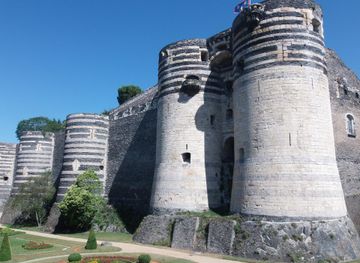
Explore Angers, a historic city in the Loire Valley known for its medieval architecture, vibrant markets, and exquisite wines. Discover a perfect blend of history and modernity.
Explore Angers
Explore more of France
Explore France: A land of romance, history, and unparalleled beauty, from the iconic streets of Paris to the serene landscapes of Provence and the luxury of the French Riviera.
Explore France