Château de Chambéry: A Savoyard Stronghold
Explore the Château de Chambéry, a historic castle showcasing centuries of Savoyard power, architectural evolution, and cultural heritage in the heart of the French Alps.
The Château de Chambéry, a historic castle dating back to the 11th century, stands proudly in the heart of Chambéry. Once the residence of the Counts and Dukes of Savoy, it has evolved through centuries of conflict, royal occupation, and administrative use. Today, it houses the Savoie Prefecture and Departmental Council, blending medieval architecture with later renovations. Visitors can explore the Cour d'Honneur, Sainte-Chapelle with its stunning stained glass, and the Treasury Tower. Guided tours offer insights into the castle's rich history and its role in shaping the region. With its commanding presence and historical significance, the Château de Chambéry is a must-see attraction for those seeking to immerse themselves in Savoyard heritage.
A brief summary to Tour demi-ronde
Local tips
- Check the schedule for carillon concerts held on the first and third Saturdays of the month to experience the unique sound of the 70-bell instrument.
- Join a guided tour to access restricted areas like the Sainte-Chapelle and Treasury Tower, gaining deeper insights into the castle's history and architecture.
- Visit the castle during the off-season (spring or fall) to avoid crowds and enjoy a more relaxed exploration of the grounds and exhibits.

Getting There
-
Public Transport
From the Chambéry-Challes-les-Eaux train station, take bus lines A, C, or D towards the city center. Get off at the 'Château des Ducs' stop, which is directly in front of the castle. The bus ride takes approximately 10-15 minutes. A single ticket costs around €1.50.
-
Walking
From the Hôtel de Ville (City Hall) in the city center, walk northeast along Place du Château. The Château de Chambéry will be visible within a few minutes, approximately a 5-10 minute walk. The route is mostly flat and pedestrian-friendly.
-
Taxi/Ride-Share
A taxi or ride-share from the Chambéry-Challes-les-Eaux train station to the Château de Chambéry typically costs between €10-€15, depending on traffic. The journey takes around 10 minutes.
-
Driving
If driving, several parking options are available near the Château. The Q-Park Château is located at 6 Chemin de l'Esplanade, a 5-minute walk from the castle. Hourly parking rates typically range from €2-€3, with daily rates around €15-€20. Parking Ravet is also nearby. Be aware of limited parking spaces during peak tourist season.
Discover more about Tour demi-ronde
Iconic landmarks you can’t miss

Pl. Saint-Léger
0.3 km
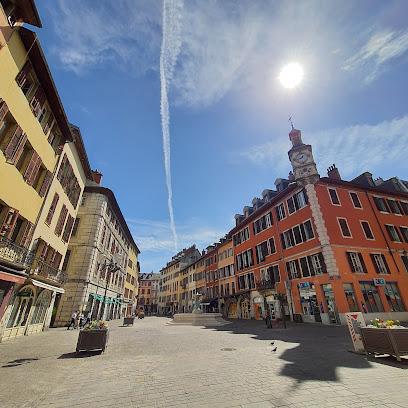
Discover Place Saint-Léger, the historical heart of Chambéry, with its charming atmosphere, vibrant cafes, and rich history.
1 Pl. du Palais de Justice
0.4 km
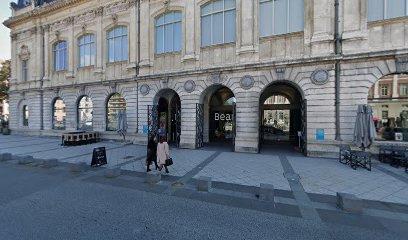
A stunning example of Sardinian neo-classical architecture, Chambéry's Palais de Justice is a monument to justice and Savoy's rich history.
La Fontaine des Éléphants
0.5 km
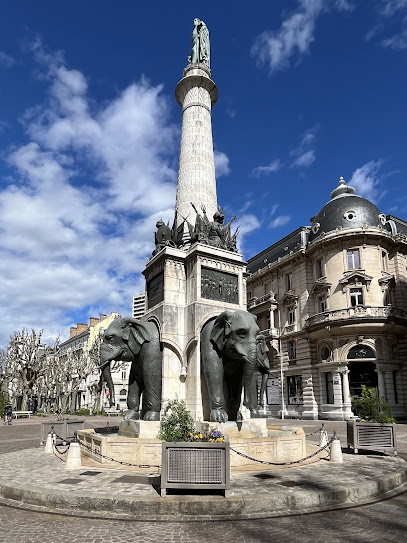
Explore the iconic La Fontaine des Éléphants in Chambéry, a stunning monument that embodies the city's rich history and vibrant culture.
Plage des Marquisats
40.3 km
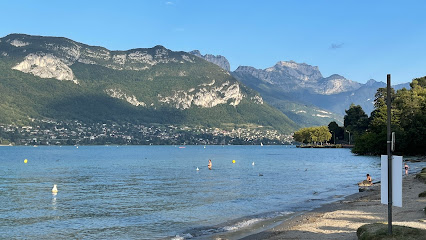
Enjoy swimming, sunbathing, and stunning Alpine views at this popular lakeside beach in the heart of Annecy.
Porte du Sepulcre
40.3 km
Explore the historical allure of Porte du Sepulcre, a stunning gateway in Annecy that encapsulates the city's medieval charm and rich heritage.
Park Couvert Chateau
40.3 km
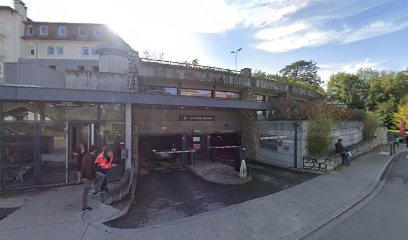
Secure and centrally located parking in Annecy, providing easy access to Château d'Annecy and the city's historic attractions.
Centre historique
40.4 km
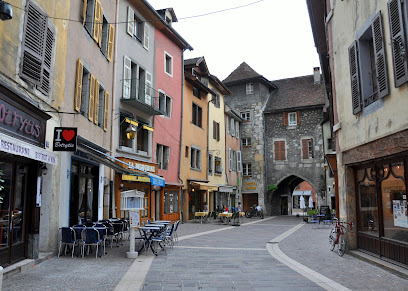
Discover Annecy's medieval heart: canals, colorful buildings, and historical landmarks await in the charming Centre Historique.
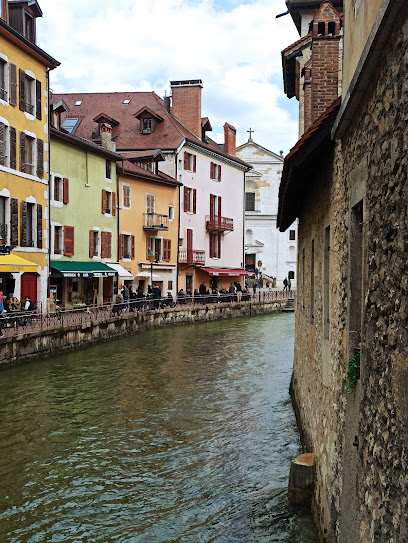
The Alpine Lakes Regional Observatory
40.4 km
Explore the depths of Alpine lake ecosystems at this interactive observatory in Annecy Castle. Discover the science, history, and preservation of these unique environments.
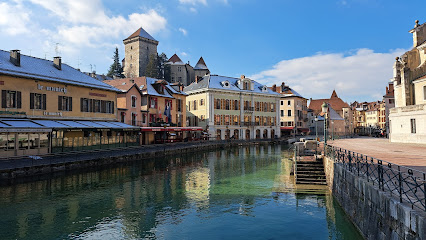
Vieille Ville d'Annecy
40.4 km
Explore Annecy's Vieille Ville: a charming blend of canals, cobblestone streets, and medieval architecture in the heart of the French Alps.
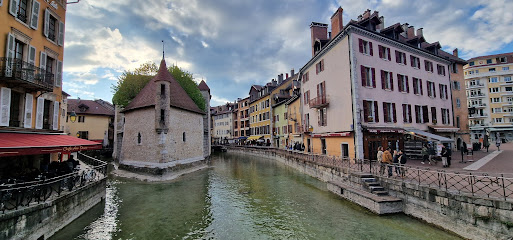
Annecy Farmers Market
40.5 km
Experience the flavors and traditions of the French Alps at the Annecy Farmers Market in the heart of the historic Old Town.
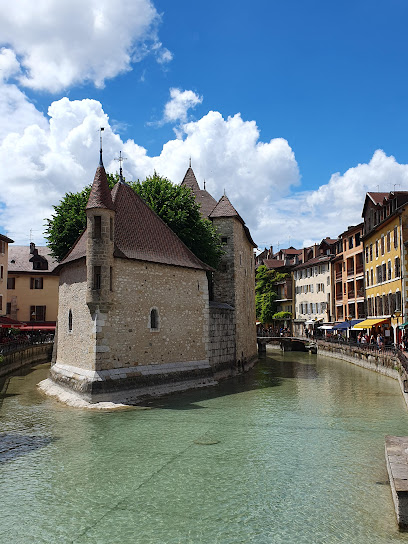
Salle Pierre Lamy
40.5 km
Experience cultural vibrancy at Salle Pierre Lamy, Annecy's premier performing arts theater, hosting diverse concerts, plays, and events for all tastes.
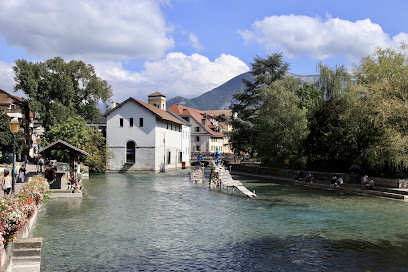
A Saint François de Sales
40.5 km
Discover the Église Saint-François de Sales in Annecy: a Baroque masterpiece with a rich history and stunning architecture, nestled by the Thiou Canal.
Les Quais d'Annecy
40.5 km
Experience Annecy from a charming holiday apartment near the train station, offering easy access to the lake and city's attractions.
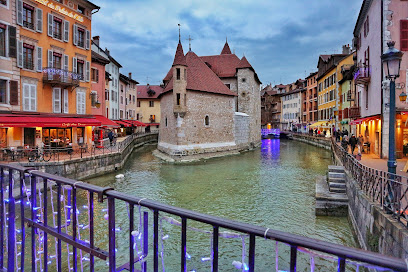
Pont Perrière
40.5 km
A scenic bridge in Annecy offering stunning views of the Thiou River and the historic Palais de l'Île, perfect for photos and leisurely walks.
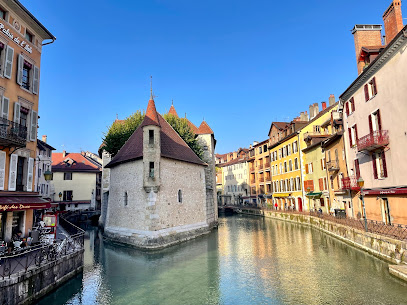
Compagnie des Bateaux d'Annecy
40.6 km
Discover the beauty of Lake Annecy with scenic cruises, gourmet dining experiences, and sustainable electric boats since 1886.
Unmissable attractions to see

Musée Savoisien
0.4 km
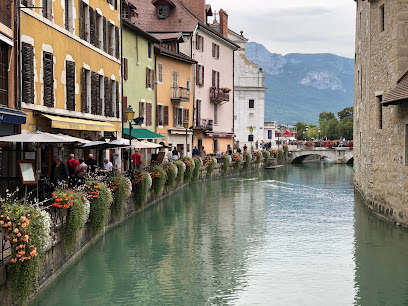
Explore the Savoie region's rich history at Musée Savoisien in Chambéry, where local culture and heritage come alive through captivating exhibits.
Chateau de Boigne
1.6 km
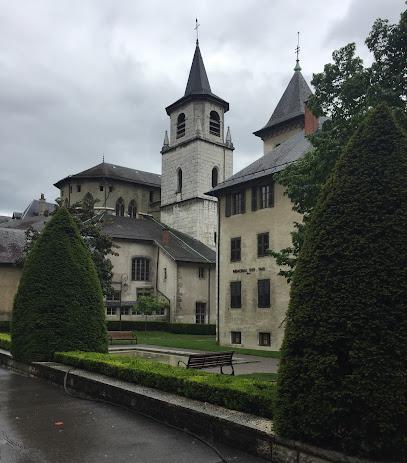
Discover the rich history and stunning architecture of Chateau de Boigne in Chambéry, a must-visit castle for every traveler exploring France.
Parc De Buisson-Rond
1.7 km
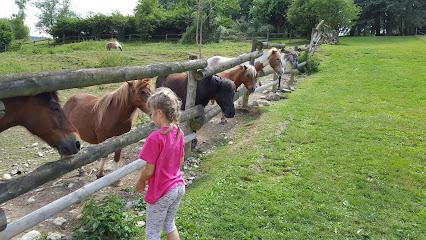
Experience the serene beauty and historical charm of Parc De Buisson-Rond, a tranquil city park in the heart of Chambéry, France.
Les Écuries De Boigne
1.7 km
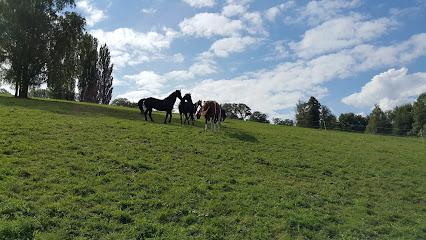
Discover the charm of horse riding at Les Écuries De Boigne, an equestrian facility in Chambéry offering lessons and scenic trails.
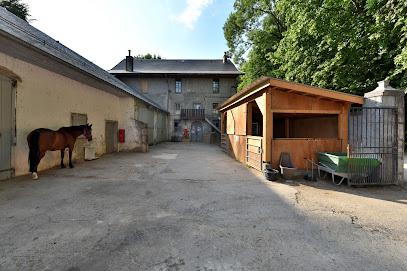
Museum of the Grande Chartreuse
25.8 km
Explore the history and traditions of the Carthusian Order at the Museum of the Grande Chartreuse in the French Alps.
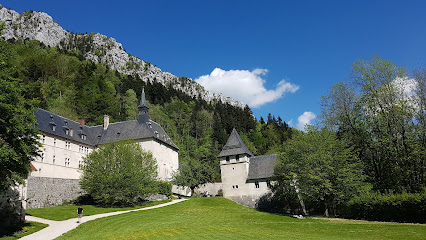
Belvédère de None
25.8 km
Discover panoramic views and tranquil nature walks at Belvédère de None in the heart of the French Alps near Saint-Laurent-du-Pont.
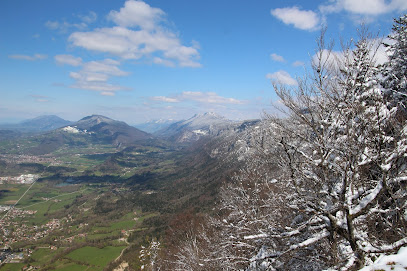
Parc naturel régional de Chartreuse
26.0 km
Discover the wild beauty and rich history of the Chartreuse Regional Natural Park, a French Alpine treasure.
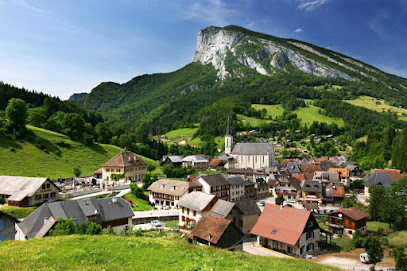
Saint-Pierre-de-Chartreuse
26.1 km
Experience the breathtaking beauty and adventure of Saint-Pierre-de-Chartreuse, a hidden gem in the French Alps perfect for outdoor enthusiasts and culture lovers.
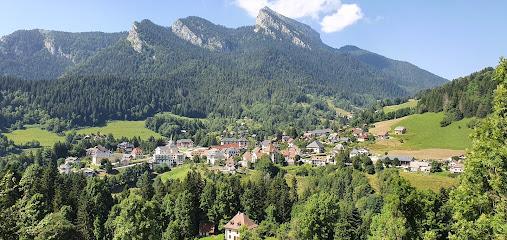
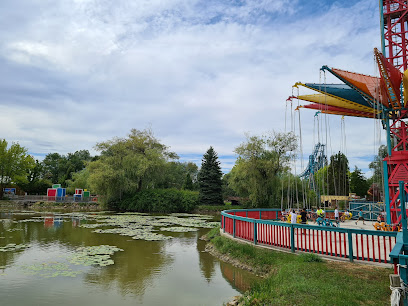
Walibi Rhône-Alpes
27.8 km
Experience thrilling rides and family fun at Walibi Rhône-Alpes, a premier amusement park in the Auvergne-Rhône-Alpes region. #WalibiRhoneAlpes #AmusementPark
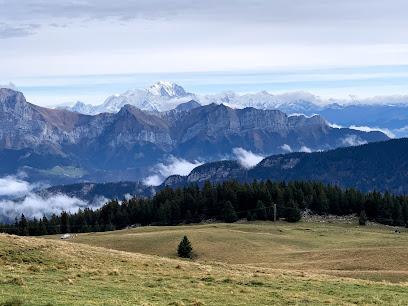
Semnoz
29.7 km
Discover the breathtaking views and thrilling adventures at Semnoz Mountain Peak, a top destination in the French Alps for nature lovers and adventure seekers.
Monastère de Chalais
35.6 km
Discover serenity at this historic Dominican monastery near Voreppe, offering stunning views, peaceful hiking trails, and delicious monastic biscuits.
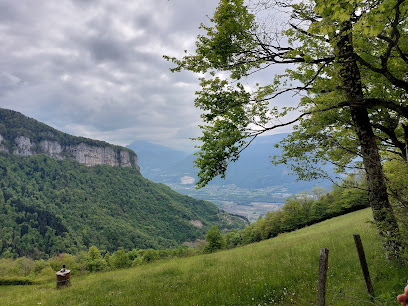
Gorges du Fier
38.1 km
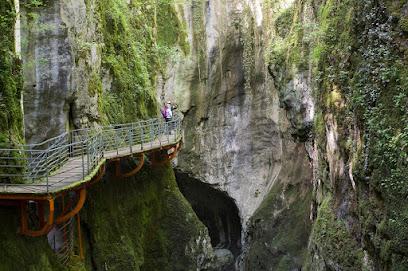
Explore the breathtaking Gorges du Fier, a stunning natural attraction near Lovagny, France, featuring majestic cliffs and a crystal-clear river.
Chateau de Montrottier
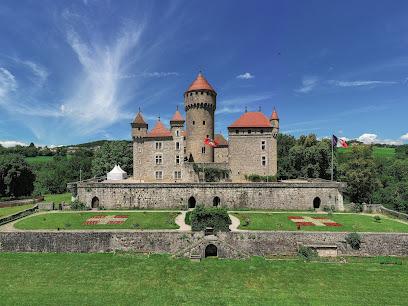
38.3 km
Discover the enchanting Chateau de Montrottier, a stunning castle and museum in Lovagny, showcasing rich history and breathtaking views of the Alps.
Fort du Saint-Eynard
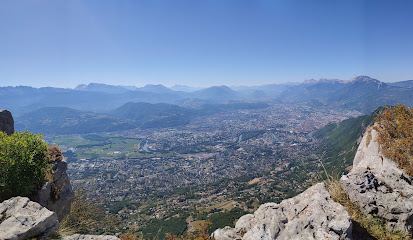
38.6 km
Explore a 19th-century fortress with panoramic views of Grenoble and the Chartreuse mountains. History, hiking, and breathtaking scenery await!
Lac l'Arpettaz
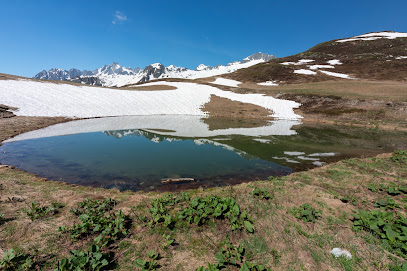
39.2 km
Discover the serene beauty of Lac l'Arpettaz in the French Alps: a pristine alpine lake offering breathtaking views, hiking trails, and a tranquil escape into nature near La Léchère.
Essential places to dine

Les Terrasses du Lac
39.3 km
Experience exquisite dining with stunning lake views at Les Terrasses du Lac in Annecy, where culinary delights meet breathtaking scenery.
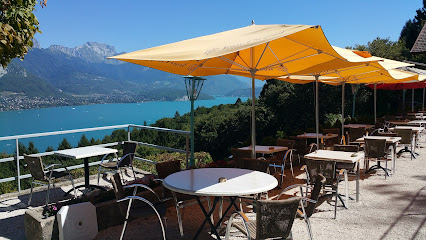
Le Denti
40.1 km
Experience exquisite French cuisine at Le Denti in Annecy – where tradition meets modern culinary artistry.
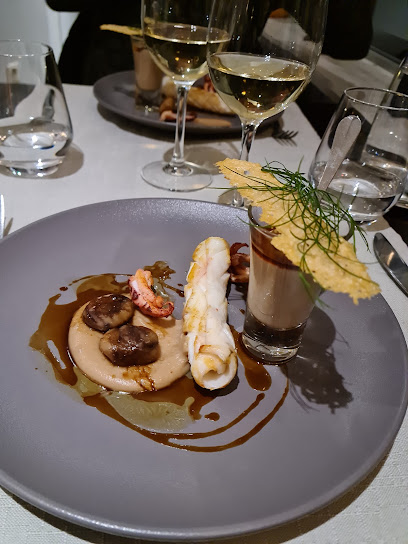
COZNA
40.3 km
Experience exquisite French cuisine at Cozna in Annecy - where tradition meets innovation in every bite.
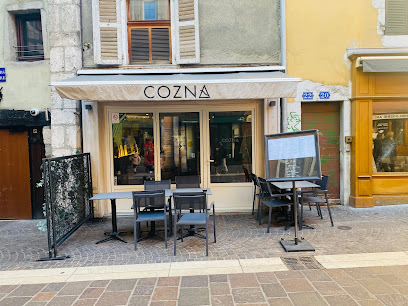
Le Bilboquet
40.3 km
Discover exquisite French cuisine at Le Bilboquet in Annecy, where fine dining meets Mediterranean flavors amidst stunning surroundings.
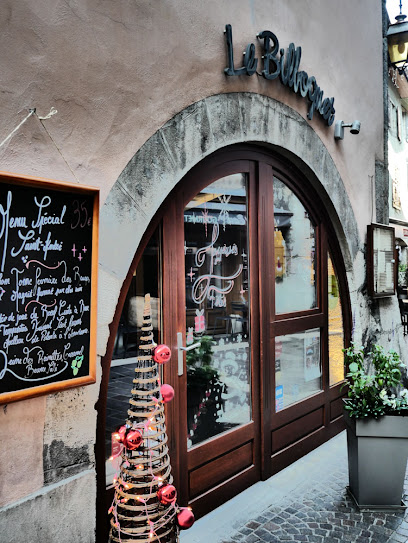
Le Bistro du Rhône
40.3 km
Experience authentic French cuisine at Le Bistro du Rhône in Annecy - where every dish tells a story.
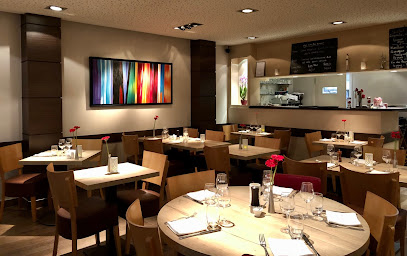
Les Chineurs de la Cuisine
40.4 km
Discover authentic French cuisine at Les Chineurs de la Cuisine in Annecy – where every dish tells a story.
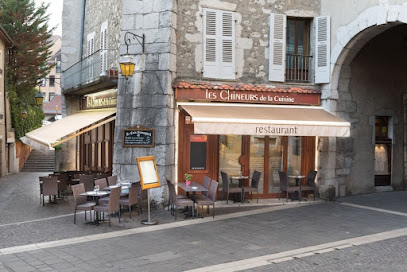
Les Tables
40.4 km
Discover authentic French cuisine at Les Tables in Annecy - where culinary excellence meets charming ambiance.
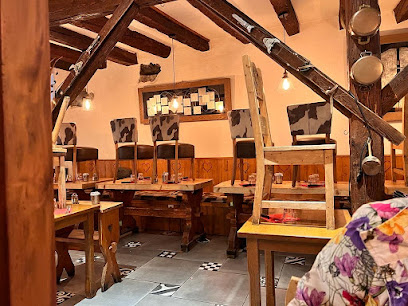
Restaurant Ô Bon Bec
40.4 km
Experience exquisite French cuisine in Annecy at Restaurant Ô Bon Bec - where local flavors meet culinary excellence.
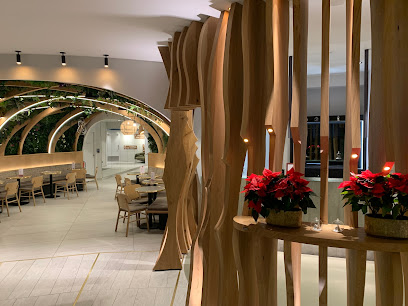
La Cabane
40.4 km
Experience authentic French cuisine at La Cabane in Annecy - where every dish tells a story.
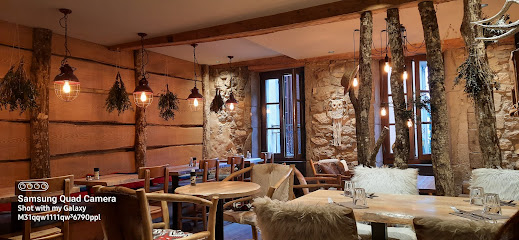
Le Bouillon
40.4 km
Experience authentic French cuisine at Le Bouillon in Annecy – where tradition meets taste amidst stunning alpine scenery.
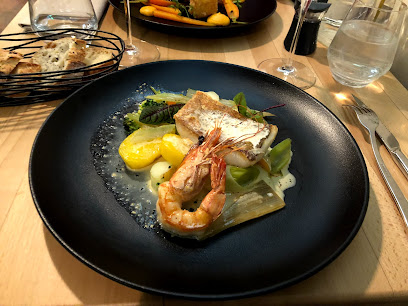
L'Alpin
40.5 km
Savor authentic French cuisine at L'Alpin in Annecy - a charming restaurant with a delightful menu and warm ambiance.
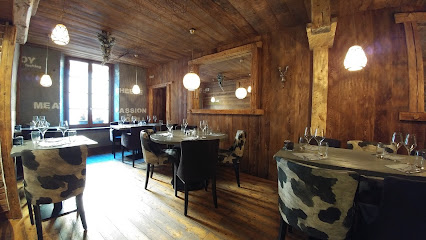
Tête de Cochon
40.5 km
Discover exquisite French cuisine at Tête de Cochon in Annecy - where every dish tells a story.
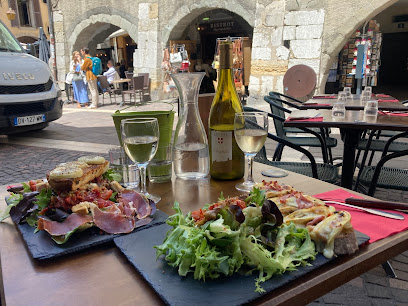
LE FRETI
40.5 km
Experience exquisite French cuisine and fine wines at Le Fretí in beautiful Annecy, where every meal is a celebration of local flavors.
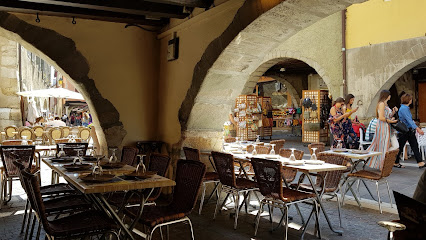
L'Estaminet
40.5 km
Discover the flavors of France at L'Estaminet in Annecy – where delicious food meets vibrant atmosphere.
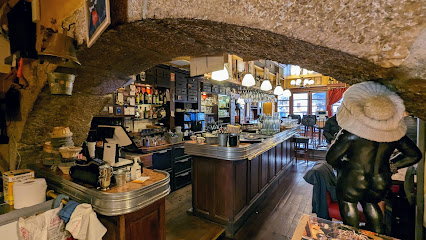
Le Lilas Rose
40.5 km
Discover exquisite French cuisine with a barbecue twist at Le Lilas Rose, nestled in scenic Annecy—where every meal is an unforgettable experience.
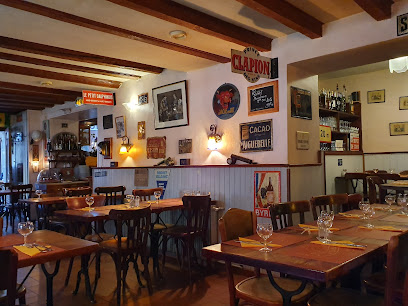
Markets, malls and hidden boutiques

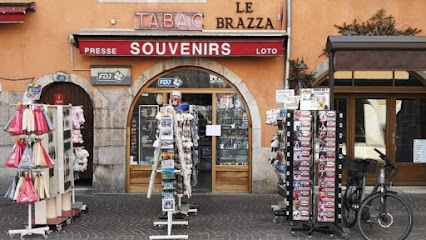
Le Brazza - Boutique de Souvenirs / Tabac
40.4 km
Explore Le Brazza in Annecy for unique souvenirs, exquisite gift baskets, and authentic local tobacco products.
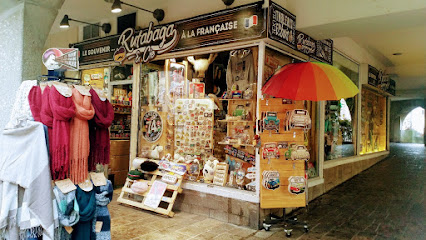
Rutabaga - Le souvenir à la française
40.4 km
Explore Rutabaga in Annecy for exquisite gift baskets and local treasures that celebrate French culture and craftsmanship.
Annecy souvenirs
40.4 km
Explore Annecy Souvenirs for unique gifts and crafts that embody the charm of Annecy, the Venice of the Alps.
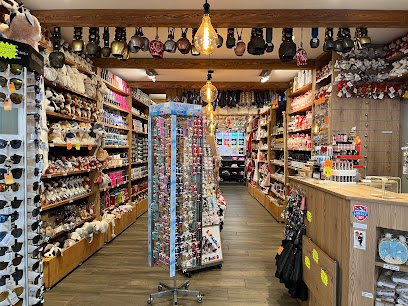
Elisa Bohème
40.4 km
Discover the essence of French fashion at Elisa Bohème, a chic women's boutique offering stylish apparel and accessories in beautiful Annecy.
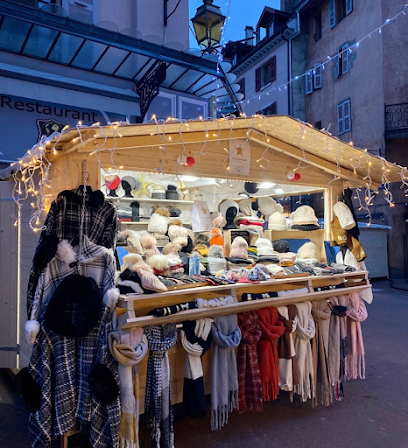
Chez Annette
40.5 km
Discover the artisanal treasures of Chez Annette, a unique gift shop in the heart of Annecy, blending local artistry with unforgettable souvenirs.
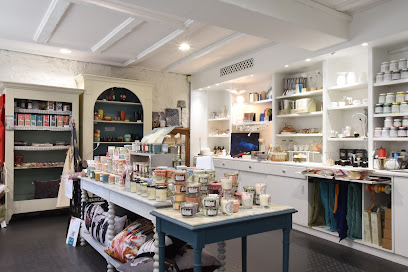
Aux Bouts de Bois
40.5 km
Explore Aux Bouts de Bois, a charming gift shop in Annecy offering unique souvenirs and local crafts that capture the essence of this beautiful region.
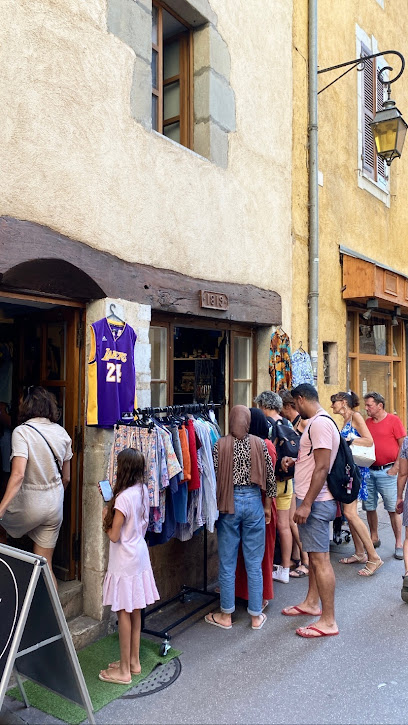
United Vintage Second Shop
40.5 km
Explore the charm of vintage fashion at United Vintage Second Shop in Annecy, a sustainable haven for unique apparel and accessories.
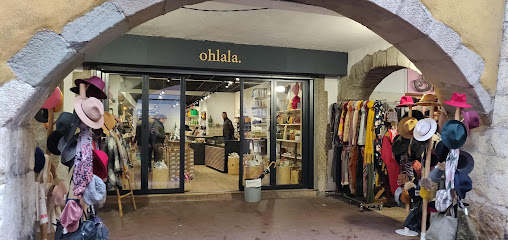
Oh la la
40.5 km
Explore Oh la la in Annecy for chic bags, stylish boots, and unique costume jewelry – a fashion haven for every trendsetter.
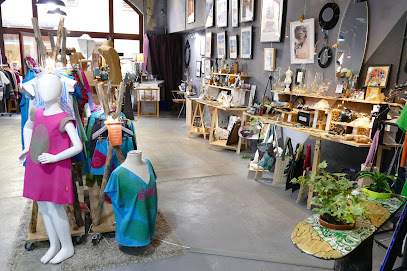
ART'LOC'HALL
40.5 km
Discover unique handicrafts at ART'LOC'HALL in Annecy – a charming store showcasing the creativity of local artisans.
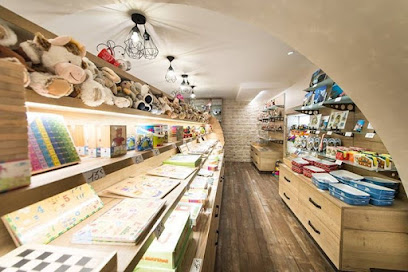
Altitude 448
40.5 km
Discover unique souvenirs at Altitude 448, a charming gift shop in Annecy showcasing local artistry and Alpine treasures.
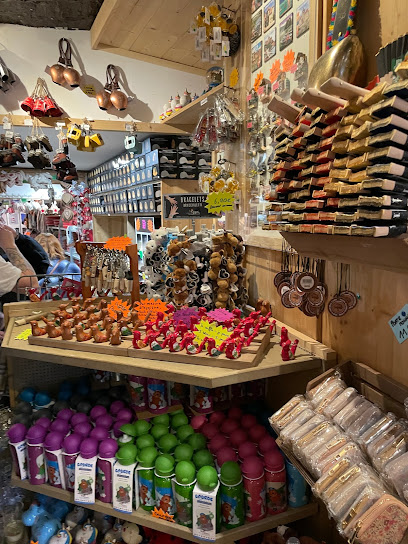
Ma chouette boutique
40.5 km
Explore Ma Chouette Boutique in Annecy for unique gifts and local crafts that capture the charm of this Alpine gem.
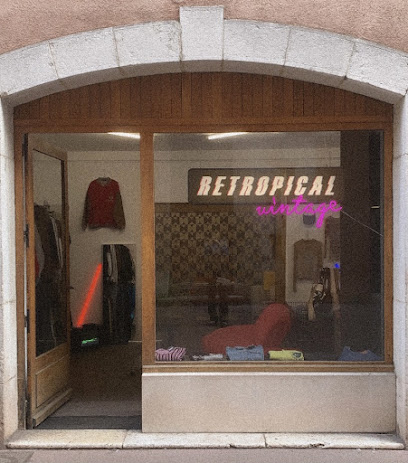
Retropical Vintage
40.5 km
Explore Retropical Vintage in Annecy, where timeless fashion meets charming ambiance amidst the beauty of the French Alps.
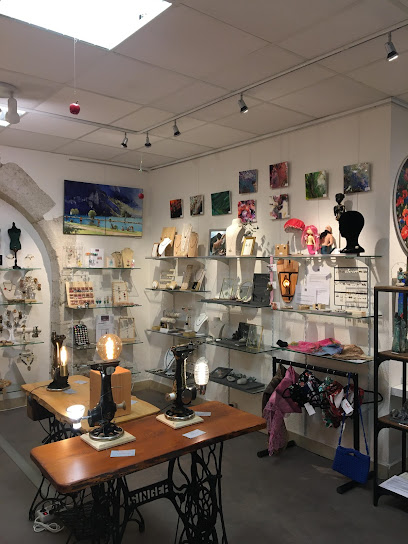
babeth - Royale
40.5 km
Explore Babeth - Royale in Annecy for chic home goods and stylish clothing that embodies the essence of French design and local charm.
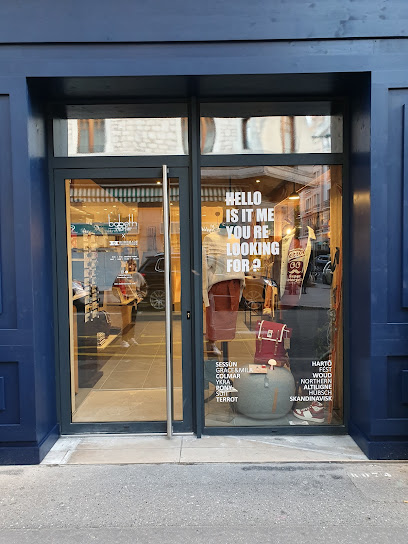
B.Attitude
40.5 km
Explore the trendy world of fashion accessories at B.Attitude, a unique boutique in the heart of Annecy offering stylish and quality pieces.
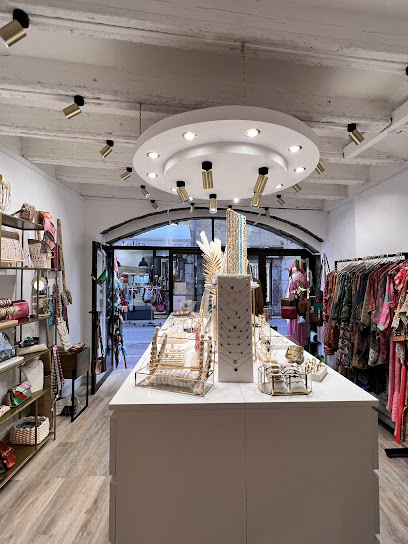
Les Palettes
40.6 km
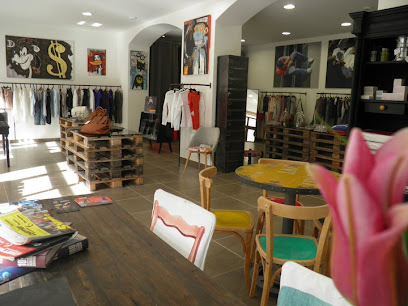
Discover fashion and flavor at Les Palettes in Annecy – a boutique, coffee shop, and leather goods haven combined.
Essential bars & hidden hideouts

Woodstock Garden
39.8 km
Discover Woodstock Garden: A charming bar and restaurant in Annecy, combining delightful cuisine with a picturesque outdoor garden setting.
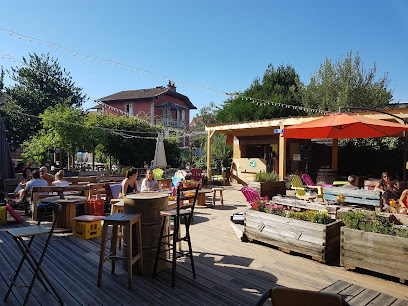
Beer O'clock
40.3 km
Discover the vibrant ambiance of Beer O'clock in Annecy, where beer lovers unite over a vast selection of brews and delicious bites.
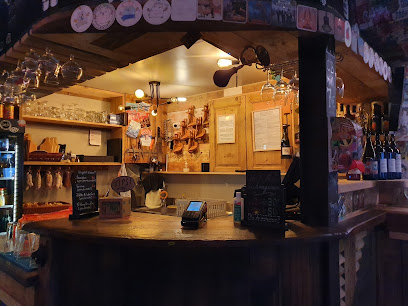
Barberousse Annecy
40.4 km
Discover the vibrant nightlife of Annecy at Barberousse, where lively atmosphere and exquisite drinks create unforgettable experiences.
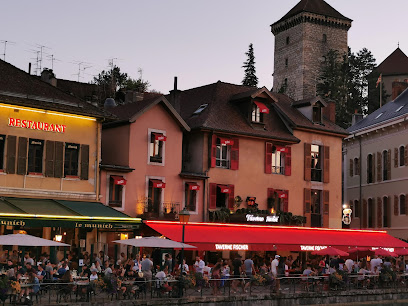
Milton Pub
40.4 km
Discover the lively Milton Pub in Annecy, where exceptional drinks and delicious food meet a vibrant atmosphere perfect for relaxation.
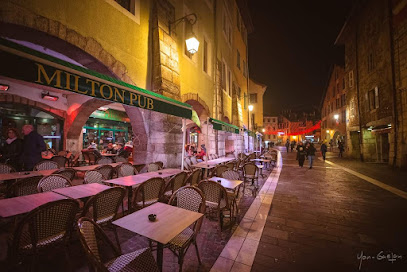
La buvette du marché
40.4 km
Discover the vibrant atmosphere of La Buvette du Marché, a charming bar in Annecy offering local wines and delightful French cuisine.
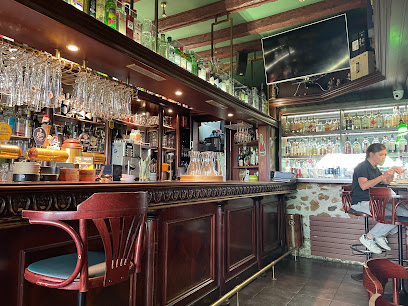
Le Nid du Merle
40.4 km
Discover the exquisite wines and elegant cocktails at Le Nid du Merle, a charming wine bar in the heart of Annecy, perfect for your evening relaxation.
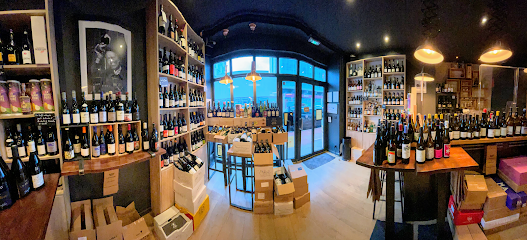
Finn Kelly's Irish Pub
40.5 km
Experience the vibrant atmosphere of Finn Kelly's Irish Pub in Annecy, serving authentic Irish food and drinks in a lively setting.
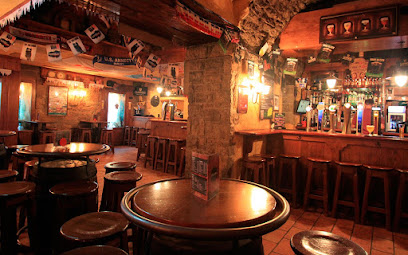
Captain Pub
40.5 km
Experience the warmth of Irish hospitality at Captain Pub in Annecy, offering delicious burgers and a lively atmosphere for a memorable night out.
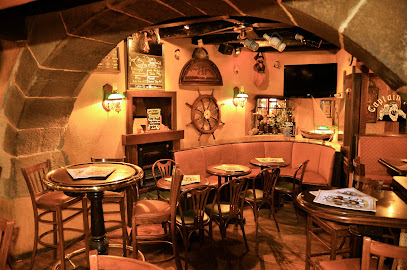
Wine bar 14% vol
40.5 km
Explore the exquisite flavors of local wines at Wine Bar 14% Vol, the perfect retreat for wine lovers in the heart of Annecy.
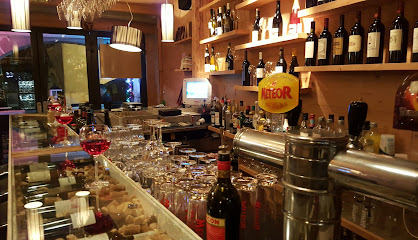
The French Room
40.5 km
Experience the essence of French cuisine at The French Room, a charming wine bar in the heart of Annecy, perfect for culinary enthusiasts.
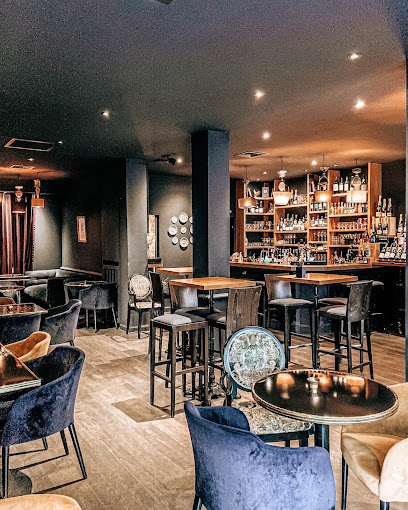
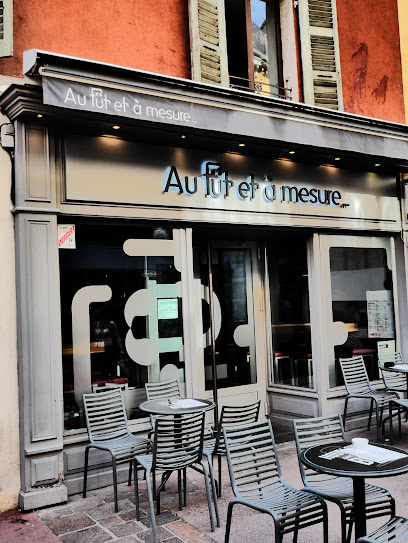
Au Fût et à mesure Annecy
40.5 km
Discover the lively ambiance of Au Fût et à Mesure in Annecy, where craft beer meets live music and vibrant social gatherings.
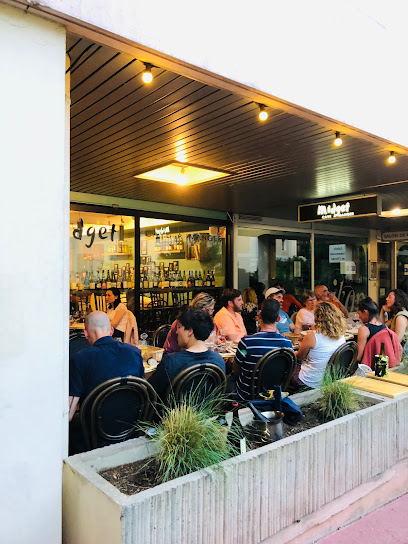
Midget
40.6 km
Discover Midget, a charming wine bar and cellar in Annecy, offering exquisite wines and a cozy ambiance in the heart of the French Alps.
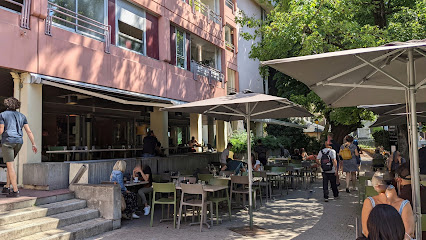
Le Vénitien
40.6 km
Discover Le Vénitien: A charming bar and restaurant in Annecy offering exquisite local cuisine and breathtaking views of Lake Annecy.
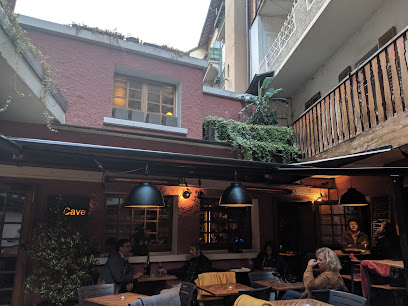
La Cave Annecy
40.8 km
Explore the exquisite flavors at La Cave Annecy, a premier wine bar and restaurant in the heart of the picturesque Annecy, France.
Le Shelter Bar
40.8 km
Discover Le Shelter Bar, a charming spot in Annecy offering a delightful range of drinks and a cozy atmosphere for travelers and locals alike.
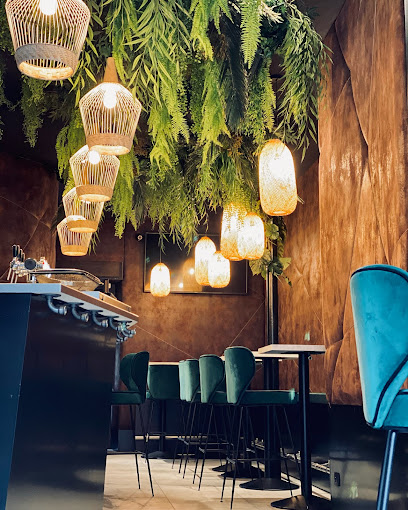
Nightclubs & after hour spots

24 du Faubourg
40.3 km
Experience the vibrant nightlife of Annecy at 24 du Faubourg, the ultimate disco club for music lovers and party-goers.
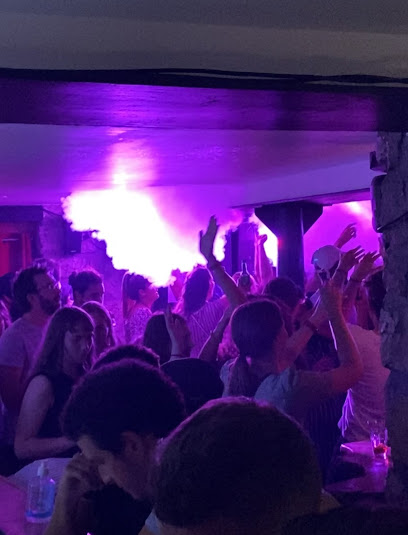
Le Téléphone Rose
40.5 km
Discover the vibrant nightlife at Le Téléphone Rose, Annecy's premier night club, where unforgettable memories are made with every beat.
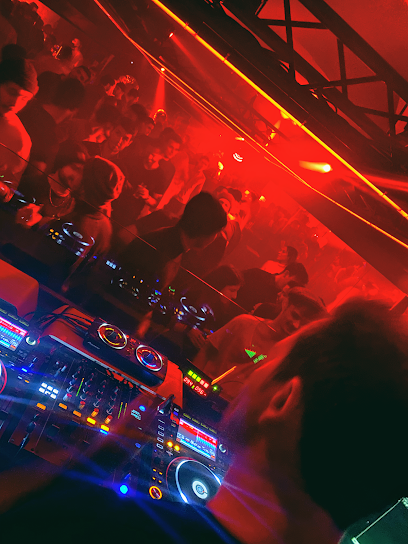
Le Gotham
40.5 km
Experience the vibrant nightlife of Annecy at Le Gotham, a premier bar offering a lively atmosphere, exquisite cocktails, and friendly service.
Le Garage
40.9 km
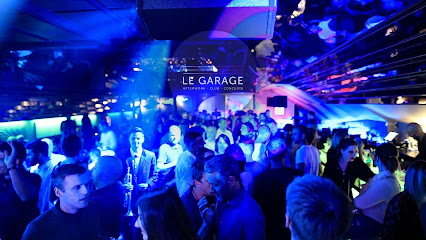
Experience the vibrant nightlife of Annecy at Le Garage, a disco club where music, dancing, and fun collide in an electrifying atmosphere.
Le Pop Plage
41.5 km
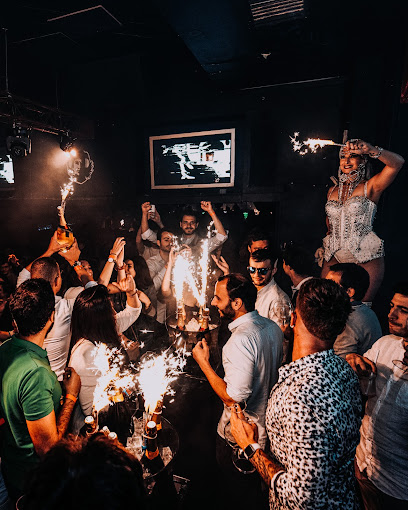
Unleash your night at Le Pop Plage, Annecy's top night club, where vibrant music and breathtaking lake views create unforgettable nightlife experiences.
Kaboom! Karaoké Box - Annecy
41.8 km
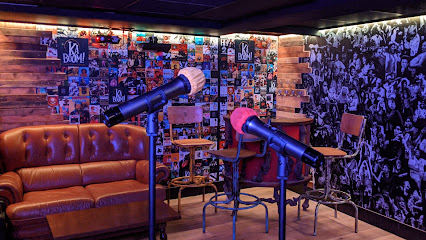
Experience the joy of singing and laughter at Kaboom! Karaoké Box in Annecy, where every night is a stage and every guest is a star.
Jazz Club Annecy
42.8 km
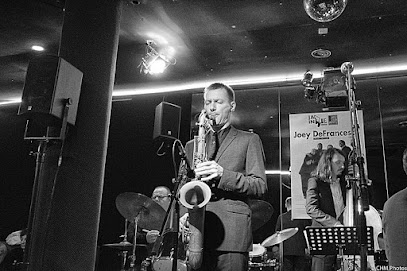
Discover the vibrant jazz scene at Jazz Club Annecy, where soulful performances create unforgettable nights in the heart of Annecy.
Le Duo
42.8 km
Discover the vibrant nightlife of Annecy at Le Duo, a karaoke and piano bar where every night is filled with music and fun.
Vieux Manoir - Complex - Grenoble
43.6 km
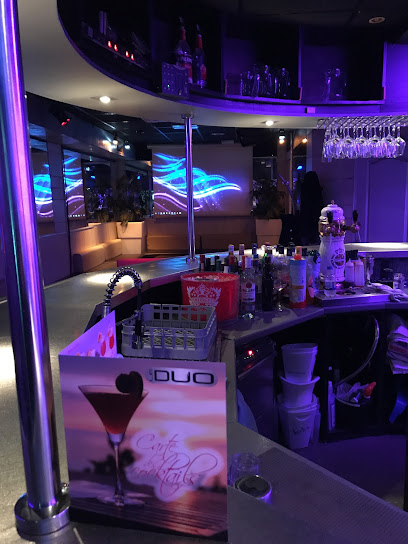
Experience the vibrant nightlife of Grenoble at Vieux Manoir, where music and fun come alive in a stylish atmosphere.
Papa Club
43.6 km
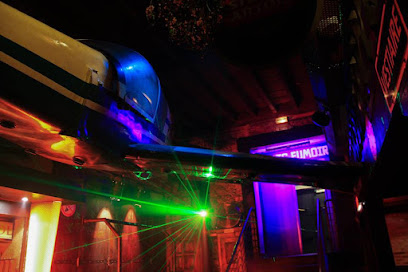
Discover the vibrant nightlife of Grenoble at Papa Club, a premier disco club offering electrifying music and a lively atmosphere.
Le Marquee - Grenoble
43.7 km
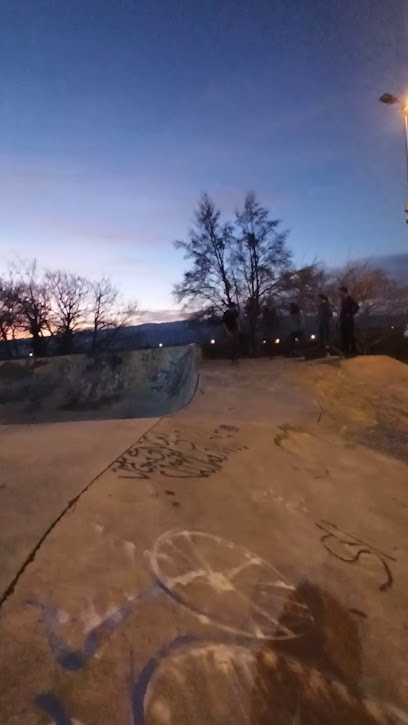
Discover the vibrant nightlife of Grenoble at Le Marquee, where music and dance create unforgettable memories.
Black Lilith
44.0 km
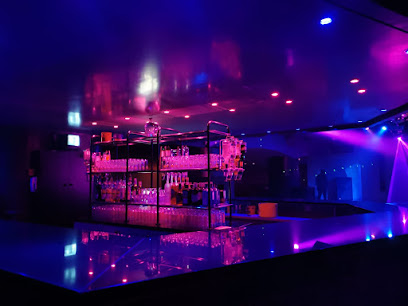
Discover the nightlife at Black Lilith, Grenoble's vibrant disco club featuring electrifying music and an energetic party atmosphere.

Le Pédalo
44.3 km
Discover the thrill of boat rentals by day and vibrant nightlife at Le Pédalo, a unique venue in Grenoble blending adventure and excitement.
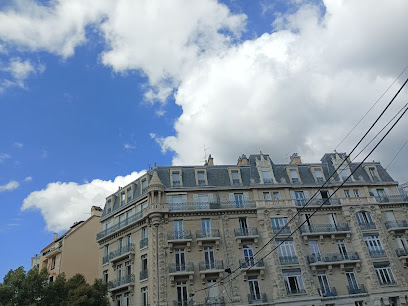
Discothèque Lamartine
44.5 km
Discover the heartbeat of Grenoble's nightlife at Discothèque Lamartine, where music, dance, and vibrant energy collide for an unforgettable experience.
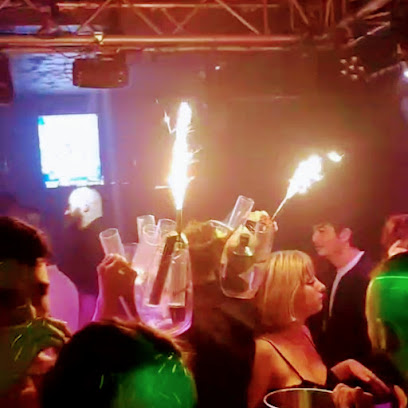
Club 80
44.7 km
Dive into the vibrant nightlife of Grenoble at Club 80, a lively girl bar and workers' club offering an unforgettable experience.