
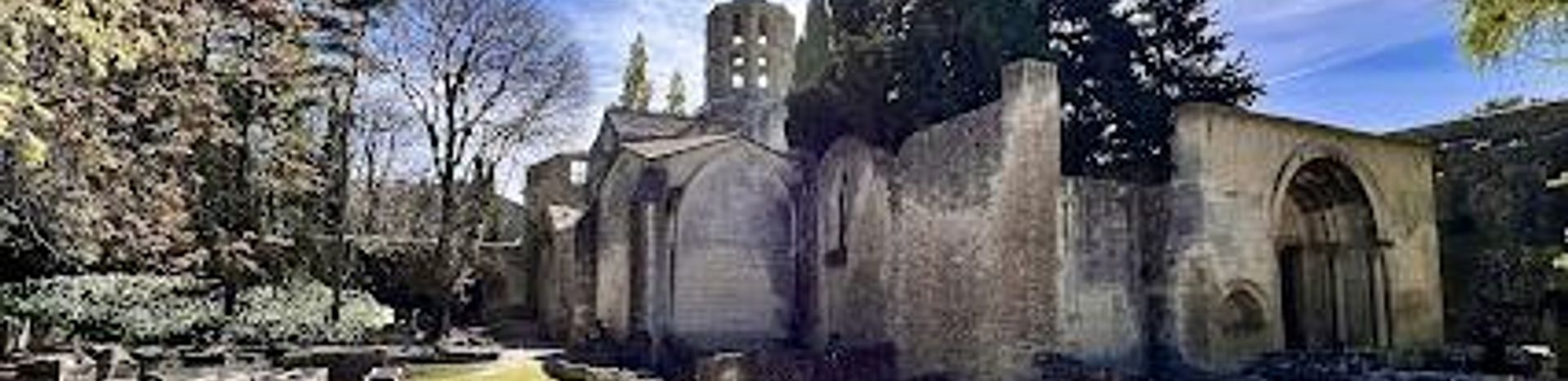
Alyscamps: Echoes of Eternity
Wander through Arles' ancient Roman necropolis, a UNESCO World Heritage site where history, art, and spirituality intertwine amidst weathered sarcophagi and towering cypress trees, inspiring reflection and remembrance.
Step into the hauntingly beautiful Alyscamps, Arles' ancient Roman necropolis, a place where history whispers through avenues of weathered sarcophagi and towering cypress trees. Once a prestigious burial ground for nearly 1,500 years, this UNESCO World Heritage site offers a serene yet melancholic atmosphere, inspiring artists like Van Gogh and Gauguin. Wander along the *Allée des Sarcophages*, discover the remnants of early Christian chapels, and imagine the countless souls laid to rest in this evocative landscape. Located a short distance from Arles' city center, the Alyscamps provides a unique glimpse into the funerary traditions of Roman and medieval times, inviting contemplation and reflection amidst its timeless beauty. It's a must-see for history buffs, art lovers, and anyone seeking a poignant connection to the past.
A brief summary to Alyscamps
- Av. des Alyscamps, Arles, 13200, FR
- Click to display
- Click to display
- Monday 10:30 am-4:30 pm
- Tuesday 10:30 am-4:30 pm
- Wednesday 10:30 am-4:30 pm
- Thursday 10:30 am-4:30 pm
- Friday 10:30 am-4:30 pm
- Saturday 10:30 am-4:30 pm
- Sunday 10:30 am-4:30 pm

Know before you go
Hi, I'm Eve. Here are a few practical things to know before exploring Alyscamps.
- Visit during the shoulder season (spring or fall) for pleasant weather and fewer crowds.
- Combine your visit with a trip to the Musée Départemental Arles Antique to see well-preserved sarcophagi from the Alyscamps.
- Wear comfortable shoes, as you'll be walking on uneven ground.
- Take time to wander off the main path and explore the quieter corners of the necropolis for a more personal experience.
- Check the opening hours, as they vary depending on the season. Last entry is typically 1.5 hours before closing.
Do you manage this location?
Take control to get all the benefits, like improved information, better appearance, and stronger visibility across AI-powered discovery. Learn more
Activate your presenceOther nearby places you may find interesting

Getting There
-
Walking
From the center of Arles (e.g., Place de la République), the Alyscamps are approximately a 15-20 minute walk southeast. Follow the signs towards the *Luma Arles* and then continue along Avenue des Alyscamps. The necropolis is located on your right. This is a straightforward, mostly flat walk.
-
Public Transport
From the Arles train station (*Gare d'Arles*), take the ENVIA bus line 1 towards Barriol and get off at the *Alyscamps* stop. The bus ride is approximately 10 minutes. Alternatively, take the free *navette* (shuttle bus) from the train station to the city center (Musée Antique) and then walk (15-20 minutes) to the Alyscamps. A single bus ticket costs around €1-3.
-
Taxi/Ride-Share
A taxi or ride-share from the Arles city center to the Alyscamps will take approximately 5-10 minutes, depending on traffic. Expect to pay around €9-15 for the ride. From the train station, a taxi will cost approximately the same. Note that prices may vary depending on the time of day and demand.
-
Driving
If driving, follow signs for *Alyscamps*. There is parking available nearby, including a parking lot on Chemin des Muraillettes. Parking fees vary, but expect to pay around €1 per hour in the surrounding streets or €2 per hour at the 'Parking des Lices' garage, with daily rates available (around €17 per day). Free parking can be found on streets perpendicular to Boulevard Emile Combes, across from the ramparts, though availability may be limited.
Discover more about Alyscamps
Explore the best of what Alyscamps has to offer













More about Languedoc
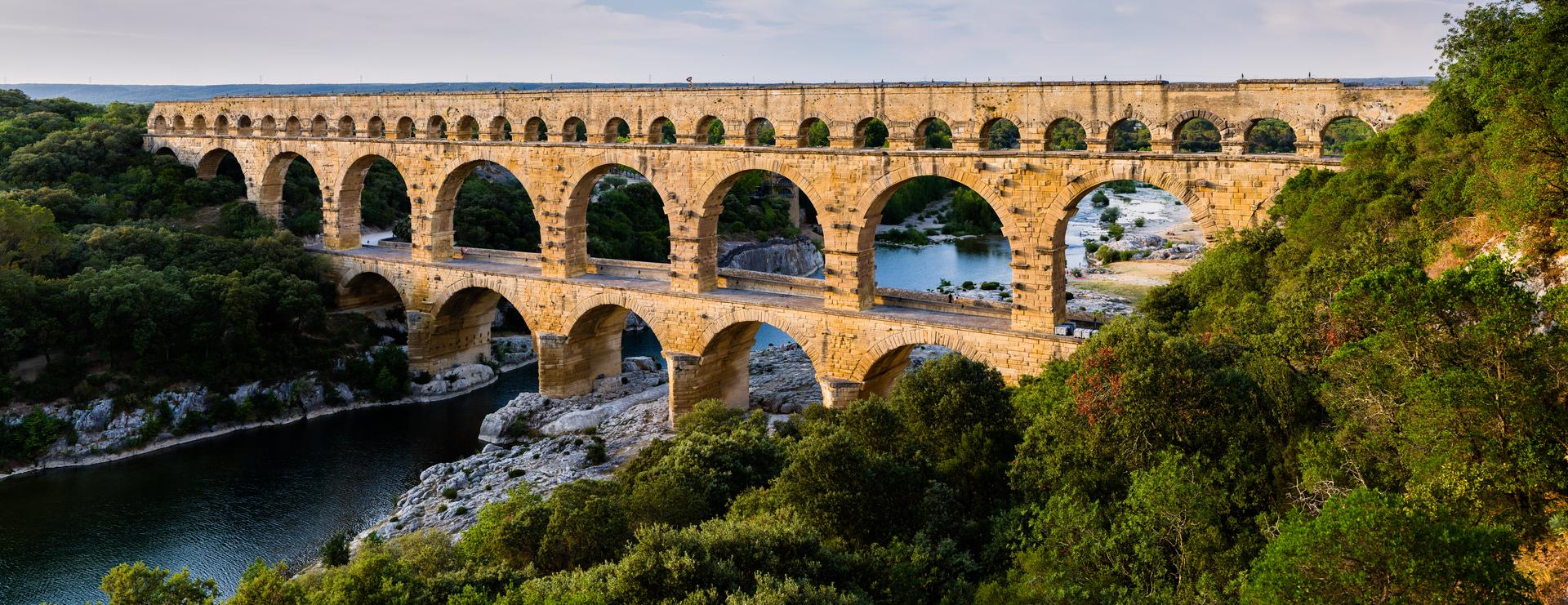
Discover Languedoc, a stunning region in Southern France, filled with medieval castles, vibrant vineyards, pristine beaches, and rich cultural heritage.
Tell me more about Languedoc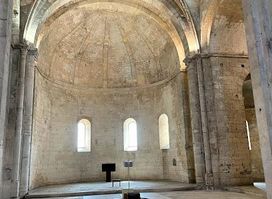
Explore the captivating Abbaye de Montmajour, a medieval abbey near Arles, known for its stunning architecture and serene landscapes.
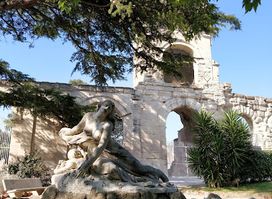
Wander through a Roman necropolis immortalized by Van Gogh, where ancient tombs meet medieval spirituality in the heart of Provence, a UNESCO World Heritage site.
