

Pont du Gard: A Roman Masterpiece
Marvel at the Pont du Gard, an iconic Roman aqueduct bridge, a UNESCO World Heritage site showcasing ancient engineering and offering a blend of history, culture, and natural beauty in southern France.
The Pont du Gard, a magnificent Roman aqueduct bridge near Vers-Pont-du-Gard, France, is a testament to ancient engineering prowess and architectural brilliance. Built in the 1st century AD, this UNESCO World Heritage site stands as the highest Roman aqueduct bridge in the world, a vital component of the 50-kilometer aqueduct that supplied water to the Roman colony of Nemausus (Nîmes). Its three tiers of arches, constructed without mortar, rise 48 meters above the Gardon River, a breathtaking sight that has captivated visitors for centuries. Beyond its historical significance, the Pont du Gard offers a multifaceted experience, inviting exploration of its museum, scenic walking trails, and the refreshing waters of the Gardon, making it a must-see destination for history buffs and nature enthusiasts alike. The site is pedestrian-friendly, encouraging visitors to wear comfortable shoes to explore the natural and cultural surroundings.
A brief summary to Pont du Gard
- Vers-Pont-du-Gard, 30210, FR
- Click to display
- Click to display
- Monday 8 am-12 am
- Tuesday 8 am-12 am
- Wednesday 8 am-12 am
- Thursday 8 am-12 am
- Friday 8 am-12 am
- Saturday 8 am-12 am
- Sunday 8 am-12 am

Know before you go
Hi, I'm Eve. Here are a few practical things to know before exploring Pont du Gard.
- Wear comfortable shoes for exploring the site's walking paths and potentially uneven terrain.
- Visit during the off-season (spring or fall) to avoid large crowds and enjoy milder temperatures.
- Pack a picnic to enjoy by the Gardon River, taking in the stunning views of the Pont du Gard.
- Check the event schedule for summer evening light shows that illuminate the aqueduct.
- Consider a guided tour to access the upper levels of the aqueduct and learn more about its history and construction.
Do you manage this location?
Take control to get all the benefits, like improved information, better appearance, and stronger visibility across AI-powered discovery. Learn more
Activate your presenceOther nearby places you may find interesting

Getting There
-
Walking
From the village of Vers-Pont-du-Gard, the Pont du Gard is approximately a 4 km walk. Follow the marked hiking trails, enjoying the scenic countryside. The walk takes around 45 minutes to an hour, leading directly to the Pont du Gard site. Access to the bridge on foot is free.
-
Public Transport
From Nîmes, take bus line 121 towards Pont-Saint-Esprit. The bus departs from the Nîmes Gare Routière (bus station next to the train station) and stops at 'VERS-PONT-DU-GARD - Rond Point Pont du Gard'. The bus ride is approximately 45 minutes. From the bus stop, it is a short walk to the visitor center. A single bus ticket costs €2. From Avignon, take bus line 115 towards Alès. The bus stops at 'VERS-PONT-DU-GARD - Rond Point Pont du Gard'. The journey takes about 50 minutes and costs €2.
-
Taxi/Ride-Share
From Vers-Pont-du-Gard, a taxi to the Pont du Gard takes approximately 10 minutes. The estimated fare is between €23 and €28. Ride-sharing services may also be available, with prices comparable to taxi fares. From Nimes to Vers-Pont-du-Gard, a taxi will cost approximately 69€.
-
Driving
If driving, follow signs for Pont du Gard from the A9 motorway (exit 23 Remoulins). Parking is available at the site on both the left and right banks of the Gardon River. The parking fee is €9 per car per day. The parking fee includes access to the outdoor leisure facilities and services.
Discover more about Pont du Gard
Explore the best of what Pont du Gard has to offer













More about Languedoc
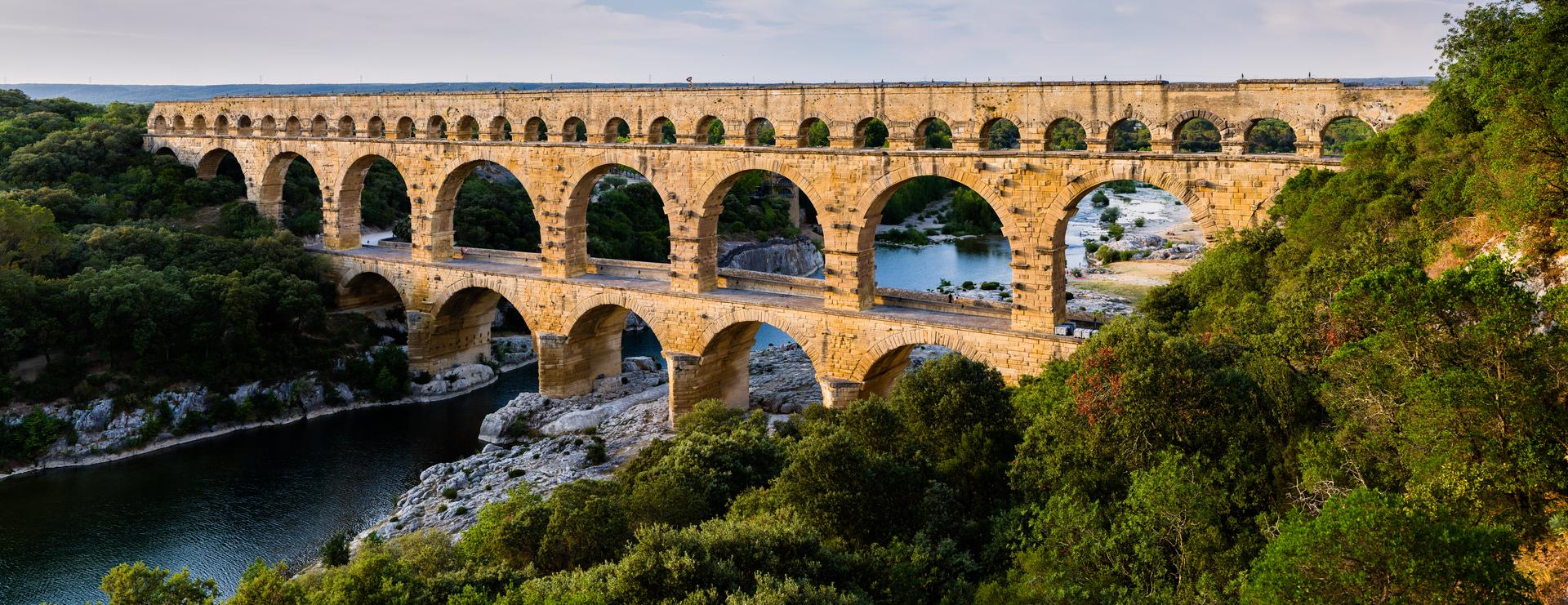
Discover Languedoc, a stunning region in Southern France, filled with medieval castles, vibrant vineyards, pristine beaches, and rich cultural heritage.
Tell me more about Languedoc
Explore the architectural beauty and rich history of Maison Des Atlantes in Nîmes, a must-see tourist attraction that enhances your travel experience.
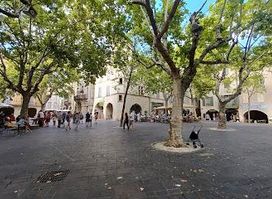
Experience the vibrant heart of Uzès at Place aux Herbes, a historic square brimming with Provençal charm, bustling markets, stunning architecture, and a timeless atmosphere.
