Monolithic Marvel: The Church of Saint-Émilion
Discover the breathtaking Monolithic Church of Saint-Émilion, a subterranean marvel carved from limestone, offering a unique glimpse into medieval history and architectural ingenuity in the heart of wine country.
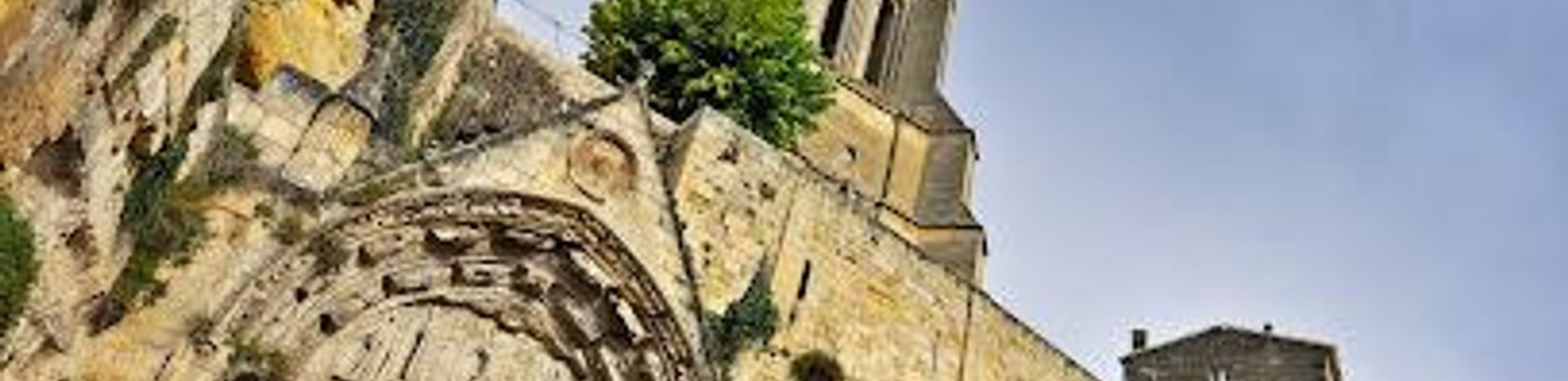
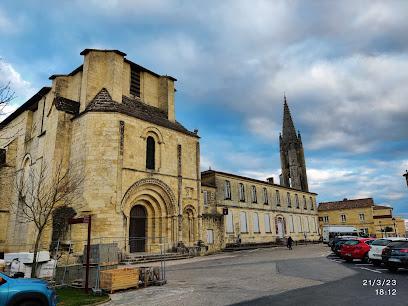
The Monolithic Church of Saint-Émilion, a breathtaking subterranean structure, is a testament to medieval ingenuity and religious devotion. Hewn from a single block of limestone in the 12th century, this architectural marvel stands as the largest underground church in Europe. Located in the heart of the UNESCO World Heritage-listed town of Saint-Émilion, the church beckons visitors to explore its mysterious depths and ascend its towering bell tower for panoramic views of the surrounding vineyards. More than just a historical site, it's a journey into the soul of a community shaped by faith, wine, and centuries of history. Guided tours reveal the church's fascinating past, from its origins as a hermitage for the Breton monk Saint-Émilion to its role as a pilgrimage site and center of religious life. The church continues to host religious ceremonies and cultural events, solidifying its place as a vital landmark.
A brief summary to Monolithic Church of Saint-Emilion
- Pl. du Marché, Saint-Émilion, 33330, FR
- +33557552828
- Visit website
- Monday 10 am-5:30 pm
- Tuesday 10 am-5:30 pm
- Wednesday 10 am-5:30 pm
- Thursday 10 am-5:30 pm
- Friday 10 am-5:30 pm
- Saturday 10 am-5:30 pm
- Sunday 10 am-5:30 pm
Local tips
- Book your guided tour of the underground monuments in advance, especially during peak season, to avoid disappointment as spaces are limited.
- Wear comfortable shoes for exploring the cobbled streets of Saint-Émilion and climbing the bell tower for panoramic views.
- Allow ample time to explore not only the church but also the charming village of Saint-Émilion, a UNESCO World Heritage site with numerous wineries and historical landmarks.
- Consider visiting during the grape harvest season for a truly immersive experience, with local festivities and celebrations centered around the church.
- Note that access to the bell tower requires a separate small fee paid at the Tourist Office and is not included in the underground tour ticket.

Getting There
-
Walking
The Monolithic Church is centrally located on Place du Marché in Saint-Émilion. From most points within the village, it's easily accessible on foot. Orient yourself towards the main square; the church's prominent bell tower is visible from many locations. Be aware that the village has steep, cobbled streets, so wear comfortable shoes. From the Saint-Émilion Tourism Office, walk towards the main square, Place du Marché. The church entrance is located on the square.
-
Public Transport
If arriving by train at Gare de Saint-Émilion, the church is approximately a 25-minute uphill walk (1.5km). Alternatively, a Tuk-Tuk shuttle service is available from the station for around €5 per person, dropping you off near the Place du Marché. From the drop-off point, it's a short walk to the church. Some local buses also connect the train station to the village center, but schedules may be limited. Check local timetables for bus route and fare information.
-
Driving
Parking within the medieval village of Saint-Émilion is very limited. It's best to park in one of the designated parking areas on the outskirts of the village and walk to the church. Paid parking is available around the Collegiate Church at the top of the village and at Place Bouqueyre. Free parking is available at the Gendarmerie car park, a short walk from the center. Paid parking costs approximately €2 per hour, with a maximum of 5 hours. Bus parking at Villemaurine car park costs €20 per day for up to 9 hours and €50 for 10 hours.
Discover more about Monolithic Church of Saint-Emilion
Iconic landmarks you can’t miss

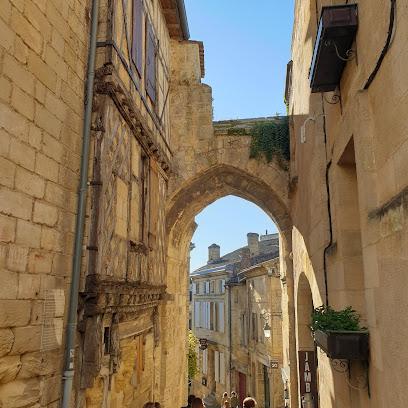
Porte de la Cadène
0.1 km
Step back in time at Porte de la Cadène, a medieval gateway in Saint-Émilion, and explore the town's rich history, architecture, and wine heritage.
King's Tower
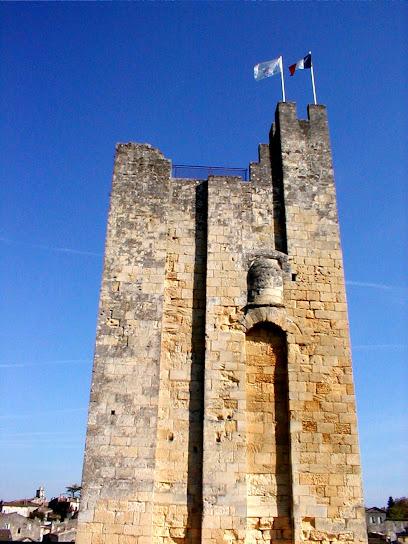
0.2 km
Explore the King's Tower in Saint-Émilion: a medieval landmark with panoramic views of vineyards and a rich history.
Château Troplong Mondot
1.3 km
Discover the legacy of Château Troplong Mondot, a Premier Grand Cru Classé in Saint-Émilion, offering exceptional wines and stunning vineyard views.
B for Bordeaux
24.9 km
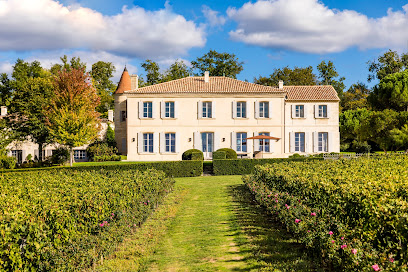
Discover the charm of Bordeaux with B for Bordeaux's expert-led sightseeing tours that unveil the city's rich history and exquisite wine culture.
Bordeaux Elite
24.9 km
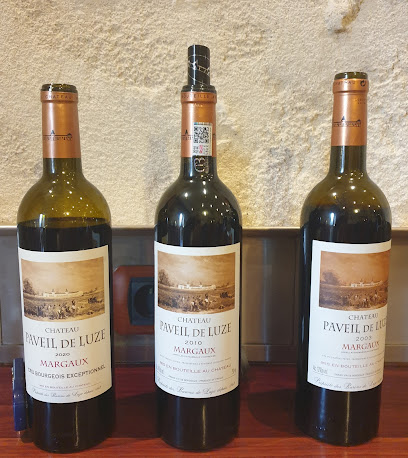
Experience Bordeaux like never before with Bordeaux Elite, your trusted partner for personalized tours and unforgettable adventures in the wine capital of France.
Port de Plagne
26.8 km
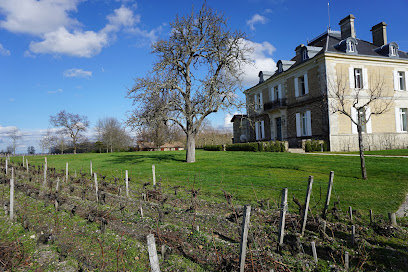
Discover Port de Plagne, a peaceful marina in Saint-André-de-Cubzac, offering a tranquil escape on the scenic Dordogne River.
Free Walking Tours Bordeaux (english/español)
30.5 km
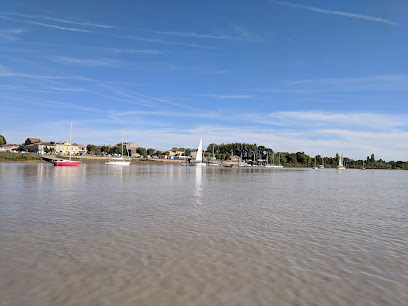
Experience the charm and history of Bordeaux through engaging walking tours in English and Spanish with Free Walking Tours Bordeaux.
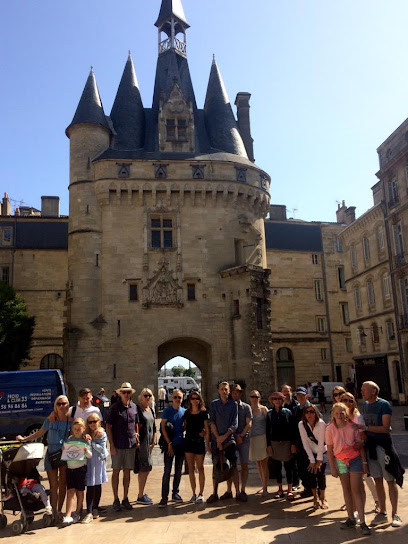
Bordeaux So You - Wine Tours
30.9 km
Explore Bordeaux's vineyards with Bordeaux So You, where wine tours offer an unforgettable journey through the heart of France's renowned wine region.
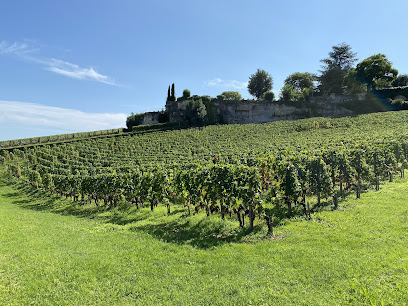
Les Vivres de l'Art
31.1 km
Explore the vibrant art scene at Les Vivres de l'Art in Bordeaux, where contemporary exhibitions meet culinary delights in a cultural oasis.
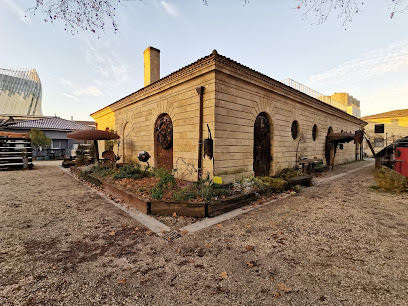
Bordeaux Wine Trip
31.2 km
Explore Bordeaux's exquisite wines: shop local selections and embark on immersive vineyard tours from a convenient city location.
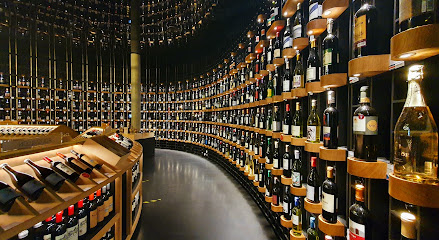
Cité du Vin
31.3 km
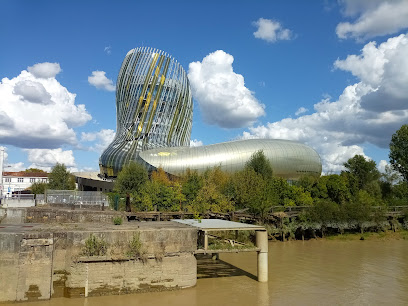
Explore the world of wine at Bordeaux's Cité du Vin: an immersive journey through culture, history, and civilizations, complete with panoramic views.
The Bordeaux Wine Tour
31.3 km
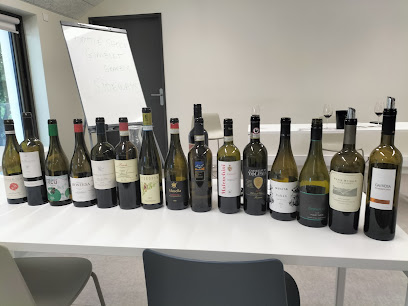
Experience the best of Bordeaux with immersive wine tours that blend rich history, exquisite tastings, and breathtaking vineyard vistas.
Vert Bordeaux : wine tours & guided tours
31.3 km
Explore Bordeaux's famed wine regions with immersive tours by Vert Bordeaux, connecting you with local vineyards and winemaking traditions.
2 Pont Jacques Chaban Delmas
31.4 km
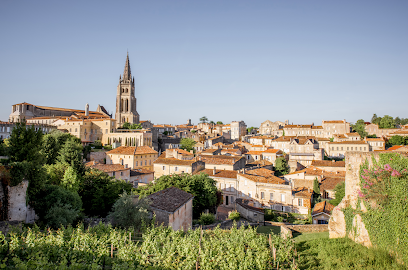
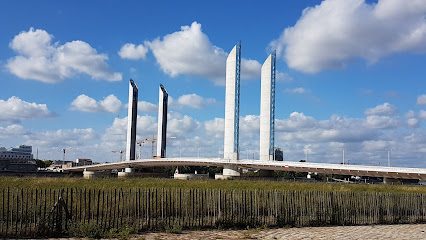
Discover the architectural beauty of Pont Jacques Chaban-Delmas, a modern lift bridge uniting Bordeaux with stunning views and rich history.
Pont Jacques Chaban Delmas
31.4 km
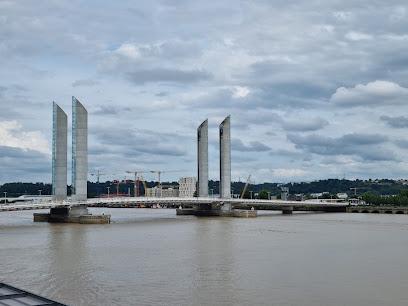
Experience the breathtaking views and stunning architecture of the Pont Jacques Chaban Delmas, a landmark bridge in the heart of Bordeaux.
Unmissable attractions to see

Office de Tourisme du Grand Saint-Émilionnais
0.0 km
Discover Saint-Émilion: Your gateway to world-renowned vineyards, historical monuments, and unforgettable experiences in the heart of French wine country.
Pl. du Marché
0.0 km
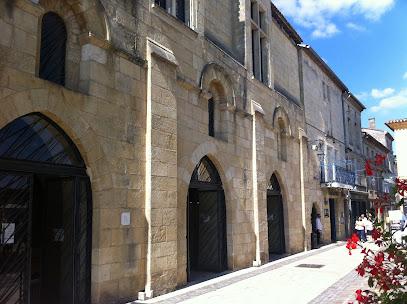
Discover Place du Marché in Saint-Émilion, a UNESCO World Heritage site, where history, culture, and exquisite wines converge in a picturesque medieval setting, offering an unforgettable French experience.
Vineyards and Castles
0.0 km
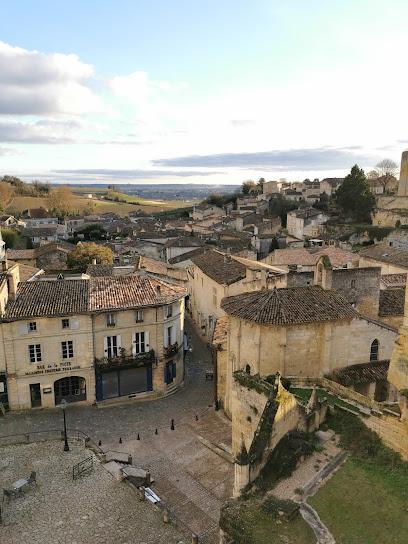
Discover the heart of Bordeaux wine country in Saint-Émilion: explore historic vineyards, taste exquisite wines, and immerse yourself in the charm of this UNESCO World Heritage site.
La Grande Cave de Saint-Émilion
0.1 km
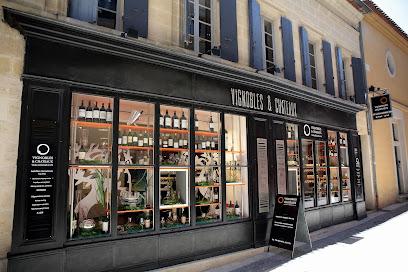
Discover the exquisite wines of Saint-Émilion at La Grande Cave, offering expert guidance, comparative tastings, and exclusive access to prestigious vineyards in the heart of the Bordeaux region.
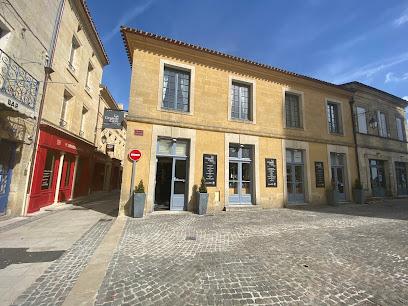
Saint-Émilion Collegial Catholic Church at Saint-Émilion
0.1 km
Discover the Collégiale de Saint-Émilion, a historic church blending Romanesque and Gothic architecture, nestled in the heart of the renowned Saint-Émilion wine region, offering a serene escape.
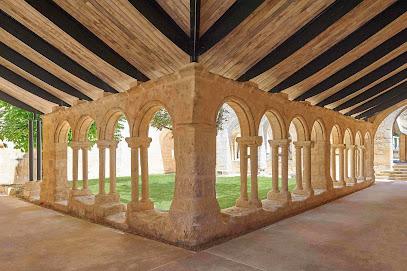
Cloître des Cordeliers
0.1 km
Discover the historical Cloître des Cordeliers in Saint-Émilion, where centuries of history meet traditional Crémant winemaking in stunning underground cellars and peaceful gardens.
Saint-Émilion
0.1 km
Discover Saint-Émilion, a UNESCO World Heritage site, where medieval charm meets world-renowned vineyards, offering an unforgettable journey through history, culture, and exceptional wines.
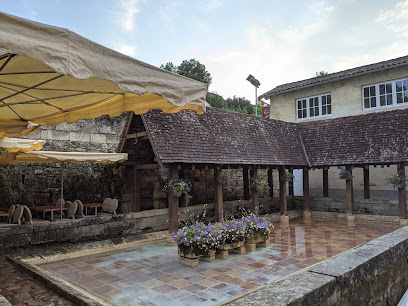
Grande fontaine - Fontaine du Roi
0.1 km
Discover the historical Grande Fontaine in Saint-Émilion, a serene landmark reflecting the town's communal past and offering a refreshing glimpse into its rich heritage and social fabric.
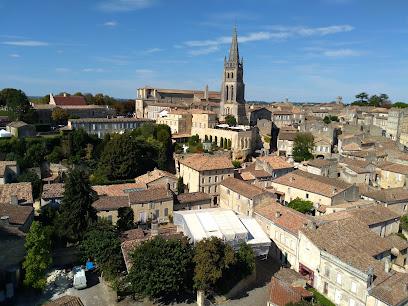
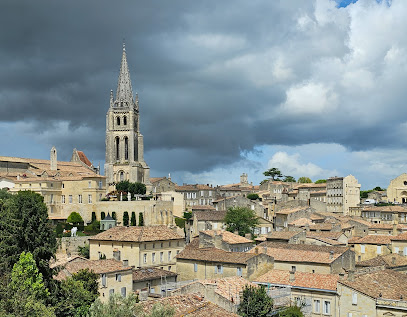
Vue panoramique sur la tour et le village
0.2 km
Experience breathtaking panoramic views of Saint-Émilion's vineyards and historic village, a UNESCO World Heritage site, offering a unique perspective on Bordeaux wine country's beauty.
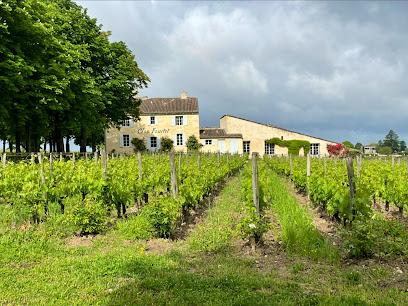
Clos Fourtet
0.2 km
Discover Clos Fourtet, a Premier Grand Cru Classé B in Saint-Émilion, where centuries of history, exceptional terroir, and meticulous winemaking converge to create exquisite Bordeaux wines.
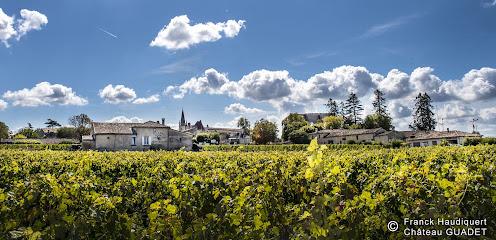
Château Guadet
0.2 km
Discover the authentic flavors of Saint-Émilion at Château Guadet, a family-run Grand Cru Classé estate committed to organic and biodynamic winemaking on the village's historic limestone plateau.
Les Grandes Murailles
0.3 km
Discover the majestic remains of a 12th-century Dominican monastery amidst the prestigious vineyards of Saint-Émilion, a UNESCO World Heritage site steeped in history and winemaking tradition.
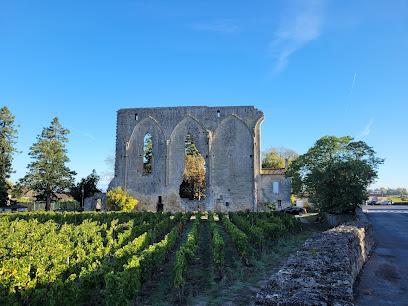
Château Ausone
0.5 km
Discover Château Ausone, a legendary Saint-Émilion winery with Roman roots, producing exquisite, age-worthy wines on its unique limestone terroir, a beacon of Bordeaux's rich history.
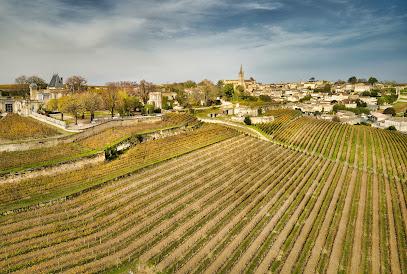
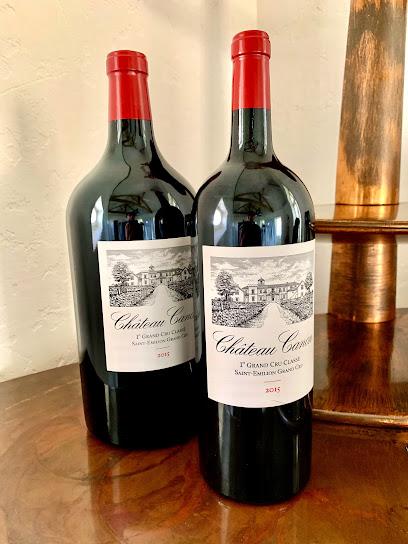
Château Canon
0.5 km
Discover Château Canon, a Premier Grand Cru Classé in Saint-Émilion, where centuries of winemaking tradition meet modern excellence, crafting exceptional Bordeaux wines.
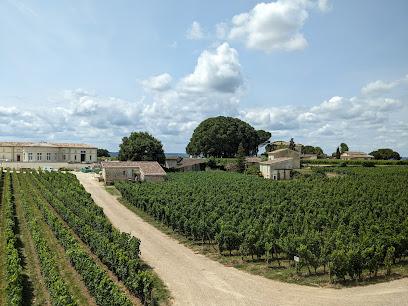
Château Beau-Séjour Bécot
0.7 km
Discover centuries of winemaking tradition at Château Beau-Séjour Bécot in Saint-Émilion, where exceptional terroir and family legacy create world-renowned Bordeaux wines.
Essential places to dine

Restaurant du Grand Barrail
3.3 km
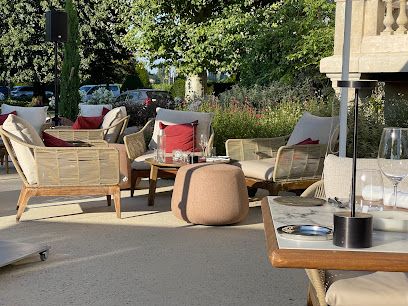
Experience exquisite French cuisine at Restaurant du Grand Barrail, set amidst the stunning vineyards of Saint-Émilion.
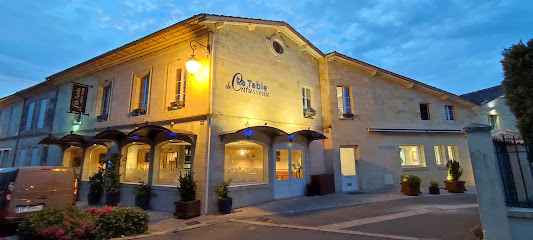
La table de Catusseau
5.2 km
Experience exquisite French cuisine at La Table de Catusseau in Pomerol – where every dish tells a story.
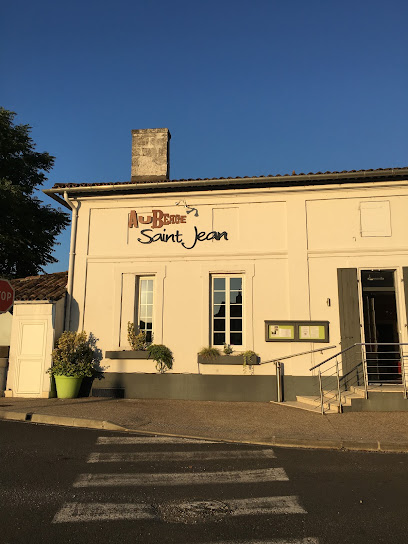
Auberge Saint Jean
9.0 km
Experience exquisite French cuisine at Auberge Saint Jean in Saint-Jean-de-Blaignac - where tradition meets culinary artistry.
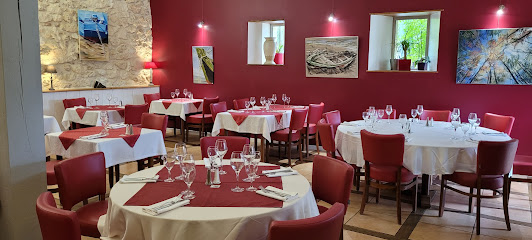
The Gourmet Baron
14.5 km
Experience exquisite traditional French cuisine at The Gourmet Baron in the charming village of Baron.
RESTAURANT PALMA NOVA
20.1 km
Discover exquisite dining at Restaurant Palma Nova in Pessac-sur-Dordogne, where local flavors meet international cuisine.
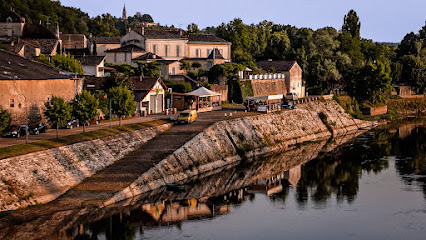
Le Pessaquai Restaurant
20.2 km
Experience exquisite local cuisine at Le Pessaquai Restaurant in Pessac – where every dish tells a story.
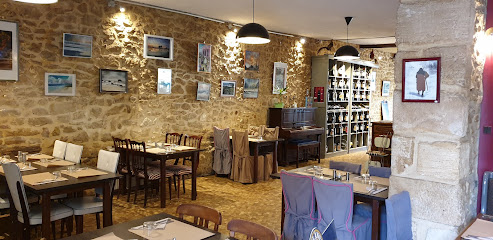
restaurant Le Prince Noir par vivien durand
29.4 km
Discover culinary excellence at Le Prince Noir, where French fine dining meets elegance and unforgettable flavors in Lormont.
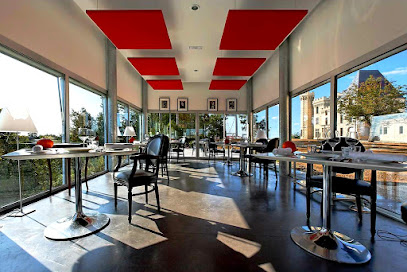
Le 7 Restaurant
31.2 km
Savor exquisite French cuisine with stunning river views at Le 7 Restaurant in Bordeaux - a culinary gem for discerning travelers.
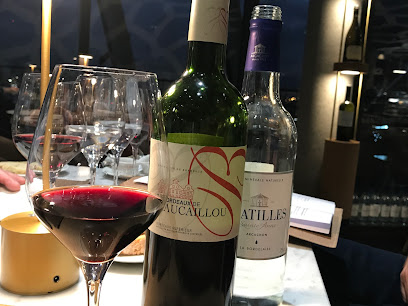
L'Entrée Jardin
31.5 km
Experience exquisite French and Mediterranean cuisine at L'Entrée Jardin in Cadillac-sur-Garonne—where every meal is a celebration of flavor.
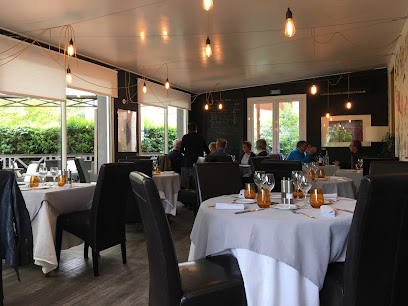
Café Maritime - Bordeaux
31.6 km
Experience exquisite brunches and vibrant cocktails at Café Maritime in Bordeaux - your gateway to local flavors and stunning waterfront views.
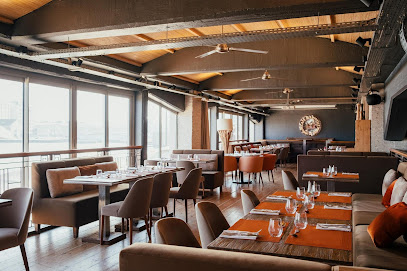
L'Oiseau Bleu
31.7 km
Discover exquisite haute French cuisine at L'Oiseau Bleu in Bordeaux, where every dish tells a story of culinary excellence and local flavors.
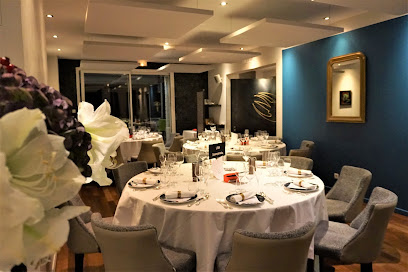
L'AQUITANIA
32.3 km
Experience authentic French cuisine at L'AQUITANIA in Bordeaux - where every dish tells a story.
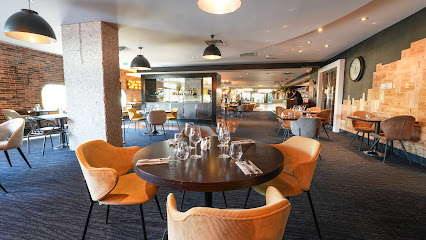
Le Bistrot (Vatel)
32.4 km
Experience exquisite haute French cuisine at Le Bistrot (Vatel), where every dish tells a story and every meal is a celebration of flavor.
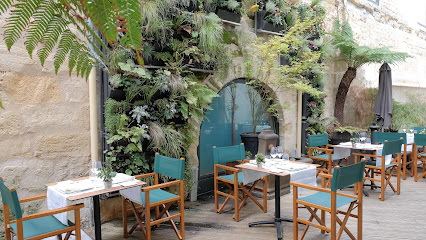
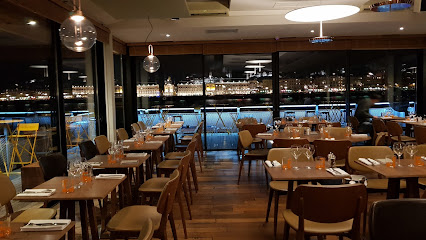
L'Estacade
32.7 km
Experience exquisite French cuisine at L'Estacade in Bordeaux with stunning riverside views and seasonal delights.
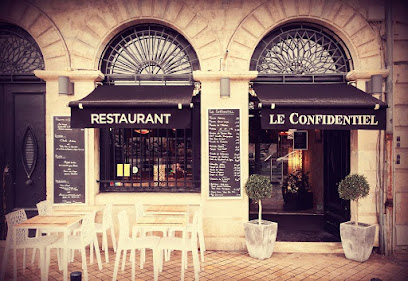
Le Confidentiel
32.7 km
Experience the essence of French cuisine at Le Confidentiel in Bordeaux - where elegance meets culinary excellence along the Garonne River.
Markets, malls and hidden boutiques

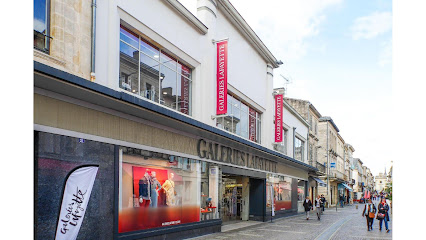
Galeries Lafayette Libourne
7.3 km
Explore Galeries Lafayette Libourne: A premier department store offering a curated mix of fashion, beauty, and lifestyle items in a stunning setting.
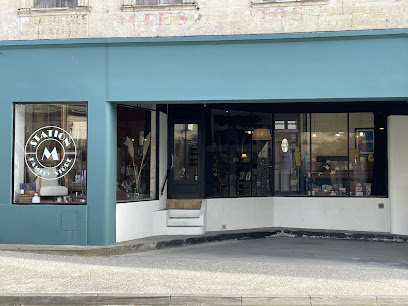
Station M family store
7.5 km
Explore unique gifts, antiques, and the cozy atmosphere of Station M Family Store in Branne, a perfect stop for every traveler.
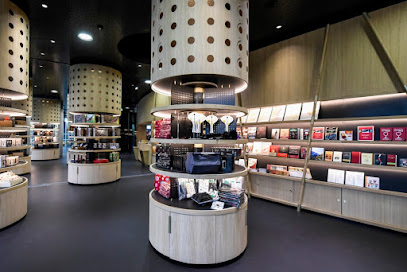
La Boutique de La Cité du Vin
31.2 km
Explore La Boutique de La Cité du Vin in Bordeaux for unique wine souvenirs and gifts celebrating the region's rich viticulture.
Boutique Cadeaux
31.3 km
Explore handcrafted treasures and unique gifts at Boutique Cadeaux, a delightful shop in Cadillac-sur-Garonne filled with local artistry.
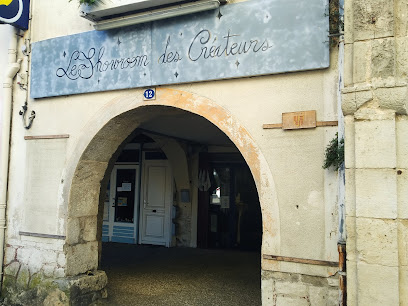
Le showroom des créateurs
31.3 km
Explore Le Showroom des Créateurs for unique handcrafted gifts and local artisan treasures in the heart of Cadillac-sur-Garonne.
Centre commercial Rives d'Arcins
31.6 km
Explore the vibrant Centre Commercial Rives d'Arcins, a shopping paradise in Bègles, France, featuring diverse stores, dining, and entertainment options.
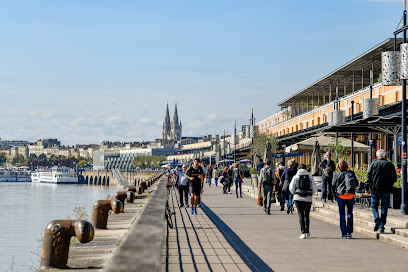
Bord'eau Village
32.1 km
Bord'eau Village in Bordeaux: A vibrant blend of gourmet shopping, coworking spaces, and rich historical experiences along the scenic waterfront.
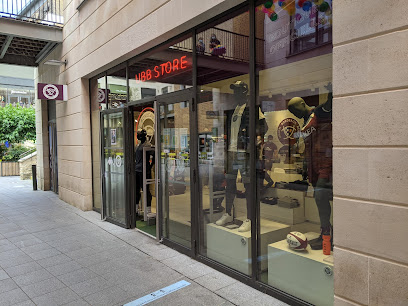
Boutique Officielle de l'Union Bordeaux Bègles Rugby
32.2 km
Explore the official store of Union Bordeaux Bègles, where rugby passion meets local culture in a vibrant shopping experience.
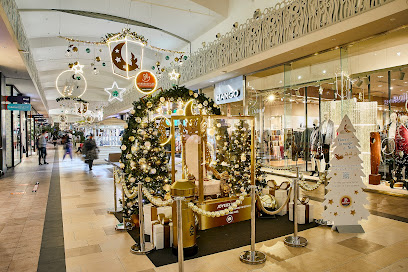
Bordeaux Lac
32.2 km
Discover Bordeaux Lac, a vibrant shopping mall in Bordeaux offering diverse stores, delicious dining options, and fun-filled recreational activities.
Primark
32.2 km
Explore affordable fashion and trendy styles at Primark Bordeaux, the ultimate shopping destination for savvy tourists.
MCV My Wine Cellar
32.3 km
Explore MCV My Wine Cellar, a premier wine store in Bordeaux offering a rich selection of local and international wines for every palate.
Bordeaux
32.6 km
Discover Bordeaux: A gem of French elegance, renowned for its wine, rich history, and charming streets, perfect for travelers seeking culture and gastronomy.
Wineandco
32.7 km
Explore the finest wines of Bordeaux at Wineandco, your premier liquor store for exceptional selections and tastings in the heart of the city.
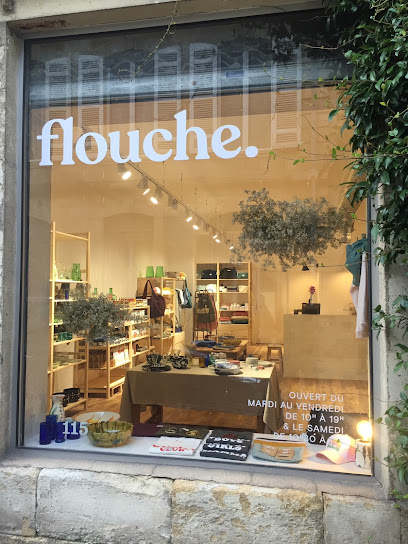
Flouche
32.9 km
Explore Flouche in Bordeaux for unique souvenirs, local delicacies, and artisan treasures that capture the heart of the region.
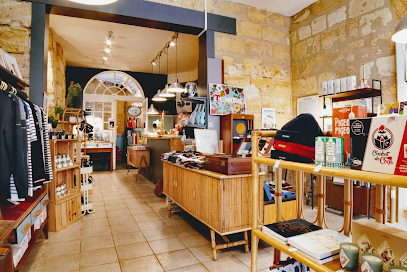
Do you speak French?
33.0 km
Discover the charm of Bordeaux shopping at 'Do you speak French?' - your destination for cosmetics, jewelry, home goods, and stationery.
Essential bars & hidden hideouts

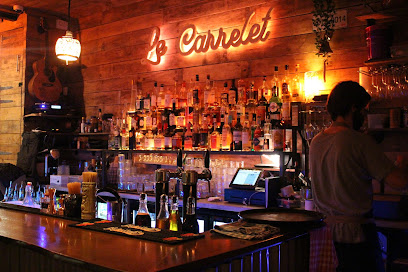
Le Carrelet
31.7 km
Discover the vibrant atmosphere and innovative cocktails at Le Carrelet, a must-visit cocktail bar in the heart of Bordeaux's nightlife.
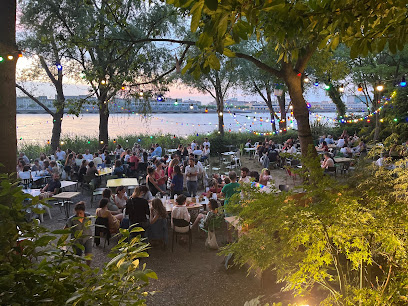
La Guinguette Chez Alriq
32.3 km
Experience the vibrant atmosphere and delectable tapas at La Guinguette Chez Alriq, a top culinary destination in Bordeaux's Port Bastide.
WINE MOMENT
32.6 km
Experience the art of wine and gourmet cuisine at Wine Moment, a Bordeaux gem blending exquisite tastes with artistic ambiance.
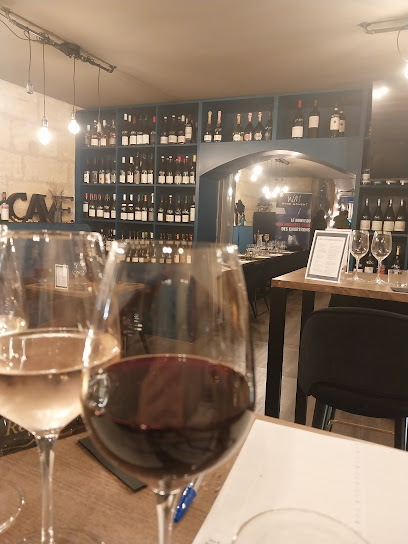
Molly Malone's
32.6 km
Discover the charm of Molly Malone's, an Irish pub in Bordeaux offering delicious food, lively music, and a warm atmosphere for every traveler.
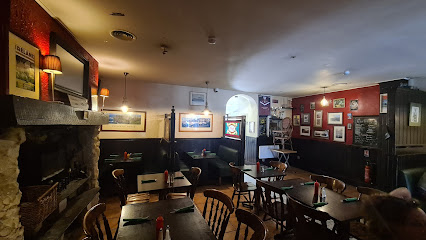
LE SINGE VERT - Maison de qualité
32.7 km
Discover the vibrant atmosphere and exquisite drinks at Le Singe Vert, a must-visit bar by the Garonne River in Bordeaux.
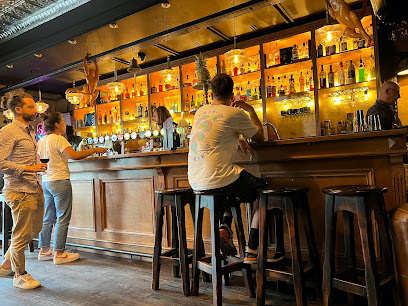
Les Marquises
32.7 km
Experience the vibrant nightlife of Bordeaux at Les Marquises, where exquisite cocktails and delicious tapas await in a charming waterfront setting.
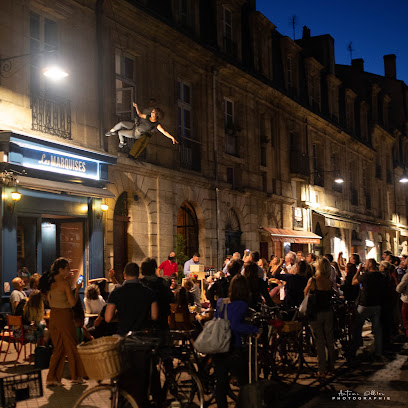
BLUE LETCHI
32.8 km
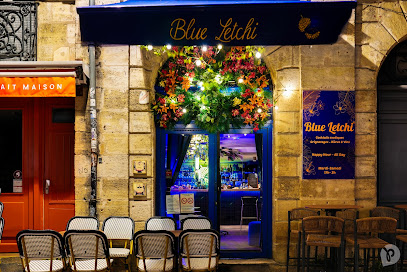
Discover Blue Letchi, Bordeaux's premier cocktail bar, where innovative drinks meet a lively ambiance along the picturesque Garonne River.
Bar Cave de la Monnaie
32.8 km
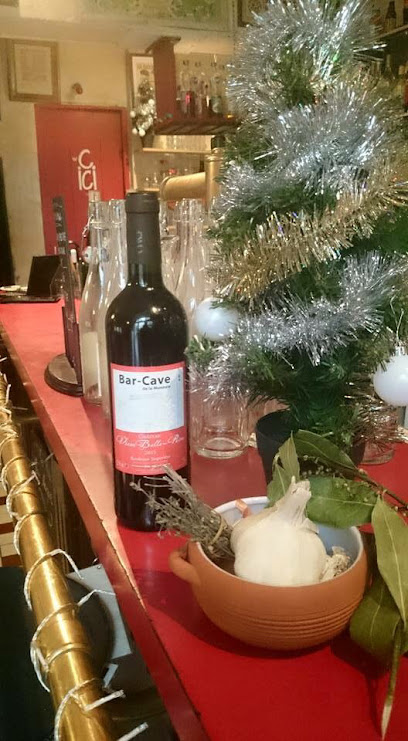
Experience the best of Bordeaux's wine and French cuisine at Bar Cave de la Monnaie, a cozy wine bar perfect for every palate.
Le JAX
32.8 km
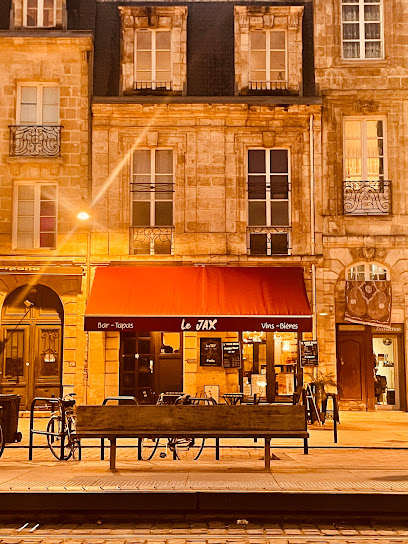
Experience the vibrant nightlife of Bordeaux at Le JAX, a trendy riverside bar offering exquisite cocktails and a lively atmosphere.
Les Furies Bergères
32.8 km
Discover the vibrant atmosphere and unique drink offerings at Les Furies Bergères, a must-visit bar in the heart of Bordeaux.
Le Bar A2
32.8 km
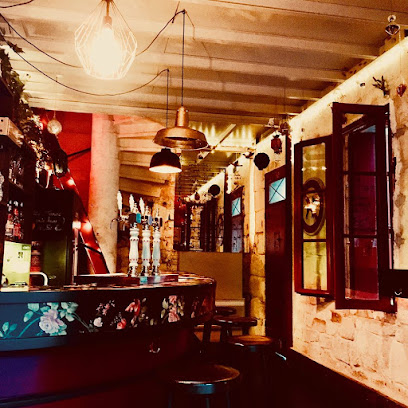
Discover Le Bar A2, Bordeaux's chic cocktail bar offering innovative drinks and a relaxing lounge atmosphere perfect for unwinding after a day of exploration.
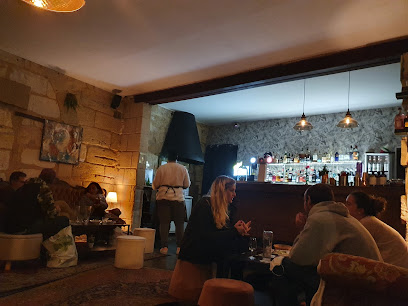
Couleurs du Vin : Bar à Vin Bio
32.8 km
Explore the essence of Bordeaux at Couleurs du Vin, a premier organic wine bar offering biodynamic wines in a welcoming atmosphere.
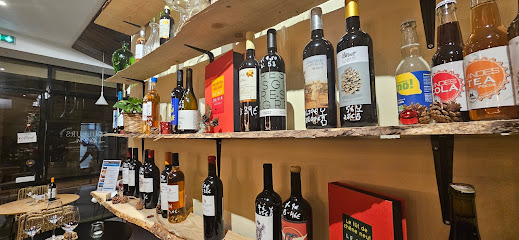
LOLA Hôtel & Bar
32.9 km
Discover the charm of Bordeaux at LOLA Hôtel & Bar, where stylish accommodations meet a vibrant cocktail experience in the heart of the city.
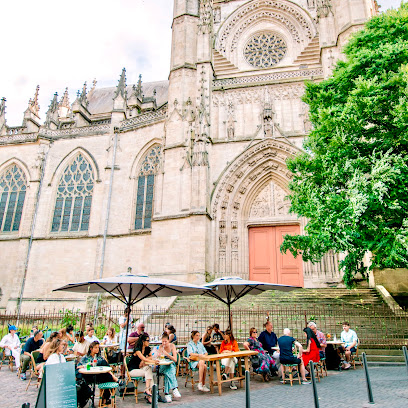
Beerbox
32.9 km
Discover the best of Bordeaux's craft beer scene at Beerbox, a lively bar offering an extensive selection of local brews and a warm atmosphere.
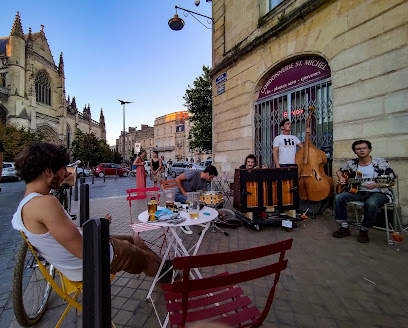
Bar Saint Michel
32.9 km
Discover the lively charm of Bar Saint Michel in Bordeaux, where flavorful drinks and delicious cuisine meet a vibrant atmosphere.
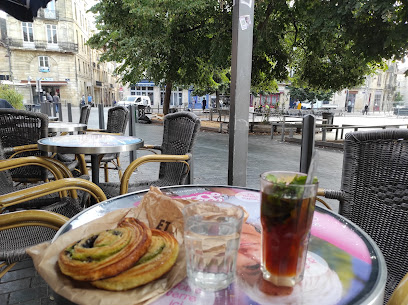
Nightclubs & after hour spots

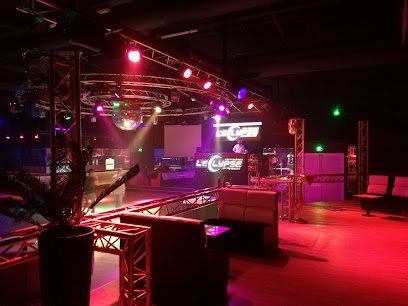
L'Éclypse Discothèque
31.0 km
Experience the electrifying nightlife at L'Éclypse Discothèque, Bordeaux's premier disco club with thrilling entertainment and delectable dining options.
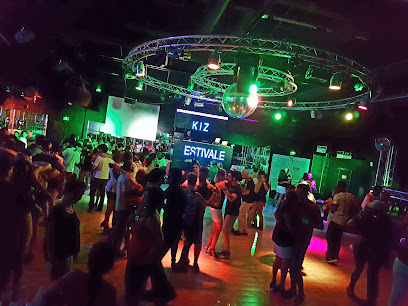
Bora Club Bordeaux
31.1 km
Bora Club Bordeaux: Your ultimate destination for an unforgettable disco experience in the heart of Bordeaux's vibrant nightlife!
LA DAME Club
31.6 km
Dive into the nightlife of Bordeaux at LA DAME Club, where vibrant music and an electrifying atmosphere create unforgettable evenings.
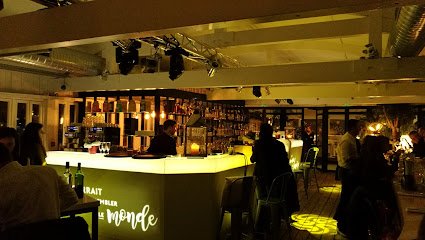
Le Society
31.7 km
Discover the vibrant blend of dining and nightlife at Le Society, Bordeaux's premier restaurant and club along the scenic Quai de Bacalan.
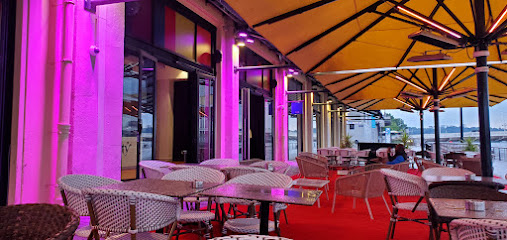
Le Theatro
31.7 km
Discover the pulse of Bordeaux's nightlife at Le Theatro, a premier night club filled with music, dance, and unforgettable moments.
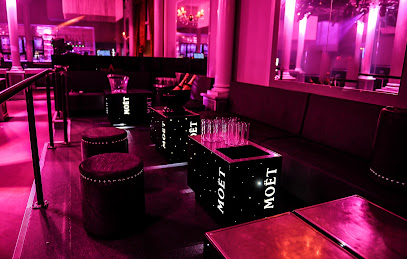
The Base - Bordeaux
32.1 km
Dive into the vibrant nightlife of Bordeaux at The Base, where music, dancing, and unforgettable moments come together in a pulsating disco atmosphere.
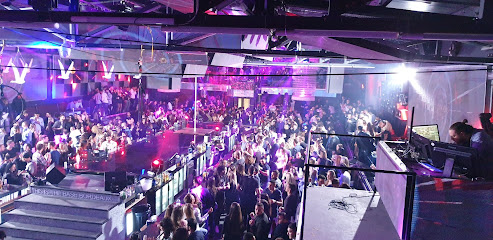
Discothèque La Plage - Bordeaux
32.1 km
Discover Bordeaux's nightlife at Discothèque La Plage, a vibrant club on the riverside offering unforgettable dance and music experiences.
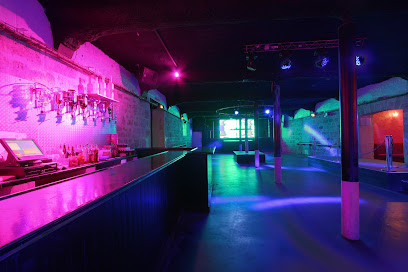
Pachanga Club Bordeaux
32.1 km
Dive into the vibrant nightlife of Bordeaux at Pachanga Club, where music, dance, and fun come together for an unforgettable experience.
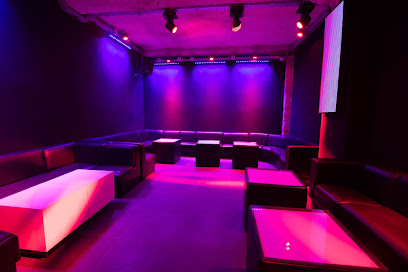
Light Club de Bordeaux - Bordeaux
32.1 km
Discover the electric atmosphere of Light Club de Bordeaux, a must-visit destination for nightlife lovers in the heart of Bordeaux.
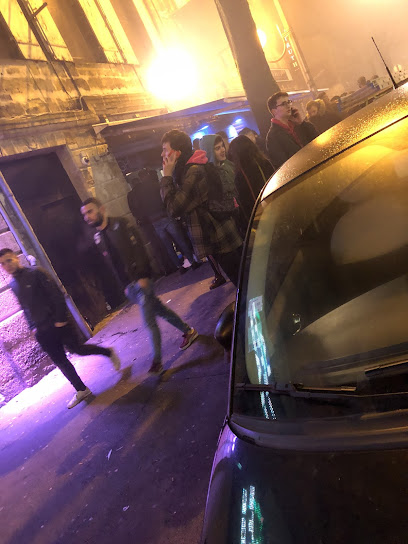
BT Club - Bègles
32.5 km
Dive into the vibrant nightlife of Bègles at BT Club - a lively disco club with electrifying music and unforgettable live performances.
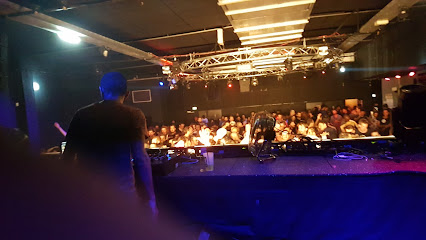
Ultra Klubs
32.7 km
Experience the pulsating nightlife at Ultra Klubs, Bordeaux's premier night club featuring electrifying music and an energetic crowd.
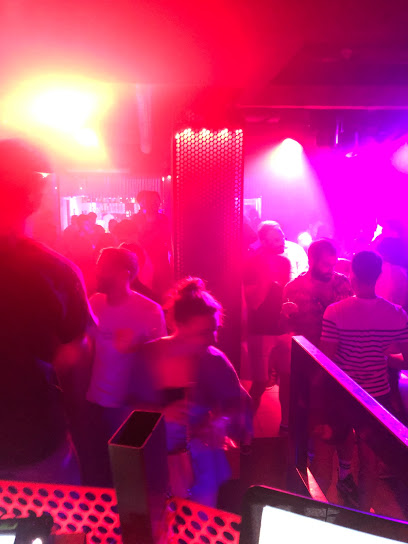
OPAL club lounge
33.2 km
Experience the vibrant nightlife of Bordeaux at OPAL Club Lounge, where electrifying music and stylish surroundings create unforgettable nights.
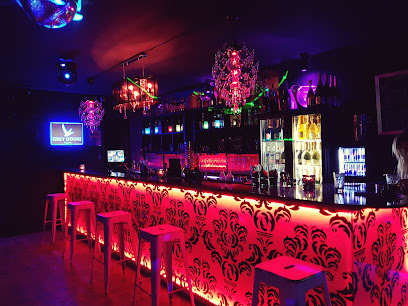
BAM Karaoke Box Bordeaux - Chartrons
33.2 km
Experience the thrill of karaoke at BAM Karaoke Box Bordeaux - Chartrons, where great music and cocktails meet for an unforgettable night out.
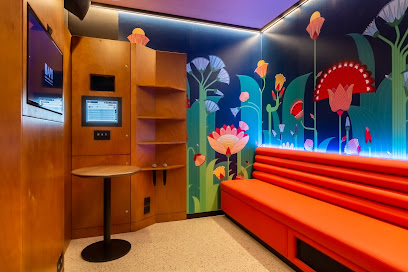
L'orangeade
33.2 km
Experience the vibrant nightlife of Bordeaux at L'orangeade, where music, dance, and fun converge in a lively disco atmosphere.
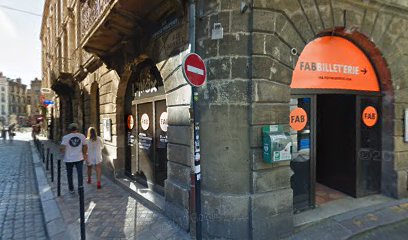
Le Romulus
33.2 km
Experience the charm of Bordeaux at Le Romulus, a stylish lounge with exquisite cocktails and a cozy atmosphere perfect for relaxation and socializing.