Musée d'Aquitaine, Bordeaux Travel Guide
Explore 400,000 years of history at Musée d'Aquitaine in Bordeaux, from prehistoric artifacts to captivating exhibits on transatlantic trade and regional ethnography, offering a journey through time.
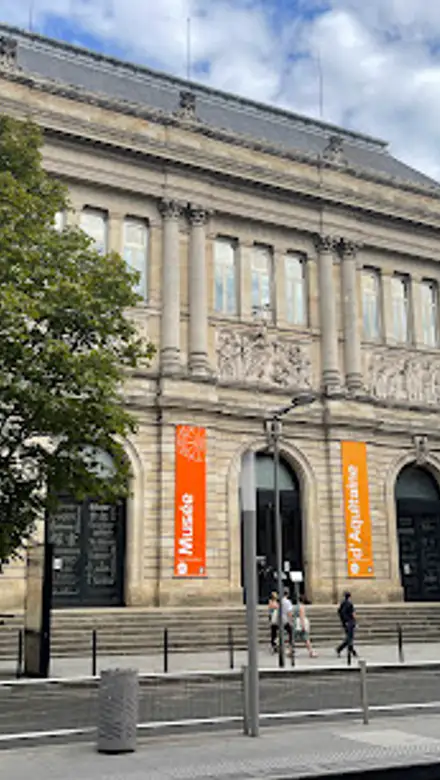
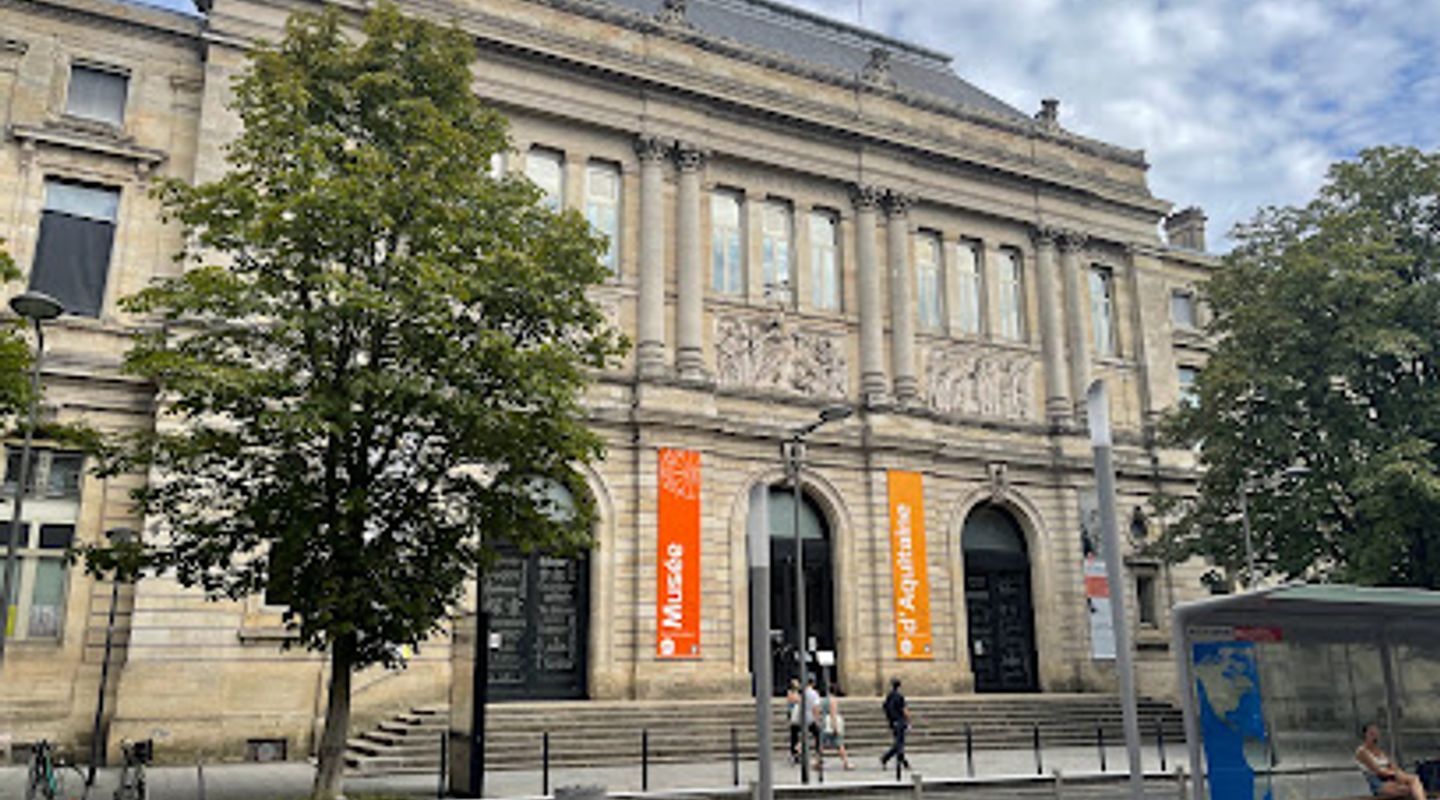
The Musée d'Aquitaine in Bordeaux invites visitors on a captivating journey through the history of Bordeaux and the Aquitaine region, from prehistoric times to the present day. Housed in the former Faculty of Letters and Sciences, the museum boasts an impressive collection of over 1.3 million artifacts, encompassing archaeology, ethnography, and regional history. Explore the region's Gallo-Roman past, discover unique objects from the Middle Ages, and learn about Bordeaux's role in transatlantic trade and the complexities of its colonial past. With its diverse exhibits and engaging cultural programs, the Musée d'Aquitaine offers a rich and insightful experience for all ages, providing a deeper understanding of the region's cultural heritage and its connections to the wider world. The museum regularly hosts temporary exhibitions, exploring various themes related to history and world cultures, ensuring a dynamic and ever-evolving experience for repeat visitors. Don't miss the opportunity to delve into the captivating story of Aquitaine at this must-see Bordeaux institution.
A brief summary to Musée d'Aquitaine
- 20 Cr Pasteur, Bordeaux, 33000, FR
- Click to display
- Click to display
- Tuesday 11 am-6 pm
- Wednesday 11 am-6 pm
- Thursday 11 am-6 pm
- Friday 11 am-6 pm
- Saturday 11 am-6 pm
- Sunday 11 am-6 pm

Know before you go
Hi, I'm Eve. Here are a few practical things to know before exploring Musée d'Aquitaine.
- Visit on the first Sunday of the month (except July and August) for free admission to the permanent collections.
- Download the museum's app for audio-guided tours tailored for both adults and children, enhancing your exploration of the exhibits.
- Combine your visit with a stroll to nearby Place Pey-Berland and the Cathédrale Saint André, easily accessible from the 'Musée d'Aquitaine' tram stop.
Do you manage this location?
Take control to get all the benefits, like improved information, better appearance, and stronger visibility across AI-powered discovery. Learn more about listing your business on Evendo
Activate your presenceOther nearby places you may find interesting
The closest places of the same kind, if this one is not quite what you had in mind.
Explore Musée d'Aquitaine on the Map
A handpicked selection of must-see spots near Musée d'Aquitaine, mapped for you.
Unlock the Best of Musée d'Aquitaine
Buy tickets
-
No tickets available
Book tours with entry


Getting There
-
Public Transport
The Musée d'Aquitaine is easily accessible via Bordeaux's tram system. Take Line B and disembark at the 'Musée d'Aquitaine' stop, which is directly in front of the museum's entrance. Tram tickets cost €1.80 for a single journey valid for one hour, or consider a 24-hour pass for €5 if you plan to use public transport extensively. Tickets can be purchased at tram stops using the vending machines or via the TBM app.
-
Walking
If you are in the city center, particularly near Place Pey-Berland or the Hôtel de Ville, the Musée d'Aquitaine is within easy walking distance. From Place Pey-Berland, walk south along Cours Pasteur for a few minutes; the museum will be on your left. From Hôtel de Ville, walk along Cours d'Alsace-et-Lorraine, then turn left onto Cours Pasteur. The walk is approximately 5-10 minutes. No costs are associated with walking.
-
Driving
If driving, be aware that parking near the Musée d'Aquitaine can be limited. Several parking garages are located within a 5-10 minute walk, including Parking Victor Hugo, Parking Pey-Berland, and Parking République. Expect to pay around €2.50-€3.50 per hour for parking, or approximately €20-€25 for a full day. Consider using a parking app like Zenpark to reserve a spot in advance.
Discover more about Musée d'Aquitaine













Your all‑in‑one travel companion app
Explore expert travel guides, compare and book tours, experiences, hotels, and more—all from the palm of your hand. Download now for seamless trip planning wherever your wanderlust takes you.


Explore More of Bordeaux
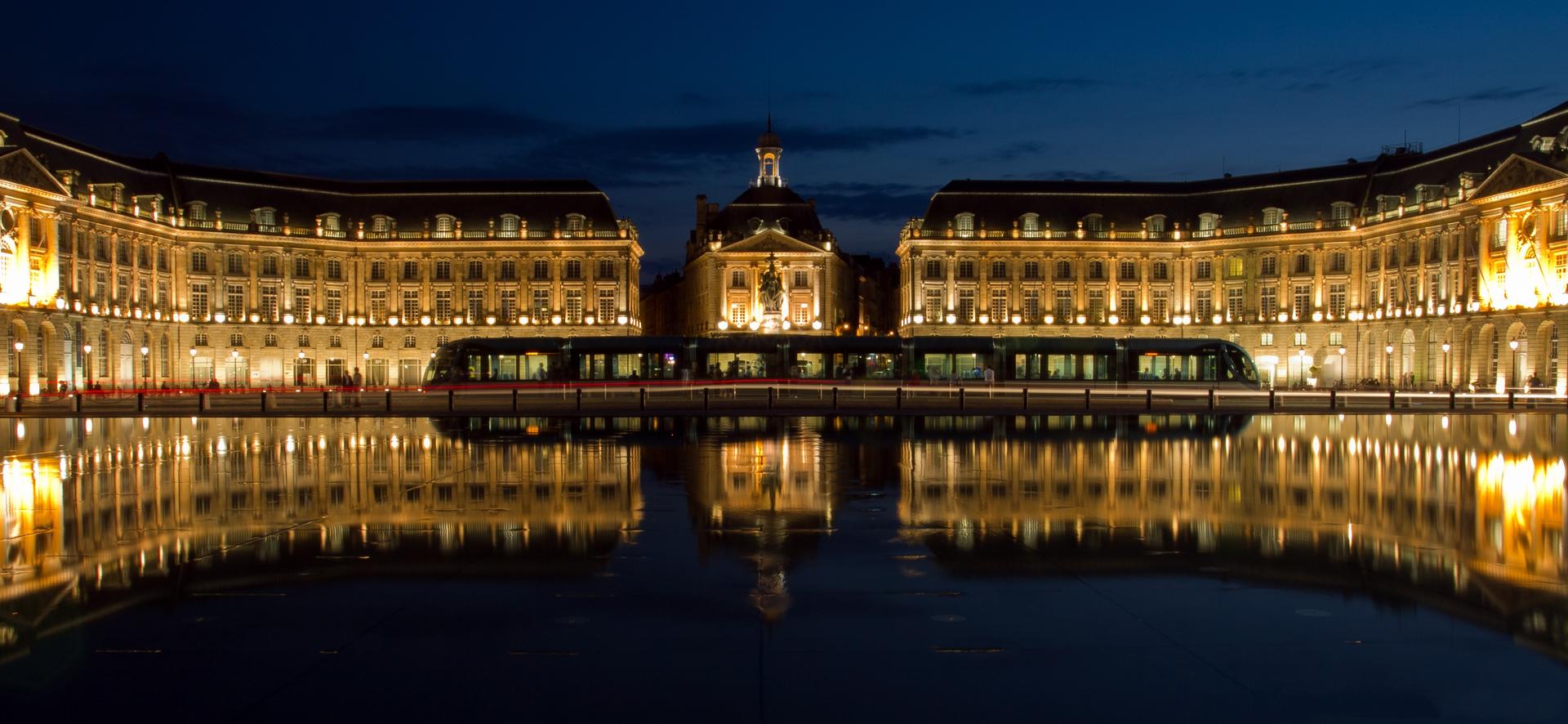
Looking beyond Musée d'Aquitaine? Discover Bordeaux for broader travel guides, local hot-spots, and regional highlights.
Explore Bordeaux
Indulge in the sweet heritage of Bordeaux at Les Noisettines du Médoc, where artisan chocolates and local flavors create an unforgettable confectionery experience. A taste of tradition awaits!
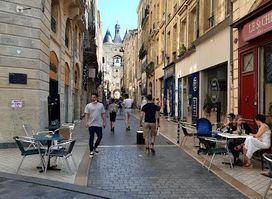
Discover Place Fernand Lafargue in Bordeaux: a vibrant square blending medieval history with modern cafes, lively concerts, and a bustling atmosphere in the heart of the city.