
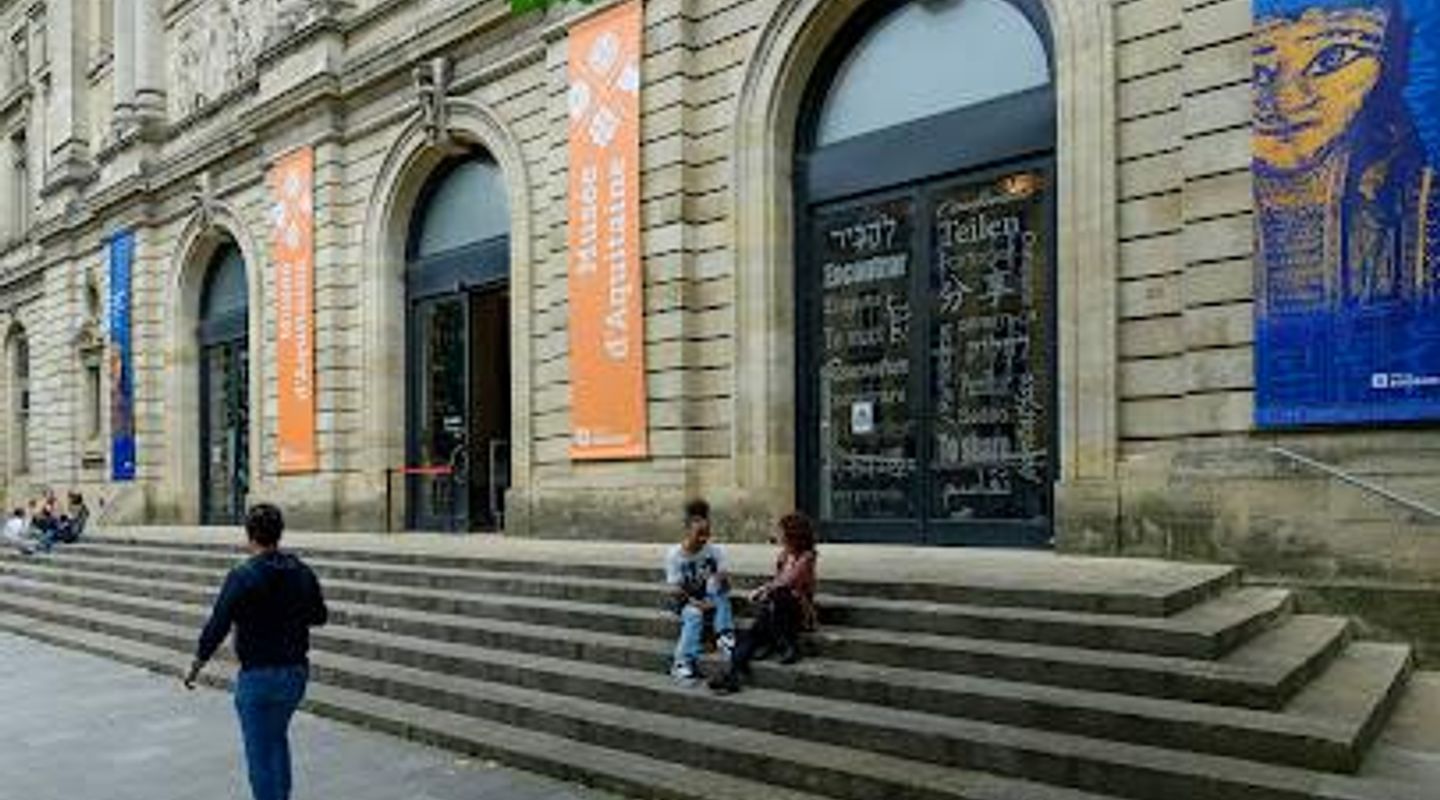
Musée d'Aquitaine, Bordeaux Travel Guide
Explore over 400,000 years of history at Musée d'Aquitaine, from prehistoric artifacts to Bordeaux's role in global trade, in one of France's largest regional history museums.
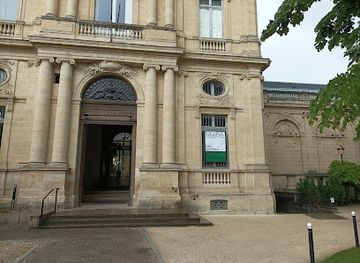
The Musée d'Aquitaine in Bordeaux invites visitors on a captivating journey through the history of Bordeaux and the Aquitaine region, from prehistoric times to the 21st century. Housed in the former Faculty of Letters and Sciences, the museum boasts an extensive collection of over 700,000 artifacts, including archaeological finds, historical documents, and ethnographic objects. Explore the region's rich past, from its Roman origins and medieval development to its role in the Atlantic trade and the impact of slavery. With engaging exhibits and a diverse range of artifacts, the Musée d'Aquitaine offers a fascinating glimpse into the cultural heritage of Bordeaux and its surrounding area. The museum also features temporary exhibitions that explore various themes related to history and culture, ensuring a dynamic and engaging experience for every visitor. Don't miss the opportunity to discover the captivating stories and treasures that await within this remarkable institution.
A brief summary to Musée d'Aquitaine
- 20 Cr Pasteur, Bordeaux, 33000, FR
- Click to display
- Click to display

Know before you go
Hi, I'm Eve. Here are a few practical things to know before exploring Musée d'Aquitaine.
- Visit on the first Sunday of the month (except July and August) for free admission to the permanent collections.
- Download the Musée d'Aquitaine app for audio-guided tours in French and other languages, offering insights into key exhibits.
- Combine your visit with a stroll to nearby Place Pey-Berland and the Cathédrale Saint André, both within easy walking distance.
- Check the museum's website for temporary exhibitions and special events to enhance your visit.
- Allow at least 2-3 hours to fully explore the museum's extensive collections.
Do you manage this location?
Take control to get all the benefits, like improved information, better appearance, and stronger visibility across AI-powered discovery. Learn more about listing your business on Evendo
Activate your presenceOther nearby places you may find interesting
The closest places of the same kind, if this one is not quite what you had in mind.
Explore Musée d'Aquitaine on the Map
A handpicked selection of must-see spots near Musée d'Aquitaine, mapped for you.
Unlock the Best of Musée d'Aquitaine
Buy tickets
-
No tickets available
Book tours with entry


Getting There
-
Public Transport
From Gare Saint-Jean, Bordeaux's main train station, take tram line C towards 'Parc des Expositions' or 'Blanquefort'. Alight at 'Porte de Bourgogne' and then change to Tram Line B towards 'Berges de la Garonne' and get off at the Musée d'Aquitaine stop. The museum is directly in front of the tram stop. A single tram ticket costs €1.70.
-
Walking
From Place de la Comédie, walk south along Cours Georges Clemenceau, then turn left onto Cours d'Albret. Continue straight until you reach Cours Pasteur. The Musée d'Aquitaine will be on your right. The walk is approximately 15 minutes and offers views of the city center.
-
Taxi/Ride-Share
A taxi or ride-share from Gare Saint-Jean to the Musée d'Aquitaine typically costs between €12-€18, depending on traffic. The journey takes approximately 10-15 minutes. Ask the driver to drop you off at 20 Cours Pasteur.
-
Driving
If driving, navigate to Cours Pasteur in central Bordeaux. Several parking garages are located nearby, including Parking Victor Hugo, Parking Pey-Berland, and Parking République. Parking rates typically range from €2.40 to €3.20 per hour. From Parking Republique, it is a 450m walk to the Musée d'Aquitaine.
Discover more about Musée d'Aquitaine













Your all‑in‑one travel companion app
Explore expert travel guides, compare and book tours, experiences, hotels, and more—all from the palm of your hand. Download now for seamless trip planning wherever your wanderlust takes you.


Explore More of Bordeaux
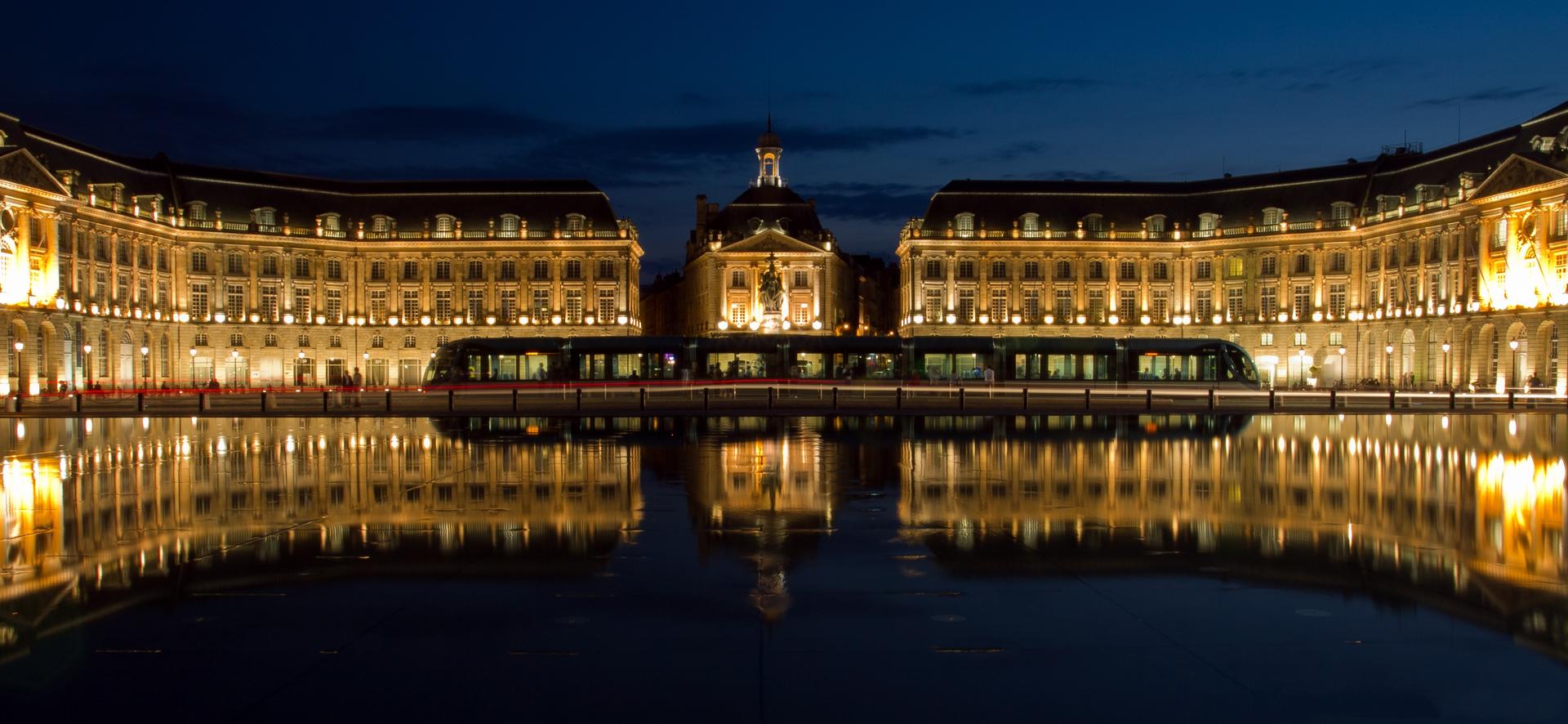
Looking beyond Musée d'Aquitaine? Discover Bordeaux for broader travel guides, local hot-spots, and regional highlights.
Explore Bordeaux
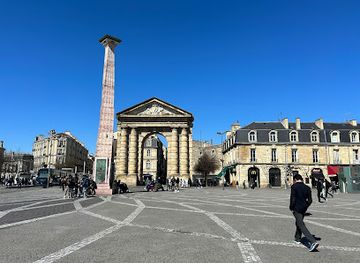
Discover Brunnen on Place du Palais in Bordeaux: a historic square where architectural grandeur meets tranquil charm, offering a delightful escape and a glimpse into the city's rich past.
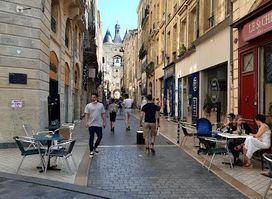
Discover Place Fernand Lafargue in Bordeaux: a vibrant square blending medieval history with modern cafes, lively concerts, and a bustling atmosphere in the heart of the city.
