Lisieux Cathedral: A Gothic Masterpiece
Discover Lisieux Cathedral, a stunning example of Norman Gothic architecture with a rich history, intertwined with Saint Thérèse and Bishop Cauchon.
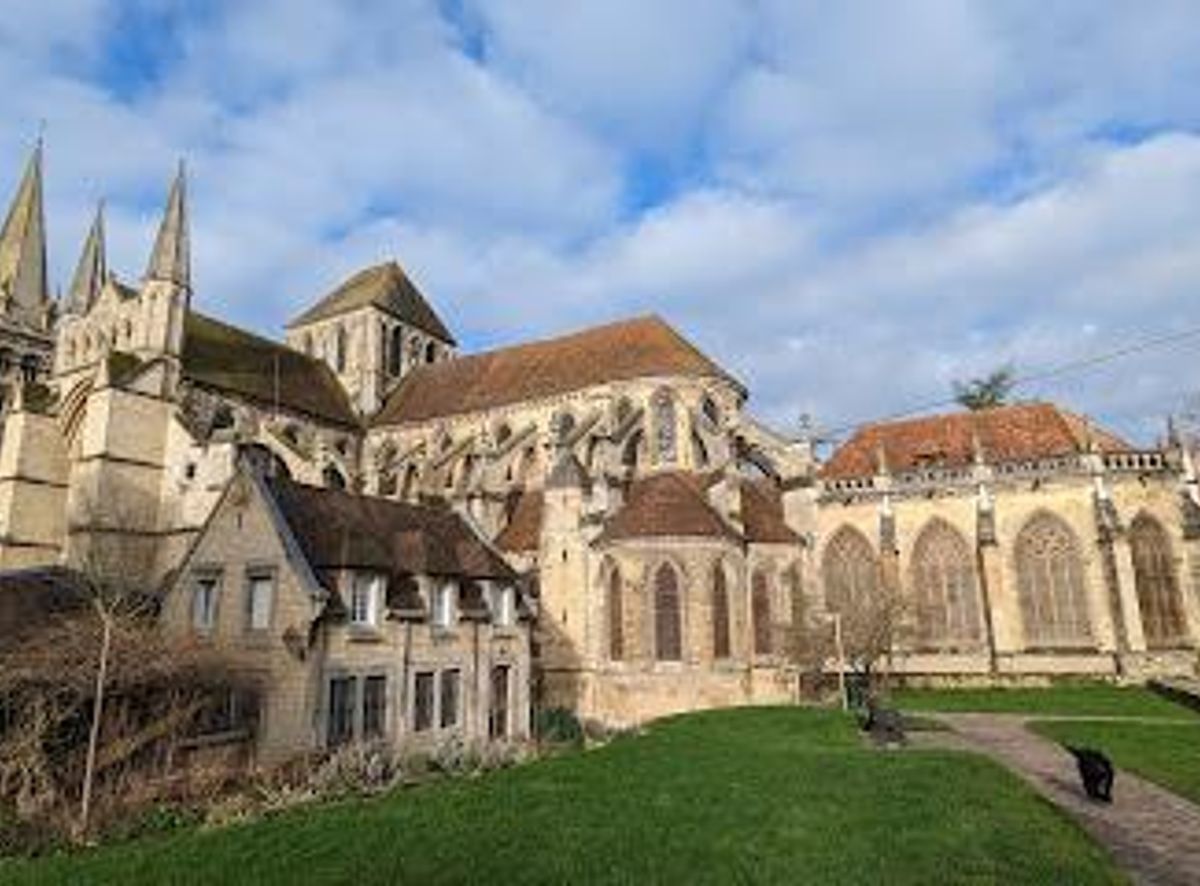
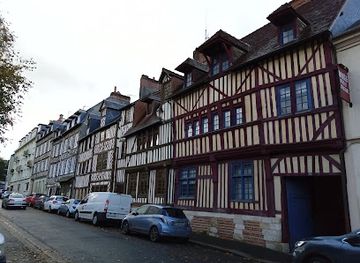
Lisieux Cathedral, formally known as Cathédrale Saint-Pierre de Lisieux, is a captivating testament to Norman Gothic architecture and a significant historical landmark in the heart of Lisieux. Construction of this magnificent edifice commenced in the mid-12th century, around 1160, under the guidance of Bishop Arnulf, making it one of the earliest examples of Gothic architecture in Normandy. The cathedral's design was heavily influenced by the architectural innovations of the Île-de-France region, incorporating elements such as ribbed vaults and flying buttresses, which were groundbreaking for the time. The history of Lisieux Cathedral is deeply interwoven with the religious and political events that shaped Normandy and France. An earlier Romanesque cathedral on the site was destroyed by fire in 1136, prompting the need for a grander, more resilient structure. Bishop Arnulf, a close advisor to both the kings of France and England, enlisted skilled builders familiar with the latest techniques, ensuring the cathedral would be a showcase of contemporary design. Dendrochronological investigations have dated the roof structures to around 1183, confirming the cathedral's place as a pivotal early Gothic construction. Throughout the centuries, Lisieux Cathedral has undergone several transformations and expansions. In the 13th century, Bishop Guillaume Du Pont-de-l'Arche added three ambulatory chapels following a fire in 1226. The cathedral also bears the mark of Pierre Cauchon, who served as the Bishop of Lisieux from 1432 and is best known for presiding over the trial of Joan of Arc. Cauchon's legacy is visible in the cathedral's Chapel of the Virgin, where his body is buried. The south tower was rebuilt in the 16th century, receiving its flèche in the 17th century. The architectural style of Lisieux Cathedral is a harmonious blend of Norman and Gothic elements. The nave, inspired by the Île-de-France Gothic style, presents a sense of austerity and verticality, drawing the eye upward to the intricate ribbed vaults. The later additions, including the chevet, lantern tower, and western façade, showcase a more distinctly Norman style, characterized by robust forms and refined detailing. The west front features three portals surmounted by two imposing towers, creating a striking visual impact. Inside the cathedral, visitors can admire a wealth of artistic and historical treasures. The Chapel of the Virgin, built under the direction of Pierre Cauchon, is a prime example of Flamboyant Gothic architecture, adorned with intricate carvings and the coats of arms of Cauchon and the chapter. The cathedral also houses a marble plaque marking the spot where Saint Thérèse of Lisieux, a beloved 19th-century saint, attended Sunday High Mass with her family. The cathedral held a special place in her life, as she received her first confession and regularly participated in services there. Lisieux itself is a town steeped in religious history, attracting pilgrims and visitors from around the world. While the Basilica of Sainte-Thérèse, dedicated to the town's most famous saint, often overshadows the cathedral, Saint-Pierre offers a more intimate and historically rich experience. The Quartier Canonial, the neighborhood surrounding the cathedral, retains many impressive buildings once associated with the religious administration, providing a glimpse into the town's medieval past. Remarkably, Lisieux Cathedral survived the Allied bombings of 1944 unscathed, while much of the town was devastated. This preservation allows visitors to step back in time and appreciate the architectural and artistic achievements of past generations. The cathedral stands as a symbol of resilience and enduring faith, inviting contemplation and reflection. Visiting Lisieux Cathedral is a journey through centuries of history, art, and spirituality. Whether you are drawn to its architectural grandeur, its connection to Saint Thérèse, or its role in the broader narrative of Normandy, the cathedral offers a profound and enriching experience. Take the time to explore its chapels, admire its stained glass windows, and soak in the atmosphere of reverence and tranquility. Lisieux Cathedral is not just a building; it is a living testament to the enduring power of faith and the beauty of human creativity. Today, the Cathedral of Saint-Pierre continues to serve as an active place of worship, hosting regular masses and religious ceremonies. It also welcomes visitors of all faiths and backgrounds, offering guided tours and opportunities for quiet contemplation. The cathedral's doors are open daily, inviting all to discover its treasures and experience its timeless beauty. A visit to Lisieux Cathedral is an essential part of any trip to Lisieux, providing a deeper understanding of the town's history, culture, and spiritual significance. Its enduring presence stands as a beacon of hope and inspiration for generations to come.
Local tips
- Visit during a weekday morning to avoid crowds and experience the cathedral's serene atmosphere.
- Take a guided tour to learn about the cathedral's history, architecture, and connection to Saint Thérèse.
- Explore the Quartier Canonial surrounding the cathedral to see well-preserved medieval buildings.
- Attend a Sunday mass to experience the cathedral as a living place of worship.
- Combine your visit with a trip to the Basilica of Sainte-Thérèse to understand Lisieux's religious significance.
A brief summary to Lisieux Cathedral
- Pl. François Mitterrand, Lisieux, 14100, FR
- +33231620982
- Visit website
- Monday 9:30 am-7 pm
- Tuesday 9:30 am-7 pm
- Wednesday 9:30 am-7 pm
- Thursday 9:30 am-7 pm
- Friday 9:30 am-6:45 pm
- Saturday 9:30 am-6:45 pm
- Sunday 9:30 am-6:45 pm
Getting There
-
Walking
From the Lisieux city center, such as the main square near the Hôtel de Ville (City Hall), the cathedral is a short walk of approximately 5-10 minutes. Head east, following signs for the Cathédrale Saint-Pierre. The cathedral is easily visible, its towers rising above the surrounding buildings. Orient yourself towards Place François Mitterrand; the cathedral faces this square.
-
Public Transport
If arriving by train at Lisieux Station, you can take a local bus towards the city center. Several bus lines stop near the cathedral. Alight at the 'Mitterrand' stop, which is directly in front of the cathedral. A single bus fare costs approximately €2. Alternatively, from the train station, it's a 20-minute walk to the cathedral following the main road (Avenue Victor Hugo) into the city center, then following signs to the right.
-
Taxi/Ride-Share
Taxis are readily available at Lisieux Station and throughout the city center. A taxi ride from the train station to the cathedral will take approximately 5 minutes and cost between €8-€12. Ride-sharing services like Uber are also available in Lisieux, with similar pricing.
-
Driving
If driving, navigate to Place François Mitterrand, 14100 Lisieux. Limited street parking is available around the cathedral. There are also several paid parking lots within a 5-10 minute walk. Parking fees typically range from €1.50 per hour to €8 per day. Be aware that parking can be limited during peak tourist season and on Sundays due to church services.