Pont au Change: A Bridge Through Parisian History
Cross the Seine on this historic bridge, once home to money changers, and admire its Second Empire architecture and connections to Parisian history.
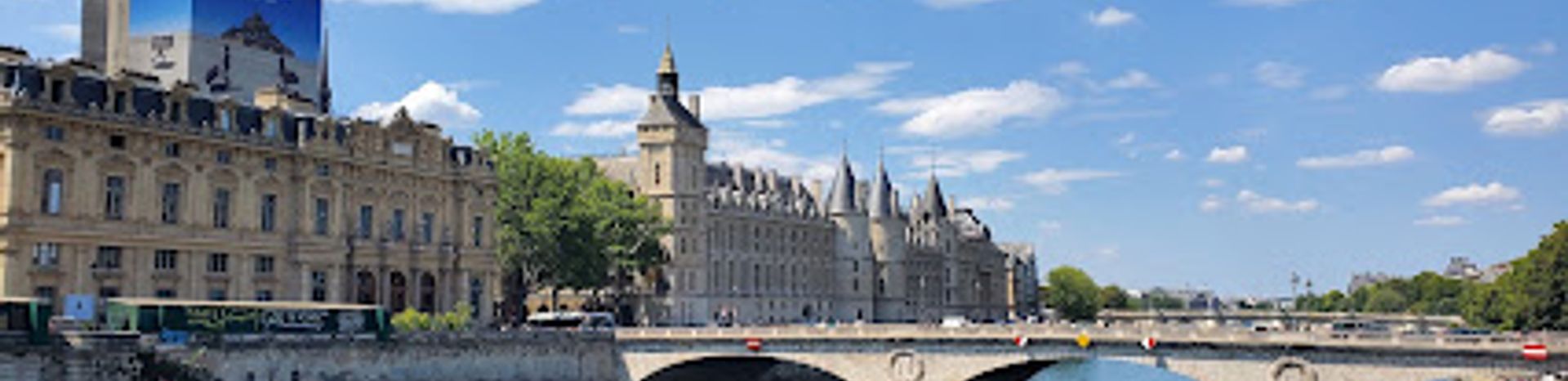
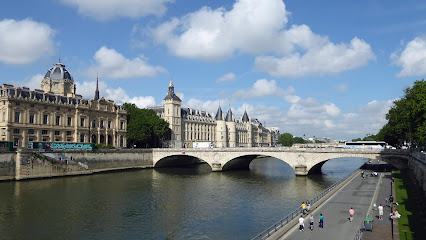
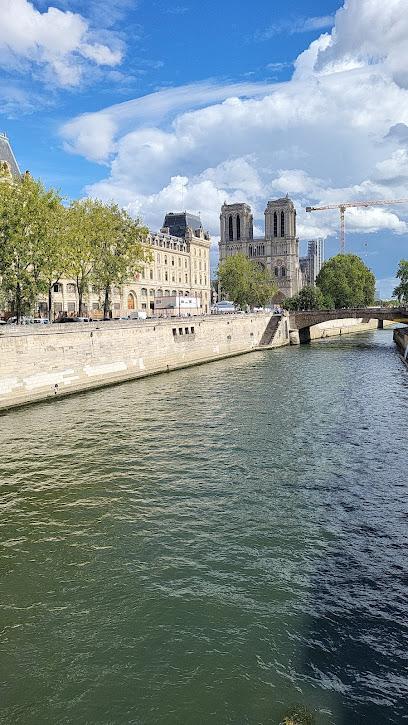
The Pont au Change, an iconic bridge in Paris, connects the Île de la Cité to the Right Bank. Originally a site for money changers in the 12th century, the current bridge, constructed during Napoleon III's reign (1858-1860), showcases ornate Second Empire architecture.
A brief summary to Pont au Change
- Pont au Change, Paris, 75001, FR
Local tips
- Look for the imperial insignia, the letter 'N', which is a tribute to Napoleon III, during whose reign the current bridge was constructed.
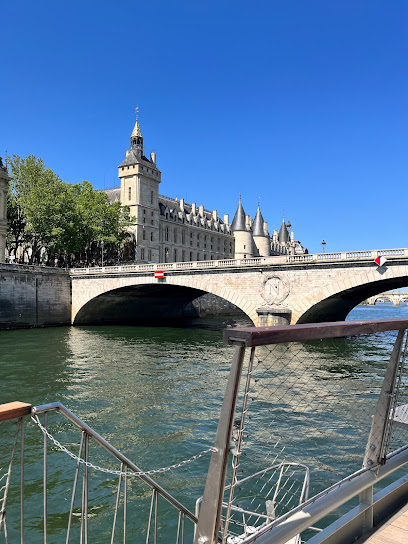
- Take a stroll along the bridge to enjoy views of the Conciergerie and the Palais de Justice on the Île de la Cité.
- Combine your visit with a walk along the Seine, exploring other nearby attractions such as the Sainte-Chapelle and Notre Dame Cathedral.

Getting There
-
Walking
From the Châtelet Métro station, walk south along the Boulevard du Palais. The Pont au Change will be directly ahead, crossing the Seine. The walk is approximately 5 minutes and offers views of the Palais de Justice.
-
Public Transport
Take the Métro to the Cité station on line 4. Upon exiting the station, walk across the Île de la Cité towards the Boulevard du Palais. Cross the boulevard to reach the Pont au Change. A single Métro ticket costs €2.50.
-
Taxi/Ride-Share
Taxis and ride-sharing services can drop you off directly at the Quai de la Mégisserie (Right Bank) or Quai de l'Horloge (Île de la Cité), adjacent to the Pont au Change. A short taxi ride from a central Paris location, such as the Louvre, will cost approximately €11, depending on traffic.
Discover more about Pont au Change
Iconic landmarks you can’t miss

Pont au Change
0.0 km
Cross the Seine on this historic bridge, once home to money changers, and admire its Second Empire architecture and connections to Parisian history.
Tour de l'Horloge du Palais de la Cité
0.1 km
Explore the iconic Tour de l'Horloge du Palais de la Cité in Paris, a historical monument showcasing France's rich cultural heritage and stunning architecture.
Pl. du Châtelet
0.1 km
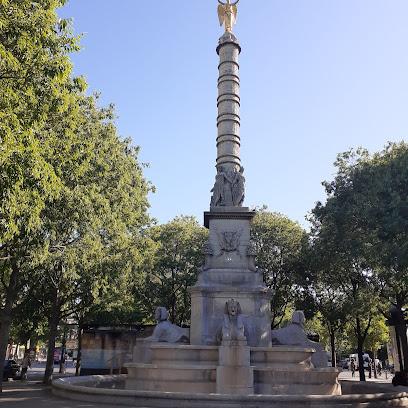
Discover the enchanting charm of Place du Châtelet, a historic square in the heart of Paris, surrounded by stunning architecture and vibrant culture.
Pont Notre-Dame
0.1 km
Walk across centuries of Parisian history on this iconic bridge, offering stunning views of the Seine River and Île de la Cité.
Paris Law Courthouse
0.2 km
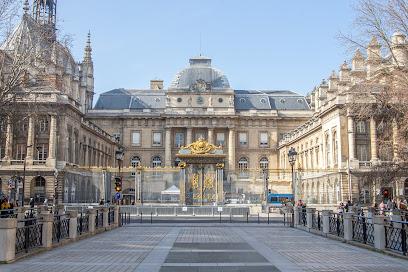
Explore the majestic Paris Law Courthouse, a historical landmark showcasing stunning architecture and a glimpse into the French legal system.
Square of Saint-Jacques Tower
0.2 km
Discover the serene beauty of the Square of Saint-Jacques Tower, a historic city park in Paris surrounded by lush gardens and stunning architecture.
Ancienne église Saint-Jacques de la Boucherie
0.2 km
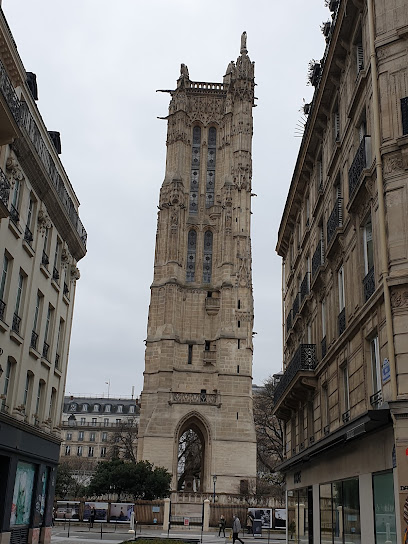
Discover the rich history and breathtaking architecture of Ancienne Église Saint-Jacques de la Boucherie, a stunning landmark in the heart of Paris.
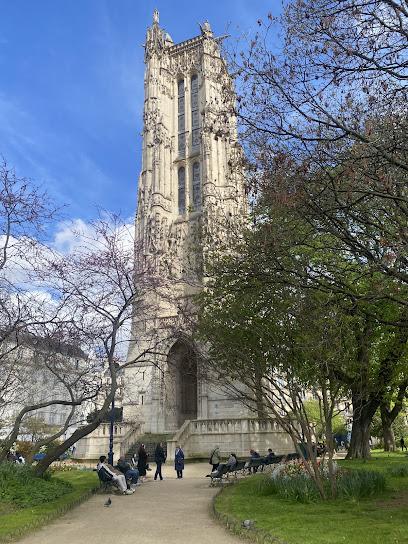
GuideMe Paris - free walking tour
0.2 km
Explore the enchanting streets of Paris with GuideMe Paris - free walking tour, led by passionate locals sharing the city's secrets and stories.
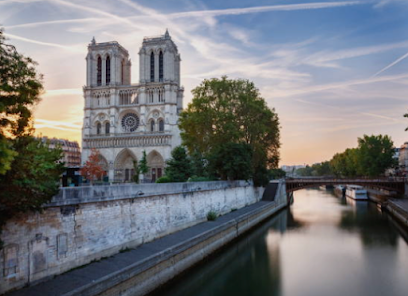
Parisology
0.2 km
Discover the magic of Paris with Parisology, the premier sightseeing tour agency offering tailored experiences to explore the iconic and hidden treasures of the City of Light.
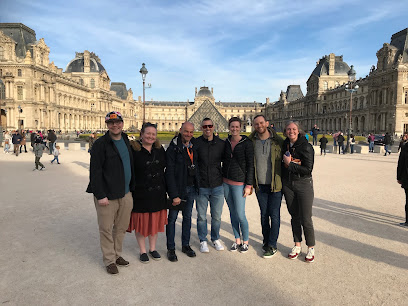
Quai de l'Horloge
0.3 km
Experience the charm of Paris at Quai de l'Horloge, a scenic riverside destination perfect for leisurely strolls and breathtaking views.
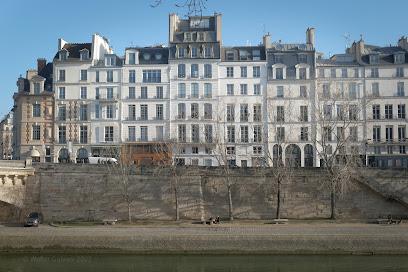
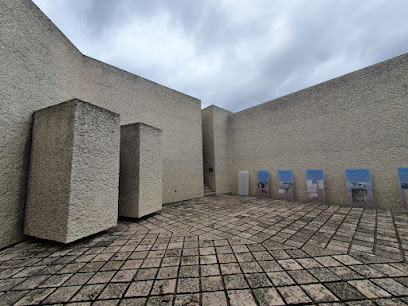
Memorial to The Massacre of October 17th, 1961
0.3 km
Explore the Memorial to The Massacre of October 17th, 1961 on Île de la Cité—an important historical landmark that honors the legacy of resilience and human rights.
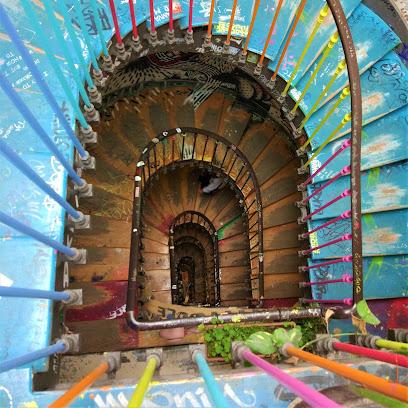
59 Rue de Rivoli
0.3 km
Discover the architectural beauty and vibrant atmosphere of 59 Rue de Rivoli, a historic gem in the heart of Paris.
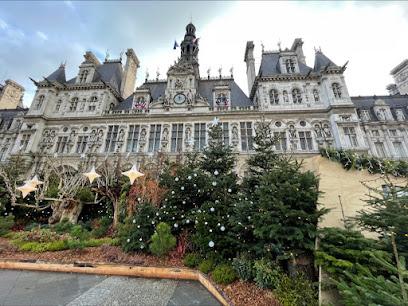
Pl. de l'Hôtel de Ville
0.3 km
Explore the enchanting Place de l'Hôtel de Ville, a historic square in the heart of Paris showcasing stunning architecture and vibrant local culture.
St. Michael's Bridge
0.3 km
Discover St. Michael's Bridge, a picturesque link between Paris's historic sights and charming streets, perfect for capturing unforgettable moments.
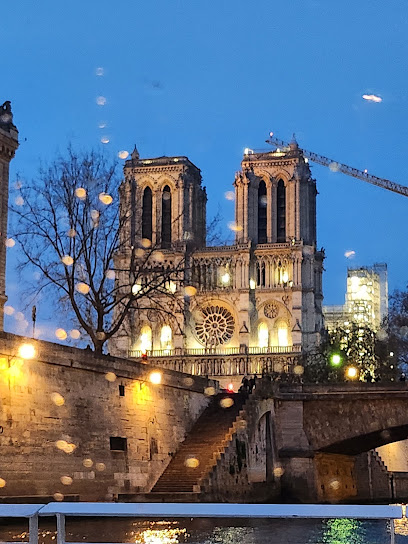
Pont Saint-Michel
0.3 km
Discover the beauty of Pont Saint-Michel, a historic bridge in Paris offering stunning views and a perfect spot for memorable moments.
Unmissable attractions to see

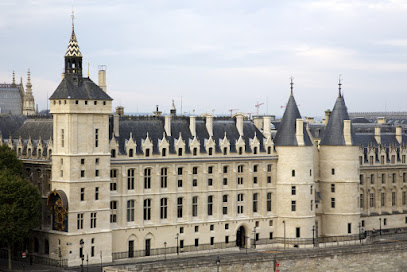
Conciergerie
0.1 km
Explore the Conciergerie in Paris, a stunning medieval monument and historical prison that unveils the intriguing tales of France's past.
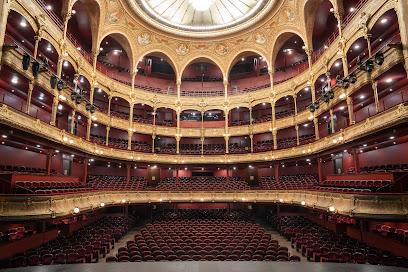
Théâtre du Châtelet
0.1 km
Discover the magic of performance at the historic Théâtre du Châtelet, a cultural landmark in the heart of Paris, offering diverse shows year-round.
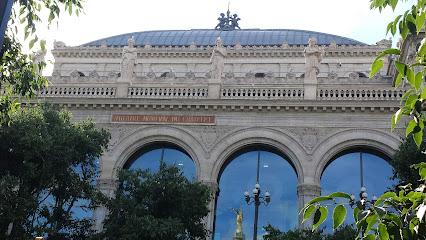
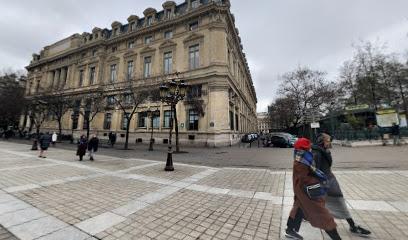
Théâtre de la Ville
0.1 km
Experience the vibrant pulse of Parisian culture at Théâtre de la Ville, a premier performing arts theater showcasing diverse performances.
Place Louis Lépine
0.2 km
Experience the vibrant local culture in the heart of Paris at Place Louis Lépine, a charming town square perfect for relaxation and exploration.
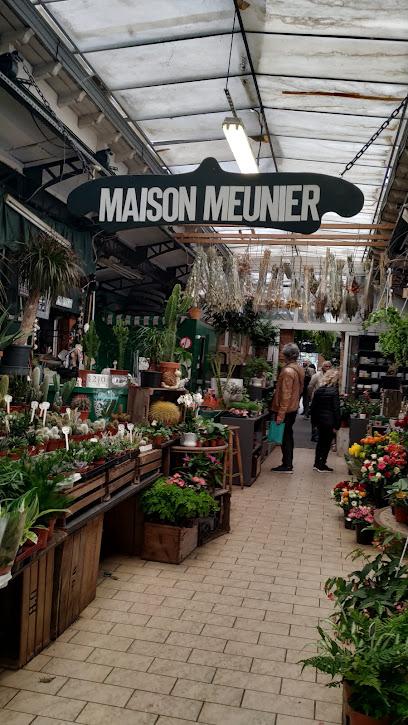
Marché aux Fleurs Reine Elizabeth II de Paris
0.2 km
Discover the enchanting Marché aux Fleurs Reine Elizabeth II, a vibrant flower market in the heart of Paris, offering a stunning array of blooms and plants.
Sainte-Chapelle
0.2 km
Explore the breathtaking stained glass artistry and rich history of Sainte-Chapelle, a Gothic masterpiece located in the heart of Paris.
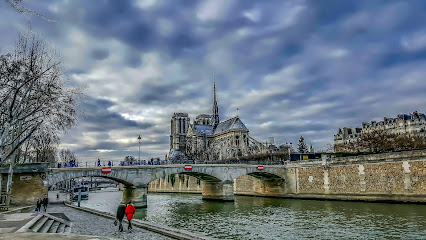
Île de la Cité
0.2 km
Discover the enchanting Île de la Cité, home to Notre-Dame and Sainte-Chapelle, a historic gem in the heart of Paris, rich in culture and beauty.
Tour Saint-Jacques
0.2 km
Discover the enchanting Tour Saint-Jacques, a historical gem in Paris, where Gothic architecture meets breathtaking city views.
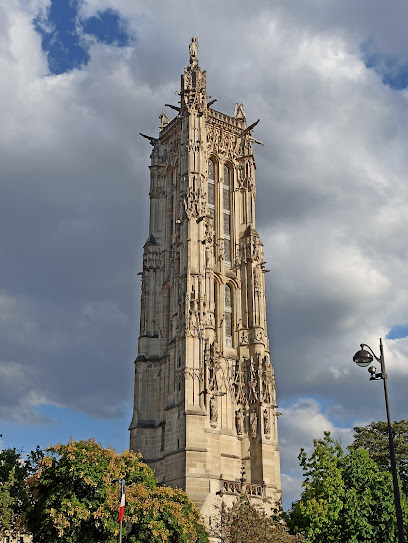
SANDEMANs NEW Europe
0.2 km
Join SANDEMANs NEW Europe for unforgettable walking tours in Paris, where history, culture, and adventure come together in the City of Light.
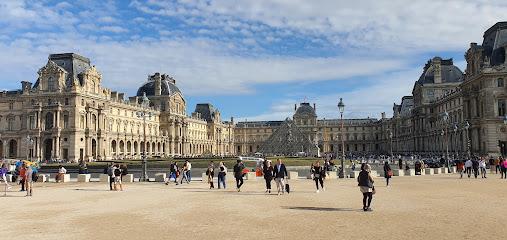
Lost in Frenchlation
0.2 km
Discover the charm of French cinema at Lost in Frenchlation in Paris, where every screening is a cultural adventure.

Quai de la Mégisserie
0.3 km
Discover the charm of Quai de la Mégisserie, a picturesque riverside promenade in Paris filled with unique shops, delightful cafés, and stunning views of the Seine.
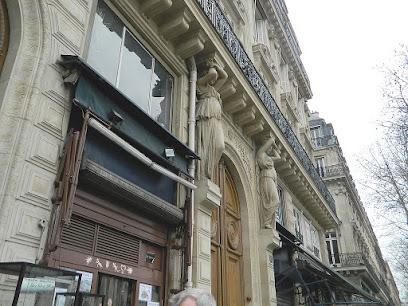
Pont d'Arcole
0.3 km
Discover the enchanting Pont d'Arcole, a stunning bridge in Paris offering breathtaking views and a glimpse into the city's rich history and architecture.
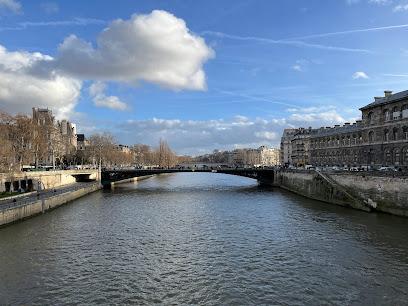
ضياء الدين باريس
0.3 km
Experience the allure of Pont d'Arcole in Paris, where history and breathtaking views of the Seine River come together in perfect harmony.
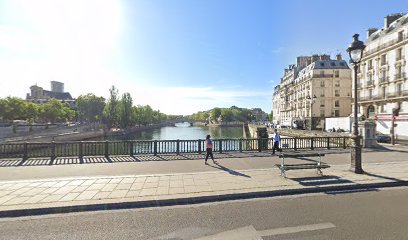
Archaeological Crypt of the Ile de la Cité
0.3 km
Explore the depths of history at the Archaeological Crypt of the Ile de la Cité, a treasure trove of ancient Parisian heritage beneath Notre-Dame.
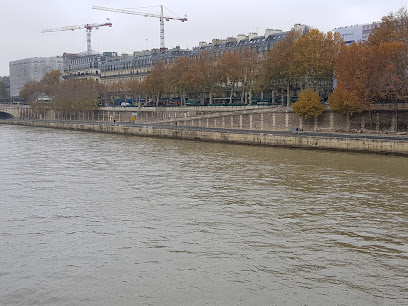
Hide Pub Club in Paris
0.4 km
Experience the lively atmosphere of Hide Pub Club, an Irish pub in the heart of Paris, perfect for food, drinks, and unforgettable nights.
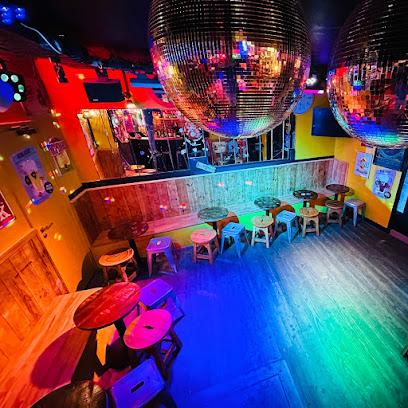
Essential places to dine

La Table des Gourmets Marais
0.4 km
Experience authentic French cuisine in the heart of Paris at La Table des Gourmets Marais - where culinary tradition meets modern charm.
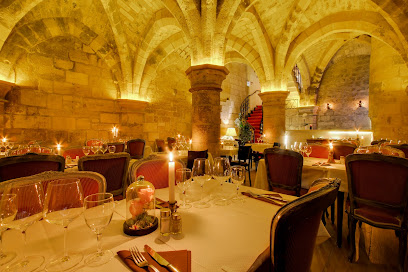
Le Petit Châtelet
0.4 km
Discover authentic French cuisine at Le Petit Châtelet in Paris - where every meal is a celebration of culinary excellence and Parisian charm.
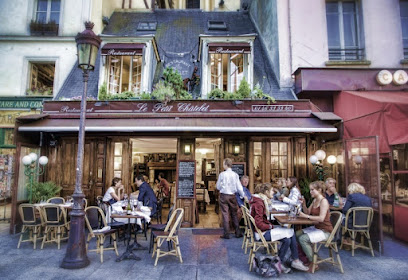
LE LATIN SAINT JACQUES
0.5 km
Discover the authentic flavors of France at Le Latin Saint Jacques Bistro in the heart of Paris.
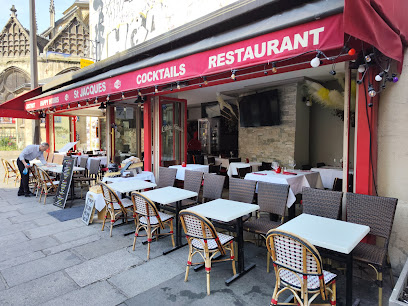
Chez Kelly
0.5 km
Experience authentic French cuisine at Chez Kelly in Paris' Latin Quarter - where tradition meets taste in every dish.
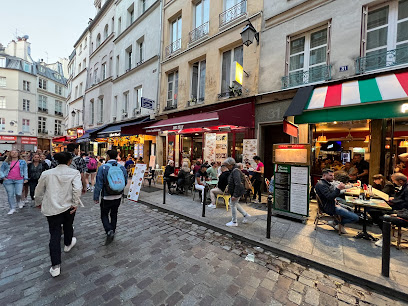
Restaurant Guy Savoy
0.6 km
Discover exquisite French haute cuisine at Restaurant Guy Savoy in Paris – where culinary artistry meets elegant ambiance.
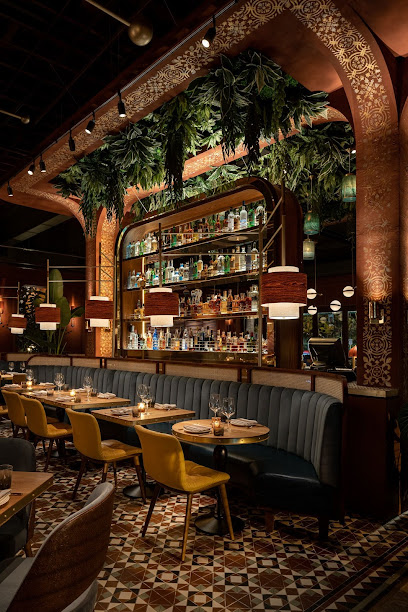
Le Trumilou
0.6 km
Experience authentic French cuisine at Le Trumilou, a charming bistro by the Seine in Paris offering family-friendly dining with stunning views.
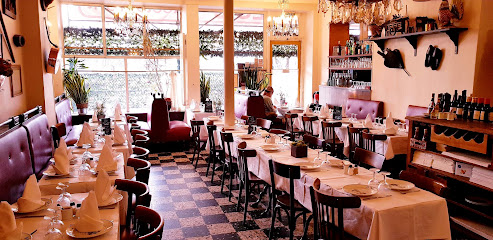
Comme Chai Toi
0.6 km
Savor exquisite French cuisine at Comme Chai Toi – a picturesque bistro along the Seine offering fresh flavors and fine wines.
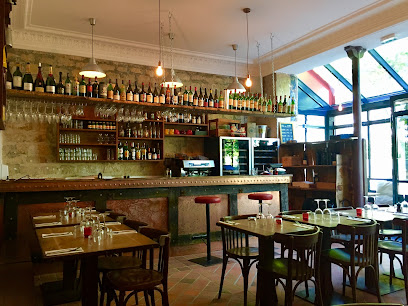
Le Louvre Ripaille
0.6 km
Experience the best of French cuisine at Le Louvre Ripaille - A delightful bistro offering exquisite dishes and fine wines in the heart of Paris.
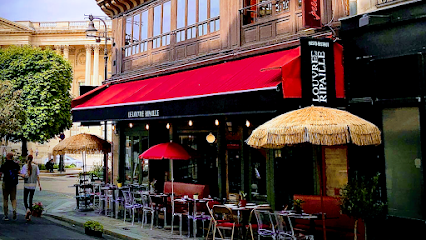
La Petite Expérience
0.6 km
Discover culinary excellence at La Petite Expérience - where modern French cuisine meets delightful tapas in Paris.
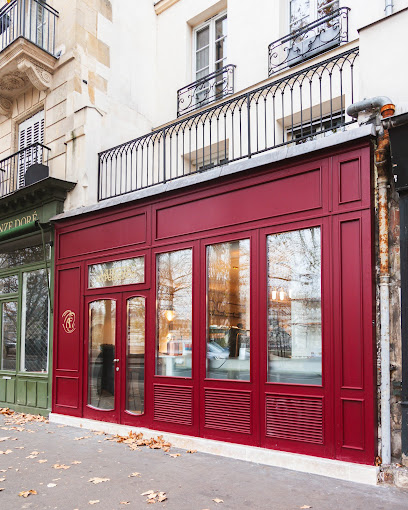
Roger La Grenouille
0.6 km
Experience authentic French cuisine with a modern twist at Roger La Grenouille in the heart of Paris.
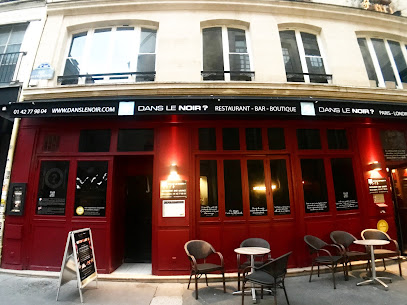
Restaurant Dans le Noir ? Paris
0.6 km
Experience gourmet French cuisine in total darkness at Restaurant Dans le Noir ? Paris, enhancing your senses like never before.
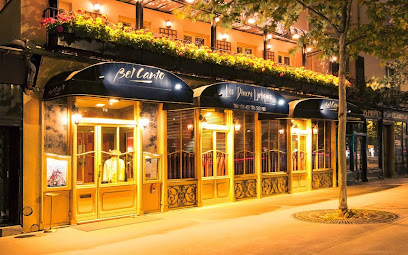
Bel Canto Paris
0.6 km
Indulge in exquisite French cuisine while enjoying live opera performances at Bel Canto Paris, where gastronomy meets artistry.
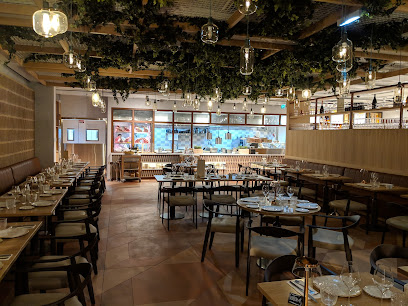
EATALY
0.6 km
Experience the best of Italian cuisine at EATALY in Paris—where culinary passion meets authentic flavors in a vibrant food court setting.
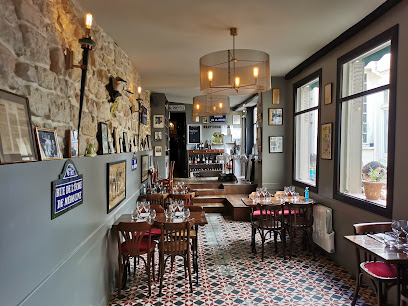
Boutary
0.7 km
Experience exquisite French cuisine at Boutary, where culinary artistry meets elegance in the heart of Paris.
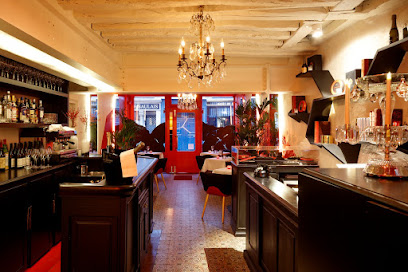
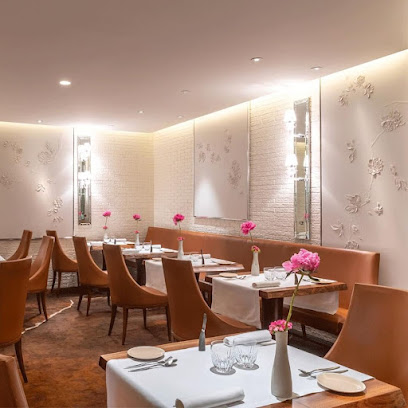
La Dame de Pic
0.7 km
Experience culinary excellence at La Dame de Pic, where innovative French cuisine meets timeless elegance in the heart of Paris.
Markets, malls and hidden boutiques

Azarka
0.2 km
Explore Azarka, where fashion meets quality in a stylish shopping experience for men and women.
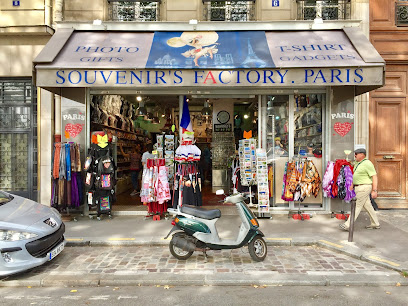
Souvenir’s Factory
0.3 km
Discover unique Parisian souvenirs and gifts at Souvenir’s Factory, where local craftsmanship meets the charm of the City of Lights.
Mega Souvenirs
0.4 km
Discover unique Parisian gifts and souvenirs at Mega Souvenirs, your go-to shop for authentic keepsakes in the heart of the City of Light.
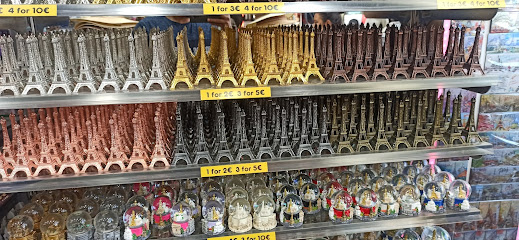
Top Souvenirs
0.4 km
Explore a curated selection of authentic Parisian souvenirs and exquisite gift baskets at Top Souvenirs in the heart of Paris.
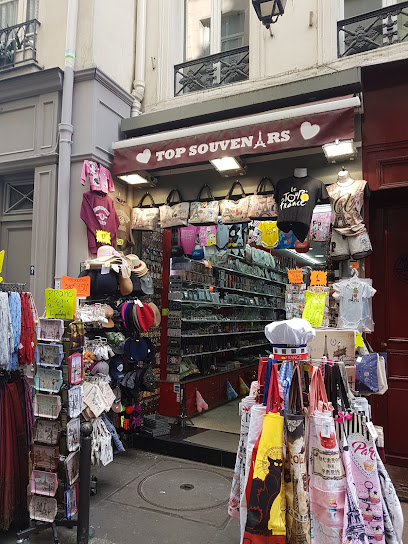
FOROH SOUVENIRS
0.5 km
Discover unique keepsakes at Foroh Souvenirs, the perfect place to find authentic Parisian treasures along the Seine.
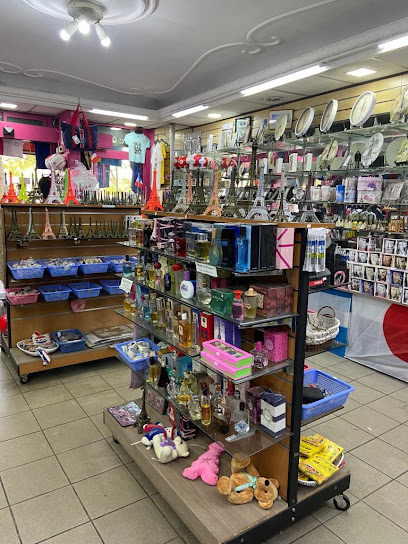
ARN Souvenirs
0.5 km
Discover unique Parisian souvenirs at ARN Souvenirs, where every item tells a story of the City of Light.
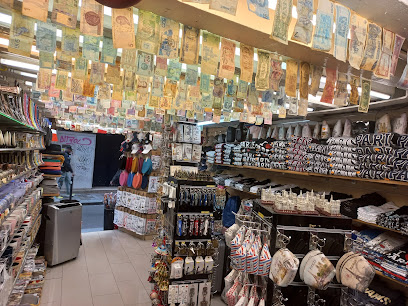
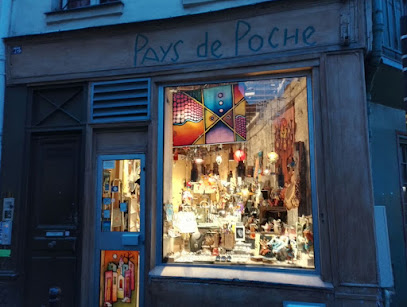
Pays de Poche
0.5 km
Explore Pays de Poche, a unique gift shop in Paris offering handcrafted treasures and authentic souvenirs that embody the spirit of French artistry.
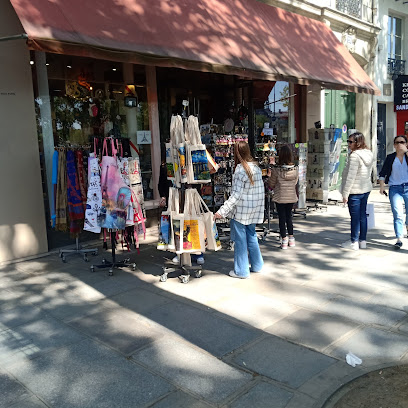
Piou Piou Paris (Gift, souvenirs)
0.5 km
Explore Piou Piou Paris for unique souvenirs and home goods that embody the charm of the City of Lights.
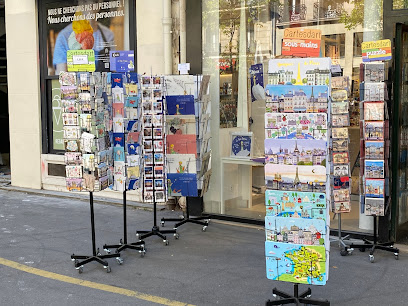
Paris est toujours Paris SAINT MICHEL
0.5 km
Explore a charming gift shop at Paris est toujours Paris SAINT MICHEL, where unique souvenirs and local artisan crafts await every traveler.
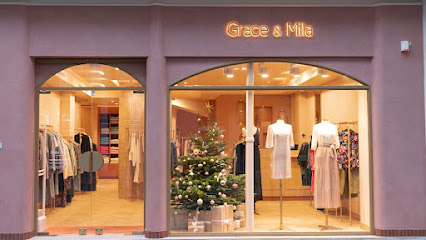
Maison Grace & Mila
0.6 km
Maison Grace & Mila: Your go-to destination for chic women's fashion and unique gifts in the heart of Paris.
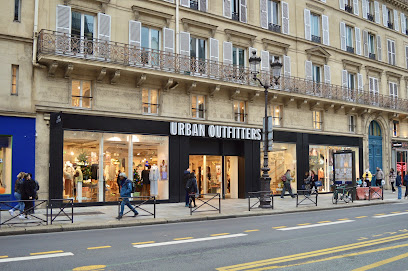
Urban Outfitters
0.6 km
Discover contemporary fashion and vintage vibes at Urban Outfitters in Paris—your ultimate shopping destination for unique styles and home decor.
Gift shop Paris INC
0.6 km
Discover unique souvenirs and handcrafted treasures at Gift Shop Paris INC, a charming gift shop in the heart of Paris.
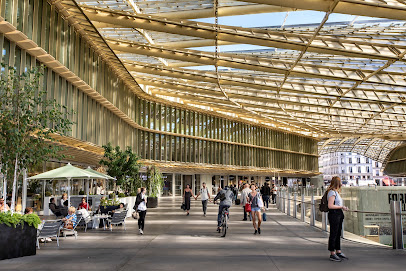
Westfield Forum des Halles
0.6 km
Discover the ultimate shopping and leisure experience at Westfield Forum des Halles, Paris' premier destination for fashion, food, and fun.
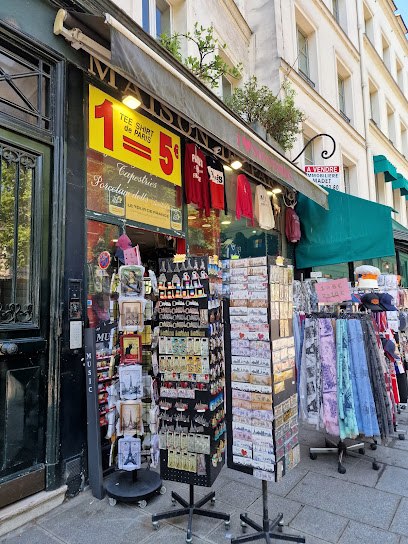
I Love Souvenirs
0.6 km
Explore 'I Love Souvenirs' in Paris for unique gifts and authentic mementos that capture the spirit of the City of Light.
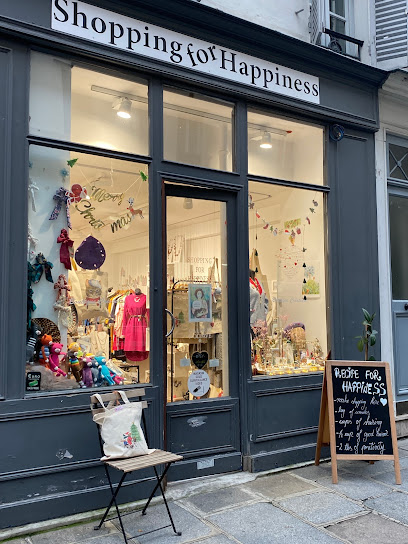
Shopping for Happiness
0.7 km
Explore the vibrant clothing boutique 'Shopping for Happiness' in Paris, a haven for fashion enthusiasts seeking unique apparel and accessories.
Essential bars & hidden hideouts

Le Dernier Bar avant la Fin du Monde
0.2 km
Discover the whimsical charm and vibrant atmosphere of Le Dernier Bar avant la Fin du Monde, a must-visit bar and restaurant in the heart of Paris.
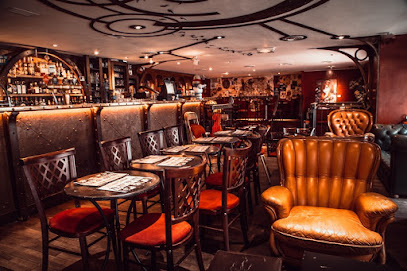
Pub Saint-Michel
0.4 km
Discover Pub Saint-Michel, a lively bar in Paris offering a mix of great drinks, live music, and an unforgettable atmosphere.
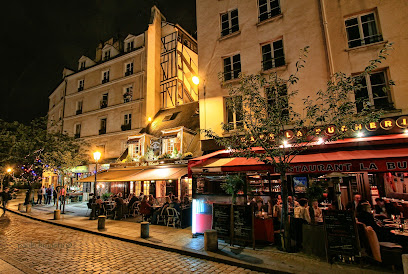
Alexandre BAR PUB Paris 05
0.4 km
Experience the vibrant nightlife of Paris at Alexandre BAR PUB, where cocktails meet salsa in an unforgettable atmosphere.
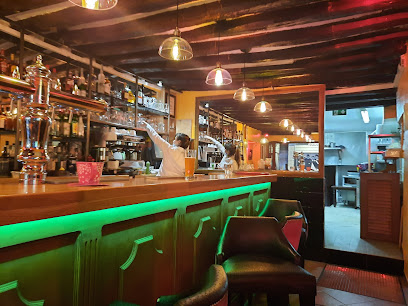
Pub
0.4 km
Experience the authentic Parisian pub culture with a delightful selection of drinks and traditional dishes in a cozy atmosphere.
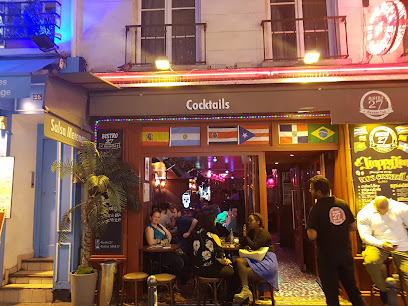
Café de Paris V
0.4 km
Experience the enchanting atmosphere of Café de Paris V, a top piano bar in Paris, offering live music, delightful cocktails, and unforgettable memories.
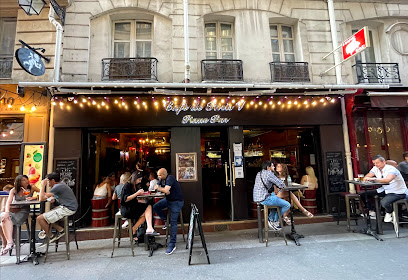
Bull's Brothers Pub
0.4 km
Discover the vibrant nightlife and friendly atmosphere at Bull's Brothers Pub, a must-visit spot in the heart of Paris.
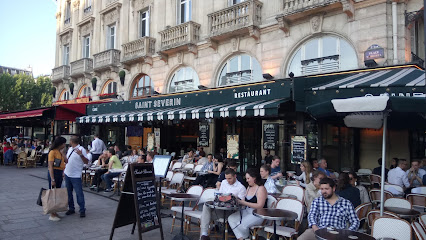
Velvet Bar Paris
0.5 km
Experience the essence of Parisian nightlife at Velvet Bar, where exquisite cocktails meet stylish ambiance in the city's vibrant heart.
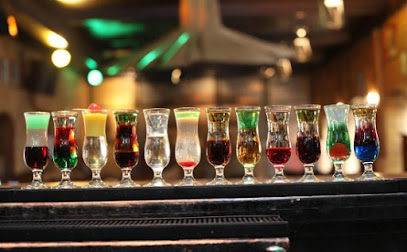
The Characters Bar Paris
0.6 km
Discover the vibrant atmosphere of The Characters Bar in Paris, where innovative cocktails meet a lively nightlife scene, perfect for socializing and relaxation.
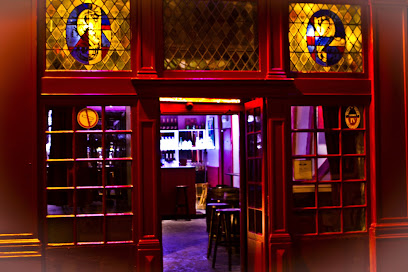
Le Fumoir
0.6 km
Discover the heart of Paris at Le Fumoir, a delightful blend of French cuisine, a lively cocktail bar, and a charming tea house.
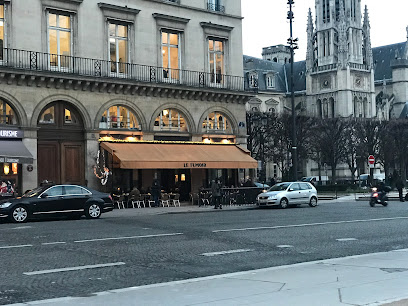
Barberousse Paris
0.6 km
Discover the vibrant nightlife of Paris at Barberousse, a cocktail bar that blends charm and creativity in every sip.
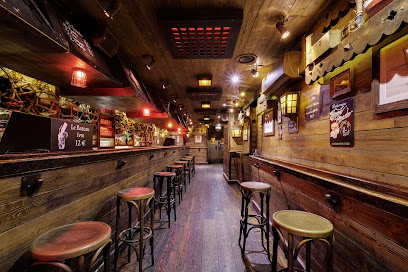
Arbane
0.6 km
Discover Arbane, a chic cocktail bar in Paris offering creative drinks and a vibrant atmosphere for an unforgettable night out.
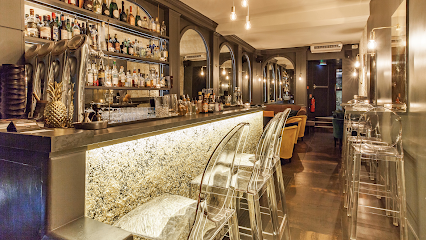
Prescription Cocktail Club
0.7 km
Discover the innovative cocktails and vibrant atmosphere at Prescription Cocktail Club, a top cocktail bar in the heart of Paris.
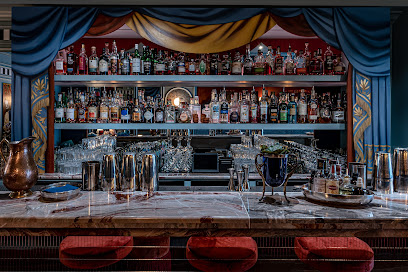
LIZARD
0.7 km
Experience the vibrant atmosphere of Lizard, a must-visit pub in Paris, offering delectable cocktails, gourmet burgers, and unforgettable nightlife.
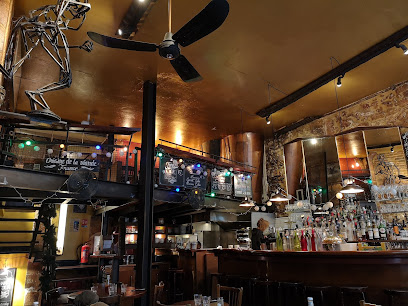
PUB St GERMAIN
0.7 km
Discover PUB St GERMAIN, a lively gastropub in the heart of Paris, blending delicious food, a vibrant atmosphere, and great drinks for an unforgettable experience.
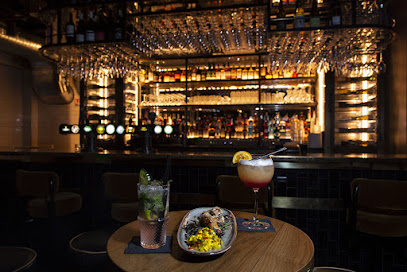
La Resistance
0.7 km
Experience the vibrant nightlife of Paris at La Resistance, a cocktail bar in the Marais with innovative drinks and a stylish ambiance.
Nightclubs & after hour spots

Club Joséphine
0.1 km
Immerse yourself in the electrifying nightlife of Paris at Club Joséphine, a premier disco club known for its lively music and vibrant atmosphere.
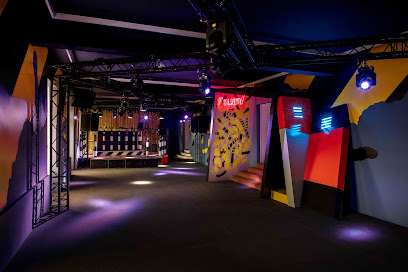
Le Klub
0.3 km
Experience the vibrant nightlife of Paris at Le Klub, where eclectic music meets an electrifying atmosphere for an unforgettable night out.
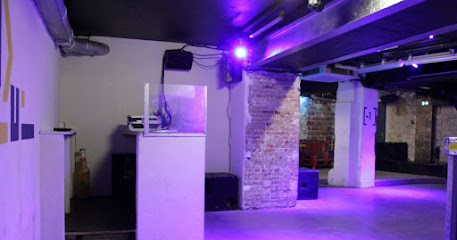
Jammin Club
0.5 km
Jammin Club: A Pulse of Parisian Nightlife Where Beats and Culture Unite.
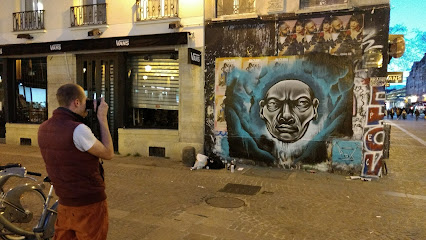
Club Saint M'Art PARIS
0.5 km
Discover the electrifying nightlife of Paris at Club Saint M'Art, a must-visit disco club that promises unforgettable dance experiences.
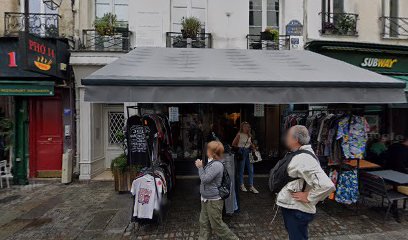
St July
0.5 km
Experience the electrifying nightlife at St July, Paris' top night club, where music, dance, and unforgettable moments come together.
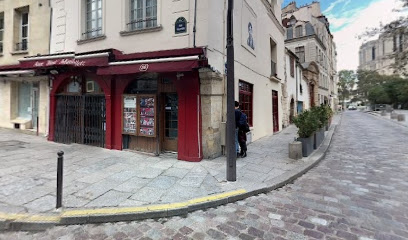
Le Caveau des Oubliettes
0.5 km
Experience the heart of Parisian nightlife at Le Caveau des Oubliettes, where live jazz meets exquisite cocktails in an enchanting atmosphere.
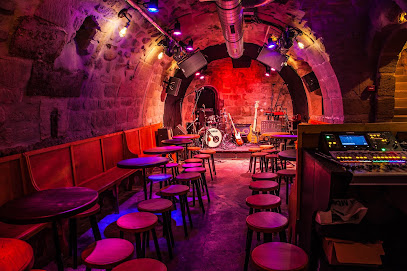
Heaven Party Paris
0.6 km
Discover the electrifying nightlife at Heaven Party Paris, a vibrant night club and bar that promises unforgettable memories in the heart of the city.
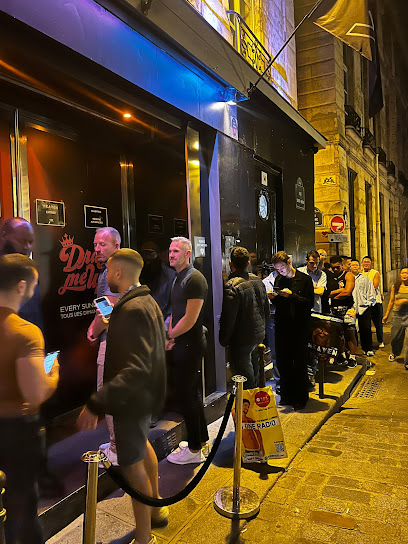
La Villa Notte
0.6 km
Experience the vibrant nightlife of Paris at La Villa Notte, where music, dance, and cocktails come together for an unforgettable evening.
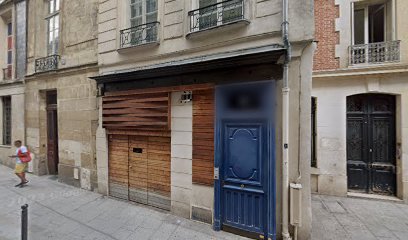
freedj
0.6 km
Experience the electrifying nightlife at Freedj, a vibrant nightclub in Paris known for its inclusive atmosphere and diverse crowd.
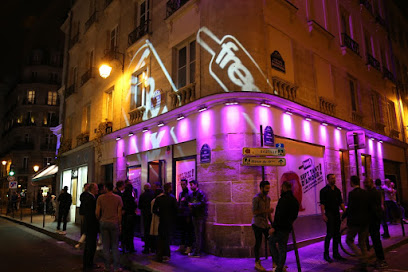
Babylon Club
0.7 km
Discover the electric atmosphere of Babylon Club, a premier disco club and bar in Paris, perfect for an unforgettable night out.
Cha-Cha Club
0.7 km
Experience the vibrant nightlife of Paris at Cha-Cha Club, where music, dancing, and unforgettable memories await in a stylish atmosphere.
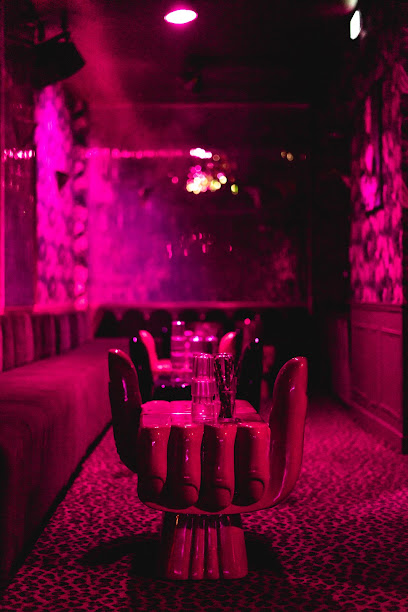
Le Roméo
0.7 km
Dive into the vibrant nightlife of Paris at Le Roméo, a disco club that promises an unforgettable experience with music, dancing, and a lively atmosphere.
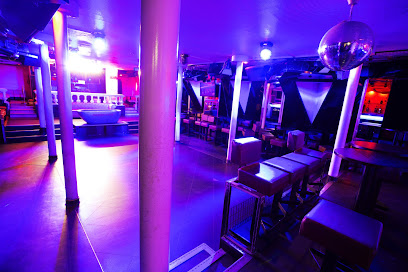
Pamela
0.7 km
Discover the vibrant nightlife of Paris at Pamela, a stylish nightclub known for its energetic atmosphere and eclectic music, perfect for dancing the night away.
Jane Club
0.7 km
Dive into the electrifying nightlife at Jane Club, a trendy disco club in Paris where music and dance come alive in a stylish setting.
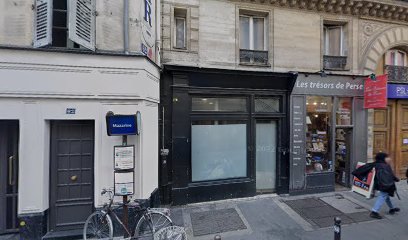
The Rexy Paris
0.7 km
Discover the vibrant nightlife of The Rexy Paris, where diverse crowds and amazing music create unforgettable experiences in the heart of the city.