

Free Saint-Malo Travel Guide & Mobile App
Plan your Saint-Malo trip with Evendo. Get free guides to top attractions, restaurants, hotels, and bars. Web access or download the mobile app.


Discover Saint-Malo: A fortified city in Brittany, France, known for its medieval architecture, stunning sea views, and rich maritime history.
Read more about Saint-Malo
When is the best time to visit Saint-Malo?
Best: June–August · 20–22°C| Month | High (°C) | Rainfall (mm) |
|---|---|---|
| January | 9 | 55 |
| February | 9 | 50 |
| March | 10 | 44 |
| April | 13 | 35 |
| May | 16 | 32 |
| June (best) | 20 | 24 |
| July (best) | 22 | 18 |
| August (best) | 22 | 20 |
| September | 19 | 28 |
| October | 15 | 45 |
| November | 13 | 53 |
| December | 11 | 62 |
Getting to and around Saint-Malo
How to get there
Transportation
Best attractions in Saint-Malo
Saint-Malo, a picturesque walled city in Brittany, France, offers visitors a unique blend of history, culture, and stunning coastal views. Explore the medieval ramparts and cobbled streets of the old town, lined with charming shops and cafes. Visit the imposing Saint-Malo Cathedral and the historic Fort National, or take a stroll along the beautiful sandy beaches. Don't miss the opportunity to sample delicious seafood dishes at one of the many waterfront restaurants. With its rich maritime history, fascinating museums, and breathtaking scenery, Saint-Malo is a must-visit destination for any traveler seeking a taste of old-world charm.
-
Tourist attraction
Grand Aquarium Saint Malo
Discover over 600 marine species at Grand Aquarium Saint-Malo. Explore unique exhibits and interactive experiences for an unforgettable underwater adventure.
12 min drive · 4.1 km from city centre
-
Tourist attraction
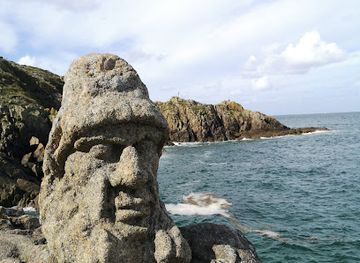
The Sculptured Rocks
Discover the intriguing Sculptured Rocks of Rothéneuf near Saint-Malo, an open-air gallery carved into granite cliffs by Abbé Fouré.
18 min drive · 5.9 km from city centre
-
Beach
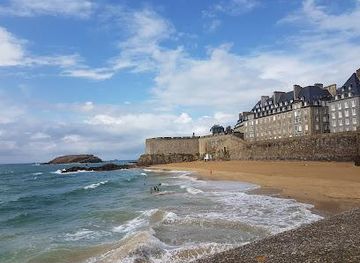
Plage du Mole
A sheltered sandy beach in historic Saint-Malo, perfect for swimming and enjoying views of Dinard from the foot of the city walls.
5 min walk · 0.4 km from city centre
-
Historical landmark
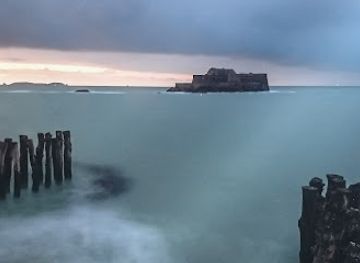
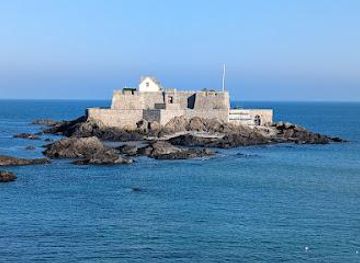
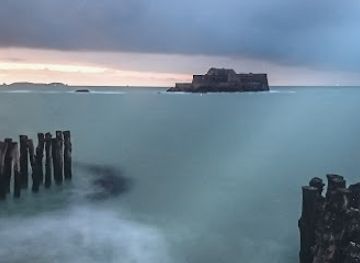
National Fort
Explore Fort National in Saint-Malo: a historic fortress accessible at low tide, offering panoramic views and a glimpse into the past.
8 min walk · 0.6 km from city centre
Best landmarks in Saint-Malo
Saint-Malo offers visitors a rich historical experience with its magnificent landmarks. Explore the ancient walled city, known as Intra-Muros, and walk along the ramparts for stunning views of the coast. Visit the Château de Saint-Malo, a fortress with a history dating back to the 12th century, and the Cathedral of Saint-Vincent, a beautiful example of Gothic architecture. Don't miss the Fort National, a tidal island fortress accessible by foot during low tide, and the Grand Bé, a small island where the famous writer Chateaubriand is buried. Saint-Malo's landmarks will transport you back in time and leave you in awe of its rich heritage.
-
Aquarium
Grand Aquarium Saint Malo
Explore the depths of marine wonder at the Grand Aquarium Saint Malo, a must-visit attraction showcasing the beauty of ocean life.
12 min drive · 4.1 km from city centre
-
Historical landmark
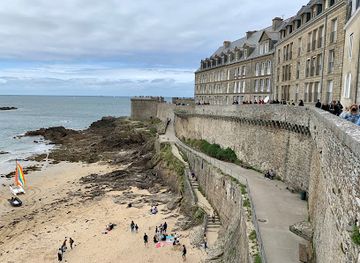
Les Remparts de Saint-Malo
Explore the iconic Les Remparts de Saint-Malo, where history meets breathtaking ocean views in a captivating coastal adventure.
3 min walk · 0.2 km from city centre
-
 Cathedral
Saint-Vincent Cathedral of Saint-Malo
Discover the architectural beauty and historical significance of Saint-Vincent Cathedral, a must-see gem in the heart of Saint-Malo.
1 min walk · 0.1 km from city centre
-
Sculpture
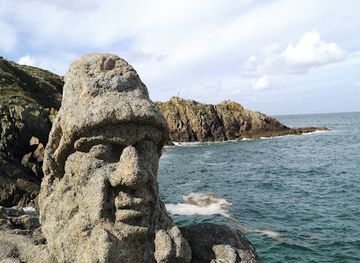
The Sculptured Rocks
Experience the stunning natural beauty of The Sculptured Rocks in Saint-Malo, a perfect combination of art and nature for every traveler.
18 min drive · 5.9 km from city centre
Explore Saint-Malo on the map
Plan your Saint-Malo trip on one map. See where the top attractions, landmarks, restaurants, bars and hotels are, find what's near where you're staying, and book hotels and experiences in a few clicks.
Best hotels in Saint-Malo
Best restaurants in Saint-Malo
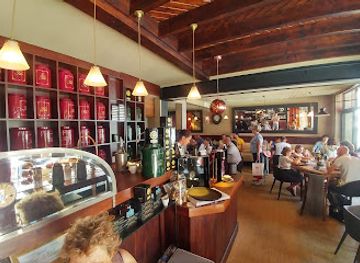
Saint-Malo offers a vibrant dining scene that caters to all tastes and budgets. From charming creperies serving traditional Breton galettes to upscale seafood restaurants with stunning ocean views, visitors can indulge in a variety of culinary delights. The city is known for its fresh seafood, including oysters, mussels, and lobster, sourced directly from the surrounding waters. Additionally, cozy bistros and trendy cafes line the cobbled streets, providing the perfect setting for a leisurely meal or a quick bite. Whether you're craving classic French cuisine or international flavors, Saint-Malo's diverse restaurant scene has something for everyone to enjoy.
-
French
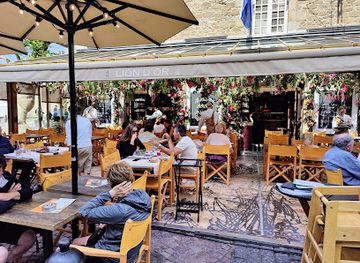
Brasserie du Lion D'Or
Experience exquisite French cuisine at Brasserie du Lion D'Or in Saint-Malo - where tradition meets modern culinary artistry.
3 min walk · 0.2 km from city centre
-
Crêperie
Bergamote
Discover the heart of French gastronomy at Bergamote in Saint-Malo – where every crêpe tells a story.
1 min walk · 0.1 km from city centre
-
Crêperie
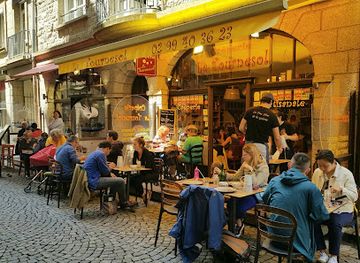
Crêperie Le Tournesol
Discover authentic Breton flavors at Crêperie Le Tournesol in Saint-Malo—where every crêpe tells a delicious story.
1 min walk · 0.1 km from city centre
-
Brasserie
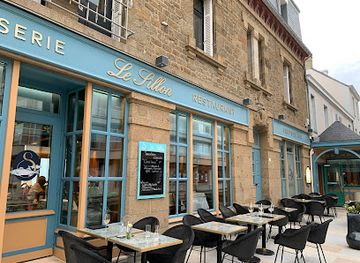
Le Sillon
Discover Le Sillon in Saint-Malo: A fine dining brasserie specializing in seafood with breathtaking ocean views.
16 min walk · 1.3 km from city centre
Best bars in Saint-Malo
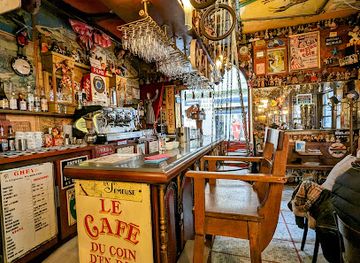
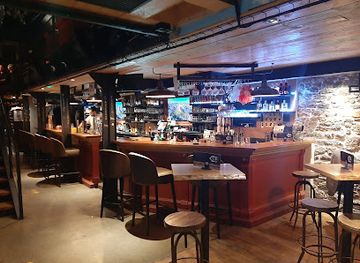
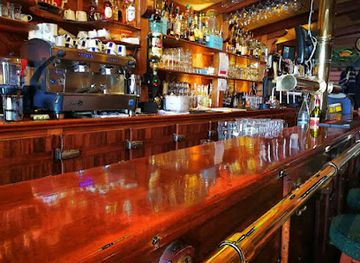
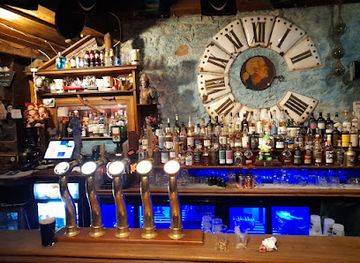
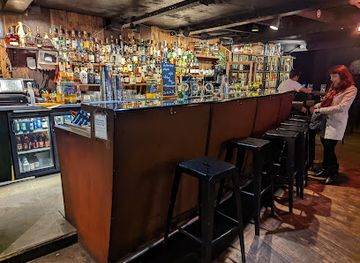
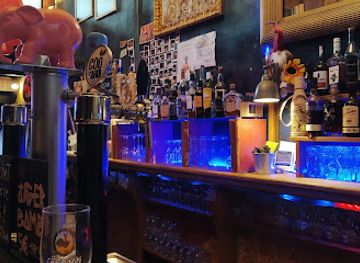
Saint-Malo's nightlife scene offers a vibrant mix of traditional Breton pubs, trendy cocktail bars, and lively nightclubs, ensuring a diverse and exciting experience for visitors. From sipping on local cider while listening to traditional music in cozy taverns to dancing the night away to international beats in modern clubs, there is something for every taste. The city comes alive after dark, with the sound of clinking glasses and laughter filling the air as locals and tourists mingle and create unforgettable memories in this historic coastal town.
-
Bar
La Java Café
Discover La Java Café in Saint-Malo: A vibrant bar and café offering delicious treats and a unique atmosphere for tourists and locals alike.
2 min walk · 0.1 km from city centre
-
Brasserie
Le Dock
Discover Le Dock in Saint-Malo: A delightful brasserie offering exquisite French cuisine and breathtaking waterfront views.
12 min walk · 1.0 km from city centre
-
Bar
Cunningham's Bar
Discover the vibrant charm of Cunningham's Bar in Saint-Malo, where every sip tells a story and every visit feels like home.
5 min drive · 1.5 km from city centre
-
Pub
Saint Patrick
Discover the lively atmosphere and local flavors at Saint Patrick Pub, a charming spot in the heart of Saint-Malo, perfect for relaxation and socializing.
2 min walk · 0.2 km from city centre
Best nightclubs in Saint-Malo
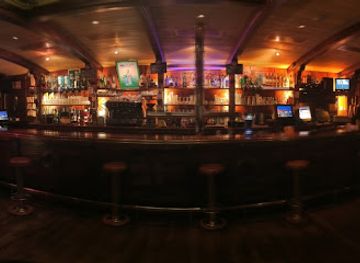
Saint-Malo's nightlife scene offers a vibrant mix of traditional Breton pubs, trendy cocktail bars, and lively nightclubs, ensuring a diverse and exciting experience for visitors. From sipping on local cider while listening to traditional music in cozy taverns to dancing the night away to international beats in modern clubs, there is something for every taste. The city comes alive after dark, with the sound of clinking glasses and laughter filling the air as locals and tourists mingle and create unforgettable memories in this historic coastal town.
-
Bar
Cunningham's Bar
Experience the vibrant nightlife of Saint-Malo at Cunningham's Bar, offering a delightful selection of drinks in a charming atmosphere.
5 min drive · 1.5 km from city centre
-
Bar
La Fabrique Bar Saint Malo
Discover the vibrant nightlife at La Fabrique Bar Saint Malo, where live music, crafted cocktails, and a lively atmosphere come together for an unforgettable experience.
3 min walk · 0.2 km from city centre
-
Bar
L'Alchimiste
Experience the essence of Saint-Malo at L'Alchimiste, a cozy bar and café perfect for relaxing and enjoying local flavors.
2 min walk · 0.2 km from city centre
-
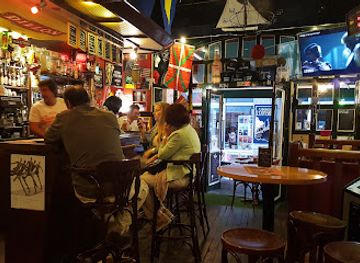
Sports bar
L'Equinoxial
Experience the lively atmosphere and authentic Irish charm of L'Equinoxial, a favorite sports bar and pub in the heart of Saint-Malo.
2 min walk · 0.1 km from city centre
Best shops in Saint-Malo
Saint-Malo offers a unique shopping experience for visitors, with a charming mix of traditional markets, boutique shops, and souvenir stalls scattered throughout the city. From locally-made products like handcrafted jewelry and Breton sweets to high-end fashion brands and artisanal goods, there is something for everyone to discover. Don't miss the bustling indoor market at Place des Lices, where you can sample fresh seafood and regional delicacies, or explore the narrow streets of the old town for hidden gems and one-of-a-kind finds. Whether you're looking for a special gift to take home or simply want to soak up the vibrant atmosphere, shopping in Saint-Malo is sure to delight and surprise.
-
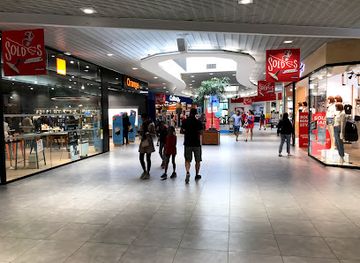
Shopping mall
Centre Commercial LA MADELEINE
Discover the vibrant Centre Commercial LA MADELEINE in Saint-Malo, where shopping meets delicious dining in a lively atmosphere.
11 min drive · 3.7 km from city centre
-
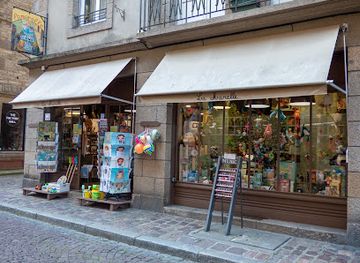
Gift shop
La Marelle
Explore La Marelle in Saint-Malo, an enchanting gift shop filled with toys, collectibles, and unique treasures for all ages.
2 min walk · 0.2 km from city centre
-
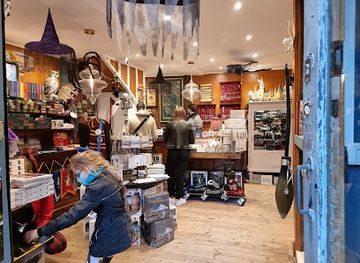
Store
Mystère & Cie
Explore Mystère & Cie in Saint-Malo for unique gifts and souvenirs that capture the essence of local culture and craftsmanship.
3 min walk · 0.3 km from city centre
-
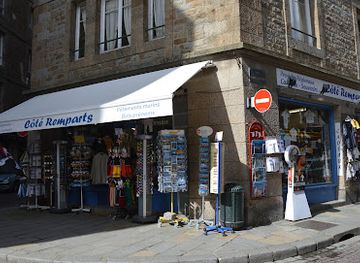
Gift shop
Côté Remparts - Saint-Malo
Explore Côté Remparts in Saint-Malo for unique gifts, stylish clothing, and local specialties that capture the essence of Brittany.
2 min walk · 0.2 km from city centre
Get your free copy of our complete guide to Saint-Malo, delivered straight to you.
Everything on this page, from attractions and restaurants to essentials and local phrases, in one PDF you can read offline, print or share.
Already have an account? Sign in
Your Saint-Malo guide is ready.
We'll send it to · Not you? Sign out

Getting your guide ready…
We are putting together a fresh copy of the Saint-Malo guide. This can take up to a minute.
This can take a few moments. If your browser asks, choose Allow so the download can start. You'll find the guide in your Downloads folder.
Nothing happened? Download it again
Sorry, the guide is taking longer than usual. Please try again in a minute, or get it by email instead.
Saint-Malo essentials
Currency and Payment
Safety
Emergency Situations
Do's and Don'ts
Local Tips
From Eve
Local phrases worth knowing
You don't need to get them perfect. A few words go a long way, and locals appreciate the effort.
Basics
| English | Local | Say it |
|---|---|---|
| Hello | Bonjour | [bon-zhoor] |
| Goodbye | Au revoir | [oh ruh-vwahr] |
| Yes | Oui | [wee] |
| No | Non | [nohn] |
| Please/You're welcome | S'il vous plaît / De rien | [seel voo pleh / duh ryen] |
| Thank you | Merci | [mehr-see] |
| Excuse me/Sorry | Excusez-moi / Désolé | [ehk-skew-zay mwah / day-zoh-lay] |
| How are you? | Comment ça va? | [koh-mahn sah vah?] |
| Fine. And you? | Bien. Et vous? | [byan. ay voo?] |
| Do you speak English? | Parlez-vous anglais? | [par-lay voo ahn-glay?] |
| I don't understand | Je ne comprends pas | [zhuh nuh kohm-prahnd pah] |
Eating & Drinking
| English | Local | Say it |
|---|---|---|
| I'd like to see the menu, please | Je voudrais voir le menu, s'il vous plaît | [zhuh voo-dray vwahr luh muh-new, seel voo pleh] |
| I don't eat meat | Je ne mange pas de viande | [zhuh nuh mahnj pah duh vyand] |
| Cheers! | Santé! | [sahn-tay] |
| I would like to pay, please | Je voudrais payer, s'il vous plaît | [zhuh voo-dray pay-ay, seel voo pleh] |
Emergencies
| English | Local | Say it |
|---|---|---|
| Help! | Au secours! | [oh suh-koor] |
| Go away! | Allez-vous en! | [ah-lay vooz ahn] |
| Call the Police! | Appelez la police! | [ah-play lah poh-lees] |
| Call a doctor! | Appelez un médecin! | [ah-play uh mayd-sahn] |
| I'm lost | Je suis perdu | [zhuh swee pair-doo] |
| I'm ill | Je suis malade | [zhuh swee mah-lahd] |
Shopping
| English | Local | Say it |
|---|---|---|
| I'd like to buy... | Je voudrais acheter... | [zhuh voo-dray ash-tay...] |
| I'm just looking | Je regarde juste | [zhuh ruh-gard zhust] |
| How much is it? | Combien cela coûte? | [kohm-byen suh-lah koot?] |
| That's too expensive | C'est trop cher | [say troh shair] |
| Can you lower the price? | Pouvez-vous baisser le prix? | [poo-vay voo bay-say luh pree?] |
Time & Numbers
| English | Local | Say it |
|---|---|---|
| What time is it? | Quelle heure est-il? | [kell uhr ay teel?] |
| It's one o'clock | Il est une heure | [eel ay oon uhr] |
| Half past (10) | Dix et demi | [dees ay duh-mee] |
| Morning | Matin | [mah-tan] |
| Afternoon | Après-midi | [ah-pray mee-dee] |
| Evening | Soir | [swahr] |
| Yesterday | Hier | [yehr] |
| Today | Aujourd'hui | [oh-zhoor-dwee] |
| Tomorrow | Demain | [duh-man] |
| 1 | Un | [uhn] |
| 2 | Deux | [duh] |
| 3 | Trois | [trwah] |
| 4 | Quatre | [kah-truh] |
| 5 | Cinq | [sank] |
| 6 | Six | [sees] |
| 7 | Sept | [sept] |
| 8 | Huit | [weet] |
| 9 | Neuf | [nurf] |
| 10 | Dix | [dees] |
Transport & Directions
| English | Local | Say it |
|---|---|---|
| Where's a/the...? | Où est...? | [oo ay...?] |
| What's the address? | Quelle est l'adresse? | [kell ay la-dress?] |
| Can you show me (on the map)? | Pouvez-vous me montrer (sur la carte)? | [poo-vay voo muh mohn-tray (soor lah kart)?] |
| When's the next (bus)? | Quand est le prochain (bus)? | [kahn ay luh proh-shahn (bus)?] |
| A ticket (to ....) | Un billet (pour ...) | [uhn bee-yay (poor ...)] |
History of Saint-Malo
Founding and Early History
Saint-Malo, located on the Brittany coast of France, traces its origins back to the 1st century BC, when it was a small Gallo-Roman settlement. The town was named after Saint Maclou, a 6th-century monk who was one of the seven founding saints of Brittany.
Medieval Fortifications
During the Middle Ages, Saint-Malo became a fortified island to protect against invasions. Its impressive ramparts, which still stand today, were constructed in the 12th and 13th centuries. These fortifications helped Saint-Malo become a formidable maritime city.
Corsair Haven
In the 17th and 18th centuries, Saint-Malo was notorious for its corsairs, privateers authorized by the French crown to raid enemy ships. The city's wealth grew as these corsairs, including the famous René Duguay-Trouin and Robert Surcouf, brought back treasures and goods from their exploits.
The French Revolution
During the French Revolution, Saint-Malo experienced significant upheaval. The city was a hotbed of revolutionary activity, and its citizens played a crucial role in the political and social changes sweeping across France during this tumultuous period.
World War II Destruction and Reconstruction
Saint-Malo was heavily bombarded during World War II, particularly in August 1944 during the Battle of Saint-Malo. The city's historic center was largely destroyed. However, post-war reconstruction efforts meticulously restored Saint-Malo to its former glory, preserving its historical charm.
Modern-Day Saint-Malo
Today, Saint-Malo is a popular tourist destination known for its rich history, stunning coastal views, and vibrant cultural scene. The city's historic walled center, picturesque beaches, and annual events like the Route du Rhum sailing race continue to attract visitors from around the world.
Travel experiences inspired by this city


Swipe for more travel diaries
Saint-Malo in Photos
Browse through our photo collection highlighting the charm and character of the destination.
Cities near Saint-Malo
The closest cities to Saint-Malo, if you have time for more than one stop.
-

-

-

-

-


Swipe for more cities
Explore more

Explore more of France
Explore France: A land of romance, history, and unparalleled beauty, from the iconic streets of Paris to the serene landscapes of Provence and the luxury of the French Riviera.
Explore France