

Pont du Gard, Languedoc Travel Guide
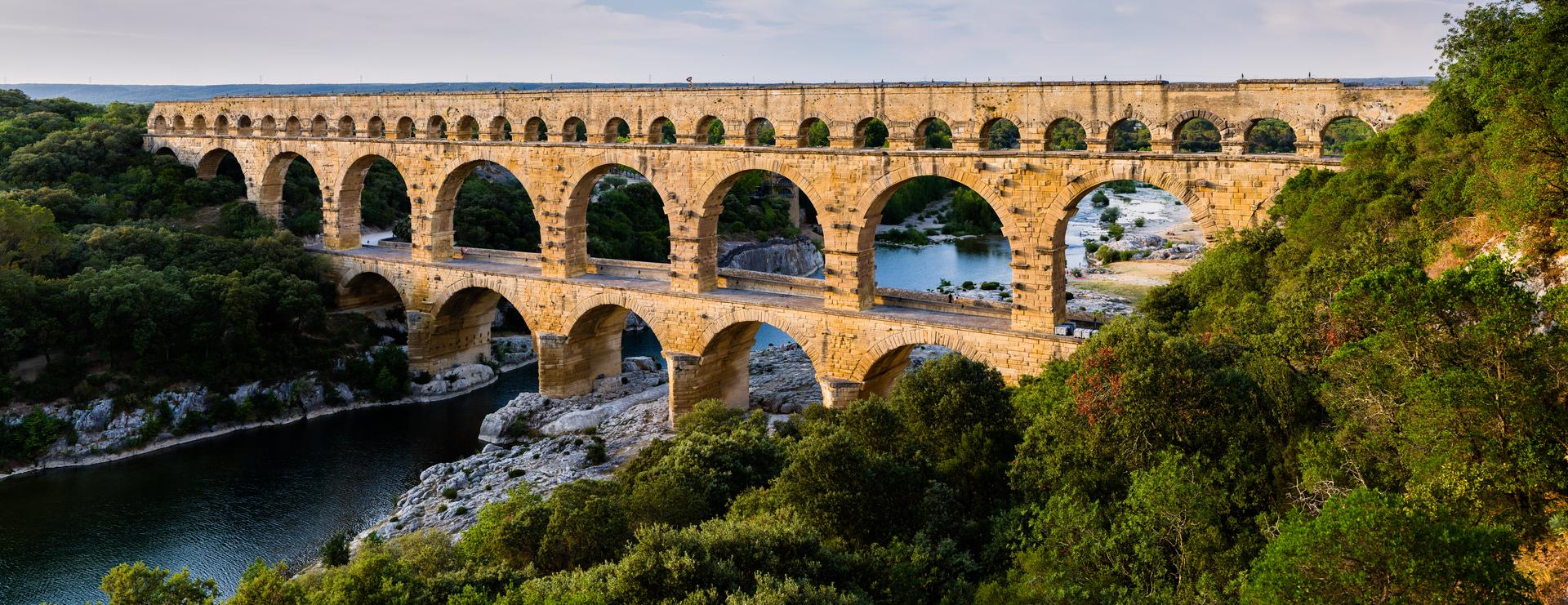
A stunningly preserved Roman aqueduct bridge near Nîmes, France, showcasing ancient engineering and architectural brilliance. A UNESCO World Heritage site.
The Pont du Gard is an ancient Roman aqueduct bridge built in the 1st century AD to carry water to the city of Nîmes. A UNESCO World Heritage site, this remarkably preserved structure stands as a testament to Roman engineering and architectural prowess.
A brief summary to Pont du Gard
- Vers-Pont-du-Gard, 30210, FR
- Click to display
- Click to display
- Monday 8 am-12 am
- Tuesday 8 am-12 am
- Wednesday 8 am-12 am
- Thursday 8 am-12 am
- Friday 8 am-12 am
- Saturday 8 am-12 am
- Sunday 8 am-12 am

Know before you go
Hi, I'm Eve. Here are a few practical things to know before exploring Pont du Gard.
- Wear comfortable shoes, as the site is extensive and involves walking to explore the bridge and surrounding areas.
- Visit during the week and preferably in the morning to avoid large crowds, especially during peak season.
- In the summer, stay until nightfall to witness the spectacular sound and light show that illuminates the bridge.
- Bring your own food for a picnic on the banks of the river while enjoying the view.
Do you manage this location?
Take control to get all the benefits, like improved information, better appearance, and stronger visibility across AI-powered discovery. Learn more about listing your business on Evendo
Activate your presenceOther nearby places you may find interesting
The closest places of the same kind, if this one is not quite what you had in mind.



Explore Pont du Gard on the Map
A handpicked selection of must-see spots near Pont du Gard, mapped for you.
Unlock the Best of Pont du Gard
Buy tickets
-
No tickets available
Book tours with entry


Getting There
-
Driving
The Pont du Gard is located near the A9 motorway; take exit 23 (Remoulins) towards Uzès, then follow the signs to the right or left bank. There are two large parking lots available, one on each side of the river. Parking costs €9 per vehicle per day. Payment can be made at the automatic kiosks or the exit terminals.
-
Public Transport
The nearest train stations are Nîmes Centre, Nîmes Pont du Gard, Avignon Centre, and Avignon TGV. From Nîmes or Avignon, take the liO bus route 121 or 115, respectively, to the 'Vers-Pont du Gard - Rond Point Pont du Gard' bus stop. The bus costs €1.50 each way, payable to the driver. From the bus stop, walk approximately 10 minutes to the entrance of the Pont du Gard site.
-
Walking
Access to the Pont du Gard site is free for pedestrians. Hiking trails, such as the GR6, cross the bridge. Follow the marked trails to reach the Pont du Gard without paying for parking. Be sure to wear appropriate footwear.
Discover more about Pont du Gard













Your all‑in‑one travel companion app
Explore expert travel guides, compare and book tours, experiences, hotels, and more—all from the palm of your hand. Download now for seamless trip planning wherever your wanderlust takes you.


Explore More of Languedoc
Looking beyond Pont du Gard? Discover Languedoc for broader travel guides, local hot-spots, and regional highlights.
Explore Languedoc
Experience the vibrant heart of Nîmes at Rue de l'Horloge & Place de l'Horloge, where history and modern charm meet.
Marvel at the Pont du Gard, an ancient Roman aqueduct bridge and UNESCO World Heritage site near Vers-Pont-du-Gard, France.
