

Free Languedoc Travel Guide & Mobile App
Explore Languedoc with free travel guides. Discover regional history, expert tips, proposed trips, and audio guides on web or mobile app.


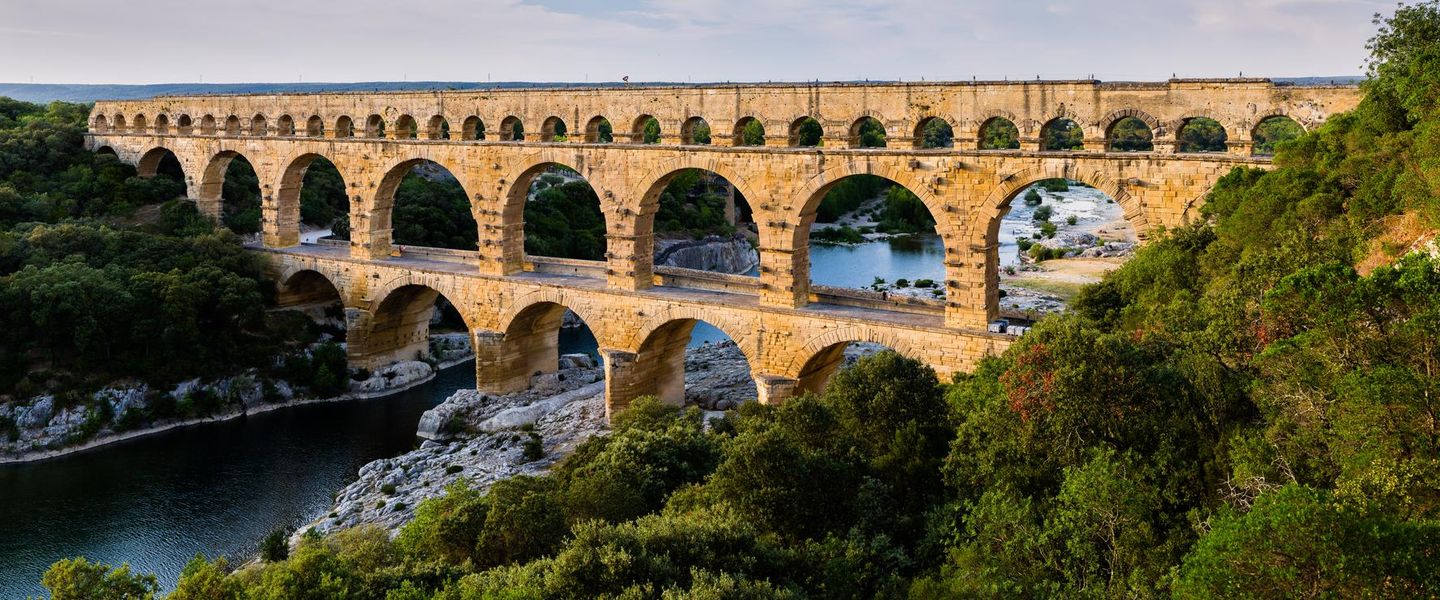


Discover Languedoc, a stunning region in Southern France, filled with medieval castles, vibrant vineyards, pristine beaches, and rich cultural heritage.
Read more about Languedoc
When is the best time to visit Languedoc?
Best: May–June, September · 25–29°C| Month | High (°C) | Rainfall (mm) |
|---|---|---|
| January | 11 | 60 |
| February | 13 | 50 |
| March | 16 | 50 |
| April | 20 | 50 |
| May (best) | 25 | 40 |
| June (best) | 29 | 30 |
| July | 32 | 20 |
| August | 31 | 30 |
| September (best) | 27 | 50 |
| October | 22 | 60 |
| November | 16 | 70 |
| December | 12 | 60 |
Getting to and around Languedoc
How to get there
Transportation
Top city travel guides in Languedoc
The cities of Languedoc, and the easiest places to base yourself.
-

-
-

-

-
-


Swipe for more cities
Destinations in Languedoc
Resorts, valleys and scenic spots worth a trip of their own.
-
-

-

-

-

-


Swipe for more destinations
Best attractions in Languedoc
Languedoc, a treasure trove nestled in the south of France, offers a mesmerizing blend of history, culture, and natural beauty that captivates every visitor's heart. Wander through the medieval streets of Carcassonne, a fairy-tale fortress with its imposing walls and turrets, or explore the ancient Roman aqueduct, Pont du Gard, a testament to architectural brilliance. The region's vineyards, producing some of France's finest wines, beckon with promises of delightful tastings and tours, while the picturesque villages of Saint-Guilhem-le-Désert and Minerve offer a glimpse into the region's charming past. Nature enthusiasts will revel in the rugged beauty of the Cévennes National Park and the serene waterways of the Canal du Midi, a UNESCO World Heritage site perfect for leisurely boat rides. From the sun-kissed beaches of the Mediterranean coast to the vibrant city life of Montpellier, Languedoc offers an unforgettable journey through time and landscape.
-
Historical landmark
Palais des Papes
Explore the grandeur of Palais des Papes, a UNESCO World Heritage site in Avignon, showcasing stunning Gothic architecture and rich papal history.
-
 Bridge
Pont du Gard
Marvel at the Pont du Gard, an iconic Roman aqueduct bridge, a UNESCO World Heritage site showcasing ancient engineering and offering a blend of history, culture, and natural beauty in southern France.
-
Carrières des Lumières
Experience art in a new light at Carrières des Lumières, an immersive digital art center in a former quarry near Les Baux-de-Provence, where masterpieces come alive on a monumental scale.
-
Escape room center
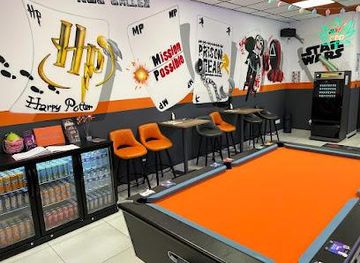
ESCAPEGAME.LOL - Escape Game & Blind Test & Karaoké & Jeux vidéos à Montpellier
Experience the thrill of escape rooms, karaoke, and gaming at ESCAPEGAME.LOL, Montpellier's ultimate entertainment destination for families and friends.


Best landmarks in Languedoc
Languedoc, a captivating region in southern France, invites visitors to explore its rich tapestry of history and culture, where ancient ruins and medieval fortresses stand testament to bygone eras. Marvel at the imposing fortress city of Carcassonne, a UNESCO World Heritage site, with its double-walled ramparts and fairy-tale towers. Wander through the Roman city of Nîmes, home to the awe-inspiring Arena and the beautifully preserved Maison Carrée. Discover the Canal du Midi, an engineering marvel from the 17th century, perfect for a leisurely boat ride or a scenic bike tour. The picturesque village of Saint-Guilhem-le-Désert, nestled in the Hérault Valley, enchants with its Romanesque abbey and cobbled streets. Wine enthusiasts will relish the opportunity to explore the vineyards of the Languedoc-Roussillon wine region, sampling exquisite wines in charming local wineries. Nature lovers can hike through the stunning landscapes of the Cévennes National Park or relax on the sun-kissed beaches along the Mediterranean coast. Languedoc seamlessly blends its historical treasures with natural beauty, offering an unforgettable journey through time and scenery.
-
Fortress
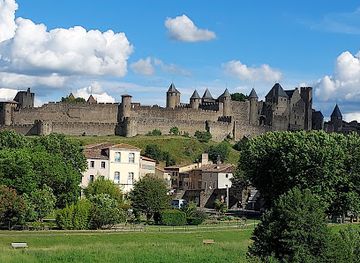
Cité de Carcassonne
Explore the magnificent Cité de Carcassonne, a UNESCO World Heritage site with stunning medieval architecture and a captivating history.
-
Historical landmark
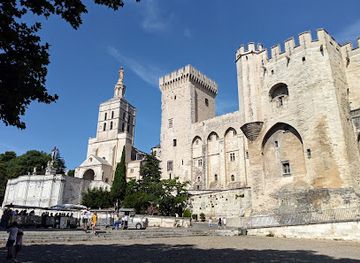
Palais des Papes
Explore the Palais des Papes in Avignon, a UNESCO World Heritage site and one of Europe's largest and most important medieval Gothic buildings.
-
Amphitheater
Amphitheatre of Nîmes
Step back in time at the Arena of Nîmes, a remarkably preserved Roman amphitheater hosting events from bullfights to concerts.
-
Bridge
Pont du Gard
A stunningly preserved Roman aqueduct bridge near Nîmes, France, showcasing ancient engineering and architectural brilliance. A UNESCO World Heritage site.
Explore Languedoc on the map
Plan your trip on one map. See where the top cities, national parks and sights are, and book hotels and experiences in a few clicks.
Best hotels in Languedoc
Best restaurants in Languedoc
Languedoc's dining scene is a feast for the senses, offering a rich tapestry of flavors that reflect its diverse cultural heritage and abundant local produce. Visitors can expect to indulge in exquisite seafood fresh from the Mediterranean, hearty cassoulets that warm the soul, and aromatic wines from some of France's oldest vineyards. The region's restaurants range from charming, rustic bistros to sophisticated, Michelin-starred establishments, each serving dishes that highlight the unique terroir of Languedoc. Market stalls brimming with olives, cheeses, and charcuterie beckon food lovers, while cozy cafes provide the perfect spot to savor a leisurely espresso paired with a delicate pastry. Whether you're dining by the shimmering waters of the coast, in a medieval village square, or amid the rolling vineyards, Languedoc promises a culinary journey that is as diverse and enchanting as its landscape.
-
Market
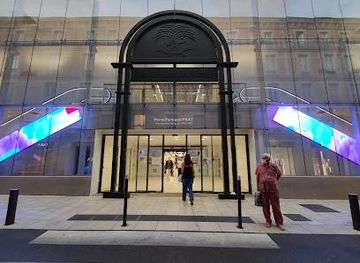
Les Halles de Nîmes
Nîmes' iconic covered market since 1884: world-class fresh produce, local gourmet treasures, and lively Provençal spirit in a historic heart-of-the-city haven.
-
French
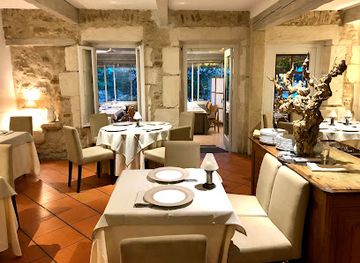
Auberge de la Croisade
Experience authentic French dining at Auberge de la Croisade in Cruzy, offering exquisite cuisine and a charming atmosphere.
-
French
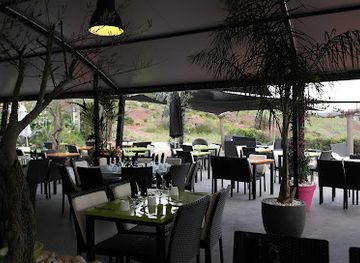
Auberge Du Lac
Discover authentic French flavors at Auberge Du Lac in Le Puech - a culinary haven for food lovers.
-
Coffee shop
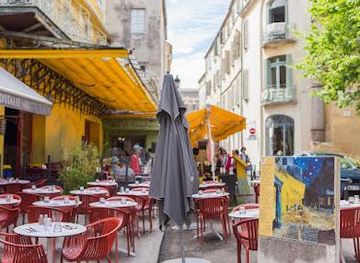
Le Café Van Gogh
Terrasse jaune immortalisée par Van Gogh sur la place du Forum d'Arles : café provençal où art et histoire se rencontrent pour une pause iconique en Provence.
Best bars in Languedoc
The nightlife scene in Languedoc is a vibrant tapestry of experiences, offering something for every type of night owl. In the historic city of Montpellier, you'll find chic rooftop bars with stunning views of medieval architecture, while the coastal towns like Sète boast lively beach bars where you can dance with your feet in the sand to live music. Carcassonne, with its fairy-tale citadel, transforms into a magical backdrop for jazz clubs and intimate wine bars. Meanwhile, Narbonne's riverside promenades are perfect for a leisurely evening of sipping local wine and enjoying tapas in charming bistros. Whether you're looking for a sophisticated evening of cocktails and conversation, or a night of dancing and revelry under the stars, Languedoc's nightlife is as diverse and enchanting as its rich history.
-
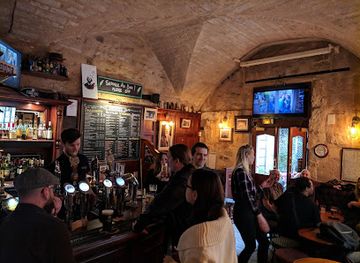
Irish pub
Fitzpatrick's Irish Pub
Experience the heart of Ireland at Fitzpatrick's Irish Pub in Montpellier, where hearty food, great drinks, and lively sports await you.
-
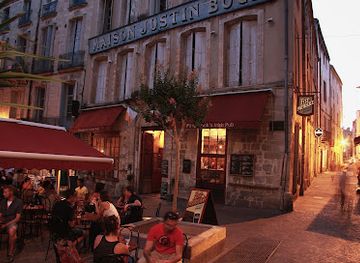
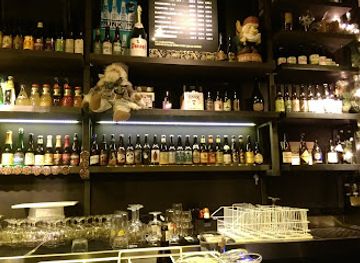
Bar
Les BerThoM Montpellier
Experience the vibrant atmosphere and diverse beer selection at Les BerThoM Montpellier, a must-visit bar for every beer lover.
-
Bar
The Shakespeare
Discover The Shakespeare, a cozy gastropub in Montpellier, offering delicious food, a vibrant atmosphere, and a wide selection of beverages for every taste.
-
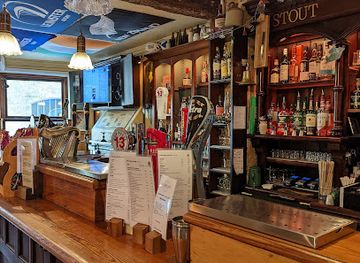
Irish pub
O'Carolans Irish Pub
Discover the charm of Ireland at O'Carolans Irish Pub, a vibrant spot in Montpellier for delicious food, drinks, and sports.
Best nightclubs in Languedoc
The nightlife scene in Languedoc is a vibrant tapestry of experiences, offering something for every type of night owl. In the historic city of Montpellier, you'll find chic rooftop bars with stunning views of medieval architecture, while the coastal towns like Sète boast lively beach bars where you can dance with your feet in the sand to live music. Carcassonne, with its fairy-tale citadel, transforms into a magical backdrop for jazz clubs and intimate wine bars. Meanwhile, Narbonne's riverside promenades are perfect for a leisurely evening of sipping local wine and enjoying tapas in charming bistros. Whether you're looking for a sophisticated evening of cocktails and conversation, or a night of dancing and revelry under the stars, Languedoc's nightlife is as diverse and enchanting as its rich history.
-
Bar
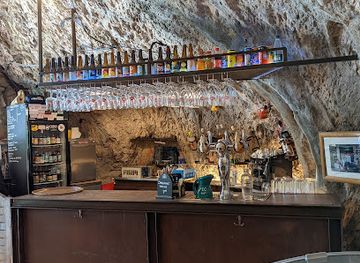
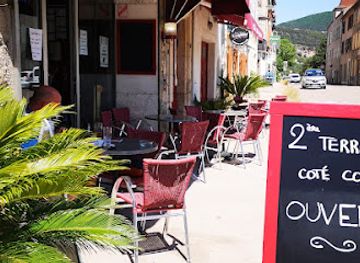
Restaurant La Grotte Des Tunnels
Experience the best of French barbecue cuisine at Restaurant La Grotte Des Tunnels in Vallon-Pont-d'Arc, where flavor meets scenic beauty.
-
Night club
Amnésia
Experience the electrifying nightlife at Amnésia, Agde's premier night club for unforgettable dancing and entertainment.
-
Pub
L' Aurore Pub
Discover the charm of L' Aurore Pub in Rivière-sur-Tarn, where local flavors and a vibrant atmosphere await every traveler.
-
Night club
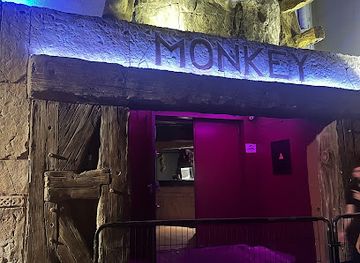
Monkey Club
Dive into Canet-en-Roussillon's nightlife at Monkey Club, where vibrant music and a lively atmosphere create unforgettable nights.

Best shops in Languedoc
Exploring the shopping scene in Languedoc is like embarking on a delightful treasure hunt through time and culture. Visitors can meander through bustling open-air markets, such as the vibrant Marché des Halles in Narbonne, where the air is filled with the tantalizing aromas of fresh produce, artisanal cheeses, and aromatic herbs. Quaint boutiques in medieval towns like Carcassonne offer handmade crafts, local wines, and exquisite pottery, each piece telling its own unique story. Antique shops and brocantes scattered throughout the region provide a thrilling opportunity to discover vintage treasures and relics from the past. In Montpellier, chic designer stores and fashionable outlets blend seamlessly with historic architecture, offering a modern shopping experience with a touch of old-world charm. Whether you're seeking gourmet delicacies, authentic regional products, or distinctive souvenirs, Languedoc's diverse shopping landscape promises a captivating adventure for every traveler.
-
Fresh food market
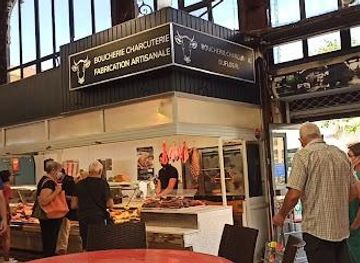
Les Halles de Narbonne
Discover the vibrant flavors of southern France at Les Halles de Narbonne, a culinary hub featuring fresh produce, artisan goods, and delightful eateries.
-
Fresh food market
Les Halles de Narbonne
Discover the bustling Les Halles de Narbonne, a fresh food market offering local produce, gourmet delights, and an authentic taste of France.
-
Shopping mall
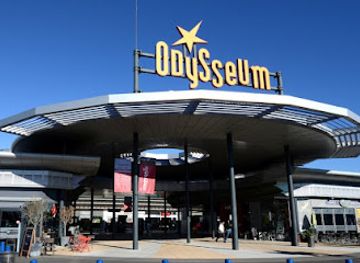
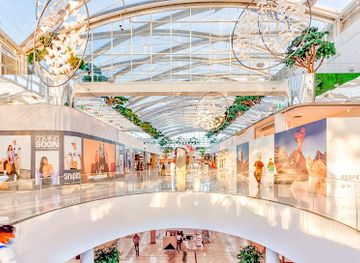
Shopping Centre Odysseum
Experience the dynamic Shopping Centre Odysseum in Montpellier, where shopping, dining, and entertainment come together for an unforgettable day out.
-
Shopping mall
Centre Commercial Le Polygone
Experience shopping, dining, and entertainment at Centre Commercial Le Polygone, the heart of Montpellier's retail scene.
Get your free copy of our complete guide to Languedoc, delivered straight to you.
Everything on this page, from attractions and restaurants to essentials and local phrases, in one PDF you can read offline, print or share.
Already have an account? Sign in
Your Languedoc guide is ready.
We'll send it to · Not you? Sign out

Getting your guide ready…
We are putting together a fresh copy of the Languedoc guide. This can take up to a minute.
This can take a few moments. If your browser asks, choose Allow so the download can start. You'll find the guide in your Downloads folder.
Nothing happened? Download it again
Sorry, the guide is taking longer than usual. Please try again in a minute, or get it by email instead.
Languedoc essentials
Currency and Payment
Safety
Emergency Situations
Do's and Don'ts
Local Tips
From Eve
Local phrases worth knowing
You don't need to get them perfect. A few words go a long way, and locals appreciate the effort.
Basics
| English | Local | Say it |
|---|---|---|
| Hello | Bonjour | [bɔ̃ʒuʁ] |
| Goodbye | Au revoir | [o ʁəvwaʁ] |
| Yes | Oui | [wi] |
| No | Non | [nɔ̃] |
| Please/You're welcome | S'il vous plaît | [sil vu plɛ] |
| Thank you | Merci | [mɛʁsi] |
| Excuse me/Sorry | Excusez-moi | [ɛkskyze mwa] |
| How are you? | Comment ça va? | [kɔmɑ̃ sa va] |
| Fine. And you? | Bien. Et vous? | [bjɛ̃ e vu] |
| Do you speak English? | Parlez-vous anglais? | [paʁle vu ɑ̃ɡlɛ] |
| I don't understand | Je ne comprends pas | [ʒə nə kɔ̃pʁɑ̃ pa] |
Eating & Drinking
| English | Local | Say it |
|---|---|---|
| I'd like to see the menu, please | Je voudrais voir le menu, s'il vous plaît | [ʒə vudʁɛ vwaʁ lə məny s'il vu plɛ] |
| I don't eat meat | Je ne mange pas de viande | [ʒə nə mɑ̃ʒ pa də vjɑ̃d] |
| Cheers! | Santé! | [sɑ̃te] |
| I would like to pay, please | Je voudrais payer, s'il vous plaît | [ʒə vudʁɛ peje s'il vu plɛ] |
Emergencies
| English | Local | Say it |
|---|---|---|
| Help! | Au secours! | [o səkuʁ] |
| Go away! | Allez-vous-en! | [ale vu zɑ̃] |
| Call the Police! | Appelez la police! | [aple la pɔlis] |
| Call a doctor! | Appelez un docteur! | [aple ɛ̃ dɔktœʁ] |
| I'm lost | Je suis perdu | [ʒə sɥi pɛʁdy] |
| I'm ill | Je suis malade | [ʒə sɥi malad] |
Shopping
| English | Local | Say it |
|---|---|---|
| I'd like to buy... | Je voudrais acheter... | [ʒə vudʁɛ aʃte] |
| I'm just looking | Je regarde juste | [ʒə ʁəɡaʁd ʒyst] |
| How much is it? | C'est combien? | [se kɔ̃bjɛ̃] |
| That's too expensive | C'est trop cher | [se tʁo ʃɛʁ] |
| Can you lower the price? | Pouvez-vous baisser le prix? | [puve vu bese lə pʁi] |
Time & Numbers
| English | Local | Say it |
|---|---|---|
| What time is it? | Quelle heure est-il? | [kɛl œʁ ɛ til] |
| It's one o'clock | Il est une heure | [il ɛ yn œʁ] |
| Half past (10) | Dix heures et demie | [di zœʁ e dəmi] |
| Morning | Matin | [matɛ̃] |
| Afternoon | Après-midi | [apʁɛ midi] |
| Evening | Soir | [swaʁ] |
| Yesterday | Hier | [jɛʁ] |
| Today | Aujourd'hui | [oʒuʁdɥi] |
| Tomorrow | Demain | [dəmɛ̃] |
| 1 | Un | [œ̃] |
| 2 | Deux | [dø] |
| 3 | Trois | [tʁwa] |
| 4 | Quatre | [kɑtʁ] |
| 5 | Cinq | [sɛ̃k] |
| 6 | Six | [sis] |
| 7 | Sept | [sɛt] |
| 8 | Huit | [ɥit] |
| 9 | Neuf | [nœf] |
| 10 | Dix | [di] |
Transport & Directions
| English | Local | Say it |
|---|---|---|
| Where's a/the...? | Où est un/une...? | [u ɛ ɛ̃/yn] |
| What's the address? | Quelle est l'adresse? | [kɛl ɛ l'adʁɛs] |
| Can you show me (on the map)? | Pouvez-vous me montrer (sur la carte)? | [puve vu mə mɔ̃tʁe syʁ la kaʁt] |
| When's the next (bus)? | Quand est le prochain (bus)? | [kɑ̃ ɛ lə pʁɔʃɛ̃ bys] |
| A ticket (to ....) | Un billet (pour ....) | [œ̃ bijɛ (puʁ ....)] |
History of Languedoc
The Origins of Languedoc
Languedoc, located in the southern part of France, has a rich history that dates back to prehistoric times. Archaeological evidence suggests that the area was inhabited as far back as the Paleolithic era. The Romans later conquered the region, integrating it into the Roman province of Gallia Narbonensis. Roman influence is still visible today in the ancient ruins scattered throughout the region.
The Cathar Crusade
One of the most significant historical events in Languedoc was the Albigensian Crusade, also known as the Cathar Crusade, which began in 1209. The crusade was launched by Pope Innocent III to eliminate the Cathar heresy in the region. This brutal campaign led to the massacre of thousands of Cathars and the eventual incorporation of Languedoc into the Kingdom of France. The fortified city of Carcassonne and the ruins of Cathar castles, such as Château de Montségur, serve as haunting reminders of this dark chapter in history.
The Rise of the Troubadours
During the 12th and 13th centuries, Languedoc became the cultural heartland of the troubadours, poet-musicians who composed and performed songs of chivalry and courtly love. The courts of Languedoc were renowned for their patronage of the arts, and the region played a crucial role in the development of Occitan literature. The legacy of the troubadours is still celebrated today in various festivals and cultural events.
Medieval Architecture
Languedoc is home to some of the most stunning examples of medieval architecture in France. The fortified city of Carcassonne, with its double-walled defenses and fairy-tale turrets, is a UNESCO World Heritage Site and a must-visit for any history enthusiast. Other notable medieval sites include the Romanesque abbeys of Saint-Guilhem-le-Désert and the Canal du Midi, a remarkable feat of engineering from the 17th century that connected the Atlantic Ocean to the Mediterranean Sea.
The Wars of Religion
The 16th century saw Languedoc embroiled in the French Wars of Religion, a series of conflicts between Catholics and Huguenots (French Protestants). The region was a stronghold for the Huguenots, and many fierce battles took place here. The Edict of Nantes in 1598, which granted religious tolerance to Protestants, brought a temporary respite, but tensions persisted until the edict was revoked in 1685.
The Wine Heritage
Languedoc has a long and storied tradition of winemaking that dates back to Roman times. The region's diverse terroirs and favorable climate have made it one of the largest and most important wine-producing areas in France. Today, Languedoc is known for its wide variety of wines, from robust reds to crisp whites and sparkling Crémants. Wine routes and vineyard tours offer visitors a chance to explore this rich heritage firsthand.
Languedoc in Photos
Browse through our photo collection highlighting the charm and character of the destination.
Neighbouring regions of Languedoc
The closest regions to Languedoc, if you have time for more than one.
-

-

-

-

-


Swipe for more regions

