

Pont de Trinquetaille, Luberon Travel Guide
Walk in Van Gogh's footsteps at the Pont de Trinquetaille in Arles, where art and history converge on the Rhône River, offering a timeless Provençal experience.
The Pont de Trinquetaille, a bridge spanning the Rhône River in Arles, offers more than just a crossing; it's a journey through art history. Immortalized by Vincent van Gogh in two distinct paintings in 1888, the bridge provides a tangible link to the artist's time in Arles. While the original 1875 structure was destroyed during WWII and replaced with a modern counterpart, the location retains its charm and continues to inspire visitors. Stand where Van Gogh once stood, observe the Rhône's flowing waters, and imagine the bustling scene he captured on canvas. The bridge connects the city center to the Trinquetaille quarter, offering access to local life and a different perspective on Arles. Whether you're an art enthusiast or simply seeking a scenic viewpoint, the Pont de Trinquetaille provides a memorable experience steeped in history and artistic legacy, making it a worthwhile stop on any Arles itinerary.
A brief summary to Pont de Trinquetaille
- Arles, 13200, FR

Know before you go
Hi, I'm Eve. Here are a few practical things to know before exploring Pont de Trinquetaille.
- Visit during the golden hour (shortly after sunrise or before sunset) for the best light and photo opportunities, capturing the Rhône River in its most picturesque state.
- Combine your visit with a walk along the Van Gogh trail in Arles to see other locations that inspired the artist, creating a richer understanding of his time in the city.
- Explore the Trinquetaille quarter across the bridge for a taste of local life, away from the main tourist crowds, and discover authentic Provençal cuisine.
Do you manage this location?
Take control to get all the benefits, like improved information, better appearance, and stronger visibility across AI-powered discovery. Learn more about listing your business on Evendo
Activate your presenceOther nearby places you may find interesting
The closest places of the same kind, if this one is not quite what you had in mind.
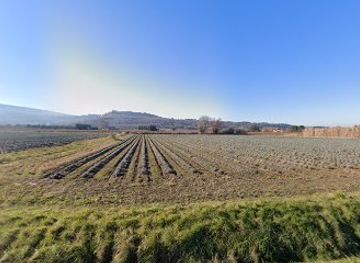
Explore Pont de Trinquetaille on the Map
A handpicked selection of must-see spots near Pont de Trinquetaille, mapped for you.
Unlock the Best of Pont de Trinquetaille
Buy tickets
-
No tickets available
Book tours with entry

Book tours without entry

Getting There
-
Walking
From the Arles city center, such as Place de la République, the Pont de Trinquetaille is easily accessible by foot. Head north, following the signs towards Trinquetaille. The walk is approximately 10-15 minutes, offering views of the city and the Rhône River along the way. Orient yourself towards the visible bridge structure; it's a straightforward path along the main quays. No special transport or tolls are required.
-
Public Transport
If starting from the Arles train station (Gare d'Arles), take the ENVIA bus line 1 or 2 towards the city center. Get off at the 'Clemenceau' stop, which is a short walk from the Rhône River and the bridge. From there, follow the walking directions. A single bus ticket costs €1 and is valid for one hour. Alternatively, a free shuttle bus operates between the train station and the city center.
-
Taxi/Ride-Share
A taxi or ride-share from within Arles city center to the Pont de Trinquetaille is a quick option, costing approximately €8-€12 depending on the starting point and time of day. Specify 'Pont de Trinquetaille' as your destination. The journey typically takes less than 5 minutes, avoiding any tolls or special routes.
-
Driving
Driving to the Pont de Trinquetaille is possible, but parking can be limited. Several paid parking lots are available near the city center, such as Parking des Lices or Parc du Centre. From these parking areas, it's a short walk to the bridge. Parking fees range from €2 per hour to €17 per day. Be aware of traffic restrictions in the city center and pedestrian zones.
Discover more about Pont de Trinquetaille













Your all‑in‑one travel companion app
Explore expert travel guides, compare and book tours, experiences, hotels, and more—all from the palm of your hand. Download now for seamless trip planning wherever your wanderlust takes you.


Explore More of Luberon
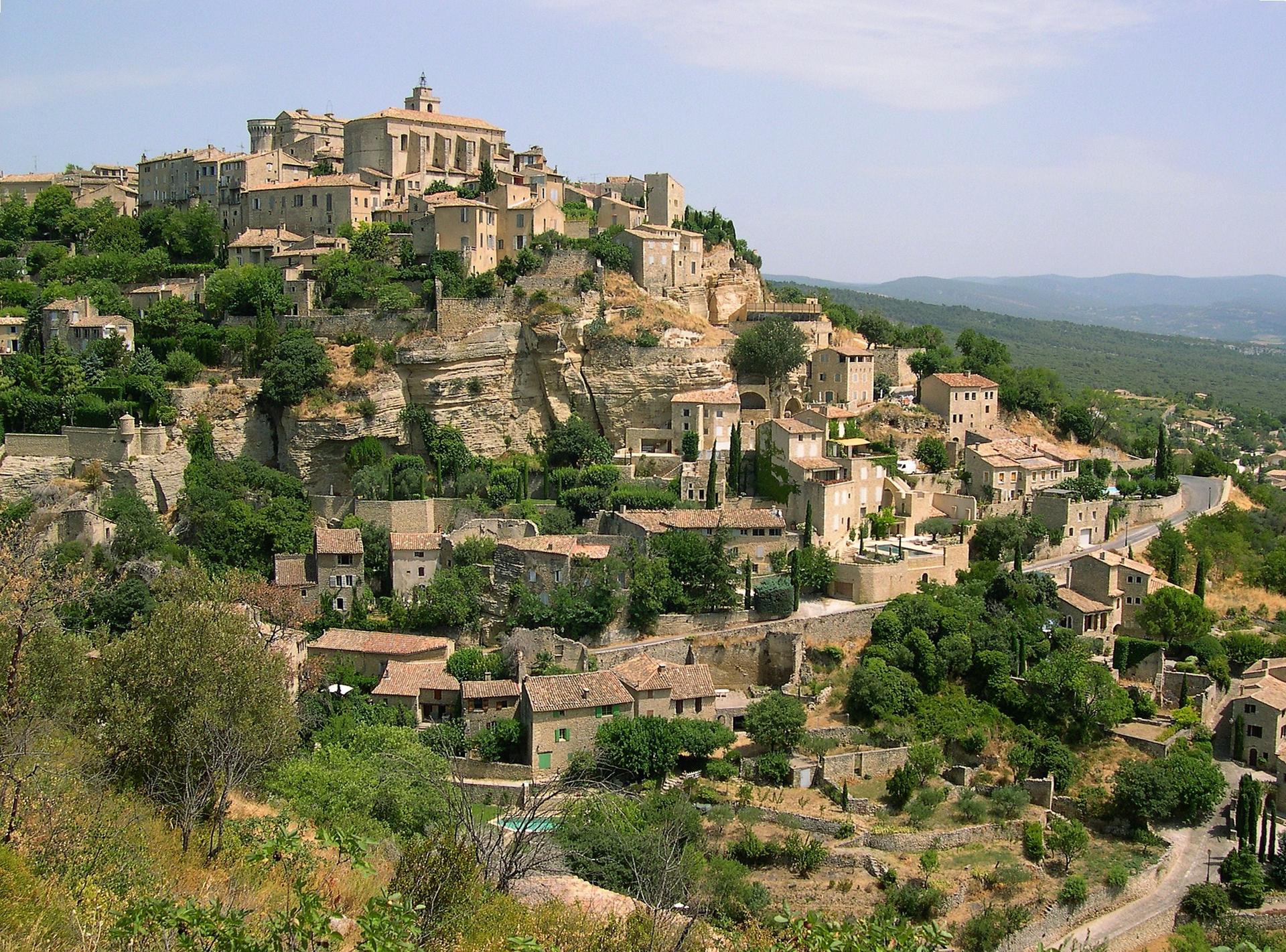
Looking beyond Pont de Trinquetaille? Discover Luberon for broader travel guides, local hot-spots, and regional highlights.
Explore Luberon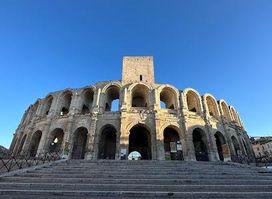
Step back in time at the Arles Arena, a remarkably preserved Roman amphitheater hosting bullfights and concerts, offering a unique blend of history and entertainment in the heart of Provence.
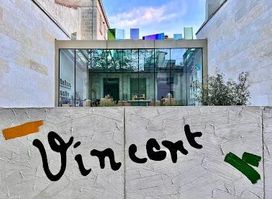
Explore the enduring legacy of Vincent van Gogh in Arles, where his vision comes alive through a dynamic dialogue with contemporary art, offering a unique and immersive cultural experience.
