Basilica of Notre-Dame de Fourvière: Lyon's Guardian
Discover Lyon's iconic Basilica of Notre-Dame de Fourvière: a symbol of faith, art, and breathtaking panoramic views, perched atop Fourvière Hill.
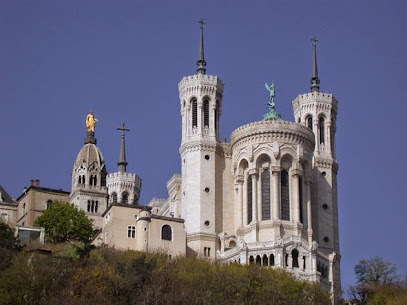
Perched atop Fourvière Hill, the Basilica of Notre-Dame de Fourvière stands as a symbol of Lyon. This 19th-century basilica, built between 1872 and 1896, boasts a unique blend of Romanesque and Byzantine architectural styles. Dedicated to the Virgin Mary, who is credited with saving Lyon from various crises throughout history, the basilica is a testament to the city's deep-rooted faith. Its ornate interior features stunning mosaics, stained glass windows, and a crypt dedicated to Saint Joseph. Visitors can explore the basilica's rich history, admire its artistic details, and enjoy panoramic views of Lyon from the esplanade. The basilica also offers accessible facilities, ensuring a welcoming experience for all. A visit to Fourvière is a journey through Lyon's spiritual and cultural heart, offering breathtaking views and a glimpse into the city's past.
A brief summary to Basilica of Notre Dame of Fourvière
- 8 Pl. de Fourvière, Lyon, 69005, FR
- +33478251301
- Visit website
- Monday 7 am-8 pm
- Tuesday 7 am-8 pm
- Wednesday 7 am-8 pm
- Thursday 7 am-8 pm
- Friday 7 am-8 pm
- Saturday 7 am-8 pm
- Sunday 7 am-8 pm
Local tips
- Take the funicular from Vieux Lyon to avoid a steep climb and enjoy scenic views along the way. A return ticket costs €3.60.
- Visit early in the morning or late in the afternoon to avoid crowds, especially during peak tourist season.
- Dress respectfully when visiting the basilica, as it is a place of worship. Shoulders and knees should be covered.
- Consider taking a guided tour to learn about the basilica's history, architecture, and religious significance. Tickets start from €8 for adults.
- Don't miss the panoramic views of Lyon from the esplanade in front of the basilica. It's a perfect spot for photos.

Getting There
-
Public Transport
From Vieux Lyon (Metro D station), take the Funiculaire de Fourvière (F2 line). The funicular runs frequently, and the ride takes only a few minutes. A return ticket costs €3.60. The funicular station is accessible, with elevators available. Upon exiting the funicular at the top, a lift on the left provides access to the basilica and the esplanade.
-
Taxi/Ride-Share
A taxi or ride-share from central Lyon (e.g., Place Bellecour) to the Basilica of Notre-Dame de Fourvière will cost approximately €15-€20, depending on traffic. The ride takes about 15-20 minutes. Be aware that traffic on Fourvière Hill can be congested, especially during peak hours. Taxis can drop you off near the basilica entrance.
-
Driving
Driving to the Basilica is possible, but parking can be limited, especially during peak season. There is a car park on the esplanade near the basilica, with parking fees applicable (€2.00 for 1 hour, €6.00 for 2 hours). Two parking places are reserved for people with reduced mobility. Be aware that the roads leading to Fourvière Hill are steep and winding. Alternatively, park in Vieux Lyon and take the funicular.
Discover more about Basilica of Notre Dame of Fourvière
Iconic landmarks you can’t miss

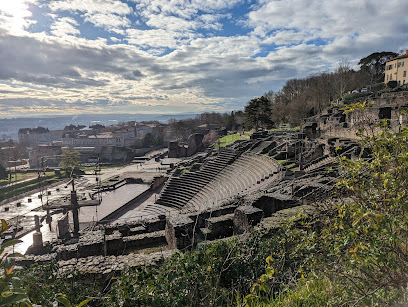
Théâtre Gallo Romain de Lyon-Fourvière
0.4 km
Explore Théâtre Gallo Romain de Lyon-Fourvière, a stunning Roman amphitheater in Lyon, rich in history and breathtaking views.
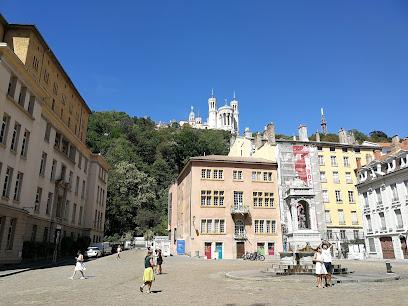
Pl. Saint-Jean
0.4 km
Discover the enchanting Pl. Saint-Jean in Lyon, where historic architecture meets vibrant culture and culinary delights in the heart of France.
Cour des Loges Lyon, A Radisson Collection Hotel
0.4 km
Immerse yourself in luxury and history at Cour des Loges Lyon, a Radisson Collection Hotel, where elegance meets the vibrant spirit of Lyon.
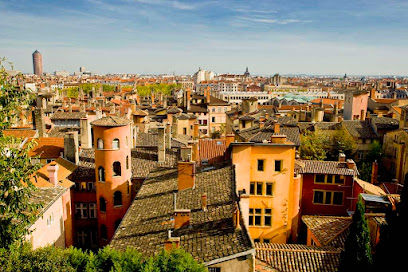
Renaissance du Vieux-Lyon
0.4 km
Explore Lyon's rich history at Renaissance du Vieux-Lyon, a non-profit dedicated to preserving the city's architectural and cultural heritage.
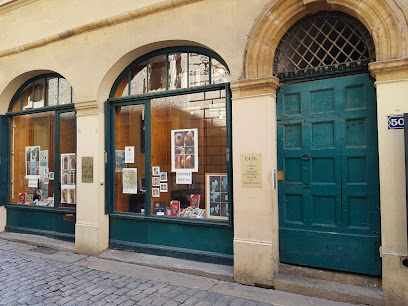
5 Imp. Turquet
0.4 km
Discover the architectural brilliance of 5 Imp. Turquet in Lyon, where history and modernity meet in a captivating urban landscape.
Minimes Théatres Romains
0.4 km
Explore the ancient Minimes Théâtres Romains in Lyon and immerse yourself in the rich history and vibrant culture of this stunning French city.
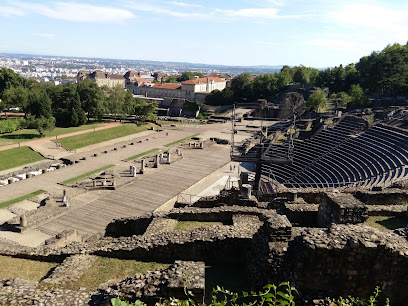
Palais Saint-Jean
0.5 km
Discover the rich history and stunning architecture of Palais Saint-Jean, a must-visit museum and historical landmark in Lyon's vibrant cultural scene.
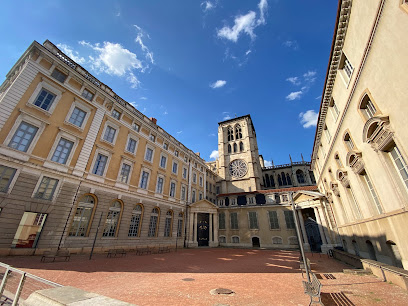
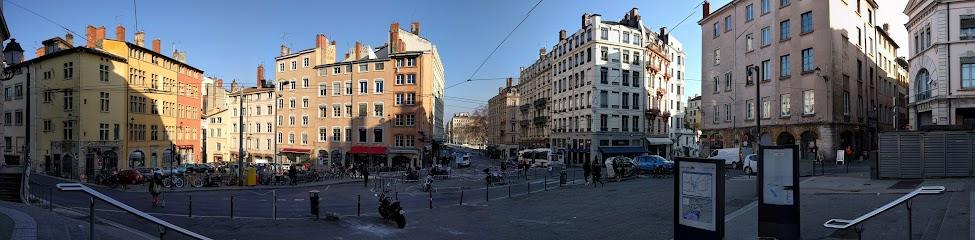
Pl. du Gouvernement
0.5 km
Experience the vibrant culture and history at Pl. du Gouvernement, a picturesque square in the heart of Lyon, surrounded by cafes and stunning architecture.
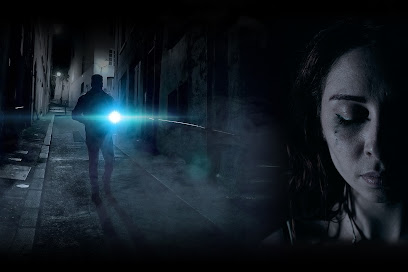
MIMESIS | Escape Game Immersive
0.5 km
Experience the thrill of escape at MIMESIS, Lyon's top immersive escape game center, perfect for adventure seekers and puzzle enthusiasts alike.
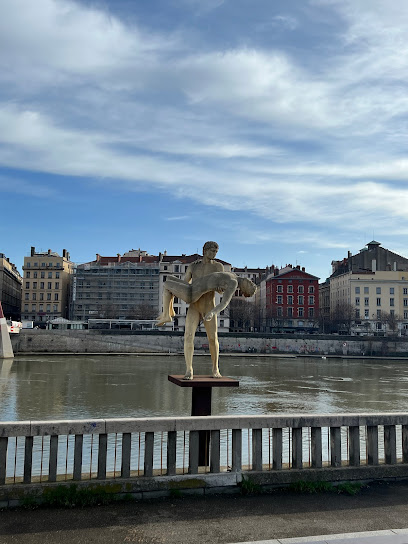
The Weight of Oneself
0.5 km
Explore 'The Weight of Oneself' in Lyon, a mesmerizing sculpture that invites reflection and captures the essence of the human experience in art.
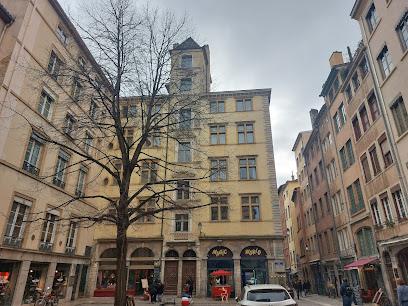
Pl. Saint-Paul
0.6 km
Discover the historic charm and vibrant atmosphere of Pl. Saint-Paul, a must-visit square in the heart of Lyon, France.
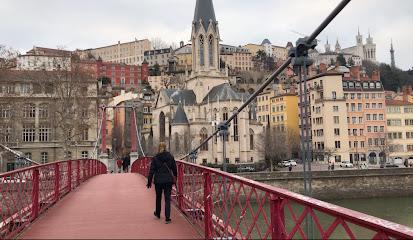
Passerelle Saint Georges de Lyon
0.6 km
Discover the breathtaking beauty of Passerelle Saint Georges, a must-visit pedestrian bridge in Lyon offering stunning views and a lively atmosphere.
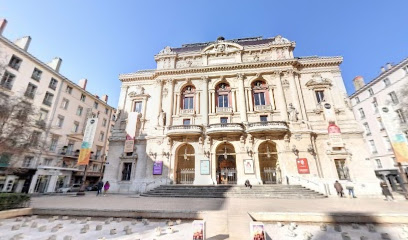
Place des Célestins
0.8 km
Discover the charm of Place des Célestins in Lyon, where stunning architecture meets vibrant social life and rich culture.
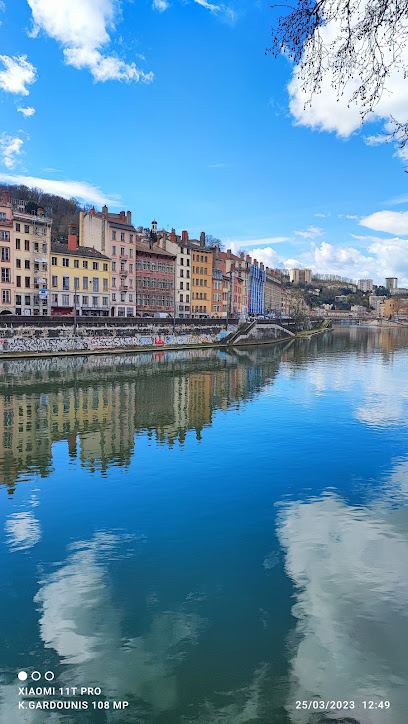
Fresque des Lyonnais
0.8 km
Explore the Fresque des Lyonnais, a stunning mural showcasing Lyon's rich history and vibrant culture, perfect for art lovers and history buffs alike.
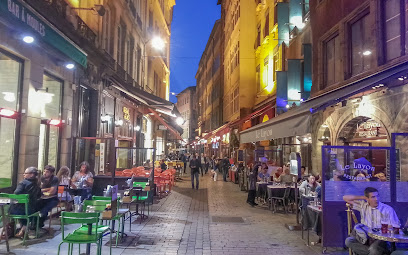
Rue Mercière
0.8 km
Explore the historic Rue Mercière in Lyon for a delightful culinary experience amidst stunning architecture and vibrant local culture.
Unmissable attractions to see

Foundation Fourviere
0.0 km
Explore the stunning Foundation Fourvière in Lyon, a historical and spiritual landmark with breathtaking views and rich cultural heritage.
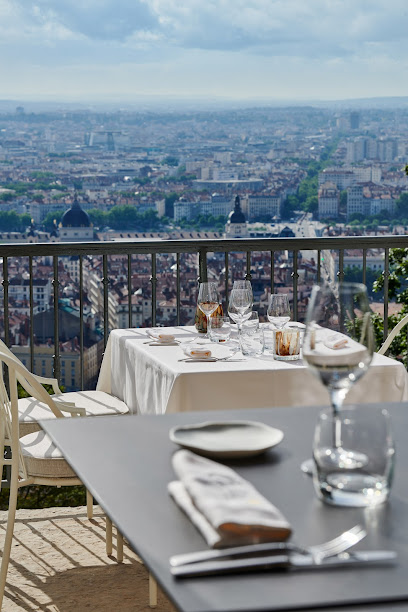
Bulle - Restaurant de Fourvière - Guy Lassausaie
0.0 km
Discover Bulle, a scenic French restaurant in Lyon’s Fourvière offering exquisite cuisine and breathtaking views for a truly memorable dining experience.
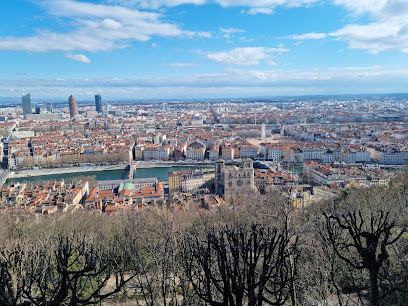
Esplanade du Site Notre-Dame de Fourvière
0.0 km
Experience stunning panoramic views of Lyon from the Esplanade du Site Notre-Dame de Fourvière, a must-see observation deck rich in history and beauty.
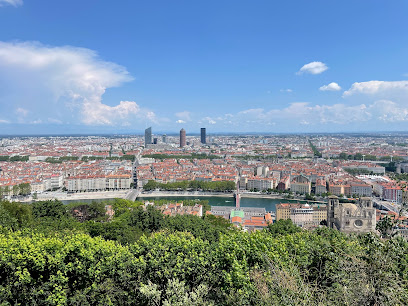
Parc des Hauteurs
0.1 km
Experience the serene beauty and breathtaking views of Lyon at Parc des Hauteurs, a perfect escape for tourists and nature lovers alike.
Carré Fourvière
0.1 km
Discover the breathtaking views and rich history at Carré Fourvière, a must-visit destination in Lyon, France, steeped in culture and beauty.
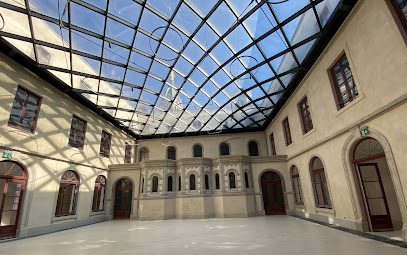
Musée de Fourvière
0.1 km
Explore the rich artistic heritage of Lyon at the Musée de Fourvière, a captivating art museum nestled in the historic Fourvière district.
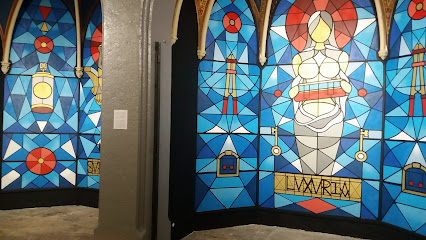
Religious Art Museum of Fourvière
0.1 km
Discover centuries of religious art at the Fourvière Museum, nestled near the iconic basilica, showcasing paintings, sculptures, and textiles that narrate Lyon's spiritual story.
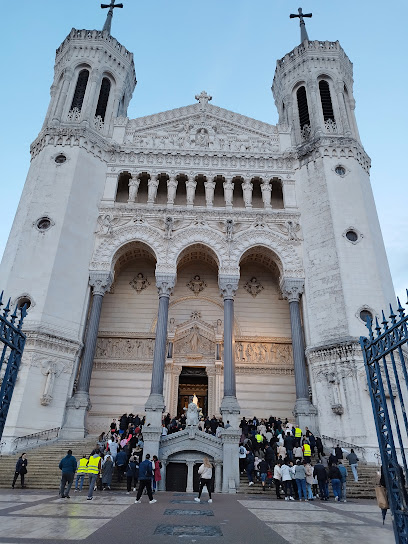
Site Notre-Dame de Fourvière- Fondation Fourvière
0.1 km
Discover the breathtaking architecture and rich history of the Site Notre-Dame de Fourvière overlooking the beautiful city of Lyon.
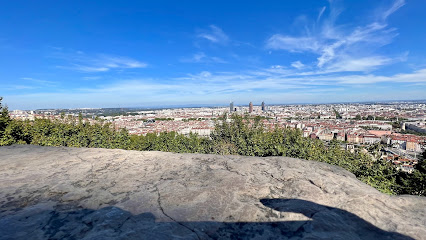
Fourvière
0.1 km
Experience breathtaking views and historical charm at Fourvière, the iconic inclined railway station in Lyon.
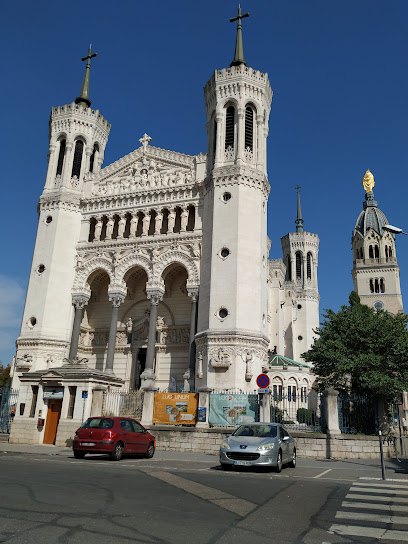
Jardin du Rosaire
0.1 km
Discover a serene escape on Fourvière Hill at Jardin du Rosaire, a historic garden offering stunning views of Lyon, themed floral displays, and a peaceful connection to the Basilica.
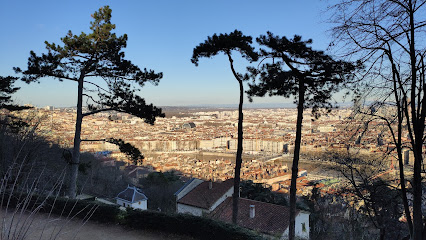
Metallic tower of Fourvière
0.2 km
Discover the stunning Metallic Tower of Fourvière in Lyon, a monument rich in history and breathtaking views of the city and its surroundings.
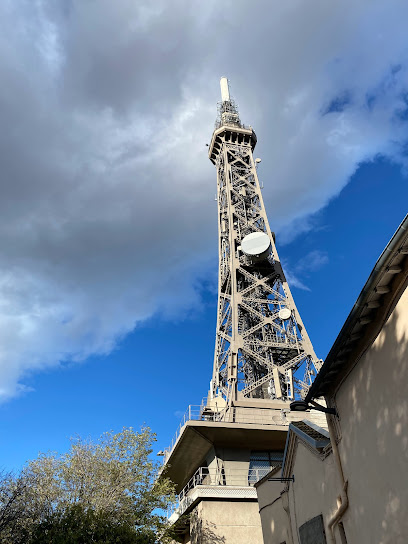
Escalier Basilique de Fourvière
0.2 km
Explore the breathtaking Escalier Basilique de Fourvière, a stunning staircase leading to Lyon’s historic basilica with panoramic city views.
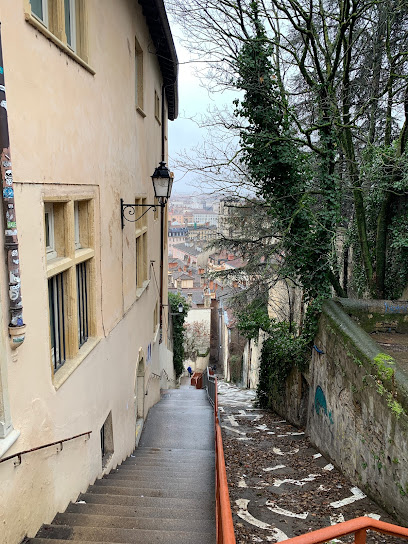
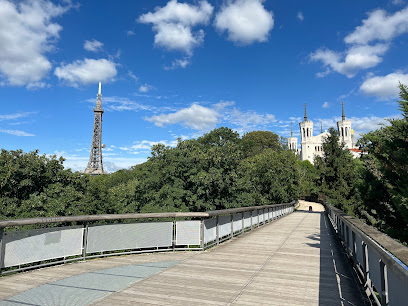
Passerelle des Quatre Vents
0.3 km
Discover the enchanting Passerelle des Quatre Vents in Lyon, a historical landmark that offers stunning views and a glimpse into the city's architectural heritage.
Gallo-Roman Museum of Lyon-Fourvière
0.3 km
Explore the ancient treasures of the Gallo-Roman Museum of Lyon-Fourvière, where history comes alive through remarkable artifacts and stunning views.

Traboule “Maison du Crible – Tour Rose”
0.3 km
Discover Lyon's hidden gem: the Traboule Maison du Crible – Tour Rose, a 16th-century architectural marvel blending Renaissance history with modern culinary experiences in the heart of Vieux Lyon.
Essential places to dine

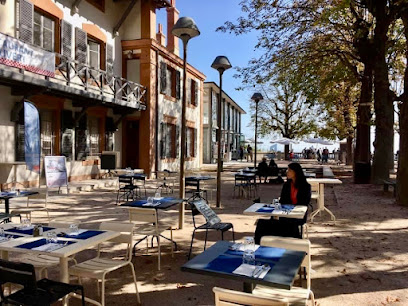
La Salle à Manger Restaurant-Ecole Apprentis d'Auteuil
0.1 km
Experience exquisite French cuisine at La Salle à Manger Restaurant-Ecole in Lyon - where future chefs create culinary masterpieces.
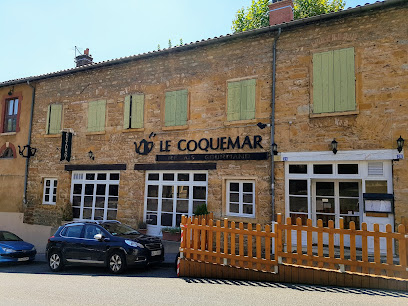
Le Coquemar
0.1 km
Discover authentic French cuisine at Le Coquemar in Lyon - where every dish tells a story of culinary tradition.
La Petite Table des Nuits
0.2 km
Experience authentic French cuisine at La Petite Table des Nuits in Lyon, where delightful flavors and warm hospitality await every visitor.
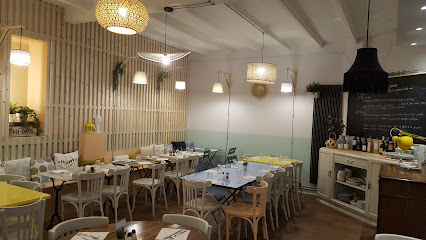
Au 14 Février
0.3 km
Discover modern French cuisine at Au 14 Février in Lyon, where traditional flavors meet innovative culinary artistry for an unforgettable dining experience.
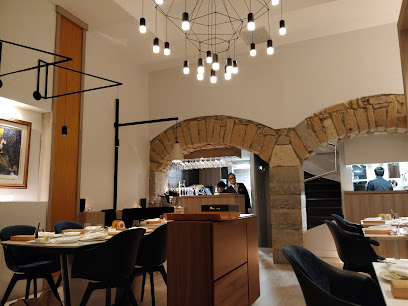
Le Bœuf d'Argent
0.3 km
Experience exquisite French cuisine at Le Bœuf d'Argent in Lyon—where tradition meets innovation in every dish.
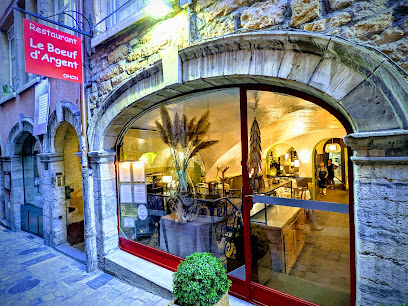
Jérémy Galvan
0.3 km
Experience the pinnacle of French gastronomy at Jérémy Galvan, where exquisite flavors meet artistic presentation in a charming Lyon setting.
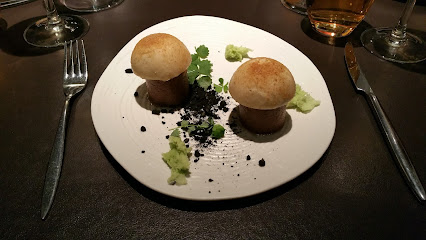
Les Terrasses de Lyon
0.3 km
Discover exquisite French cuisine with breathtaking views at Les Terrasses de Lyon - a fine dining experience not to be missed.
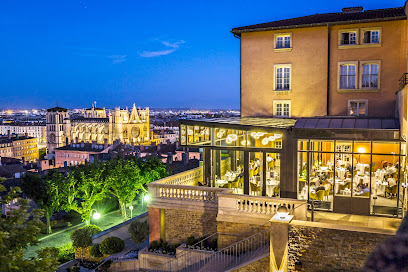
Les Adrets
0.3 km
Experience authentic French cuisine at Les Adrets in Lyon – where culinary tradition meets modern charm.
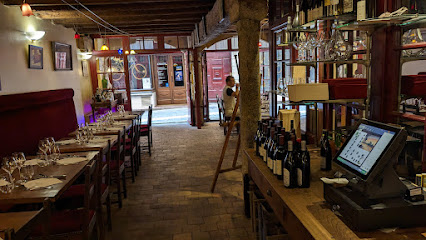
Food Traboule
0.3 km
Discover the flavors of Lyon at Food Traboule – where culinary tradition meets modern creativity in an inviting atmosphere.
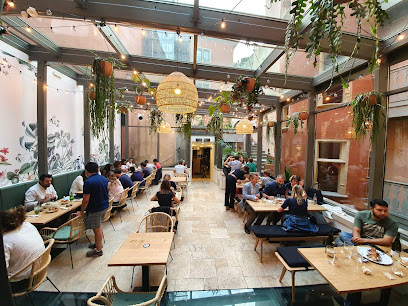
LE ROOFTOP TETEDOIE
0.4 km
Experience gourmet dining at Le Rooftop Tête d'Oie while enjoying stunning views over Lyon's enchanting skyline.
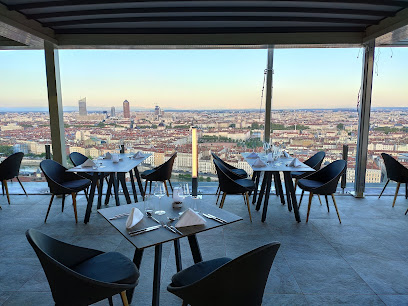
Restaurant Gastronomique Christian Tetedoie
0.4 km
Experience the pinnacle of French fine dining at Restaurant Gastronomique Christian Tetedoie in Lyon, where culinary artistry meets breathtaking views.
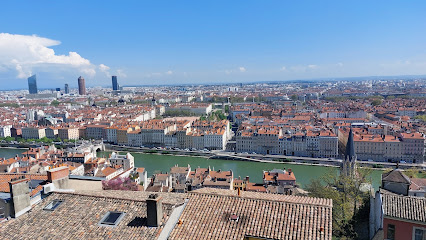
Restaurant La Chimère
0.4 km
Experience authentic French cuisine in Lyon at Restaurant La Chimère, where every dish tells a story of tradition and taste.
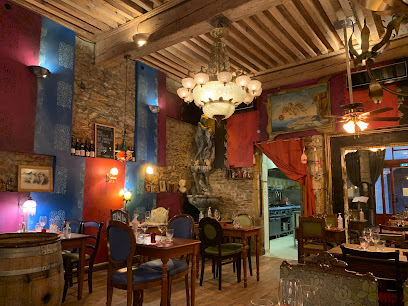
Chez Grand-Mère
0.4 km
Discover authentic French cuisine in Lyon at Chez Grand-Mère - a charming restaurant celebrating local flavors and culinary traditions.
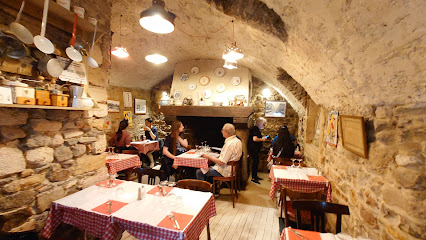
RESTAURANT LE VIEUX LYON
0.4 km
Experience authentic French cuisine at Restaurant Le Vieux Lyon, where tradition meets taste in a charming atmosphere.
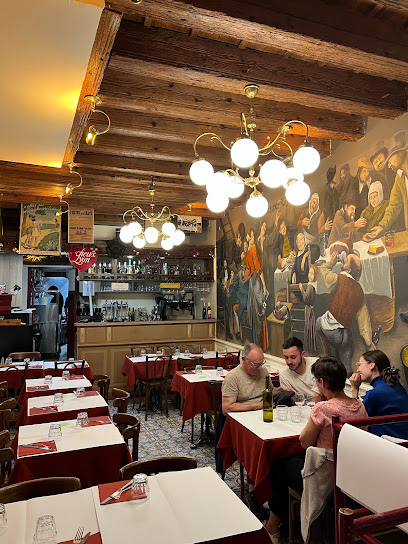
La Sommeliere
0.4 km
Experience the essence of French fine dining at La Sommeliere in Lyon, where tradition meets innovation in every exquisite dish.
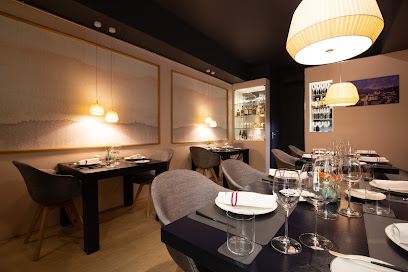
Markets, malls and hidden boutiques

Boutiques De Fourvière
0.1 km
Explore Boutiques De Fourvière in Lyon for a unique selection of religious goods, Christian literature, and thoughtful gift baskets in a serene setting.
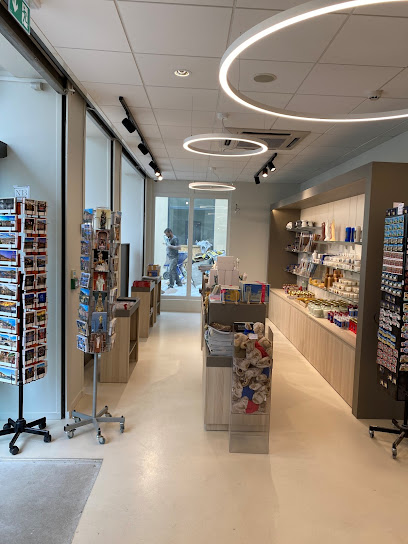
CathAm Soie
0.3 km
Explore unique silk and tweed accessories at CathAm Soie, a charming family-owned boutique in the heart of Lyon, perfect for discerning fashion lovers.
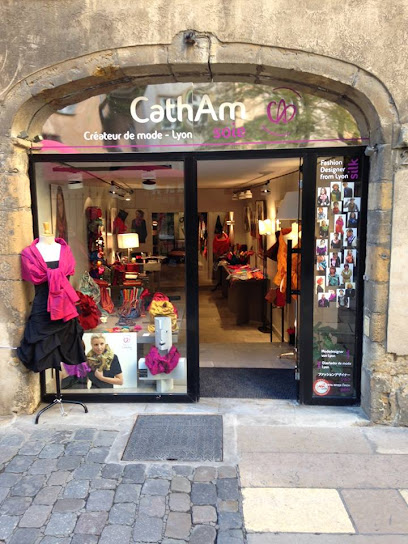
Soierie Saint-Georges
0.3 km
Discover the heart of Lyon's silk weaving tradition at Soierie Saint-Georges, where artistry meets history in every exquisite piece.
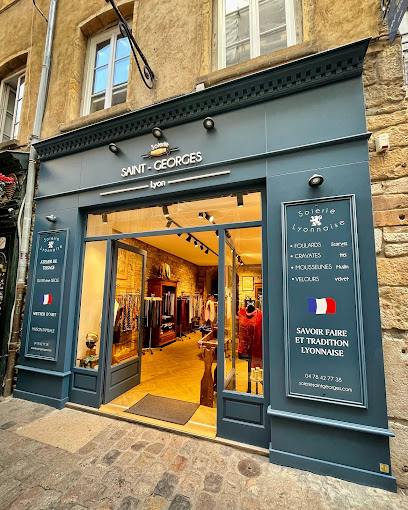
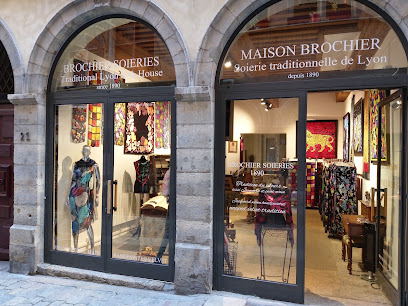
BROCHIER SOIERIES Vieux Lyon
0.4 km
Experience the rich heritage of Lyon's silk-making tradition at Brochier Soieries, where luxury meets culture.
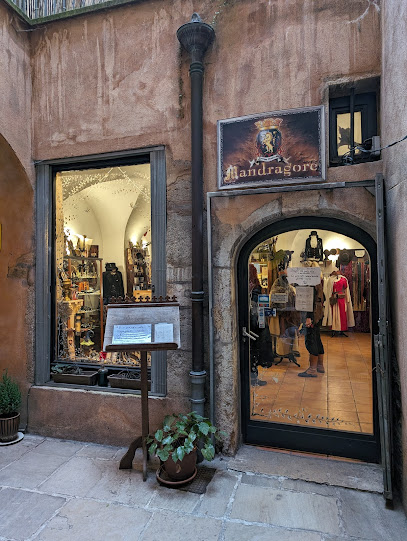
Mandragore
0.4 km
Discover Mandragore, an enchanting gift shop in Lyon, offering unique items from rare books to magical treasures for every traveler.
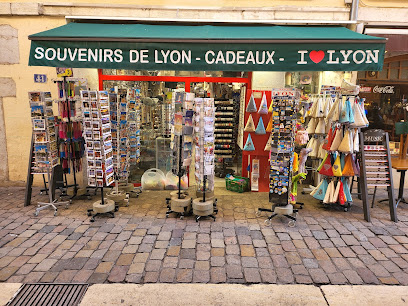
Souvenir de lyon
0.4 km
Discover unique souvenirs, local delicacies, and charming keepsakes at Souvenir de Lyon, the perfect stop for every traveler in Lyon.
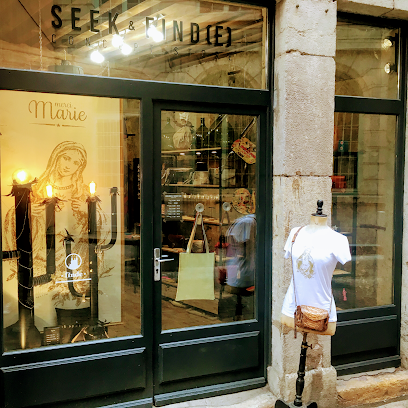
Seek & Find(e)
0.4 km
Explore Seek & Find(e) in Lyon for unique gifts that embody the city's charm and craftsmanship, perfect for memorable souvenirs.
Silk Saint Georges
0.4 km
Explore the exquisite world of silk at Silk Saint Georges in Lyon, where fashion meets history in a charming museum setting.
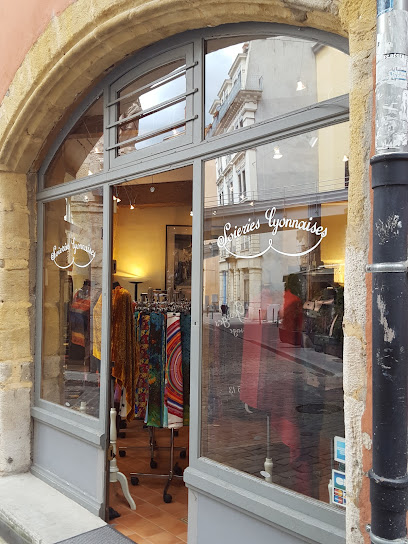
Souvenirs de Lyon. Com
0.4 km
Discover the charm of Lyon through unique souvenirs and local gifts at Souvenirs de Lyon, the perfect place for memorable treasures.
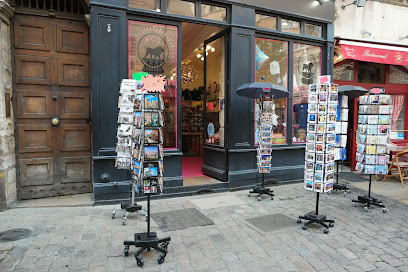
Pylones
0.4 km
Explore Pylones in Lyon for a delightful selection of quirky gifts, stylish accessories, and unique home decor that make perfect souvenirs.
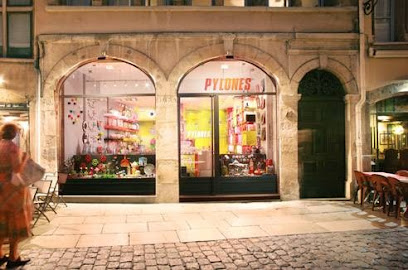
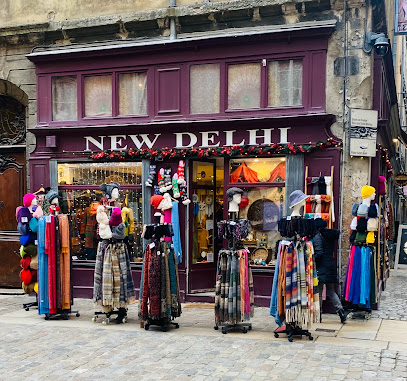
boutique new delhi lyon/ bohéme shop
0.4 km
Discover the unique blend of style and artistry at Bohème Shop in Lyon, a must-visit boutique for fashion lovers.
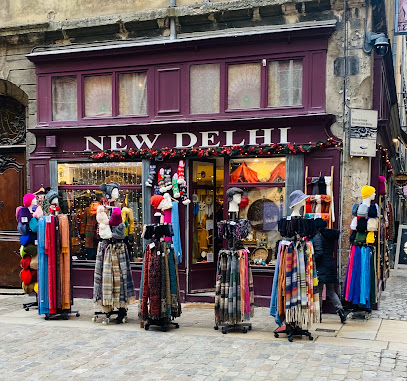
couleurs ethniques by boutique new delhi lyon
0.4 km
Explore the vibrant ethnic fashion at Couleurs Ethniques, a unique boutique in Lyon showcasing men's and women's clothing with cultural flair.
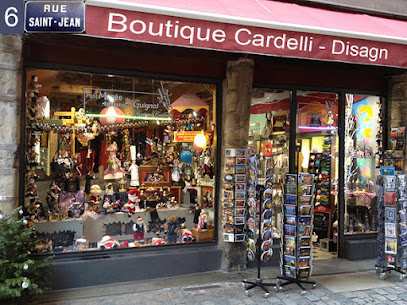
L'univers de Guignol et du Petit Prince - Boutique de souvenirs du Vieux Lyon - Musée
0.5 km
Explore the whimsical world of Guignol and Le Petit Prince at this charming gift shop in the heart of Vieux Lyon.
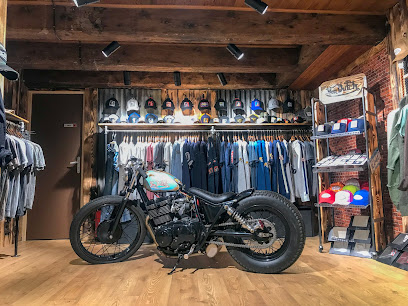
Von Dutch
0.5 km
Discover unique fashion at Von Dutch, a trendy clothing store in Lyon, perfect for stylish tourists seeking quality and flair.
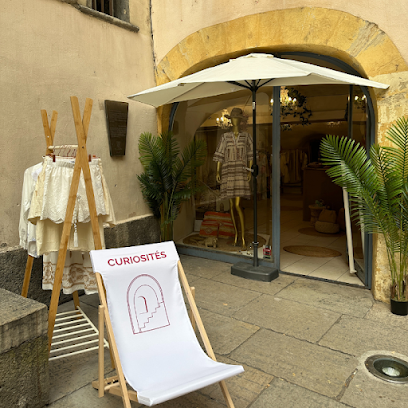
Boutique Curiosités
0.5 km
Explore Boutique Curiosités in Lyon for unique women's clothing and a personalized shopping experience that combines style with sustainability.
Essential bars & hidden hideouts

BAR DE BON-SECOURS
0.4 km
Experience the vibrant cocktail culture of Lyon at Bar de Bon-Secours, where expertly crafted drinks meet a lively atmosphere.
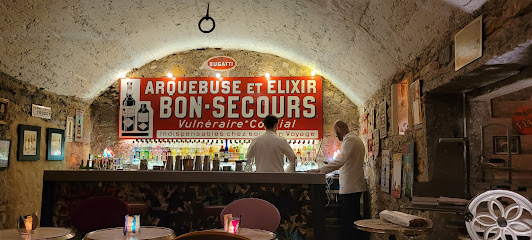
St Andrew's
0.4 km
Discover St Andrew's in Lyon: A lively bar offering cocktails, tapas, and live music for an unforgettable night out.
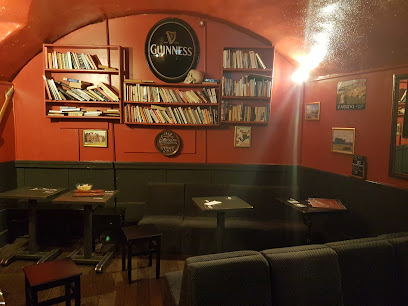
Betty's Bar
0.4 km
Discover Betty's Bar in Lyon, where delicious bagels, gourmet hamburgers, and craft beers create a unique dining experience in a vibrant atmosphere.
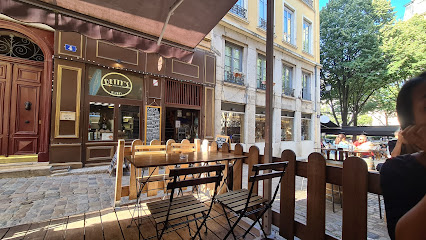
LOUNGE & LOGE
0.4 km
Discover the charm of Lyon at Lounge & Loge, a cozy café and lounge perfect for relaxation and local cuisine.
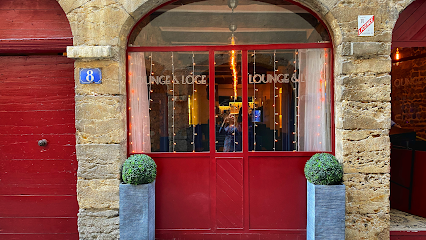
Look Bar
0.5 km
Discover the vibrant atmosphere of Look Bar in Lyon, where vinyl music and unique decor create the perfect backdrop for a memorable night out.
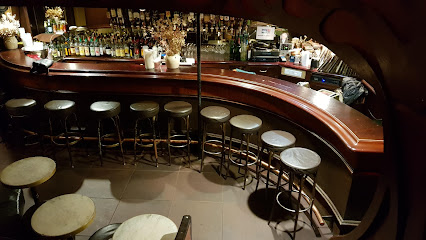
Bar Le Florian, Cocktails & Spirits
0.5 km
Experience the vibrant cocktail culture of Lyon at Bar Le Florian, where expertly crafted drinks meet a lively atmosphere.
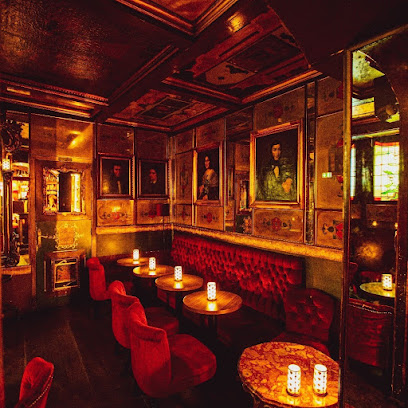
Le Pub Danois
0.5 km
Discover the lively atmosphere of Le Pub Danois in Lyon, where great drinks and local culture come together along the beautiful Rhône River.
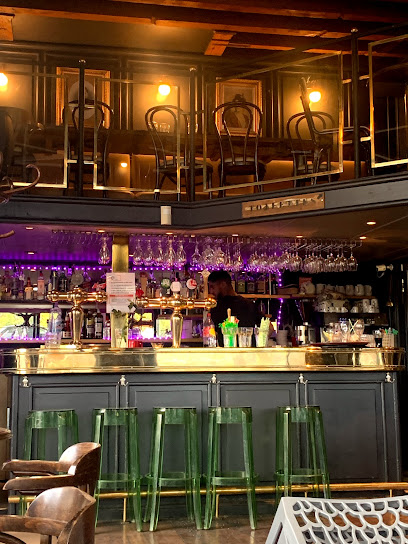
Cigale
0.5 km
Experience the vibrant nightlife of Lyon at Cigale, a premier cocktail bar known for its creative drinks and lively atmosphere.
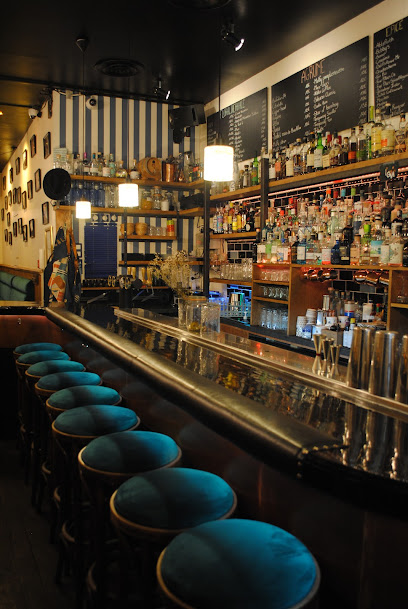
La Fonderie
0.5 km
Discover La Fonderie in Lyon: a cocktail bar offering exquisite drinks and a lively atmosphere by the beautiful Rhône River.
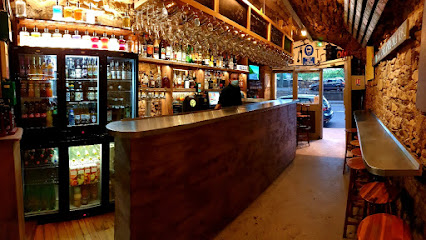
Big Easy - Cocktail Bar & tapas
0.5 km
Discover the vibrant spirit of Lyon at Big Easy, where unique cocktails and delicious tapas create an unforgettable nightlife experience.
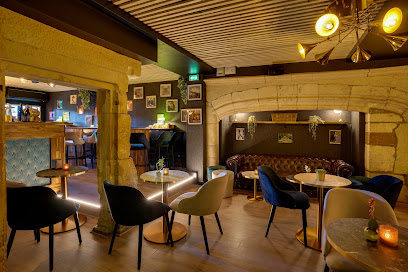
Big White
0.5 km
Experience the vibrant nightlife at Big White, a cozy bar in Lyon offering a diverse drink menu and a welcoming atmosphere for all visitors.
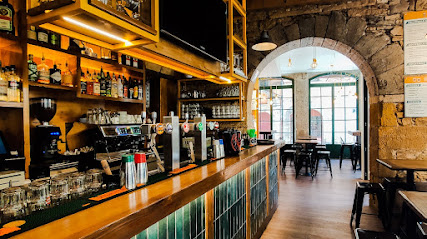
Black Hole
0.5 km
Experience the vibrant nightlife at Black Hole, where craft beers, cocktails, and delicious tapas blend for an unforgettable evening in Lyon.
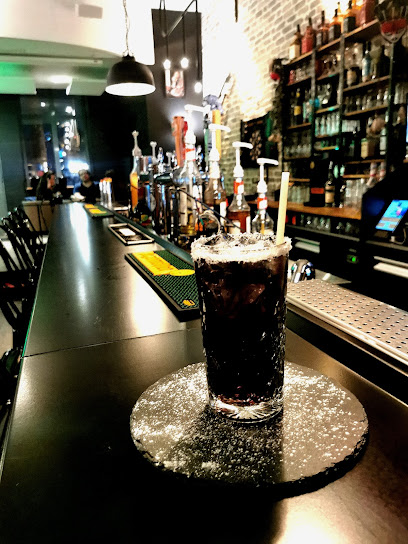
The Smoking Dog
0.5 km
Discover the vibrant atmosphere of The Smoking Dog, a must-visit pub in Lyon for a taste of local nightlife and delicious drinks.
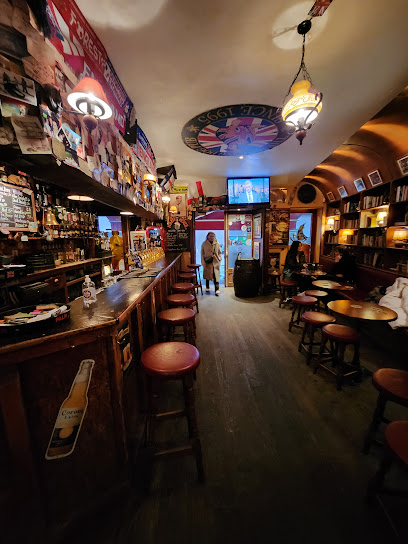
Bar Asso & Apero
0.5 km
Discover Lyon's vibrant bar scene at Bar Asso & Apero, where exquisite drinks meet a lively riverside ambiance.
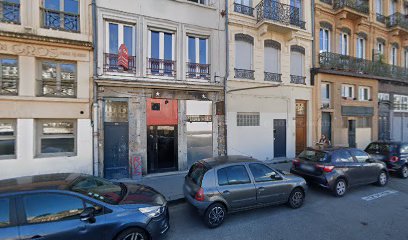
Berthom Old Lyon
0.5 km
Discover Berthom Old Lyon, where local beers and a vibrant atmosphere create the perfect setting for a memorable night out.