
Nord-Pas-de-Calais, France Travel Guide
Discover the blend of history, natural beauty, and culinary delights in Nord-Pas-de-Calais, the northern gem of France.
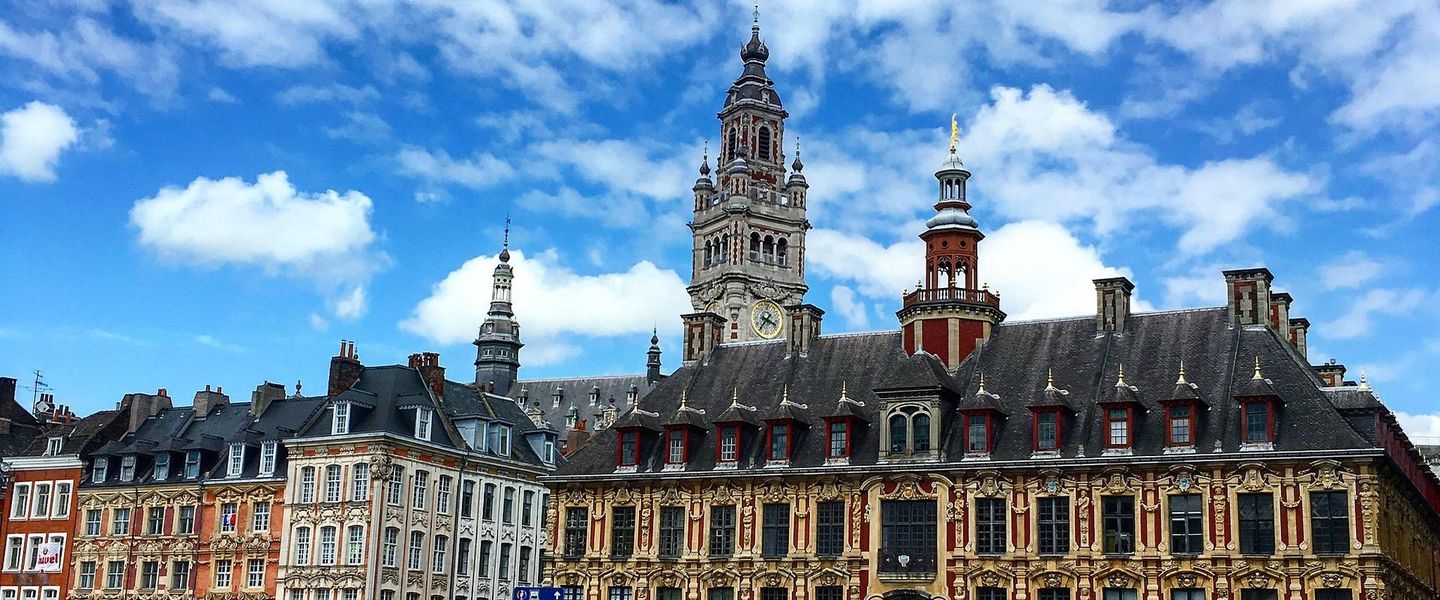
Nestled in the northernmost part of France, Nord-Pas-de-Calais is a region rich in history, culture, and natural beauty. This area, once a significant industrial hub, has transformed into a vibrant destination that offers visitors a mix of picturesque landscapes, bustling cities, and charming villages. The region is known for its stunning coastline along the English Channel, featuring dramatic cliffs, sandy beaches, and quaint seaside towns like Calais and Boulogne-sur-Mer. Inland, you'll find the rolling hills of the Parc Naturel Régional des Caps et Marais d'Opale, perfect for hiking and nature walks. Nord-Pas-de-Calais is also home to numerous historical sites, including the city of Arras with its impressive Grand Place and Belfry, both UNESCO World Heritage sites. The region played a significant role during both World Wars, and there are many memorials and museums, such as the Vimy Ridge Memorial and La Coupole, that offer a poignant look into the past. Culinary enthusiasts will delight in the local cuisine, which features hearty dishes and a variety of cheeses, as well as the famous Maroilles cheese. The region's breweries also offer a taste of traditional French beers. Whether you're an outdoor adventurer, a history buff, or a foodie, Nord-Pas-de-Calais has something to offer every traveler.

Know before you go
Hi, I'm Eve. Here are a few practical things to know before exploring Nord-Pas-de-Calais.
- Visit the markets: Local markets in towns like Lille and Arras offer fresh produce, regional specialties, and a vibrant atmosphere.
- Wear comfortable shoes: The region's cobblestone streets and hiking trails require good footwear.
- Learn some basic French: While many locals understand English, knowing basic French phrases can enhance your experience.
- Check weather forecasts: The weather can be unpredictable, so pack accordingly.
- Use public transport: Trains and buses are efficient and connect major towns and attractions.
Top City Travel Guides in Nord-Pas-de-Calais
The cities of Nord-Pas-de-Calais, and the easiest places to base yourself.

Explore Nord-Pas-de-Calais: Things to Do, Places to Eat, Hotels & More
Handpicked recommendations for top attractions, local dining, accommodations, and more

Top Attractions & Sightseeing in Nord-Pas-de-Calais
Top-rated picks
Best Attractions

Parc naturel régional des caps et marais d'Opale
Explore the stunning landscapes and rich biodiversity at Parc Naturel Régional des Caps et Marais d'Opale, a natural wonder on France's northern coast.

Dennlys Parc
Experience the thrill and beauty of Dennlys Parc, a magical amusement park in France, perfect for families and adventure seekers alike.

In Flanders Fields Museum
Explore the In Flanders Fields Museum in Ypres, a moving tribute to the First World War's impact on humanity and a testament to resilience.

La Coupole Centre D'histoire
Explore the captivating history of La Coupole Centre D'histoire in Wizernes, a must-visit museum showcasing the region's pivotal role in world events.

Best landmarks in Nord-Pas-de-Calais
Top-rated picks
Best Landmarks

Menin Gate
A solemn war memorial in Ypres, Belgium, commemorating British and Commonwealth soldiers missing in action during World War I. Attend the nightly Last Post ceremony.

Canadian National Vimy Memorial
Honoring Canadian sacrifice and valor at Vimy Ridge, a historic World War I battlefield and memorial in France.

La Coupole Centre D'histoire
Explore La Coupole Centre D'Histoire in Wizernes, France, an immersive museum that reveals the region's rich historical tapestry and wartime legacy.

The caves of Naours
Explore the vast network of tunnels and chambers at the Caves of Naours, a subterranean city with centuries of history and resilience.

Best restaurants in Nord-Pas-de-Calais
Top-rated picks
Best Restaurants

Restaurant Brasserie de la mer
Experience exquisite seafood dining at Brasserie de la Mer in Calais - where French culinary traditions meet fresh coastal flavors.

Hôtel Restaurant de la Plage
Experience serene coastal living at Hôtel Restaurant de la Plage in Calais—where comfort meets exquisite French cuisine.

Le Chill
Discover the flavors of France at Le Chill in Calais - where exquisite cuisine meets vibrant bar culture.

L'ardoise
Experience exquisite French cuisine at L'ardoise in Calais, where tradition meets modernity in every dish.

Best bars in Nord-Pas-de-Calais
Top-rated picks
Best Bars

Le Chill
Discover the vibrant atmosphere and exquisite French cuisine at Le Chill, a charming bar and brasserie in Calais offering delightful dining experiences.

L'Hovercraft
Experience the flavors of France at L'Hovercraft, a lively bar and restaurant in Calais offering culinary delights and a vibrant atmosphere.

POP ROCK BAR CALAIS
Experience the vibrant nightlife of Calais at POP ROCK BAR, where cocktails, tapas, and live music create unforgettable moments.

Family Pub
Discover Family Pub in Calais for a delightful mix of burgers, beer, and a welcoming atmosphere perfect for families and friends.

Best nightclubs in Nord-Pas-de-Calais
Top-rated picks
Best Nightclubs

La Suite - Bankok Club
Discover the lively atmosphere and electrifying music at La Suite - Bankok Club, a must-visit destination for nightlife in Calais.

Discothèque 555
Discover the vibrant nightlife of Calais at Discothèque 555, a premier night club offering electrifying music and an unforgettable atmosphere.

Le Night
Immerse yourself in the vibrant nightlife of Calais at Le Night, the ultimate destination for dancing and entertainment.

Best shops in Nord-Pas-de-Calais
Top-rated picks
Best Shops

Westfield Euralille
Experience the best of shopping, dining, and entertainment at Westfield Euralille, a premier destination in Lille, France.

Cité Europe
Discover Cité Europe: A premier shopping mall in Coquelles, France, featuring diverse shops, dining, and entertainment for every traveler.

Aushopping Noyelles
Discover the vibrant Aushopping Noyelles, a shopping paradise in Noyelles-Godault, offering fashion, food, and fun for all visitors.

McArthurGlen Roubaix
Experience unparalleled shopping and delightful dining at McArthurGlen Roubaix, where fashion meets fun in a charming outlet mall.

Explore Nord-Pas-de-Calais on the Map
A handpicked selection of must-see spots in Nord-Pas-de-Calais, mapped for you.
Nord-Pas-de-Calais Essentials
-
Nord-Pas-de-Calais is well-connected by various modes of transportation. The main international gateway is Charles de Gaulle Airport in Paris, which is about a 1.5 to 2-hour drive or train ride away. Alternatively, you can fly into Lille-Lesquin International Airport, which is more centrally located within the region. High-speed trains (TGV) and Eurostar services connect Lille to major cities such as Paris, Brussels, and London, making it convenient for international travelers.
-
Public transportation in Nord-Pas-de-Calais is efficient and extensive. The region is served by a network of trains, buses, and trams. The TER (Transport Express Régional) trains connect various towns and cities within the region. In Lille and other larger cities, trams and buses are a convenient way to get around. For those who prefer driving, car rentals are widely available, and the road network is well-maintained. Biking is also a popular and eco-friendly option, with numerous bike lanes and rental services.
-
The official currency in France is the Euro (EUR). Credit and debit cards are widely accepted in most hotels, restaurants, and shops. However, it is advisable to carry some cash, especially when visiting smaller towns and local markets. ATMs are plentiful, and you can easily withdraw cash as needed. It’s wise to inform your bank of your travel plans to avoid any issues with card transactions.
-
Nord-Pas-de-Calais is generally a safe region for tourists. However, like any other destination, it is important to stay vigilant. Petty crimes such as pickpocketing can occur, particularly in crowded areas such as train stations and markets. Avoid walking alone at night in unfamiliar areas and always keep an eye on your belongings. Specific areas with higher crime rates targeting tourists include parts of Lille and Calais, so extra caution is advised in these locations.
-
In case of emergency, dial 112 for immediate assistance, which is the universal emergency number in Europe. For police assistance, dial 17; for medical emergencies, dial 15; and for fire emergencies, dial 18. It is highly recommended to have travel insurance that covers medical emergencies. Pharmacies are widely available for minor health issues, and many staff speak English. Keep a list of emergency contacts and the address of your country's embassy or consulate.
-
Fashion: Do dress smartly, especially in urban areas. Avoid overly casual or revealing clothing. Religion: Do respect religious sites by dressing modestly and maintaining silence. Public Transport: Do validate your ticket before boarding. Don’t eat or drink on public transport. Greetings: Do greet people with a 'Bonjour' (Good day) or 'Bonsoir' (Good evening). A firm handshake is common. Eating & Drinking: Do try local specialties and wines. Don’t tip excessively; a small gratuity is usually included in the bill.
-
To experience Nord-Pas-de-Calais like a local, visit the regional markets where you can buy fresh produce and artisanal goods. Engage with locals, who are generally friendly and willing to share insights about the region's history and culture. Don't miss visiting historical sites such as the Louvre-Lens Museum and the Vimy Ridge Memorial. For a unique experience, explore the region’s beautiful coastline and quaint fishing villages. Participate in local festivals and enjoy traditional dishes like 'carbonade flamande' and 'moules-frites'.
When is the best time to visit Nord-Pas-de-Calais?
Useful Local Phrases for Nord-Pas-de-Calais
You don't need to speak the language perfectly. Even learning a few simple words can make conversations warmer—and locals usually appreciate the effort.
— Eve

Here are the phrases I use most often in Nord-Pas-de-Calais. Try a few—you'll be surprised how far they go! 😊
❤️
-
- HelloSalut
[sah-loo] - GoodbyeAu revoir
[oh ruh-vwahr] - YesOui
[wee] - NoNon
[noh] - Please/You're welcomeS'il vous plaît / De rien
[seel voo pleh / duh ryen] - Thank youMerci
[mehr-see] - Excuse me/SorryExcusez-moi / Désolé
[ehk-skew-zay mwah / day-zoh-lay] - How are you?Comment ça va?
[koh-mahn sah vah] - Fine. And you?Bien. Et vous?
[byehn. eh voo?] - Do you speak English?Parlez-vous anglais?
[par-lay voo ahn-glay?] - I don't understandJe ne comprends pas
[zhuh nuh kohm-prahn pah]
- HelloSalut
-
- I'd like to see the menu, pleaseJe voudrais voir le menu, s'il vous plaît
[zhuh voo-dray vwar luh meh-nu, seel voo pleh] - I don't eat meatJe ne mange pas de viande
[zhuh nuh mahnj pah duh vyahnd] - Cheers!Santé!
[sahn-tay] - I would like to pay, pleaseJe voudrais payer, s'il vous plaît
[zhuh voo-dray pay-ay, seel voo pleh]
- I'd like to see the menu, pleaseJe voudrais voir le menu, s'il vous plaît
-
- Help!Au secours!
[oh suh-koor] - Go away!Va-t'en!
[vah-tahn] - Call the Police!Appelez la police!
[ah-peh-lay lah poh-lees] - Call a doctor!Appelez un médecin!
[ah-peh-lay uhn may-deh-sin] - I'm lostJe suis perdu
[zhuh swee pair-dyoo] - I'm illJe suis malade
[zhuh swee mah-lahd]
- Help!Au secours!
-
- I'd like to buy...Je voudrais acheter...
[zhuh voo-dray ah-sheh-tay] - I'm just lookingJe regarde juste
[zhuh ruh-gard zhoost] - How much is it?C'est combien?
[seh kohm-byen?] - That's too expensiveC'est trop cher
[seh troh shair] - Can you lower the price?Pouvez-vous baisser le prix?
[poo-vay voo beh-say luh pree?]
- I'd like to buy...Je voudrais acheter...
-
- What time is it?Quelle heure est-il?
[kel uhr eh-teel?] - It's one o'clockIl est une heure
[eel eh ewn uhr] - Half past (10)Dix heures et demie
[dees uhr eh duh-mee] - MorningMatin
[ma-tan] - AfternoonAprès-midi
[ah-preh-mee-dee] - EveningSoir
[swahr] - YesterdayHier
[ee-air] - TodayAujourd'hui
[oh-zhoor-dwee] - TomorrowDemain
[duh-man] - 1Un
[uhn] - 2Deux
[duhr] - 3Trois
[twah] - 4Quatre
[katr] - 5Cinq
[sank] - 6Six
[sees] - 7Sept
[set] - 8Huit
[weet] - 9Neuf
[nuhf] - 10Dix
[dees]
- What time is it?Quelle heure est-il?
-
- Where's a/the...?Où est un/une...?
[oo eh uhn/ewn...?] - What's the address?Quelle est l'adresse?
[kel eh luh-dress?] - Can you show me (on the map)?Pouvez-vous me montrer (sur la carte)?
[poo-vay voo muh mohn-tray (sur lah kart)?] - When's the next (bus)?Quand est le prochain (bus)?
[kahn eh luh pro-shen (boos)?] - A ticket (to ....)Un billet (pour....)
[uhn bee-yay (poor....)]
- Where's a/the...?Où est un/une...?
History of Nord-Pas-de-Calais
-
The history of Nord-Pas-de-Calais can be traced back to ancient times when it was inhabited by the Belgae, a group of Celtic tribes. The region was later conquered by the Romans in the 1st century BC, becoming part of the Roman province of Gallia Belgica. Roman influence is evident in remnants of roads, ruins, and artifacts scattered throughout the area.
-
During the Middle Ages, Nord-Pas-de-Calais emerged as a significant political and economic center. The County of Flanders, which included parts of the region, became a powerful feudal state. The city of Lille, in particular, grew in prominence as a commercial hub, benefiting from its strategic location and thriving textile industry.
-
The Hundred Years' War (1337-1453) had a profound impact on Nord-Pas-de-Calais. The region was a battleground for many of the conflict's key events. Calais, captured by the English in 1347, became a crucial stronghold and remained under English control for over two centuries until it was recaptured by the French in 1558.
-
The 19th century Industrial Revolution transformed Nord-Pas-de-Calais into a major industrial area. The region's rich coal deposits fueled the growth of mining towns, and cities like Lille and Roubaix became centers of the textile industry. The landscape was dotted with factories, mines, and canals, reflecting the industrial boom.
-
World War I left an indelible mark on Nord-Pas-de-Calais. The region was the site of significant battles, including the Battle of Arras and the Battle of Vimy Ridge. The war's devastation is commemorated in numerous memorials and cemeteries, such as the Canadian National Vimy Memorial, honoring the sacrifices of soldiers.
-
During World War II, Nord-Pas-de-Calais was again a focal point of conflict. The port of Dunkirk became famous for the evacuation of Allied soldiers in 1940, known as Operation Dynamo. The event is remembered as a remarkable feat of resilience and cooperation, with the beaches of Dunkirk serving as a poignant historical site.
-
Nord-Pas-de-Calais has a rich cultural heritage influenced by its diverse history. The region boasts a unique blend of French and Flemish cultures, evident in its architecture, cuisine, and traditions. Local specialties such as moules-frites (mussels and fries) and carbonnade flamande (Flemish stew) reflect this cultural fusion.
-
In recent decades, Nord-Pas-de-Calais has undergone significant regeneration. Former industrial sites have been transformed into cultural and educational centers, such as the Louvre-Lens, a branch of the famous Louvre Museum. The region continues to evolve, balancing its rich historical legacy with contemporary development.
Neighbouring Regions of Nord-Pas-de-Calais
The closest regions to Nord-Pas-de-Calais, if you have time for more than one.


Your all‑in‑one travel companion app
Explore expert travel guides, compare and book tours, experiences, hotels, and more—all from the palm of your hand. Download now for seamless trip planning wherever your wanderlust takes you.


Explore More of France

Looking beyond Nord-Pas-de-Calais? Discover France for broader travel guides, local hot-spots, and regional highlights.
Explore FranceNord-Pas-de-Calais in Photos
Browse through our photo collection highlighting the charm and character of the destination.


Exploring the Hidden Charms of Nord-Pas-de-Calais
Nestled in the northernmost part of France, Nord-Pas-de-Calais is a region rich in history, culture, and natural beauty. This area, once a significant industrial hub, has transformed into a vibrant destination that offers visitors a mix of picturesque landscapes, bustling cities, and charming villages. The region is known for its stunning coastline along the English Channel, featuring dramatic cliffs, sandy beaches, and quaint seaside towns like Calais and Boulogne-sur-Mer. Inland, you'll find the rolling hills of the Parc Naturel Régional des Caps et Marais d'Opale, perfect for hiking and nature walks. Nord-Pas-de-Calais is also home to numerous historical sites, including the city of Arras with its impressive Grand Place and Belfry, both UNESCO World Heritage sites. The region played a significant role during both World Wars, and there are many memorials and museums, such as the Vimy Ridge Memorial and La Coupole, that offer a poignant look into the past. Culinary enthusiasts will delight in the local cuisine, which features hearty dishes and a variety of cheeses, as well as the famous Maroilles cheese. The region's breweries also offer a taste of traditional French beers. Whether you're an outdoor adventurer, a history buff, or a foodie, Nord-Pas-de-Calais has something to offer every traveler.