

Saint-Germain-des-Prés (Paris) Travel Guide - Free
Explore Saint-Germain-des-Prés in Paris with Evendo's free guide. Find the best shops, historic streets, restaurants, and gems on web or mobile.


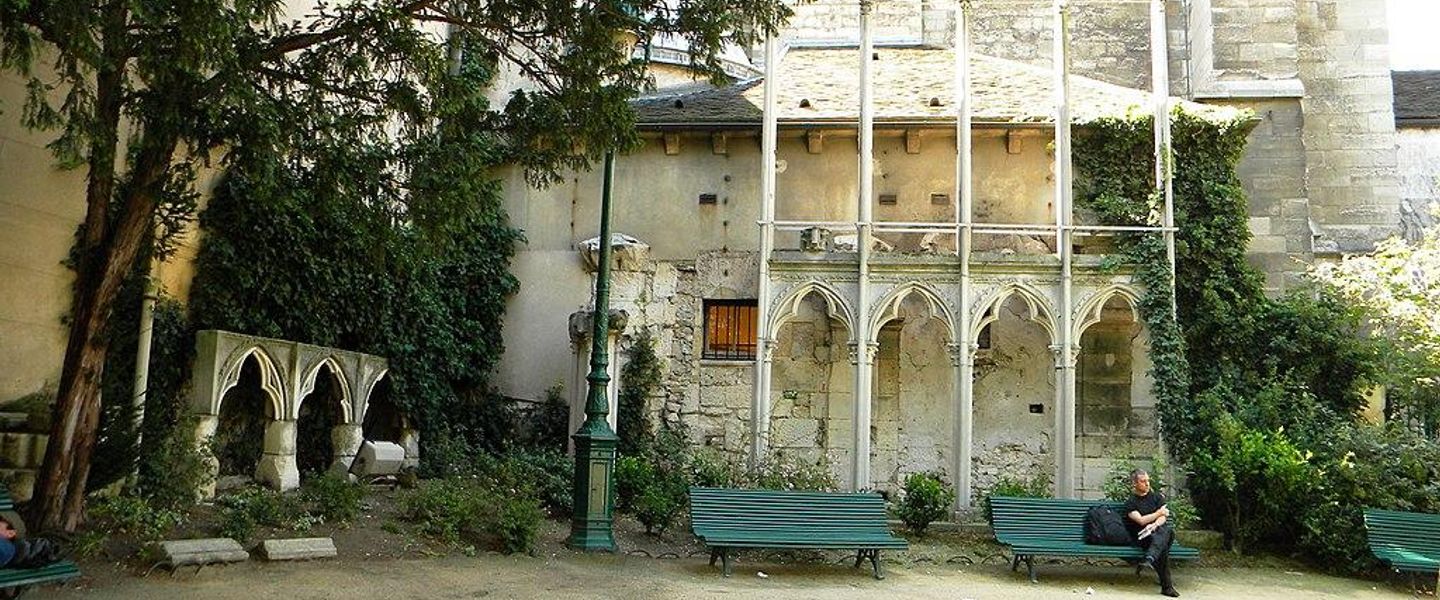


Saint-Germain-des-Prés in Paris blends medieval streets, literary cafés, art galleries, historic churches, elegant dining and Left Bank culture for curious visitors.
Abbey, Cafés and the Left Bank
Saint-Germain-des-Prés occupies a compact stretch of Paris’s Left Bank, centred on the Romanesque church of Saint-Germain-des-Prés and extending through streets of galleries, bookshops, cafés and elegant residences. Its name comes from the medieval abbey that once dominated this part of the city, while its modern reputation was shaped by the writers, philosophers, artists and musicians who gathered here in the twentieth century. Today, the district is polished but still recognisable as an old literary quarter, where historic façades and narrow lanes meet international fashion, contemporary art and long-established cafés.Read more about Saint-Germain-des-Prés
Streets with Layers of History
A Compact Cultural Quarter
Best attractions in Saint-Germain-des-Prés
The church of Saint-Germain-des-Prés is the neighbourhood’s essential historical attraction, with a surviving medieval core, later additions and a richly coloured interior that reflects centuries of alteration. Around it, Place Saint-Germain-des-Prés and the café terraces of Boulevard Saint-Germain present the district’s best-known public face. Visitors can browse the art galleries and specialist bookshops of Rue Bonaparte and Rue Jacob, explore the food shops and pavement life of Rue de Buci, or look inside the parish church of Saint-Sulpice just to the south, near the neighbourhood’s informal edge. The École des Beaux-Arts, on the opposite side of Rue Bonaparte, adds an important artistic dimension, although access is governed by its institutional use. The Seine, Pont des Arts and Luxembourg Gardens are close enough to form natural extensions to a walking route rather than attractions within every part of Saint-Germain itself.
-
Tourist attraction
Church of Saint-Germain-des-Prés
Discover the historic Church of Saint-Germain-des-Prés, a stunning example of Romanesque architecture and a peaceful retreat in the heart of Paris.
2 min walk · 0.1 km from neighbourhood centre
-
Tourist attraction
Eugène Delacroix Museum
Explore the life and masterpieces of Eugène Delacroix at the serene museum nestled in Paris's artistic heart.
2 min walk · 0.2 km from neighbourhood centre
-
Plaza
Square Gabriel-Pierné
Experience tranquility and artistic elegance at Square Gabriel-Piérné, a must-visit plaza in Paris offering lush gardens and a serene atmosphere.
4 min walk · 0.3 km from neighbourhood centre
-
Tourist attraction
Juste believe in art
Discover the vibrant art scene at Juste Believe in Art in Paris, where creativity and culture blend in a captivating tourist experience.
3 min walk · 0.3 km from neighbourhood centre


Best landmarks in Saint-Germain-des-Prés
The Romanesque church of Saint-Germain-des-Prés is the defining landmark, its tower and surviving medieval fabric marking the site of the former abbey that gave the neighbourhood its name. The church of Saint-Sulpice, just south of the district’s central streets, is another major Left Bank landmark, known for its monumental scale, eighteenth-century façade and interior works, though its precise setting lies near the neighbourhood’s southern edge. Café de Flore, Les Deux Magots and Brasserie Lipp are commercial landmarks rather than monuments, yet their façades and long literary associations have made them symbols of Saint-Germain’s twentieth-century cultural identity. Rue Bonaparte leads towards the École des Beaux-Arts, whose institutional buildings represent the area’s continuing connection with artistic education. Historic streets, courtyards and former religious traces complete a landscape in which modest details often carry more local significance than grand monuments.
-
 Tourist attraction
Church of Saint-Germain-des-Prés
Explore the historic Church of Saint-Germain-des-Prés in Paris, a stunning architectural marvel with rich cultural significance and serene ambiance.
2 min walk · 0.1 km from neighbourhood centre
-
Historical landmark
Place Furstemberg
Discover the charm of Place Furstemberg, a historical landmark in Paris that celebrates art, culture, and serene beauty in the heart of the city.
2 min walk · 0.2 km from neighbourhood centre
-
Plaza
Square Gabriel-Pierné
Discover the tranquil beauty of Square Gabriel-Piérné, a charming plaza in Paris perfect for relaxation, art, and vibrant local culture.
4 min walk · 0.3 km from neighbourhood centre
-
City park
Square Laurent-Prache
Experience the serene beauty of Square Laurent-Prache, a hidden gem in Paris, perfect for relaxation and exploration amidst lush greenery.
1 min walk · 0.1 km from neighbourhood centre


Explore Saint-Germain-des-Prés on the map
A handpicked selection of must-see spots in Saint-Germain-des-Prés, mapped for you.
Best hotels in Saint-Germain-des-Prés
Best restaurants in Saint-Germain-des-Prés
Dining in Saint-Germain-des-Prés combines historic Left Bank brasseries, polished contemporary restaurants, cafés, pastry shops and small food businesses serving residents alongside visitors. Brasserie Lipp on Boulevard Saint-Germain, Café de Flore and Les Deux Magots are strongly associated with the neighbourhood’s literary history, while Rue de Buci and the surrounding streets offer a more varied mix of everyday eating, bakeries, wine bars and specialist food shops. The district is not defined by one regional cuisine: its appeal lies in the Parisian range, from traditional dishes and long café lunches to modern menus and carefully made desserts. Reservations may be relevant for sought-after dining rooms, but the streets also support spontaneous stops at counters, bakeries and cafés. Eating here is as much about observing the architecture and street life as choosing a particular dish.
-
French
SHIRO | Restaurant Franco Japonais Fusion
Experience unparalleled fusion cuisine at SHIRO in Paris – where haute French flavors meet Japanese artistry in every dish.
3 min walk · 0.2 km from neighbourhood centre
-
Restaurant
La Diva des Prés
Experience the essence of French cuisine at La Diva des Prés - where culinary art meets Parisian charm.
4 min walk · 0.3 km from neighbourhood centre
-
French
Le Pré aux Clercs
Discover the essence of French cuisine at Le Pré aux Clercs in Paris – where tradition meets contemporary charm.
1 min walk · 0.1 km from neighbourhood centre
-
French
Aux Prés Cyril Lignac
Discover culinary artistry at Aux Prés Cyril Lignac - A premier French dining experience in the heart of Paris.
5 min walk · 0.4 km from neighbourhood centre


Best bars in Saint-Germain-des-Prés
Evenings in Saint-Germain-des-Prés are shaped more by cafés, wine bars, brasseries and intimate cultural venues than by large nightclubs. Boulevard Saint-Germain and the streets around Rue de Buci remain sociable after dark, while smaller bars on the side streets offer a setting for conversation rather than an all-night party scene. The neighbourhood’s twentieth-century associations with jazz and literary gatherings survive mainly as cultural memory, although the Left Bank still supports live music and performance venues within walking distance. Historic establishments such as Café de Flore, Les Deux Magots and Brasserie Lipp provide recognisable evening settings, while contemporary bars bring a more conventional restaurant-and-drinks atmosphere. Later at night, the character becomes quieter on residential lanes, so visitors seeking extensive club programming generally need to continue towards other parts of central Paris.
-
Restaurant
Les Deux Magots
Experience the timeless charm of Les Deux Magots, a historic café in Paris, offering exquisite cuisine and a vibrant atmosphere in the heart of Saint-Germain-des-Prés.
2 min walk · 0.1 km from neighbourhood centre
-
Gastropub
PUB St GERMAIN
Discover PUB St GERMAIN, a lively gastropub in the heart of Paris, blending delicious food, a vibrant atmosphere, and great drinks for an unforgettable experience.
6 min walk · 0.5 km from neighbourhood centre
-
Bar
La Rhumerie
Discover La Rhumerie, a Caribbean oasis in Paris, where exquisite rum and flavorful dishes transport you to tropical shores amidst Parisian charm.
3 min walk · 0.3 km from neighbourhood centre
-
Wine bar
La Grande Crèmerie
Explore the exquisite wines and delectable French cuisine at La Grande Crèmerie, a must-visit wine bar and restaurant in Paris.
5 min walk · 0.4 km from neighbourhood centre


Best nightclubs in Saint-Germain-des-Prés
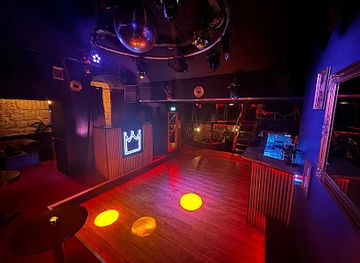
Evenings in Saint-Germain-des-Prés are shaped more by cafés, wine bars, brasseries and intimate cultural venues than by large nightclubs. Boulevard Saint-Germain and the streets around Rue de Buci remain sociable after dark, while smaller bars on the side streets offer a setting for conversation rather than an all-night party scene. The neighbourhood’s twentieth-century associations with jazz and literary gatherings survive mainly as cultural memory, although the Left Bank still supports live music and performance venues within walking distance. Historic establishments such as Café de Flore, Les Deux Magots and Brasserie Lipp provide recognisable evening settings, while contemporary bars bring a more conventional restaurant-and-drinks atmosphere. Later at night, the character becomes quieter on residential lanes, so visitors seeking extensive club programming generally need to continue towards other parts of central Paris.
-
Night club
Chez Prince
Discover the pulse of Parisian nightlife at Chez Prince, a vibrant night club offering exhilarating music and unforgettable experiences.
6 min walk · 0.5 km from neighbourhood centre
-
Salsa bar
La Peña
Dance the night away at La Peña, Paris's premier salsa bar and disco club, where music and vibrant nightlife blend seamlessly.
3 min walk · 0.2 km from neighbourhood centre
-
Bar
La Cave St Germain
Discover La Cave St Germain, a lively bar and disco club in Paris, where unforgettable nights of music, dance, and delightful drinks await.
5 min walk · 0.4 km from neighbourhood centre
-
Night club
Le Rive Gauche
Dive into the vibrant nightlife of Paris at Le Rive Gauche, where unforgettable music and energetic crowds create the ultimate party atmosphere.
4 min walk · 0.3 km from neighbourhood centre


Best shops in Saint-Germain-des-Prés
Shopping in Saint-Germain-des-Prés is concentrated along Rue de Buci, Rue Bonaparte, Rue du Four, Rue Jacob and Boulevard Saint-Germain, combining established fashion names with galleries, bookshops, design stores, antique dealers and food retailers. Rue de Buci has a lively market-street feel, with cafés and specialist shops, while Rue Jacob and nearby lanes are particularly associated with galleries, interiors and decorative arts. The district’s literary identity survives in its booksellers and publishing connections, although the contemporary retail mix is considerably more polished than the bohemian image associated with the post-war period. Visitors interested in art can browse gallery windows without committing to a purchase, while food shops and bakeries offer more accessible souvenirs. Retail is generally dense and elegant rather than bargain-oriented, and the most atmospheric discoveries often lie behind traditional façades or in small side streets.
-
Leather goods store
Louis Vuitton
Explore the world of luxury at Louis Vuitton in Paris, where timeless elegance and chic fashion accessories await every discerning traveler.
2 min walk · 0.1 km from neighbourhood centre
-
Boutique
Aigle
Discover Aigle, the ultimate boutique for stylish outdoor clothing in the heart of Paris, blending elegance with adventure for all ages.
3 min walk · 0.2 km from neighbourhood centre
-
Gift shop
ARTY DANDY - Shopping Paris
Explore ARTY DANDY in Paris for unique gifts, stylish accessories, and a charming shopping experience that embodies the essence of Parisian elegance.
2 min walk · 0.2 km from neighbourhood centre
-
Women's clothing store
Liu Jo
Discover Liu Jo, where Italian elegance meets contemporary style in the heart of Paris' fashionable Saint-Germain district.
2 min walk · 0.2 km from neighbourhood centre


Saint-Germain-des-Prés essentials
Getting There
Getting Around
Safety
Emergency Situations
Do's and Don'ts
Local Tips

From Eve
Local phrases worth knowing
You don't need to get them perfect. A few words go a long way, and locals appreciate the effort.
Basics
| English | Local | Say it |
|---|---|---|
| Hello | Bonjour | [bohn-zhoor] |
| Goodbye | Au revoir | [oh rev-wahr] |
| Yes | Oui | [wee] |
| No | Non | [nohn] |
| Please/You're welcome | S'il vous plaît | [seel voo pleh] |
| Thank you | Merci | [mehr-see] |
| Excuse me/Sorry | Excusez-moi | [ex-kyoo-zay mwa] |
| How are you? | Comment ça va? | [koh-mohn sah vah] |
| Fine. And you? | Bien. Et vous? | [byehn. ay voo] |
| Do you speak English? | Parlez-vous anglais? | [par-lay voo ahn-glay] |
| I don't understand | Je ne comprends pas | [zhuh nuh kohm-prahnd pah] |
Eating & Drinking
| English | Local | Say it |
|---|---|---|
| I'd like to see the menu, please | Je voudrais voir le menu, s'il vous plaît | [zhuh voo-dray vwahr luh meh-nyoo, seel voo pleh] |
| I don't eat meat | Je ne mange pas de viande | [zhuh nuh mahnj pah duh vyand] |
| Cheers! | Santé! | [sahn-tay] |
| I would like to pay, please | Je voudrais payer, s'il vous plaît | [zhuh voo-dray pay-yay, seel voo pleh] |
Emergencies
| English | Local | Say it |
|---|---|---|
| Help! | Au secours! | [oh suh-koor] |
| Go away! | Allez-vous en! | [ah-lay vooz ahn] |
| Call the Police! | Appelez la police! | [a-pay-lay lah poh-lees] |
| Call a doctor! | Appelez un médecin! | [a-pay-lay uh mayd-sahn] |
| I'm lost | Je suis perdu | [zhuh swee pair-doo] |
| I'm ill | Je suis malade | [zhuh swee mah-lahd] |
Shopping
| English | Local | Say it |
|---|---|---|
| I'd like to buy... | Je voudrais acheter... | [zhuh voo-dray ah-shuh-tay] |
| I'm just looking | Je regarde juste | [zhuh ruh-gahrd zhew-stuh] |
| How much is it? | Combien ça coûte? | [kohm-byen sah koot] |
| That's too expensive | C'est trop cher | [say troh shay] |
| Can you lower the price? | Pouvez-vous baisser le prix? | [poo-veh voo bay-say luh pree] |
Time & Numbers
| English | Local | Say it |
|---|---|---|
| What time is it? | Quelle heure est-il? | [kell uhr ay-teel] |
| It's one o'clock | Il est une heure | [eel ay tun uhr] |
| Half past (10) | Dix heures et demie | [dees uhr ay duh-mee] |
| Morning | Matin | [mah-tahn] |
| Afternoon | Après-midi | [ah-pray mee-dee] |
| Evening | Soir | [swahr] |
| Yesterday | Hier | [yehr] |
| Today | Aujourd'hui | [oh-zhoor dewee] |
| Tomorrow | Demain | [duh-man] |
| 1 | Un | [uh] |
| 2 | Deux | [duh] |
| 3 | Trois | [twah] |
| 4 | Quatre | [kah-truh] |
| 5 | Cinq | [sank] |
| 6 | Six | [sees] |
| 7 | Sept | [sept] |
| 8 | Huit | [wee] |
| 9 | Neuf | [nuhf] |
| 10 | Dix | [dees] |
Transport & Directions
| English | Local | Say it |
|---|---|---|
| Where's a/the...? | Où est un/le...? | [oo ay tuhn/luh] |
| What's the address? | Quelle est l'adresse? | [kell ay lad-res] |
| Can you show me (on the map)? | Pouvez-vous me montrer (sur la carte)? | [poo-veh voo muh mohn-tray (soor lah kart)] |
| When's the next (bus)? | Quand est le prochain (bus)? | [kahnd ay luh proh-shahn (boos)] |
| A ticket (to ....) | Un billet (pour ...) | [uhn bee-yay (poor)] |
History of Saint-Germain-des-Prés
The Abbey on the Meadow
Saint-Germain-des-Prés grew around a Benedictine abbey founded in the sixth century by Childebert I and dedicated to Saint Vincent before taking the name of Saint Germain, the bishop of Paris. Built beyond the early medieval city, the monastery stood beside the Seine’s former flood-prone meadows, giving the area its name: Saint-Germain of the meadows. The institution accumulated land, influence and wealth over centuries, and its church became the surviving centre of a much larger monastic complex. Although repeated rebuilding and later urban change altered the site, the abbey’s presence established the neighbourhood’s enduring religious and architectural identity.
A Monastic and Scholarly Quarter
Through the medieval and early modern periods, the abbey shaped local land use, worship and learning. Its extensive precinct occupied land that later became streets and civil buildings, while the Left Bank more broadly developed a strong association with colleges, printers, booksellers and intellectual life. The church was repeatedly damaged, repaired and modified, and the French Revolution brought the suppression of the monastery and the dispersal of its community. The surviving church, with its early medieval origins and later restorations, remains a material reminder of the neighbourhood’s transformation from monastic suburb to urban Parisian quarter.
Boulevards, Printing and Urban Change
The nineteenth century brought major changes to Saint-Germain-des-Prés as Paris expanded, streets were regularised and new cultural institutions appeared across the Left Bank. The neighbourhood retained narrow historic routes around the abbey while gaining grander buildings, commercial premises and improved connections to central Paris. Publishing, bookselling, galleries and cafés flourished alongside established churches and schools, helping to create the mixed intellectual and commercial character associated with the area. The École des Beaux-Arts nearby strengthened the quarter’s relationship with artists, architects and students, while cafés became important places for discussion and observation.
The Twentieth-Century Literary Myth
After the Second World War, Saint-Germain-des-Prés became internationally associated with existentialism, jazz and literary debate. Jean-Paul Sartre and Simone de Beauvoir were linked with cafés including Café de Flore and Les Deux Magots, while musicians and artists gathered in clubs and cellar venues across the Left Bank. The neighbourhood’s role was part of a wider Parisian cultural scene, but its cafés and streets gave that period a particularly recognisable setting. Later decades brought rising property values, luxury retail and heavier tourism, softening its bohemian image without erasing the churches, cafés, galleries and institutions that sustain its cultural associations.
Saint-Germain-des-Prés in Photos
Browse through our photo collection highlighting the charm and character of the destination.
Neighbourhoods near Saint-Germain-des-Prés
The closest neighbourhoods to Saint-Germain-des-Prés, if you have time for more than one stop.
-

-

-

-

-


Swipe for more neighbourhoods
Explore more

Explore more of Paris
Paris combines world-famous museums, grand boulevards, historic neighbourhoods, celebrated cuisine and Seine-side culture in France’s elegant capital.
Explore Paris