Dolmen de la Folatière, Poitou Charentes Travel Guide
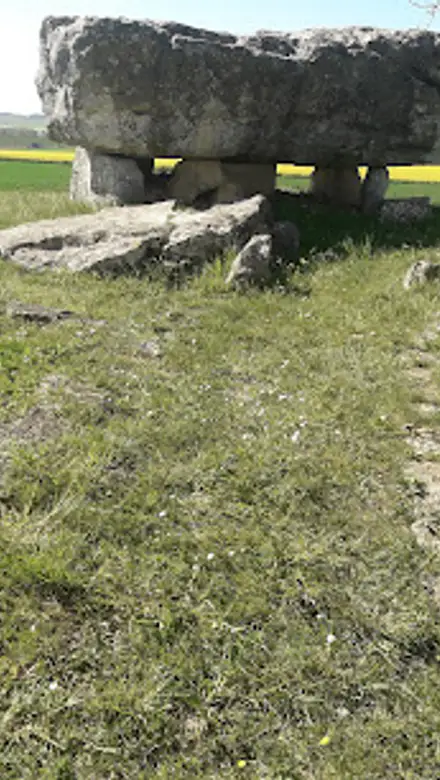
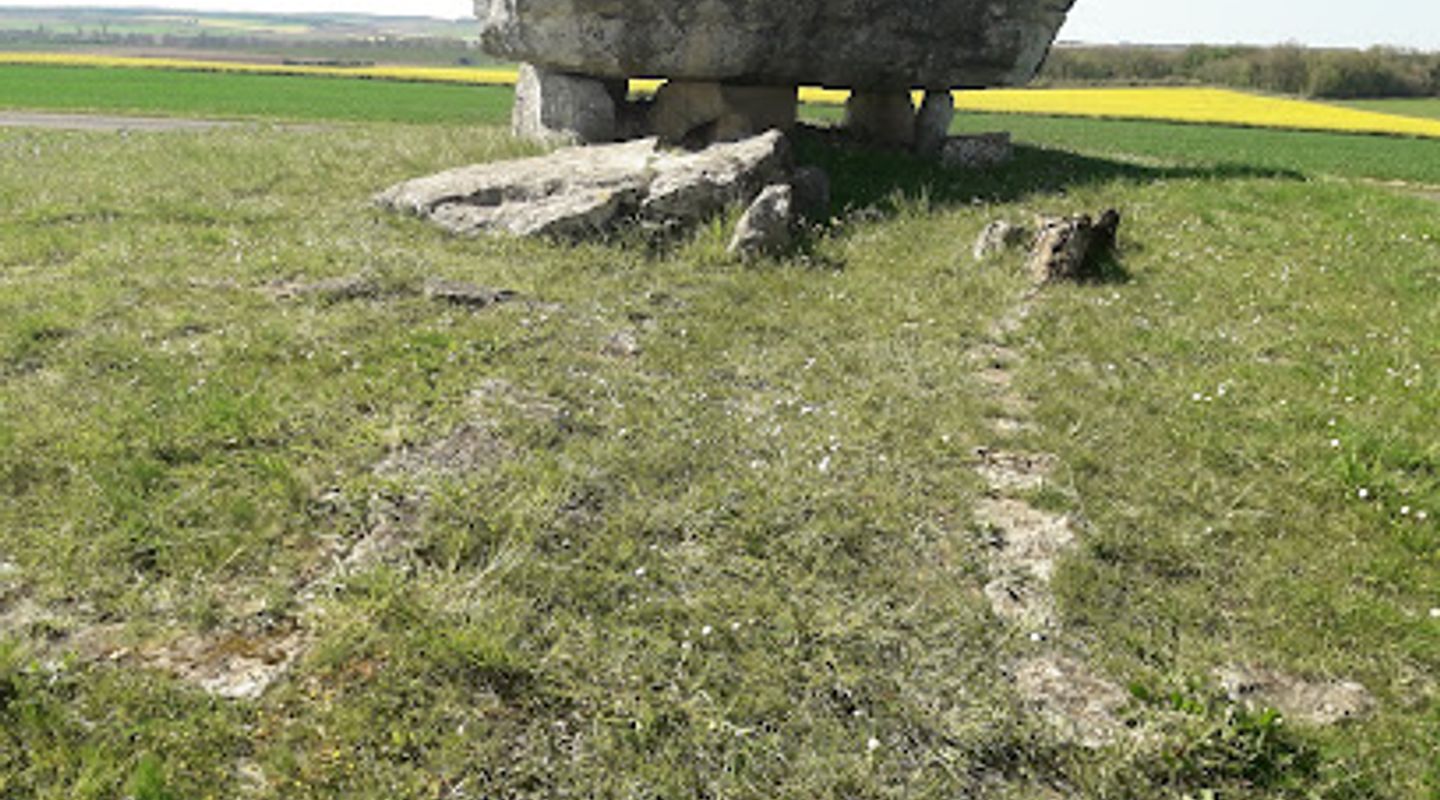
Explore the ancient Dolmen de la Folatière in Luxé, a window into Neolithic funerary practices and the region's distant past.
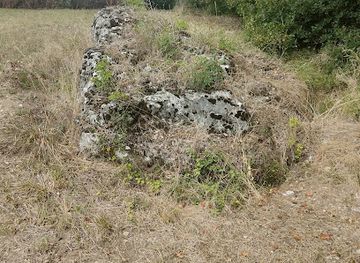
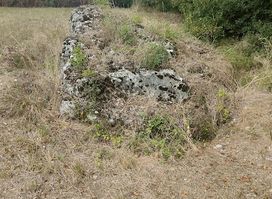
The Dolmen de la Folatière, located in Luxé, Charente, France, is a Neolithic megalithic tomb dating back thousands of years. Though its covering table is now gone, the remaining stones offer a glimpse into the region's ancient past and the funerary practices of its early inhabitants.
A brief summary to Dolmen de la Folatière
- D186, Luxé, 16230, FR

Know before you go
Hi, I'm Eve. Here are a few practical things to know before exploring Dolmen de la Folatière.
- Wear comfortable shoes as the area around the dolmen may involve walking on uneven ground.
- Bring a camera to capture the unique atmosphere and historical significance of this ancient site.
- Combine your visit with a walk around the surrounding area to appreciate the Charente countryside.
Do you manage this location?
Take control to get all the benefits, like improved information, better appearance, and stronger visibility across AI-powered discovery. Learn more about listing your business on Evendo
Activate your presenceOther nearby places you may find interesting
The closest places of the same kind, if this one is not quite what you had in mind.

Explore Dolmen de la Folatière on the Map
A handpicked selection of must-see spots near Dolmen de la Folatière, mapped for you.
Getting There
-
Driving
From Luxé, the Dolmen de la Folatière is a short drive. From the center of Luxé, head north on D186. The dolmen is located directly on D186. Limited parking is available near the site.
-
Public Transport
The nearest train station is in Luxé. From the Luxé train station, the dolmen is approximately a 15-20 minute walk. Exit the station and head north on D186. The dolmen is located directly on D186. Train tickets from Luxé to Angoulême cost €4-€11. Bus services are also available. Check local schedules for the most up-to-date information.
-
Walking
From the center of Luxé, the Dolmen de la Folatière is accessible by foot. Head north on D186. The dolmen is located directly on D186. The walk is approximately 1.5 kilometers and should take around 20 minutes.
Discover more about Dolmen de la Folatière













Your all‑in‑one travel companion app
Explore expert travel guides, compare and book tours, experiences, hotels, and more—all from the palm of your hand. Download now for seamless trip planning wherever your wanderlust takes you.


Explore More of Poitou Charentes
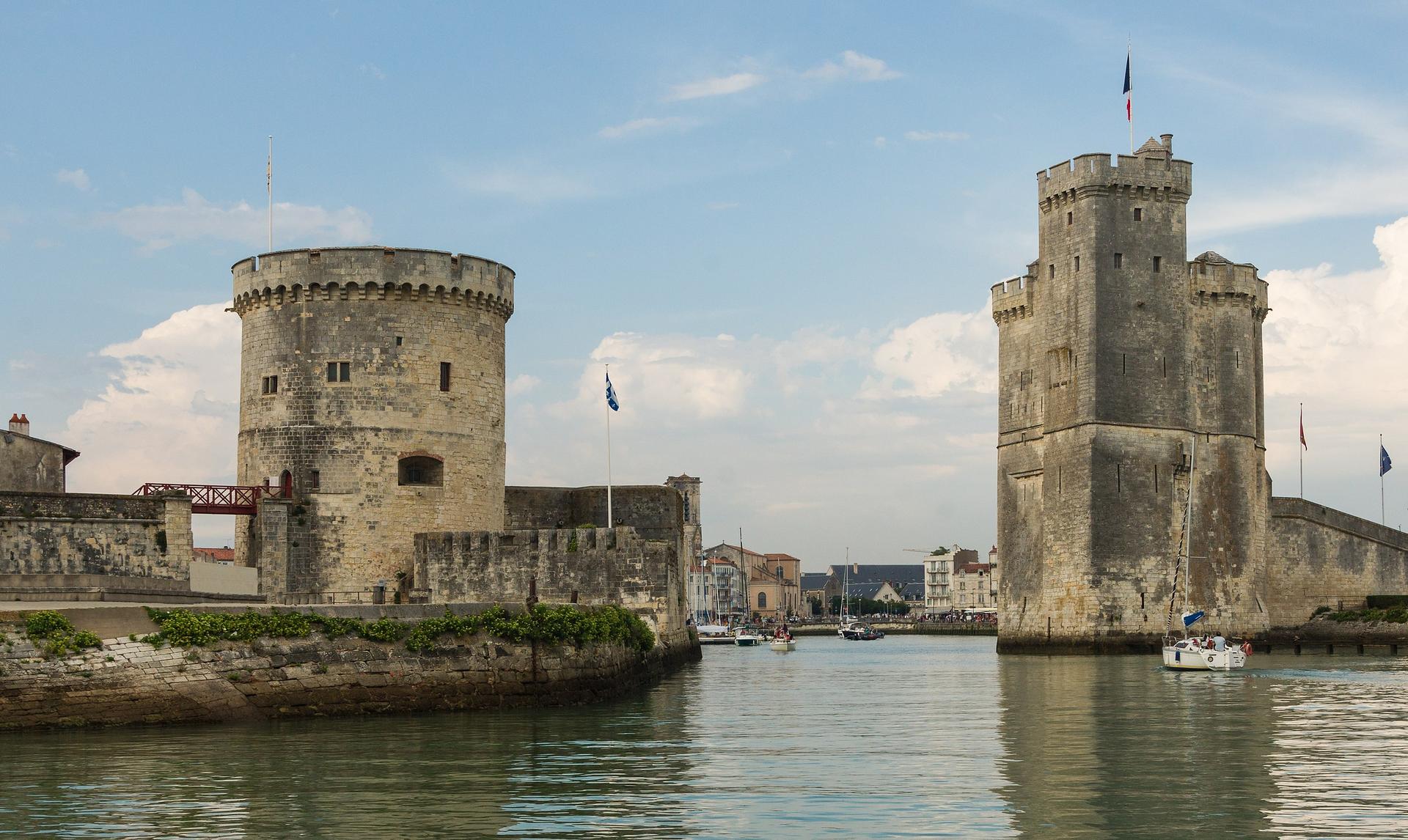
Looking beyond Dolmen de la Folatière? Discover Poitou Charentes for broader travel guides, local hot-spots, and regional highlights.
Explore Poitou Charentes
Discover a hidden world of stalactites, stalagmites, and ancient history at Caves Quéroy, a unique natural attraction in Chazelles.
Explore the ancient Tumulus de la Folatière in Luxé, a Neolithic burial mound offering a unique glimpse into France's prehistoric past.