

Free Poitou-Charentes Travel Guide & Mobile App
Explore Poitou-Charentes with free travel guides. Discover regional history, expert tips, proposed trips, and audio guides on web or mobile app.


Explore Poitou-Charentes for Atlantic islands, Romanesque towns, Cognac vineyards, wetland waterways and historic cities across western France.
Read more about Poitou-Charentes
When is the best time to visit Poitou-Charentes?
Best: June–August · 24–26°C| Month | High (°C) | Rainfall (mm) |
|---|---|---|
| January | 8 | 61 |
| February | 8 | 50 |
| March | 12 | 55 |
| April | 16 | 50 |
| May | 20 | 60 |
| June (best) | 24 | 45 |
| July (best) | 26 | 40 |
| August (best) | 26 | 40 |
| September | 22 | 55 |
| October | 18 | 65 |
| November | 12 | 71 |
| December | 9 | 65 |
Getting to and around Poitou-Charentes
How to get there
Transportation
Top city travel guides in Poitou-Charentes
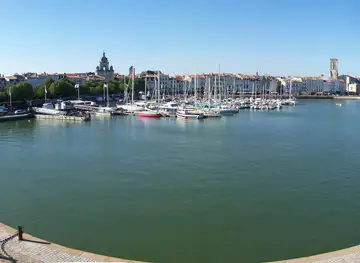
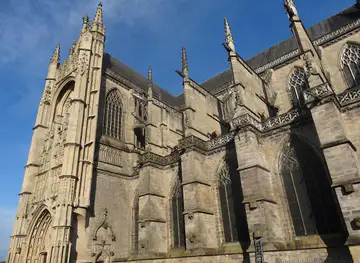
The cities of Poitou-Charentes, and the easiest places to base yourself.
-

-
-

-

-


Swipe for more cities
Destinations in Poitou-Charentes
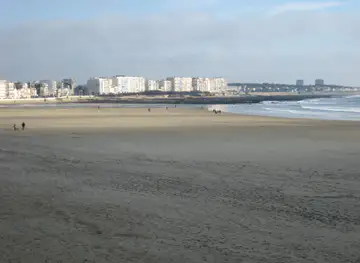
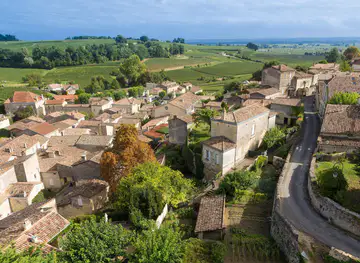
Resorts, valleys and scenic spots worth a trip of their own.
-

-

-
-

-

-


Swipe for more destinations
Best attractions in Poitou-Charentes
Poitou-Charentes offers a varied collection of historic, maritime and outdoor attractions rather than one concentrated resort area. La Rochelle combines harbour history, museums and access to the Atlantic islands, while Île de Ré, Île d'Oléron and Île d'Aix provide beaches, cycling, villages, salt marshes and oyster landscapes. Rochefort focuses on naval heritage, especially the Corderie Royale and the restored arsenal area, while nearby coastal sites reveal the region's long relationship with shipping and defence. Saintes brings Roman remains and a strong medieval legacy, and Cognac offers cellar visits and explanations of the region's distilling traditions. Inland, the Marais Poitevin is suited to boat trips, walking and cycling through canals and wet meadows. Poitiers has Romanesque churches and historic streets, with Futuroscope near the city providing a contrasting science and multimedia attraction. Angoulême adds museums and cultural venues linked to comics, illustration and the town's hilltop architecture. Across the four departments, smaller abbeys, gardens, market towns and riverside routes reward slower exploration.
-
Tourist attraction
Futuroscope
Experience the future today at Futuroscope, a one-of-a-kind theme park blending technology, cinema, and thrilling attractions for an unforgettable adventure.
-
Nature preserve
Regional Natural Park of the Marais Poitevin
Explore the enchanting landscapes of the Regional Natural Park of the Marais Poitevin, a serene escape into nature's beauty in France.
-
Tourist attraction
Lighthouse of La Coubre
Ascend the historic La Coubre Lighthouse near La Tremblade for breathtaking panoramic views of the Atlantic coast, explore its museum, and discover the rich maritime history of the region.
-
Tourist attraction
La Rochelle Aquarium
Discover 12,000 marine animals from around the world at La Rochelle Aquarium, one of Europe's largest private aquariums.


Best landmarks in Poitou-Charentes
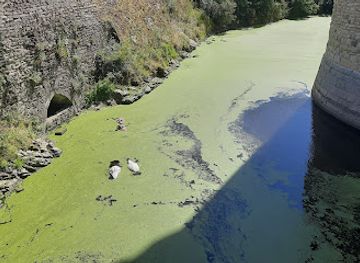
The harbour towers of La Rochelle—Tour Saint-Nicolas, Tour de la Chaîne and Tour de la Lanterne—form the most recognisable urban landmark group in Poitou-Charentes and recall the city's medieval fortifications and maritime power. In Rochefort, the long façade of the Corderie Royale represents the planning and industrial ambition of the royal naval arsenal established on the Charente. Saintes is marked by the remains of its Roman amphitheatre and the Arch of Germanicus, while the Romanesque church of Sainte-Marie-des-Dames adds a later architectural layer. Poitiers is distinguished by the sculpted façade of Notre-Dame-la-Grande and the medieval fabric around its historic centre. Angoulême's hilltop old town is enclosed by remnants of ramparts and crowned by its nineteenth-century cathedral, creating a strong silhouette above the Charente valley. On the islands, Vauban's fortifications at Saint-Martin-de-Ré and the citadel at Le Château-d'Oléron express the strategic importance of the Atlantic approaches. The Charente River, the Marais Poitevin waterways and the salt marshes of the coast are natural landmarks as well as working landscapes.
-
Amusement park
Futuroscope
Experience the magic of technology and imagination at Futuroscope, France's leading amusement park for family fun and futuristic entertainment.
-
 Historical landmark
Phare des Baleines
Discover Phare des Baleines, a historical lighthouse on Île de Ré, offering stunning views and a glimpse into maritime culture.
-
History museum
Oradour sur Glane memory centre
A memorial center and access point to the preserved ruins of a French village, destroyed in a Nazi massacre during World War II.
-
Aquarium
La Rochelle Aquarium
Explore the mesmerizing underwater world at La Rochelle Aquarium, home to thousands of marine species and a commitment to ocean conservation.


Explore Poitou-Charentes on the map
Plan your trip on one map. See where the top cities, national parks and sights are, and book hotels and experiences in a few clicks.
Best hotels in Poitou-Charentes
Best restaurants in Poitou-Charentes
Dining in Poitou-Charentes reflects the meeting of Atlantic seafood, fertile inland agriculture and the region's tradition of convivial cafés and restaurants. Oysters from the Marennes-Oléron basin, mussels, local fish and other shellfish are central to the coastal table, while inland menus often feature goat's cheese, poultry, seasonal vegetables and Charentais melon. Butter-rich specialities, including regional versions of brioche and pastry, show the influence of western French baking traditions. La Rochelle, the islands, Saintes, Cognac, Angoulême, Niort and Poitiers offer the broadest choice of restaurants, from seafood dining and traditional bistros to contemporary cooking. Rural inns and village restaurants are useful places to encounter local produce without treating regional cuisine as a fixed menu. Markets provide fruit, vegetables, cheeses, breads and prepared foods for picnics, and the Charente vineyards supply Cognac and Pineau des Charentes alongside ordinary still wines. Check whether smaller restaurants close between lunch and dinner, particularly outside the main tourist season.
-
French
Le Cul de Poule
Experience authentic French cuisine at Le Cul de Poule in L'Aiguillon-la-Presqu'île – where every dish tells a story.
-
French
Moulin de la Tardoire
Experience exquisite French cuisine and fine wines at Moulin de la Tardoire, Montbron's top destination for food lovers.
-
Restaurant
Le Logis Du Péré
Discover exquisite French cuisine and charming accommodations at Le Logis Du Péré in Saint-Coutant-le-Grand.
-
Restaurant
Graines et Garenne
Discover authentic French cuisine at Graines et Garenne in Châteauneuf-sur-Charente, where local flavors meet delightful dining experiences.


Best bars in Poitou-Charentes
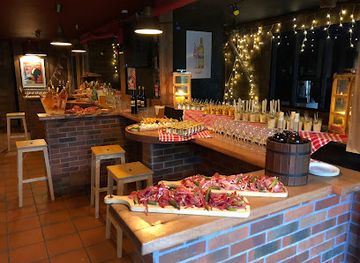
Evening life in Poitou-Charentes is generally centred on cafés, wine bars, traditional brasseries and pubs rather than a large club circuit. La Rochelle has the widest choice of harbour-side and central venues, with a younger atmosphere connected to its university and visitor population. Poitiers and Angoulême offer cafés, bars, live music and cultural programming, while Cognac and Saintes provide smaller selections of wine bars, historic inns and places serving regional drinks. On Île de Ré and Île d'Oléron, summer evenings bring more activity around resort villages, although quieter areas return to a residential pace outside the high season. In rural districts, evening entertainment often means a long meal, a local fête or live music at a community venue rather than late-night dancing. Cognac and Pineau des Charentes are regional specialities, but responsible tasting and moderation are part of understanding the drinks culture.
-
Bar
Bar L'Equipage
Experience the vibrant atmosphere and delicious French cuisine at Bar L'Equipage, a coastal hotspot in La Tranche-sur-Mer.
-
Bar
Chez Auguste
Discover the lively ambiance and eclectic flavors at Chez Auguste, La Rochelle's premier destination for beer lovers and pub enthusiasts.
-
Bar
Le Garage Bar
Discover the vibrant culinary scene at Le Garage Bar in Cognac, offering delicious hamburgers in a welcoming atmosphere perfect for tourists.
-
Restaurant
Pub Gabariers
Discover the delightful flavors and vibrant atmosphere of Pub Gabariers, a beloved local pub and restaurant in the heart of Mosnac-Saint-Simeux.



Best nightclubs in Poitou-Charentes
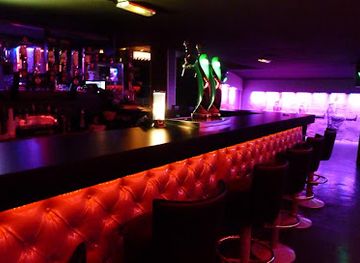
Evening life in Poitou-Charentes is generally centred on cafés, wine bars, traditional brasseries and pubs rather than a large club circuit. La Rochelle has the widest choice of harbour-side and central venues, with a younger atmosphere connected to its university and visitor population. Poitiers and Angoulême offer cafés, bars, live music and cultural programming, while Cognac and Saintes provide smaller selections of wine bars, historic inns and places serving regional drinks. On Île de Ré and Île d'Oléron, summer evenings bring more activity around resort villages, although quieter areas return to a residential pace outside the high season. In rural districts, evening entertainment often means a long meal, a local fête or live music at a community venue rather than late-night dancing. Cognac and Pineau des Charentes are regional specialities, but responsible tasting and moderation are part of understanding the drinks culture.
-
Night club
Le Rancho
Discover the electrifying nightlife at Le Rancho in Saint-Palais-sur-Mer, where vibrant energy meets exquisite cocktails and unforgettable dance experiences.
-
Night club
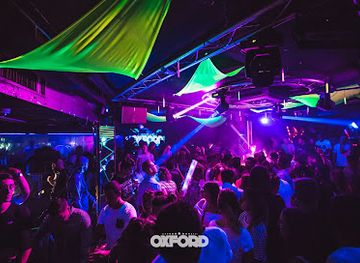
OXFORD CLUB
Discover the lively Oxford Club in La Rochelle, where music, hookah, and nightlife converge for an unforgettable evening out.
-
Night club
THE WHITE RABBIT - Nightclub
Discover the vibrant nightlife of La Rochelle at The White Rabbit, a premier nightclub offering great music, cocktails, and an unforgettable atmosphere.
-
Disco club
The George Sand Club
Discover the vibrant nightlife at The George Sand Club in Poitiers, where the music and atmosphere create unforgettable memories.


Best shops in Poitou-Charentes
Shopping in Poitou-Charentes is strongest in market towns, historic centres and coastal communities rather than in large-scale retail districts. La Rochelle has independent food shops, boutiques and galleries around its arcaded streets and harbour, while Poitiers and Angoulême combine everyday French high-street shopping with bookshops, design stores and cultural retail. Niort is a useful commercial centre for the Marais Poitevin, and the islands have seasonal shops selling food, beach goods, crafts and locally produced items. Look for oysters and other preserved seafood, Charentais melon in season, regional cheeses, salt from Atlantic marshes, Pineau des Charentes and Cognac from reputable producers. Markets are particularly valuable for picnic supplies and direct contact with regional produce, although schedules vary by commune. Angoulême is the natural place to seek comics, graphic novels and illustration-related gifts, while rural villages may have antiques, ceramics or small artisan workshops rather than extensive retail. Check labelling and transport restrictions before buying food, fragile bottles or products intended for an international journey.
-
Shopping mall
Galerie Beaulieu Poitiers
Discover the heart of shopping and dining at Galerie Beaulieu, Poitiers' premier shopping mall blending modernity with local charm.
-
Shopping mall
Aushopping Angoulême La Couronne
Discover the vibrant Aushopping Angoulême La Couronne, where shopping, dining, and entertainment come together for an unforgettable experience.
-
Shopping mall
La Galerie - Angoulême
Discover a diverse shopping and dining experience at La Galerie in Angoulême, where retail meets leisure.
-
Shopping mall
Champ de Mars
Experience the bustling Champ de Mars: a shopping and dining paradise in Angoulême, blending local charm with modern amenities.


Get your free copy of our complete guide to Poitou-Charentes, delivered straight to you.
Everything on this page, from attractions and restaurants to essentials and local phrases, in one PDF you can read offline, print or share.
Already have an account? Sign in
Your Poitou-Charentes guide is ready.
We'll send it to · Not you? Sign out

Getting your guide ready…
We are putting together a fresh copy of the Poitou-Charentes guide. This can take up to a minute.
This can take a few moments. If your browser asks, choose Allow so the download can start. You'll find the guide in your Downloads folder.
Nothing happened? Download it again
Sorry, the guide is taking longer than usual. Please try again in a minute, or get it by email instead.
Poitou-Charentes essentials
Currency and Payment
Safety
Emergency Situations
Do's and Don'ts
Local Tips
From Eve
Local phrases worth knowing
You don't need to get them perfect. A few words go a long way, and locals appreciate the effort.
Basics
| English | Local | Say it |
|---|---|---|
| Hello | Salut | [sah-loo] |
| Goodbye | Au revoir | [oh ruh-vwahr] |
| Yes | Oui | [wee] |
| No | Non | [noh] |
| Please/You're welcome | S'il vous plaît/De rien | [seel voo pleh/deh ree-ehn] |
| Thank you | Merci | [mehr-see] |
| Excuse me/Sorry | Excusez-moi/Désolé | [ehk-skew-zay mwah/deh-zoh-lay] |
| How are you? | Comment ça va? | [koh-mohn sah vah] |
| Fine. And you? | Bien. Et vous? | [byahn. eh voo] |
| Do you speak English? | Parlez-vous anglais? | [par-lay voo ahn-glay] |
| I don't understand | Je ne comprends pas | [zhuh nuh kohm-prahn pah] |
Eating & Drinking
| English | Local | Say it |
|---|---|---|
| I'd like to see the menu, please | Je voudrais voir le menu, s'il vous plaît | [zhuh voo-dray vwah leuh meh-nu, seel voo pleh] |
| I don't eat meat | Je ne mange pas de viande | [zhuh nuh mahnzh pah duh vyahnd] |
| Cheers! | Santé! | [sahn-tay] |
| I would like to pay, please | Je voudrais payer, s'il vous plaît | [zhuh voo-dray pay-ay, seel voo pleh] |
Emergencies
| English | Local | Say it |
|---|---|---|
| Help! | Au secours! | [oh suh-koor] |
| Go away! | Allez-vous-en! | [ah-lay voo zahn] |
| Call the Police! | Appelez la police! | [ah-peh-lay lah poh-lees] |
| Call a doctor! | Appelez un médecin! | [ah-peh-lay uhn meh-deh-sahn] |
| I'm lost | Je suis perdu | [zhuh swee pehr-dyoo] |
| I'm ill | Je suis malade | [zhuh swee mah-lahd] |
Shopping
| English | Local | Say it |
|---|---|---|
| I'd like to buy... | Je voudrais acheter... | [zhuh voo-dray ah-sheh-tay] |
| I'm just looking | Je regarde juste | [zhuh ruh-gahrd zhoost] |
| How much is it? | C'est combien? | [seh kohm-byen] |
| That's too expensive | C'est trop cher | [seh troh shair] |
| Can you lower the price? | Pouvez-vous baisser le prix? | [poo-vay voo beh-say leuh pree] |
Time & Numbers
| English | Local | Say it |
|---|---|---|
| What time is it? | Quelle heure est-il? | [kel uhr eh-teel] |
| It's one o'clock | Il est une heure | [eel eh ewn uhr] |
| Half past (10) | Dix heures et demie | [deez uhr eh duh-mee] |
| Morning | Matin | [mah-tahn] |
| Afternoon | Après-midi | [ah-preh mee-dee] |
| Evening | Soir | [swahr] |
| Yesterday | Hier | [ee-ehr] |
| Today | Aujourd'hui | [oh-zhoor dwee] |
| Tomorrow | Demain | [duh-mahn] |
| 1 | Un | [uhn] |
| 2 | Deux | [duhr] |
| 3 | Trois | [trwah] |
| 4 | Quatre | [katr] |
| 5 | Cinq | [sank] |
| 6 | Six | [sees] |
| 7 | Sept | [set] |
| 8 | Huit | [weet] |
| 9 | Neuf | [nuhf] |
| 10 | Dix | [deez] |
Transport & Directions
| English | Local | Say it |
|---|---|---|
| Where's a/the...? | Où est un/une...? | [oo eh uhn/ewn] |
| What's the address? | Quelle est l'adresse? | [kel eh l'ah-dress] |
| Can you show me (on the map)? | Pouvez-vous me montrer (sur la carte)? | [poo-vay voo muh mohn-tray (sur lah kart)] |
| When's the next (bus)? | Quand est le prochain (bus)? | [kahn eh luh pro-shen (boos)] |
| A ticket (to ....) | Un billet (pour ....) | [uhn bee-yay (poor ....)] |
History of Poitou-Charentes
Celtic and Roman Saintonge
Before Roman rule, the area around modern Saintes was associated with the Santones, a Gallic people whose territory extended across much of western Charente-Maritime. The Romans established Mediolanum Santonum, now Saintes, as a major administrative centre of Aquitania. The town gained an amphitheatre, an arch and important roads; its surviving remains demonstrate how Roman urban planning reshaped the region. Other settlements, villas and roads connected the interior with the Atlantic estuaries and the Charente valley, creating patterns of trade and administration that influenced later towns.
Poitiers and the Medieval Duchy of Aquitaine
Poitiers became an important centre of Christianity and political power during the medieval period. Its churches and surviving domestic buildings reflect successive phases of Romanesque and later Gothic construction, while the wider Poitou area stood between the French kingdoms and the territories of the dukes of Aquitaine. The region's strategic position brought it into the orbit of major dynastic struggles, including the long conflict between the French and English crowns. Medieval roads, monasteries and market towns left a durable imprint on the landscape.
The Hundred Years' War and Religious Conflict
Poitou and the Charentes occupied a contested frontier during the Hundred Years' War, when allegiance shifted between the English and French crowns. Fortified towns and castles reflected the need to control roads, river crossings and agricultural territory. In the sixteenth century, Protestant ideas gained substantial support in parts of western France, particularly among urban and commercial communities. La Rochelle became a major Huguenot stronghold, and the French Crown's siege of the city in 1627–28 ended its political autonomy while leaving an important mark on the region's religious and maritime history.
Rochefort and the Royal Naval Arsenal
Louis XIV's government established the naval arsenal of Rochefort in 1666 on the Charente estuary. The site was chosen for its inland, defensible position with access to the Atlantic, and the town developed around shipbuilding, rope-making, administration and military logistics. The arsenal helped make the Charente a strategic maritime corridor and connected the region to France's expanding naval ambitions. The Corderie Royale, built for the manufacture of ships' rope, remains the most recognisable surviving expression of this planned industrial and military complex.
The Rise of Cognac Production
Distillation and wine trading around the Charente developed over several centuries, but the modern Cognac industry took shape through improved distilling methods, merchant houses and overseas commerce, especially from the seventeenth century onwards. The region's chalky soils, maritime-influenced climate and designated grape varieties supported the production of wines intended for double distillation and long maturation in oak. Warehouses, river ports and commercial houses transformed Cognac and Jarnac, while Pineau des Charentes emerged as another characteristic regional drink.
Industrialisation, Paper and Inland Commerce
The Charente valley supported mills, flour production and paper-making, with Angoulême becoming particularly associated with the paper industry from the early modern period. Water power and river transport helped local manufacturing, while canals, roads and railways later linked inland towns with Bordeaux, Nantes, Paris and Atlantic ports. These changes altered the region's economy without eliminating its agricultural foundation. Niort developed as a commercial and financial centre, and many smaller towns retained roles in grain, livestock and local market exchange.
Modern Maritime and Cultural Transformation
During the twentieth century, traditional maritime and agricultural economies were joined by tourism, food processing, services and cultural industries. La Rochelle expanded as a visitor and university city, while the islands and coastal resorts became increasingly connected to cycling and seaside travel. Angoulême developed an international profile through its annual comics festival and the wider presence of illustration and animation. Futuroscope, opened near Poitiers in 1987, represented another shift towards science-led leisure and helped reinforce the Vienne as a significant visitor destination.
Poitou-Charentes in Photos
Browse through our photo collection highlighting the charm and character of the destination.
Neighbouring regions of Poitou-Charentes
The closest regions to Poitou-Charentes, if you have time for more than one.
-

-

-

-
-


Swipe for more regions
Explore more

Explore more of France
Explore France: A land of romance, history, and unparalleled beauty, from the iconic streets of Paris to the serene landscapes of Provence and the luxury of the French Riviera.
Explore France