

Tignes Travel Guide - Free Web & App
Your ultimate guide to Tignes. Discover top landmarks, proposed trips, and local tips. Free on the web or via the Evendo companion app.


Tignes, France combines high-altitude skiing, the Grande Motte glacier, mountain trails, Lac de Tignes and Savoyard village heritage in every season.
High Mountain Setting
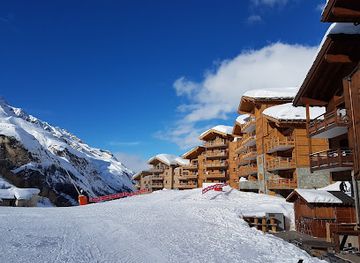
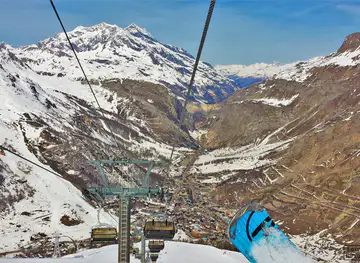
Tignes occupies a high valley in the French Alps, in the Savoie département of southeastern France. Its resort villages rise around the broad Lac de Tignes and extend down towards the forested hamlet of Les Brévières, creating a varied mountain destination rather than a single compact settlement. The principal centres—Tignes le Lac, Le Lavachet and Val Claret—are linked by mountain roads and lifts, while Val d’Isère connects with Tignes to form the extensive Tignes–Val d’Isère ski area.Read more about Tignes
Landscapes and Outdoor Life
Villages and Local Character
When is the best time to visit Tignes?
Best: June–August · 18–21°C| Month | High (°C) | Rainfall (mm) |
|---|---|---|
| January | -1 | 66 |
| February | 0 | 57 |
| March | 3 | 56 |
| April | 7 | 55 |
| May | 13 | 67 |
| June (best) | 18 | 91 |
| July (best) | 21 | 95 |
| August (best) | 20 | 88 |
| September | 16 | 88 |
| October | 9 | 90 |
| November | 6 | 75 |
| December | 2 | 66 |
Getting to and around Tignes
How to get there
Transportation
Best attractions in Tignes
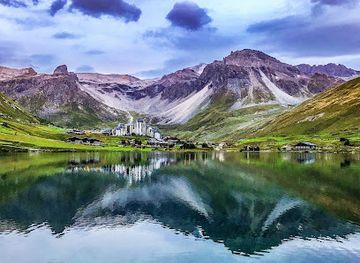
Lac de Tignes provides the visual centre of the high resort, with mountain paths and seasonal recreational facilities around its shoreline. Above Val Claret, the Grande Motte sector leads into a glacial high-mountain landscape and offers some of the area’s most elevated skiing and panoramic viewpoints when lifts and conditions permit. The linked Tignes–Val d’Isère ski area spreads across broad bowls, wooded slopes and challenging alpine terrain, although visitors should distinguish the wider ski domain from the commune of Tignes itself. Lower down, Les Brévières offers a more traditional village atmosphere and access to the dam valley, while the road towards Bourg-Saint-Maurice reveals the immense Lac du Chevril reservoir. Older hamlets, chapels, pastoral slopes and engineering works add cultural depth to a destination often associated primarily with winter sport.
-
Tourist attraction
Les Arcs
Discover Les Arcs: A world-class French Alps ski resort with diverse villages, extensive slopes, and stunning views in the heart of the Paradiski area.
-
Tourist attraction
Les Arcs
Experience world-class skiing and stunning alpine scenery at Les Arcs, a premier French resort with interconnected slopes and unique village atmospheres.
-
French restaurant
Chalets de l'Arc
Savor traditional French cuisine with panoramic views at this cozy mountain restaurant in Bourg-Saint-Maurice, near Les Arcs 2000.
-
Aquatic centre
Le Lagon Tignes
Discover Le Lagon Tignes: An alpine aquatic paradise with pools, wellness, and fitness for unforgettable relaxation and recreation in the French Alps.


Best landmarks in Tignes
The most consequential landmark associated with Tignes is the dam and reservoir system in the lower valley, which created Lac du Chevril and permanently altered the original settlement of Tignes. The submerged village remains a powerful part of local memory, while the modern resort rises around Lac de Tignes at a much higher elevation. The Grande Motte glacier is the destination’s defining natural high-mountain feature, forming a dramatic backdrop above Val Claret and illustrating the close relationship between Tignes and glacial terrain. Traditional chapels and hamlets, particularly around the lower settlements, provide reminders of the pre-resort landscape. Together, the lake, dam, glacier, purpose-built resort architecture and surviving Savoyard villages express the area’s transformation from an agricultural valley into an internationally recognised alpine tourism destination.
-
Ski resort
Tignes ski resort
Experience the ultimate winter adventure at Tignes ski resort, where breathtaking slopes and vibrant après-ski await in the heart of the French Alps.
-
Tourist information center
Tourist Office of Tignes
Discover Tignes: Your adventure starts at the Tourist Office, offering essential insights and resources for all your alpine explorations.
-
Ski resort
Tignes les Boisses - 1800
Discover Tignes les Boisses, a breathtaking ski resort in the French Alps, perfect for winter sports and year-round adventure.
-
Lake
Lac de Tignes
Experience the breathtaking beauty and outdoor adventures at Lac de Tignes, a serene alpine lake in the French Alps.
Explore Tignes on the map
Plan your trip on one map. See where the top attractions, landmarks, restaurants and hotels are, and book hotels and experiences in a few clicks.
Best hotels in Tignes
Best restaurants in Tignes
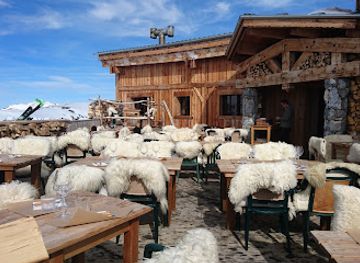
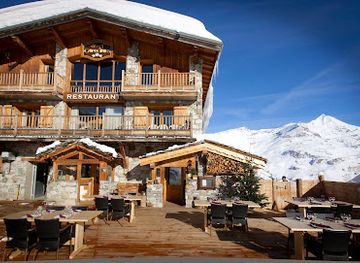
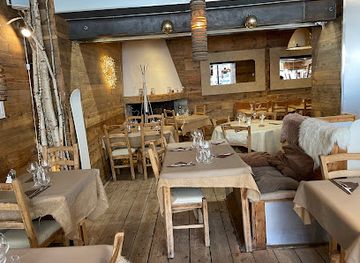
Dining in Tignes reflects both contemporary ski-resort demand and the food traditions of Savoie. Restaurants, cafés and bars are concentrated in Val Claret, Tignes le Lac and Le Lavachet, while Les Brévières provides a smaller village-based choice; more extensive shopping and dining can be found in Bourg-Saint-Maurice outside the destination. Savoyard specialities commonly encountered in the region include fondue, raclette, tartiflette, crozets, local cheeses and charcuterie, alongside crêpes, soups and dishes suited to a mountain climate. Menus may also draw on Alpine herbs, regional produce and wines from Savoie. High-altitude dining is often tied to the ski and lift network, so opening patterns and access change with the season, and visitors should check directly before planning a meal away from the main villages.
-
Restaurant
La Pignatta
Discover La Pignatta: Tignes' favorite spot for authentic Italian pizza and vibrant dining experiences in the heart of the Alps.
-
Restaurant
Le Panoramic
Experience exquisite French cuisine with breathtaking mountain views at Le Panoramic in Tignes.
-
French
La Ferme des 3 Capucines
Discover authentic French cuisine amidst breathtaking alpine scenery at La Ferme des 3 Capucines in Tignes.
-
Restaurant
Cœur des Neiges
Discover exquisite modern European cuisine at Cœur des Neiges in Tignes - where alpine charm meets culinary excellence.
Best bars in Tignes
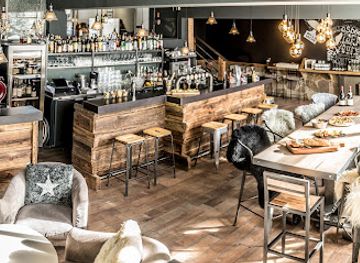
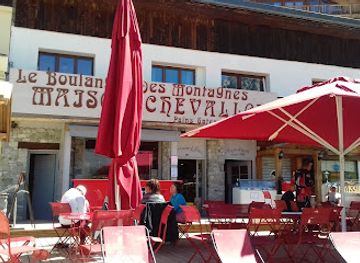
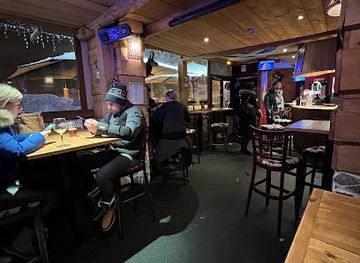
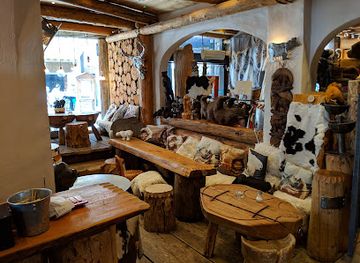
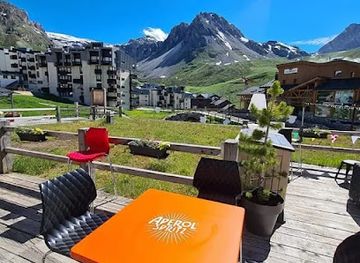
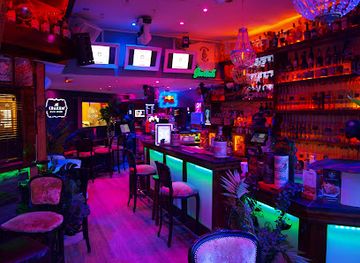
Evenings in Tignes are centred on the resort villages rather than a separate nightlife district. Val Claret and Tignes le Lac generally offer the broadest selection of bars and après-ski venues, while Le Lavachet and Les Brévières have a quieter, more local atmosphere. Entertainment commonly follows the winter rhythm of skiing, with informal gatherings, live performances or seasonal events depending on the programme and venue. Outside the principal resort period, choices can be more limited and some businesses operate seasonally. The destination is not a city-style clubbing centre; its evening character comes from mountain hospitality, restaurants, pubs and social spaces close to accommodation. Visitors seeking a wider urban nightlife scene would need to travel well beyond the mountain resort, with Bourg-Saint-Maurice functioning mainly as a gateway town rather than a late-night destination.
-
Bar
Loop
Experience the vibrant culinary scene at The Loop in Tignes Le Lac, where delicious burgers and pizzas meet a lively atmosphere in the heart of the Alps.
-
Pub
The Marmot Arms
Experience the vibrant atmosphere at The Marmot Arms in Tignes, where delicious burgers, live music, and sports unite in a cozy alpine pub.
-
Bar
Grizzly's Bar - La Boît'àskis
Discover Grizzly's Bar - La Boît'àskis in Tignes, where delicious barbecue meets a vibrant bar atmosphere, perfect for après-ski relaxation.
-
Bar
Inside bar
Experience the vibrant nightlife at Inside Bar in Tignes, where cozy ambiance meets delicious drinks and friendly company.
Best nightclubs in Tignes
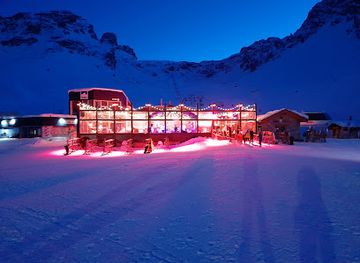
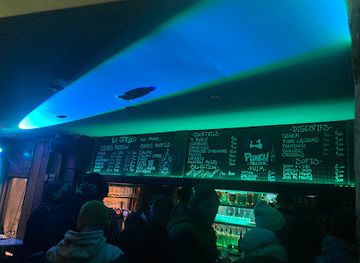
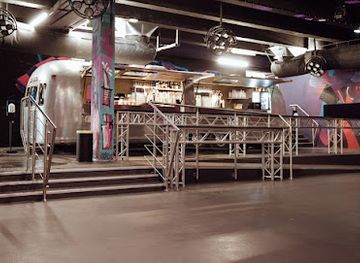
Evenings in Tignes are centred on the resort villages rather than a separate nightlife district. Val Claret and Tignes le Lac generally offer the broadest selection of bars and après-ski venues, while Le Lavachet and Les Brévières have a quieter, more local atmosphere. Entertainment commonly follows the winter rhythm of skiing, with informal gatherings, live performances or seasonal events depending on the programme and venue. Outside the principal resort period, choices can be more limited and some businesses operate seasonally. The destination is not a city-style clubbing centre; its evening character comes from mountain hospitality, restaurants, pubs and social spaces close to accommodation. Visitors seeking a wider urban nightlife scene would need to travel well beyond the mountain resort, with Bourg-Saint-Maurice functioning mainly as a gateway town rather than a late-night destination.
-
Bar
Cocorico Après Ski - Tignes
Experience the best après-ski atmosphere at Cocorico Après Ski in Tignes, where fun, friends, and fantastic drinks await.
-
Bar
Le Studio
Experience the vibrant nightlife at Le Studio in Tignes, the perfect bar for après-ski relaxation and socializing with friends.
-
Bar
Le Twenty Four Seven
Discover the lively atmosphere of Le Twenty Four Seven, an enchanting bar in Tignes perfect for après-ski relaxation and vibrant nightlife.
-
Bar
LE STRIKE
Discover the vibrant nightlife of Tignes at Le Strike, where live music and great drinks create unforgettable alpine evenings.
Best shops in Tignes
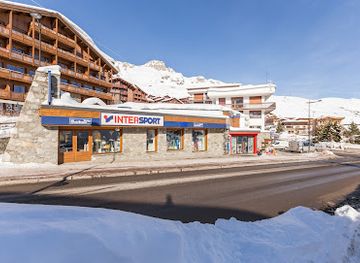
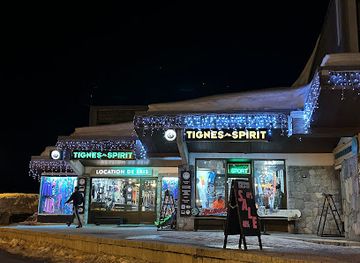
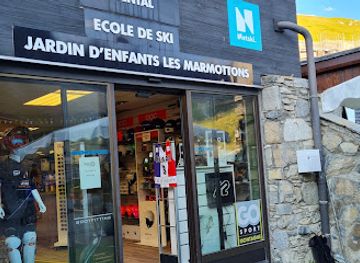
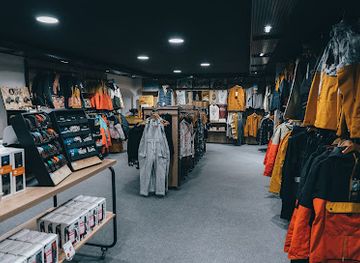
Shopping in Tignes is practical and resort-oriented, with shops concentrated in Val Claret, Tignes le Lac and the other principal accommodation centres. Visitors can generally find winter and summer sports equipment, clothing, grocery supplies, souvenirs and locally produced food, while smaller village shops serve everyday needs rather than offering an extensive retail scene. Regional products associated with Savoie include mountain cheeses, charcuterie, biscuits, preserves and wines, although selection varies by season and business. Independent craft and food purchases are more likely in the traditional settlements or in Bourg-Saint-Maurice, outside Tignes, where the retail offer is broader. The destination’s shopping identity is therefore linked to mountain life, outdoor equipment and Savoyard produce rather than designer boutiques or large permanent markets.
-
Ski rental service
INTERSPORT - Tignes Le Lac - Quartier des Almes
Discover the best ski and outdoor equipment rental service at INTERSPORT - Tignes Le Lac, your gateway to alpine adventures in the French Alps.
-
Ski rental service
Tignes Spirit Rentals
Experience unparalleled skiing adventures at Tignes Spirit Rentals, your premier destination for ski equipment and expert service in the French Alps.
-
Sporting goods store
Go Sport Montagne Ski One Tignes
Experience the thrill of skiing in Tignes with top-quality rentals and expert instruction at Go Sport Montagne Ski One.
-
Ski rental service
INTERSPORT - Tignes Le Rosset - Front de Neige du Lac
Discover top-notch ski gear and rentals at INTERSPORT - Tignes Le Rosset, your ultimate destination for winter sports in Tignes.
Get your free copy of our complete guide to Tignes, delivered straight to you.
Everything on this page, from attractions and restaurants to essentials and local phrases, in one PDF you can read offline, print or share.
Already have an account? Sign in
Your Tignes guide is ready.
We'll send it to · Not you? Sign out

Getting your guide ready…
We are putting together a fresh copy of the Tignes guide. This can take up to a minute.
This can take a few moments. If your browser asks, choose Allow so the download can start. You'll find the guide in your Downloads folder.
Nothing happened? Download it again
Sorry, the guide is taking longer than usual. Please try again in a minute, or get it by email instead.
Tignes essentials
Currency and Payment
Safety
Emergency Situations
Do's and Don'ts
Local Tips
From Eve
Local phrases worth knowing
You don't need to get them perfect. A few words go a long way, and locals appreciate the effort.
Basics
| English | Local | Say it |
|---|---|---|
| Hello | Bonjour | [bon-zhoor] |
| Goodbye | Au revoir | [oh ruh-vwahr] |
| Yes | Oui | [wee] |
| No | Non | [nohn] |
| Please/You're welcome | S'il vous plaît / De rien | [seel voo pleh / duh ryen] |
| Thank you | Merci | [mehr-see] |
| Excuse me/Sorry | Excusez-moi / Désolé | [ehk-sku-zay mwah / day-zoh-lay] |
| How are you? | Comment ça va? | [koh-mohn sah vah] |
| Fine. And you? | Bien. Et toi? | [byen. ay twah] |
| Do you speak English? | Parlez-vous anglais? | [par-lay voo ahn-glay] |
| I don't understand | Je ne comprends pas | [zhuh nuh kohm-prahnd pah] |
Eating & Drinking
| English | Local | Say it |
|---|---|---|
| I'd like to see the menu, please | Je voudrais voir la carte, s'il vous plaît | [zhuh voo-dray vwahr lah kart, seel voo pleh] |
| I don't eat meat | Je ne mange pas de viande | [zhuh nuh mahnj pah duh vyand] |
| Cheers! | Santé! | [sahn-tay] |
| I would like to pay, please | Je voudrais payer, s'il vous plaît | [zhuh voo-dray pay-ay, seel voo pleh] |
Emergencies
| English | Local | Say it |
|---|---|---|
| Help! | Au secours! | [oh sey-coor] |
| Go away! | Allez-vous-en! | [ah-lay voo zahn] |
| Call the Police! | Appelez la police! | [ah-peh-lay lah poh-lees] |
| Call a doctor! | Appelez un médecin! | [ah-peh-lay uh may-deh-sahn] |
| I'm lost | Je suis perdu | [zhuh swee pair-doo] |
| I'm ill | Je suis malade | [zhuh swee mah-lahd] |
Shopping
| English | Local | Say it |
|---|---|---|
| I'd like to buy... | Je voudrais acheter... | [zhuh voo-dray zheh-tey...] |
| I'm just looking | Je regarde juste | [zhuh ruh-gard zhewst] |
| How much is it? | Combien ça coûte? | [kohm-byen sah koot] |
| That's too expensive | C'est trop cher | [say troh shair] |
| Can you lower the price? | Pouvez-vous baisser le prix? | [poo-vey voo bay-say luh pree] |
Time & Numbers
| English | Local | Say it |
|---|---|---|
| What time is it? | Quelle heure est-il? | [kell ur ay-teel] |
| It's one o'clock | Il est une heure | [eel ay oon ur] |
| Half past (10) | Dix heures et demie | [dees urz ay duh-mee] |
| Morning | Matin | [mah-tahn] |
| Afternoon | Après-midi | [ah-pray mee-dee] |
| Evening | Soir | [swahr] |
| Yesterday | Hier | [yehr] |
| Today | Aujourd'hui | [oh-zhoor-dwee] |
| Tomorrow | Demain | [duh-mahn] |
| 1 | Un | [uhn] |
| 2 | Deux | [duh] |
| 3 | Trois | [twah] |
| 4 | Quatre | [kah-truh] |
| 5 | Cinq | [sank] |
| 6 | Six | [sees] |
| 7 | Sept | [sept] |
| 8 | Huit | [weet] |
| 9 | Neuf | [nuf] |
| 10 | Dix | [dees] |
Transport & Directions
| English | Local | Say it |
|---|---|---|
| Where's a/the...? | Où est...? | [oo ay...] |
| What's the address? | Quelle est l'adresse? | [kell ay lah-dress] |
| Can you show me (on the map)? | Pouvez-vous me montrer (sur la carte)? | [poo-vey voo muh mohn-tray (soor lah kart)] |
| When's the next (bus)? | Quand est le prochain (bus)? | [kahn ay luh proh-shahn (bus)] |
| A ticket (to ....) | Un billet (pour ....) | [uhn bee-yay (poor)] |
History of Tignes
A Glacial Valley and Pastoral Landscape
Tignes developed in a high Tarentaise valley shaped by glaciers, erosion and seasonal snowmelt. Long before modern tourism, local communities used the slopes for pasture, haymaking and transhumance, moving livestock between valley settlements and higher summer grazing grounds. The landscape’s steep terrain encouraged a dispersed settlement pattern, with hamlets connected by mountain paths and dependent on farming, forestry and exchange through the wider Isère valley. This older rural economy remains visible in the surviving villages, chapels, field patterns and pastoral practices around the present resort.
The Original Village of Tignes
The original village of Tignes stood in the valley that is now occupied by the Lac du Chevril reservoir. Its inhabitants lived with the prospect of major change after plans were advanced to harness the Isère for hydroelectric power. The village church, homes and farmland were progressively lost as the valley was flooded in the early 1950s. The displacement was deeply controversial and left a lasting mark on local memory. The dam transformed the valley’s economy and geography, while a new settlement and later ski infrastructure developed higher up the mountain.
The Tignes Dam and a New Alpine Economy
Construction of the Tignes dam began after the Second World War, and the reservoir was filled in the 1950s. At the time, the project represented France’s post-war drive for industrial modernisation and electricity production, but it also brought the destruction of the original village and the relocation of its community. The dam remains one of the defining engineering landmarks of the wider valley. From the 1960s onwards, tourism increasingly replaced agriculture as the principal economic force, with new roads, accommodation and lift systems establishing Tignes as a high-altitude winter resort.
Modern Resort Development
Tignes le Lac, Le Lavachet and Val Claret were developed as purpose-built mountain resorts during the expansion of French skiing in the second half of the twentieth century. Their architecture reflects the period’s ambition to place accommodation close to ski terrain, while the older hamlets retained a more traditional scale and appearance. Tignes later became linked with Val d’Isère as a major ski domain, encouraging international tourism and a broader year-round economy. The commune also gained wider sporting recognition through high-level winter competitions and its role in the development of modern alpine recreation.
Landscape Management and Four-Season Tourism
Contemporary Tignes balances a large tourism economy with the environmental pressures of high-altitude development, water management and climate variability. Winter sports remain central, while summer hiking, cycling and mountain activities have expanded the visitor season. The Grande Motte glacier and surrounding alpine habitats require particular care, and visitors encounter a landscape shaped by both natural processes and human infrastructure. Conservation of pastoral land, responsible use of marked routes and attention to changing snow and water conditions are increasingly important elements of the destination’s future.
Tignes in Photos
Browse through our photo collection highlighting the charm and character of the destination.
Neighbouring destination travel guides
The closest destinations to Tignes, if you have time for more than one.
-
-

-

-

-


Swipe for more destinations
Explore more

Explore more of Rhône-Alpes
Discover the stunning landscapes, historic cities, and world-class ski resorts of Rhône-Alpes, a French region that offers a perfect blend of nature and culture.
Explore Rhône-Alpes
Explore more of France
Explore France: A land of romance, history, and unparalleled beauty, from the iconic streets of Paris to the serene landscapes of Provence and the luxury of the French Riviera.
Explore France