

La Thuile Travel Guide - Free Web & App
Your ultimate guide to La Thuile. Discover top landmarks, proposed trips, and local tips. Free on the web or via the Evendo companion app.


La Thuile, Italy, combines Mont Blanc mountain scenery, Alpine skiing, hiking, the Little St Bernard Pass and Aosta Valley culture in every season.
Mountain Landscapes and the Little St Bernard
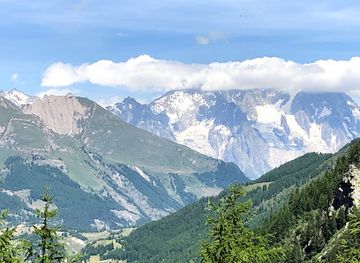
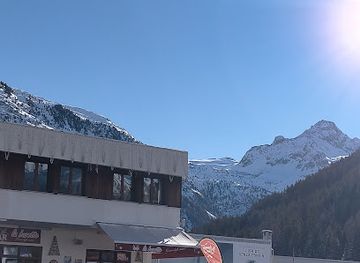
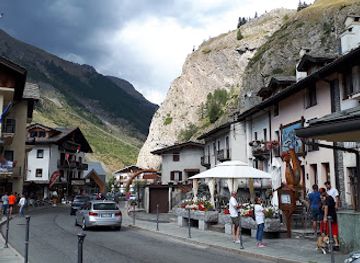
La Thuile lies in Italy’s Valle d’Aosta, close to the French border and beneath the high peaks of the Mont Blanc massif. The municipality stretches through the upper Dora di Verney valley, where larch forests, open mountain pastures and steep glaciated slopes create a distinctly Alpine setting. Above the town, the Little St Bernard Pass crosses into France, linking La Thuile with La Rosière and forming the basis of the cross-border Espace San Bernardo ski area. The pass is generally closed to road traffic in winter, while its summer road provides one of the region’s most memorable mountain journeys.Read more about La Thuile
A Working Alpine Community
Exploring La Thuile
When is the best time to visit La Thuile?
Best: July–September · 18–24°C| Month | High (°C) | Rainfall (mm) |
|---|---|---|
| January | 0 | 35 |
| February | 1 | 33 |
| March | 4 | 34 |
| April | 10 | 42 |
| May | 15 | 62 |
| June | 20 | 87 |
| July (best) | 24 | 86 |
| August (best) | 23 | 69 |
| September (best) | 18 | 57 |
| October | 13 | 48 |
| November | 6 | 42 |
| December | 3 | 37 |
Getting to and around La Thuile
How to get there
Transportation
Best attractions in La Thuile
La Thuile’s principal attractions are spread between the village, the ski slopes and the high border landscape. The Espace San Bernardo links La Thuile with La Rosière in France, giving winter sports visitors access to a cross-border network of pistes and lifts. In summer, the Little St Bernard Pass is the defining excursion, with broad views, historic route markers and the stone circle on the watershed. The Rutor area and its glaciers provide a dramatic mountain backdrop, while lakes and alpine pastures appear along higher walking routes. Around the settlement, visitors can explore traces of the former anthracite-mining industry and the older hamlets of the valley. The Dora di Verney and its tributary streams add a more intimate landscape of woodland and pasture. Nearby Pré-Saint-Didier, outside La Thuile, is known for its thermal waters, while Courmayeur offers access to the wider Mont Blanc area rather than forming part of La Thuile itself.
-
Spa
QC Terme Pré Saint Didier
Discover the ultimate relaxation at QC Terme Pré Saint Didier, where thermal baths, wellness treatments, and stunning mountain views await you.
-
Park
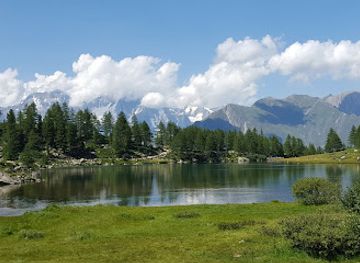
Lago d' Arpy
Experience the breathtaking beauty of Lago d'Arpy, a serene alpine lake in Aosta Valley, perfect for nature lovers and outdoor enthusiasts alike.
-
Tourist attraction
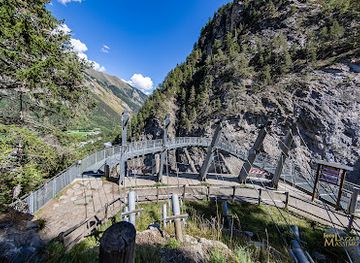
Mont Blanc Adventure Park
Explore the thrills of Mont Blanc Adventure Park, where adventure meets breathtaking alpine beauty in Aosta Valley, Italy.
-
Ski resort
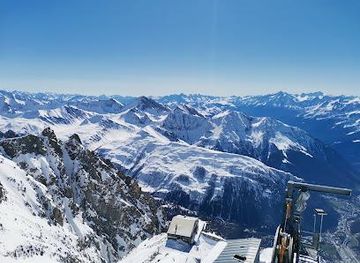
Courmayeur Mont Blanc Funivie S.p.A. - Cable Car Courmayeur
Discover stunning vistas and exhilarating adventures at Courmayeur Mont Blanc Cable Car, the gateway to the majestic Aosta Valley.

Best landmarks in La Thuile
The Little St Bernard Pass is La Thuile’s most important cultural and geographical landmark, marking a historic crossing between Italy and France and retaining features associated with ancient travel across the Alps. The stone circle on the pass gives the high plateau an archaeological dimension, while the former hospice reflects its long role in assisting travellers. In the valley, the church of San Nicola is a central architectural marker of La Thuile’s historic community. The Rutor massif and its glaciers form the municipality’s most recognisable natural backdrop, contrasting with forested slopes and pasture around the settlement. Former anthracite-mining sites and related traces are significant industrial landmarks, recording the period when extraction shaped local employment and the valley economy. The Dora di Verney remains an important physical feature, guiding the valley towards the wider Valle d’Aosta.
-
Italian
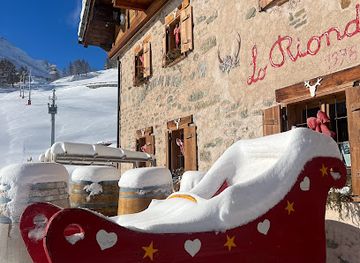
Lo Riondet
Experience the rich flavors of authentic Italian cuisine at Lo Riondet, a culinary gem in the heart of Aosta Valley's breathtaking landscapes.
-
Hotel
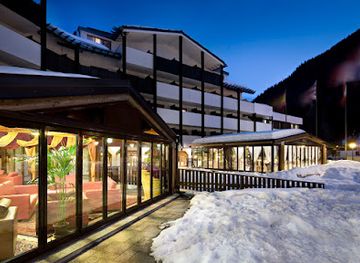
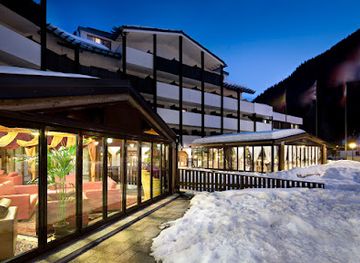
TH La Thuile - Planibel Hotel
Discover the perfect blend of comfort and adventure at TH La Thuile - Planibel Hotel, your gateway to the stunning Aosta Valley.
-
Restaurant
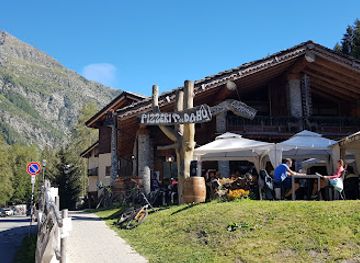
Taverna Coppapan & Pizzeria Le Dahu
Experience the heart of Italian cuisine in La Thuile at Taverna Coppapan & Pizzeria Le Dahu, where traditional flavors meet rustic charm.
-
Hiking area
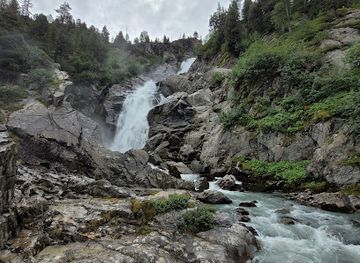
Rutor Falls
Explore the breathtaking Rutor Falls, a stunning natural wonder in Aosta Valley, ideal for hiking and immersing in Italy's beautiful alpine landscapes.
Explore La Thuile on the map
Plan your trip on one map. See where the top attractions, landmarks, restaurants and hotels are, and book hotels and experiences in a few clicks.
Best hotels in La Thuile
Best restaurants in La Thuile
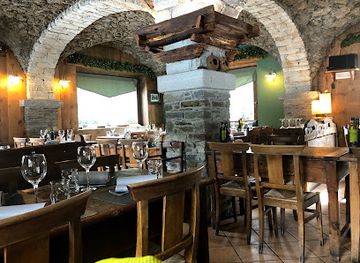
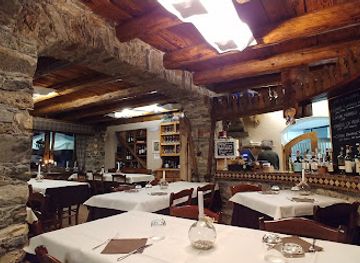
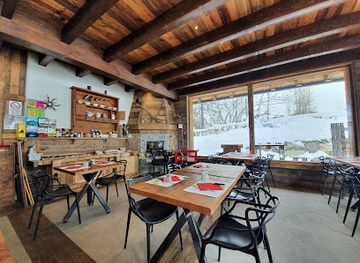
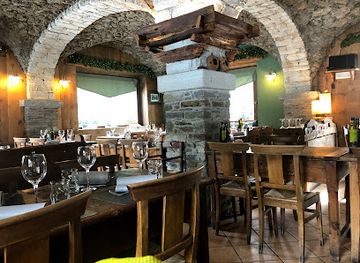
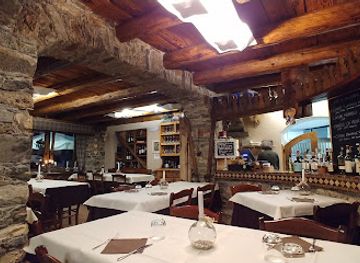
Dining in La Thuile reflects the food traditions of the Valle d’Aosta and the practical hospitality of a mountain resort. Menus commonly draw on Fontina and other local cheeses, rye bread, polenta, potatoes, soups, cured meats and hearty preparations suited to alpine temperatures. Vallée d’Aoste wines and regional spirits may also feature alongside Italian staples. Restaurants, cafés and mountain venues are concentrated in the village and around the ski area, while visitors staying in smaller hamlets should expect fewer nearby options and may need to plan meals around their accommodation. The wider valley adds further choice in Pré-Saint-Didier, Morgex and Courmayeur, all outside La Thuile. Farm products, cheese and cured meats can be found through local food shops and producers, although selection and opening arrangements vary by season.
-
Italian
Lo Riondet
Discover authentic Italian flavors at Lo Riondet in La Thuile – where delicious food meets breathtaking mountain views.
-
Restaurant
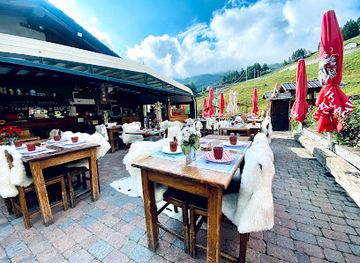
Taverna Coppapan & Pizzeria Le Dahu
Discover authentic Italian flavors at Taverna Coppapan & Pizzeria Le Dahu in La Thuile – a must-visit culinary gem nestled in the Aosta Valley.
-
Restaurant
Lo Tatà
Experience authentic Italian cuisine at Lo Tatà in La Thuile, where traditional flavors meet stunning alpine views.
-
Gastropub
Le Petit Skieur
Discover authentic mountain cuisine at Le Petit Skieur in La Thuile – where flavor meets breathtaking views.
Best bars in La Thuile
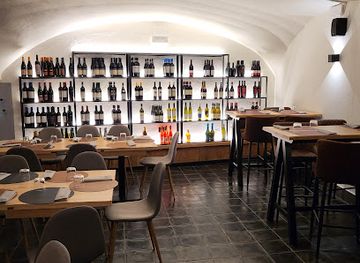
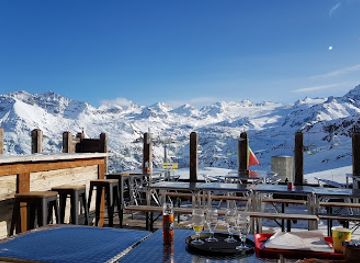
La Thuile has a relaxed evening scene shaped by its role as a small Alpine resort rather than a late-night destination. Visitors can find après-ski drinks, cafés, hotel bars and traditional local establishments in and around the village, with the atmosphere generally centred on conversation, food and mountain hospitality. Winter may bring a livelier rhythm around the ski area, while summer evenings are quieter and often oriented towards walks, dining or time spent at an accommodation base. There is no large nightclub district, and entertainment is more likely to be associated with seasonal resort programming or occasional local events than with a permanent club circuit. Courmayeur, outside La Thuile, offers a broader choice of bars and evening venues for those seeking a more developed nightlife setting.
-
Italian
Lo Riondet
Experience the authentic flavors of northern Italy at Lo Riondet, where exquisite cuisine meets breathtaking alpine views in La Thuile.
-
Bar
Taverna Coppapan & Pizzeria Le Dahu
Experience the heart of Italian cuisine at Taverna Coppapan & Pizzeria Le Dahu, where delightful pizzas and local flavors await in La Thuile, Aosta Valley.
-
Restaurant
Lo Tatà
Experience authentic Italian cuisine at Lo Tatà, a charming restaurant in La Thuile, where every dish tells a story of flavor and tradition.
-
Bar
La Grotta Ristorante Pizzeria
Experience the taste of authentic Italian cuisine at La Grotta Ristorante Pizzeria, a delightful spot in La Thuile, Aosta Valley.
Best nightclubs in La Thuile
La Thuile has a relaxed evening scene shaped by its role as a small Alpine resort rather than a late-night destination. Visitors can find après-ski drinks, cafés, hotel bars and traditional local establishments in and around the village, with the atmosphere generally centred on conversation, food and mountain hospitality. Winter may bring a livelier rhythm around the ski area, while summer evenings are quieter and often oriented towards walks, dining or time spent at an accommodation base. There is no large nightclub district, and entertainment is more likely to be associated with seasonal resort programming or occasional local events than with a permanent club circuit. Courmayeur, outside La Thuile, offers a broader choice of bars and evening venues for those seeking a more developed nightlife setting.
-
Restaurant
Le foyer Bar Restaurant
Experience the flavors of Italy at Le Foyer Bar Restaurant, a cozy retreat in La Thuile offering delicious cuisine and stunning mountain views.
-
Restaurant
Ristorante Roxy
Experience authentic Italian cuisine and vibrant local flavors at Ristorante Roxy in the heart of La Thuile's stunning Aosta Valley.
-
Restaurant
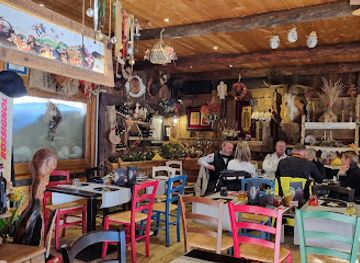
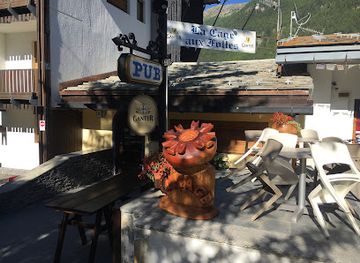
La Cage aux Folles
Experience the vibrant culinary scene at La Cage aux Folles in La Thuile, where authentic Italian flavors meet a lively atmosphere.
-
Bar
Bar La Buvette
Discover the cozy charm of Bar La Buvette in La Thuile - where Alpine hospitality meets stunning mountain views.
Best shops in La Thuile
Shopping in La Thuile is concentrated on practical resort needs, local food and small-scale souvenirs rather than extensive retail streets. Visitors can find ski and outdoor equipment, clothing, groceries, bakery products and regional specialities in the village, with the range influenced by the season. Local foods associated with the Valle d’Aosta include Fontina cheese, cured meats, rye-based products, honey, preserves and regional wines, although availability differs between shops and producers. The village is also a place to look for locally themed crafts and gifts connected with Alpine life. Larger retail selections are available in Aosta and Courmayeur, outside La Thuile, while Morgex and Pré-Saint-Didier provide additional valley services. Travellers heading to remote trails or the pass should buy provisions in the settled areas rather than rely on high-mountain facilities.
-
Italian
Lo Riondet
Discover the authentic flavors of Northern Italy at Lo Riondet in La Thuile, a must-visit restaurant for food lovers exploring Aosta Valley.
-
Hotel
TH La Thuile - Planibel Hotel
Experience the beauty of the Alps at TH La Thuile - Planibel Hotel, your perfect base for winter sports and summer adventures.
-
Hiking area
Rutor Falls
Experience the breathtaking beauty and serene tranquility of Rutor Falls, a stunning hiking area nestled in the heart of Aosta Valley, Italy.
-
Chocolate shop
Chocolat
Chocolat in Aosta Valley: A chocolate lover's paradise offering artisanal delights and cozy indulgence.
Get your free copy of our complete guide to La Thuile, delivered straight to you.
Everything on this page, from attractions and restaurants to essentials and local phrases, in one PDF you can read offline, print or share.
Already have an account? Sign in
Your La Thuile guide is ready.
We'll send it to · Not you? Sign out

Getting your guide ready…
We are putting together a fresh copy of the La Thuile guide. This can take up to a minute.
This can take a few moments. If your browser asks, choose Allow so the download can start. You'll find the guide in your Downloads folder.
Nothing happened? Download it again
Sorry, the guide is taking longer than usual. Please try again in a minute, or get it by email instead.
La Thuile essentials
Currency and Payment
Safety
Emergency Situations
Do's and Don'ts
Local Tips
From Eve
Local phrases worth knowing
You don't need to get them perfect. A few words go a long way, and locals appreciate the effort.
Basics
| English | Local | Say it |
|---|---|---|
| Hello | Ciao | [chow] |
| Goodbye | Arrivederci | [ah-ree-veh-dehr-chee] |
| Yes | Sì | [see] |
| No | No | [noh] |
| Please/You're welcome | Per favore/Prego | [pehr fah-voh-reh/preh-goh] |
| Thank you | Grazie | [graht-zee-eh] |
| Excuse me/Sorry | Scusi/Mi dispiace | [skoo-zee/mee dee-spyah-cheh] |
| How are you? | Come stai? | [koh-meh stai] |
| Fine. And you? | Bene. E tu? | [beh-neh. eh too] |
| Do you speak English? | Parli inglese? | [pahr-lee een-gleh-zeh] |
| I don't understand | Non capisco | [nohn kah-pee-skoh] |
Eating & Drinking
| English | Local | Say it |
|---|---|---|
| I'd like to see the menu, please | Vorrei vedere il menu, per favore | [vohr-reh-ee veh-deh-reh eel meh-noo, pehr fah-voh-reh] |
| I don't eat meat | Non mangio carne | [nohn man-joh kahr-neh] |
| Cheers! | Salute! | [sah-loo-teh] |
| I would like to pay, please | Vorrei pagare, per favore | [vohr-reh-ee pah-gah-reh, pehr fah-voh-reh] |
Emergencies
| English | Local | Say it |
|---|---|---|
| Help! | Aiuto! | [ah-yoo-toh] |
| Go away! | Vai via! | [vah-ee vee-ah] |
| Call the Police! | Chiama la Polizia! | [kee-ah-mah lah poh-lee-tsee-ah] |
| Call a doctor! | Chiama un dottore! | [kee-ah-mah oon doh-toh-reh] |
| I'm lost | Mi sono perso | [mee soh-noh pehr-soh] |
| I'm ill | Sto male | [stoh mah-leh] |
Shopping
| English | Local | Say it |
|---|---|---|
| I'd like to buy... | Vorrei comprare... | [vohr-reh-ee kohm-prah-reh] |
| I'm just looking | Sto solo guardando | [stoh soh-loh gwar-dahn-doh] |
| How much is it? | Quanto costa? | [kwahn-toh koh-stah] |
| That's too expensive | È troppo caro | [eh trohp-poh kah-roh] |
| Can you lower the price? | Puoi abbassare il prezzo? | [pwah-ee ab-bahs-sah-reh eel preh-tsoh] |
Time & Numbers
| English | Local | Say it |
|---|---|---|
| What time is it? | Che ora è? | [keh oh-rah eh] |
| It's one o'clock | È l'una | [eh loo-nah] |
| Half past (10) | Sono le dieci e mezza | [soh-noh leh dyeh-chee eh meh-tzah] |
| Morning | Mattina | [maht-tee-nah] |
| Afternoon | Pomeriggio | [poh-meh-ree-joh] |
| Evening | Sera | [seh-rah] |
| Yesterday | Ieri | [yeh-ree] |
| Today | Oggi | [oh-jee] |
| Tomorrow | Domani | [doh-mah-nee] |
| 1 | Uno | [oo-noh] |
| 2 | Due | [dweh] |
| 3 | Tre | [treh] |
| 4 | Quattro | [kwah-troh] |
| 5 | Cinque | [cheen-kweh] |
| 6 | Sei | [say] |
| 7 | Sette | [seht-teh] |
| 8 | Otto | [oh-toh] |
| 9 | Nove | [noh-veh] |
| 10 | Dieci | [dyeh-chee] |
Transport & Directions
| English | Local | Say it |
|---|---|---|
| Where's a/the...? | Dov'è un/il... | [doh-veh oon/eel] |
| What's the address? | Qual è l'indirizzo? | [kwahl eh leen-dee-reetz-tsoh] |
| Can you show me (on the map)? | Puoi mostrarmi (sulla mappa)? | [pwah-ee mohs-trar-mee (sool-lah mahp-pah)] |
| When's the next (bus)? | Quando passa il prossimo (autobus)? | [kwahn-doh pahs-sah eel prohs-see-moh (ow-toh-boos)] |
| A ticket (to ....) | Un biglietto (per ....) | [oon beel-lyet-toh (pehr)] |
History of La Thuile
A Valley Shaped by Ice and Water
La Thuile’s terrain was formed by Alpine geological processes and later sculpted by glaciers, rivers and repeated cycles of erosion. The upper Dora di Verney valley is enclosed by high ridges and glaciated mountains, including the Rutor massif, while the Little St Bernard area forms a natural crossing between the Tarentaise in France and the Valle d’Aosta in Italy. This physical setting explains both the settlement pattern and the long importance of mountain routes: the valley offered access through a demanding but strategically valuable landscape linking two sides of the Western Alps.
The Ancient Alpine Crossing
The Little St Bernard Pass has long provided a route across the Alps, although travel through the high pass was always seasonal and dependent on weather. The pass is associated with the Roman route between Gaul and the Italian side of the mountains, and later became known for the hospice traditionally connected with the Augustinian canons. Archaeological remains and the stone circle at the pass are reminders of its long human use, while the settlement of La Thuile developed below as a staging point for movement through the valley.
Pastoral Life and Parish Community
For centuries, life around La Thuile depended on a combination of mountain farming, woodland resources, seasonal grazing and transit across the pass. The village and its hamlets were organised around parish life, with the church of San Nicola serving as an important religious and community landmark. Summer movement to high pastures helped maintain the cultural landscape of meadows, tracks and alpine buildings. Although modern tourism has transformed employment and infrastructure, pastoral traditions and the architecture of the surrounding settlements remain part of La Thuile’s local character.
Mining and Industrial Change
La Thuile became an important mining centre through its anthracite deposits. Industrial extraction expanded particularly from the nineteenth century, bringing new employment, technical activity and changes to the valley’s economy. Mining continued into the twentieth century before declining and eventually ending, leaving galleries, routes and industrial traces within a landscape now dominated by outdoor tourism. The mining story is significant because it distinguishes La Thuile from a purely pastoral resort: the community’s modern identity was also shaped by energy production, labour and the difficult relationship between industry and a high mountain environment.
From Transit Valley to Cross-Border Resort
Improved roads and the growth of Alpine tourism gradually changed La Thuile from a remote borderland community into a destination for winter sports and summer recreation. The development of ski infrastructure connected the Italian slopes with La Rosière in France, creating the Espace San Bernardo cross-border domain and reinforcing the historic role of the Little St Bernard as a link rather than a barrier. Today, tourism, environmental management and the preservation of local heritage coexist with the practical realities of a high-altitude valley exposed to changing snow conditions and seasonal access.
La Thuile in Photos
Browse through our photo collection highlighting the charm and character of the destination.
Neighbouring destination travel guides
The closest destinations to La Thuile, if you have time for more than one.
-

-

-

-

-


Swipe for more destinations
Explore more

Explore more of Aosta Valley
Experience the Aosta Valley: Italy's Hidden Alpine Gem with Rich History, Stunning Landscapes, and Culinary Delights.
Explore Aosta Valley
Explore more of Italy
Discover Italy: A land of ancient history, artistic marvels, and culinary delights; where every corner reveals a new story and every meal is a celebration.
Explore Italy