

canal du midi, Toulouse Travel Guide
Free Guide: Discover the Canal du Midi, a historic waterway in Toulouse offering scenic cruises, cycling, and walking paths along its picturesque banks.


A brief summary of canal du midi
Discover the Canal du Midi, a historic waterway in Toulouse offering scenic cruises, cycling, and walking paths along its picturesque banks.
The Canal du Midi, a UNESCO World Heritage site, is a 17th-century engineering marvel that connects Toulouse to the Mediterranean Sea. This historic canal, initially called the Canal Royal en Languedoc, facilitated trade and travel, bypassing the Iberian Peninsula. Today, it offers picturesque scenery and a peaceful retreat for tourists.
- Address
- Donjon du Capitole, Square Charles de Gaulle, 31000 Toulouse
Getting there
Public Transport
Walking
Taxi
Discover more about canal du midi
Overview
The Canal du Midi, a historic canal in the Languedoc region of France, represents a major link in the inland waterway system connecting the Bay of Biscay on the Atlantic Ocean to the Mediterranean Sea. Constructed in the 17th century during the reign of Louis XIV, the canal was designed by Pierre-Paul Riquet to facilitate the transport of goods and passengers between the Atlantic and the Mediterranean, avoiding the lengthy and perilous sea route around the Iberian Peninsula.The canal stretches for 240 km from Toulouse to the Étang de Thau, a lagoon near Sète, and features 64 locks along its course. The construction of the Canal du Midi between 1666 and 1681 was an immense undertaking, employing as many as 12,000 workers. The canal and its associated structures, including bridges, locks, and aqueducts, symbolized progress and the rise of modern thinking during the Age of Enlightenment. The canal is now a UNESCO World Heritage site.Today, the Canal du Midi is a popular destination for river tourism, offering opportunities for canal boat cruises, romantic strolls, and bicycle rides along its charming, shady banks. Visitors can explore the canal by boat, rent a bicycle, or simply walk along the towpaths, enjoying the scenery and the peaceful atmosphere.
Evendo Review Centre
 Google
Guest reviews
Explore canal du midi on the map
A handpicked selection of must-see spots near canal du midi, mapped for you.
Get your free copy of our complete guide to canal du midi, delivered straight to you.
Everything on this page, from opening hours and how to get there to Eve’s tips and the best time to go, in one PDF you can read offline, print or share.
Already have an account? Sign in
Your canal du midi guide is ready.
We'll send it to · Not you? Sign out

Getting your guide ready…
We are putting together a fresh copy of the canal du midi guide. This can take up to a minute.
This can take a few moments. If your browser asks, choose Allow so the download can start. You'll find the guide in your Downloads folder.
Nothing happened? Download it again
Sorry, the guide is taking longer than usual. Please try again in a minute, or get it by email instead.
Other nearby places you may find interesting
The closest places of the same kind, if this one is not quite what you had in mind.

Swipe for more places
More to explore near canal du midi

 Best experiences near canal du midi
 Best hotels near canal du midi
 Best landmarks near canal du midi
 Best attractions near canal du midi
 Best shops near canal du midi
 Best restaurants near canal du midi
 Best bars near canal du midi
Do you manage this location?
Take control to get all the benefits, like improved information, better appearance, and stronger visibility across AI-powered discovery.
Explore more
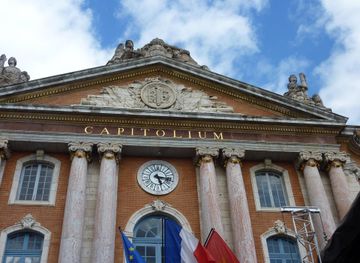
Explore more of Capitole
Discover Capitole in Toulouse: A blend of history, culture, and vibrant city life in the heart of the Pink City.
Explore Capitole
Explore more of Toulouse
Discover Toulouse, the enchanting Pink City of Southern France, where historic charm meets modern innovation and culinary delights await at every corner.
Explore Toulouse
