

Capitole (Toulouse) Travel Guide - Free
Explore Capitole in Toulouse with Evendo's free guide. Find the best shops, historic streets, restaurants, and gems on web or mobile.


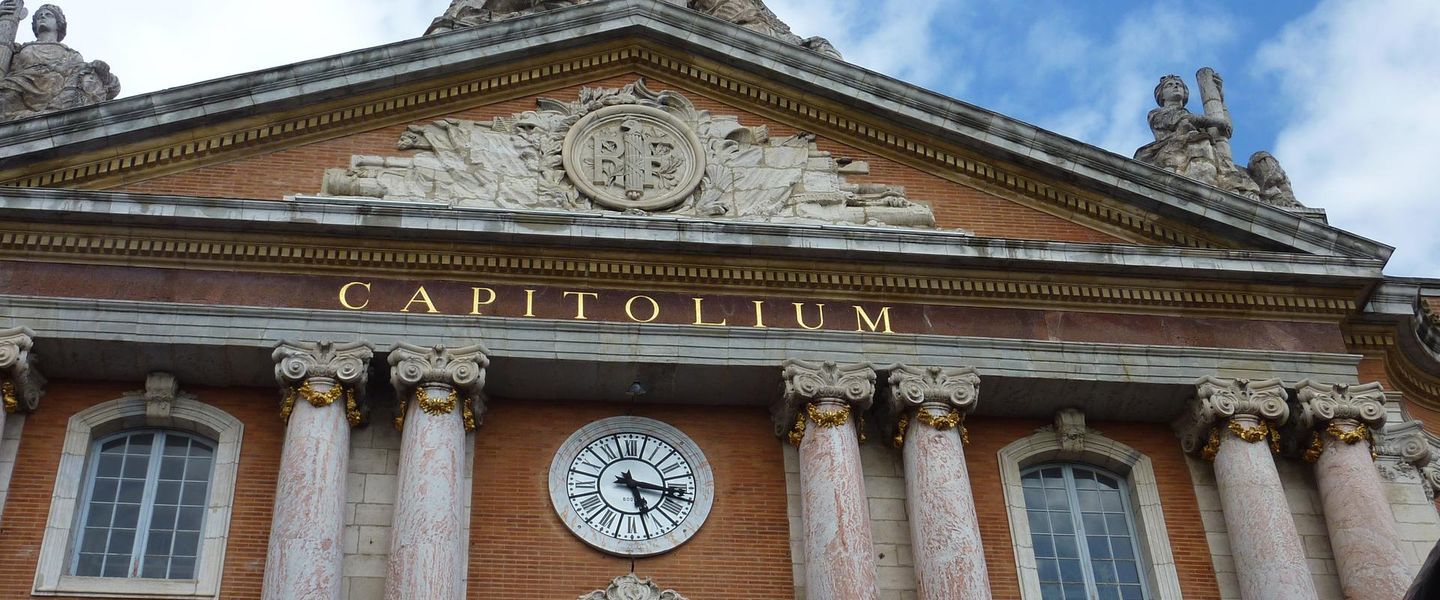


Capitole in Toulouse centres on a grand pink-brick square, historic civic rooms, arcaded cafés, shopping streets and easy access to the old city.
The City’s Grand Urban Stage
Capitole is the symbolic centre of Toulouse, organised around the immense Place du Capitole and the civic buildings that give the neighbourhood its name. The square’s red-brick façades, arcades and pale stone details provide an immediate introduction to the architectural language of the so-called Ville rose, or Pink City. Beneath the arcades, cafés and restaurants face one of Toulouse’s most recognisable public spaces, while the streets leading away from it form a dense pedestrian-friendly core of shops, historic buildings and everyday city life.Read more about Capitole
History in Brick and Stone
Streets, Culture and Daily Life
Best attractions in Capitole
The principal attraction is Place du Capitole, whose vast open space and red-brick civic façade provide Toulouse’s defining urban view. Visitors can explore the Hôtel de Ville and, when access permits, its richly decorated ceremonial rooms, while the adjoining Théâtre du Capitole remains central to the city’s opera and ballet life. The Donjon du Capitole, a compact sixteenth-century tower beside the square, contains the tourist office and recalls the practical architecture of the former municipal complex. From here, pedestrian streets lead towards the Couvent des Jacobins, just beyond the immediate Capitole area, with its celebrated Gothic interior and palm-like columns. The old lanes around Rue Saint-Rome offer a more intimate sense of the historic centre, while the nearby Garonne quays provide open views and a change from the dense brick streets.
-
Tourist attraction
Quai de la Daurade
Experience the charm of Toulouse at Quai de la Daurade, a scenic riverside promenade with stunning views and a vibrant atmosphere.
7 min walk · 0.6 km from neighbourhood centre
-
 Tourist attraction
canal du midi
Discover the Canal du Midi, a historic waterway in Toulouse offering scenic cruises, cycling, and walking paths along its picturesque banks.
1 min walk · 0.1 km from neighbourhood centre

Best landmarks in Capitole
The Hôtel de Ville and Théâtre du Capitole form the neighbourhood’s central landmark ensemble, their long red-brick façade giving Place du Capitole its civic scale. Inside the municipal building, the Salle des Illustres is known for its nineteenth-century decoration and paintings connected with Toulouse’s public history, although access may depend on official use. The Donjon du Capitole adds a very different note: its robust tower was built to protect municipal archives and remains a visible reminder of the city’s former governing institutions. At the centre of the square, the Occitan cross designed by Raymond Moretti marks the pavement with regional symbols and zodiac signs. The arcades around the square and the regular façades of nearby streets are also important, showing how civic representation, commerce and everyday movement were brought together in the historic centre.
-
Historical landmark
Place du Capitole
Experience the vibrant heart of Toulouse at Place du Capitole, a stunning historical landmark filled with culture, cuisine, and captivating architecture.
1 min walk · 0.1 km from neighbourhood centre
-
Bridge
Pont Neuf
Explore the beauty and history of Pont Neuf, Toulouse's oldest bridge, offering stunning views and a vibrant atmosphere.
9 min walk · 0.7 km from neighbourhood centre
-
Plaza
Place Saint-Pierre
Discover the charm of Place Saint-Pierre in Toulouse, a vibrant plaza perfect for dining, entertainment, and immersing yourself in local culture.
9 min walk · 0.7 km from neighbourhood centre
-
City park
Square Charles de Gaulle
Discover the serene beauty and cultural essence of Square Charles de Gaulle, a city park in Toulouse perfect for relaxation and exploration.
1 min walk · 0.1 km from neighbourhood centre


Explore Capitole on the map
A handpicked selection of must-see spots in Capitole, mapped for you.
Best hotels in Capitole
Best restaurants in Capitole
Dining around Capitole ranges from arcaded cafés and brasseries facing the square to restaurants and wine bars tucked into the surrounding pedestrian streets. The central location brings together traditional dishes associated with Toulouse and southwest France, including cassoulet, duck and regional charcuterie, alongside contemporary French cooking and international options. Rue Pargaminières and the lanes towards the Garonne have a particularly social restaurant atmosphere, while Rue Saint-Rome and the streets east of the square offer cafés, bakeries and casual places to eat among the shops. Food shopping and dining overlap in the wider historic centre, where market-style produce, cheese, pastries and prepared specialities can be found without the area functioning as one single food hall. Tables on Place du Capitole are well suited to observing the square, whereas smaller side streets provide a quieter setting away from its busiest pedestrian flows.
-
French
Le MAY
Discover the essence of French cuisine at Le MAY in Toulouse—where every meal is a celebration of taste and tradition.
4 min walk · 0.3 km from neighbourhood centre
-
Restaurant
Le Bibent
Experience exquisite French cuisine at Le Bibent in Toulouse - where elegance meets local flavors in a stunning Belle Époque setting.
1 min walk · 0.1 km from neighbourhood centre
-
Restaurant
Restaurant Les Caves de la Maréchale
Experience authentic French cuisine at Les Caves de la Maréchale, where every dish tells a story of tradition and flavor in the heart of Toulouse.
3 min walk · 0.2 km from neighbourhood centre
-
Restaurant
Les Illustres
Experience the essence of French cuisine at Les Illustres in Toulouse's historic heart - where tradition meets taste.
2 min walk · 0.1 km from neighbourhood centre


Best bars in Capitole
Evenings in Capitole revolve more around cafés, wine bars, restaurants and cultural performances than around a concentrated nightclub strip. The arcades and adjoining streets remain active after work, with many people meeting for an aperitif before moving towards the bars around Rue Pargaminières, the university quarter and the wider historic centre. The Théâtre du Capitole provides a formal night out when performances are scheduled, while nearby venues elsewhere in central Toulouse add live music and later entertainment. The immediate square can feel ceremonial and open at night, whereas the narrow streets towards the Garonne have a more intimate bar atmosphere. Because residences, hospitality businesses and late venues share the same historic fabric, visitors should keep noise down when leaving and avoid assuming that every central street has the same closing pattern.
-
Bar
Le Bar Basque Toulouse
Discover the lively spirit of Basque culture at Le Bar Basque Toulouse with authentic tapas and a vibrant atmosphere.
8 min walk · 0.7 km from neighbourhood centre
-
Bar
The Dry Dock
Discover the charm of The Dry Dock in Toulouse, a cozy bar offering an extensive drink menu and a lively atmosphere perfect for evening relaxation.
2 min walk · 0.1 km from neighbourhood centre
-
Pub
The Four Monkeys
Experience the vibrant flavors of tapas and drinks at The Four Monkeys, a lively pub in Toulouse perfect for socializing.
7 min walk · 0.5 km from neighbourhood centre
-
Cocktail bar
Fat Cat
Discover the essence of Toulouse nightlife at Fat Cat Cocktail Bar, where unique cocktails and vibrant ambiance create unforgettable experiences.
1 min walk · 0.1 km from neighbourhood centre


Best nightclubs in Capitole
Evenings in Capitole revolve more around cafés, wine bars, restaurants and cultural performances than around a concentrated nightclub strip. The arcades and adjoining streets remain active after work, with many people meeting for an aperitif before moving towards the bars around Rue Pargaminières, the university quarter and the wider historic centre. The Théâtre du Capitole provides a formal night out when performances are scheduled, while nearby venues elsewhere in central Toulouse add live music and later entertainment. The immediate square can feel ceremonial and open at night, whereas the narrow streets towards the Garonne have a more intimate bar atmosphere. Because residences, hospitality businesses and late venues share the same historic fabric, visitors should keep noise down when leaving and avoid assuming that every central street has the same closing pattern.
-
Disco club
DOWNTOWN FACTORY
Dive into the electrifying nightlife of Toulouse at Downtown Factory, where music and dance come alive in a vibrant disco atmosphere.
12 min walk · 1.0 km from neighbourhood centre
-
Disco club
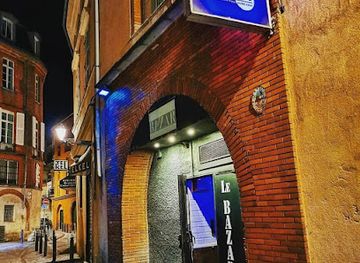
Le Bazar
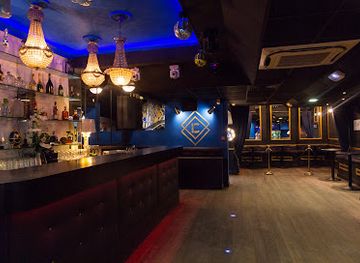
Discover the vibrant nightlife of Toulouse at Le Bazar, a dynamic disco club offering electrifying music and an unforgettable dance experience.
3 min walk · 0.3 km from neighbourhood centre
-
Disco club
ICE CLUB
Discover the vibrant nightlife at ICE CLUB, Toulouse's premier disco club, featuring top DJs and an electrifying atmosphere for unforgettable nights.
2 min walk · 0.2 km from neighbourhood centre
-
Night club
Le Purple
Experience the vibrant nightlife of Toulouse at Le Purple, where electrifying music and a chic atmosphere await every night.
6 min walk · 0.5 km from neighbourhood centre


Best shops in Capitole
Shopping in Capitole is concentrated along Rue Saint-Rome, Rue d’Alsace-Lorraine and the adjoining pedestrian lanes, where national fashion retailers share the centre with independent clothing shops, specialist businesses, bookshops, cafés and everyday services. Rue Saint-Rome is one of the area’s principal retail routes, while the streets nearer the river and the old university quarter tend to offer more small-scale and mixed commercial premises. Visitors looking for regional food products can browse Toulouse specialities in delicatessens and food shops around the historic centre, including confectionery and southwest French produce. The neighbourhood is not defined by a single traditional market; its retail character comes from the contrast between grand nineteenth-century commercial streets, medieval lanes and arcaded businesses around the square. Opening patterns vary, particularly on Sundays and public holidays, so independent shops should be approached with flexible expectations.
-
Department store
Galeries Lafayette Toulouse
Discover the charm of French fashion and gourmet dining at Galeries Lafayette Toulouse, a must-visit department store in the heart of Toulouse.
2 min walk · 0.2 km from neighbourhood centre
-
Gift shop
L'idée Cadeaux ️
Explore L'idée Cadeaux in Toulouse for unique gifts, collectibles, and home goods that encapsulate the essence of your travels.
3 min walk · 0.2 km from neighbourhood centre
-
Clothing store
Ness' boutique
Discover the chic elegance of Ness' Boutique in Toulouse, where contemporary fashion meets timeless style for the discerning shopper.
3 min walk · 0.2 km from neighbourhood centre
-
Gift shop
Flying Tiger Copenhagen Toulouse
Explore the vibrant Flying Tiger Copenhagen in Toulouse, where fun meets affordability in a delightful shopping experience filled with unique gifts and souvenirs.
3 min walk · 0.2 km from neighbourhood centre


Capitole essentials
Getting There
Getting Around
Safety
Emergency Situations
Do's and Don'ts
Local Tips

From Eve
Local phrases worth knowing
You don't need to get them perfect. A few words go a long way, and locals appreciate the effort.
Basics
| English | Local | Say it |
|---|---|---|
| Hello | Bonjour | [bohn-zhoor] |
| Goodbye | Au revoir | [oh ruh-vwahr] |
| Yes | Oui | [wee] |
| No | Non | [nohn] |
| Please/You're welcome | S'il vous plaît/De rien | [seel voo pleh/day ree-ehn] |
| Thank you | Merci | [mehr-see] |
| Excuse me/Sorry | Excusez-moi/Désolé | [ex-kew-zay mwah/day-zoh-lay] |
| How are you? | Comment ça va? | [koh-mohn sah vah] |
| Fine. And you? | Bien. Et vous? | [byahn. ay voo] |
| Do you speak English? | Parlez-vous anglais? | [par-lay voo ahn-glay] |
| I don't understand | Je ne comprends pas | [zhuh nuh kohm-prahnd pah] |
Eating & Drinking
| English | Local | Say it |
|---|---|---|
| I'd like to see the menu, please | Je voudrais voir le menu, s'il vous plaît | [zhuh voo-dray vwahr luh meh-noo, seel voo pleh] |
| I don't eat meat | Je ne mange pas de viande | [zhuh nuh mahnj pah duh vyand] |
| Cheers! | Santé! | [sahn-tay] |
| I would like to pay, please | Je voudrais payer, s'il vous plaît | [zhuh voo-dray pay-yay, seel voo pleh] |
Emergencies
| English | Local | Say it |
|---|---|---|
| Help! | Au secours! | [oh suh-koor] |
| Go away! | Allez-vous en! | [ah-lay vooz ahn] |
| Call the Police! | Appelez la Police! | [ah-play lah poh-lees] |
| Call a doctor! | Appelez un médecin! | [ah-play uh meh-duh-sahn] |
| I'm lost | Je suis perdu | [zhuh swee pair-doo] |
| I'm ill | Je suis malade | [zhuh swee mah-lahd] |
Shopping
| English | Local | Say it |
|---|---|---|
| I'd like to buy... | Je voudrais acheter... | [zhuh voo-dray ah-shuh-tay] |
| I'm just looking | Je regarde juste | [zhuh ruh-gahrd zhust] |
| How much is it? | Combien ça coûte? | [kohm-byen sah koot] |
| That's too expensive | C'est trop cher | [say troh share] |
| Can you lower the price? | Pouvez-vous baisser le prix? | [poo-vay voo bay-say luh pree] |
Time & Numbers
| English | Local | Say it |
|---|---|---|
| What time is it? | Quelle heure est-il? | [kell uhr ay-teel] |
| It's one o'clock | Il est une heure | [eel ay oon uhr] |
| Half past (10) | Dix heures et demie | [dees uhr ay duh-mee] |
| Morning | Matin | [mah-tahn] |
| Afternoon | Après-midi | [ah-pray mee-dee] |
| Evening | Soir | [swahr] |
| Yesterday | Hier | [ee-air] |
| Today | Aujourd'hui | [oh-zhoor-dwee] |
| Tomorrow | Demain | [duh-mahn] |
| 1 | Un | [uhn] |
| 2 | Deux | [duh] |
| 3 | Trois | [twah] |
| 4 | Quatre | [kah-truh] |
| 5 | Cinq | [sank] |
| 6 | Six | [sees] |
| 7 | Sept | [sept] |
| 8 | Huit | [wheat] |
| 9 | Neuf | [nuff] |
| 10 | Dix | [dees] |
Transport & Directions
| English | Local | Say it |
|---|---|---|
| Where's a/the...? | Où se trouve...? | [oo suh truv] |
| What's the address? | Quelle est l'adresse? | [kell ay la-dress] |
| Can you show me (on the map)? | Pouvez-vous me montrer (sur la carte)? | [poo-vay voo muh mohn-tray (soor lah kart)] |
| When's the next (bus)? | Quand est le prochain (bus)? | [kohnd ay luh proh-shahn (boos)] |
| A ticket (to ....) | Un billet (pour ....) | [uhn bee-yay (poor)] |
History of Capitole
Medieval Civic Origins
The area takes its identity from the capitouls, the magistrates who governed Toulouse during the medieval and early modern periods. Their municipal headquarters developed on the site of the present Capitole, beside the commercial streets of the old city. The surrounding quarter was shaped by trade, workshops, religious foundations and dense housing rather than by a single monumental square. The surviving medieval street pattern around Rue Saint-Rome and the lanes leading towards the basilica area still hints at this earlier urban structure, although later interventions substantially altered the civic centre.
The Capitole Takes Shape
The Capitole building evolved over several centuries as Toulouse expanded and its municipal institutions required more imposing accommodation. The present façade facing Place du Capitole dates largely from the eighteenth century and combines red brick with pale stone in a restrained classical composition. Its name preserves the memory of the capitouls, even after municipal government changed under the French Revolution. The adjoining theatre became an important cultural institution, making the complex both a seat of civic authority and a prominent setting for public ceremony and performance.
A Square for Public Life
Place du Capitole acquired its broad, formal character through successive clearances and improvements that opened space in the dense historic centre. The square became a setting for markets, ceremonies, political gatherings and ordinary meetings, while the arcades and surrounding façades gave it a more coherent architectural frame. The nineteenth century also brought new streets and commercial routes through central Toulouse, linking the Capitole more directly with the railway station, the major boulevards and the river. These changes made the area both a civic centre and a retail focus.
The Contemporary Central Quarter
During the twentieth century, the Capitole area remained Toulouse’s principal civic and cultural address while traffic management and pedestrianisation gradually changed how the centre was used. Cars were reduced on important central streets, allowing the square and adjoining lanes to function more as public spaces and shopping routes. Today the neighbourhood combines municipal ceremony, theatre, tourism, retail and nightlife with the routine movement of residents and workers. Its current identity therefore rests on the continued use of historic buildings, not simply on their preservation as monuments.
Capitole in Photos
Browse through our photo collection highlighting the charm and character of the destination.
Neighbourhoods near Capitole
The closest neighbourhoods to Capitole, if you have time for more than one stop.
-

-

-

-


Swipe for more neighbourhoods
Explore more

Explore more of Toulouse
Toulouse, France’s Pink City, combines Roman and medieval heritage with aerospace museums, riverside walks, lively markets, southern cuisine and culture.
Explore Toulouse