

Free Austral Islands Travel Guide & Mobile App
Explore Austral Islands with free travel guides. Discover regional history, expert tips, proposed trips, and audio guides on web or mobile app.


Explore the Austral Islands of French Polynesia for whale watching, Polynesian heritage, remote lagoons, birdlife and rugged southern landscapes.
Read more about Austral Islands
When is the best time to visit Austral Islands?
Best: July–September · 24–25°C| Month | High (°C) | Rainfall (mm) |
|---|---|---|
| January | 28 | 200 |
| February | 29 | 190 |
| March | 28 | 180 |
| April | 27 | 170 |
| May | 26 | 160 |
| June | 25 | 150 |
| July (best) | 24 | 140 |
| August (best) | 25 | 130 |
| September (best) | 25 | 140 |
| October | 27 | 150 |
| November | 28 | 170 |
| December | 28 | 190 |
Getting to and around Austral Islands
How to get there
Transportation
Best attractions in Austral Islands
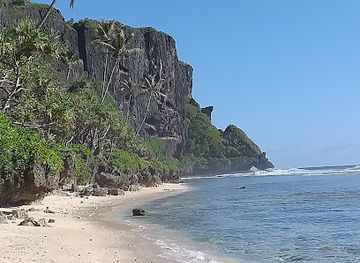
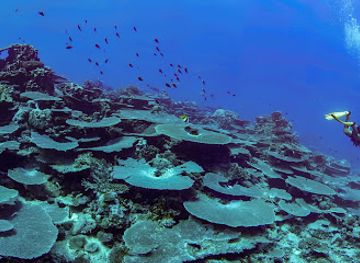
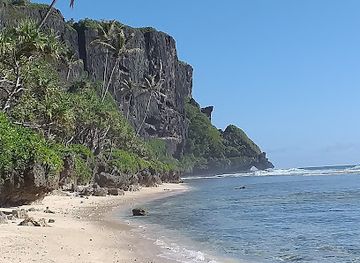
The Austral Islands offer low-key, nature-based attractions shaped by isolation and local stewardship. Rurutu is known for its raised limestone topography, sea caves, coastal cliffs and seasonal humpback-whale encounters, while Tubuai combines a fertile interior, lagoon excursions and the historical remains associated with the Bounty mutineers. Raivavae appeals to visitors interested in reef scenery, small offshore islets, mountain walks and pre-European archaeological sites, including marae and other stone remains. Rimatara's principal attraction is its living environment and the chance to learn about the conservation of the endemic Rimatara lorikeet, rather than a large collection of built visitor facilities. Rapa is reserved for well-prepared travellers who can manage difficult logistics and rugged terrain. Across the archipelago, activities include village walks, locally guided cultural visits, fishing, snorkelling where conditions permit, birdwatching and short hikes. Excursions are strongly weather-dependent, and the quality of an experience often lies in local knowledge rather than formal infrastructure. There are no large resort complexes or dense attraction circuits; the islands reward patience, preparation and respectful engagement with their landscapes and communities.
-
Island
Rurutu
Explore Rurutu, a breathtaking island in French Polynesia, where stunning landscapes meet rich Polynesian culture and unforgettable adventures await.
-
Diving center
Tubuai Plongée
Discover Tubuai's pristine underwater world with Tubuai Plongée: diving, snorkeling, and whale watching in French Polynesia's best kept secret.
Best landmarks in Austral Islands
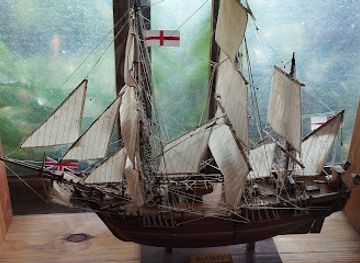
The Austral Islands' most significant landmarks are closely tied to landscape, archaeology and community history. Tubuai's Fort George site recalls the brief settlement established by HMS Bounty mutineers in 1789 and provides a tangible link to a famous episode of Pacific maritime history, even though little survives as a monumental structure. On Raivavae, marae and other stone archaeological remains reflect the island's pre-Christian political and ceremonial systems; their importance lies in their cultural context as much as in their appearance. Rurutu's limestone caves and elevated coastal formations are natural landmarks created by the island's unusual geological history, while its steep shoreline gives villages a distinctive setting above the sea. Rimatara's identity is symbolised by the habitat of the endemic 'ura, a small but important landmark of conservation rather than architecture. Rapa's dramatic mountains, deeply cut valleys and offshore Marotiri islets form one of the archipelago's most remote geographic scenes. Churches and village meeting places across the islands also mark the nineteenth-century transition to Christian community life.
-
Island
Rurutu
Explore Rurutu, an untouched paradise in French Polynesia with stunning landscapes, rich culture, and endless adventure opportunities.
-
Historical landmark
Fort George
Discover Fort George, a historic landmark in Tubuai, where the beauty of nature meets a rich maritime history, perfect for your Polynesian adventure.
-
Boat tour agency
Malcom Tours
Discover the beauty of the region's waters with Malcom Tours, a premier boat tour agency offering unforgettable aquatic adventures.
-
 Island
Tubuai
Experience the untouched beauty and rich culture of Tubuai, a serene island in French Polynesia perfect for relaxation and adventure.
Explore Austral Islands on the map
Plan your trip on one map. See where the top cities, national parks and sights are, and book hotels and experiences in a few clicks.
Best hotels in Austral Islands
Best restaurants in Austral Islands
Dining in the Austral Islands is generally intimate and locally organised, with meals provided by guesthouses, small family establishments and occasional village food sellers rather than a large restaurant industry. Fish, tuna and other seafood feature prominently, alongside taro, sweet potato, breadfruit, coconut, bananas and seasonal fruit. On Tubuai, local agriculture and livestock contribute to a wider range of provisions, while on smaller islands menus depend more visibly on recent supplies and household gardens. Traditional Polynesian preparations may include raw or marinated fish, grilled seafood and dishes cooked in an earth oven, though recipes and availability vary between families and islands. French influence appears in bread, preserves and everyday café-style food, but visitors should not expect metropolitan dining. Advance arrangements are sensible if meals are included with accommodation, especially outside Tubuai. Carrying snacks is practical for excursions, and guests should avoid wasting food or demanding ingredients that are difficult to obtain in a remote supply chain.
-
Pizza
La Marina
Experience authentic pizza flavors in Tubuai's La Marina – where local ingredients meet island hospitality.
Best bars in Austral Islands
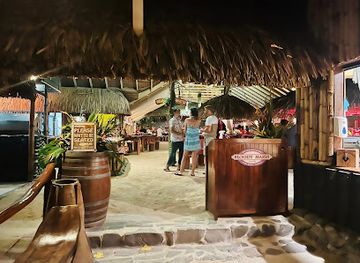
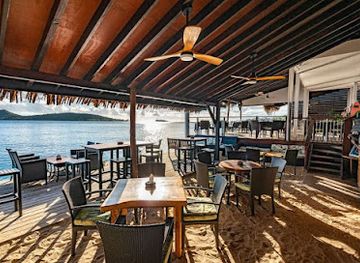
The Austral Islands do not have a major nightclub scene. Evening life usually centres on guesthouse meals, family gatherings, village celebrations, church-related music and occasional community dance or cultural performances. Tubuai has the broadest selection of informal places to eat or have a drink, while Rurutu, Rimatara and Raivavae are quieter and more dependent on accommodation hosts and local arrangements. Traditional Polynesian hospitality is more relevant than a formal bar circuit, and entertainment may be arranged around a particular event rather than offered nightly. Visitors should not assume late opening hours, extensive alcohol choices or reliable transport after dark. Ask permission before attending community occasions and follow local expectations about dress, noise and photography. On Rapa, the limited population and difficult access mean that evening activity is primarily community-based rather than visitor-oriented.
-
Bar
Bloody Mary's Bora Bora
Experience the vibrant atmosphere of Bloody Mary's in Bora Bora, where exceptional dining meets stunning ocean views in a tropical paradise.
-
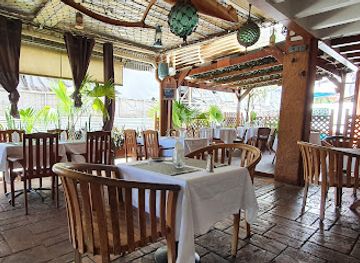
Restaurant
Restaurant Saint James
Experience exquisite modern French dining with a tropical twist at Restaurant Saint James in Bora Bora, where flavors meet stunning views.
-
French
O Belvédère
Discover the exquisite flavors of French cuisine at O Belvédère, where culinary artistry meets the stunning beauty of Pīra'e, French Polynesia.
-
Lounge
Bora Bora lounge
Discover the vibrant atmosphere of Bora Bora Lounge, where tropical vibes and delicious cocktails meet in the heart of Papeete.

Best shops in Austral Islands
Shopping in the Austral Islands is modest and practical, with small local shops supplying everyday necessities rather than extensive retail streets. Tubuai offers the widest choice of provisions, while Rurutu, Rimatara and Raivavae have fewer outlets and more limited opening arrangements. Visitors may find locally made hats, woven goods, shell ornaments, carvings, pareu cloth and other handicrafts through guesthouses, community groups or occasional cultural markets, although the selection varies and should not be treated as a permanent retail inventory. Regional food products such as coconut preparations, preserves, fruit and locally grown produce may be available when supplies and harvests allow. Purchases directly from makers provide a more meaningful connection to island craft traditions than mass-produced souvenirs. Ask whether materials are legal to export, avoid coral, shells and protected wildlife products, and remember that transport limitations can affect what is available. On remote Rapa, shopping opportunities are extremely limited, so visitors should arrive with essential personal supplies already arranged.
-
Market
Papeete Market
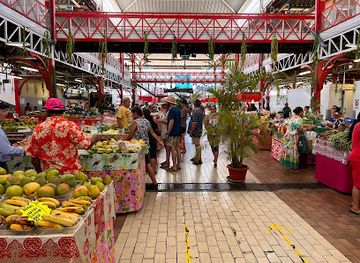
Explore the vibrant Papeete Market in Tahiti, where fresh produce and local crafts come together in a lively Polynesian atmosphere.
-
Jewelry store
P.Originals Pearls Moorea
Explore exquisite pearl jewelry at P.Originals Pearls in Moorea, showcasing the beauty and craftsmanship of French Polynesia's finest artisans.
-
Jewelry store
Tahiti Pearl Market
Explore the vibrant Tahiti Pearl Market in Papeete for exquisite pearls and unique jewelry that reflect the beauty of French Polynesia.
-
Clothing store
Fantasy
Explore Fantasy in Bora-Bora for unique clothing, exquisite jewelry, and unforgettable souvenirs that capture the essence of paradise.

Get your free copy of our complete guide to Austral Islands, delivered straight to you.
Everything on this page, from attractions and restaurants to essentials and local phrases, in one PDF you can read offline, print or share.
Already have an account? Sign in
Your Austral Islands guide is ready.
We'll send it to · Not you? Sign out

Getting your guide ready…
We are putting together a fresh copy of the Austral Islands guide. This can take up to a minute.
This can take a few moments. If your browser asks, choose Allow so the download can start. You'll find the guide in your Downloads folder.
Nothing happened? Download it again
Sorry, the guide is taking longer than usual. Please try again in a minute, or get it by email instead.
Austral Islands essentials
Currency and Payment
Safety
Emergency Situations
Do's and Don'ts
Local Tips
From Eve
Local phrases worth knowing
You don't need to get them perfect. A few words go a long way, and locals appreciate the effort.
Basics
| English | Local | Say it |
|---|---|---|
| Hello | Ia ora na | [ee-ah oh-rah nah] |
| Goodbye | Nana | [nah-nah] |
| Yes | E | [eh] |
| No | Aita | [ah-ee-tah] |
| Please/You're welcome | Tēnā | [teh-nah] |
| Thank you | Mauruuru | [mah-oo-roo-roo] |
| Excuse me/Sorry | E mea tika | [eh meh-ah tee-kah] |
| How are you? | E pehea oe? | [eh peh-heh-ah oh-eh] |
| Fine. And you? | Maikaʻi. E oe? | [mah-ee-kah-ee. eh oh-eh] |
| Do you speak English? | E parau ana oe i te reo Pāleo? | [eh pah-rau ah-nah oh-eh ee teh reh-oh pah-leh-oh] |
| I don't understand | Aita au e maori | [ah-ee-tah ow eh mah-oh-ree] |
Eating & Drinking
| English | Local | Say it |
|---|---|---|
| I'd like to see the menu, please | E hiahia ana au e kite i te menu, tēnā | [eh hee-hah-ee ah-nah ow eh kee-teh ee teh meh-noo, teh-nah] |
| I don't eat meat | Aita au e kai i te maa | [ah-ee-tah ow eh kah-ee ee teh mah-ah] |
| Cheers! | Aroha mai! | [ah-roh-hah my] |
| I would like to pay, please | E hiahia ana au e utu, tēnā | [eh hee-hah-ee ah-nah ow eh oo-too, teh-nah] |
Emergencies
| English | Local | Say it |
|---|---|---|
| Help! | Auru! | [ah-oo-roo] |
| Go away! | E haere atu! | [eh hah-reh ah-too] |
| Call the Police! | Tēnā karanga i te pūerto! | [teh-nah kah-rah-ngah ee teh poo-er-toh] |
| Call a doctor! | Tēnā karanga i te tāgata! | [teh-nah kah-rah-ngah ee teh tah-gah-tah] |
| I'm lost | Ua ngaro au | [oo-ah nah-roh ow] |
| I'm ill | E ma'i ana au | [eh mah-ee ah-nah ow] |
Shopping
| English | Local | Say it |
|---|---|---|
| I'd like to buy... | E hiahia ana au e hoko... | [eh hee-hah-ee ah-nah ow eh hoh-koh] |
| I'm just looking | E na reira au | [eh nah ray-rah ow] |
| How much is it? | Ehia te utu? | [eh-hee-ah teh oo-too] |
| That's too expensive | O te utu rahi | [oh teh oo-too rah-hee] |
| Can you lower the price? | E na reira e taea e koe te tapahi i te utu? | [eh nah ray-rah eh tah-eh eh koh-eh teh tah-pah-hee ee teh oo-too] |
Time & Numbers
| English | Local | Say it |
|---|---|---|
| What time is it? | Ehia te hora? | [eh-hee-ah teh ho-rah] |
| It's one o'clock | E te tahi o te hora | [eh teh tah-hee oh teh ho-rah] |
| Half past (10) | I te haurua o te 10 | [ee teh how-roo-ah oh teh ten] |
| Morning | Ahi ahi | [ah-hee ah-hee] |
| Afternoon | Pō | [poh] |
| Evening | Māramarama | [mah-rah-mah-rah-mah] |
| Yesterday | I nānā | [ee nah-nah] |
| Today | I teie nei | [ee tay-eh nay] |
| Tomorrow | I nā | [ee nah] |
| 1 | Tahi | [tah-hee] |
| 2 | Rua | [roo-ah] |
| 3 | Torutoru | [toh-roo-toh-roo] |
| 4 | Fa | [fah] |
| 5 | Rima | [ree-mah] |
| 6 | Ono | [oh-noh] |
| 7 | Hitu | [hee-too] |
| 8 | Valu | [vah-loo] |
| 9 | Iva | [ee-vah] |
| 10 | Tahi | [tah-hee] |
Transport & Directions
| English | Local | Say it |
|---|---|---|
| Where's a/the...? | E hea te...? | [eh heh-ah teh...?] |
| What's the address? | Eaha te adrese? | [eh-ah-hah teh ah-dreh-seh] |
| Can you show me (on the map)? | E na reira e taea e koe e whakaatu mai (i te mappa)? | [eh nah ray-rah eh tah-eh eh koh-eh eh whah-kah-ah-too my (ee teh mah-pah)?] |
| When's the next (bus)? | E te aha te pahi e haere mai? | [eh teh ah-hah teh pah-hee eh hah-reh my?] |
| A ticket (to ....) | He tiikiti (ki ....) | [he tee-kee-tee (kee ....)] |
History of Austral Islands
Early Polynesian Settlement
The Austral Islands were settled by Polynesian voyagers who developed societies adapted to small, isolated volcanic islands. Communities cultivated taro and other crops, fished the surrounding waters and organised life through extended kinship networks and chiefly authority. Archaeological remains, including marae and fortified or defended highland sites, show that the islands supported complex ceremonial and political traditions before European contact. The distance from the central Society Islands encouraged distinctive local customs, languages and artistic practices, several of which remain important to contemporary cultural identity.
European Contact and the Bounty at Tubuai
European navigators reached the Austral Islands during the period of Pacific exploration, bringing new trading relationships, diseases and religious influences. Tubuai entered wider historical awareness in 1789 when the mutineers of HMS Bounty attempted to establish a settlement there. They built Fort George on the island but conflict with local communities and internal disagreements led them to abandon the settlement after several months. The episode became part of the island's historical memory and linked Tubuai to one of the most widely discussed maritime stories of the Pacific.
Missionary Change in the Nineteenth Century
Christian missionaries arrived during the nineteenth century, first through Protestant networks and later through Catholic missions in some parts of the archipelago. Conversion altered political authority, ritual life, education and patterns of settlement, while churches became prominent village buildings. The process was not simply cultural replacement: local communities adapted Christian institutions to existing social structures and preserved Polynesian knowledge, language and customary practices. The churches and village layouts visible today often reflect this period of major social transformation.
Chiefdoms, Rivalries and French Annexation
Before incorporation into the French colonial system, the islands were governed by local chiefs and, in some cases, competing island or district authorities. Political change unfolded at different times across the archipelago rather than through one single event. French control was established during the nineteenth century and formalised across the Austral Islands by the turn of the twentieth century, including the annexation of Rimatara in 1900. The islands subsequently became part of the French establishments in Oceania and, today, French Polynesia.
Agriculture, Copra and Island Trade
For much of the colonial and post-colonial period, economic life depended on agriculture, coastal shipping and the export of copra, the dried flesh of the coconut. Taro, fruit, coffee in suitable areas and other garden crops supported household economies, while livestock farming became particularly important on islands such as Tubuai. Regular supply vessels and later air services connected the Austral Islands with Tahiti, but their distance and seasonal weather continued to shape prices, availability and employment.
Contemporary Cultural and Environmental Stewardship
Modern Austral Island communities balance public services, farming, fishing and tourism with the pressures of geographic isolation. Cultural associations maintain dance, music, craft and language traditions, while conservation programmes protect endemic species such as Rimatara's lorikeet and support responsible encounters with migrating humpback whales around Rurutu. Tourism remains comparatively small-scale, with locally run accommodation and guiding more characteristic than large resorts. This gives visitors access to living communities, but also makes respectful behaviour and sensitivity to limited resources especially important.
Austral Islands in Photos
Browse through our photo collection highlighting the charm and character of the destination.
Neighbouring regions of Austral Islands
The closest regions to Austral Islands, if you have time for more than one.
-

-

-

-

-


Swipe for more regions
Explore more

Explore more of French Polynesia
Discover French Polynesia, where turquoise waters, lush landscapes, and vibrant culture await. Dive into a paradise of adventure and relaxation in the heart of the South Pacific.
Explore French Polynesia