

Free Gambier Islands Travel Guide & Mobile App
Explore Gambier Islands with free travel guides. Discover regional history, expert tips, proposed trips, and audio guides on web or mobile app.


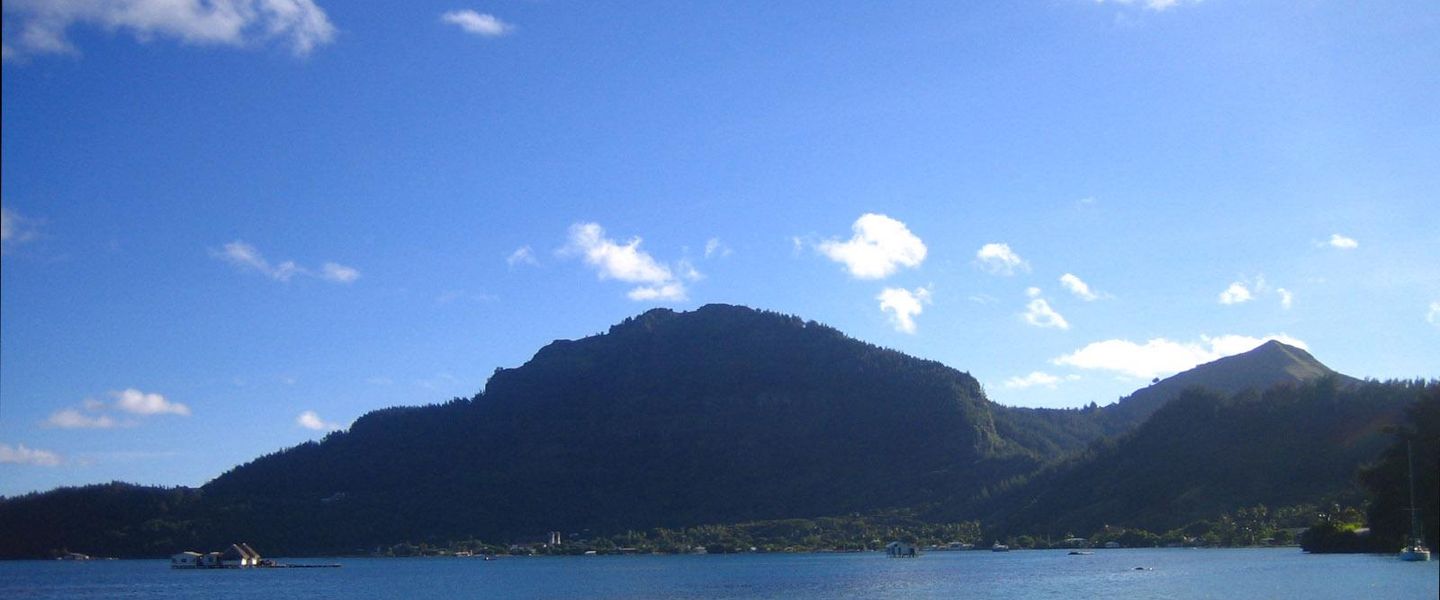


Explore the remote Gambier Islands for volcanic peaks, pearl lagoons, historic churches, island trails and quiet Polynesian life.
Read more about Gambier Islands
When is the best time to visit Gambier Islands?
Best: June–August · 23–24°C| Month | High (°C) | Rainfall (mm) |
|---|---|---|
| January | 27 | 250 |
| February | 27 | 230 |
| March | 27 | 210 |
| April | 26 | 190 |
| May | 25 | 170 |
| June (best) | 24 | 150 |
| July (best) | 23 | 130 |
| August (best) | 23 | 140 |
| September | 24 | 160 |
| October | 25 | 180 |
| November | 26 | 200 |
| December | 27 | 220 |
Getting to and around Gambier Islands
How to get there
Transportation
Best attractions in Gambier Islands
The Gambier Islands’ attractions are shaped by the lagoon, the volcanic mountains and the archipelago’s concentrated religious history. On Mangareva, visitors can explore Rikitea’s churches, convent remains and historic buildings before walking or arranging a guided ascent of Mount Duff for views across the island and lagoon. Mount Mokoto offers another demanding perspective over the surrounding reef-fringed waters. Boat trips are central to the experience, linking Mangareva with Aukena, Akamaru and Taravai, where smaller churches, beaches, vegetation and historic traces provide a quieter contrast to Rikitea. Snorkelling and lagoon excursions reveal coral gardens, reef fish and the clear waters that support pearl cultivation, although conditions vary and local guidance is important. The islands are not built around large museums, theme parks or a dense programme of organised entertainment; their appeal lies in visiting working communities, learning about black-pearl farming, observing traditional and colonial architecture, and seeing how homes, churches and gardens occupy narrow strips between steep slopes and water. Walks, boat journeys, swimming in suitable sheltered areas and conversations arranged through local accommodation form the principal visitor activities.
-
Tourist attraction
Matira Beach
Bora Bora's only public beach offers a mile of exquisite white sand, shallow turquoise waters, and unforgettable sunset views.
-
Atoll
Tematangi
Discover Tematangi Atoll: A secluded paradise in French Polynesia with vibrant lagoons, pristine beaches, and rich Polynesian culture.
-
Scenic spot
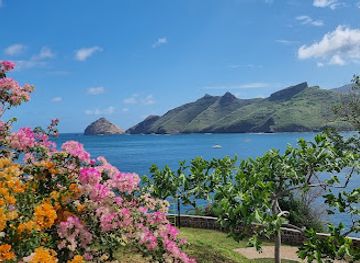
HANATEKUUA BEACH
Discover the unspoiled beauty of Hanatekuua Beach in Hiva Oa, a serene escape offering tranquility and a taste of authentic Polynesian culture.
-
Cultural center
TIKI TUHIVA
Explore the vibrant cultural heritage of Nuku Hiva at Tiki Tuhiva, where tradition meets creativity and the spirit of Polynesia comes alive.
Best landmarks in Gambier Islands
St Michael’s Cathedral at Rikitea is the Gambier Islands’ defining architectural landmark. Built during the nineteenth-century Catholic mission period, its substantial stone and coral construction reflects the scale of the transformation imposed on Mangareva and the skilled labour used to create monumental buildings in a remote island setting. Other historic churches on Mangareva and neighbouring islands form a wider network of religious landmarks, including the church at Aukena and surviving structures associated with former convent and mission settlements. Mount Duff is the archipelago’s most recognisable natural landmark, rising prominently above Mangareva and offering a commanding outlook over the lagoon; nearby Mount Mokoto contributes another strong volcanic silhouette. Across the islands, older stone platforms, chiefly sites and burial monuments provide evidence of pre-Christian Mangarevan society, although many are modest, weathered or situated away from formal visitor facilities. The outer reef, lagoon islands and narrow volcanic valleys are landmarks in a geographical sense as well: together they explain why settlement, boat travel, pearl cultivation and religious architecture developed in such a concentrated coastal environment.
-
Market
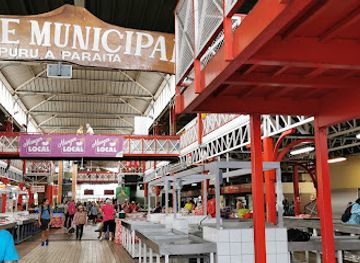
Papeete Market
Experience the vibrant flavors and rich culture of Tahiti at Papeete Market, where local artisans and fresh produce await your discovery.
-
 Hotel
HotelBora-Bora Pearl Beach Resort & Spa
Experience luxury and tranquility at Bora-Bora Pearl Beach Resort & Spa, a stunning paradise in the heart of French Polynesia, ideal for romance and adventure.
-
Scenic spot
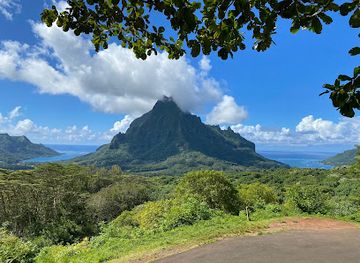
Belvedere Lookout
Discover the stunning vistas of Belvedere Lookout in Moorea, French Polynesia, where breathtaking views of lush valleys and tranquil waters await.
-
Hotel
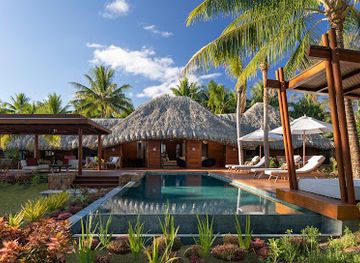
Four Seasons Resort Bora Bora
Experience luxury and natural beauty at Four Seasons Resort Bora Bora, where overwater bungalows meet pristine beaches in a tropical paradise.
Explore Gambier Islands on the map
Plan your trip on one map. See where the top cities, national parks and sights are, and book hotels and experiences in a few clicks.
Best hotels in Gambier Islands
Best restaurants in Gambier Islands
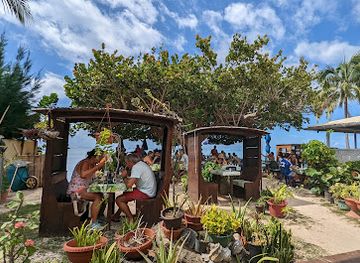
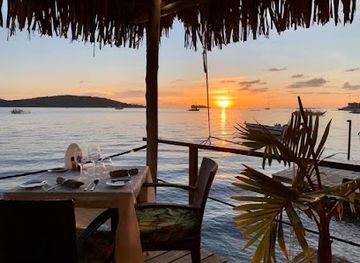
Dining in the Gambier Islands is intimate and limited in choice, with meals commonly provided by guesthouses or arranged in advance rather than selected from a large restaurant district. Fresh lagoon and ocean fish, often served with rice, vegetables or coconut-based accompaniments, are central to local meals, while breadfruit, taro, sweet potato, bananas and other tropical produce reflect household cultivation and wider Polynesian food traditions. Coconut, lime and locally available fruit add flavour, and French Polynesian influences can appear alongside simple island cooking. Rikitea has the greatest concentration of supplies and occasional informal eating options, but opening times and availability are not comparable with Tahiti. Visitors should tell their hosts about dietary requirements before arrival and confirm whether evening meals are included. Local produce, preserved foods and fish may be available through community connections, although supply depends on season, weather and transport. The most responsible approach is to treat meals as part of the island-hosted experience rather than expecting a conventional restaurant scene.
-
Family-friendly
Bora Bora Beach Club
Discover family-friendly fun at Bora Bora Beach Club - where delicious cuisine meets breathtaking views in paradise.
-
Restaurant
Snack Mahana RESA
Discover authentic Polynesian cuisine at Snack Mahana RESA in beautiful Moorea - where every bite tells a story.
-
Restaurant
The Lucky House Fare Manuia Restaurant
Experience authentic Polynesian cuisine with stunning views at The Lucky House Fare Manuia Restaurant in Bora Bora.
-
Restaurant
Restaurant Saint James
Experience exquisite modern French cuisine amidst breathtaking views at Restaurant Saint James in beautiful Bora Bora.

Best bars in Gambier Islands
The Gambier Islands do not have a significant nightclub circuit or a late-night entertainment district. Evening life centres on guesthouse dining, family gatherings, community activities and quiet conversations, with occasional social events shaped by local calendars rather than a regular tourist programme. Small shops or accommodation venues may provide drinks, but visitors should not assume a broad choice of bars, cocktail lounges or live-music venues. Rikitea is the likeliest place to find informal evening activity, while the smaller islands are markedly quieter after dark. French Polynesian and French drinking customs may be encountered, but alcohol should be consumed discreetly and never before boating, swimming or walking on difficult terrain. A torch, insect repellent and a clear arrangement for returning to accommodation are more useful at night than a search for clubbing. The archipelago’s evening character comes from darkness, lagoon sounds, stars and local hospitality rather than commercial nightlife.
-
Hotel
InterContinental Tahiti Resort & Spa
Experience luxury and tranquility at InterContinental Tahiti Resort & Spa, a tropical paradise in French Polynesia offering stunning views and exceptional service.
-
Hotel
Te Moana Tahiti Resort
Experience the tranquility and beauty of Te Moana Tahiti Resort, a luxurious escape in Puna'auia, French Polynesia, perfect for relaxation and adventure.
-
Bar
Le Tahiti by Pearl Resorts
Experience the ultimate blend of luxury and adventure at Le Tahiti by Pearl Resorts, where stunning beaches meet exceptional hospitality.
-
Family-friendly
Bora Bora Beach Club
Experience the enchanting beauty of Bora Bora Beach Club, a family-friendly destination offering stunning views, local cuisine, and unforgettable memories.

Best nightclubs in Gambier Islands
The Gambier Islands do not have a significant nightclub circuit or a late-night entertainment district. Evening life centres on guesthouse dining, family gatherings, community activities and quiet conversations, with occasional social events shaped by local calendars rather than a regular tourist programme. Small shops or accommodation venues may provide drinks, but visitors should not assume a broad choice of bars, cocktail lounges or live-music venues. Rikitea is the likeliest place to find informal evening activity, while the smaller islands are markedly quieter after dark. French Polynesian and French drinking customs may be encountered, but alcohol should be consumed discreetly and never before boating, swimming or walking on difficult terrain. A torch, insect repellent and a clear arrangement for returning to accommodation are more useful at night than a search for clubbing. The archipelago’s evening character comes from darkness, lagoon sounds, stars and local hospitality rather than commercial nightlife.
-
Restaurant
The Lucky House Fare Manuia Restaurant
Experience the rich flavors of Bora Bora at The Lucky House Fare Manuia Restaurant, where local cuisine meets stunning tropical views.
-
Restaurant
Bora Bora Yacht Club
Experience the culinary delights and breathtaking views at Bora Bora Yacht Club, where island flavors meet serene waters.
-
Lounge
Bora Bora lounge
Experience the vibrant culture and tropical flavors at Bora Bora Lounge, the ultimate relaxation spot in Papeete, French Polynesia.
-
Restaurant
La Villa Mahana
Discover the culinary paradise of La Villa Mahana in Bora Bora, where gourmet French cuisine meets stunning tropical views for an unforgettable dining experience.

Best shops in Gambier Islands
Shopping in the Gambier Islands is practical and small-scale rather than centred on malls or extensive retail streets. Rikitea offers the greatest access to everyday supplies, while visitors may find locally produced items through guesthouses, community contacts or pearl-related businesses. Black pearls and pearl jewellery are the most distinctive purchases, but buyers should ask about quality, grading, origin and documentation rather than purchasing impulsively. Small crafts, shells used lawfully, woven items and locally made food products may also appear, although selection varies and supplies cannot be guaranteed. The islands’ remote location makes prices and availability different from those in Tahiti, and product choice may change with shipping and weather. Visitors should avoid buying archaeological objects, coral, protected shells or anything whose provenance is unclear. Practical souvenirs include pearl products from reputable sources, locally made preserves and small handicrafts, while ordinary markets and high-street shopping remain limited. Carrying sufficient cash is sensible because not every seller or small accommodation provider can process cards.
-
Guest house
People ThankYou
Discover tranquility and authentic Polynesian hospitality at People ThankYou, a charming guest house in the beautiful Gambier Islands.
-
Supermarket
Magasin Jojo
Discover the local flavors and essentials at Magasin Jojo, the heart of Gambier Island's shopping experience.
-
Supermarket
Magasin Keali
Explore the flavors of Gambier at Magasin Keali, a vibrant supermarket offering local delicacies and essentials in the heart of French Polynesia.
-
Auto tune up service
Auto-Repair-Shop Smart Roadster
Experience top-notch auto tune-up services at Smart Roadster in Gambier, ensuring your vehicle is ready for all your adventures in French Polynesia.


Get your free copy of our complete guide to Gambier Islands, delivered straight to you.
Everything on this page, from attractions and restaurants to essentials and local phrases, in one PDF you can read offline, print or share.
Already have an account? Sign in
Your Gambier Islands guide is ready.
We'll send it to · Not you? Sign out

Getting your guide ready…
We are putting together a fresh copy of the Gambier Islands guide. This can take up to a minute.
This can take a few moments. If your browser asks, choose Allow so the download can start. You'll find the guide in your Downloads folder.
Nothing happened? Download it again
Sorry, the guide is taking longer than usual. Please try again in a minute, or get it by email instead.
Gambier Islands essentials
Currency and Payment
Safety
Emergency Situations
Do's and Don'ts
Local Tips
From Eve
Local phrases worth knowing
You don't need to get them perfect. A few words go a long way, and locals appreciate the effort.
Basics
| English | Local | Say it |
|---|---|---|
| Hello | Ia ora na | [Ee-ah oh-rah nah] |
| Goodbye | Nana | [Nah-nah] |
| Yes | Oua | [Oo-ah] |
| No | Aita | [Ah-ee-tah] |
| Please/You're welcome | E mea maitai | [Eh meh-ah my-tie] |
| Thank you | Mauruuru | [Mau-roo-roo] |
| Excuse me/Sorry | E mea e faarue | [Eh meh-ah eh fah-roo-eh] |
| How are you? | O vai oe? | [Oh vie oh-eh?] |
| Fine. And you? | Maitai. E oe? | [My-tie. Eh oh-eh?] |
| Do you speak English? | E parau oe i te reo eneh? | [Eh pah-row oh-eh ee tay ray-oh eh-neh?] |
| I don't understand | Aita au i te parau | [Ah-ee-tah ow ee tay pah-row] |
Eating & Drinking
| English | Local | Say it |
|---|---|---|
| I'd like to see the menu, please | E hinaaro au e faaite mai i te menu, e mea maitai | [Eh hee-nah-roh ow eh fah-ee-teh my ee tay meh-noo, eh meh-ah my-tie] |
| I don't eat meat | Aita au e 'ai i te 'amu | [Ah-ee-tah ow eh eye ee tay ah-moo] |
| Cheers! | Manuia! | [Mah-noo-ee-ah] |
| I would like to pay, please | E hinaaro au e utu, e mea maitai | [Eh hee-nah-roh ow eh oo-too, eh meh-ah my-tie] |
Emergencies
| English | Local | Say it |
|---|---|---|
| Help! | Aide! | [Ah-ee-deh] |
| Go away! | Parahi i te taata! | [Pah-rah-hee ee tay tah-tah] |
| Call the Police! | Tahu e te Pola! | [Tah-hoo eh tay Poh-lah] |
| Call a doctor! | Tahu i te taote! | [Tah-hoo ee tay tah-oh-teh] |
| I'm lost | E na'ina'i au | [Eh nah-ee-nah-ee ow] |
| I'm ill | E ma'i au | [Eh mah-ee ow] |
Shopping
| English | Local | Say it |
|---|---|---|
| I'd like to buy... | E hinaaro au e hoko... | [Eh hee-nah-roh ow eh ho-koh] |
| I'm just looking | E tei vau e fa'ahiti | [Eh tay vow eh fah-ah-ee-tee] |
| How much is it? | E hia te utu? | [Eh hee-ah tay oo-too?] |
| That's too expensive | E too te utu | [Eh toe tay oo-too] |
| Can you lower the price? | E mafai oe e ha'aputu i te utu? | [Eh mah-fah-ee oh-eh eh hah-ah-poo-too ee tay oo-too?] |
Time & Numbers
| English | Local | Say it |
|---|---|---|
| What time is it? | E hia te hora? | [Eh hee-ah tay ho-rah?] |
| It's one o'clock | E tei te hora | [Eh tay ee tay ho-rah] |
| Half past (10) | E paari i te (10) | [Eh pah-ah-ree ee tay (10)] |
| Morning | Māuruuru | [Mah-oo-roo-roo] |
| Afternoon | Ahi ahi | [Ah-hee ah-hee] |
| Evening | Māna | [Mah-nah] |
| Yesterday | I te mahana | [Ee tay mah-hah-nah] |
| Today | I teie mahana | [Ee tay-ay mah-hah-nah] |
| Tomorrow | I te mahana apopo | [Ee tay mah-hah-nah ah-poh-poh] |
| 1 | Tahi | [Tah-hee] |
| 2 | Piti | [Pee-tee] |
| 3 | Toru | [Toh-roo] |
| 4 | Eha | [Eh-hah] |
| 5 | Rima | [Ree-mah] |
| 6 | ono | [Oh-no] |
| 7 | Fitu | [Fee-too] |
| 8 | Va'u | [Vah-oo] |
| 9 | Iva | [Ee-vah] |
| 10 | Tapao | [Tah-pah-oh] |
Transport & Directions
| English | Local | Say it |
|---|---|---|
| Where's a/the...? | O vai te...? | [Oh vie tay...?] |
| What's the address? | O vai te adresse? | [Oh vie tay ah-dress?] |
| Can you show me (on the map)? | E taea oe e faaite mai ia'u (i te mapu)? | [Eh tah-eh oh-eh eh fah-ee-teh my ee-ah-oo (ee tay mah-poo)?] |
| When's the next (bus)? | E ahea te (bus) e haere mai? | [Eh ah-heh-ah tay (bus) eh hah-eh-reh my?] |
| A ticket (to ....) | Te tiket (i ...) | [Tay tee-ket (ee ...)] |
History of Gambier Islands
Early Polynesian Settlement
The Gambier Islands were settled by Polynesian voyagers who developed communities around Mangareva and the neighbouring islands. Their society depended on fishing, voyaging, cultivation and the movement of people and goods across the lagoon. Archaeological remains, stone platforms and traditional place names preserve evidence of this earlier cultural landscape, although many sites are not formally developed for tourism. The islands’ position at the southeastern edge of the Tuamotu-Gambier region encouraged connections with other archipelagos while also giving Mangareva a distinctive local political and religious importance.
Mangarevan Kingdoms Before European Rule
Before French administration, Mangareva and its neighbouring islands were organised through chiefly and royal authority, with power expressed through kinship, land ownership, ritual centres and control of resources. European observers later recorded a Mangarevan kingdom, but their accounts were shaped by outside assumptions and missionary interests. The surviving stone monuments and historic sites around Mangareva are reminders that the islands had established political and sacred traditions before Christianity. Local history is therefore not limited to the nineteenth-century churches that dominate the modern visitor image.
European Contact and Missionary Arrival
European navigators visited the Gambier Islands in the eighteenth century, bringing the archipelago into wider Pacific charts and trade networks. A decisive transformation began in the 1830s, when Catholic missionaries, including Honoré Laval and François Caret, established a permanent presence. Conversion altered religious practice, authority and patterns of settlement, while new forms of building, education and administration were introduced. The resulting changes were profound and sometimes coercive, and they should be understood as a complex colonial encounter rather than simply as the beginning of local prosperity.
The Nineteenth-Century Catholic Building Programme
During the nineteenth century, Mangareva became the centre of an ambitious Catholic building programme. Churches, convents, towers and other structures were erected in Rikitea and on neighbouring islands using local stone, coral and imported religious models. St Michael’s Cathedral in Rikitea is the best-known surviving monument, but the wider landscape contains a series of smaller churches and ruins. These buildings testify both to the organisational power of the missionaries and to the labour and skills of island communities who quarried, transported and shaped the materials.
French Administration and Changing Island Society
The Gambier Islands became part of the French colonial sphere during the nineteenth century, and administration gradually shifted away from the earlier local political order. New legal, commercial and religious structures connected the archipelago more closely to the rest of French Polynesia. Population patterns, education and trade changed, while the islands’ remote location limited the scale of outside settlement. Today the Gambier Islands remain part of French Polynesia, an overseas collectivity of France, while local communities continue to maintain Polynesian cultural practices within a French administrative framework.
Pearl Cultivation and the Modern Economy
Black-pearl cultivation became an important part of the Gambier Islands’ modern economy, making use of the sheltered lagoon and its suitable marine conditions. The work involves oysters, careful grafting, long cultivation periods and close attention to water quality. Pearl farming has connected the islands to international markets while remaining tied to local boats, families and lagoon knowledge. Visitors may encounter this industry through farms, workshops or guesthouse introductions, but it is a working activity rather than a theatrical display. The health of the lagoon remains central to its future.
Gambier Islands in Photos
Browse through our photo collection highlighting the charm and character of the destination.
Neighbouring regions of Gambier Islands
The closest regions to Gambier Islands, if you have time for more than one.
-

-

-

-

-


Swipe for more regions
Explore more

Explore more of French Polynesia
Discover French Polynesia, where turquoise waters, lush landscapes, and vibrant culture await. Dive into a paradise of adventure and relaxation in the heart of the South Pacific.
Explore French Polynesia