

Free Windward Islands Travel Guide & Mobile App
Explore Windward Islands with free travel guides. Discover regional history, expert tips, proposed trips, and audio guides on web or mobile app.


Explore the Windward Islands of French Polynesia for Tahiti’s culture, Moorea’s mountain scenery, coral lagoons and Polynesian heritage.
Read more about Windward Islands
When is the best time to visit Windward Islands?
Best: July–September · 27°C| Month | High (°C) | Rainfall (mm) |
|---|---|---|
| January | 29 | 250 |
| February | 29 | 200 |
| March | 30 | 200 |
| April | 30 | 150 |
| May | 29 | 100 |
| June | 28 | 100 |
| July (best) | 27 | 100 |
| August (best) | 27 | 100 |
| September (best) | 27 | 100 |
| October | 28 | 200 |
| November | 28 | 200 |
| December | 29 | 250 |
Getting to and around Windward Islands
How to get there
Transportation
Top city travel guides in Windward Islands
The cities of Windward Islands, and the easiest places to base yourself.

Swipe for more cities
Best attractions in Windward Islands
The Windward Islands offer a compact but varied range of attractions. On Tahiti, Papeete’s market and waterfront introduce local produce, crafts and everyday urban life, while museums and cultural centres explain Polynesian heritage, colonial history and the islands’ changing relationship with France. Around the island, visitors can combine botanical gardens, waterfalls, black-sand beaches, archaeological sites and viewpoints with excursions into valleys and the mountainous interior. Tahiti Iti, the island’s southern peninsula, has a more remote character and is known for dramatic coastal scenery and surf culture, including the area around Teahupo’o. Moorea centres on its lagoon, coral gardens, boat excursions and small offshore motu, with hiking and viewpoints leading into volcanic valleys above Cook’s Bay and Opunohu Bay. The Tetiaroa atoll provides an important contrast through its low coral islands, birdlife and conservation concerns, although access is controlled and not comparable with a conventional day trip. Maiao and Mehetia are much less developed and should be approached as remote islands rather than standard sightseeing stops. Across the region, marine activities depend on weather, tides and responsible interaction with reef ecosystems.
-
Market
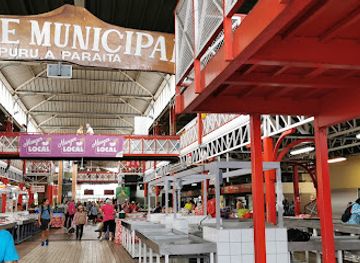
Papeete Market
Experience the vibrant heart of Tahiti at Papeete Market: a sensory explosion of local flavors, crafts, and Polynesian culture.
-
Scenic spot
Belvedere Lookout
Experience breathtaking panoramic views of Moorea's stunning landscapes from the iconic Belvedere Lookout, a must-see destination in French Polynesia.
-
Cultural center
Tiki Village
Experience Polynesian culture through dance, crafts, and cuisine at Moorea's Tiki Village, a vibrant cultural center on the island's west coast.
-
Botanical garden
Water Gardens Vaipahi
Explore Tahiti's lush Water Gardens Vaipahi: a blend of botanical beauty, serene waterfalls, and ancient Polynesian legends. Free entry!
Best landmarks in Windward Islands
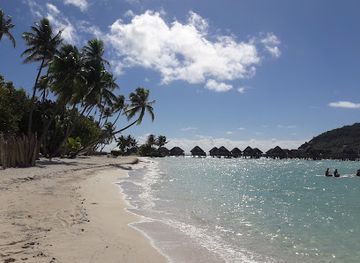
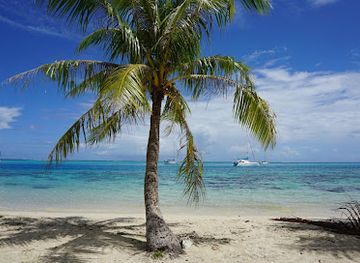
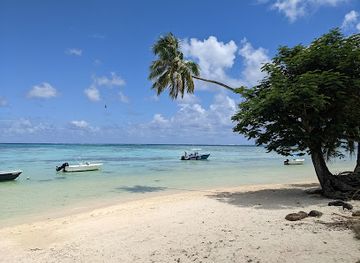
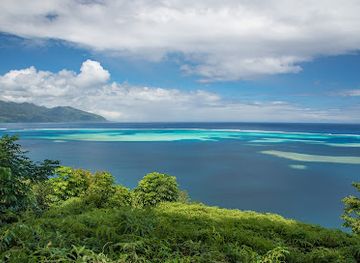
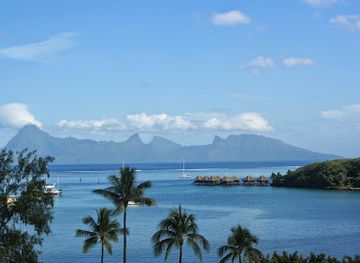
Mountains are among the Windward Islands’ defining landmarks. Tahiti’s jagged interior, including Mount Orohena, the highest point in French Polynesia, rises dramatically behind the coastal settlements, while Moorea’s Mount Rotui stands between Cook’s Bay and Opunohu Bay. These volcanic forms are best understood from the water, coastal roads and established viewpoints rather than approached casually through unmarked terrain. On Tahiti, Point Venus marks the northern coast associated with early European voyages and later historical memory, while Arahurahu Marae preserves an important example of a Polynesian ceremonial landscape. Papeete’s waterfront and market form the region’s principal urban landmarks, reflecting its role as capital and port. Teahupo’o on Tahiti Iti is recognised internationally for its powerful surf break and illustrates the meeting of steep land, reef and open ocean, although sea conditions make it unsuitable for inexperienced swimmers. The Tetiaroa atoll is a natural landmark of low coral islets and lagoon rather than monumental architecture, and its ecological significance requires controlled, low-impact access.
-
 Hotel
HotelInterContinental Tahiti Resort & Spa
Experience ultimate luxury and tranquility at InterContinental Tahiti Resort & Spa, a serene paradise in the heart of French Polynesia.
-
Market
Papeete Market
Explore the vibrant Papeete Market for a taste of authentic Tahitian culture, delicious local cuisine, and unique handcrafted treasures.
-
Scenic spot
Belvedere Lookout
Discover the stunning vistas of Belvedere Lookout in Moorea, where breathtaking views and serene landscapes await every visitor.
-
Island
Tahiti
Explore the breathtaking beauty and vibrant culture of Tahiti, the enchanting island paradise in French Polynesia, perfect for adventure and relaxation.
Explore Windward Islands on the map
Plan your trip on one map. See where the top cities, national parks and sights are, and book hotels and experiences in a few clicks.
Best hotels in Windward Islands
Best restaurants in Windward Islands
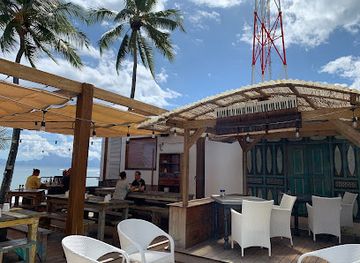
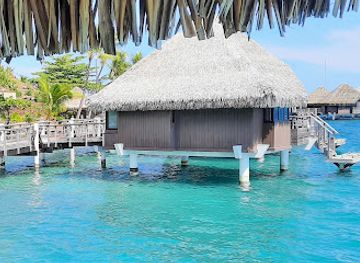
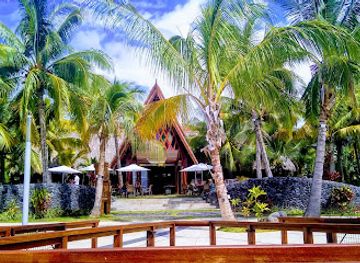
Dining in the Windward Islands combines Polynesian ingredients with French and international influences. Fresh tuna and other fish, coconut, taro, breadfruit, bananas and tropical fruit appear in home cooking, market food, beachside snacks and restaurant menus. Poisson cru, usually raw fish prepared with lime and coconut milk, is strongly associated with Tahitian cuisine, although recipes and accompaniments vary. Tahiti has the broadest choice, from Papeete market stalls and casual roulottes, or food trucks, to bakeries, cafés, French-style restaurants and contemporary Polynesian cooking. Moorea offers resort dining, family-run establishments and informal coastal places, with a slower evening rhythm outside the main accommodation areas. Visitors can also find dishes influenced by Chinese, French and wider Pacific traditions, reflecting the islands’ migration and trading history. Fresh produce is easiest to appreciate at markets and roadside stalls, but availability varies by season and island. In smaller or more remote communities, meal choices may be limited and advance planning is sensible.
-
Restaurant
Blue Banana
Discover Blue Banana: A culinary delight offering stunning ocean views and exquisite dishes in Puna'auia, French Polynesia.
-
Restaurant
Tahiti La Plage
Experience exquisite dining at Tahiti La Plage—where fresh seafood meets stunning ocean views in Puna'auia.
-
French
Le Lotus
Experience exquisite French cuisine amidst breathtaking views at Le Lotus in Tahiti's InterContinental Resort.
-
Restaurant
Restaurant Le Moana
Experience exquisite Polynesian cuisine with stunning ocean views at Restaurant Le Moana in Papeete.
Best bars in Windward Islands
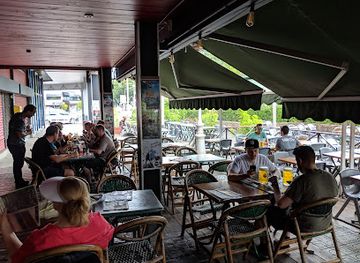
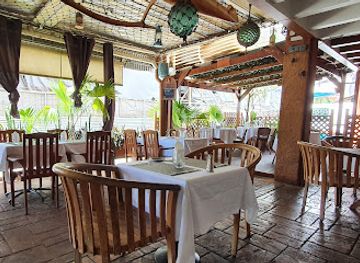
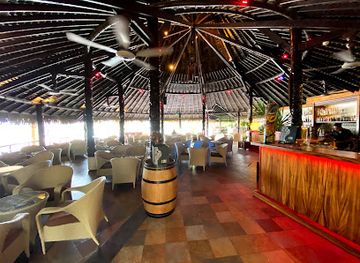
Nightlife is concentrated mainly on Tahiti, especially in and around Papeete, where bars, cafés, hotel lounges, restaurants and occasional live-music venues provide the broadest evening choice. The city’s roulottes and late food options can be as important to the local night-time scene as formal clubs. Moorea’s evenings are generally quieter, centred on resort bars, restaurants, small local establishments and occasional cultural or music programmes rather than a large nightclub circuit. Tahiti’s wider coastal districts also offer places for an early drink or dinner, but distances and limited late transport make taxis, organised transfers or a designated driver important. On smaller islands and atolls, evening entertainment is primarily associated with accommodation, community events or the natural setting rather than commercial nightlife. Drinking is not necessary to engage with local culture, and visitors should respect residential areas and local closing arrangements.
-
Sports bar
Les 3 Brasseurs
Discover Les 3 Brasseurs in Papeete - a lively sports bar with local brews, delicious food, and a vibrant atmosphere perfect for any traveler.
-
Lounge
Bora Bora lounge
Experience the vibrant ambiance and refreshing cocktails at Bora Bora Lounge, Papeete's ultimate tropical retreat.
-
Restaurant
Mama's Beach House
Discover the flavors of French Polynesia at Mama's Beach House, where ocean views meet culinary excellence in Māhina.
-
Bar
Tiki Bar
Experience the vibrant tropical allure of Tiki Bar in Fa'a'ā, where refreshing cocktails and stunning ocean views await you.

Best nightclubs in Windward Islands
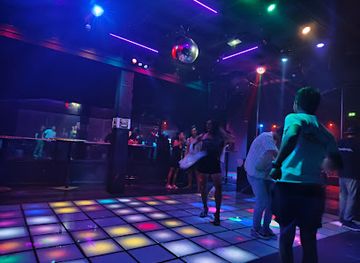
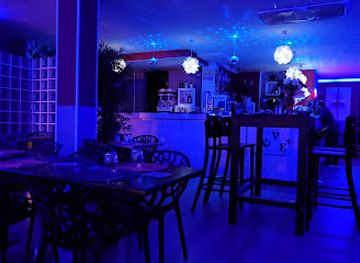
Nightlife is concentrated mainly on Tahiti, especially in and around Papeete, where bars, cafés, hotel lounges, restaurants and occasional live-music venues provide the broadest evening choice. The city’s roulottes and late food options can be as important to the local night-time scene as formal clubs. Moorea’s evenings are generally quieter, centred on resort bars, restaurants, small local establishments and occasional cultural or music programmes rather than a large nightclub circuit. Tahiti’s wider coastal districts also offer places for an early drink or dinner, but distances and limited late transport make taxis, organised transfers or a designated driver important. On smaller islands and atolls, evening entertainment is primarily associated with accommodation, community events or the natural setting rather than commercial nightlife. Drinking is not necessary to engage with local culture, and visitors should respect residential areas and local closing arrangements.
-
Lounge
Bora Bora lounge
Experience the essence of Polynesian culture at Bora Bora Lounge, where relaxation meets vibrant flavors in the heart of Papeete.
-
Disco club
Paradise Night Club Tahiti
Experience the vibrant nightlife of Tahiti at Paradise Night Club, where music and dance come alive in a tropical paradise.
-
Restaurant
Cocoon Lounge Tahiti
Experience the vibrant flavors of Tahiti at Cocoon Lounge, a perfect blend of culinary artistry and tropical relaxation in Papeete.
-
Lounge
Zion bowl
Discover Zion Bowl in Papeete, where bowling meets live music and tiki vibes for an unforgettable night out in French Polynesia.


Best shops in Windward Islands
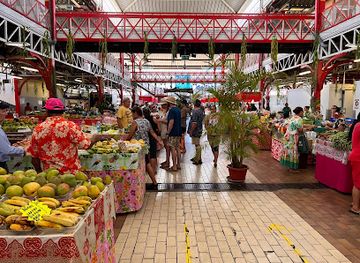
Papeete is the Windward Islands’ main shopping centre, with the central market offering fruit, prepared food, flowers, woven goods and locally made souvenirs alongside everyday island commerce. Shops in and around the capital sell pearls sourced from French Polynesia, carved objects, monoi products, textiles, artwork and food products, but buyers should ask about provenance and choose reputable sellers. Moorea has smaller concentrations of craft shops, galleries, market stalls and roadside stands, often with locally produced fruit, preserves, vanilla-based goods and handmade items. Shopping outside Tahiti is less extensive, and remote islands have limited retail infrastructure rather than conventional visitor districts. Useful souvenirs include designs connected with Polynesian tattooing and navigation, responsibly sourced craftwork, locally produced cosmetics and packaged food that can legally be taken home. Markets and small businesses may accept cash more readily than cards, while opening arrangements can be limited outside the principal settlements.
-
Market
Papeete Market
Explore the vibrant Papeete Market, a cultural gem in Tahiti filled with local flavors, crafts, and the spirit of French Polynesia.
-
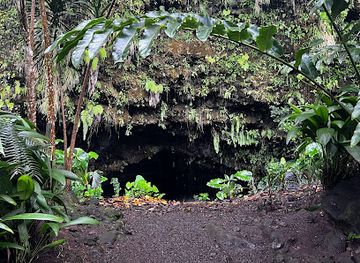
Tourist attraction
Grottes De Mara'a
Discover the enchanting Grottes De Mara'a, where nature's beauty meets ancient Polynesian history in the heart of French Polynesia.
-
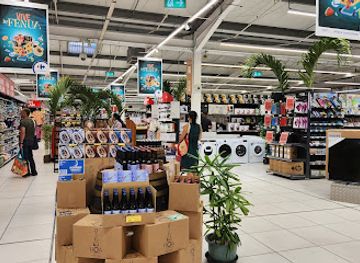
Hypermarket
Carrefour Faaa
Experience a shopping paradise at Carrefour Faaa, where local flavors meet international variety in the heart of French Polynesia.
-
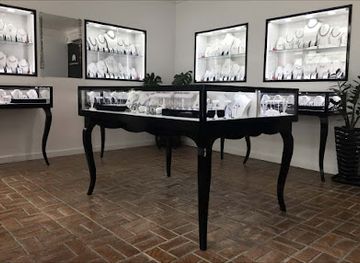
Jewelry store
P.Originals Pearls Moorea
Explore the exquisite world of Tahitian pearls at P.Originals Pearls Moorea, where elegance meets authentic Polynesian craftsmanship.
Get your free copy of our complete guide to Windward Islands, delivered straight to you.
Everything on this page, from attractions and restaurants to essentials and local phrases, in one PDF you can read offline, print or share.
Already have an account? Sign in
Your Windward Islands guide is ready.
We'll send it to · Not you? Sign out

Getting your guide ready…
We are putting together a fresh copy of the Windward Islands guide. This can take up to a minute.
This can take a few moments. If your browser asks, choose Allow so the download can start. You'll find the guide in your Downloads folder.
Nothing happened? Download it again
Sorry, the guide is taking longer than usual. Please try again in a minute, or get it by email instead.
Windward Islands essentials
Currency and Payment
Safety
Emergency Situations
Do's and Don'ts
Local Tips
From Eve
Local phrases worth knowing
You don't need to get them perfect. A few words go a long way, and locals appreciate the effort.
Basics
| English | Local | Say it |
|---|---|---|
| Hello | Ia orana | [ee-ah oh-rah-nah] |
| Goodbye | Nana | [nah-nah] |
| Yes | Eee | [ay] |
| No | Aita | [eye-tah] |
| Please/You're welcome | E na oe | [ay nah oh-eh] |
| Thank you | Mauruuru | [mow-roo-roo] |
| Excuse me/Sorry | Tera na | [teh-rah nah] |
| How are you? | O vai oe? | [oh vai oh-eh] |
| Fine. And you? | Ua maitai. E na oe? | [oo-ah my-tie. eh nah oh-eh] |
| Do you speak English? | E parau oe i te reo Pākīpika? | [eh pah-rau oh-eh ee teh ray-oh pah-kee-pee-kah] |
| I don't understand | Aita au i te maitai | [eye-tah ow ee teh my-tie] |
Eating & Drinking
| English | Local | Say it |
|---|---|---|
| I'd like to see the menu, please | Te hinaaro au e riro i te menu, e na oe | [teh hee-nah-roh ow eh ree-roh ee teh meh-noo, eh nah oh-eh] |
| I don't eat meat | Aita au e 'ai i te mea 'ai | [eye-tah ow eh eye ee teh meh-ah eye] |
| Cheers! | Mauruuru! | [mow-roo-roo] |
| I would like to pay, please | Te hinaaro au e utu, e na oe | [teh hee-nah-roh ow eh oo-too, eh nah oh-eh] |
Emergencies
| English | Local | Say it |
|---|---|---|
| Help! | Araa! | [ah-rah-ah] |
| Go away! | E haere atu! | [eh hi-reh ah-too] |
| Call the Police! | A faaitoito i te pūerto! | [ah fah-ee-toh-ee-toh ee teh poo-er-toh] |
| Call a doctor! | A faaitoito i te taote! | [ah fah-ee-toh-ee-toh ee teh tah-oh-teh] |
| I'm lost | E haere au i te hia | [eh hi-reh ow ee teh hee-ah] |
| I'm ill | E ma'i au | [eh mah-ee ow] |
Shopping
| English | Local | Say it |
|---|---|---|
| I'd like to buy... | Te hinaaro au e utu i... | [teh hee-nah-roh ow eh oo-too ee...] |
| I'm just looking | E tei au e tiro | [eh tay ow eh tee-roh] |
| How much is it? | E hia te utu? | [eh hee-ah teh oo-too] |
| That's too expensive | E mea rahi te utu | [eh meh-ah rah-hee teh oo-too] |
| Can you lower the price? | E nehenehe oe e faaiti i te utu? | [eh neh-eh-neh-eh oh-eh eh fah-ee-tee ee teh oo-too] |
Time & Numbers
| English | Local | Say it |
|---|---|---|
| What time is it? | E aha te hora? | [eh ah-hah teh ho-rah] |
| It's one o'clock | E hora tahi | [eh ho-rah tah-hee] |
| Half past (10) | E pāpā i te (10) | [eh pah-pah ee teh (10)] |
| Morning | Ahi ahi | [ah-hee ah-hee] |
| Afternoon | Ahi matahiti | [ah-hee mah-tah-hee-tee] |
| Evening | Ahi pō | [ah-hee poh] |
| Yesterday | Tēnā | [teh-nah] |
| Today | O vai | [oh vai] |
| Tomorrow | O te apato | [oh teh ah-pah-toh] |
| 1 | Tahi | [tah-hee] |
| 2 | Piti | [pee-tee] |
| 3 | Torutoru | [toh-roo-toh-roo] |
| 4 | Pā | [pah] |
| 5 | Rima | [ree-mah] |
| 6 | Ono | [oh-noh] |
| 7 | Hitu | [hee-too] |
| 8 | Vaʻa | [vah-ah] |
| 9 | Iva | [ee-vah] |
| 10 | Tahi | [tah-hee] |
Transport & Directions
| English | Local | Say it |
|---|---|---|
| Where's a/the...? | E hea te...? | [eh he-ah teh...?] |
| What's the address? | E aha te 'adresse? | [eh ah-hah teh ah-dress?] |
| Can you show me (on the map)? | E nehenehe oe e faataha i (te mapu)? | [eh neh-eh-neh-eh oh-eh eh fah-tah-hah ee (teh mah-poo)?] |
| When's the next (bus)? | E aha te pāpā (bus) i te mahana? | [eh ah-hah teh pah-pah (bus) ee teh mah-hah-nah?] |
| A ticket (to ....) | Te pāpā (i ....) | [teh pah-pah (ee ....)] |
History of Windward Islands
Polynesian Settlement and Ocean Voyaging
The Windward Islands were settled by Polynesian navigators who crossed large stretches of the Pacific in sophisticated ocean-going canoes. Tahiti and Moorea developed societies organised around extended communities, chiefly authority, agriculture and maritime exchange. Taro, breadfruit, bananas and other cultivated plants supported inland and coastal settlements, while the lagoon and open sea supplied fish. Archaeological and cultural landscapes, including marae ceremonial sites, preserve evidence of religious and political life before European contact.
European Contact in the Eighteenth Century
European voyages brought the Society Islands into wider geographic knowledge during the eighteenth century. British navigator Samuel Wallis reached Tahiti in 1767, followed by Louis-Antoine de Bougainville and James Cook, whose voyages gave European audiences influential, though often incomplete, accounts of Polynesian society. Contact introduced new trade goods, weapons, illnesses and political pressures. The passage of European ships marked the beginning of transformations that would affect authority, religion, commerce and landholding throughout the Windward Islands.
The Rise of the Pōmare Dynasty
The Pōmare dynasty consolidated power in Tahiti and extended its influence across much of the Society Islands during the late eighteenth and early nineteenth centuries. Strategic alliances, warfare and access to European firearms contributed to this political expansion. Pōmare II later converted to Christianity, and the dynasty became closely associated with the development of the Tahitian kingdom under growing missionary and foreign influence. Royal and missionary histories remain visible in churches, cultural institutions and the political memory of Tahiti.
Missionaries, Christianity and Social Change
London Missionary Society representatives established a sustained presence in Tahiti from the late eighteenth and early nineteenth centuries, and Christianity spread through Tahiti and Moorea. Conversion brought major changes to ceremonial practice, education, law and public morality, while traditional beliefs and social structures were reshaped rather than simply disappearing. Historic churches and marae landscapes reflect different layers of this transition. The period also produced written records that strongly influenced later European understandings of Polynesia.
French Protectorate and Annexation
France established a protectorate over Tahiti in the nineteenth century, followed by the annexation of Tahiti and its dependencies in 1880. The change placed the Windward Islands within the expanding French colonial system and altered the relationship between local rulers, land and administration. French institutions, education and legal structures became increasingly influential, while Tahitian language and cultural practices continued within families and communities. The islands remain part of French Polynesia, an overseas collectivity of the French Republic.
Pearling, Plantation Agriculture and Port Development
During the nineteenth and twentieth centuries, the islands’ economy combined subsistence and commercial agriculture with maritime trade, fishing and wider colonial commerce. Coconut products, vanilla and other tropical goods became important at different times, while Papeete developed as a port and administrative centre. French commercial and transport networks connected the Windward Islands more closely with the wider Pacific. These changes contributed to the concentration of services around Tahiti, a pattern that still shapes travel, employment and supplies across the region.
Modern French Polynesia and Cultural Renewal
After the Second World War, French Polynesia experienced rapid urbanisation, improved transport and stronger economic links with France and international tourism. Papeete and its surrounding districts expanded, while tourism became particularly important on Tahiti and Moorea. From the late twentieth century, renewed interest in Tahitian language, dance, navigation, tattooing, crafts and marae heritage strengthened public cultural expression. Contemporary identity in the Windward Islands therefore combines Polynesian cultural revival with French citizenship, institutions and global connections.
Windward Islands in Photos
Browse through our photo collection highlighting the charm and character of the destination.
Neighbouring regions of Windward Islands
The closest regions to Windward Islands, if you have time for more than one.
-

-

-

-

-


Swipe for more regions
Explore more

Explore more of French Polynesia
Discover French Polynesia, where turquoise waters, lush landscapes, and vibrant culture await. Dive into a paradise of adventure and relaxation in the heart of the South Pacific.
Explore French Polynesia