

Free Leeward Islands Travel Guide & Mobile App
Explore Leeward Islands with free travel guides. Discover regional history, expert tips, proposed trips, and audio guides on web or mobile app.


Explore French Polynesia’s Leeward Islands for Bora Bora lagoons, Raiatea’s sacred heritage, Taha’a vanilla, Huahine forests and Maupiti’s quiet reefs.
Read more about Leeward Islands
When is the best time to visit Leeward Islands?
Best: June–August · 27–28°C| Month | High (°C) | Rainfall (mm) |
|---|---|---|
| January | 29 | 200 |
| February | 30 | 180 |
| March | 30 | 170 |
| April | 29 | 150 |
| May | 29 | 130 |
| June (best) | 28 | 120 |
| July (best) | 27 | 110 |
| August (best) | 27 | 110 |
| September | 28 | 120 |
| October | 28 | 140 |
| November | 29 | 160 |
| December | 29 | 180 |
Getting to and around Leeward Islands
How to get there
Transportation
Top city travel guides in Leeward Islands
The cities of Leeward Islands, and the easiest places to base yourself.

Swipe for more cities
Destinations in Leeward Islands
Resorts, valleys and scenic spots worth a trip of their own.

Swipe for more destinations
Best attractions in Leeward Islands
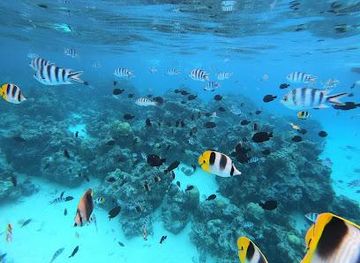
The Leeward Islands offer a varied mix of lagoon activities, cultural sites and outdoor landscapes. Bora Bora is the principal centre for boat trips, snorkelling, diving, paddleboarding and excursions around its reef-fringed lagoon, with views towards Mount Otemanu from both the water and the main island. Raiatea provides access to hiking routes, river and valley excursions, sailing, diving and the archaeological complex of Taputapuātea, while nearby Taha’a is well suited to vanilla farm visits, pearl-related experiences and lagoon tours. Huahine combines forested hills, bays, archaeological remains and rural coastal settlements, with opportunities for cycling, boating and guided exploration. Maupiti is smaller and more lightly developed, offering lagoon swimming, reef excursions, walking and contact with local island communities. Across the group, visitors can find coral gardens, rays, reef fish, birdlife and volcanic scenery, but conditions depend on tides, weather and local conservation measures. The strongest experiences are often organised around the water or with residents who can explain the landscape’s cultural and ecological meaning.
-
Island
Bora Bora
Discover the enchanting beauty of Bora Bora, a tropical paradise in French Polynesia, renowned for its stunning lagoons, luxurious resorts, and rich culture.
-
Boat tour agency
Bora Bora Lagoonarium
Swim with sharks and rays in a safe, controlled environment at Bora Bora's unique natural aquarium.
-
Boat tour agency
H2O Bora Bora
Explore Bora Bora's stunning lagoon with personalized snorkeling and diving tours led by passionate, local experts.
-
Vista point
ʻĀmanahune
Experience Bora Bora's breathtaking beauty from ʻĀmanahune: panoramic views, serene atmosphere, and unforgettable sunsets.



Best landmarks in Leeward Islands
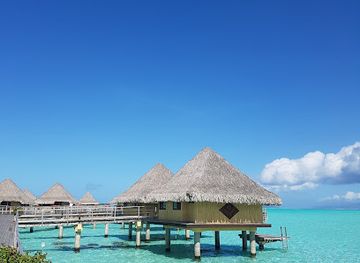
The most recognisable natural landmark of the Leeward Islands is Bora Bora’s volcanic silhouette, particularly the serrated summit of Mount Otemanu rising above the lagoon and the smaller peak of Mount Pahia. Raiatea’s cultural landmark is Taputapuātea, a major marae complex on the island’s south-eastern coast whose stone platforms and ceremonial setting express the historic religious connections of eastern Polynesia. Taha’a is defined less by a single monumental structure than by its lush volcanic ridges, deeply indented coastline and shared lagoon, landscapes closely associated with vanilla cultivation and traditional island agriculture. Huahine’s archaeological areas and ancient stone structures provide visible links to pre-Christian communities, while its bays and forested interior create a distinctive natural setting. Maupiti’s compact volcanic island, encircling reef and sandy motu form one of the group’s clearest examples of the relationship between mountain, lagoon and coral rim. Churches, village cemeteries and marae across the islands also mark the layered history of Polynesian society, missionary conversion and French Polynesia’s continuing community life.
-
Island
Bora Bora
Discover the breathtaking beauty of Bora Bora, a tropical paradise in French Polynesia known for its stunning lagoons and luxurious resorts.
-
Historical place
Marae Taputapuatea
Explore the sacred Marae Taputapuatea, a UNESCO World Heritage site, and immerse yourself in the rich cultural heritage of Polynesia.
-
Tourist attraction
Matira Beach
Experience the serene beauty of Matira Beach in Bora Bora, where soft sands meet crystal-clear waters, perfect for relaxation and adventure.
-
Photographer
Bora Bora Photographer Damien Gobron
Experience Bora Bora like never before with breathtaking photography by Damien Gobron, capturing the essence of your tropical getaway.


Explore Leeward Islands on the map
Plan your trip on one map. See where the top cities, national parks and sights are, and book hotels and experiences in a few clicks.
Best hotels in Leeward Islands
Best restaurants in Leeward Islands
Dining in the Leeward Islands reflects French Polynesia’s combination of ocean resources, tropical agriculture and French culinary influence. Fish is central, served raw in poisson cru with coconut milk and lime, grilled, poached or prepared in other locally familiar styles; tuna and other lagoon or ocean species appear widely, subject to seasonal availability and local regulations. Taro, breadfruit, sweet potato, rice, coconut and tropical fruit form useful complements, while vanilla from Taha’a is an important regional flavour and product. Bora Bora has the widest range of resort restaurants and international menus, whereas Raiatea, Huahine, Taha’a and Maupiti offer smaller restaurants, snack bars, family-run meals and guesthouse dining. Roadside roulottes and modest local eateries can provide a more informal meal, but opening patterns may be limited outside the principal settlements. Markets and small shops are useful for fruit, bread and simple provisions, although supplies depend on inter-island transport. French wine and imported goods are available, but prices are shaped by the islands’ distance from major supply centres.
-
Restaurant
Bloody Mary's Bora Bora
Experience authentic Polynesian cuisine and vibrant culture at Bloody Mary's Bora Bora – a must-visit destination for every traveler.
-
Restaurant
The Lucky House Fare Manuia Restaurant
Experience authentic Polynesian cuisine amidst breathtaking views at The Lucky House Fare Manuia Restaurant in beautiful Bora Bora.
-
Restaurant
Restaurant Saint James
Experience exquisite modern French cuisine blended with Polynesian flavors at Restaurant Saint James in stunning Bora Bora.
-
Polynesian restaurant
Snack Matira
Discover authentic Polynesian cuisine at Snack Matira – where fast food meets island flavors in a relaxed setting.



Best bars in Leeward Islands
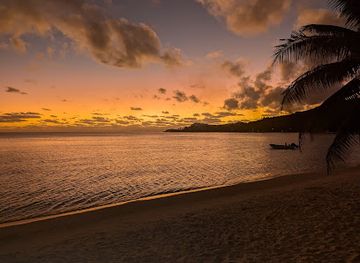
Evening life in the Leeward Islands is generally relaxed and centred on hotel bars, waterfront restaurants, snack bars and local establishments rather than a large nightclub circuit. Bora Bora has the broadest choice, particularly around major resorts, where sunset drinks, live music and occasional cultural performances accompany lagoon views. Raiatea offers a more locally grounded evening scene through restaurants, bars and community events, while Huahine, Taha’a and Maupiti tend to become quiet after dinner, with nightlife shaped by guesthouses, small eateries and occasional music rather than dedicated clubs. Alcohol is available, but it is not necessary to participate in the region’s social life; evening walks, stargazing, conversation and early-morning water activities are equally characteristic. Check transport arrangements before drinking, as taxis and late services are limited on smaller islands, and never operate a scooter or boat after consuming alcohol.
-
 Hotel
Te Moana Tahiti Resort
Discover the serene beauty and luxury of Te Moana Tahiti Resort in Puna'auia, where tropical paradise meets modern comfort in French Polynesia.
-
Hotel
Bora-Bora Pearl Beach Resort & Spa
Discover the ultimate tropical getaway at Bora-Bora Pearl Beach Resort & Spa, where luxury meets the stunning beauty of French Polynesia.
-
Hotel
Conrad Bora Bora Nui
Experience unparalleled luxury and breathtaking views at Conrad Bora Bora Nui, your ultimate escape in paradise.
-
Hotel
Four Seasons Resort Bora Bora
Experience the ultimate luxury at Four Seasons Resort Bora Bora, where stunning views, exquisite dining, and world-class amenities await in paradise.


Best nightclubs in Leeward Islands
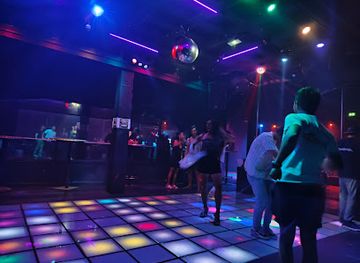
Evening life in the Leeward Islands is generally relaxed and centred on hotel bars, waterfront restaurants, snack bars and local establishments rather than a large nightclub circuit. Bora Bora has the broadest choice, particularly around major resorts, where sunset drinks, live music and occasional cultural performances accompany lagoon views. Raiatea offers a more locally grounded evening scene through restaurants, bars and community events, while Huahine, Taha’a and Maupiti tend to become quiet after dinner, with nightlife shaped by guesthouses, small eateries and occasional music rather than dedicated clubs. Alcohol is available, but it is not necessary to participate in the region’s social life; evening walks, stargazing, conversation and early-morning water activities are equally characteristic. Check transport arrangements before drinking, as taxis and late services are limited on smaller islands, and never operate a scooter or boat after consuming alcohol.
-
Family-friendly
Bora Bora Beach Club
Experience the flavors of paradise at Bora Bora Beach Club, where every meal is a celebration of island culture and culinary delight.
-
Lounge
Bora Bora lounge
Experience the vibrant atmosphere of Bora Bora Lounge in French Polynesia, where tropical drinks and live music create unforgettable memories.
-
Disco club
Paradise Night Club Tahiti
Discover the energy and excitement of Tahiti's nightlife at Paradise Night Club, where vibrant music and dancing create unforgettable memories.
-
Lounge
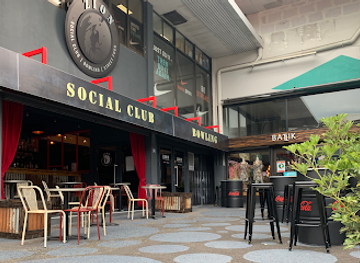
Zion bowl
Experience the vibrant atmosphere of Zion Bowl in Papeete, where bowling, live music, and tiki bar vibes come together for an unforgettable night out.

Best shops in Leeward Islands
Shopping in the Leeward Islands is concentrated in village shops, small supermarkets, market stalls, craft outlets, galleries and hotel boutiques rather than large retail centres. Bora Bora offers the broadest selection of jewellery, pearls, resort clothing, art and locally themed gifts, while Raiatea functions as the most substantial everyday shopping centre in the group. Taha’a is particularly associated with vanilla and products made with its distinctive aromatic pods, and visitors can also find oils, soaps, woven items, shell jewellery, carved objects and pareu fabrics across the islands. Huahine and Maupiti are better suited to modest purchases from local shops, guesthouses and small craft sellers than to extensive browsing. Look for black pearls and pearl jewellery only from reputable sellers who provide clear information about quality and provenance, and remember that prices vary considerably. Fresh fruit, preserves, coconut products and locally made food items make useful gifts, but check customs and airline rules before carrying agricultural products internationally. Cash in XPF remains useful for small sellers and remote communities.
-
Market
Papeete Market
Discover the vibrant culture and flavors of Tahiti at Papeete Market, a bustling market filled with local crafts, fresh produce, and delicious food.
-
Hypermarket
Carrefour Faaa
Discover the best of French Polynesia at Carrefour Faaa, your go-to hypermarket for local and international shopping delights.
-
Boat tour agency
Bora Bora Lagoonarium
Discover the vibrant marine life and breathtaking beauty of Bora Bora Lagoonarium, a paradise for snorkelers and nature lovers alike.
-
Jewelry store
P.Originals Pearls Moorea
Explore the exquisite Tahitian pearls at P.Originals Pearls, a jewelry store in Moorea that embodies the beauty and culture of French Polynesia.


Get your free copy of our complete guide to Leeward Islands, delivered straight to you.
Everything on this page, from attractions and restaurants to essentials and local phrases, in one PDF you can read offline, print or share.
Already have an account? Sign in
Your Leeward Islands guide is ready.
We'll send it to · Not you? Sign out

Getting your guide ready…
We are putting together a fresh copy of the Leeward Islands guide. This can take up to a minute.
This can take a few moments. If your browser asks, choose Allow so the download can start. You'll find the guide in your Downloads folder.
Nothing happened? Download it again
Sorry, the guide is taking longer than usual. Please try again in a minute, or get it by email instead.
Leeward Islands essentials
Currency and Payment
Safety
Emergency Situations
Do's and Don'ts
Local Tips
From Eve
Local phrases worth knowing
You don't need to get them perfect. A few words go a long way, and locals appreciate the effort.
Basics
| English | Local | Say it |
|---|---|---|
| Hello | Ia ora na | [Ee-ah or-ah nah] |
| Goodbye | Nana | [Nah-nah] |
| Yes | O | [Oh] |
| No | Aita | [Eye-tah] |
| Please/You're welcome | E 'ita | [Eh ee-tah] |
| Thank you | Mauruuru | [Mow-roo-roo] |
| Excuse me/Sorry | E pāpā | [Eh pah-pah] |
| How are you? | O vai oe? | [Oh vy oh-eh?] |
| Fine. And you? | Māuruuru. E ora oe? | [Mah-oo-roo-roo. Eh or-ah oh-eh?] |
| Do you speak English? | E parau fa'ā'ā? | [Eh pah-row fah-ah-ah?] |
| I don't understand | Aita au e parau | [Eye-tah ow eh pah-row] |
Eating & Drinking
| English | Local | Say it |
|---|---|---|
| I'd like to see the menu, please | E hinaaro au i te menu, e 'ita | [Eh hee-nah-roh ow ee teh meh-noo, eh ee-tah] |
| I don't eat meat | Aita au e 'ai i te mā'ā | [Eye-tah ow eh eye ee teh mah-ah] |
| Cheers! | Māuruuru! | [Mow-roo-roo!] |
| I would like to pay, please | E hinaaro au e utu, e 'ita | [Eh hee-nah-roh ow eh oo-too, eh ee-tah] |
Emergencies
| English | Local | Say it |
|---|---|---|
| Help! | Aita! | [Eye-tah!] |
| Go away! | E haere atu! | [Eh ha-reh ah-too!] |
| Call the Police! | E tāpuni i te Pōlī! | [Eh tah-poo-nee ee teh poh-lee!] |
| Call a doctor! | E tāpuni i te tāmata'i! | [Eh tah-poo-nee ee teh tah-mah-tah-ee!] |
| I'm lost | Aita au e tei | [Eye-tah ow eh tay] |
| I'm ill | E pāpā au | [Eh pah-pah ow] |
Shopping
| English | Local | Say it |
|---|---|---|
| I'd like to buy... | E hinaaro au e hoko... | [Eh hee-nah-roh ow eh hoh-koh] |
| I'm just looking | E na'ina'i au | [Eh nah-ee-nah-ee ow] |
| How much is it? | Ehia te utu? | [Eh-hee-ah teh oo-too?] |
| That's too expensive | Te utu ia e too 'ā | [Te oo-too ee-ah eh toh ah] |
| Can you lower the price? | E taea e 'oe te fa'aiti i te utu? | [Eh tah-eh eh oh-eh teh fah-ee-tee ee teh oo-too?] |
Time & Numbers
| English | Local | Say it |
|---|---|---|
| What time is it? | Eaha te hora? | [Eh-ah-ha teh ho-rah?] |
| It's one o'clock | E tei te ho'ê | [Eh tay teh ho-eh] |
| Half past (10) | E pae i te (10) | [Eh pie ee teh (10)] |
| Morning | Te ata | [Teh ah-tah] |
| Afternoon | Te ahiahi | [Teh ah-ee-ah-hee] |
| Evening | Te pō | [Teh poh] |
| Yesterday | Inoa | [Ee-noh-ah] |
| Today | I teie mahana | [Ee tay-eh mah-hah-nah] |
| Tomorrow | I te mahana apī | [Ee teh mah-hah-nah ah-pee] |
| 1 | Tahi | [Tah-hee] |
| 2 | Pua | [Poo-ah] |
| 3 | Torutoru | [Toh-roo-toh-roo] |
| 4 | Pā | [Pah] |
| 5 | Rima | [Ree-mah] |
| 6 | Onu | [Oh-noo] |
| 7 | Hitu | [Hee-too] |
| 8 | Varu | [Vah-roo] |
| 9 | Iva | [Ee-vah] |
| 10 | Tahi | [Tah-hee] |
Transport & Directions
| English | Local | Say it |
|---|---|---|
| Where's a/the...? | E hea te...? | [Eh heh-ah teh...?] |
| What's the address? | Eaha te 'adresse? | [Eh-ah-ha teh ah-dress?] |
| Can you show me (on the map)? | E taea e 'oe te 'ārahi mai (i te mapi)? | [Eh tah-eh eh oh-eh teh ah-rah-hee my (ee teh mah-pee)?] |
| When's the next (bus)? | Ehia te (pahi) e tei mai? | [Eh-hee-ah teh (pah-hee) eh tay my?] |
| A ticket (to ...) | Te tiketi (i ...) | [Teh tee-keh-tee (ee ...)] |
History of Leeward Islands
Polynesian settlement and ocean voyaging
The Leeward Islands were settled by Polynesian seafarers who navigated across the Pacific using knowledge of stars, swell patterns, winds, birds and ocean currents. Communities developed around fertile volcanic valleys, coastal plains and lagoon resources, cultivating crops such as taro, breadfruit and bananas while fishing and travelling between islands by canoe. Oral traditions, place names, language and surviving archaeological sites preserve aspects of this history. The islands were not isolated societies: chiefs, families, religious specialists and traders maintained relationships across the Society Islands before European contact.
Marae and chiefly societies
Before European conversion, political and religious life was organised through local chiefly systems and sacred places known as marae. These stone-built complexes served as settings for ceremonies, offerings, political gatherings and the affirmation of links between communities, ancestors and gods. Taputapuātea on Raiatea became the most important surviving expression of this wider religious and cultural network. Its significance extended beyond one island, reflecting connections among the Society Islands and other parts of eastern Polynesia. Archaeological landscapes across Huahine, Raiatea and the neighbouring islands still reveal the scale and complexity of pre-Christian society.
European encounters and changing alliances
European navigators reached the Society Islands during the eighteenth century, beginning a period of intensified outside contact. Voyages associated with explorers including James Cook brought new maps and descriptions to European audiences, while missionaries, traders and ships followed. Firearms, introduced diseases, Christianity and new commercial relationships altered the balance of power among island communities. The consequences were uneven and often disruptive, affecting population, authority, religious practice and patterns of settlement. European accounts provide important historical evidence, but they represent only one perspective on societies with their own political traditions and oral histories.
Christian conversion and the London Missionary Society
Missionary activity became a decisive force in the early nineteenth century. Protestant missionaries connected with the London Missionary Society gained influence in the Society Islands, while local rulers and communities negotiated the adoption of Christianity in different ways. Churches replaced or stood alongside earlier sacred centres, literacy expanded through mission education, and social regulations changed. Raiatea and the other Leeward Islands experienced these transformations within a wider regional movement. Historic churches, cemeteries, oral traditions and the continuing importance of Sunday worship remain visible reminders of this period, although conversion also involved the suppression of earlier religious practices.
The French protectorate and annexation
French influence expanded during the nineteenth century as France established a protectorate over Tahiti and its dependencies, followed by the annexation of the Society Islands. The Leeward Islands retained local rulers and distinctive political histories for a time, and resistance to French control was particularly significant in the western group. Raiatea and Taha’a were among the last islands in the Society group to accept direct French authority, with conflict and political pressure culminating in the 1880s. The resulting colonial administration reshaped landholding, law, commerce and relations with Tahiti, foundations that continue to inform French Polynesia’s modern political geography.
Copra, plantations and inter-island commerce
During the colonial and post-colonial eras, island economies relied heavily on copra, the dried meat of the coconut, as well as subsistence cultivation, fishing and inter-island trade. Coconut groves, small farms and coastal shipping linked communities to Tahiti and to one another. Raiatea developed a particularly important service and agricultural role, while Taha’a became associated with vanilla as well as coconuts. These industries have faced changing prices, transport costs and competition from newer economic sectors, but agriculture and marine resources remain important to household economies and local identity.
Tourism, pearls and contemporary French Polynesia
From the later twentieth century, tourism became a major economic force, with Bora Bora emerging as the most recognised international destination in the region. Hotels, lagoon excursions and air connections brought investment and employment, while also increasing pressure on land, reefs, freshwater and waste systems. Cultured pearl production developed across French Polynesia and remains an important commercial activity, especially in the lagoon environment of the Tuamotu Islands, with retail and farm connections also present in the Leeward Islands. Today the region combines French public institutions with Polynesian cultural life, local agriculture, marine activities and tourism on very different scales from island to island.
Leeward Islands in Photos
Browse through our photo collection highlighting the charm and character of the destination.
Neighbouring regions of Leeward Islands
The closest regions to Leeward Islands, if you have time for more than one.
-

-

-

-

-


Swipe for more regions
Explore more

Explore more of French Polynesia
Discover French Polynesia, where turquoise waters, lush landscapes, and vibrant culture await. Dive into a paradise of adventure and relaxation in the heart of the South Pacific.
Explore French Polynesia