

Bora Bora, French Polynesia Travel Guide
Discover Bora Bora, a paradise in French Polynesia known for its stunning overwater bungalows, crystal-clear waters, and vibrant marine life.
Welcome to Bora Bora, a small island in French Polynesia that epitomizes paradise. Surrounded by a turquoise lagoon protected by a coral reef, Bora Bora is famous for its stunning overwater bungalows, white sandy beaches, and crystal-clear waters. The island's lush, volcanic peaks provide a dramatic backdrop, creating an idyllic setting for relaxation and adventure alike. Bora Bora offers a wealth of activities for visitors. Snorkeling and diving enthusiasts will find themselves in an underwater wonderland, teeming with colorful coral and exotic marine life. For those seeking a more relaxed experience, a lagoon tour provides a serene way to explore the island's natural beauty. The adventurous can hike Mount Otemanu, the island's tallest peak, for breathtaking views of the surrounding seas. Cultural experiences are also abundant in Bora Bora. Visit the local villages to experience the warm hospitality of the Polynesian people and partake in traditional dance and music. Savor the local cuisine, which features fresh seafood and tropical fruits, often enjoyed in a beachside setting. Whether you're lounging on the beach, exploring the lagoon, or immersing yourself in the local culture, Bora Bora promises an unforgettable experience.

Know before you go
Hi, I'm Eve. Here are a few practical things to know before exploring Bora Bora.
- Book your overwater bungalow well in advance, as they are highly sought after.
- Pack reef-safe sunscreen to protect the coral reefs while enjoying water activities.
- Rent a bike to explore the island at your own pace and discover hidden gems.
- Try the local dish 'poisson cru' – fresh fish marinated in coconut milk and lime.
- Bring insect repellent to protect yourself from mosquitoes, especially in the evenings.
Explore Bora Bora: Things to Do, Places to Eat, Hotels & More
Handpicked recommendations for top attractions, local dining, accommodations, and more

Best attractions in Bora Bora
Top-rated picks
Best Attractions

Matira Beach
Bora Bora's beloved public beach: soft sands, turquoise waters, and unforgettable sunsets. A must-see tropical paradise.

Lagoon Service Bora Bora
Experience Bora Bora's stunning lagoon with personalized tours, snorkeling, and Polynesian culture from a top-rated local agency.

Bora Diving Center
Discover Bora Bora's underwater paradise with Bora Diving Center. Dive into crystal-clear waters and encounter sharks, manta rays, and vibrant coral reefs.

Bora Bora Lagoonarium
Swim with sharks, turtles, and rays in a protected natural aquarium in Bora Bora's stunning lagoon.

Best landmarks in Bora Bora
Top-rated picks
Best Landmarks

InterContinental Le Moana Bora Bora Resort
Experience luxury and serenity at InterContinental Le Moana Bora Bora Resort, where breathtaking views and world-class amenities await in paradise.

Restaurant Saint James
Discover the culinary delights of Restaurant Saint James in Bora Bora, where modern French cuisine meets breathtaking island views.

Lagoon Service Bora Bora
Experience the breathtaking beauty of Bora Bora's lagoons with customized boat tours at Lagoon Service Bora Bora, your adventure awaits in paradise.

Matira Beach
Discover the breathtaking beauty of Matira Beach in Bora Bora, where turquoise waters meet white sands for an unforgettable tropical getaway.

Best restaurants in Bora Bora
Top-rated picks
Best Restaurants

Bloody Mary's Bora Bora
Discover the essence of Polynesian cuisine at Bloody Mary's in breathtaking Bora Bora - where fresh seafood meets island charm.

Bora Bora Beach Club
Experience family-friendly fun at Bora Bora Beach Club with stunning views, delightful cuisine, and exciting water sports activities.

The Lucky House Fare Manuia Restaurant
Experience authentic Polynesian cuisine at The Lucky House Fare Manuia Restaurant in Bora Bora - where flavor meets paradise.

Restaurant Saint James
Experience exquisite modern French cuisine at Restaurant Saint James in Bora-Bora's breathtaking tropical paradise.

Best bars in Bora Bora
Top-rated picks
Best Bars

Bloody Mary's Bora Bora
Experience the vibrant flavors of Bora Bora at Bloody Mary's, a renowned bar and restaurant offering fresh seafood and tropical cocktails in a stunning setting.

Bora Bora Beach Club
Experience family-friendly bliss at Bora Bora Beach Club, where stunning views, delicious cuisine, and unforgettable memories await in paradise.

Restaurant Saint James
Experience the fusion of modern French cuisine and local flavors at Restaurant Saint James, a culinary gem in the heart of Bora Bora.

Bora Bora Yacht Club
Experience the best of Polynesian cuisine with breathtaking views at Bora Bora Yacht Club, the perfect blend of flavor and scenery in paradise.

Best nightclubs in Bora Bora
Top-rated picks
Best Nightclubs

Bora Bora Beach Club
Experience the beauty of Bora Bora Beach Club, a family-friendly haven in French Polynesia with stunning beaches and vibrant activities.

Restaurant Saint James
Discover the exquisite flavors of modern French cuisine at Restaurant Saint James, a culinary gem in the heart of Bora Bora, French Polynesia.

Bora Bora Yacht Club
Discover the Bora Bora Yacht Club, where exquisite cuisine meets stunning views in a tropical paradise. A must-visit for every traveler in Bora Bora.
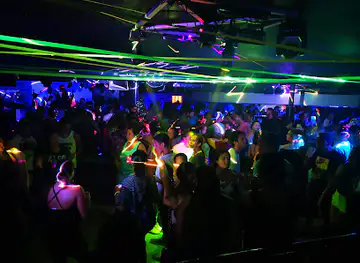
Le Récif
Discover Bora Bora's vibrant nightlife at Le Récif, a premier night club offering unforgettable music, dancing, and tropical cocktails.

Best shops in Bora Bora
Top-rated picks
Best Shops

Fantasy
Explore Fantasy in Bora Bora for unique clothing, exquisite jewelry, and memorable souvenirs inspired by Polynesian culture.

Manua Pearls Bora Bora
Explore the beauty of Bora Bora with exquisite pearl jewelry at Manua Pearls, where elegance meets tropical charm.

Super U To'a Amok
Explore the vibrant offerings at Super U To'a Amok, your go-to supermarket in Bora Bora for local goods, fresh produce, and unique souvenirs.

Authentic Bora Bora
Explore Authentic Bora Bora, a jewelry haven and souvenir paradise in the heart of French Polynesia, embodying the island's rich cultural heritage.

Explore Bora Bora on the Map
A handpicked selection of must-see spots in Bora Bora, mapped for you.
Bora Bora Essentials
-
Bora Bora is located in French Polynesia, in the South Pacific Ocean. The main gateway to Bora Bora is Faa'a International Airport (PPT) in Tahiti. From there, you can take a domestic flight to Bora Bora Airport (BOB), which is located on a motu (islet) north of the main island. The flight from Tahiti to Bora Bora takes approximately 50 minutes. Upon arrival, most resorts offer a boat shuttle service from the airport to their respective locations.
-
Transportation options in Bora Bora include bicycles, scooters, and rental cars. Many visitors choose to rent bicycles or scooters to explore the island at their own pace. Taxis are also available, but they can be expensive. Some resorts offer shuttle services to popular attractions. For water transport, consider renting a boat or taking a guided tour to explore the lagoon and surrounding motus.
-
The official currency in Bora Bora is the CFP Franc (XPF). Credit cards are widely accepted at most hotels, restaurants, and shops. However, it is advisable to carry some cash, especially when visiting smaller establishments or local markets. ATMs are available on the island, but it is wise to withdraw sufficient cash upon arrival to avoid any inconvenience.
-
Bora Bora is generally a safe destination for tourists. However, it is always prudent to take standard precautions. Avoid leaving your belongings unattended on the beach or in public places. Although crime rates are low, petty theft can occur. There are no specific high-crime areas targeting tourists, but it is best to stay vigilant and aware of your surroundings, especially at night.
-
In case of emergency, dial 112 for immediate assistance. Bora Bora has a medical center located in Vaitape, the main village, which can handle minor health issues. For serious medical emergencies, evacuation to Tahiti may be necessary. It is recommended to have travel insurance that covers medical emergencies and evacuation. Pharmacies are available on the island for over-the-counter medications.
-
Fashion: Do dress casually and comfortably, but avoid overly revealing clothing in public areas. Swimwear should be reserved for the beach and pool areas. Religion: Do respect local customs and traditions. When visiting religious sites, dress modestly and remove your shoes before entering. Public Transport: Do be courteous to drivers and fellow passengers. Taxis are commonly used, but sharing rides can reduce costs. Greetings: Do greet people with a smile and a polite 'Ia Orana' (hello). A handshake is also appropriate. Eating & Drinking: Do try local dishes and seafood. Don't eat or drink while walking in public, as it is considered impolite.
-
To experience Bora Bora like a local, visit the local markets in Vaitape where you can buy fresh produce, handmade crafts, and traditional Polynesian goods. Interact with the locals, as they are often friendly and willing to share their culture and stories. Don't miss out on attending a traditional Tahitian dance show, which is a vibrant display of local culture. For an unforgettable experience, take a lagoon tour that includes snorkeling and a visit to a private motu for a traditional Polynesian feast.
When is the best time to visit Bora Bora?
Useful Local Phrases for Bora Bora
You don't need to speak the language perfectly. Even learning a few simple words can make conversations warmer—and locals usually appreciate the effort.
— Eve

Here are the phrases I use most often in Bora Bora. Try a few—you'll be surprised how far they go! 😊
❤️
-
- HelloIa ora na
[Yah oh-rah nah] - GoodbyeNana
[Nah-nah] - YesE
[Ay] - NoAita
[Eye-tah] - Please/You're welcomeManava
[Mah-nah-vah] - Thank youMauruuru
[Mah-oo-roo-roo] - Excuse me/SorryFaaitoito
[Fah-eye-toy-toh] - How are you?Aita pea pea?
[Eye-tah pay-ah pay-ah] - Fine. And you?Maita'i. O oe?
[My-tah-ee. Oh oy] - Do you speak English?Ua haere atu oe i te reo anglais?
[Oo-ah ha-ay-ray ah-too oy ee tay ray-oh ang-lay] - I don't understandAita au maita'i
[Eye-tah ow my-tah-ee]
- HelloIa ora na
-
- I'd like to see the menu, pleaseE haere atu au i te meniu, maruru
[Ay ha-ay-ray ah-too ow ee tay may-nee-oo, mah-roo-roo] - I don't eat meatAita au haere i te kai
[Eye-tah ow ha-ay-ray ee tay kai] - Cheers!Manuia!
[Mah-noo-ee-ah] - I would like to pay, pleaseE haere atu au i te moni, maruru
[Ay ha-ay-ray ah-too ow ee tay moh-nee, mah-roo-roo]
- I'd like to see the menu, pleaseE haere atu au i te meniu, maruru
-
- Help!Aide!
[Eye-day] - Go away!Haere atu!
[High-ray ah-too] - Call the Police!Tapura i te farerei!
[Tah-poo-rah ee tay fah-ray-ray] - Call a doctor!Tapura i te taata here!
[Tah-poo-rah ee tay tah-ah-tah hay-ray] - I'm lostUa haere atu au i te hau
[Oo-ah ha-ay-ray ah-too ow ee tay how] - I'm illUa piti ahau
[Oo-ah pee-tee ah-how]
- Help!Aide!
-
- I'd like to buy...E haere atu au i te hana...
[Ay ha-ay-ray ah-too ow ee tay hah-nah] - I'm just lookingE haere atu au i te titau
[Ay ha-ay-ray ah-too ow ee tay tee-tow] - How much is it?E hia moni te moni?
[Ay hee-ah moh-nee tay moh-nee] - That's too expensiveHe moni roa te moni
[Hay moh-nee roh-ah tay moh-nee] - Can you lower the price?E haamata i te moni?
[Ay ha-ah-mah-tah ee tay moh-nee]
- I'd like to buy...E haere atu au i te hana...
-
- What time is it?He aha te taime?
[Hay ah-hah tay tah-ee-may] - It's one o'clockE tahi te haora
[Ay tah-hee tay how-rah] - Half past (10)E toru i te ora toru
[Ay tore-oo ee tay oh-rah tore-oo] - MorningPoipoi
[Poy-poy] - AfternoonApono
[Ah-poh-noh] - EveningAhiahi
[Ah-hee-ah-hee] - YesterdayAro
[Ah-roh] - TodayAtea
[Ah-tay-ah] - TomorrowApa
[Ah-pah] - 1Tahi
[Tah-hee] - 2Rua
[Roo-ah] - 3Toru
[Toh-roo] - 4Maha
[Mah-hah] - 5Rima
[Ree-mah] - 6Ono
[Oh-noh] - 7Fitu
[Fee-too] - 8Varu
[Vah-roo] - 9Iva
[Ee-vah] - 10Ahuru
[Ah-hoo-roo]
- What time is it?He aha te taime?
-
- Where's a/the...?I te haere i te...
[Ee tay ha-ay-ray ee tay] - What's the address?He aha te tuhinga?
[Hay ah-hah tay too-hee-ngah] - Can you show me (on the map)?E haere i te faaahaere i au (i te mahere)?
[Ay ha-ay-ray ee tay fah-ah-ha-ay-ray ee ow (ee tay mah-hay-ray)] - When's the next (bus)?He aha te haere i te tere apopo?
[Hay ah-hah tay ha-ay-ray ee tay tay-ray ah-poh-poh] - A ticket (to ....)Hevea (ki ...)
[Hay-vay-ah (kee)]
- Where's a/the...?I te haere i te...
History of Bora Bora
-
Bora Bora, originally called 'Pora Pora,' meaning 'First Born,' was settled by Polynesians around the 4th century AD. These early inhabitants navigated the vast Pacific Ocean using stars, ocean currents, and bird migrations. The island's lush environment provided food and shelter, fostering a vibrant culture.
-
The first recorded European sighting of Bora Bora was by the Dutch explorer Jakob Roggeveen in 1722. However, it was British navigator Captain James Cook who made the island more widely known when he arrived in 1769. Cook was fascinated by the island's beauty and the navigational skills of the Polynesians.
-
In the early 19th century, Christian missionaries arrived in Bora Bora, significantly impacting the local culture. The London Missionary Society established a presence on the island, leading to the widespread adoption of Christianity and the decline of traditional Polynesian religious practices.
-
In 1842, Bora Bora became a protectorate of France, along with the rest of French Polynesia. The French influence brought new administrative structures, education systems, and trade opportunities, integrating Bora Bora into a broader global context.
-
During World War II, Bora Bora was used as a military supply base by the United States. The island was fortified with cannons and airstrips, and it became a critical logistical point in the Pacific theater. This period saw the construction of infrastructure that would later support the island's tourism industry.
-
After World War II, Bora Bora began to develop its tourism industry. The first hotel, Hotel Bora Bora, opened in 1961, attracting international visitors. The island's stunning lagoons, coral reefs, and luxurious resorts have since made it a premier destination for travelers worldwide.
-
In recent years, there has been a strong movement to revive and preserve traditional Polynesian culture in Bora Bora. Efforts include language revitalization, traditional dance and music performances, and the celebration of ancient customs and crafts. This cultural renaissance aims to honor the island's rich heritage while embracing modernity.
Cities near Bora Bora
The closest cities to Bora Bora, if you have time for more than one stop.


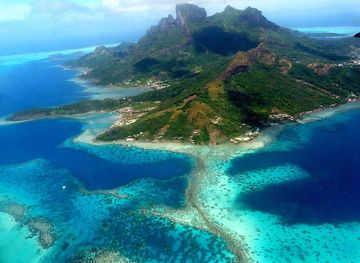


Your all‑in‑one travel companion app
Explore expert travel guides, compare and book tours, experiences, hotels, and more—all from the palm of your hand. Download now for seamless trip planning wherever your wanderlust takes you.


Bora Bora in Photos
Browse through our photo collection highlighting the charm and character of the destination.


Bora Bora: The Jewel of the South Pacific
Welcome to Bora Bora, a small island in French Polynesia that epitomizes paradise. Surrounded by a turquoise lagoon protected by a coral reef, Bora Bora is famous for its stunning overwater bungalows, white sandy beaches, and crystal-clear waters. The island's lush, volcanic peaks provide a dramatic backdrop, creating an idyllic setting for relaxation and adventure alike. Bora Bora offers a wealth of activities for visitors. Snorkeling and diving enthusiasts will find themselves in an underwater wonderland, teeming with colorful coral and exotic marine life. For those seeking a more relaxed experience, a lagoon tour provides a serene way to explore the island's natural beauty. The adventurous can hike Mount Otemanu, the island's tallest peak, for breathtaking views of the surrounding seas. Cultural experiences are also abundant in Bora Bora. Visit the local villages to experience the warm hospitality of the Polynesian people and partake in traditional dance and music. Savor the local cuisine, which features fresh seafood and tropical fruits, often enjoyed in a beachside setting. Whether you're lounging on the beach, exploring the lagoon, or immersing yourself in the local culture, Bora Bora promises an unforgettable experience.
Explore More of French Polynesia

Looking beyond Bora Bora? Discover French Polynesia for broader travel guides, local hot-spots, and regional highlights.
Explore French Polynesia