

Taha'a Travel Guide - Free Web & App
Your ultimate guide to Taha'a. Discover top landmarks, proposed trips, and local tips. Free on the web or via the Evendo companion app.


Taha'a in French Polynesia combines vanilla plantations, turquoise lagoons, coral gardens, pearl farms and quiet motu escapes beside Raiatea.
An Island Shaped by Lagoon and Mountain
Taha'a lies in the Leeward Islands of French Polynesia, sharing a broad, reef-protected lagoon with neighbouring Raiatea. There is no airport on Taha'a itself, and the island is reached by boat from Raiatea or by local maritime connections, a first indication of its quieter, more rural character. A deeply indented coastline forms bays such as Haamene and Hurepiti, while a mountainous volcanic interior rises behind narrow coastal settlements and plantations. Around the shore, reef flats and small motu create clear shallows suited to lagoon excursions, snorkelling and quiet beach time.Read more about Taha'a
Vanilla, Pearls and Island Life
Exploring the Island and Lagoon
When is the best time to visit Taha'a?
Best: July–September · 26–27°C| Month | High (°C) | Rainfall (mm) |
|---|---|---|
| January | 31 | 250 |
| February | 31 | 250 |
| March | 30 | 250 |
| April | 29 | 250 |
| May | 28 | 200 |
| June | 27 | 200 |
| July (best) | 26 | 200 |
| August (best) | 26 | 200 |
| September (best) | 27 | 200 |
| October | 28 | 200 |
| November | 29 | 250 |
| December | 30 | 250 |
Getting to and around Taha'a
How to get there
Transportation
Best attractions in Taha'a
Taha'a's principal attractions combine cultivated landscapes with the surrounding lagoon. Inland, vanilla plantations and small family farms reveal how the island's most famous crop is pollinated, cured and prepared, while drives through the coastal villages lead to changing views over bays, reef flats and Raiatea. Haamene Bay is one of the island's defining inlets, and Hurepiti Bay offers another sheltered coastal setting associated with plantation and lagoon excursions. On the water, boat trips commonly visit pearl farms, coral gardens and the small motu scattered around the reef, where clear shallows support snorkelling when conditions allow. The coral garden areas are valued for their marine scenery rather than for built facilities, so visitors should rely on guides for access, currents and conservation etiquette. Villages such as Patio and Tapuamu provide glimpses of churches, jetties, shops and everyday island life, while inland viewpoints give the best sense of Taha'a's steep volcanic form.
-
Tourist attraction
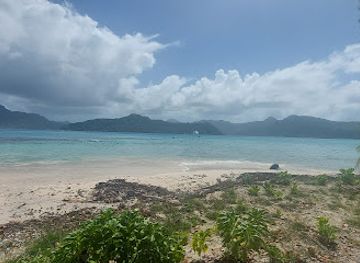
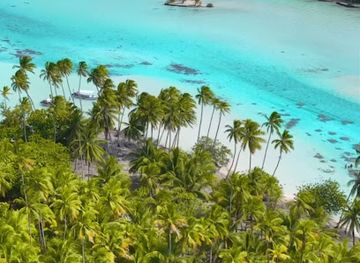
Motu Mahaea
Discover Motu Mahaea, Taha'a: A serene Polynesian paradise with pristine beaches, crystal-clear waters, and vibrant coral reefs for an unforgettable escape.
-
Tourist attraction
Fare Vanira
Discover Taha'a's charm at Fare Vanira: Immerse yourself in natural beauty, local culture, and the sweet scent of vanilla in French Polynesia.
-
Tourist attraction
Love island
Escape to Love Island in Taha'a: A romantic Polynesian paradise with crystal-clear waters, luxurious amenities, and vanilla-scented breezes.
-
Tourist attraction
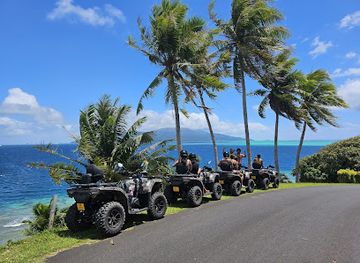
Tahaa Earth & SEA
Discover Tahaa's hidden gems with thrilling ATV adventures, exploring vanilla groves, pearl farms, and stunning island landscapes.

Best landmarks in Taha'a
Taha'a's strongest landmarks are natural: the volcanic mountain interior, the indented bays of Haamene and Hurepiti, and the reef that encloses the shared lagoon with Raiatea. The contrast between steep green slopes, narrow coastal settlements and low coral motu gives the island its recognisable profile from the water. Coral gardens around the reef are important marine landmarks as well as excursion sites, linking the island's identity to clear lagoon habitats and traditional seafaring. Vanilla plantations and pearl farms are cultural and economic landmarks rather than monumental structures, representing two industries closely associated with contemporary Taha'a. Churches, village jetties and local meeting places provide the most visible built heritage in settlements such as Patio and Haamene, while marae and other sacred sites should be approached with respect and only where access is permitted.
-
Hotel
Le Taha'a Island Resort & Spa
Experience luxury and tranquility at Le Taha'a Island Resort & Spa, nestled in the breathtaking landscapes of French Polynesia.
-
 Hotel
HotelVahine Island Ile privée Resort and Spa
Experience the ultimate tropical getaway at Vahine Island Ile Privée Resort and Spa, a luxurious retreat in the heart of French Polynesia.
-
Grocery store
La vallée de la vanille
Discover La Vallée de la Vanille in Taha'a, where lush landscapes and the rich aroma of vanilla await every traveler.
-
Resort hotel
Fare Pea Iti Romantic Lodge
Experience the tranquil beauty of Fare Pea Iti Romantic Lodge in Taha'a, French Polynesia, the perfect retreat for couples and nature lovers.


Explore Taha'a on the map
Plan your trip on one map. See where the top attractions, landmarks, restaurants and hotels are, and book hotels and experiences in a few clicks.
Best hotels in Taha'a
Best restaurants in Taha'a
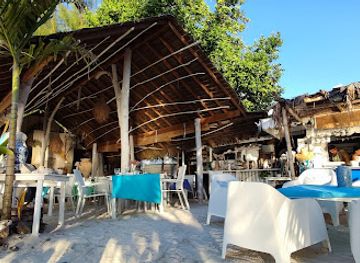
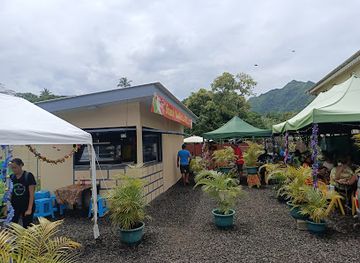
Taha'a's food scene is small and dispersed, with dining concentrated at accommodation restaurants, local family-run establishments and a limited number of cafés or snack outlets around the larger villages. Fresh fish, seafood, coconut, taro, breadfruit, tropical fruit and locally grown vanilla reflect the island's lagoon, gardens and plantation economy. Polynesian preparations may appear alongside French-influenced cooking, while simple poisson cru, grilled fish, rice and fruit are familiar choices across French Polynesia, though menus vary by establishment. Visitors staying in pensions or remote bungalows should ask in advance about meal arrangements, as there is no dense restaurant district and evening alternatives can be limited. Patio and the coastal villages provide the main opportunities to buy provisions or prepared food, while boat excursions may include a picnic or shared meal arranged locally rather than a formal restaurant service.
-
Restaurant
Fish & Blue
Experience authentic Polynesian cuisine at Fish & Blue in Raiatea, where fresh seafood meets breathtaking views in a charming island setting.
-
Restaurant
Snack Tonoi
Experience authentic Polynesian cuisine at Snack Tonoi in Uturoa—where local flavors meet warm hospitality amidst stunning island scenery.
-
Fast Food
Snack VANILLA GRILL
Experience delicious fast food at Snack VANILLA GRILL in Taha'a, where local flavors meet tropical charm for an unforgettable dining experience.

Best bars in Taha'a
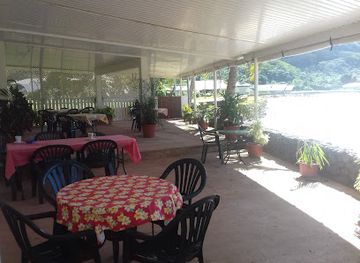
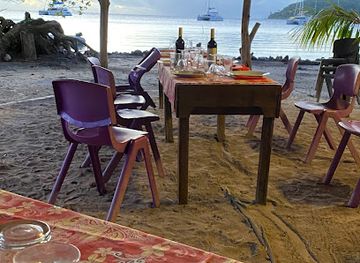
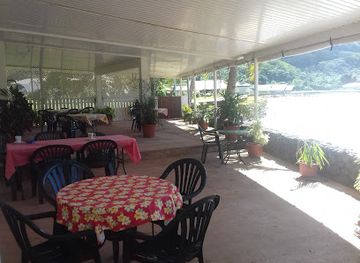
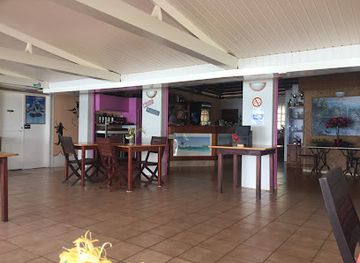
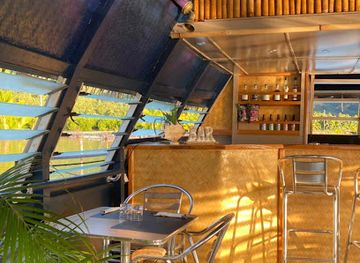
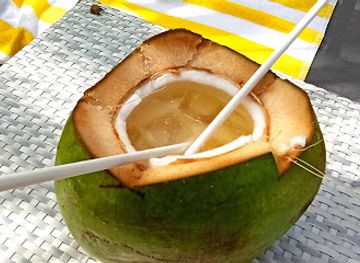
Taha'a does not have a substantial nightclub scene or a concentrated late-night entertainment district. Evenings are generally centred on accommodation restaurants, small local gathering places and occasional music or cultural entertainment associated with hotels, guesthouses or organised events. Village life becomes quiet after dark, and visitors staying outside Patio or the larger coastal settlements should not expect to find a bar within easy walking distance. The most characteristic evening experience is an unhurried meal, conversation and views across the lagoon, sometimes accompanied by Polynesian music or dance when accommodation providers arrange a cultural programme. Availability varies by season and property, so guests should check locally rather than assume that a performance or bar service is operating on a particular night.
-
Restaurant
Tahaa Maitai
Experience the culinary delights of Tahaa Maitai in French Polynesia, where stunning views meet exquisite flavors for an unforgettable dining adventure.
-
Restaurant
Le Ficus
Discover the exquisite flavors of French Polynesia at Le Ficus, a charming restaurant in Taha'a that combines local ingredients with French culinary artistry.
-
Bar
Fare Miti
Experience the flavors of Taha'a at Fare Miti, a delightful bar and restaurant where local charm meets tropical paradise.
-
Bar
Motu Mahana (Paul Gauguin Cruises)
Motu Mahana: A tropical bar paradise in French Polynesia, offering stunning views, delicious cocktails, and a blissful escape into nature.


Best nightclubs in Taha'a
Taha'a does not have a substantial nightclub scene or a concentrated late-night entertainment district. Evenings are generally centred on accommodation restaurants, small local gathering places and occasional music or cultural entertainment associated with hotels, guesthouses or organised events. Village life becomes quiet after dark, and visitors staying outside Patio or the larger coastal settlements should not expect to find a bar within easy walking distance. The most characteristic evening experience is an unhurried meal, conversation and views across the lagoon, sometimes accompanied by Polynesian music or dance when accommodation providers arrange a cultural programme. Availability varies by season and property, so guests should check locally rather than assume that a performance or bar service is operating on a particular night.
-
Restaurant
Tahaa Maitai
Discover Tahaa Maitai, where exquisite local cuisine meets breathtaking island views in the heart of Taha'a, French Polynesia.
-
Bar
Restaurant La Voile d'Or à Raiatea - 'Āpo'oiti
Experience the perfect blend of local and international cuisine at La Voile d'Or in Raiatea, a culinary gem in the heart of French Polynesia.
-
Bar
Fare Miti
Experience the flavors of Taha'a at Fare Miti, a charming bar and restaurant offering delicious local cuisine and stunning island views.
-
Bar
Motu Mahana (Paul Gauguin Cruises)
Discover the serene beauty of Motu Mahana, a private island paradise in French Polynesia, ideal for relaxation and aquatic adventures.
Best shops in Taha'a
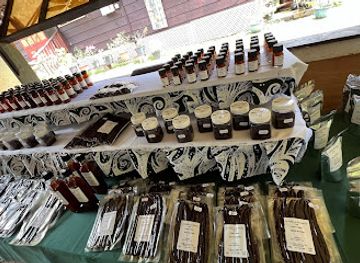
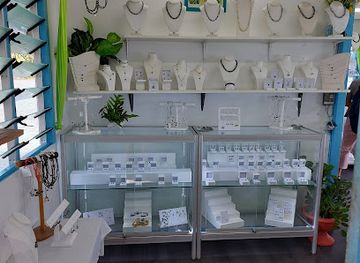
Shopping on Taha'a is modest and practical rather than extensive. Small village shops and provisions outlets serve residents and visitors, while accommodation providers or local producers may offer vanilla, prepared foods, fruit, handcrafted items and souvenirs. Vanilla products are the island's most characteristic purchase, ranging from cured pods to locally made culinary goods, but quality, packaging and availability vary, so buyers should ask about storage and transport requirements. Black pearls and pearl jewellery may be purchased through established pearl farms or local outlets, with documentation and care advice important for higher-value items. Patio and the coastal villages are the most useful places to look for everyday supplies, although visitors staying on a motu or in a remote bay may need to shop before travelling out. There is no large permanent market or extensive commercial shopping district.
-
Grocery store
La vallée de la vanille
Discover the essence of French Polynesia at La Vallée de la Vanille, where the rich flavors of vanilla and local delicacies await your exploration.
-
Distillery
Rhumerie Mana'o/Distillerie Va'eva'e
Discover the authentic flavors of Taha'a at Rhumerie Mana'o, a premier distillery crafting exquisite rum with local heritage.
-
Pizza
Tahaa Zion Food
Experience a delightful culinary journey at Tahaa Zion Food, where fresh ingredients meet the stunning flavors of French Polynesia.
-
Bead store
Ia orana pearl farm
Discover the art of pearl farming at Ia Orana Pearl Farm in Taha'a, where beauty meets craftsmanship in the heart of French Polynesia.

Get your free copy of our complete guide to Taha'a, delivered straight to you.
Everything on this page, from attractions and restaurants to essentials and local phrases, in one PDF you can read offline, print or share.
Already have an account? Sign in
Your Taha'a guide is ready.
We'll send it to · Not you? Sign out

Getting your guide ready…
We are putting together a fresh copy of the Taha'a guide. This can take up to a minute.
This can take a few moments. If your browser asks, choose Allow so the download can start. You'll find the guide in your Downloads folder.
Nothing happened? Download it again
Sorry, the guide is taking longer than usual. Please try again in a minute, or get it by email instead.
Taha'a essentials
Currency and Payment
Safety
Emergency Situations
Do's and Don'ts
Local Tips
From Eve
Local phrases worth knowing
You don't need to get them perfect. A few words go a long way, and locals appreciate the effort.
Basics
| English | Local | Say it |
|---|---|---|
| Hello | Ia orana | [ya oh-rah-nah] |
| Goodbye | Nana | [nah-nah] |
| Yes | E | [eh] |
| No | Aita | [eye-tah] |
| Please/You're welcome | Mauruuru | [mah-roo-roo] |
| Thank you | Mauruuru | [mah-roo-roo] |
| Excuse me/Sorry | Fakamaruru | [fah-kah-mah-roo-roo] |
| How are you? | Aita pe'a pe'a? | [eye-tah peh-ah peh-ah] |
| Fine. And you? | Maita'i. 'E 'oe? | [my-tah-ee. eh oh-eh?] |
| Do you speak English? | Ua parau 'oe i te reo 'anglais? | [oo-ah pah-row oh-eh ee teh ray-oh ahn-glay?] |
| I don't understand | Aita pe'a pe'a | [eye-tah peh-ah peh-ah] |
Eating & Drinking
| English | Local | Say it |
|---|---|---|
| I'd like to see the menu, please | E haere atu au e tia i te menu, maru | [eh hah-eh-ray ah-oo eh tee-ah ee teh may-noo, mah-roo] |
| I don't eat meat | Aita au e 'ai i te parau | [eye-tah oh-eh eye ee teh pah-rah] |
| Cheers! | Manuia! | [mah-noo-ee-ah] |
| I would like to pay, please | E haere atu au e fia i te moni, maru | [eh hah-eh-ray ah-oo eh fee-ah ee teh moh-nee, mah-roo] |
Emergencies
| English | Local | Say it |
|---|---|---|
| Help! | Aita! | [eye-tah!] |
| Go away! | Haere atu! | [hah-eh-ray ah-oo!] |
| Call the Police! | Tapura! | [tah-poo-rah!] |
| Call a doctor! | Taporo! | [tah-poh-roh!] |
| I'm lost | Ua haere iau i te rara | [oo-ah hah-eh-ray ee-ow ee teh rah-rah] |
| I'm ill | Ua mauiui au | [oo-ah mah-oo-ee oh] |
Shopping
| English | Local | Say it |
|---|---|---|
| I'd like to buy... | E haere atu au e hoko... | [eh hah-eh-ray ah-oo eh hoh-koh...] |
| I'm just looking | Ua haere i to'u titau | [oo-ah hah-eh-ray ee toh-oo tee-tow] |
| How much is it? | E hia moni? | [eh hee-ah moh-nee?] |
| That's too expensive | Teie te moni roa | [teh-ee-eh teh moh-nee roh-ah] |
| Can you lower the price? | Aita e te faaora i te moni? | [eye-tah eh teh fah-ah-oh-rah ee teh moh-nee?] |
Time & Numbers
| English | Local | Say it |
|---|---|---|
| What time is it? | E hia ora? | [eh hee-ah oh-rah?] |
| It's one o'clock | E tahi ora | [eh tah-hee oh-rah] |
| Half past (10) | E haapiti | [eh hah-ah-pee-tee] |
| Morning | Poo | [poh-oh] |
| Afternoon | Aapootoo | [ah-ah-poh-toh] |
| Evening | Aaorohi | [ah-ah-oh-roh-hee] |
| Yesterday | Arohe | [ah-roh-heh] |
| Today | Apo | [ah-poh] |
| Tomorrow | Aparaa | [ah-pah-rah-ah] |
| 1 | Tahi | [tah-hee] |
| 2 | Rua | [roo-ah] |
| 3 | Toru | [toh-roo] |
| 4 | Aha | [ah-hah] |
| 5 | Rima | [ree-mah] |
| 6 | Ono | [oh-noh] |
| 7 | Fitu | [fee-too] |
| 8 | Varu | [vah-roo] |
| 9 | Iva | [ee-vah] |
| 10 | Aho | [ah-hoh] |
Transport & Directions
| English | Local | Say it |
|---|---|---|
| Where's a/the...? | Nohea te... | [noh-heh-ah teh...] |
| What's the address? | He aha te tuhinga? | [heh ah-hah teh too-heen-gah?] |
| Can you show me (on the map)? | Aita 'oe e haere teie i te mahere? | [eye-tah oh-eh eh hah-eh-ray teh-ee-eh ee teh mah-heh-reh?] |
| When's the next (bus)? | Nohea te hahere mahope? | [noh-heh-ah teh hah-heh-ray mah-hoh-peh?] |
| A ticket (to ....) | Te moni aroha (i te ....) | [teh moh-nee ah-roh-hah ee teh ....] |
History of Taha'a
A Volcanic Island in the Society Islands
Taha'a is the eroded remnant of an ancient volcanic island, shaped over geological time as volcanic peaks weathered and the surrounding reef system developed. Its steep interior valleys, deeply cut bays and encircling lagoon reflect the relationship between a former high island and the coral reef that now protects its coast. The neighbouring island of Raiatea shares the same lagoon, creating an unusually close geographical and cultural association between the two islands.
Polynesian Settlement and Seafaring
Taha'a was settled by Polynesian communities whose lives depended on voyaging, fishing, horticulture and the productive resources of the lagoon. Settlement concentrated around coastal plains and sheltered bays, while the interior supplied freshwater, forest materials and cultivable valleys. Oral traditions, place names and surviving marae reflect the wider cultural world of the Leeward Islands, where religious, political and family relationships linked Taha'a with Raiatea and other islands of the Society group.
European Contact and Island Kingdoms
European navigators reached the Society Islands during the eighteenth century, bringing the first recorded descriptions into European sources and beginning a period of intensified contact. Missionaries and traders followed, and Christianity became established during the nineteenth century. Taha'a's history during this period was connected with changing chiefly authority and the political importance of Raiatea and Taha'a within the Leeward Islands. The islands retained their own local identities even as external religious, commercial and political pressures increased.
French Rule and Changing Economies
French influence expanded across the Society Islands during the nineteenth century, and the Leeward Islands were subsequently incorporated into the French colonial system. Local communities continued to rely on fishing, small-scale agriculture and maritime exchange, while imported goods and new administrative structures altered island life. Coconut cultivation and copra became significant commercial activities in many parts of French Polynesia. On Taha'a, the dispersed coastal settlement pattern and dependence on boat transport remained central features of everyday life.
Vanilla, Pearls and Contemporary Tourism
In the modern era, Taha'a has become particularly associated with vanilla cultivation and black-pearl farming, both of which connect the island's economy to its fertile valleys and sheltered lagoon. Tourism developed more gradually than on some larger Polynesian islands, favouring small hotels, pensions, guesthouses, lagoon excursions and locally guided visits rather than dense resort construction. Contemporary Taha'a balances these visitor activities with the continuing importance of family land, fishing, agriculture and responsible stewardship of the reef environment.
Taha'a in Photos
Browse through our photo collection highlighting the charm and character of the destination.
Neighbouring destination travel guides
The closest destinations to Taha'a, if you have time for more than one.
-

-

-

-

-


Swipe for more destinations
Explore more

Explore more of Leeward Islands
Discover the Leeward Islands in French Polynesia: A tropical paradise of crystal-clear lagoons, lush mountains, and vibrant coral reefs, perfect for relaxation and adventure.
Explore Leeward Islands
Explore more of French Polynesia
Discover French Polynesia, where turquoise waters, lush landscapes, and vibrant culture await. Dive into a paradise of adventure and relaxation in the heart of the South Pacific.
Explore French Polynesia