
Coastal Plains, Gabon Travel Guide
Discover the Coastal Plains of Gabon – where lush landscapes, abundant wildlife, and pristine beaches meet rich cultural heritage and outdoor adventures.
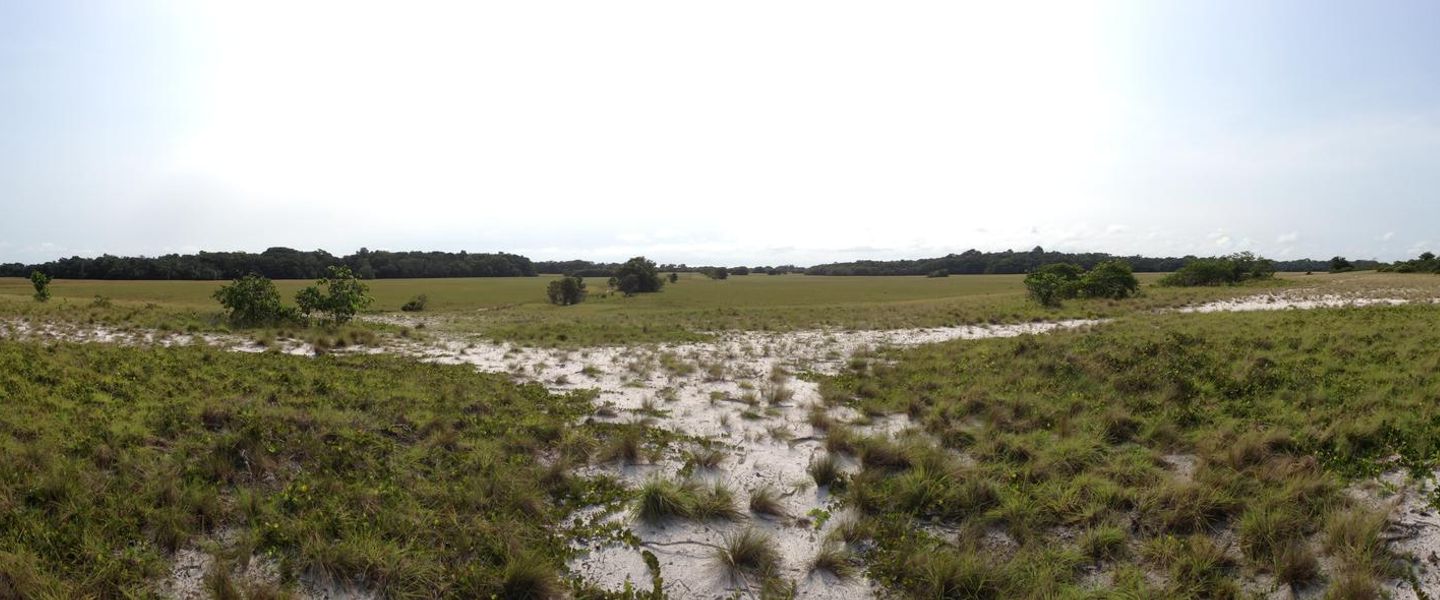
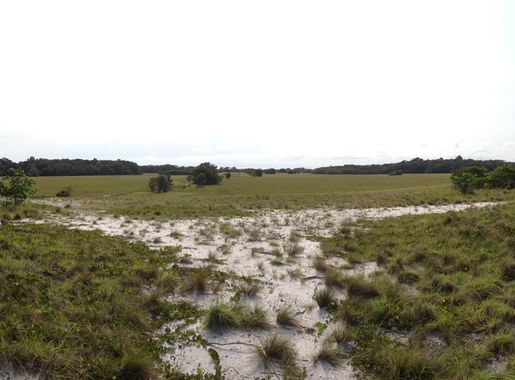
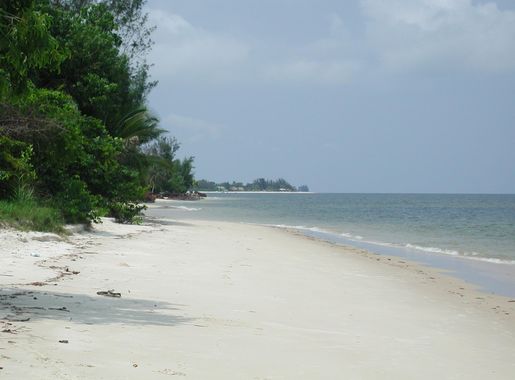
The Coastal Plains of Gabon offer an enchanting mix of lush landscapes and pristine beaches along the Atlantic Ocean. Here, the land meets the sea in a stunning display of natural beauty, with sprawling mangroves, scenic lagoons, and white sandy shores. The region is home to abundant wildlife, including elephants, hippos, and a variety of bird species, making it a paradise for nature lovers and photographers alike. This coastal haven is also rich in cultural heritage. Local villages dot the plains, providing a glimpse into the traditions and lifestyles of the Gabonese people. Visitors can enjoy local cuisine, traditional music, and vibrant markets that reflect the unique blend of African and French influences. For the adventurous, the Coastal Plains offer numerous outdoor activities. From guided wildlife tours and boat trips through mangroves to relaxing on secluded beaches, there's something for everyone. The serene environment and breathtaking views make this an ideal destination for those looking to escape the hustle and bustle of city life and immerse themselves in nature's tranquility.

Know before you go
Hi, I'm Eve. Here are a few practical things to know before exploring Coastal Plains.
- Bring insect repellent to protect against mosquitoes, especially if you plan to explore the mangroves.
- Hire a local guide for wildlife tours to increase your chances of spotting elephants and hippos.
- Visit local villages to experience the culture and enjoy traditional Gabonese cuisine.
- Pack light, breathable clothing for daytime and a light jacket for cooler evenings.
- Carry cash, as many local markets and small businesses may not accept credit cards.
Top City Travel Guides in Coastal Plains
The cities of Coastal Plains, and the easiest places to base yourself.

Destinations in Coastal Plains
Resorts, valleys and scenic spots worth a trip of their own.

Explore Coastal Plains: Things to Do, Places to Eat, Hotels & More
Handpicked recommendations for top attractions, local dining, accommodations, and more

Top Attractions & Sightseeing in Coastal Plains


Best landmarks in Coastal Plains
Top-rated picks
Best Landmarks

Village des Artisans
Discover the vibrant Village des Artisans in Libreville, where local craftsmanship and culture come alive through unique handicrafts and engaging artisans.

Cathédrale Sainte Marie
Discover the stunning Cathédrale Sainte Marie in Libreville, a breathtaking Catholic church that embodies Gabonese culture and architectural beauty.

Akanda National Park
Discover the breathtaking landscapes and rich biodiversity of Akanda National Park in Libreville, Gabon - a true paradise for nature lovers and adventurers.

Lopé National Park
Explore the breathtaking landscapes and diverse wildlife of Lopé National Park, a UNESCO World Heritage site in Gabon.

Best restaurants in Coastal Plains
Top-rated picks
Best Restaurants

BANTU Restaurant – Restaurant – Bar – Pizzeria
Experience the vibrant flavors of Gabon at BANTU Restaurant – your ultimate destination for pizza, drinks, and unforgettable dining moments.

Tropicana
Experience the vibrant flavors of Gabon at Tropicana, where local culture meets culinary excellence in Libreville's dining scene.

Beach Club
Discover Beach Club in Libreville - where French elegance meets African tradition in a stunning beachfront setting.

Le Moulin d'Okala
Discover delightful dishes at Le Moulin d'Okala in Libreville - where local flavors meet global tastes in an inviting atmosphere.

Best bars in Coastal Plains
Top-rated picks
Best Bars

La Voile Rouge
Discover the vibrant flavors of Gabon at La Voile Rouge, a must-visit restaurant in Libreville for an authentic culinary experience.

Tropicana
Experience the rich culinary heritage of Gabon at Tropicana, a top restaurant in Libreville offering a delightful fusion of flavors.

Beach Club
Discover Beach Club in Libreville - where French elegance meets African flavors in a lively dining experience.

Le Moulin d'Okala
Discover the flavors of Libreville at Le Moulin d'Okala, where every dish is a delightful journey through local and international cuisine.

Best nightclubs in Coastal Plains
Top-rated picks
Best Nightclubs

Beach Club
Experience the fusion of French and African cuisine at Beach Club in Libreville, where every meal is a celebration of local flavors.

Bodega Mbolo
Experience the lively atmosphere of Bodega Mbolo in Libreville, where great food, drinks, and vibrant nightlife await.

Big Mama
Discover the vibrant flavors of Libreville at Big Mama, where local ingredients meet a cozy dining experience in a welcoming atmosphere.

Yoka_Lounge
Discover relaxation at Yoka Lounge in Libreville, the perfect spot for cocktails and conversation amidst a serene ambiance.

Best shops in Coastal Plains
Top-rated picks
Best Shops

Léon-Mba Libreville International Airport
Explore Gabon from Léon-Mba Libreville International Airport, where modern facilities meet the enchanting spirit of Africa.

Marché Mont Bouët
Immerse yourself in the local culture at Marché Mont Bouët, a vibrant market with fresh produce, crafts, and delicious street food in Libreville.

CK2 centre ville
Explore CK2 Centre Ville - Libreville's prime destination for home improvement, offering everything from tools to decor to inspire your projects.

Maxi Ckdo Akanda
Explore local flavors and essentials at Maxi Ckdo Akanda, the premier supermarket in the heart of Akanda, Gabon.

Explore Coastal Plains on the Map
A handpicked selection of must-see spots in Coastal Plains, mapped for you.
Coastal Plains Essentials
-
The Coastal Plains in Gabon can be accessed via Léon-Mba International Airport in Libreville, the capital city of Gabon. From Libreville, you can take a domestic flight to Port-Gentil, which is the main city in the Coastal Plains region. Alternatively, you can reach Port-Gentil by ferry from Libreville, which offers a scenic route along the coast. The ferry ride takes approximately 4 to 5 hours. Once in Port-Gentil, you can use local transportation options to explore the Coastal Plains.
-
In the Coastal Plains, transportation options include taxis, car rentals, and local minibuses known as 'clandos'. Taxis are widely available in Port-Gentil and are a convenient way to get around the city. For exploring more remote areas, renting a car is advisable. Be cautious when using 'clandos' as they can be overcrowded and may not always adhere to safety standards. Bicycles can also be rented for short distances and provide a unique way to explore the coastal scenery.
-
The official currency of Gabon is the Central African CFA Franc (XAF). Credit cards are accepted in major hotels, restaurants, and shops in Port-Gentil, but it is advisable to carry cash for transactions in smaller establishments and rural areas. ATMs are available in Port-Gentil, but it is prudent to withdraw sufficient cash in Libreville as ATM availability can be limited outside major cities.
-
The Coastal Plains in Gabon are generally safe for tourists, but standard precautions should be taken. Avoid walking alone at night, especially in poorly lit or unfamiliar areas. Petty crime such as pickpocketing can occur in crowded places, so keep an eye on your belongings. Some neighborhoods in Port-Gentil, including Quartier Louis and Quartier Matiti, have higher crime rates and should be navigated with caution, particularly after dark.
-
In case of emergency, dial 177 for police assistance or 1300 for medical emergencies. Port-Gentil has a hospital and several clinics where you can seek medical care. It is advisable to have travel insurance that covers medical emergencies. Pharmacies are available in Port-Gentil for minor health issues. Carry a basic first-aid kit and any personal medications you may need.
-
Fashion: Do dress modestly, especially when visiting local communities. Avoid wearing overly revealing clothing. Religion: Do respect local customs and traditions. When visiting religious sites, dress conservatively and remove your shoes if required. Public Transport: Do be respectful and considerate on public transport. Don't engage in loud conversations or play loud music. Greetings: Do greet people with a handshake and a smile. A slight nod of the head is also a sign of respect. Eating & Drinking: Do try local dishes and accept food offerings graciously. Don't refuse hospitality, as it is considered impolite.
-
To experience the Coastal Plains like a local, visit the fish markets in Port-Gentil for fresh seafood and local delicacies. Engage with locals, who are often friendly and eager to share their culture and traditions. Don't miss exploring the beautiful beaches and national parks in the region, such as Loango National Park, which is known for its diverse wildlife and stunning landscapes. For a unique experience, take a boat trip along the Ogooué River and observe the local fishing communities.
When is the best time to visit Coastal Plains?
Useful Local Phrases for Coastal Plains
You don't need to speak the language perfectly. Even learning a few simple words can make conversations warmer—and locals usually appreciate the effort.
— Eve

Here are the phrases I use most often in Coastal Plains. Try a few—you'll be surprised how far they go! 😊
❤️
-
- HelloHowdy
[haʊdi] - GoodbyeSee ya
[si jə] - YesYep
[jɛp] - NoNah
[nɑ] - Please/You're welcomeNo problem
[noʊ ˈprɑbləm] - Thank youThanks
[θæŋks] - Excuse me/SorrySorry 'bout that
[ˈsɔri baʊt ðæt] - How are you?How ya doin'?
[haʊ jə ˈduɪn] - Fine. And you?Good. And you?
[ɡʊd ənd jə] - Do you speak English?You speakin' English?
[jə ˈspikɪn ˈɪŋɡlɪʃ] - I don't understandI don't get it
[aɪ doʊnt ɡɛt ɪt]
- HelloHowdy
-
- I'd like to see the menu, pleaseCan I see the menu?
[kæn aɪ si ðə ˈmɛnju] - I don't eat meatI don't eat meat
[aɪ doʊnt it mit] - Cheers!Cheers!
[ʧɪrz] - I would like to pay, pleaseCan I get the check?
[kæn aɪ ɡɛt ðə ʧɛk]
- I'd like to see the menu, pleaseCan I see the menu?
-
- Help!Help!
[hɛlp] - Go away!Leave me alone!
[liv mi əˈloʊn] - Call the Police!Call the cops!
[kɔl ðə kɑps] - Call a doctor!Get a doctor!
[ɡɛt ə ˈdɑktər] - I'm lostI'm lost
[aɪm lɔst] - I'm illI'm not feeling well
[aɪm nɑt ˈfilɪŋ wɛl]
- Help!Help!
-
- I'd like to buy...I want to buy...
[aɪ wɑnt tu baɪ] - I'm just lookingJust browsing
[dʒʌst ˈbraʊzɪŋ] - How much is it?What’s the price?
[wʌts ðə praɪs] - That's too expensiveThat costs too much
[ðæt kɔsts tu mʌʧ] - Can you lower the price?Can you bring the price down?
[kæn jə brɪŋ ðə praɪs daʊn]
- I'd like to buy...I want to buy...
-
- What time is it?What time is it?
[wʌt taɪm ɪz ɪt] - It's one o'clockIt's one o'clock
[ɪts wʌn əˈklɑk] - Half past (10)Half past ten
[hæf pæst tɛn] - MorningMorning
[ˈmɔrnɪŋ] - AfternoonAfternoon
[ˌæftərˈnun] - EveningEvening
[ˈivnɪŋ] - YesterdayYesterday
[ˈjɛstərdeɪ] - TodayToday
[təˈdeɪ] - TomorrowTomorrow
[təˈmɔroʊ] - 1One
[wʌn] - 2Two
[tu] - 3Three
[θri] - 4Four
[fɔr] - 5Five
[faɪv] - 6Six
[sɪks] - 7Seven
[ˈsɛvən] - 8Eight
[eɪt] - 9Nine
[naɪn] - 10Ten
[tɛn]
- What time is it?What time is it?
-
- Where's a/the...?Where's the...?
[wɛrz ðə] - What's the address?What's the address?
[wʌts ði əˈdrɛs] - Can you show me (on the map)?Can you point it out?
[kæn jə pɔɪnt ɪt aʊt] - When's the next (bus)?When's the next bus?
[wɛn z ðə nɛkst bʌs] - A ticket (to ....)A ticket to ...
[ə ˈtɪkɪt tu]
- Where's a/the...?Where's the...?
History of Coastal Plains
-
The Coastal Plains of Gabon have been home to various indigenous tribes for millennia. Among the first inhabitants were the Pygmy peoples, who are known for their deep connection to the forest and their traditional hunter-gatherer lifestyle. Later, Bantu-speaking tribes migrated to the region, bringing with them agricultural techniques and iron-working skills, which significantly shaped the social and economic structures of the area.
-
In the 15th century, Portuguese explorers were among the first Europeans to arrive at the Coastal Plains of Gabon. They were drawn by the lucrative trade opportunities, particularly in ivory, gold, and slaves. The Portuguese established trading posts along the coast, which became points of contact and cultural exchange between Europeans and local populations.
-
By the mid-19th century, the French began to establish a foothold in Gabon, eventually making it part of French Equatorial Africa. The Coastal Plains became an area of strategic importance for the French colonial administration. Libreville, now the capital of Gabon, was founded by freed slaves in 1849 and developed into a significant port and administrative center during this period. French colonial rule brought about significant changes in the region, including the introduction of Christianity, Western education, and new economic practices.
-
The mid-20th century saw a rise in nationalist movements across Africa, and Gabon was no exception. The Coastal Plains played a crucial role in the struggle for independence, with Libreville serving as a hub for political activity. Gabon eventually gained independence from France on August 17, 1960. The post-independence period saw efforts to modernize the country while grappling with the legacies of colonial rule.
-
The Coastal Plains of Gabon are rich in cultural heritage, with a diverse tapestry of traditions and practices. The Fang, Myene, and Punu are among the prominent ethnic groups in the region, each contributing to the vibrant cultural mosaic. Traditional music and dance, such as the Bwiti ritual of the Fang people, play an essential role in social and spiritual life. Craftsmanship, including mask-making and weaving, is also highly valued and continues to thrive as a symbol of cultural identity.
-
The Coastal Plains are not only significant for their historical and cultural value but also for their stunning natural beauty and biodiversity. The region is home to several national parks, including Loango National Park, which is famed for its pristine beaches, lagoons, and diverse wildlife. Conservation efforts in the Coastal Plains aim to protect endangered species and unique ecosystems, making it a vital area for both environmental preservation and ecotourism.
Neighbouring Regions of Coastal Plains
The closest regions to Coastal Plains, if you have time for more than one.



Your all‑in‑one travel companion app
Explore expert travel guides, compare and book tours, experiences, hotels, and more—all from the palm of your hand. Download now for seamless trip planning wherever your wanderlust takes you.


Explore More of Gabon
Looking beyond Coastal Plains? Discover Gabon for broader travel guides, local hot-spots, and regional highlights.
Explore GabonCoastal Plains in Photos
Browse through our photo collection highlighting the charm and character of the destination.




The Enchanted Coastal Plains of Gabon
The Coastal Plains of Gabon offer an enchanting mix of lush landscapes and pristine beaches along the Atlantic Ocean. Here, the land meets the sea in a stunning display of natural beauty, with sprawling mangroves, scenic lagoons, and white sandy shores. The region is home to abundant wildlife, including elephants, hippos, and a variety of bird species, making it a paradise for nature lovers and photographers alike. This coastal haven is also rich in cultural heritage. Local villages dot the plains, providing a glimpse into the traditions and lifestyles of the Gabonese people. Visitors can enjoy local cuisine, traditional music, and vibrant markets that reflect the unique blend of African and French influences. For the adventurous, the Coastal Plains offer numerous outdoor activities. From guided wildlife tours and boat trips through mangroves to relaxing on secluded beaches, there's something for everyone. The serene environment and breathtaking views make this an ideal destination for those looking to escape the hustle and bustle of city life and immerse themselves in nature's tranquility.