

Free Estuary Province Travel Guide & Mobile App
Explore Estuary Province with free travel guides. Discover regional history, expert tips, proposed trips, and audio guides on web or mobile app.


Explore Estuaire Province and Libreville for Gabonese history, Atlantic beaches, estuary wetlands, forest parks and coastal cuisine.
Read more about Estuary Province
When is the best time to visit Estuary Province?
Best: June–August · 30°C| Month | High (°C) | Rainfall (mm) |
|---|---|---|
| January | 29 | 200 |
| February | 29 | 170 |
| March | 29 | 150 |
| April | 29 | 130 |
| May | 30 | 120 |
| June (best) | 30 | 110 |
| July (best) | 30 | 100 |
| August (best) | 30 | 110 |
| September | 30 | 120 |
| October | 29 | 130 |
| November | 29 | 150 |
| December | 29 | 180 |
Getting to and around Estuary Province
How to get there
Transportation
Top city travel guides in Estuary Province
The cities of Estuary Province, and the easiest places to base yourself.
-
-


Swipe for more cities
Destinations in Estuary Province
Resorts, valleys and scenic spots worth a trip of their own.
-

-

-


Swipe for more destinations
Best attractions in Estuary Province
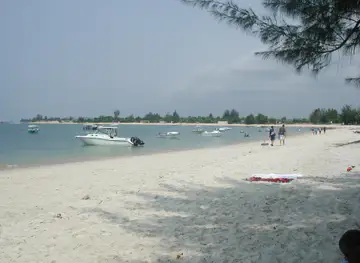
Estuaire Province’s attractions combine the cultural resources of Libreville with coastal and forest environments that are unusually close to a national capital. In the city, visitors can explore markets, churches, waterfront areas, museums and cultural institutions, while the urban neighbourhoods offer a more immediate sense of contemporary Gabon than a short list of monuments alone. Outside central Libreville, Akanda National Park protects mangrove waterways, tidal habitats and coastal forest north-east of the capital, making it suitable for carefully planned boat and nature excursions. Across the Komo estuary, Pongara National Park offers beaches, mangroves, forest and wildlife habitat, including important nesting areas for marine turtles; access and accommodation arrangements need to be established in advance. The coastal settlements and beaches around the Libreville area provide opportunities for swimming, relaxation and seafood, although conditions vary and not every beach has formal facilities or lifeguards. Owendo adds a significant port and transport dimension, while the broader province includes forest landscapes and communities whose livelihoods remain connected to fishing, commerce and agriculture. The appeal lies in the contrast between an equatorial capital and ecosystems shaped by tides, rivers and Atlantic weather.
-
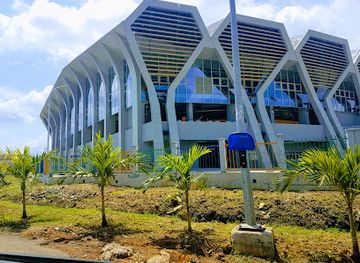
Stadium
Stade Complexe Omnisport
Experience the heart of Gabonese sports at Stade Complexe Omnisport, a landmark of Libreville's sporting history and national pride.
-
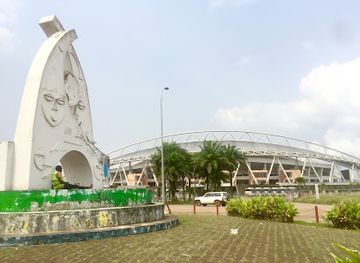
Stadium
Stade de l’Amitié
Experience the heart of Gabonese sports and culture at Stade de l'Amitié, Libreville's iconic stadium and event venue.
-
Casino
Casino Croisette
Experience the thrill of gaming at Casino Croisette in Libreville, Gabon, with slots, roulette, live entertainment, and more!
-
Marina
Michel Marine
Your departure point for coastal adventures in Libreville, offering access to stunning beaches and marine excursions.

Best landmarks in Estuary Province
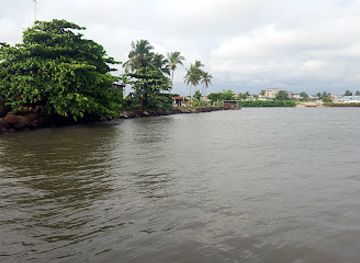
Libreville’s most recognisable landmarks reflect the province’s role as Gabon’s capital and historic estuary settlement. The Catholic Cathedral of Sainte-Marie, close to the waterfront, is associated with the city’s missionary and colonial-era history, while the wooden Church of Saint-Michel in the Nkembo area is known for its carved decoration and distinctive local character. Government and civic buildings around the capital express the political importance Libreville acquired during and after colonial rule, although access to official premises may be restricted. The Komo estuary itself is a defining geographical landmark: its wide waters, mudflats and mangrove margins explain the location of the city and its historic links with maritime trade. To the north-east, the mangrove channels and tidal landscapes of Akanda National Park form a natural landmark of national importance; across the water, Pongara’s long beaches and forested coastal setting create a contrasting horizon. These places are significant not only for appearance but also for their connection to settlement, transport, conservation and the province’s relationship with the Atlantic.
-
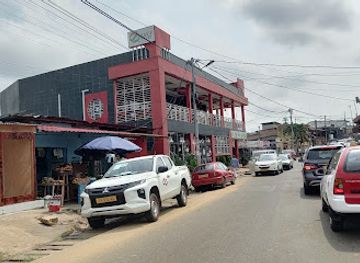
Restaurant
La Sauce Créole Restaurant
Experience authentic Gabonese cuisine at La Sauce Créole Restaurant in Libreville, where local flavors meet warm hospitality.
-
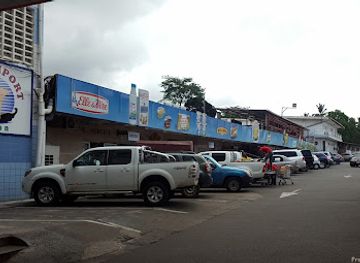
Supermarket
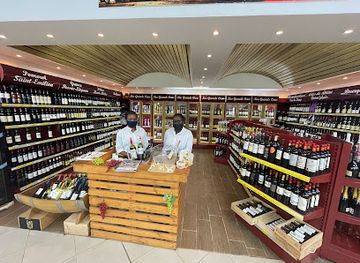
Carrefour by Prix Import
Experience the vibrant shopping culture at Carrefour by Prix Import in Libreville, where local flavors meet international products.
-
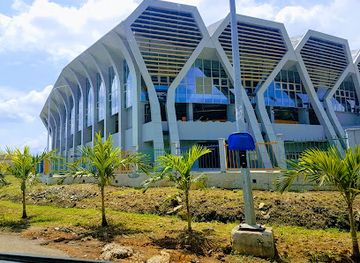
Stadium
Stade Complexe Omnisport
Experience the vibrant sports culture of Gabon at Stade Complexe Omnisport, the epicenter of sporting events in Libreville, where passion meets excitement.
-
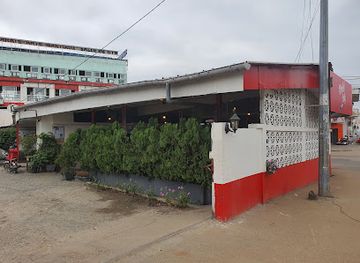
Restaurant
Tivoli
Experience the essence of Gabonese cuisine at Tivoli, a beloved restaurant in Libreville known for its delightful dishes and vibrant atmosphere.
Explore Estuary Province on the map
Plan your trip on one map. See where the top cities, national parks and sights are, and book hotels and experiences in a few clicks.
Best hotels in Estuary Province
Best restaurants in Estuary Province
Libreville provides Estuaire Province’s broadest choice of dining, from informal eateries and market food to cafés, hotel restaurants and contemporary establishments serving international and Gabonese dishes. Coastal produce features strongly: fish, prawns and crab are commonly paired with plantain, cassava, rice or sauces made with greens, chilli and other local ingredients. Dishes such as poulet nyembwe, chicken prepared with a palm-nut sauce, belong to Gabon’s wider culinary tradition and may appear alongside grilled fish and regional stews. Markets are useful for observing the variety of ingredients entering the city, although visitors should choose busy, well-maintained food stalls and drink treated or bottled water. French influence is visible in bread, pastries and café culture, while Central African flavours shape everyday cooking. Around coastal communities and excursion areas, seafood is an obvious choice, but menus and supply can be seasonal. Outside Libreville, dining options are more limited, so organised trips should clarify whether meals, drinking water and snacks are included.
-
Restaurant
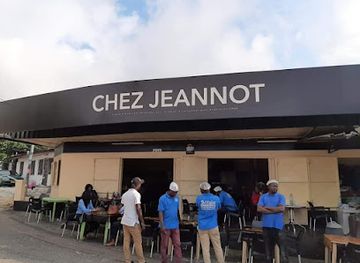
Chez Jeannot
Experience the vibrant flavors of Gabon at Chez Jeannot - where delicious meals meet warm hospitality in Libreville.
-
Restaurant
Tropicana
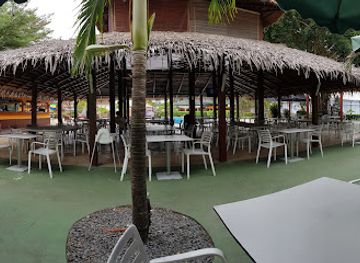
Experience the vibrant flavors of Gabon at Tropicana - a must-visit restaurant in Libreville offering local and international delights.
-
French
Beach Club
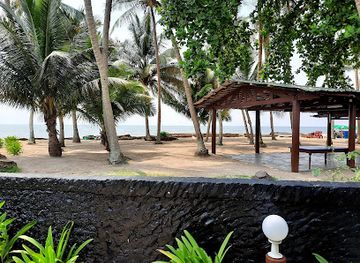
Experience coastal luxury with exquisite French-African cuisine at Beach Club in Libreville - where every meal feels like a vacation.
-
Restaurant
Le Moulin d'Okala
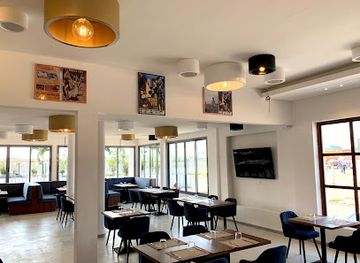
Experience the flavors of Gabon at Le Moulin d'Okala, where fresh pastries meet delicious pizzas in a cozy setting.
Best bars in Estuary Province
Nightlife in Estuaire Province is concentrated in Libreville, where the evening scene includes neighbourhood bars, hotel lounges, restaurants, live music venues and clubs offering a mixture of Gabonese, African and international sounds. The city’s nightlife changes quickly, and venues may be informal or operate with arrangements that are easiest to understand through a trusted local contact rather than a static online listing. Areas around the central business districts and major hotels tend to offer the widest choice, while residential neighbourhoods have smaller bars serving local beer, soft drinks and food. Traditional bars and music venues can be as representative of the city’s social life as dedicated nightclubs. Outside Libreville, evenings are generally quieter and revolve around restaurants, guesthouses, community settings or early departures for outdoor activities. Visitors should arrange reliable transport, keep valuables discreet and check current local advice before going out, particularly when travelling beyond the capital.
-
Bar
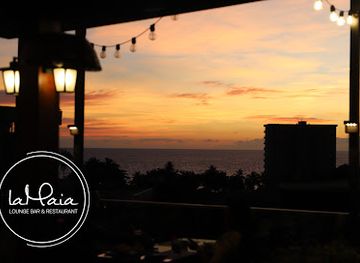
Lamaia Lounge Bar & Restaurant
Discover the charm of Libreville at Lamaia Lounge Bar & Restaurant, where exquisite French cuisine meets a vibrant lounge atmosphere.
-
Bar
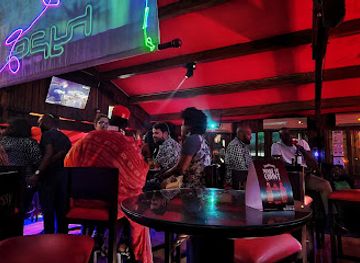
HYPE BAR LOUNGE
Discover the lively nightlife at HYPE BAR LOUNGE in Libreville, where good music meets a vibrant atmosphere for an unforgettable experience.
-
Tapas Bar
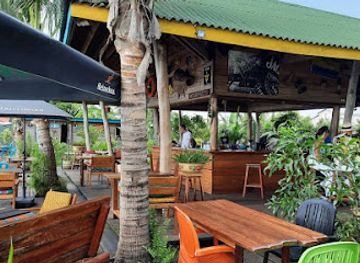
Marina Social Beach
Experience the vibrant culinary delights of Marina Social Beach in Port-Gentil, where tapas and stunning views create unforgettable moments.
-
Lounge
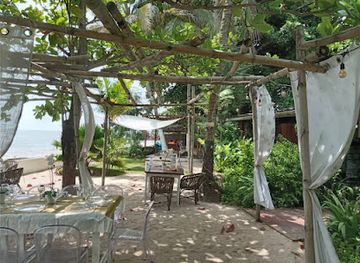
L’iroko
Discover L’iroko in Libreville, the vibrant lounge where local flavors and lively ambiance create an unforgettable dining experience.
Best nightclubs in Estuary Province
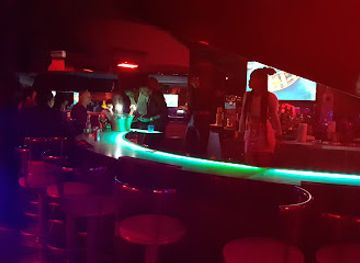
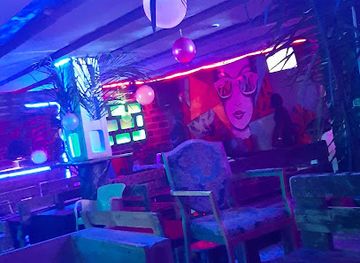
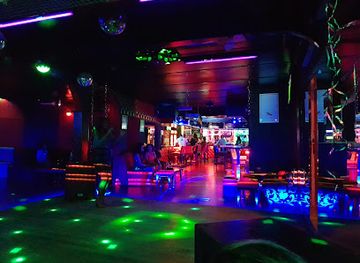
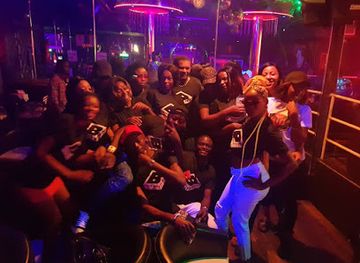
Nightlife in Estuaire Province is concentrated in Libreville, where the evening scene includes neighbourhood bars, hotel lounges, restaurants, live music venues and clubs offering a mixture of Gabonese, African and international sounds. The city’s nightlife changes quickly, and venues may be informal or operate with arrangements that are easiest to understand through a trusted local contact rather than a static online listing. Areas around the central business districts and major hotels tend to offer the widest choice, while residential neighbourhoods have smaller bars serving local beer, soft drinks and food. Traditional bars and music venues can be as representative of the city’s social life as dedicated nightclubs. Outside Libreville, evenings are generally quieter and revolve around restaurants, guesthouses, community settings or early departures for outdoor activities. Visitors should arrange reliable transport, keep valuables discreet and check current local advice before going out, particularly when travelling beyond the capital.
-
Night club
Cotton Club
Discover the vibrant nightlife at Cotton Club in Libreville, where music, dance, and culture come together for an unforgettable experience.
-
Bar
IBIZA NIGHTCLUB Bar - Restaurant -Chicha- Terrasse
Experience the vibrant nightlife at Ibiza Nightclub Bar & Restaurant in Libreville, where great food meets sensational music and dancing.
-
Night club
Insomnia
Experience the vibrant nightlife of Libreville at Insomnia, where music, dance, and excitement come together for an unforgettable night.
-
Night club
Boomerang Night Club
Dive into the vibrant nightlife of Libreville at Boomerang Night Club, where music, dance, and local culture come alive in an unforgettable atmosphere.
Best shops in Estuary Province
Shopping in Estuaire Province is centred on Libreville, where large markets and busy commercial streets are more useful for everyday observation and local purchases than for polished souvenir retail. Mont-Bouët is the capital’s best-known major market area, with clothing, household goods, food and imported merchandise sold amid a crowded urban environment; visitors should keep belongings secure and negotiate courteously where prices are not displayed. Smaller markets and shops offer smoked or dried foods, spices, fabrics and household products, while galleries and craft outlets may stock carved wooden objects, woven goods, jewellery and other items associated with Gabonese artistic traditions. Ask about the origin and sustainable sourcing of wildlife-related materials, and never buy items made from protected species. Supermarkets and established shops are convenient for packaged food, water and practical supplies. Shopping outside Libreville is more limited, so buy gifts and excursion provisions in the capital rather than assuming that coastal parks or villages will have a wide retail selection.
-
Handicraft
Village des Artisans
Explore the vibrant Village des Artisans in Libreville for authentic Gabonese handicrafts and a glimpse into the local artistic culture.
-
Supermarket
PRIX IMPORT - BIKELE
Discover the flavors of Gabon at PRIX IMPORT - BIKELE, a supermarket in Libreville offering local delicacies and international products.
-
Supermarket
Carrefour Nyali
Explore the vibrant Carrefour Nyali, a supermarket in Libreville offering a blend of local and international products for an authentic shopping experience.
-
Shopping mall
Royal Plaza
Discover Royal Plaza in Libreville for a vibrant shopping experience with diverse retail options, delightful dining, and lively entertainment.


Get your free copy of our complete guide to Estuary Province, delivered straight to you.
Everything on this page, from attractions and restaurants to essentials and local phrases, in one PDF you can read offline, print or share.
Already have an account? Sign in
Your Estuary Province guide is ready.
We'll send it to · Not you? Sign out

Getting your guide ready…
We are putting together a fresh copy of the Estuary Province guide. This can take up to a minute.
This can take a few moments. If your browser asks, choose Allow so the download can start. You'll find the guide in your Downloads folder.
Nothing happened? Download it again
Sorry, the guide is taking longer than usual. Please try again in a minute, or get it by email instead.
Estuary Province essentials
Currency and Payment
Safety
Emergency Situations
Do's and Don'ts
Local Tips
From Eve
Local phrases worth knowing
You don't need to get them perfect. A few words go a long way, and locals appreciate the effort.
Basics
| English | Local | Say it |
|---|---|---|
| Hello | Hey there! | [Hey thair!] |
| Goodbye | See ya later! | [See ya lay-ter!] |
| Yes | Yup | [Yup] |
| No | Nope | [Nope] |
| Please/You're welcome | Sure thing! | [Shoor thing!] |
| Thank you | Thanks a lot! | [Thanks a lot!] |
| Excuse me/Sorry | My bad | [My bad] |
| How are you? | How's it going? | [How's it goin'?] |
| Fine. And you? | Good. You? | [Good. You?] |
| Do you speak English? | You speak English? | [You speak English?] |
| I don't understand | I don't get it | [I don't get it] |
Eating & Drinking
| English | Local | Say it |
|---|---|---|
| I'd like to see the menu, please | Can I check the menu? | [Can I check the menu?] |
| I don't eat meat | I'm a vegetarian | [I'm a vegetarian] |
| Cheers! | Cheers! | [Cheers!] |
| I would like to pay, please | Can I get the check? | [Can I get the check?] |
Emergencies
| English | Local | Say it |
|---|---|---|
| Help! | Help! | [Help!] |
| Go away! | Leave me alone! | [Leave me alone!] |
| Call the Police! | Call the cops! | [Call the cops!] |
| Call a doctor! | Get a doctor! | [Get a doctor!] |
| I'm lost | I'm turned around | [I'm turned around] |
| I'm ill | I'm not feeling well | [I'm not feelin' well] |
Shopping
| English | Local | Say it |
|---|---|---|
| I'd like to buy... | I wanna buy... | [I wanna buy...] |
| I'm just looking | Just browsing | [Just browsing] |
| How much is it? | What's the price? | [What's the price?] |
| That's too expensive | That's pricey | [That's pricey] |
| Can you lower the price? | Can you cut the price? | [Can you cut the price?] |
Time & Numbers
| English | Local | Say it |
|---|---|---|
| What time is it? | What time is it? | [What time is it?] |
| It's one o'clock | It's one | [It's one] |
| Half past (10) | Half past ten | [Half past ten] |
| Morning | Morning | [Morning] |
| Afternoon | Afternoon | [Afternoon] |
| Evening | Evening | [Evening] |
| Yesterday | Yesterday | [Yesterday] |
| Today | Today | [Today] |
| Tomorrow | Tomorrow | [Tomorrow] |
| 1 | One | [One] |
| 2 | Two | [Two] |
| 3 | Three | [Three] |
| 4 | Four | [Four] |
| 5 | Five | [Five] |
| 6 | Six | [Six] |
| 7 | Seven | [Seven] |
| 8 | Eight | [Eight] |
| 9 | Nine | [Nine] |
| 10 | Ten | [Ten] |
Transport & Directions
| English | Local | Say it |
|---|---|---|
| Where's a/the...? | Where's the...? | [Where's the...?] |
| What's the address? | What's the address? | [What's the address?] |
| Can you show me (on the map)? | Can you point it out? | [Can you point it out?] |
| When's the next (bus)? | When's the next bus? | [When's the next bus?] |
| A ticket (to ....) | One ticket to... | [One ticket to...] |
History of Estuary Province
Mpongwe Communities and the Gabon Estuary
Long before the modern province was created, Mpongwe communities lived around the lower Gabon estuary and maintained commercial and cultural connections along the coast. The estuary became a meeting point for local trade, fishing and contact with European merchants sailing through the Gulf of Guinea. These histories remain important to understanding Libreville and the surrounding coast, where place names, family histories and cultural practices reflect the region’s pre-colonial foundations rather than beginning with the arrival of European powers.
European Trade and Missionary Activity
From the fifteenth century onwards, Portuguese and later other European traders entered the wider Gabonese coastal world, although local communities continued to control much of the regional trade. In the nineteenth century, missionaries and French officials established a more permanent presence around the estuary. Christian institutions, schools and commercial posts gradually altered the political and social landscape, while the coast became increasingly connected to Atlantic networks involving timber, ivory and, tragically, the slave trade.
Libreville, Founded as a Free Settlement in 1849
Libreville was founded in 1849 after a French naval operation intercepted the slave ship Elizia and brought liberated Africans to the Gabon coast. The settlement was named Libreville, meaning ‘free town’, echoing Freetown in Sierra Leone. The episode did not erase the wider violence of Atlantic slavery or colonial expansion, but it gave the future capital a name and founding story associated with emancipation. Missionary work and French administration subsequently helped the settlement expand around the estuary.
French Colonial Rule and Equatorial Administration
During the late nineteenth and early twentieth centuries, France consolidated control over Gabon and incorporated the territory into French Equatorial Africa. Libreville became an administrative and commercial centre, while colonial economic activity focused heavily on forest resources and coastal transport. Roads, port facilities, churches and government buildings altered the urban landscape, but colonial rule also imposed forced labour, taxation and unequal political structures. Several surviving civic and religious buildings in Libreville reflect this period without representing it uncritically.
The Battle of Libreville, 1940
Libreville was the scene of fighting in November 1940 during the Second World War, when Free French forces sought to bring French Equatorial Africa under the authority of Charles de Gaulle rather than Vichy France. The campaign formed part of a wider struggle for control of Central African colonies and their strategic resources. The episode connected the Gabonese capital to global wartime politics and remains an important part of the province’s twentieth-century history.
Independence, Oil and the Growth of Greater Libreville
Gabon became independent from France in 1960, and Estuaire developed as the country’s principal political, commercial and population centre. Libreville expanded well beyond its historic core, while Owendo became important for port activity and national transport. Petroleum revenues supported public construction and urban growth, although the province has also experienced inequality, congestion and pressure on coastal and forest environments. Today, the capital’s international role exists alongside conservation initiatives in Akanda and Pongara and continuing debates about sustainable development.
Estuary Province in Photos
Browse through our photo collection highlighting the charm and character of the destination.
Neighbouring regions of Estuary Province
The closest regions to Estuary Province, if you have time for more than one.
-
-

-

-

-


Swipe for more regions
Explore more
Explore more of Gabon
Gabon: Discover Africa's untouched paradise with pristine beaches, diverse wildlife, and rich cultural heritage.
Explore Gabon