
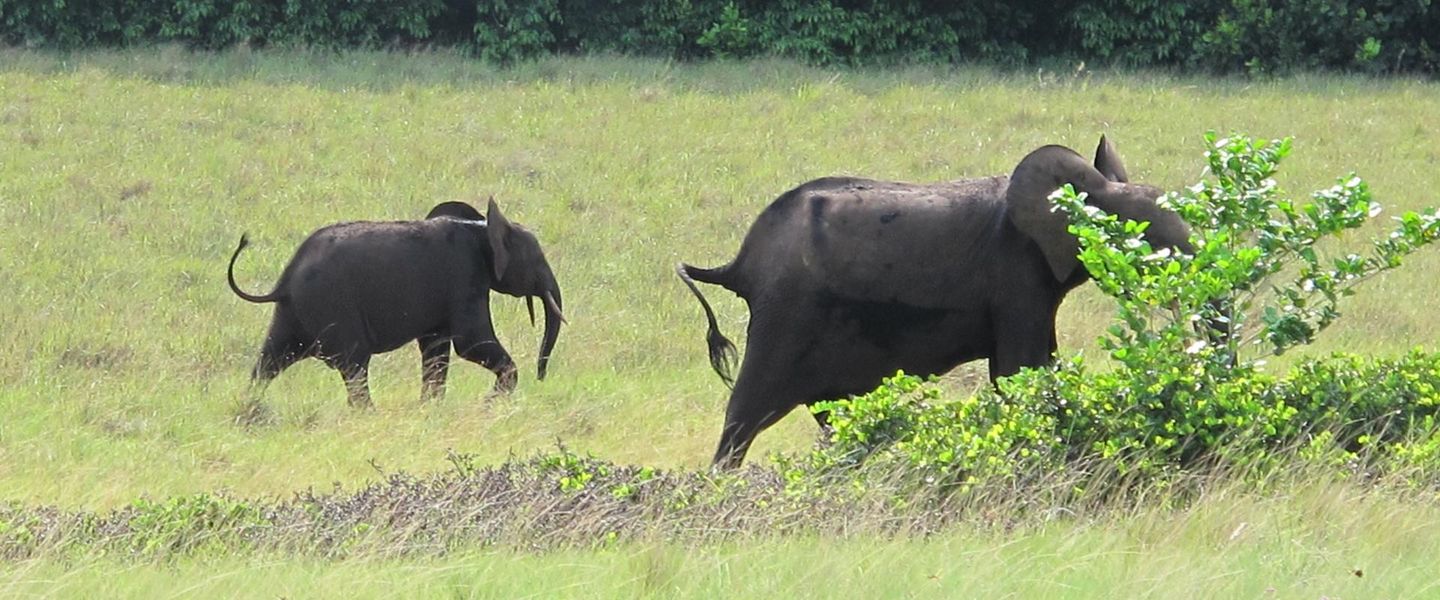
Nyanga Province, Gabon Travel Guide
Discover Nyanga Province in Gabon: A serene paradise of lush rainforests, stunning waterfalls, diverse wildlife, and rich cultural heritage.
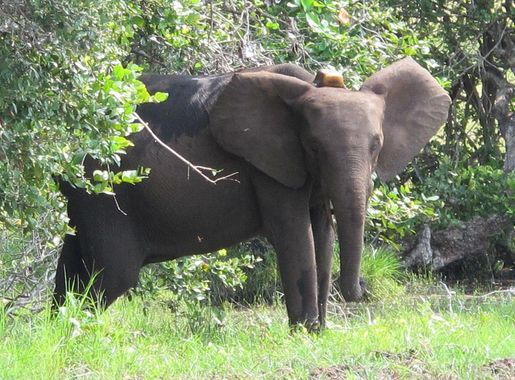
Nestled in the southern part of Gabon, Nyanga Province is a breathtaking destination that offers a unique blend of natural beauty and cultural richness. This unspoiled region is characterized by its lush rainforests, stunning waterfalls, and pristine beaches along the Atlantic coast. Tourists can immerse themselves in the tranquil surroundings and enjoy a variety of outdoor activities such as bird watching, hiking, and exploring the diverse wildlife that inhabits the area. One of the highlights of Nyanga Province is the Nyanga National Park, a haven for nature enthusiasts. The park is home to a wide range of flora and fauna, including several endangered species. Visitors can embark on guided tours to witness the majestic elephants, gorillas, and leopards that roam the park. The park's network of trails also leads to picturesque waterfalls, such as the Chutes de Djoue and Chutes de l'Ivindo, offering perfect spots for picnicking and photography. In addition to its natural wonders, Nyanga Province also boasts a rich cultural heritage. The local communities are known for their traditional crafts, music, and dance. Tourists can visit villages to experience the warm hospitality of the locals and learn about their customs and way of life. The province's capital, Tchibanga, serves as a gateway to this enchanting region and offers essential amenities for travelers. With its blend of stunning landscapes and vibrant culture, Nyanga Province is a must-visit destination for those seeking an off-the-beaten-path adventure in Gabon.

Know before you go
Hi, I'm Eve. Here are a few practical things to know before exploring Nyanga Province.
- Visit during the dry season (June to September) for the best weather conditions.
- Hire a local guide to enhance your wildlife and cultural experience.
- Pack insect repellent and lightweight, breathable clothing.
- Bring cash as ATMs and card facilities may be limited in remote areas.
- Respect local customs and traditions when visiting villages.
Destinations in Nyanga Province
Resorts, valleys and scenic spots worth a trip of their own.

Explore Nyanga Province: Things to Do, Places to Eat, Hotels & More
Handpicked recommendations for top attractions, local dining, accommodations, and more

Top Attractions & Sightseeing in Nyanga Province
Top-rated picks
Best Attractions

Nyanga River
Discover the serene beauty and vibrant culture surrounding Nyanga River, Gabon's natural gem, offering adventure and tranquility.

Carrefour St Antoine
Explore Carrefour St Antoine in Mayumba, Gabon: Hike through lush trails, discover vibrant wildlife, and immerse yourself in serene natural beauty.
Panga
Discover the serene beauty of Panga in Tsagui, Gabon: an unspoiled natural escape offering tranquility and a genuine Gabonese experience.


Best restaurants in Nyanga Province
Top-rated picks
Best Restaurants

BANTU Restaurant – Restaurant – Bar – Pizzeria
Experience the vibrant flavors of Gabon at BANTU Restaurant – your go-to spot for delicious pizza and lively nightlife in Libreville.

La Voile Rouge
Experience authentic Gabonese cuisine at La Voile Rouge in Libreville – where every dish tells a story.

Beach Club
Discover the culinary delights at Beach Club in Libreville – where French elegance meets African flavors by the sea.

Lamaia Lounge Bar & Restaurant
Discover exquisite grilled dishes and French steakhouse favorites at Lamaia Lounge Bar & Restaurant in Libreville – where flavor meets ambiance.

Best bars in Nyanga Province
Top-rated picks
Best Bars

BANTU Restaurant – Restaurant – Bar – Pizzeria
Discover the vibrant flavors of Gabon at BANTU Restaurant, your go-to spot for delicious pizza and a lively dining atmosphere in Libreville.

Lamaia Lounge Bar & Restaurant
Discover the culinary gem of Libreville at Lamaia Lounge Bar & Restaurant, where local flavors meet French flair in a vibrant lounge setting.

Marina Social Beach
Discover the vibrant flavors of Port-Gentil at Marina Social Beach, a must-visit tapas bar offering a unique dining experience by the sea.

L’iroko
Experience the vibrant blend of Gabonese cuisine and lively atmosphere at L'iroko, a must-visit lounge in Libreville.

Best nightclubs in Nyanga Province
Top-rated picks
Best Nightclubs

Cotton Club
Discover the nightlife at Cotton Club in Libreville, where music, dancing, and a lively atmosphere create unforgettable memories.

IBIZA NIGHTCLUB Bar - Restaurant -Chicha- Terrasse
Discover the lively ambiance and delicious offerings at IBIZA NIGHTCLUB Bar - Restaurant -Chicha- Terrasse in Libreville, a hotspot for nightlife enthusiasts.

CEYO NIGHTCLUB
Dive into the vibrant nightlife of Libreville at CEYO Nightclub, where music, dance, and fun await every visitor.

Boomerang Night Club
Discover the heartbeat of Libreville's nightlife at Boomerang Night Club, where music, dance, and vibrant energy unite for an unforgettable experience.

Best shops in Nyanga Province
Top-rated picks
Best Shops

Village des Artisans
Explore the vibrant Village des Artisans in Libreville, a hub of Gabonese handicrafts showcasing local artistry and culture.

Royal Plaza
Discover the vibrant shopping experience at Royal Plaza in Libreville, the perfect blend of local charm and international brands.

Marché Central
Experience the lively atmosphere of Marché Central in Mouila, where local culture meets fashion in a vibrant shopping hub.

Lébamba,gabon
Discover the vibrant shopping and cultural hub of Lébamba, where local craftsmanship meets modern retail in Gabon.

Explore Nyanga Province on the Map
A handpicked selection of must-see spots in Nyanga Province, mapped for you.
Nyanga Province Essentials
-
Nyanga Province is located in the southern part of Gabon. The nearest airport is M'Vengue El Hadj Omar Bongo Ondimba International Airport in Franceville, which is about 250 kilometers away. From the airport, you can hire a taxi or rent a car to reach Nyanga Province. Alternatively, you can take a domestic flight to Tchibanga Airport, which is the capital of Nyanga Province. Bus services are also available from Libreville to Tchibanga, though the journey can be long and bumpy.
-
Within Nyanga Province, transportation options include taxis, buses, and car rentals. Taxis are a common form of transport and can be found in major towns like Tchibanga. For travel between smaller villages, minibuses and shared taxis are available. Renting a car is recommended for those who wish to explore the region at their own pace, especially if you plan to visit remote areas and national parks.
-
The official currency of Gabon is the Central African CFA Franc (XAF). Credit cards are accepted in some hotels and larger restaurants, but it is advisable to carry cash, particularly in smaller towns and rural areas. ATMs are available in Tchibanga, but it is recommended to withdraw sufficient cash beforehand to ensure you have enough funds for your trip.
-
Nyanga Province is generally safe for tourists, but standard precautions should be taken. Avoid walking alone at night, especially in unfamiliar areas. Be cautious of your belongings in crowded places and avoid displaying expensive items. Some areas in Tchibanga and other towns may have higher crime rates, so it is best to stay in well-populated and well-lit areas.
-
In case of emergency, dial 177 for police assistance or 1300 for medical emergencies. Tchibanga has a local hospital and several clinics for medical care. It is strongly recommended to have travel insurance that covers medical emergencies. For minor health issues, pharmacies are available in larger towns.
-
Fashion: Do dress modestly, especially in rural areas and religious sites. Avoid wearing revealing clothing. Religion: Do respect local customs and traditions. Always ask for permission before taking photographs of people or religious sites. Public Transport: Do be respectful and patient, as services can be slow. Don't expect strict adherence to schedules. Greetings: Do greet people with a handshake and a smile. It's customary to greet everyone when entering a room. Eating & Drinking: Do try local dishes and accept food offerings graciously. Don't refuse hospitality, as it is considered impolite.
-
To experience Nyanga Province like a local, visit the traditional markets where you can buy fresh produce and local crafts. Engage with locals, who are often friendly and willing to share insights about their culture and traditions. Don't miss visiting the Nyanga National Park, known for its diverse wildlife and beautiful landscapes. For a unique experience, participate in a traditional dance or music event, which are common in local festivals.
When is the best time to visit Nyanga Province?
Useful Local Phrases for Nyanga Province
You don't need to speak the language perfectly. Even learning a few simple words can make conversations warmer—and locals usually appreciate the effort.
— Eve

Here are the phrases I use most often in Nyanga Province. Try a few—you'll be surprised how far they go! 😊
❤️
-
- HelloBonjour
[bɔ̃ʒuʁ] - GoodbyeAu revoir
[o ʁəvwaʁ] - YesOui
[wi] - NoNon
[nɔ̃] - Please/You're welcomeS'il vous plaît
[sil vu plɛ] - Thank youMerci
[mɛʁsi] - Excuse me/SorryExcusez-moi
[ɛkskyze mwa] - How are you?Comment ça va?
[kɔmɑ̃ sa va] - Fine. And you?Bien. Et vous?
[bjɛ̃ e vu] - Do you speak English?Parlez-vous anglais?
[paʁle vu ɑ̃ɡlɛ] - I don't understandJe ne comprends pas
[ʒə nə kɔ̃pʁɑ̃ pa]
- HelloBonjour
-
- I'd like to see the menu, pleaseJe voudrais voir le menu, s'il vous plaît
[ʒə vudʁɛ vwaʁ lə məny, sil vu plɛ] - I don't eat meatJe ne mange pas de viande
[ʒə nə mɑ̃ʒ pa də vjɑ̃d] - Cheers!Santé!
[sɑ̃te] - I would like to pay, pleaseJe voudrais payer, s'il vous plaît
[ʒə vudʁɛ peje, sil vu plɛ]
- I'd like to see the menu, pleaseJe voudrais voir le menu, s'il vous plaît
-
- Help!Au secours!
[o səkuʁ] - Go away!Allez-vous-en!
[ale vu zɑ̃] - Call the Police!Appelez la police!
[aple la pɔlis] - Call a doctor!Appelez un médecin!
[aple ɛ̃ mɛdɛsɛ̃] - I'm lostJe suis perdu
[ʒə sɥi pɛʁdy] - I'm illJe suis malade
[ʒə sɥi malad]
- Help!Au secours!
-
- I'd like to buy...Je voudrais acheter...
[ʒə vudʁɛ aʃte] - I'm just lookingJe regarde juste
[ʒə ʁəɡaʁd ʒyst] - How much is it?C'est combien?
[sɛ kɔ̃bjɛ̃] - That's too expensiveC'est trop cher
[sɛ tʁo ʃɛʁ] - Can you lower the price?Pouvez-vous baisser le prix?
[puve vu bɛse lə pʁi]
- I'd like to buy...Je voudrais acheter...
-
- What time is it?Quelle heure est-il?
[kɛl œʁ ɛ t'il] - It's one o'clockIl est une heure
[il ɛ yn œʁ] - Half past (10)Dix heures et demie
[di zœʁ e dəmi] - MorningMatin
[matɛ̃] - AfternoonAprès-midi
[apʁɛ midi] - EveningSoir
[swaʁ] - YesterdayHier
[jɛʁ] - TodayAujourd'hui
[oʒuʁdɥi] - TomorrowDemain
[dəmɛ̃] - 1Un
[œ̃] - 2Deux
[dø] - 3Trois
[tʁwa] - 4Quatre
[katʁ] - 5Cinq
[sɛ̃k] - 6Six
[sis] - 7Sept
[sɛt] - 8Huit
[ɥit] - 9Neuf
[nœf] - 10Dix
[di]
- What time is it?Quelle heure est-il?
-
- Where's a/the...?Où est un/une...?
[u ɛ ɛ̃/yn] - What's the address?Quelle est l'adresse?
[kɛl ɛ l'adresse] - Can you show me (on the map)?Pouvez-vous me montrer (sur la carte)?
[puve vu mə mɔ̃tʁe syʁ la kaʁt] - When's the next (bus)?Quand est le prochain (bus)?
[kɑ̃ ɛ lə pʁɔʃɛ̃ (byz)] - A ticket (to ....)Un billet (pour ....)
[œ̃ bijɛ (puʁ ....)]
- Where's a/the...?Où est un/une...?
History of Nyanga Province
-
Nyanga Province is home to a diverse range of indigenous tribes, including the Mitsogo and the Punu people. These tribes have inhabited the region for centuries, developing rich cultural traditions and complex societal structures. They are known for their intricate wooden masks, used in ceremonial dances and rituals, which are a testament to their deep connection with spiritual practices and ancestral worship.
-
In the late 19th century, European explorers, including French and Portuguese adventurers, began to navigate the waterways and dense forests of Nyanga Province. The region became part of French Equatorial Africa following the Berlin Conference of 1884-1885. The colonial period saw significant changes in the region's social and economic structures, with the introduction of cash crops and the establishment of colonial administrative centers.
-
The mid-20th century marked a period of intense political activity in Nyanga Province as local leaders and national movements pushed for independence from French colonial rule. Gabon eventually achieved independence on August 17, 1960. The people of Nyanga played a crucial role in this struggle, contributing to the broader national efforts to gain sovereignty and self-determination.
-
After gaining independence, Nyanga Province underwent significant transformations. The government initiated various development projects aimed at improving infrastructure, education, and healthcare. Despite challenges, the province has made strides in economic development, primarily through agriculture and eco-tourism, leveraging its rich natural landscapes and biodiversity.
-
Nyanga Province is renowned for its vibrant cultural heritage, which is celebrated through numerous festivals and events. The 'Fête des Masques' is one of the most notable, where traditional mask dances are performed to honor ancestors and preserve cultural identity. These festivals are not only a spectacle of color and rhythm but also serve as a means of passing down traditions and stories from one generation to the next.
-
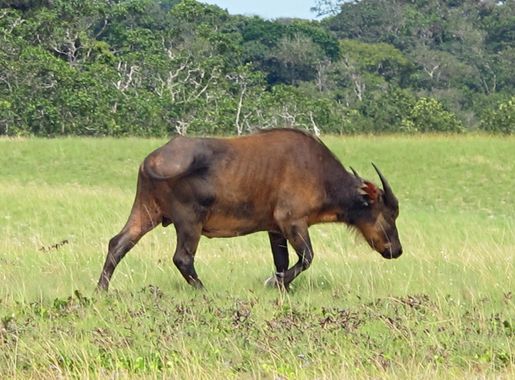
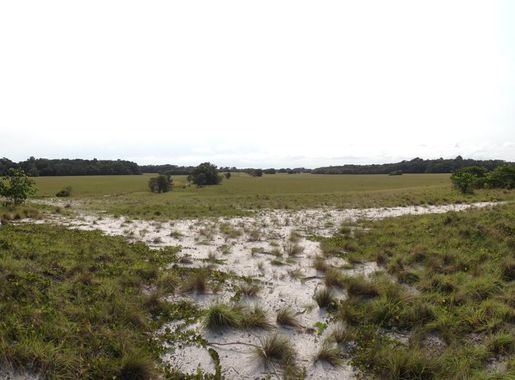
Nyanga Province boasts some of Gabon's most stunning natural landscapes, including the Loango National Park and the Nyanga River. These areas are rich in biodiversity, hosting a variety of wildlife such as elephants, gorillas, and numerous bird species. Conservation efforts have been ramped up in recent years to protect these natural treasures, with initiatives aimed at sustainable tourism and wildlife protection.
Neighbouring Regions of Nyanga Province
The closest regions to Nyanga Province, if you have time for more than one.



Your all‑in‑one travel companion app
Explore expert travel guides, compare and book tours, experiences, hotels, and more—all from the palm of your hand. Download now for seamless trip planning wherever your wanderlust takes you.


Explore More of Gabon
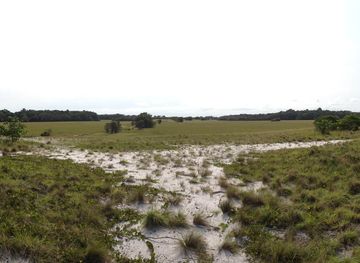
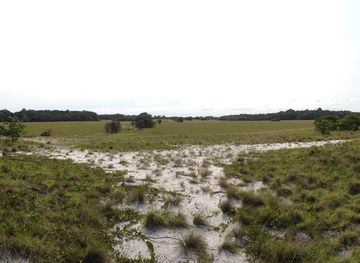
Looking beyond Nyanga Province? Discover Gabon for broader travel guides, local hot-spots, and regional highlights.
Explore GabonNyanga Province in Photos
Browse through our photo collection highlighting the charm and character of the destination.
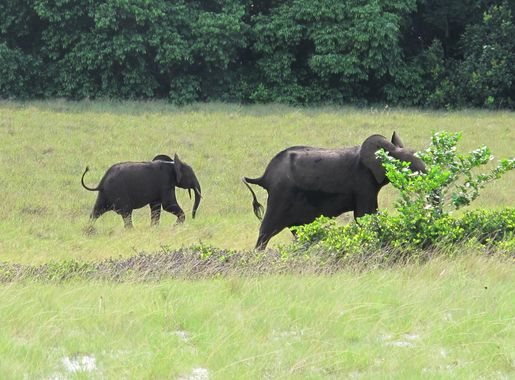


Nyanga Province: Gabon's Hidden Gem
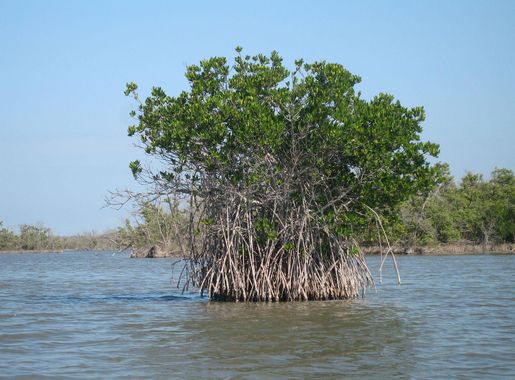
Nestled in the southern part of Gabon, Nyanga Province is a breathtaking destination that offers a unique blend of natural beauty and cultural richness. This unspoiled region is characterized by its lush rainforests, stunning waterfalls, and pristine beaches along the Atlantic coast. Tourists can immerse themselves in the tranquil surroundings and enjoy a variety of outdoor activities such as bird watching, hiking, and exploring the diverse wildlife that inhabits the area. One of the highlights of Nyanga Province is the Nyanga National Park, a haven for nature enthusiasts. The park is home to a wide range of flora and fauna, including several endangered species. Visitors can embark on guided tours to witness the majestic elephants, gorillas, and leopards that roam the park. The park's network of trails also leads to picturesque waterfalls, such as the Chutes de Djoue and Chutes de l'Ivindo, offering perfect spots for picnicking and photography. In addition to its natural wonders, Nyanga Province also boasts a rich cultural heritage. The local communities are known for their traditional crafts, music, and dance. Tourists can visit villages to experience the warm hospitality of the locals and learn about their customs and way of life. The province's capital, Tchibanga, serves as a gateway to this enchanting region and offers essential amenities for travelers. With its blend of stunning landscapes and vibrant culture, Nyanga Province is a must-visit destination for those seeking an off-the-beaten-path adventure in Gabon.