

Free Mayombe Forest Travel Guide & Mobile App
Explore Mayombe Forest with free travel guides. Discover regional history, expert tips, proposed trips, and audio guides on web or mobile app.


Explore Mayombe Forest in southern Gabon through rainforest trails, community-guided journeys and the coastal wetlands of nearby Mayumba.
When is the best time to visit Mayombe Forest?
Best: July–September · 30°C| Month | High (°C) | Rainfall (mm) |
|---|---|---|
| January | 30 | 250 |
| February | 31 | 230 |
| March | 31 | 210 |
| April | 31 | 190 |
| May | 31 | 170 |
| June | 30 | 150 |
| July (best) | 30 | 130 |
| August (best) | 30 | 110 |
| September (best) | 30 | 130 |
| October | 31 | 150 |
| November | 31 | 170 |
| December | 30 | 190 |
Getting to and around Mayombe Forest
How to get there
Transportation
Destinations in Mayombe Forest
Resorts, valleys and scenic spots worth a trip of their own.

Swipe for more destinations
Best attractions in Mayombe Forest
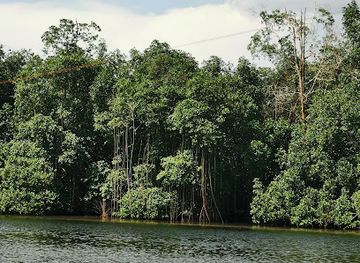
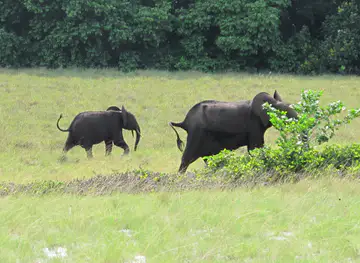
Mayombe Forest’s attractions are primarily ecological and experiential rather than built. Guided walks and four-wheel-drive journeys reveal dense rainforest, vines, streams, clearings and the changing textures of the southern Gabonese landscape, with opportunities for birdwatching and the cautious observation of forest wildlife. The experience depends heavily on weather, local knowledge and patience; there is little conventional visitor infrastructure and no guarantee of animal sightings. Tchibanga provides an inland base for arranging practical services and contacting guides, while nearby Mayumba offers a different setting of lagoon, beach and coastal forest. Mayumba National Park is particularly significant for its protected coastline and leatherback turtle nesting beaches, though turtle activity is seasonal and visits must follow conservation rules. Visitors may also learn about forest livelihoods, local produce and environmental management through responsibly arranged community interactions. The region is best suited to travellers who value remoteness, conservation and slow journeys rather than a dense programme of ticketed attractions.
-
Tourist attraction
Ndossi Village
Discover Ndossi Village: An eco-friendly Gabonese retreat offering adventure, relaxation, and a unique cultural experience near Libreville.
-
 Tourist attraction
Kakamoeka
Discover Kakamoeka: Explore dramatic gorges, stunning waterfalls, and lush forests in this hidden gem of Congo-Brazzaville.
Best landmarks in Mayombe Forest
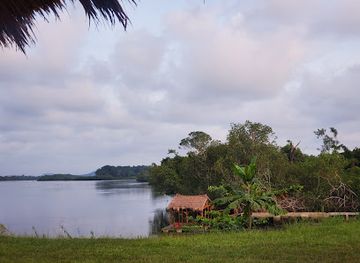
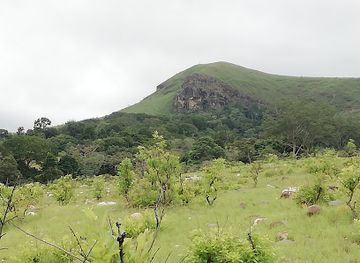
The defining landmarks of the Mayombe area are natural rather than monumental. The Mayombe forest and its wooded hills form the region’s principal geographical identity, creating a continuous-looking landscape of canopy, streams and rugged rural tracks across southern Gabon and beyond the country’s borders. Tchibanga is the most important inland urban reference point, with its role as the administrative and commercial centre of Nyanga Province giving it significance even though it is not a grand historic monument. Near the coast, the lagoon-and-ocean setting of Mayumba provides a marked contrast to the inland forest. Mayumba National Park’s long beaches and protected nesting shoreline are especially important natural landmarks, linked to the conservation of leatherback turtles. These places are valued for scale, ecological significance and cultural context rather than polished visitor facilities. Access should be arranged locally, and coastal or forest landscapes should be treated as working environments and protected habitats, not merely scenic backdrops.
-
Handicraft
Village des Artisans
Discover the vibrant handicrafts and rich cultural heritage of Gabon at Village des Artisans in Libreville, a treasure trove of unique artisan creations.
-
Catholic church
Cathédrale Sainte Marie
Discover the architectural beauty and spiritual significance of Cathédrale Sainte Marie in Libreville, a must-visit landmark for travelers seeking cultural depth.
-
National park
Akanda National Park
Discover the natural wonder of Akanda National Park, where adventure meets biodiversity in the heart of Gabon.
-
National park
Lopé National Park
Discover the breathtaking biodiversity and stunning landscapes of Lopé National Park, a must-visit national park in Gabon for nature lovers and adventurers.
Explore Mayombe Forest on the map
Plan your trip on one map. See where the top cities, national parks and sights are, and book hotels and experiences in a few clicks.
Best hotels in Mayombe Forest
Best restaurants in Mayombe Forest
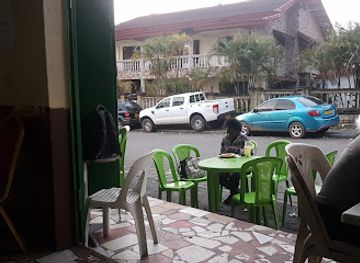
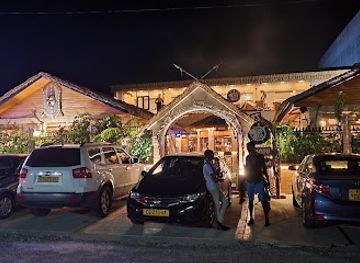
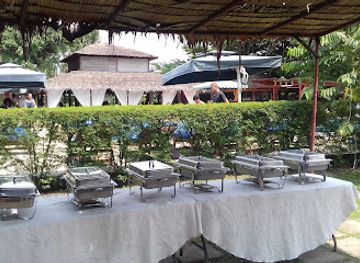
Dining in the Mayombe area is based largely on Gabonese home cooking, modest local eateries and food prepared by accommodation providers rather than a developed restaurant circuit. In Tchibanga and Mayumba, meals may include rice, plantain, cassava, vegetables, grilled or stewed fish, chicken and sauces enriched with groundnuts or other locally available ingredients. Coastal Mayumba has stronger access to lagoon and Atlantic fish, while inland communities draw more directly on forest-edge farming, river fishing and market produce. Bushmeat should not be requested or purchased, both because protected species may be involved and because consumption can undermine conservation. Travellers should carry provisions for remote journeys and ask in advance about meal arrangements. Bottled or treated water is advisable, and market food should be selected carefully, particularly where refrigeration is limited. The most meaningful food experiences are usually informal and locally arranged rather than formal fine dining.
-
Restaurant
Chez Jeannot
Experience authentic Gabonese cuisine at Chez Jeannot in Libreville - where every meal is a journey through local flavors.
-
Pizza
BANTU Restaurant – Restaurant – Bar – Pizzeria
Discover BANTU Restaurant in Libreville - where delectable pizzas meet vibrant nightlife in a cozy atmosphere.
-
French
Beach Club
Discover the Beach Club in Libreville for an unforgettable fusion of French and African culinary experiences by the sea.
-
Restaurant
Le Moulin d'Okala
Experience the culinary delights at Le Moulin d'Okala - where Gabonese flavors meet international flair in an inviting atmosphere.
Best bars in Mayombe Forest
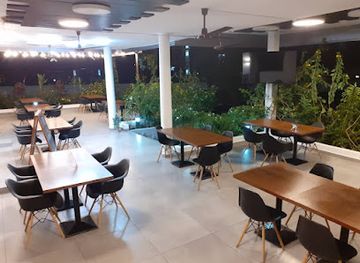
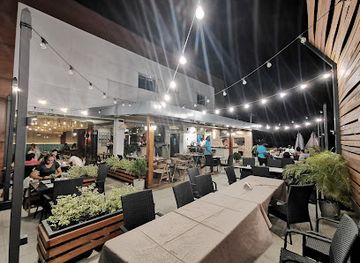
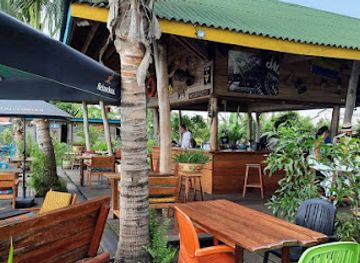
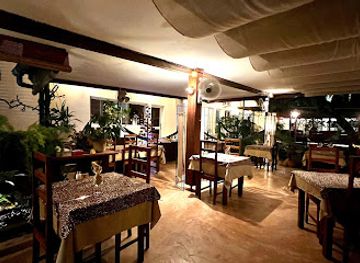
Nightlife in the Mayombe area is limited and concentrated in Tchibanga and Mayumba. Evening social life generally revolves around small bars, locally run restaurants, music, conversation and informal gatherings rather than a dedicated nightclub scene. Some establishments serve beer and soft drinks, while accommodation venues may offer a quieter place to eat or relax. In villages and forest camps, darkness, wildlife considerations and limited electricity mean that evenings usually end early; visitors should not expect reliable entertainment, late transport or a broad choice of venues. Remain discreet in small communities, keep valuables secure and arrange the return journey before going out. Mayumba may feel more sociable during busy travel periods, but opening arrangements and the availability of live music can change. Alcohol is not necessary to participate in local evening life, and responsible behaviour is especially important where medical and transport support are distant.
-
Bar
Lamaia Lounge Bar & Restaurant
Discover the elegance of French cuisine and the vibrant atmosphere at Lamaia Lounge Bar & Restaurant in Libreville, Gabon.
-
Tapas Bar
Marina Social Beach
Experience the vibrant culinary scene at Marina Social Beach, where delectable tapas and stunning views await in Port-Gentil.
-
African
L'Odika
Experience the flavors of Gabonese cuisine at L'Odika, a top African restaurant in Libreville, where tradition meets culinary excellence.
-
Lounge
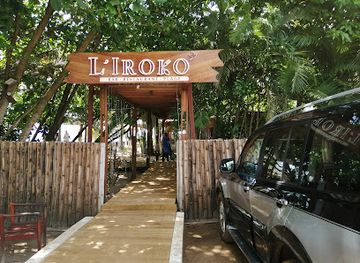
L’iroko
Experience the heart of Gabonese cuisine at L’iroko, a lively lounge and restaurant in Libreville where local flavors meet vibrant atmosphere.
Best nightclubs in Mayombe Forest
Nightlife in the Mayombe area is limited and concentrated in Tchibanga and Mayumba. Evening social life generally revolves around small bars, locally run restaurants, music, conversation and informal gatherings rather than a dedicated nightclub scene. Some establishments serve beer and soft drinks, while accommodation venues may offer a quieter place to eat or relax. In villages and forest camps, darkness, wildlife considerations and limited electricity mean that evenings usually end early; visitors should not expect reliable entertainment, late transport or a broad choice of venues. Remain discreet in small communities, keep valuables secure and arrange the return journey before going out. Mayumba may feel more sociable during busy travel periods, but opening arrangements and the availability of live music can change. Alcohol is not necessary to participate in local evening life, and responsible behaviour is especially important where medical and transport support are distant.
-
Bar
Bodega Mbolo
Experience the vibrant atmosphere of Bodega Mbolo in Libreville, where delicious cuisine meets a lively bar scene, perfect for day and night outings.
-
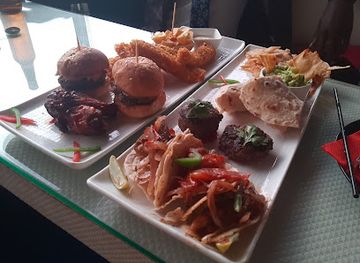
Restaurant
Big Mama
Experience the rich culinary heritage of Gabon at Big Mama, a cozy restaurant in Libreville offering delightful pizzas and local specialties.
-
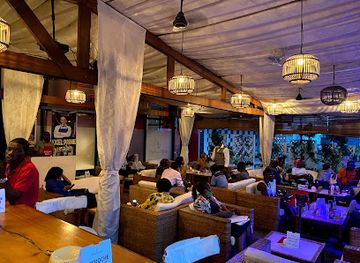
Lounge
Yoka_Lounge
Discover the charm of Libreville at Yoka Lounge, your perfect retreat for relaxation and local flavors in a warm ambiance.
-
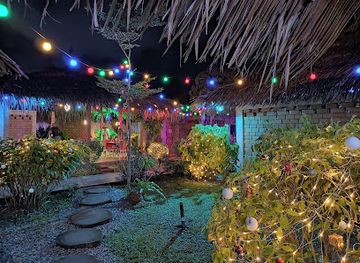
Night club
CEYO NIGHTCLUB
Discover the vibrant nightlife of Libreville at CEYO Nightclub, where music, dancing, and unforgettable experiences await every visitor.

Best shops in Mayombe Forest
Shopping in the Mayombe area is practical and local rather than oriented towards large retail centres. Tchibanga is the main place to buy provisions, toiletries, phone credit and other supplies before travelling into rural forest areas, while Mayumba serves a similar function for coastal journeys. Small markets and informal stalls commonly offer seasonal fruit, cassava, plantain, fish and other everyday foods. Visitors may find locally made baskets, carved objects, woven goods or other crafts, but availability varies and purchases should be made directly and respectfully rather than through aggressive bargaining. Do not buy objects made from protected wildlife, feathers, ivory, reptile skin or unidentified forest materials. Packaged Gabonese foods and modest handmade goods are more responsible souvenirs than biological specimens. Retail hours, stock and payment methods can be unpredictable, so carry cash in XAF and purchase essential items before leaving the larger towns.
-
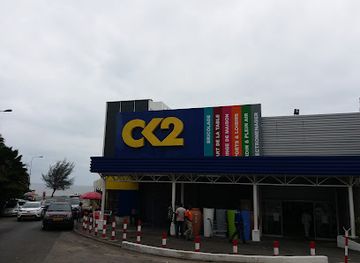
Home improvement store
CK2 centre ville
Discover CK2 Centre Ville in Libreville, your ultimate destination for home improvement supplies and expert advice in the heart of Gabon.
-
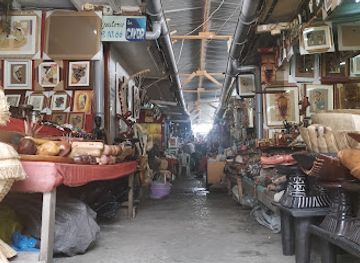
Handicraft
Village des Artisans
Explore the vibrant Village des Artisans in Libreville, where Gabon's rich cultural heritage comes alive through stunning handcrafted treasures.
-
Hardware store
Sogame Equip
Explore a vast selection of tools and materials at Sogame Equip, the premier hardware store in Libreville, perfect for professionals and DIY enthusiasts alike.
-
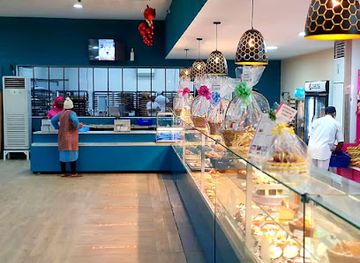
Bakery
La Forêt Noire
Discover the exquisite pastries and inviting atmosphere of La Forêt Noire, a must-visit bakery in Libreville, Gabon.
Get your free copy of our complete guide to Mayombe Forest, delivered straight to you.
Everything on this page, from attractions and restaurants to essentials and local phrases, in one PDF you can read offline, print or share.
Already have an account? Sign in
Your Mayombe Forest guide is ready.
We'll send it to · Not you? Sign out

Getting your guide ready…
We are putting together a fresh copy of the Mayombe Forest guide. This can take up to a minute.
This can take a few moments. If your browser asks, choose Allow so the download can start. You'll find the guide in your Downloads folder.
Nothing happened? Download it again
Sorry, the guide is taking longer than usual. Please try again in a minute, or get it by email instead.
Mayombe Forest essentials
Currency and Payment
Safety
Emergency Situations
Do's and Don'ts
Local Tips
From Eve
Local phrases worth knowing
You don't need to get them perfect. A few words go a long way, and locals appreciate the effort.
Basics
| English | Local | Say it |
|---|---|---|
| Hello | Mbote | [m-bo-te] |
| Goodbye | Kende malamu | [ken-de ma-la-mu] |
| Yes | Ee | [e-e] |
| No | Te | [te] |
| Please/You're welcome | S'il vous plaît | [sil voo ple] |
| Thank you | Mersi | [mer-si] |
| Excuse me/Sorry | Pardon | [par-don] |
| How are you? | Ndenge nini? | [nen-de-ge ni-ni] |
| Fine. And you? | Malamu. Na yo? | [ma-la-mu na yo] |
| Do you speak English? | Olingi kosolola na English? | [o-lin-gi ko-so-lo-la na en-glish] |
| I don't understand | Nalingi te koyeba | [na-lin-gi te ko-ye-ba] |
Eating & Drinking
| English | Local | Say it |
|---|---|---|
| I'd like to see the menu, please | Nalingi kokanga menu, s'il vous plaît | [na-lin-gi ko-kan-ga me-nu sil voo ple] |
| I don't eat meat | Nalingi te kolia nyama | [na-lin-gi te ko-li-a nya-ma] |
| Cheers! | Na biso! | [na bi-so] |
| I would like to pay, please | Nalingi kokoma, s'il vous plaît | [na-lin-gi ko-ko-ma sil voo ple] |
Emergencies
| English | Local | Say it |
|---|---|---|
| Help! | Lisanga! | [li-san-ga] |
| Go away! | Suka! | [su-ka] |
| Call the Police! | Tindika Polisi! | [tin-di-ka po-li-si] |
| Call a doctor! | Tindika dokiteri! | [tin-di-ka do-ke-te-ri] |
| I'm lost | Nazali na nse | [na-za-li na n-se] |
| I'm ill | Nazali na bobangi | [na-za-li na bo-ban-gi] |
Shopping
| English | Local | Say it |
|---|---|---|
| I'd like to buy... | Nalingi kozwa... | [na-lin-gi ko-zwa] |
| I'm just looking | Nazali kaka kotala | [na-za-li ka-ka ko-ta-la] |
| How much is it? | Mbango ezali nani? | [m-ban-go e-za-li na-ni] |
| That's too expensive | Eza malamu te | [e-za ma-la-mu te] |
| Can you lower the price? | Olingi kokitisa mbango? | [o-lin-gi ko-ki-ti-sa m-ban-go] |
Time & Numbers
| English | Local | Say it |
|---|---|---|
| What time is it? | Ndenge nini? | [nen-de-ge ni-ni] |
| It's one o'clock | Eza ngonga moko | [e-za n-gon-ga mo-ko] |
| Half past (10) | Soko ya (10) | [so-ko ya 10] |
| Morning | Mokolo | [mo-ko-lo] |
| Afternoon | Mokolo ya bongo | [mo-ko-lo ya bon-go] |
| Evening | Mokolo ya butu | [mo-ko-lo ya bu-tu] |
| Yesterday | Kaka kotala | [ka-ka ko-ta-la] |
| Today | Le jour | [le jour] |
| Tomorrow | Lobi | [lo-bi] |
| 1 | Moko | [mo-ko] |
| 2 | Mbale | [m-ba-le] |
| 3 | Misato | [mi-sa-to] |
| 4 | Mine | [mi-ne] |
| 5 | Mitano | [mi-ta-no] |
| 6 | Motoba | [mo-to-ba] |
| 7 | Mokolo | [mo-ko-lo] |
| 8 | Mibale | [mi-ba-le] |
| 9 | Mikatano | [mi-ka-ta-no] |
| 10 | Mokolo | [mo-ko-lo] |
Transport & Directions
| English | Local | Say it |
|---|---|---|
| Where's a/the...? | Ewuti wapi...? | [e-wu-ti wa-pi] |
| What's the address? | Nani adresse? | [na-ni a-dres] |
| Can you show me (on the map)? | Olingi kotalisa ngai (na katanga)? | [o-lin-gi ko-ta-li-sa ngai na ka-tan-ga] |
| When's the next (bus)? | Ntango nini bus eza? | [n-tan-go ni-ni bus e-za] |
| A ticket (to ....) | Billet (na ...) | [bi-ye-t na] |
History of Mayombe Forest
Ancient Forest Settlement and Bantu Migrations
The Mayombe landscape has been shaped by long-term settlement and movement of Bantu-speaking peoples across the forests and river valleys of Central Africa. Communities developed detailed knowledge of forest plants, wildlife, soils and waterways, combining farming with fishing, hunting and gathering in ways adapted to local conditions. The exact history varies between communities and should not be reduced to a single origin story. Today, the region’s villages and towns remain part of a wider cultural world extending across southern Gabon and the neighbouring Congo Basin.
Precolonial Trade and Regional Networks
Before European colonial rule, the Mayombe area was connected by paths, rivers and exchange networks rather than by modern roads. Local trade linked forest products, foodstuffs and manufactured goods between inland communities and settlements closer to the Atlantic. The forest was therefore not an isolated wilderness, but a lived-in landscape organised through kinship, seasonal movement and commerce. These older connections help explain why cultural and linguistic relationships in the Mayombe zone cross present national frontiers.
French Colonial Administration in Southern Gabon
During the late nineteenth and twentieth centuries, France incorporated Gabon into its colonial empire and established administrative control over the south. Posts and later towns such as Tchibanga became centres for government, taxation, missionary activity and commercial exchange. Colonial rule altered systems of authority and labour, while roads and administrative boundaries reoriented older regional connections. The modern geography of southern Gabon, including the importance of Tchibanga as an inland service centre, reflects this period as well as the much older history of local communities.
Forest Concessions and the Timber Economy
Like much of Gabon, the Mayombe region has experienced economic change through the extraction and trade of forest resources, especially timber. Commercial forestry introduced concession systems, work camps, new transport routes and links to national and international markets. It also brought difficult questions about biodiversity, community access and the long-term management of tropical forests. Contemporary conservation initiatives and responsible tourism operate within this broader history, in which the forest is simultaneously an ecological habitat, a source of livelihoods and a nationally important economic resource.
Gabonese Independence and Regional Development
Gabon became independent from France in 1960, after which national institutions increasingly shaped administration, transport and development in the southern forest zone. Tchibanga continued to function as an important urban centre for Nyanga Province, while smaller settlements remained dependent on limited road connections and local economic activity. The uneven availability of infrastructure is part of the region’s modern character: its environmental value is considerable, but reaching and moving through the forest can still require patience, local assistance and careful preparation.
Conservation in the Mayumba–Mayombe Landscape
Modern conservation has added a new historical layer to southern Gabon. Mayumba National Park, created in 2002, protects coastal and marine habitats near the southern town of Mayumba, including beaches used by leatherback turtles. Although the park is a coastal protected area rather than an inland Mayombe forest reserve, it forms part of the wider environmental setting of southern Gabon. Conservation work in the area reflects growing international attention to Gabon’s forests, wetlands, coastline and wildlife, alongside continuing debates about local livelihoods and access.
Mayombe Forest in Photos
Browse through our photo collection highlighting the charm and character of the destination.
Neighbouring regions of Mayombe Forest
The closest regions to Mayombe Forest, if you have time for more than one.
-
-

-

-
-


Swipe for more regions
Explore more
Explore more of Gabon
Gabon: Discover Africa's untouched paradise with pristine beaches, diverse wildlife, and rich cultural heritage.
Explore Gabon