

Chaillu Massif, Gabon Travel Guide
Discover the Chaillu Massif in Gabon: A pristine wilderness filled with breathtaking landscapes, diverse wildlife, and rich cultural heritage.
Nestled in the heart of Gabon, the Chaillu Massif is an unexplored wilderness teeming with life. This series of mountain ranges is a haven for nature lovers and adventurers alike, offering breathtaking landscapes and unique wildlife. The lush, dense forests are home to a variety of species, including gorillas, chimpanzees, and forest elephants. Hiking through the Chaillu Massif, tourists will find themselves immersed in a world far removed from the hustle and bustle of city life. The trails lead through verdant forests, past cascading waterfalls, and up to panoramic viewpoints that offer stunning vistas of the surrounding terrain. The highest peak, Mount Iboundji, stands at 1,575 meters and provides an exhilarating challenge for avid hikers. Beyond its natural beauty, the Chaillu Massif is rich in cultural history. The local tribes, including the Pygmy people, have lived in harmony with this land for centuries. Visitors have the unique opportunity to learn about their traditions, crafts, and way of life. Whether you are seeking adventure, tranquility, or cultural enrichment, the Chaillu Massif is a destination that promises an unforgettable experience.

Know before you go
Hi, I'm Eve. Here are a few practical things to know before exploring Chaillu Massif.
- Hire a local guide to navigate the trails and enhance your experience with their knowledge of the region.
- Pack lightweight, breathable clothing and sturdy hiking boots to stay comfortable on the trails.
- Bring insect repellent and a first aid kit, as the area is remote and medical facilities are limited.
- Respect local customs and traditions, particularly when visiting villages and interacting with indigenous people.
- Carry a reusable water bottle and stay hydrated, as the climate can be humid and warm.
Top City Travel Guides in Chaillu Massif
The cities of Chaillu Massif, and the easiest places to base yourself.

Destinations in Chaillu Massif
Resorts, valleys and scenic spots worth a trip of their own.

Explore Chaillu Massif: Things to Do, Places to Eat, Hotels & More
Handpicked recommendations for top attractions, local dining, accommodations, and more

Top Attractions & Sightseeing in Chaillu Massif
Top-rated picks
Best Attractions

Church of St. Michael Nkembo
Discover Libreville's iconic Church of St. Michael Nkembo, a masterpiece of Gabonese art and a vibrant center of Catholic faith.

Massif du Chaillu
Explore the breathtaking Massif du Chaillu in Gabon: a haven for hikers, nature lovers, and those seeking untamed wilderness and stunning vistas.
Mount Mimongo
Explore Mount Mimongo, a prominent peak in Gabon's Chaillu Mountains, offering natural beauty and a glimpse into the region's diverse flora.

Best landmarks in Chaillu Massif
Top-rated picks
Best Landmarks

Akanda National Park
Experience the stunning biodiversity and serene landscapes of Akanda National Park, a hidden gem for nature lovers and adventure seekers in Gabon.

Lopé National Park
Discover the diverse ecosystems and rich wildlife of Lopé National Park, a UNESCO World Heritage site in Gabon, perfect for nature lovers and adventure seekers.

Notre Dame de Lourdes
Explore the stunning Notre Dame de Lourdes in Libreville - a captivating blend of faith and architectural beauty in Gabon.

Mausolée Léon M'ba
Explore the Mausolée Léon M'ba: A Cultural Tribute to Gabon's First President in Libreville

Best restaurants in Chaillu Massif
Top-rated picks
Best Restaurants

Chez Jeannot
Discover authentic Gabonese flavors at Chez Jeannot - where affordability meets delightful cuisine in Libreville.

La Voile Rouge
Discover La Voile Rouge in Libreville - where exquisite seafood meets vibrant ambiance for an unforgettable dining experience.

Beach Club
Experience exquisite French-African cuisine at Beach Club in Libreville – where culinary delight meets coastal charm.

Lamaia Lounge Bar & Restaurant
Discover the charm of Lamaia Lounge Bar & Restaurant in Libreville – where French cuisine meets vibrant lounge culture.

Best bars in Chaillu Massif
Top-rated picks
Best Bars

Lamaia Lounge Bar & Restaurant
Discover the vibrant atmosphere and delicious French grill cuisine at Lamaia Lounge Bar & Restaurant in Libreville.

HYPE BAR LOUNGE
Discover the electrifying nightlife at HYPE BAR LOUNGE in Libreville, where great drinks, music, and entertainment come together for an unforgettable experience.

Marina Social Beach
Discover the vibrant ambiance and delicious tapas at Marina Social Beach, the perfect beachside retreat in Port-Gentil.

Entre nous Restaurant & Bar
Discover the vibrant flavors of Libreville at Entre Nous Restaurant & Bar, where delicious cuisine meets a lively atmosphere for an unforgettable experience.

Best nightclubs in Chaillu Massif
Top-rated picks
Best Nightclubs

VIP
Discover the electrifying nightlife of Libreville at VIP Disco Club, where art meets dance in a vibrant and welcoming atmosphere.

Yoka_Lounge
Discover the vibrant atmosphere and delicious offerings of Yoka Lounge in Libreville, the perfect retreat for relaxation and culinary delight.

Cotton Club
Discover the heartbeat of Libreville's nightlife at Cotton Club, where the music never stops and the dance floor is always alive.

L'Oxy Snack Bar Et Nightclub
Experience the vibrant nightlife of Libreville at L'Oxy Snack Bar Et Nightclub, where great food meets electrifying entertainment.

Best shops in Chaillu Massif
Top-rated picks
Best Shops

Village des Artisans
Discover the vibrant world of Gabonese handicrafts at Village des Artisans, where creativity and culture come alive in every unique piece.

Sogame Equip
Discover a wide range of tools and materials at Sogame Equip, the premier hardware store in Libreville for all your DIY and home improvement needs.

ABC mall
Explore ABC Mall in Libreville for a unique shopping experience, local culture, and delightful dining options in a vibrant atmosphere.

Royal Plaza
Explore the bustling Royal Plaza, a vibrant shopping mall in Libreville, where shopping, dining, and entertainment blend seamlessly for an unforgettable experience.

Explore Chaillu Massif on the Map
A handpicked selection of must-see spots in Chaillu Massif, mapped for you.
Chaillu Massif Essentials
-
Chaillu Massif is located in the southern part of Gabon. The nearest international airport is Léon-Mba International Airport in Libreville, the capital of Gabon. From Libreville, you can take a domestic flight to Mouila or Lambaréné, which are closer to Chaillu Massif. Alternatively, you can travel by road; the journey from Libreville to Chaillu Massif by car typically takes around 8 to 10 hours. There are also bus services available from Libreville to various towns near Chaillu Massif.
-
Within Chaillu Massif, transportation options are limited. Renting a 4x4 vehicle is highly recommended due to the rugged terrain and to allow for exploration of the more remote areas. Local taxis and motorbike taxis are available in larger towns like Mouila and Lambaréné, but they may not be suitable for more remote areas. Organized tours are another option, often providing transportation as part of the package.
-
The official currency in Gabon is the Central African CFA Franc (XAF). Credit cards are accepted in some hotels, restaurants, and shops in larger towns, but it is advisable to carry cash, especially when traveling to rural areas. ATMs are available in larger towns, but they may not be reliable, so it is wise to withdraw sufficient cash before heading to more remote areas.
-
Chaillu Massif is generally a safe destination for tourists. However, standard precautions should be taken. Avoid walking alone at night in unfamiliar areas and be cautious of your belongings in crowded places. While the region is relatively safe, it's always best to stay vigilant. Be aware of wildlife and ensure you have a local guide when exploring remote areas.
-
In case of an emergency, dial 177 for medical emergencies and 1730 for police assistance. It's highly recommended to have travel insurance that covers medical emergencies. For minor health issues, there are pharmacies in larger towns like Mouila and Lambaréné where you can purchase over-the-counter medications. Ensure you have a local contact or guide who can assist in emergencies.
-
Fashion: Do dress modestly, especially when visiting local villages. Avoid overly revealing clothing. Religion: Do respect local customs and traditions. Always ask for permission before taking photographs of people or religious sites. Public Transport: Do be patient and courteous. Don’t expect rigid schedules; public transport can be unpredictable. Greetings: Do greet people with a warm handshake and a friendly smile. Learning a few phrases in French or the local dialects can go a long way. Eating & Drinking: Do try local dishes and accept food offerings graciously. Don’t refuse hospitality, as it is considered impolite.
-
To experience Chaillu Massif like a local, visit the local markets where you can buy fresh produce and traditional Gabonese goods. Engaging with locals can be very rewarding; they are often friendly and willing to share stories about the region's history and culture. Don’t miss visiting the stunning waterfalls and taking guided forest treks to see rare wildlife. Participating in local festivals and cultural events can also provide a deeper understanding of the local way of life.
When is the best time to visit Chaillu Massif?
Useful Local Phrases for Chaillu Massif
You don't need to speak the language perfectly. Even learning a few simple words can make conversations warmer—and locals usually appreciate the effort.
— Eve

Here are the phrases I use most often in Chaillu Massif. Try a few—you'll be surprised how far they go! 😊
❤️
-
- HelloMbote
[m-bo-te] - GoodbyeTala
[ta-la] - YesEee
[e-e] - NoTe
[te] - Please/You're welcomeS'il te plaît / N'kosi
[seel te pleh / n-koh-see] - Thank youMérci
[mehr-see] - Excuse me/SorryN'kolo
[n-koh-lo] - How are you?Oza malamu?
[o-za ma-la-moo] - Fine. And you?Malamu. Na yo?
[ma-la-moo. na yo] - Do you speak English?Olingi koloba Lingala?
[o-lin-gee ko-lo-ba lin-ga-la] - I don't understandN'koyi te
[n-koh-yee te]
- HelloMbote
-
- I'd like to see the menu, pleaseNdingaka kotala menu, s'il te plaît
[n-din-ga-ka ko-ta-la meh-nu, seel te pleh] - I don't eat meatN'koyi te nyama
[n-koh-yee te nyam-a] - Cheers!Mokolo!
[mo-ko-lo] - I would like to pay, pleaseNdingaka kokoma, s'il te plaît
[n-din-ga-ka ko-ko-ma, seel te pleh]
- I'd like to see the menu, pleaseNdingaka kotala menu, s'il te plaît
-
- Help!Yango!
[yan-go] - Go away!Kende!
[ken-de] - Call the Police!Tindika Polisi!
[tin-di-ka po-li-si] - Call a doctor!Tindika nganga!
[tin-di-ka n-gan-ga] - I'm lostNazali na bongo
[na-za-li na bon-go] - I'm illNazali malade
[na-za-li ma-lad]
- Help!Yango!
-
- I'd like to buy...Ndingaka koya...
[n-din-ga-ka ko-ya] - I'm just lookingNazali kaka koluka
[na-za-li ka-ka ko-lu-ka] - How much is it?Mbala nini?
[m-ba-la ni-ni] - That's too expensiveEza na mbala mingi
[e-za na m-ba-la min-gee] - Can you lower the price?Olingi kokoma mbala?
[o-lin-gee ko-ko-ma m-ba-la]
- I'd like to buy...Ndingaka koya...
-
- What time is it?Ngai na ntango nini?
[n-gai na n-tan-go ni-ni] - It's one o'clockEza ntango moko
[e-za n-tan-go mo-ko] - Half past (10)Nnzo na (10)
[n-nzo na (10)] - MorningMokolo
[mo-ko-lo] - AfternoonMokolo ya nsuka
[mo-ko-lo ya n-su-ka] - EveningMokolo ya pema
[mo-ko-lo ya pe-ma] - YesterdayLobi
[lo-bi] - TodayLelo
[le-lo] - TomorrowKeseni
[ke-se-ni] - 1Mokolo moko
[mo-ko-lo mo-ko] - 2Mokolo mibale
[mo-ko-lo mi-ba-le] - 3Mokolo misato
[mo-ko-lo mi-sa-to] - 4Mokolo mine
[mo-ko-lo mi-ne] - 5Mokolo mitano
[mo-ko-lo mi-ta-no] - 6Mokolo motoba
[mo-ko-lo mo-to-ba] - 7Mokolo mokuwa
[mo-ko-lo mo-ku-wa] - 8Mokolo mwamba
[mo-ko-lo mwam-ba] - 9Mokolo mabe
[mo-ko-lo ma-be] - 10Mokolo zomi
[mo-ko-lo zo-mi]
- What time is it?Ngai na ntango nini?
-
- Where's a/the...?Wapi ...?
[wa-pi] - What's the address?Nini adresse?
[ni-ni a-dres] - Can you show me (on the map)?Olingi kotanga ngai (na carte)?
[o-lin-gee ko-tan-ga n-gai (na kar-te)] - When's the next (bus)?Ntango nini bus ya nsuka?
[n-tan-go ni-ni bus ya n-su-ka] - A ticket (to ....)Billet (ya ...)
[bi-llet (ya ...)]
- Where's a/the...?Wapi ...?
History of Chaillu Massif
-
The Chaillu Massif region has been inhabited for thousands of years. The earliest known settlers were the Pygmy tribes, who lived in harmony with the dense rainforest environment. These indigenous peoples developed unique cultural practices and deep knowledge of the forest's resources, which they used for medicine, food, and shelter.
-
In the mid-19th century, the French-American explorer Paul Du Chaillu ventured into the Chaillu Massif. His expeditions, conducted between 1855 and 1865, brought international attention to the region. Du Chaillu's discoveries included the first scientific documentation of the gorilla, which significantly contributed to Western understanding of African wildlife and geography.
-
During the late 19th and early 20th centuries, the Chaillu Massif became part of French Equatorial Africa. The colonial period saw the introduction of new administrative, economic, and social structures. French missionaries established schools and churches in the region, influencing the local culture and leading to a blend of traditional and European customs.
-
Gabon gained independence from France in 1960, and the Chaillu Massif region experienced significant changes. The government focused on developing infrastructure and promoting tourism. Efforts were made to preserve the natural environment and the unique cultural heritage of the area, including the establishment of protected areas and national parks.
-
The Chaillu Massif is home to diverse ethnic groups, including the Fang, Nzebi, and Myene peoples. Each group has its own distinct cultural practices, languages, and traditions. The region is known for its vibrant music, dance, and artisanal crafts, which reflect a rich cultural tapestry. Traditional ceremonies and festivals continue to play a vital role in community life.
-
The Chaillu Massif is recognized for its extraordinary biodiversity. It hosts a variety of endemic species, including the critically endangered western lowland gorilla. Conservation efforts have been paramount in recent years, with initiatives aimed at protecting wildlife and habitats. Organizations and local communities work together to promote sustainable practices and ecotourism.
Neighbouring Regions of Chaillu Massif
The closest regions to Chaillu Massif, if you have time for more than one.




Your all‑in‑one travel companion app
Explore expert travel guides, compare and book tours, experiences, hotels, and more—all from the palm of your hand. Download now for seamless trip planning wherever your wanderlust takes you.


Explore More of Gabon
Looking beyond Chaillu Massif? Discover Gabon for broader travel guides, local hot-spots, and regional highlights.
Explore GabonChaillu Massif in Photos
Browse through our photo collection highlighting the charm and character of the destination.


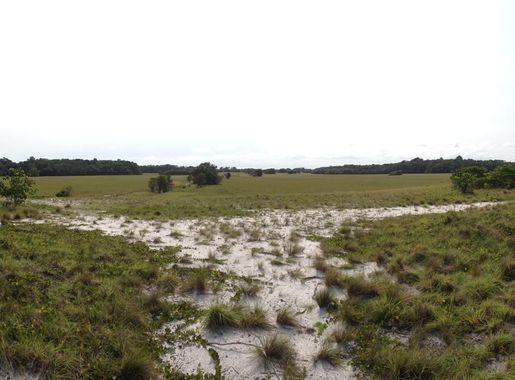
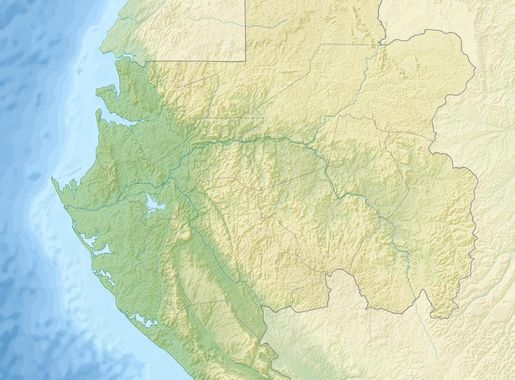


Chaillu Massif: Gabon's Untamed Wilderness
Nestled in the heart of Gabon, the Chaillu Massif is an unexplored wilderness teeming with life. This series of mountain ranges is a haven for nature lovers and adventurers alike, offering breathtaking landscapes and unique wildlife. The lush, dense forests are home to a variety of species, including gorillas, chimpanzees, and forest elephants. Hiking through the Chaillu Massif, tourists will find themselves immersed in a world far removed from the hustle and bustle of city life. The trails lead through verdant forests, past cascading waterfalls, and up to panoramic viewpoints that offer stunning vistas of the surrounding terrain. The highest peak, Mount Iboundji, stands at 1,575 meters and provides an exhilarating challenge for avid hikers. Beyond its natural beauty, the Chaillu Massif is rich in cultural history. The local tribes, including the Pygmy people, have lived in harmony with this land for centuries. Visitors have the unique opportunity to learn about their traditions, crafts, and way of life. Whether you are seeking adventure, tranquility, or cultural enrichment, the Chaillu Massif is a destination that promises an unforgettable experience.