

Free Congo Basin Travel Guide & Mobile App
Explore Congo Basin with free travel guides. Discover regional history, expert tips, proposed trips, and audio guides on web or mobile app.


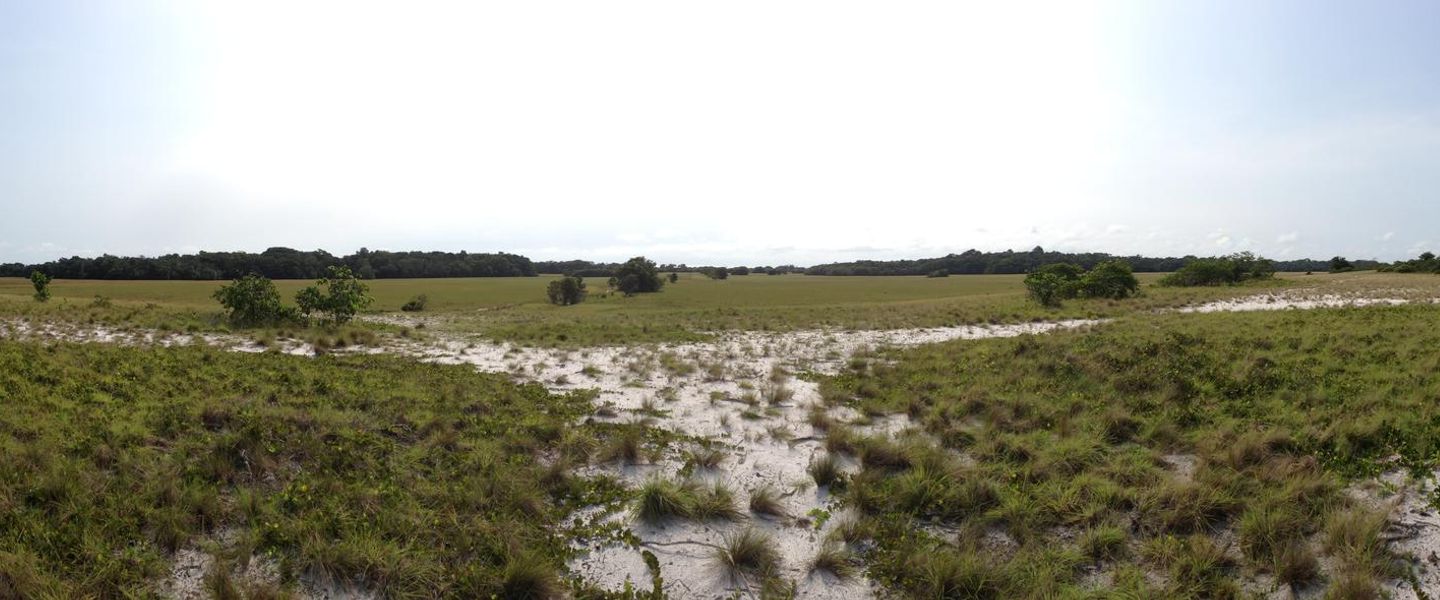


Explore Gabon’s Congo Basin through rainforest parks, wild rivers, wildlife tracking and community-led journeys into equatorial landscapes.
Read more about Congo Basin
When is the best time to visit Congo Basin?
Best: January–March · 31–32°C| Month | High (°C) | Rainfall (mm) |
|---|---|---|
| January (best) | 31 | 200 |
| February (best) | 32 | 180 |
| March (best) | 32 | 220 |
| April | 32 | 240 |
| May | 31 | 260 |
| June | 31 | 280 |
| July | 31 | 300 |
| August | 31 | 320 |
| September | 32 | 340 |
| October | 32 | 360 |
| November | 32 | 380 |
| December | 31 | 400 |
Getting to and around Congo Basin
How to get there
Transportation
Top city travel guides in Congo Basin
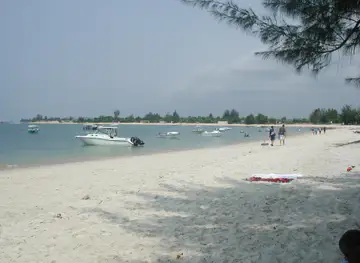
The cities of Congo Basin, and the easiest places to base yourself.
-
-

-


Swipe for more cities
Destinations in Congo Basin
Resorts, valleys and scenic spots worth a trip of their own.
-

-

-

-

-

-


Swipe for more destinations
Best attractions in Congo Basin
The Gabonese Congo Basin is principally a destination for protected landscapes and guided outdoor experiences. Loango National Park brings together rainforest, coastal dunes, lagoons, wetlands and open areas where visitors may look for forest elephants, buffalo, hippos and primates, although wildlife sightings depend on season and conditions. Lopé National Park offers a different setting, with rainforest giving way to savannah and a strong archaeological dimension; guided walks and drives can combine natural and cultural interpretation. Ivindo National Park centres on dense equatorial forest, waterways and waterfalls, with boat journeys and forest excursions forming the core of many visits. Moukalaba-Doudou National Park adds forest, savannah and wildlife research landscapes in south-western Gabon. Across these areas, attractions are rarely arranged as conventional sightseeing sites. Their character comes from river crossings, dawn or dusk observation, botanical knowledge, birdwatching, tracking signs and listening to the forest. Visits should be arranged through recognised operators or park authorities, since access, accommodation and guiding vary substantially between destinations.
-
Handicraft
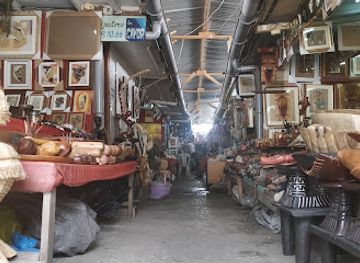
Village des Artisans
Discover Gabonese artistry at Village des Artisans in Libreville: handcrafted wood carvings, textiles, jewelry, and cultural treasures await.
-
Catholic church
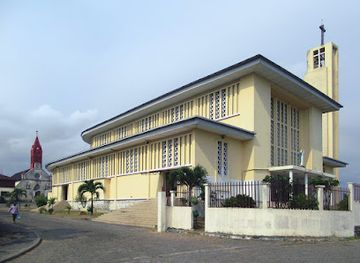
Cathédrale Sainte Marie
Discover Libreville's Cathédrale Sainte Marie: a historic cathedral offering architectural beauty and a peaceful spiritual experience in the heart of Gabon.
-
National park
Akanda National Park
Explore Akanda National Park's diverse ecosystems: mangroves, beaches, and lagoons teeming with wildlife near Libreville, Gabon.
-
National park
Lopé National Park
Explore Gabon's Lopé National Park: Where ancient history meets incredible wildlife in a unique rainforest-savanna landscape.
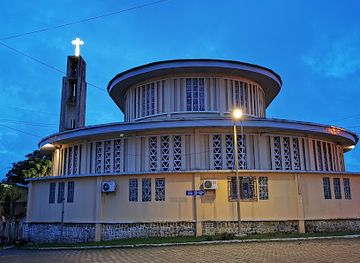
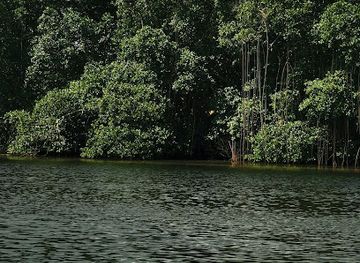
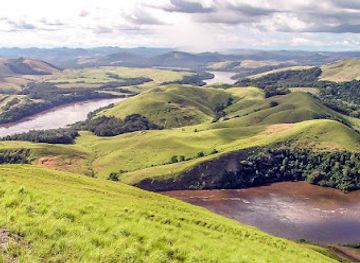
Best landmarks in Congo Basin
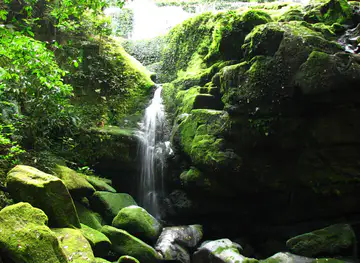
The defining landmarks of Gabon’s Congo Basin are primarily natural and archaeological. The Kongou and Mingouli waterfalls in Ivindo National Park mark dramatic breaks in the park’s forested river system, although reaching them requires organised travel and suitable conditions. Lopé’s meeting of rainforest and open savannah creates one of the region’s most recognisable landscapes and gives the national park a significance that is both ecological and archaeological. The rock art and ancient settlement evidence of the Lopé-Okanda landscape record long periods of human movement through central Gabon and form part of its UNESCO World Heritage designation. In Loango, lagoons, forest margins and empty Atlantic beaches create a contrasting coastal landmark system within the wider basin. The Ogooué and Ivindo rivers are also landmarks in practical terms: they have shaped settlement, transport, wildlife habitats and the visual identity of the interior. These places are not urban monuments with unrestricted access; their meaning is best understood through guided interpretation and attention to seasonal conditions.
-
National park
Lopé National Park
Explore the stunning biodiversity and rich cultural heritage at Lopé National Park, a UNESCO World Heritage site in Gabon, perfect for nature lovers and adventurers.
-
Catholic church
Notre Dame de Lourdes
Explore the serene beauty of Notre Dame de Lourdes in Libreville, a Catholic church that captivates with its architecture and tranquil atmosphere.
-
National park
Conkouati Reserve
Explore the stunning landscapes and diverse wildlife of Conkouati Reserve, a national park that embodies the essence of Congo-Brazzaville's natural beauty.
-
Lodge
Pongara Lodge
Discover the serene beauty of Pongara Lodge, your luxury escape into Gabon's vibrant nature and rich biodiversity.
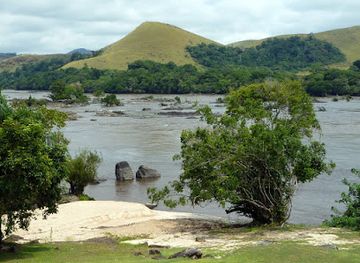
Explore Congo Basin on the map
Plan your trip on one map. See where the top cities, national parks and sights are, and book hotels and experiences in a few clicks.
Best hotels in Congo Basin
Best restaurants in Congo Basin
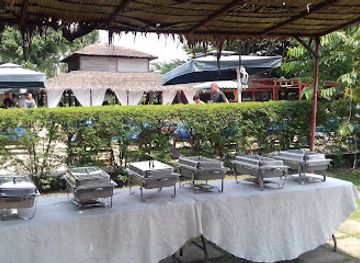
Dining in Gabon’s rainforest destinations is shaped by what can be supplied reliably to remote lodges and field camps rather than by a large restaurant scene. Meals commonly combine rice, plantain, cassava, vegetables, beans, chicken or fish, with urban and coastal influences visible in the use of seafood and sauces. In villages and market towns, visitors may encounter everyday Gabonese cooking based on local produce, while lodges generally provide familiar continental dishes alongside regional ingredients. Libreville, the country’s main gateway and outside the interior rainforest zone, offers the widest choice of restaurants and is the easiest place to sample Gabonese specialities before or after a park journey. Remote accommodation normally requires meals to be booked in advance, and dietary requirements should be communicated early. Visitors should not assume that forest trips offer regular cafés, shops or restaurants; carry permitted snacks and follow guidance about food storage, waste and wildlife.
-
Pizza
BANTU Restaurant – Restaurant – Bar – Pizzeria
Discover BANTU Restaurant in Libreville – where delicious pizzas meet vibrant nightlife in an inviting atmosphere.
-
Restaurant
La Voile Rouge
Experience the best of Gabonese cuisine at La Voile Rouge in Libreville, where local flavors meet international flair.
-
French
Beach Club
Experience exquisite French and African cuisine at Beach Club in Libreville – where culinary artistry meets coastal beauty.
-
Restaurant
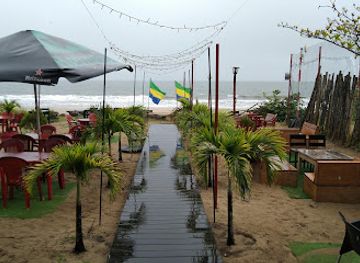
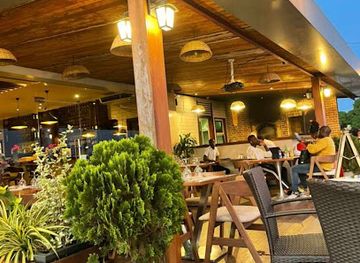
Lamaia Lounge Bar & Restaurant
Experience the best of French cuisine at Lamaia Lounge Bar & Restaurant in Libreville - where every meal is a celebration.
Best bars in Congo Basin
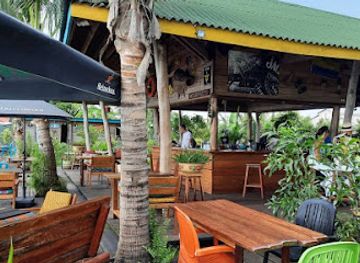
Nightlife in the Gabonese Congo Basin is limited and closely tied to the scale of local settlements and the logistics of rainforest travel. In interior towns such as Franceville or Makokou, evening life is more likely to centre on modest bars, hotel restaurants, music and social gatherings than on a concentrated club district. Lodges may offer a quiet drink after a forest excursion, but many guests retire early for dawn walks, and remote camps may have little or no formal bar service. Libreville, outside the main rainforest destinations, has the country’s broadest selection of bars, restaurants, live music and late-night venues. In villages, be considerate of local routines and avoid treating community spaces as entertainment venues. Alcohol should not be mixed with demanding walks, boat travel or wildlife activities, and visitors should check transport arrangements before drinking away from their accommodation.
-
Pizza
BANTU Restaurant – Restaurant – Bar – Pizzeria
Experience the vibrant culinary scene of Libreville at BANTU Restaurant, where delicious pizza meets a lively bar atmosphere.
-
Restaurant
La Voile Rouge
Experience the culinary charm of La Voile Rouge, a premier restaurant in Libreville offering exquisite dishes and a vibrant atmosphere for all.
-
Restaurant
Lamaia Lounge Bar & Restaurant
Discover the exquisite flavors of French cuisine at Lamaia Lounge Bar & Restaurant in Libreville. A perfect blend of taste and ambiance awaits.
-
Tapas Bar
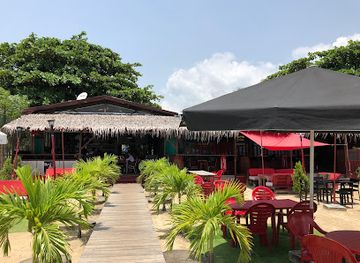
Marina Social Beach
Experience the vibrant flavors of Port-Gentil at Marina Social Beach, a charming tapas bar with stunning coastal views and an inviting atmosphere.


Best nightclubs in Congo Basin
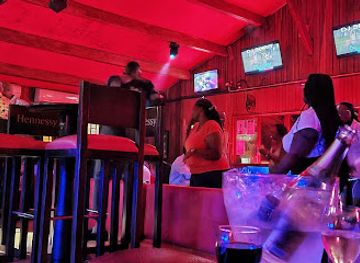
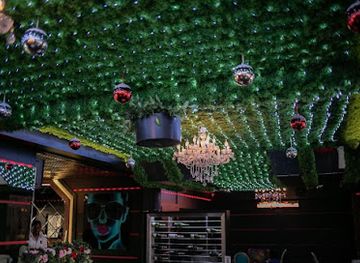
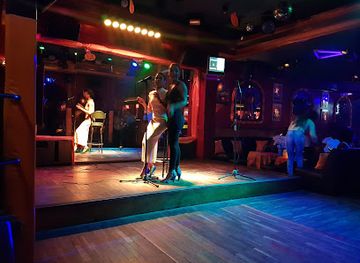
Nightlife in the Gabonese Congo Basin is limited and closely tied to the scale of local settlements and the logistics of rainforest travel. In interior towns such as Franceville or Makokou, evening life is more likely to centre on modest bars, hotel restaurants, music and social gatherings than on a concentrated club district. Lodges may offer a quiet drink after a forest excursion, but many guests retire early for dawn walks, and remote camps may have little or no formal bar service. Libreville, outside the main rainforest destinations, has the country’s broadest selection of bars, restaurants, live music and late-night venues. In villages, be considerate of local routines and avoid treating community spaces as entertainment venues. Alcohol should not be mixed with demanding walks, boat travel or wildlife activities, and visitors should check transport arrangements before drinking away from their accommodation.
-
Bar
HYPE BAR LOUNGE
Experience the lively nightlife of Libreville at HYPE BAR LOUNGE, where great music and drinks create unforgettable moments.
-
Lounge
Yoka_Lounge
Discover the serene and inviting Yoka Lounge in Libreville, where comfort meets delightful flavors in a perfect setting for relaxation.
-
Night club
Cotton Club
Discover the pulsating nightlife at Cotton Club, the premier nightclub in Libreville, where music, dance, and culture come together.
-
Night club
CEYO NIGHTCLUB
Experience the vibrant nightlife of Libreville at CEYO Nightclub, where music, dance, and local culture come together for an unforgettable evening.
Best shops in Congo Basin
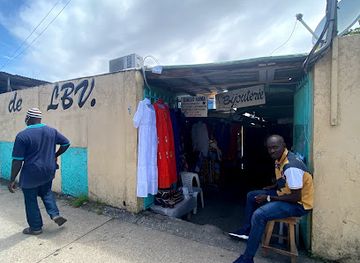
Shopping opportunities in the Gabonese Congo Basin are practical and local rather than extensive. Market towns and larger settlements sell food, household goods, clothing and basic travel supplies, while organised lodges may offer a small selection of locally made crafts or conservation-related products. Carved wood objects, woven goods and other handmade items can be culturally meaningful, but visitors should ask about provenance and avoid purchasing antiquities, protected wildlife products, feathers, skins, ivory or objects made from endangered species. Libreville, outside the interior rainforest destinations, provides the country’s broadest range of galleries, craft outlets and specialist shops. In remote areas, carry essential toiletries, batteries, communications equipment and snacks before departure rather than expecting regular retail facilities. Buying fairly priced goods from legitimate local makers and paying in cash where appropriate can support communities, but bargaining should remain courteous and never pressure a small producer.
-
Handicraft
Village des Artisans
Explore the rich artistic heritage of Gabon at Village des Artisans, a vibrant marketplace filled with unique handcrafted treasures.
-
Catholic church
Cathédrale Sainte Marie
Experience the architectural grandeur and vibrant community spirit at Cathédrale Sainte Marie in Libreville, a must-visit landmark of Gabon.
-
Hotel
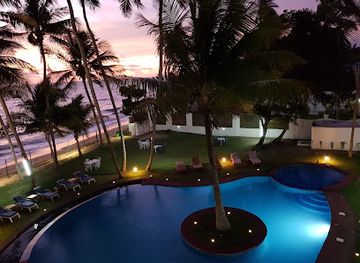
Residence Oceane
Discover the charm of Libreville at Residence Oceane, your ultimate hotel retreat for comfort and convenience.
-
National park
Dja Faunal Reserve
Explore the breathtaking Dja Faunal Reserve in Cameroon, a UNESCO World Heritage Site, where diverse wildlife and lush rainforests await.
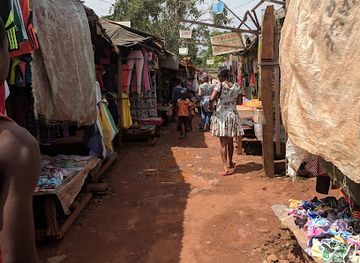
Get your free copy of our complete guide to Congo Basin, delivered straight to you.
Everything on this page, from attractions and restaurants to essentials and local phrases, in one PDF you can read offline, print or share.
Already have an account? Sign in
Your Congo Basin guide is ready.
We'll send it to · Not you? Sign out

Getting your guide ready…
We are putting together a fresh copy of the Congo Basin guide. This can take up to a minute.
This can take a few moments. If your browser asks, choose Allow so the download can start. You'll find the guide in your Downloads folder.
Nothing happened? Download it again
Sorry, the guide is taking longer than usual. Please try again in a minute, or get it by email instead.
Congo Basin essentials
Currency and Payment
Safety
Emergency Situations
Do's and Don'ts
Local Tips
From Eve
Local phrases worth knowing
You don't need to get them perfect. A few words go a long way, and locals appreciate the effort.
Basics
| English | Local | Say it |
|---|---|---|
| Hello | Bonjour | [bɔ̃ʒuʁ] |
| Goodbye | Au revoir | [o ʁəvwaʁ] |
| Yes | Oui | [wi] |
| No | Non | [nɔ̃] |
| Please/You're welcome | S'il vous plaît | [sil vu ple] |
| Thank you | Merci | [mɛʁsi] |
| Excuse me/Sorry | Excusez-moi | [ɛkskyze mwa] |
| How are you? | Comment ça va? | [kɔmɑ̃ sa va] |
| Fine. And you? | Bien. Et vous? | [bjɛ̃ e vu] |
| Do you speak English? | Parlez-vous anglais? | [paʁle vu ɑ̃ɡlɛ] |
| I don't understand | Je ne comprends pas | [ʒə nə kɔ̃pʁɑ̃ pa] |
Eating & Drinking
| English | Local | Say it |
|---|---|---|
| I'd like to see the menu, please | Je voudrais voir le menu, s'il vous plaît | [ʒə vudʁɛ vwaʁ lə mɛny, sil vu ple] |
| I don't eat meat | Je ne mange pas de viande | [ʒə nə mɑ̃ʒ pa də vjɑ̃d] |
| Cheers! | Santé! | [sɑ̃te] |
| I would like to pay, please | Je voudrais payer, s'il vous plaît | [ʒə vudʁɛ peje, sil vu ple] |
Emergencies
| English | Local | Say it |
|---|---|---|
| Help! | Au secours! | [o səkuʁ] |
| Go away! | Allez-vous-en! | [ale vu zɑ̃] |
| Call the Police! | Appelez la police! | [apəle la pɔlis] |
| Call a doctor! | Appelez un médecin! | [apəle ɛ̃ mɛdɛsɛ̃] |
| I'm lost | Je suis perdu | [ʒə sɥi pɛʁdy] |
| I'm ill | Je suis malade | [ʒə sɥi malɑd] |
Shopping
| English | Local | Say it |
|---|---|---|
| I'd like to buy... | Je voudrais acheter... | [ʒə vudʁɛ aʃte] |
| I'm just looking | Je regarde juste | [ʒə ʁəɡaʁd ʒyst] |
| How much is it? | C'est combien? | [se kɔ̃bjen] |
| That's too expensive | C'est trop cher | [se tʁo ʃɛʁ] |
| Can you lower the price? | Pouvez-vous baisser le prix? | [puve vu bɛse lə pʁi] |
Time & Numbers
| English | Local | Say it |
|---|---|---|
| What time is it? | Quelle heure est-il? | [kɛl œʁ ɛ til] |
| It's one o'clock | Il est une heure | [il ɛ yn œʁ] |
| Half past (10) | Dix heures et demie | [dis œʁ e dəmi] |
| Morning | Matin | [matɛ̃] |
| Afternoon | Après-midi | [apʁɛ midi] |
| Evening | Soir | [swaʁ] |
| Yesterday | Hier | [jɛʁ] |
| Today | Aujourd'hui | [oʒuʁdɥi] |
| Tomorrow | Demain | [dəmɛ̃] |
| 1 | Un | [œ̃] |
| 2 | Deux | [dø] |
| 3 | Trois | [tʁwa] |
| 4 | Quatre | [katʁ] |
| 5 | Cinq | [sɛ̃k] |
| 6 | Six | [si] |
| 7 | Sept | [sɛt] |
| 8 | Huit | [ɥit] |
| 9 | Neuf | [nœf] |
| 10 | Dix | [dis] |
Transport & Directions
| English | Local | Say it |
|---|---|---|
| Where's a/the...? | Où est un/une...? | [u ɛ ɛ̃/yn] |
| What's the address? | Quelle est l'adresse? | [kɛl ɛ l'adʁɛs] |
| Can you show me (on the map)? | Pouvez-vous me montrer (sur la carte)? | [puve vu mə mɔ̃tʁe syʁ la kaʁt] |
| When's the next (bus)? | Quand est le prochain (autobus)? | [kɑ̃ ɛ lə pʁɔʃɛ̃ o.tɔ.by] |
| A ticket (to ....) | Un billet (pour ....) | [œ̃ bije puʁ] |
History of Congo Basin
Early settlement and forest societies
The forests of present-day Gabon have been inhabited and used for thousands of years by communities with sophisticated knowledge of plants, animals, waterways and seasonal resources. Later population movements brought Bantu-speaking peoples into the region, creating a complex cultural landscape rather than a single forest society. Archaeological evidence, including Iron Age sites and ancient settlement traces in the Lopé area, demonstrates that the rainforest was not an untouched wilderness but a lived-in environment shaped by movement, exchange, cultivation and hunting.
The Lopé archaeological landscape
Lopé National Park contains an extensive record of human activity, including rock art and archaeological remains associated with successive periods of settlement. The evidence helps historians understand changing technologies, ironworking, mobility and relationships between forest and savannah environments in central Gabon. Its importance lies in showing how people adapted to and travelled through the Congo Basin over many centuries. The archaeological and ecological values of the park are recognised together through its UNESCO World Heritage status.
Atlantic trade and European contact
Before colonial rule, communities in the Gabon region participated in inland and coastal exchange networks involving forest products, foodstuffs and crafted goods. European traders and navigators developed stronger contact along the Atlantic coast from the fifteenth century onwards, followed by missionary and commercial activity. These encounters altered coastal politics and trading patterns, while the interior remained difficult for outsiders to reach. The region’s rivers later became important routes for exploration, administration and the movement of goods.
Colonial rule and the forest economy
France established colonial control over Gabon during the late nineteenth century, incorporating the territory into French Equatorial Africa. Colonial administration, forced labour and commercial extraction brought profound disruption to local communities. Timber became a major economic resource, with railways, river transport and roads gradually linking forest districts to coastal ports. The legacy remains visible in transport corridors, town development and the continuing importance of forestry, although modern regulation and conservation policies have sought to reduce destructive exploitation.
Independence and national development
Gabon became independent from France in 1960. Post-independence development concentrated heavily on urban growth, public administration and the exploitation of oil, manganese and timber. Much of the interior remained sparsely populated and difficult to reach, which helped preserve extensive forest landscapes but also limited public services and tourism infrastructure. Towns such as Franceville and Makokou became important regional centres, while rivers and roads continued to determine access across the rainforest.
National parks and conservation
In 2002 Gabon created a large network of national parks, placing rainforest protection at the centre of its environmental policy. Parks such as Loango, Lopé and Ivindo protect different ecological zones, including coastal forest, savannah mosaics, lowland rainforest and major river systems. The programme also created a framework for ecotourism, scientific research and anti-poaching work. Conservation remains a continuing process, balancing habitat protection, local livelihoods, lawful resource use and the pressures of infrastructure and commercial development.
Contemporary forest guardianship
Today, Gabon’s Congo Basin forests are discussed not only as wildlife habitat but as landscapes connected to climate regulation, carbon storage, cultural knowledge and national identity. Conservation organisations, government agencies, researchers and local communities contribute in different ways to park management and forest monitoring. Tourism is still relatively small compared with the scale of the ecosystem, so its most constructive role is often practical: supporting trained local staff, responsible lodges, community services and long-term protection rather than promoting high-volume visitation.
Congo Basin in Photos
Browse through our photo collection highlighting the charm and character of the destination.
Neighbouring regions of Congo Basin
The closest regions to Congo Basin, if you have time for more than one.
-

-

-

-

-


Swipe for more regions
Explore more
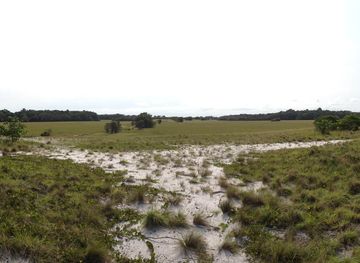
Explore more of Gabon
Gabon: Discover Africa's untouched paradise with pristine beaches, diverse wildlife, and rich cultural heritage.
Explore Gabon